Olivia Johnson
 Facebook ad: “The Parasite Clue Nobody Considered”
Ran for 11 days, from October 17 to October 28, 2026, the last day Crush saw it.
Run by Olivia Johnson on Facebook. Crush is not the advertiser and does not verify its claims. See this ad in Meta's Ad Library(opens in a new tab)
Make your own version of this ad
Crush makes it, launches it in your own Meta ad account, scales the winners and pauses the losers.
About this ad
- Meta Ad Library ID
- 1492147639412400
- Platforms
- Facebook, Instagram, Audience Network, WhatsApp and Threads
- Relaunches
- 0
Ad text
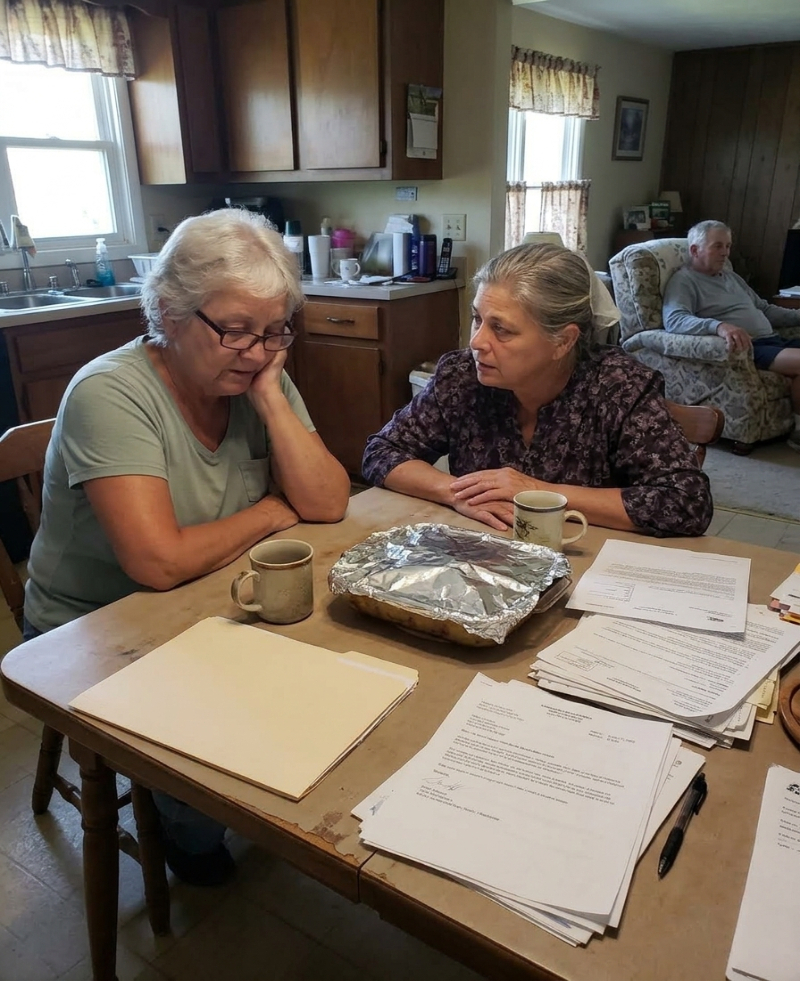
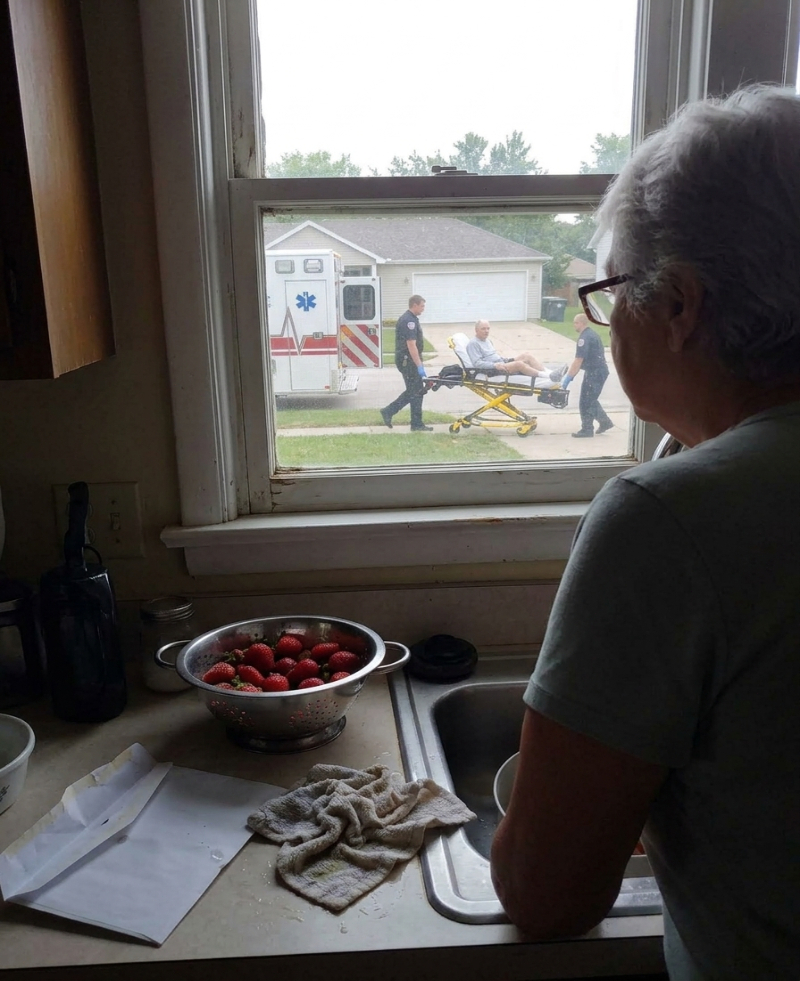
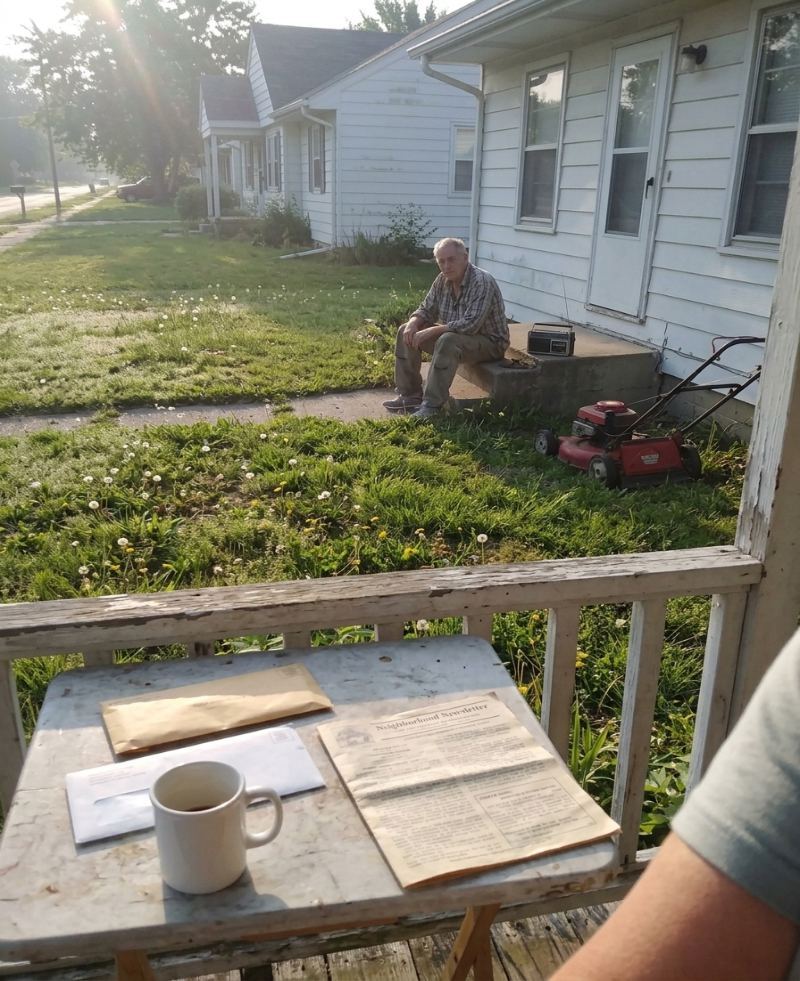
My neighbor mowed his lawn at sunrise for 30 years. Every Saturday. 6:15 AM. The sound of that old Toro pull-start was my alarm clock. Then one Saturday, nothing. Just birds. I lay in bed listening to the silence and I knew. The way you know when a sound that's been part of your life forever suddenly isn't. Something was wrong with Earl. My name is Olivia. I'm 57. I've lived in the same brick ranch on Linden Street in Greensboro, North Carolina for 22 years. My husband Dale and I moved in the summer of 2003 with two kids, a dog, and a leaky water heater. The kids are grown now. The dog is buried under the dogwood out back. The water heater finally gave up last March. But Earl was always there. Earl Whitaker. 68 years old. Retired postal carrier. Lived in the white split-level next door with his wife Marlene and a Labrador named Biscuit who used to come over and eat my tomatoes off the vine before I could pick them. Earl mowed his lawn at sunrise because, in his words, "the grass don't know what time it is, and the neighbors who got a problem with it can take it up with management." He'd been doing it for 30 years. Saturday mornings, 6:15. Toro lawnmower. Same one he bought in 1994 from the Sears that used to be off Battleground Avenue, before Sears went under. He'd mow in straight lines first. Then diagonals. Then he'd edge the sidewalk with one of those manual edgers, the kind nobody uses anymore. He had a little radio he'd set on the porch step playing the oldies station, just loud enough to hear over the engine. It was the most reliable sound in my life. More reliable than my coffee maker. More reliable than my husband's snoring. More reliable than my own kids calling on Sunday. You don't realize how much you count on something until it stops. The first Saturday Earl didn't mow, I told myself he was tired. He'd earned a day off. The second Saturday, I told myself maybe he was visiting his daughter in Raleigh. The third Saturday, I saw the ambulance. It wasn't sirens. It was the worse kind. The quiet kind. The kind that pulls into a driveway without lights because there isn't some dramatic emergency to outrun anymore. I was in my kitchen washing strawberries. I saw the white and red through the slats of my blinds and I dropped a strawberry into the sink and I just stood there with water running over my hand. Marlene came out the front door first. She wasn't crying. She had her arms wrapped around herself like she was cold, even though it was 78 degrees and humid. Then they wheeled Earl out on a stretcher. He was sitting up. Conscious. He even waved at me through the window when he saw me looking, the way you wave at the mailman or the kid who delivers your paper, like he was embarrassed I'd seen him laid out. That little wave broke me. I didn't know yet what had happened. I just knew that the man who'd mowed his lawn at 6:15 every Saturday for 30 years was being driven away from his own house in the back of an ambulance, and his wife was standing on the porch holding herself like she might fall apart if she let go. I made a casserole. That's what you do. I made a chicken and rice thing my mother taught me, the kind that travels well and reheats in foil, and I walked it across the lawn two days later and knocked on Marlene's door. She opened it and her eyes were red and she said, "Oh Patty, come in, come in," like she'd been waiting for someone to come over so she didn't have to be alone with it anymore. We sat at her kitchen table. She told me Earl had collapsed that morning. That's how she said it. Not passed away. Not had a stroke. Just collapsed. He'd gotten up to make coffee and nearly gone down right there in the kitchen. For months he'd been dealing with stomach problems. The kind that kept him running to the bathroom and left him worn out afterward. The hospital found he was badly dehydrated, and his bloodwork showed his iron stores were very low. The doctors wanted to find out why. I asked how long he'd been having stomach trouble. Marlene laughed. Not a real laugh. The kind of laugh that's mostly air. "Pat, they've been calling it IBS for years. Years. Every time he went in, it was another conversation about fiber or stress or something he was eating. And he'd come home and try whatever they told him." She looked at me across that table and her eyes were so tired. "He's been eating less and less because he's afraid of what happens afterward. And now they're telling me his body isn't getting what it needs." I want you to picture Earl for a minute, because I think it matters. Earl was the guy who shoveled my driveway in 2018 without being asked. Who helped Dale install our gutters. Who once climbed a ladder at age 64 to get our cat off the roof because Dale was out of town and I was afraid of heights. Earl wasn't sedentary. Earl wasn't soft. Earl wasn't somebody you'd look at and think, that man is going to end up too weak to mow his own lawn before he sees 70. Earl walked his dog 2 miles every morning before he mowed the lawn. He ate the same breakfast every day, oatmeal with blueberries and a hard-boiled egg. He hadn't had a soda since the Clinton administration. And his stomach had been giving him trouble for years. Some days bloated. Other days cramping. Sometimes constipated. Sometimes barely making it to the bathroom. He'd cut out dairy. Then bread. Then beans. Then whatever else somebody suggested. He was eating what he thought was the safest food. But he'd stopped enjoying any of it. His doctor had been trying to manage the digestive symptoms. His wife was reassured whenever another test came back without something alarming. And Earl kept telling everybody he was fine. Right up until he wasn't. Earl came home on a Tuesday. I watched from my kitchen window as Marlene helped him out of the car. He was moving slow. He had a little hospital bag in one hand and a stack of papers tucked under the other arm. He was 68 years old and he looked 80. He didn't mow that Saturday. He didn't mow the Saturday after. For two months, the only sound from Earl's yard was the lawn service Marlene had hired, some company with a big trailer and three guys in matching shirts who could do the whole yard in 12 minutes flat. It wasn't the same. The diagonals were wrong. The edges weren't crisp. There was no oldies radio. I'd lie in bed Saturday mornings listening to that landscape company crew and feel something I didn't have a word for. Not grief exactly. More like a small steady mourning for a sound. For a man. For the part of him that pulled the cord on a 1994 Toro at 6:15 every Saturday for 30 years because the grass didn't know what time it was. That part of Earl didn't come home from the hospital. The lawn service kept coming. The hospital bag got put away in a closet eventually. He started taking short walks with Biscuit again, but not the full 2 miles. Half a mile. To the corner and back. Marlene watching from the front step with her arms crossed. He'd lost something. Not just stamina. Something inside him. I went over once with a banana bread and he was sitting in the living room with the TV on and the sound off, just staring at the screen. He looked at me when I came in and tried to smile and I could see how much effort that smile cost him. "How you doin', Earl?" "Tired, Patty. Just real tired." "They still trying to figure out your stomach?" He nodded toward the kitchen counter. There were bottles lined up beside a little stack of medical papers. Iron. Vitamin D. A probiotic. Something for his stomach. A couple of his regular prescriptions. "They're looking at everything now," he said. I asked what he meant. "Blood tests. More stomach tests. Everything. Doctor says there might be a reason I'm not keeping my nutrients where they ought to be." He looked down at his hands. "I've been eating oatmeal every morning for thirty years, Patty. How do you eat every day and still end up running on empty?" I didn't know what to tell him. I went home that night and sat on my back porch and cried about it. I'm not ashamed to say that. I cried because I'd watched a man I loved like a brother get reduced to a chair and a TV with the sound off, and for years we'd all treated his stomach trouble like it was just another annoying thing about getting older. Dale came out and asked what was wrong and I told him. And Dale, my Dale, who's an HVAC guy who fixes things for a living and doesn't get philosophical about much, said something that stuck with me. He said, "Patty, if Earl's eating good food but his iron's still low and his stomach keeps acting up, maybe they need to find out what's happening to the food after he eats it." That was when I started reading. I'm not a researcher. I'm not a scientist. I work part time at the front desk of a dental practice in Friendly Center. I went to community college for a semester and a half before I dropped out to have my daughter Becca. But I know how to use Google. I know how to read. And I'd just watched my neighbor end up in the hospital after years of stomach problems, so I figured the least I could do was try to understand what the doctors were investigating. I started with a question. If Earl was eating food every day, why were his iron stores so low? And what could make somebody's digestion go wrong for years? The answer I found, after a lot of nights at the kitchen table with my laptop and a cup of decaf, was something I'd never really thought about before. It wasn't just what Earl ate. It was what his body was able to take in, absorb, and hold onto. Here's what I learned, told the way I'd tell it to Dale if he was sitting across from me at our table. Your body doesn't get nutrients just because food goes into your mouth. The food has to be broken down. The nutrients have to get through the digestive tract. And then your body has to absorb and use them. Iron. Vitamin B12. Folate. Fat-soluble vitamins. Protein. The things your body needs to make blood cells, maintain muscles, and keep everything running. But some illnesses interfere with that process. Celiac disease can damage the small intestine and reduce nutrient absorption. Inflammatory bowel diseases can cause problems through inflammation, bleeding, and other mechanisms. And certain intestinal infections can affect digestion and nutrition too. That last one caught my attention. Parasites. I'd always thought parasites were something people got when they traveled overseas. Something you worried about on a camping trip if you drank water from a stream. I didn't really think about them when somebody complained about bloating after dinner. But they're real. And different kinds can cause different problems. Take Giardia. It's a microscopic parasite that can infect the intestine. It can cause diarrhea, gas, bloating, weight loss, and trouble absorbing nutrients. Or hookworms. Certain species attach to the intestine and feed on blood. And in people with significant infections, that blood loss can contribute to iron-deficiency anemia. Let me say that again because it took me a minute to understand it. There are actual intestinal parasites that can make a person sick enough to develop nutritional problems. Not just make your stomach feel funny. Affect your health in ways that show up on bloodwork. That doesn't mean every person with low iron has worms. Far from it. And it doesn't mean IBS is secretly a parasite infection. But it does mean an intestinal infection can sometimes be part of the explanation. That changed the way I understood what Earl's doctors were trying to find out. They weren't just looking at what he was eating. They were looking at why his body was struggling. And whether an underlying condition was contributing to the problem. I kept reading. The question I had after that first night was simple. If parasites can sometimes interfere with digestion and nutrients, how do doctors know whether someone has one? That's when I learned something else. There isn't one test that finds every parasite. Some infections are checked with stool tests. Some require particular laboratory methods. Sometimes more than one sample is needed. And other infections require blood tests or different kinds of evaluation. You can't look at bloating, fatigue, sugar cravings, or low vitamin D and decide someone definitely has worms. You have to know which organism you're looking for. Then you have to use the right treatment. That's how I ended up reading about ivermect*n. An important medicine for certain parasitic infections. A medicine connected to a Nobel Prize-winning discovery. But not a universal cure for every kind of parasite. And then I found something that surprised me even more. The same 2015 Nobel Prize in Medicine recognized a separate discovery involving a plant. Sweet wormwood. I'd never heard of it. Artemisia annua. Researchers had studied a compound from that plant called artemisinin, which became an important treatment for malaria. I'll be honest. The first time I saw the word wormwood, I almost closed the tab. I'd been down enough Facebook rabbit holes about turmeric and apple cider vinegar and miracle gut cleanses to know the internet is full of plants that supposedly fix everything. I was tired of plants. But something kept pulling me back. The Nobel Prize connection wasn't a sketchy blog post. It was real. And while artemisinin wasn't the same thing as an ordinary wormwood supplement, it made me wonder about the history of bitter herbs. That's when I found Hulda Clark. A woman who'd popularized a combination of wormwood, black walnut, and cloves decades earlier. She claimed the herbs could target different stages of parasites. Adults. Immature stages. Eggs. And people were still repeating that theory years after she died. But when I read further, I found that her sweeping claims hadn't been established in reliable human clinical trials. So I wasn't about to accept the idea that those three herbs automatically eliminated every parasite inside somebody. Still, I was curious about the plants themselves. Wormwood contains compounds scientists have investigated for biological activity. Black walnut contains juglone, which has been studied in laboratory settings. Cloves contain eugenol. And pumpkin seeds have their own history in traditional worm remedies. Different plants. Different compounds. Different histories. But that didn't mean the combination was a proven medical treatment. That was the part I had to keep reminding myself. The scientific story behind a plant and the proof behind a particular supplement are not the same thing. I told Dale about it over coffee on a Sunday morning. He listened. He asked questions. He's the kind of guy who fixes things, so he wanted to understand how the mechanism worked, not just hear that it did. I explained nutrient absorption. I explained how certain parasites can cause different digestive problems. I showed him what I'd found about Giardia, hookworms, and the old herbal ingredients. He read slowly, the way he reads everything, with his reading glasses pushed down on his nose. Then he said, "So how do they know which one Earl has?" I told him I'd been asking myself the same question. And that the answer had to come from the right tests, not a guess. Dale set his glasses down on the table. "What about all those herbs you were reading about?" I told him they had a history. And some interesting laboratory research. But that wasn't the same as proving a supplement cured an infection in people. Then he asked, "So why would somebody buy them?" I told him there were people interested in traditional botanical digestive supplements. People who preferred a prepared formula to buying separate jars of powder and tinctures. And that's how I found Holior. A formula that brought together wormwood, black walnut, clove, pumpkin seed, and other botanicals in one softgel. I looked at the ingredients. Read the product directions. Three softgels daily before breakfast. That was simple enough. But I also looked for evidence behind the specific health claims, and I wanted to understand any safety concerns. Because natural doesn't automatically mean harmless. Especially when somebody is already taking medication. I showed Dale the page. He looked at it for a while. Then said, "Well, at least you can see what's in it." I agreed. But I told him I wouldn't use it as a substitute for investigating why somebody had low iron or ongoing bowel problems. And I definitely wouldn't assume it could clear parasites just because it contained plants people had used traditionally. That was where the distinction mattered most. We talked to Earl and Marlene about what I'd learned. Not to tell them we'd found the cure. Not to hand them another bottle and say everything would be fine. To help them understand why their doctors were looking at the gut and the nutrient problems together. Marlene listened the way you listen when somebody is finally explaining something you wish you'd understood months earlier. Then she said, "Patty, I don't care whether the answer is a parasite or something else. I just want them to find out." I understood. Because that's what I wanted too. Earl continued with his medical appointments. The doctors worked through the possible causes of his digestive symptoms and low iron. They ordered the tests that made sense for his history. And his treatment plan was based on the findings. That was more important than any supplement I'd found. I'm not going to tell you Earl was back to mowing his lawn at 6:15 on Saturday the next morning. He wasn't. A body that's been through a serious illness doesn't necessarily bounce back because somebody finds an interesting article about wormwood. But I can tell you what happened over the next few months. Week 2, Marlene told me he was still tired. Which I appreciated, because Earl isn't the kind of guy who imagines feeling better just to make everybody happy. He was following his treatment plan. Going to appointments. And trying to eat enough without making his stomach miserable. Week 4, he said his afternoons felt a little different. He still got tired. But he was walking around the house more. He'd started sitting on the porch in the evenings with Biscuit. Marlene said that alone was a change. Week 6, he walked all the way to the corner and back. Then he did it again the next day. He couldn't keep up with Biscuit the way he used to. But he was moving. And when I waved from my kitchen window, he waved back like nothing had happened. Week 9, he came over and stood in our driveway talking to Dale about a problem with the gutter. He was out there for twenty minutes. Twenty minutes. For a man who'd barely wanted to leave his recliner a few weeks earlier, that felt like something. Week 12, he went in for follow-up. The doctors reviewed his bloodwork, his iron treatment, and the digestive symptoms they'd been investigating. Some things had improved. Some still needed attention. And Earl had a plan for what came next. There was no magic number I could point to and say one herbal ingredient had done it. He'd been receiving medical care. His treatment had been adjusted. And his recovery had taken time. But he was doing better. That was what mattered. I took a banana bread over to Marlene a week after the appointment. I told her about the reading. The nutrient absorption. The different causes doctors had been investigating. She listened the way you listen to someone you trust telling you something that finally makes sense. Then she said, "I just wish we'd understood sooner that low iron and all that stomach trouble might need more than another change in diet." I nodded. Because that was exactly how I felt. I'm not going to tell you Earl was back to mowing his lawn at 6:15 on Saturday right away. I didn't know if he ever would. The months he'd spent sick had taken a lot out of him. But I can tell you that seven weeks into feeling better, he came over to help Dale move a refrigerator. He stayed for coffee. He told me a long story about his daughter's wedding in 1998 and remembered the names of all four of her bridesmaids. His color was different. His face had softened. He was Earl again. The one I'd been mourning for months. He was still taking care of his health. Still keeping the follow-up appointments. And finally beginning to do ordinary things again. Last Saturday I woke up at 6:08 AM. Couldn't sleep. Walked to the kitchen to start coffee. At 6:15, I heard it. The old Toro pull-start. Three coughs and a roar. Followed by the faint sound of the oldies radio set on the porch step. I stood in my kitchen with a coffee filter in my hand and I cried. Not sad crying. The other kind. He was mowing in diagonals. If you're reading this and you know an Earl, somebody who eats carefully but keeps struggling with bloating and unpredictable bathroom trips, somebody whose bloodwork shows low iron or other deficiencies and still doesn't understand why, somebody who's just tired in a way sleep doesn't fix, do me a favor. Don't assume it's simply age. Don't assume it's automatically parasites, either. Ask what might be causing the symptoms. Ask whether the nutritional problems and digestive symptoms could be connected. And if you're curious about the traditional herbs people have used for intestinal worms, look into those too. Wormwood. Black walnut. Pumpkin seed. Clove. Read about their history. Read about the laboratory research. And understand the difference between promising compounds and a clinically proven human treatment. Holior combines those traditional botanical ingredients with additional botanicals in a softgel formula. It's an option to review if you're interested in a botanical digestive supplement. But it isn't a replacement for medical treatment for a confirmed parasite infection. And it shouldn't delay evaluation of low ferritin, unexplained weight loss, or persistent bowel symptoms. You don't have to take my word for any of it. Read the label. Check the ingredients. Look at the actual product details. Ask your pharmacist whether it's appropriate alongside anything else you're taking. And check the current price and return policy before ordering. What's another few minutes of reading when you've already spent years wondering why your stomach never seems right? Earl mowed his lawn last Saturday. Marlene cried in her kitchen. Dale helped him put the mower away afterward. And I'm sitting here on a Wednesday morning, listening for the sound of a 1994 Toro starting up across the lawn, knowing it's coming on Saturday. Some sounds, you don't know you need until they come back. https://holior.com/products/wormwood-cc P.S. Earl had been dealing with digestive problems for years, and it took a more detailed investigation to understand the problems affecting his health. I'm not saying every person with IBS has parasites. They don't. I'm saying symptoms like persistent diarrhea, unexplained weight loss, and iron deficiency deserve proper evaluation. Certain parasites can affect digestion or cause nutritional problems, but other conditions can too. Knowing the difference matters. P.P.S. Wormwood, black walnut, pumpkin seed, and clove have histories in traditional herbal remedies. Researchers have studied compounds found in these plants, but that isn't the same as proving that Holior eliminates adult worms, larvae, eggs, or protective biofilms inside humans. If you have a confirmed parasite infection, follow the treatment recommended for that organism. A supplement is not a substitute for that care. P.P.P.S. The Nobel Prize connection is real. In 2015, Tu Youyou shared the Nobel Prize in Medicine for discovering artemisinin from sweet wormwood, which became important in malaria treatment. Separate discoveries leading to ivermect*n were recognized by the same prize. Neither breakthrough establishes that a commercial wormwood supplement cures intestinal parasites. But the story is a good reminder that plants can be worth studying without every claim made about them being true. P.P.P.P.S. Don't forget to review Holior's full ingredient list, current directions, and return terms. I can't tell you what your symptoms mean, and a product guarantee wouldn't prove a medical claim anyway. But if you're interested in traditional botanical ingredients, you can learn more about this particular formula here. https://holior.com/products/wormwood-cc
Where the ad sends people
holior.com
The Parasite Clue Nobody Considered
Holior
Learn more: holior.com(opens in a new tab)