
Inactive· since May 11, 2026
- 31
- days it ran
- 0
- relaunches
Ad copy
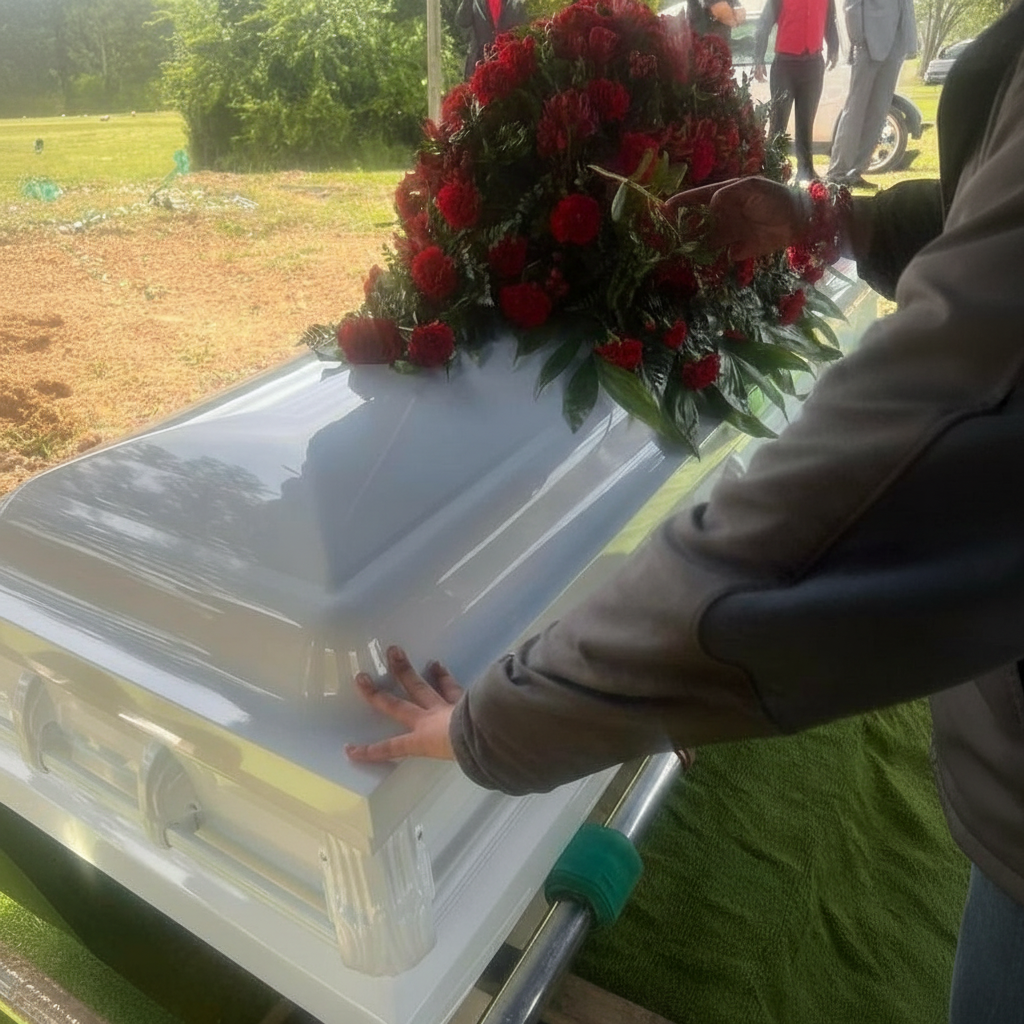
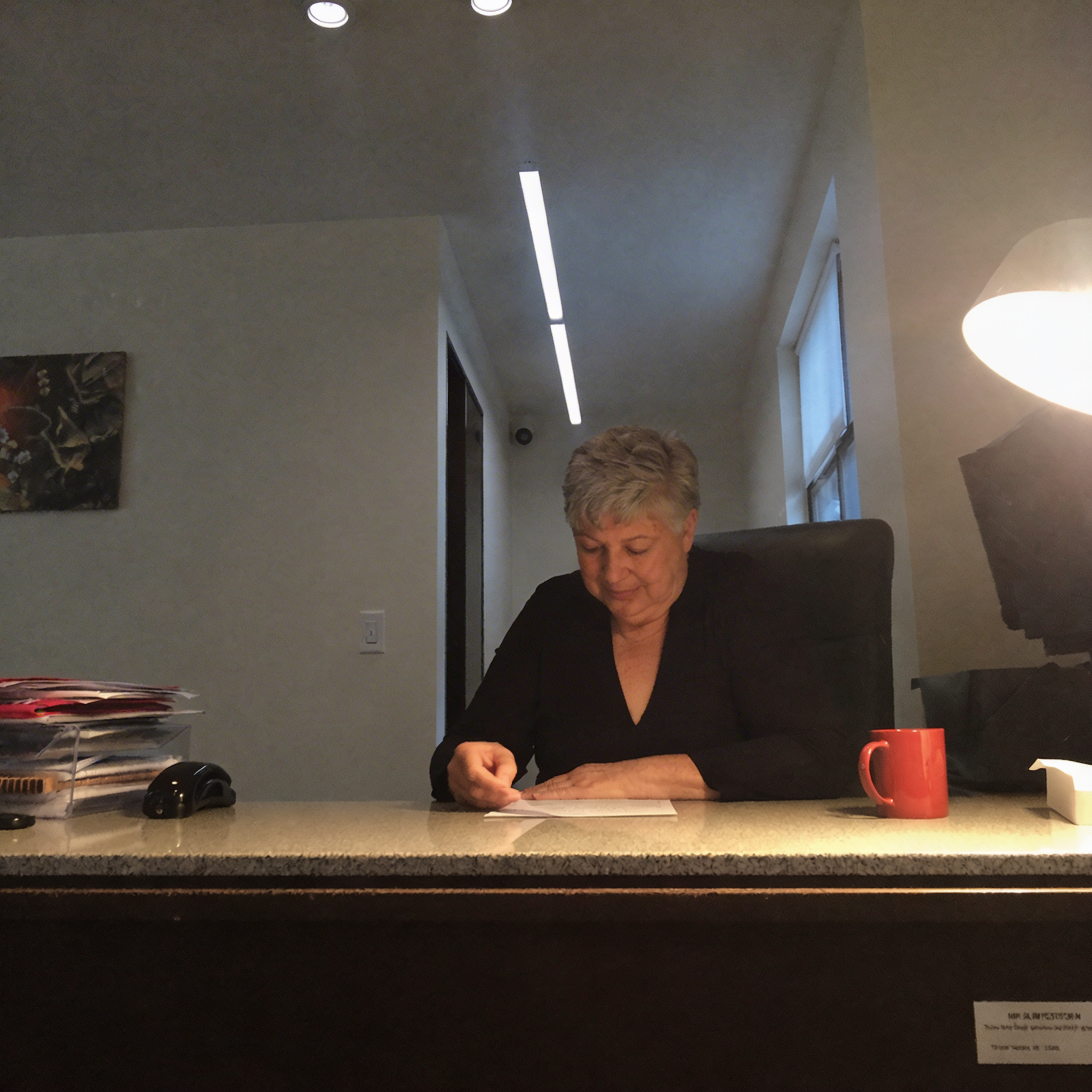
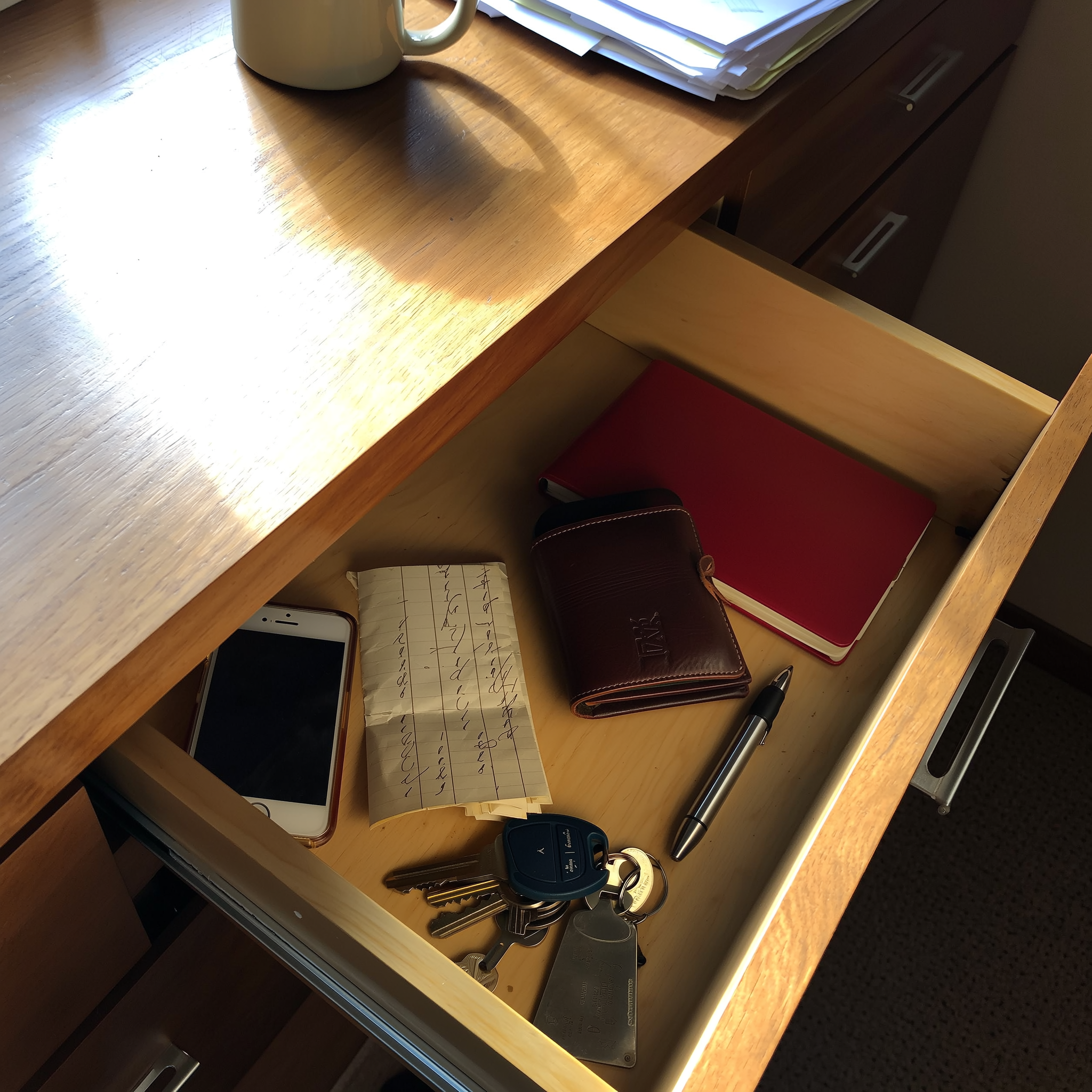
The most overrated piece of paper a family walks into my office holding is the death certificate. In 2011 it was the most useful document in the folder. In 2026 it is the first one I have to tell them no longer does what they think. I have run my father's funeral home since 2011. I run a service most Saturdays. I have stood at the door of the chapel more times than I can count, and I have watched the same scene happen after almost every one. A brother and sister hugging in the parking lot. Telling each other they will get through this together. Saying they will figure the rest out in the morning. Both of them sure the documents their father left in his desk will get them through the next six weeks. They will not. Because by 2026, no account opens with just a password anymore. Now every account wants two or three more pieces of information behind it. If one link in that chain is missing, the whole chain breaks. And the family is locked out of every account behind it. A brother and sister came into my office back in March who found this out the hard way. They had sat in the front row at their father's service. They both spoke. They thanked everyone who came. By the end of the day they had a folder. In it was the death certificate, the Power of Attorney their father had signed in 2024, and a notebook of passwords he had kept in his desk for years. They thought they had everything they needed to close his accounts. What they had was step one of five. The notebook gave them his passwords. It did not tell them which authenticator app the codes came from. It did not tell them which old Hotmail was the recovery email for the bank. It did not tell them which dog he had named the security question after. It did not tell them where the printed backup codes were, or if he had ever printed any. They had the first key to every door. They had nothing for the four locks behind it. And the moment they tried to use what they had, a clock started running on them they could not see. It was not a clock on my wall. It was on the phone in their father's desk drawer. Face ID stops working forty-eight hours after the last time the owner uses it. By the time the brother and sister thought to look for the phone, it had been in the drawer for days. Face ID had died quietly on the Saturday. Nobody had noticed. Nobody had thought to try. The only way in now was the six-digit passcode he had set the day he bought it. Neither of them knew it. The phone would still let them try. Ten times. After ten wrong guesses, some phones wipe themselves back to factory. Others lock for good. Either way, the phone becomes a brick, with every account they need locked inside it. Apple will not open a phone for a surviving family member unless you are the Legacy Contact. Death certificate, executor letter, Power of Attorney, none of it matters. I once watched a son spend five months trying to get Apple to release his father's photos, and eventually give up. And even if they had got into the phone, the chain would not stop. Behind it was every code the bank was about to ask for. Every authenticator app. Every verification text the mortgage company would want before it would even talk to them. By Tuesday at midnight, one of his autopayments was going to charge his card. The following Tuesday two more would join it. His subscriptions kept charging week after week, on a card their mother still needed. The brother came back to my office a couple of weeks in. He had been at the bank on the way over, trying to cancel one of the charges with the death certificate in hand. The teller had been kind. She had told him the death certificate did not close accounts. It announced a death. It did not act on one. The bank could note his father's death. They could not freeze a single charge until the court letter came through, signed by the executor, the person legally named to handle the accounts. In their state, that letter took eight to twelve weeks to come. He had brought the Power of Attorney too. The teller had told him, more gently, that a Power of Attorney lets a family member act for someone who is alive. It ends the moment they are not. His sister had been named executor in their father's 2018 will. Neither of them had thought about it since. She lived three hundred miles away. For eight to twelve weeks, the autopayments would keep coming out. And the only person who could legally stop them was a flight away, holding a court letter she did not yet have. Here is what most families do not realise until it is too late. It is not the passing that locks the family out. It is the missing chain. The legal documents are built for a different problem. They tell the courts who is in charge of the accounts. They do not open a single one of them. Account access does not live in a courtroom. It lives in the chain. And even if they had the passcode to the phone, the chain would not stop. The authenticator app on the phone had eleven accounts inside. None of them labelled. The recovery email for the mortgage was a Hotmail their father had opened in 2004 and not used in years. The security question on the pension was the name of his first car. He had never told either of them the answer. The phone was not one lock. It was the first lock on every other lock in the house. Every lock behind it had its own key the brother and sister also did not have. The chain only opens for the person who built it. And the person who built it was gone. That was the half of their father's accounts that was about to lock down. Now here is the half nobody warns the brother and sister about. The accounts that did not lock kept charging. Their father's YouTube TV was set to renew on Tuesday at midnight. His Netflix on the second. His New York Post digital subscription on the eighth. His chess.com membership. His Patreon for a podcast he had been listening to for six years. His meditation app. His cloud storage that backed up his phone every night. None of those services were talking to each other. None of them were on a list anywhere. None of them had any idea anything had changed. They were charging the card on file. The card was still active. Even when the bank eventually flagged the old card and reissued a new one, the credit card processor quietly moved the autopayments to the new card on file within weeks. The charges kept coming. Tuesday. Wednesday. The eighth. The fourteenth. Every week. And the bills the family actually wanted to pay were no easier. A daughter wrote to me last month after her mother had passed. She had spent weeks trying to make her late mother's car payment. "I couldn't even make her car payment. The company would not tell me how much the payment was. When it was due. Nothing." Three weeks later, the loan was officially behind. I have been watching this happen for fifteen years. Every family thinks it is only them. Every family is wrong. I drove home from the funeral home that Tuesday after the brother left. My husband was at the kitchen table doing his crossword. I sat down across from him and did not say anything for a long time. He looked up. Then back down. Then up again. My authenticator app has fifteen accounts in it. He has never opened my phone in his life. I had been watching adult children stand in the same scene for fifteen years, and I had been running my own household exactly like every one of them. I had not learned a thing. I tried to fix it that weekend. I really did. I started a spreadsheet at the kitchen table on Sunday morning. Twenty-eight rows in I read it back to myself and could barely follow it. The passwords were a list. The walls behind them were a chain. I closed the laptop. The following Wednesday I mentioned the brother and sister to an ex-colleague. We had worked together at a smaller practice nine years before. She had moved an hour north and we had stayed in touch. She told me she had started giving something to every family that came in for a pre-need consultation. Not a form. Not a folder. Not a brochure. A planner. She said her families had started ringing her back in the weeks after a service to thank her. The planner had been the only thing that worked in the first three weeks. It was called the 'Everything They Need' Planner by Lamorial. I asked her what was different about it. It works the chain in reverse, she said. The phone is page one. From there it walks every lock that follows, in order, for every account. I ordered one for myself before we hung up. I ordered ten more for the office the next morning. My husband and I sat down at our kitchen table the following Sunday with it open between us. He had assumed for fifteen years that I, of all people, must already have this side of our lives sorted. He started asking me questions I had been answering for other families for fifteen years and had never once been asked in my own house. Which authenticator generates the bank code. What the recovery email for the mortgage is. What I had typed for the pension security question. Where the password manager recovery code lives. I did not have a single clean answer. We found four accounts in my authenticator he had never seen. Three subscriptions billing the business card he did not know existed. A recovery email I'd closed in 2019. He closed the planner halfway through and looked at me. Fifteen years, he said. And you do not know your own. We ordered him his own copy that night. Last week a daughter rang me whose father had passed twelve days before. I had given the family one of the Lamorial planners at a pre-need appointment. She had rung to thank me. Not to ask for help. To tell me she had not needed any. She had opened the planner the morning after her father passed. The bank was sorted by lunch on the second day. She and her brother had cancelled nine subscriptions in one Saturday morning. He had read the names off the page while she had dialled the numbers. She told me she had been able to mourn her father that week. Properly. Without the bank ringing. I am telling you this because the daughter who rang me was the exception. The brother and sister in March were the rule. And after fifteen years standing at this door, I have watched most families learn it the way they did. If there is one person in your family whose autopayments and accounts run quietly through one phone, there is one question worth asking before anything else. What happens at midnight on the Tuesday after that person could not log in? If the answer is not written down somewhere, step by step, in the order it has to be opened, it is not a plan. It is a ticking clock that nobody realises has already started.
Read this if you're the executor 👆
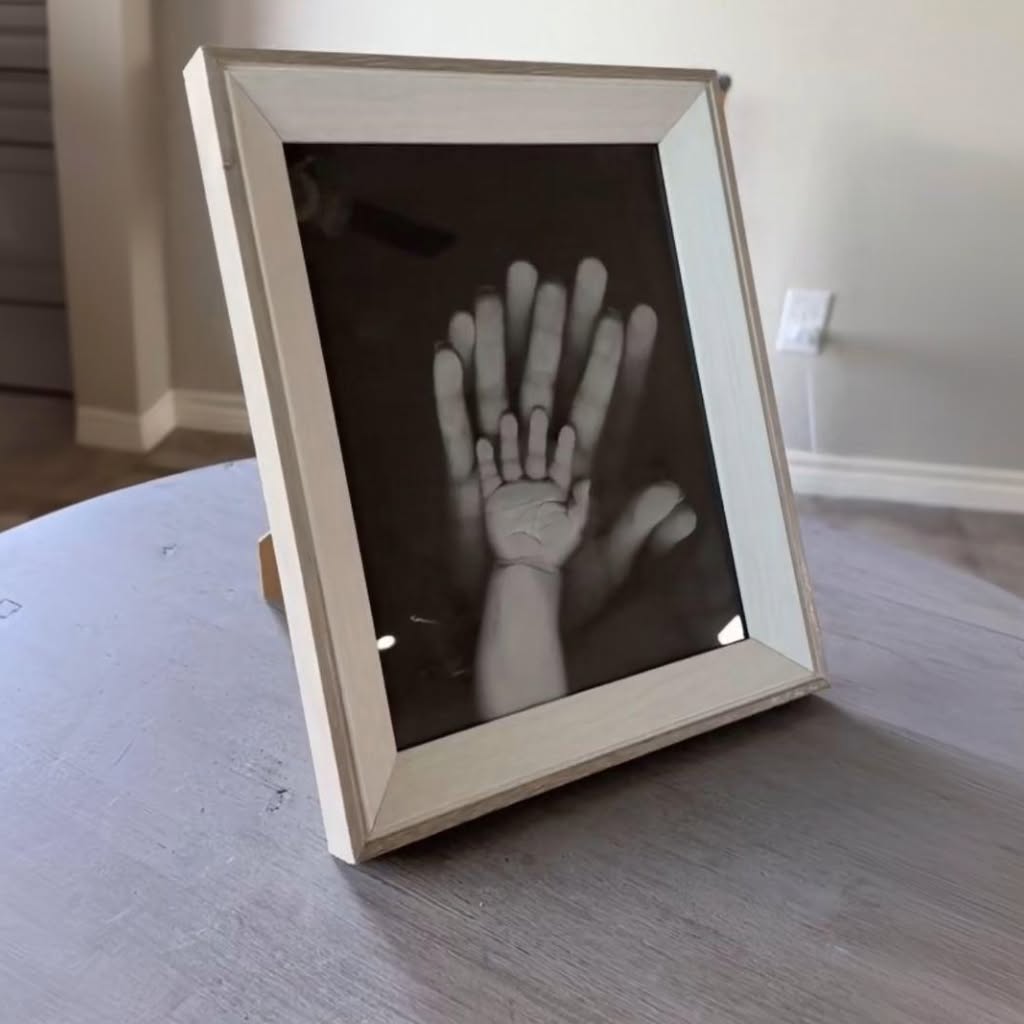
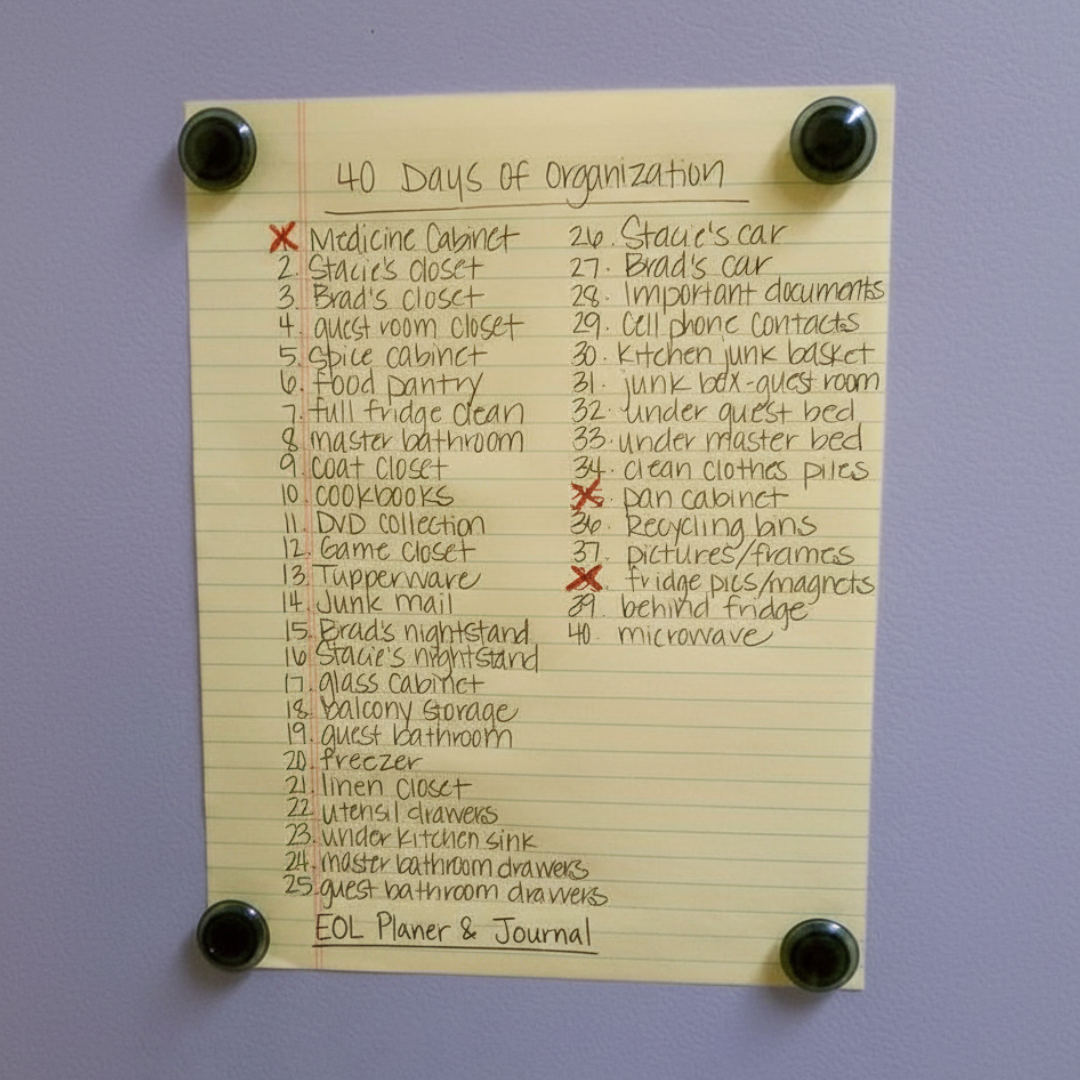
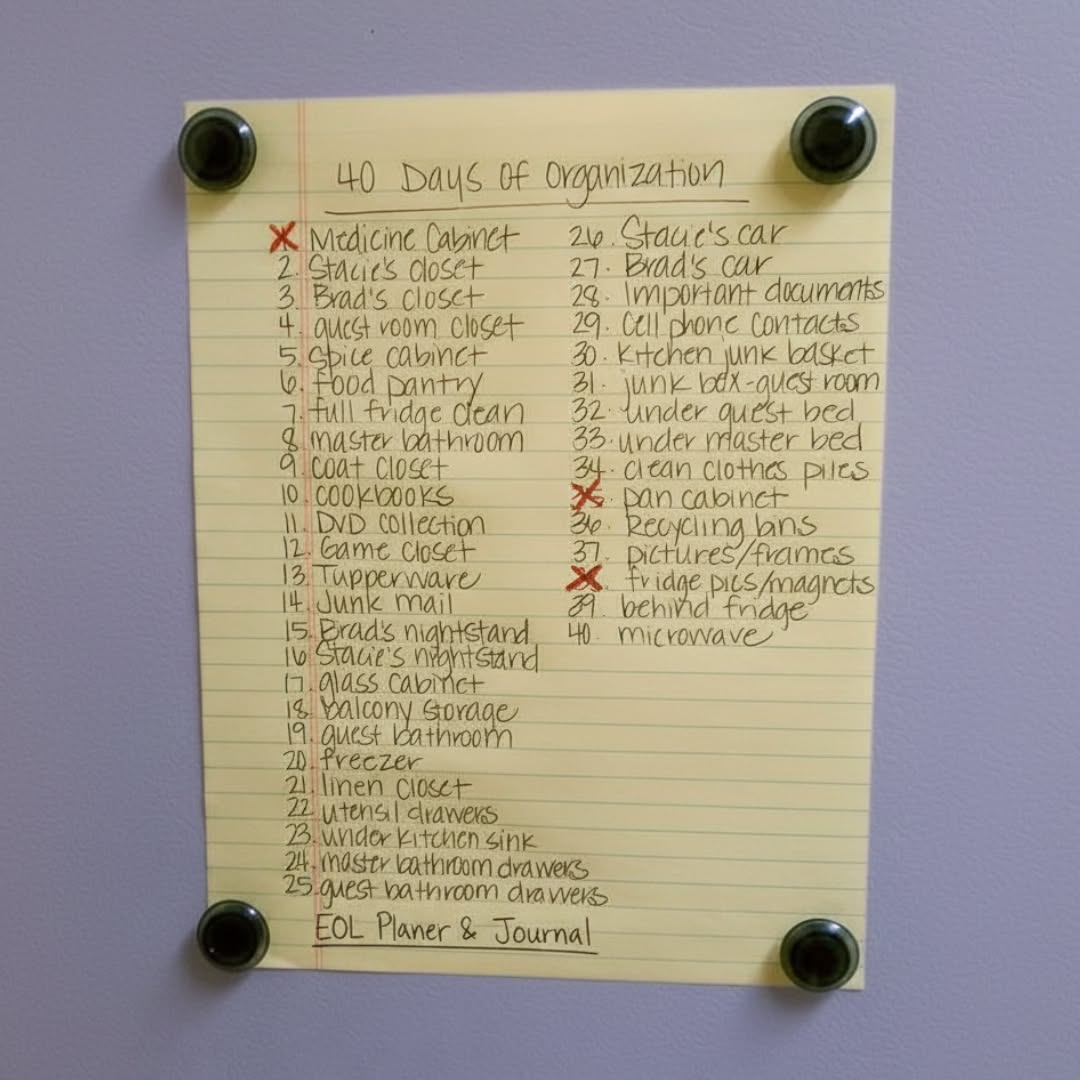
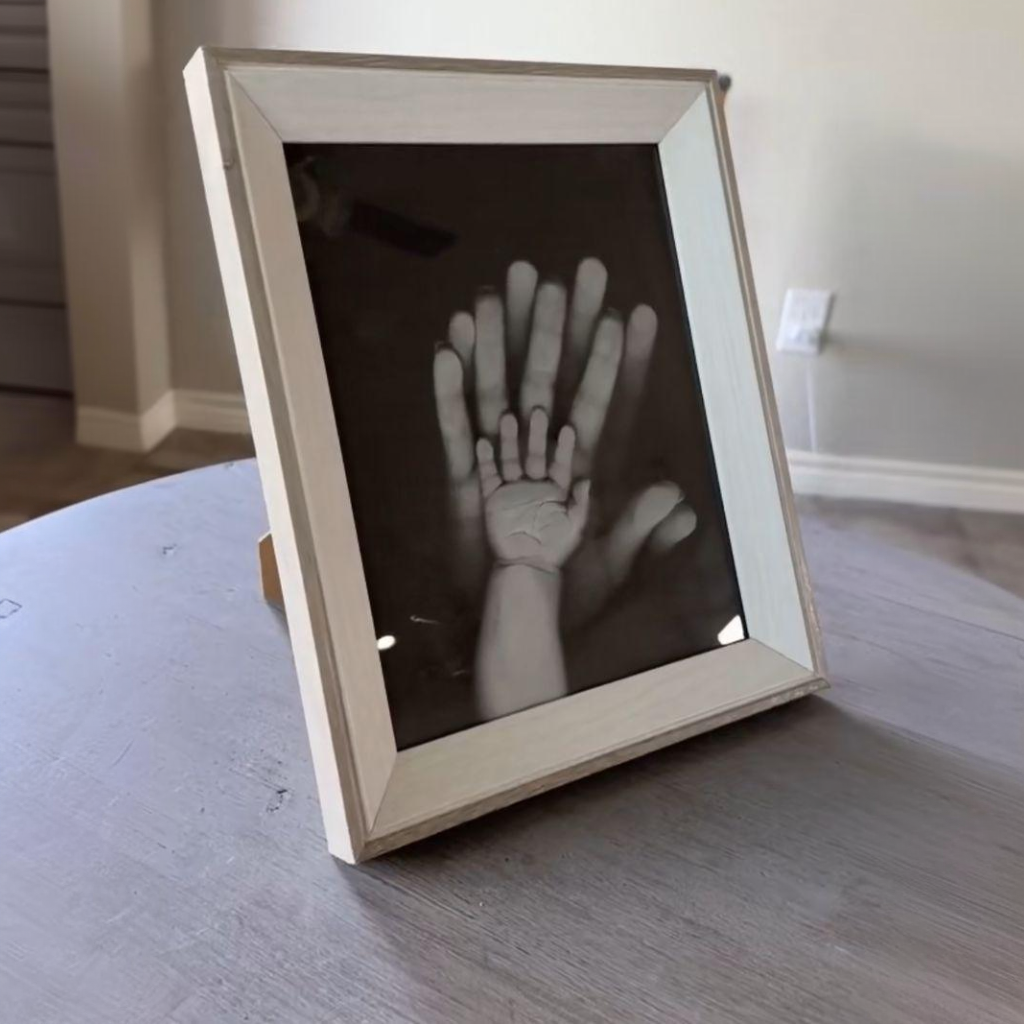
Lamorial: the leather-bound end-of-life planner mapping every password, account, and access step your family will need. Built for 2026. Made to outlast it.
LEARN MORELike this ad? Make it yours.
Crush rebuilds this exact creative around your product — your brand, your colors, your offer — in about a minute.