Active After 60
 Facebook ad: “Why L4-L5 Fusion Imaging Looks Perfect but Recovery Stalls”
Running for 151 days since June 28, 2026. Crush last saw it on November 26, 2026.
Run by Active After 60 on Facebook. Crush is not the advertiser and does not verify its claims. See this ad in Meta's Ad Library(opens in a new tab)
Make your own version of this ad
Crush makes it, launches it in your own Meta ad account, scales the winners and pauses the losers.
About this ad
- Meta Ad Library ID
- 1494003435261424
- Platforms
- Facebook, Instagram, Audience Network, Messenger and Threads
- Relaunches
- 1
- EU reach
- 3,761
Ad text
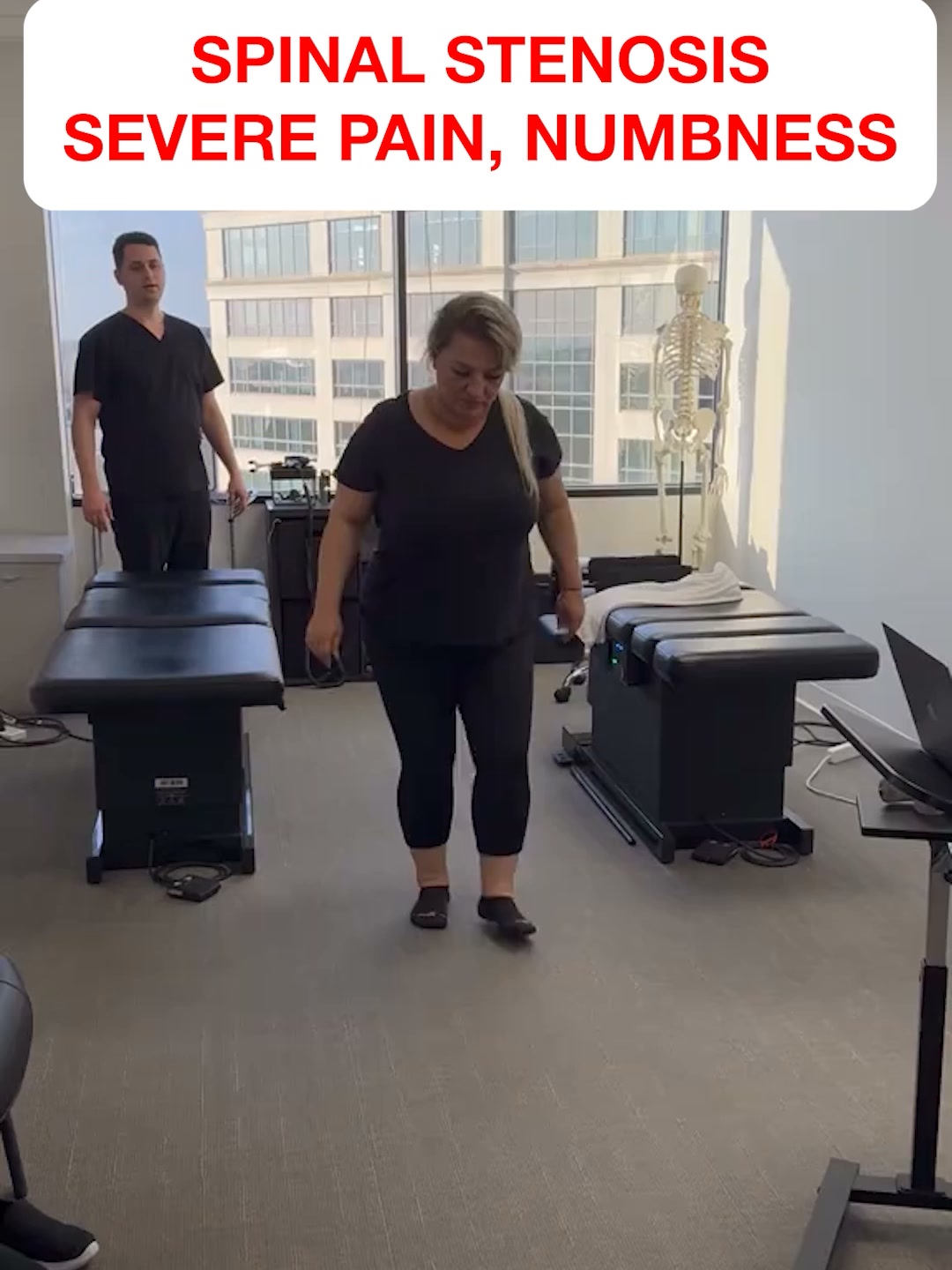
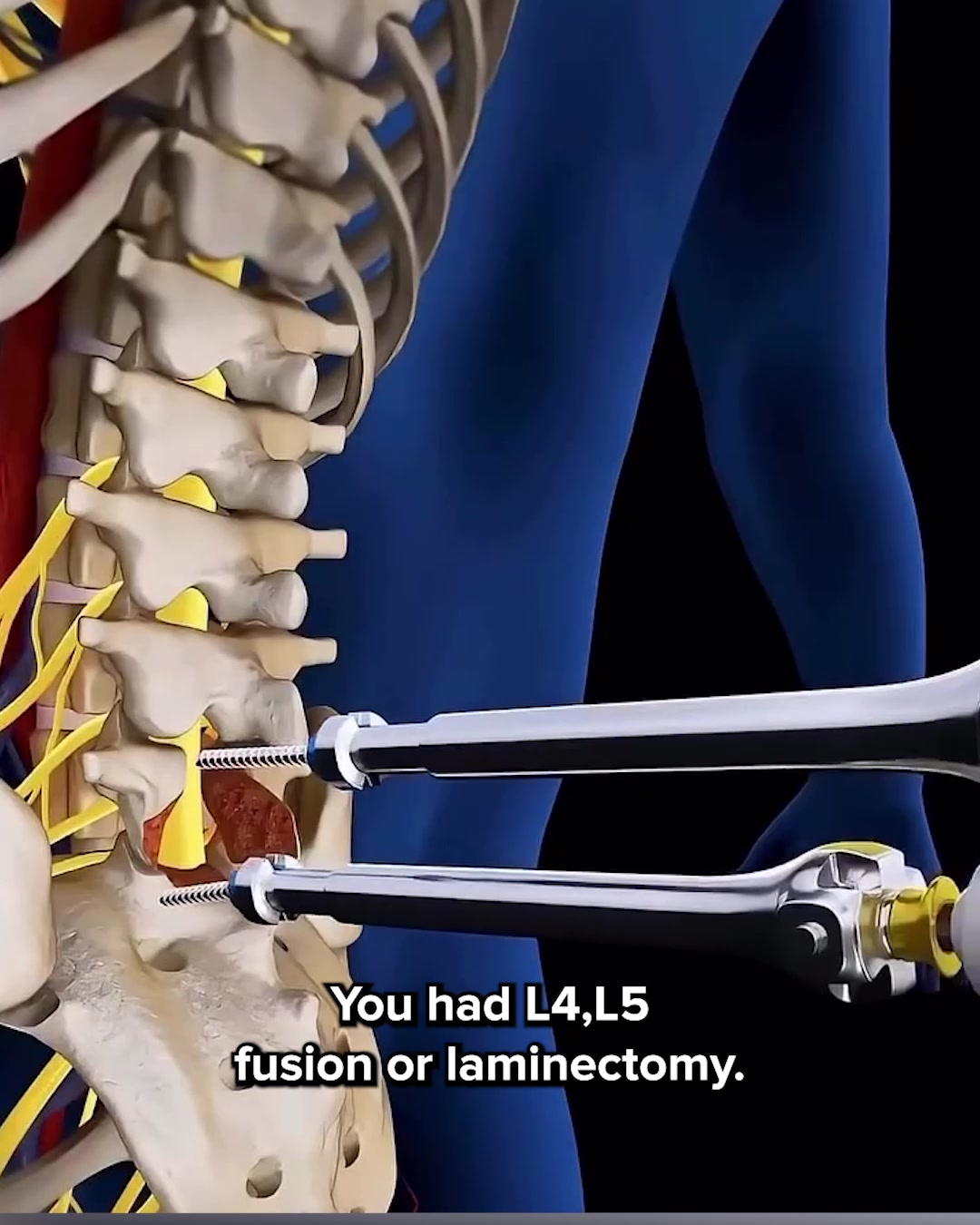
"Everything looks great on the scan" is something many L4-L5 fusion patients hear over and over again. And yet, daily routines still feel difficult. Standing feels hard. Sleep feels interrupted. Something still doesn't feel right. It's common to wonder if it's all in the mind. It's not. Nearly 28% of people who've had successful spinal procedures report the same experience. The reason is rarely explained because the one thing that matters doesn't show up on standard imaging. A deep stabilizing muscle at L4-L5 often shuts down within days of the procedure. It loses mass. It fills with non-functional tissue. And without it, the spine has no internal support — even when the hardware is perfect. This muscle doesn't recover on its own. But when it's finally addressed, many people notice a significant shift. This explains everything 👉 try.relivex.com/lander
Where the ad sends people
try.relivex.com
Why L4-L5 Fusion Imaging Looks Perfect but Recovery Stalls
Learn more: try.relivex.com(opens in a new tab)