Dr. Eleanor Carter
 Facebook ad: “Ceylon Cinnamon 7200mg Equivalent with MCT Oil”
Ran for 12 days, from October 18 to October 30, 2026, the last day Crush saw it.
Run by Dr. Eleanor Carter on Facebook. Crush is not the advertiser and does not verify its claims. See this ad in Meta's Ad Library(opens in a new tab)
Make your own version of this ad
Crush makes it, launches it in your own Meta ad account, scales the winners and pauses the losers.
About this ad
- Meta Ad Library ID
- 1495773205712020
- Platforms
- Facebook, Instagram, Audience Network and Threads
- Relaunches
- 0
- Niche
- Parenting & Kids
Ad text
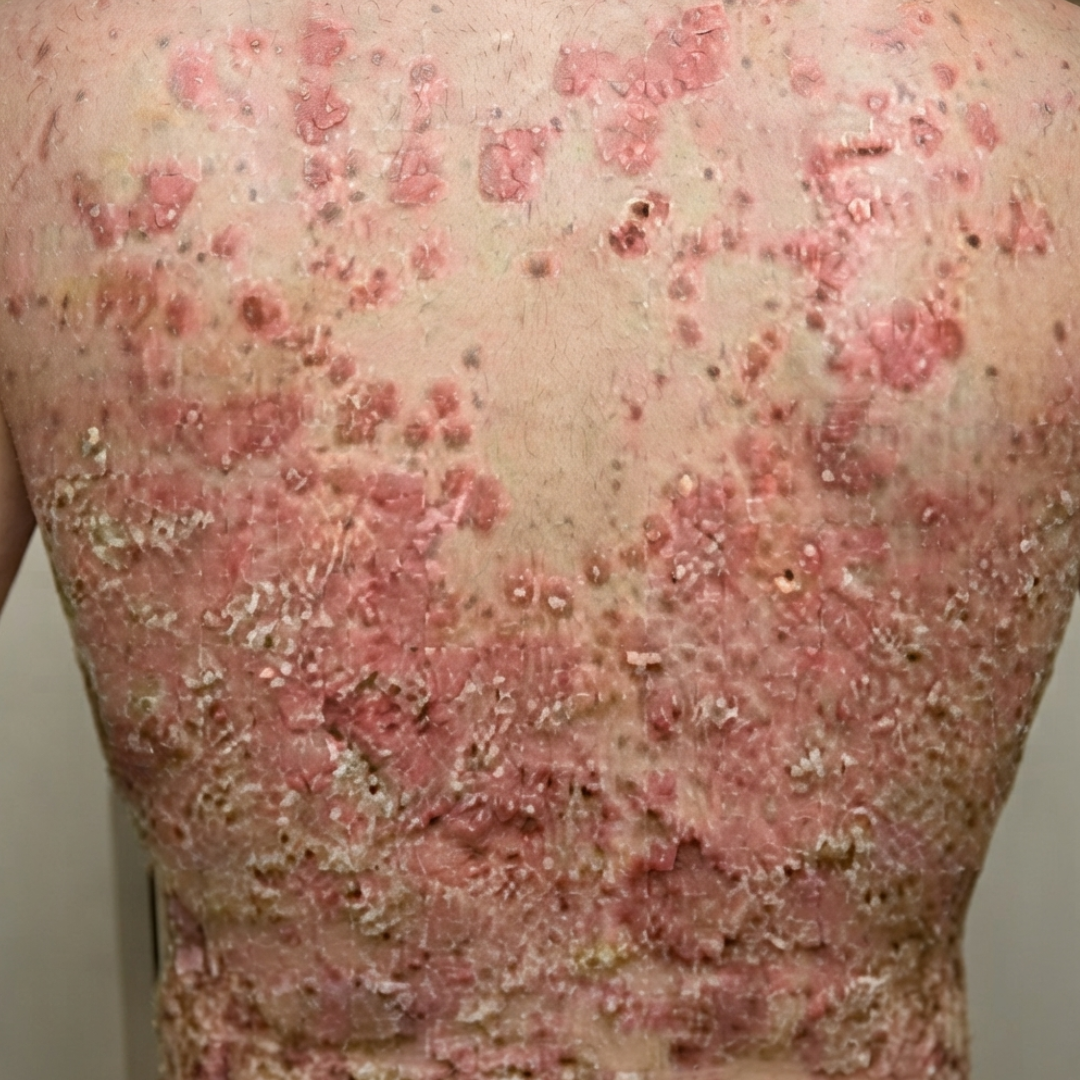
Liver disease is no f***ing joke. I lost my husband to it two years ago, and please if you or your husband is type 2 diabetic hear my story. He was 61. Never drank a day in his life. And I watched him waste away over eight months because nobody — not his GP, not his endocrinologist, not even me — understood what was actually destroying his liver cells from inside. My name is Eleanor Carter. I am 62 years old. Retired transplant hepatologist. Twenty-seven years of practice at a hospital that managed over 300 liver transplant cases a year. I'm the doctor patients see when their liver is failing and nobody else knows what to do. I', the one who evaluates whether a patient qualifies for the transplant list. I'm the one who reads the biopsies, orders the imaging, tracks the progression, and sits across from the family when the liver is too far gone to save. I'm writing this because I owe it. Not to a company. Not to a colleague. To Marcus. And to every type 2 diabetic whose liver is quietly failing right now while their doctor watches their enzymes and calls it managed. I know what my former chief of hepatology would say if she read this. I know what the pharmaceutical representatives who used to walk through our department every Monday would say. I carried what I am about to tell you for twenty-seven years without saying a word. I am done carrying it. If you are a type 2 diabetic and you have fatty liver right now — or someone you love does — and you have been told the numbers are managed, please read all of it. I know it is long. I will not waste a sentence of your time. I chose this specialty because of a woman named Rosa Gutierrez. She was 57. Retired school librarian. Type 2 diabetic for nine years. On metformin. Her hepatologist told her at every visit that she was doing everything right. ALT ticking down from 91 to 84 over two years. She had lost 22 pounds. She walked every morning before the heat set in. She took milk thistle every day without missing one. On a Thursday morning her daughter found her at the kitchen table. Her skin was yellow. She had vomited blood during the night. She never made it to the hospital. Acute hepatic failure. 57 years old. Nine years of doing everything right. ALT of 84 at her last draw. The chart said she was on track. The liver the pathology team examined three days later said she had been dying for two decades. I was 34 years old. Three years into my transplant hepatology fellowship. I read that pathology report and I understood that nine years of milk thistle and walking and cutting sugar had not touched the fat that had been building inside her liver cells since her thirties. I went home that night and started a notebook. Not for anyone. Not for court. Just for me. Because I couldn't carry it in my head anymore. By the time I retired, that notebook had 1,847 entries. And I need to tell you what every one of them had in common. When you evaluate livers for transplant, you don't just read the lab numbers on a screen. You read the biopsies. You study the imaging. You track the progression visit after visit after visit. And eventually, when the organ is too far gone, you see it on the table — a liver that has been quietly filling with fat and scarring for decades while its owner was still going to work, still walking every morning, still doing everything her hepatologist told her to do. And in 27 years, in case after case that crossed my desk, I found the same thing. Livers packed dense with fat that should not have been there. Fat that had been building inside the cells since the patient was in her thirties or forties. Inflammation everywhere the fat had settled. Scarring hardened into ropes of dead tissue that would never work again. Livers that had grown from a healthy three-pound organ into a swollen five-pound mass of fat and fibrosis. Damage that had been building for years. Sometimes decades. I found it in women who had cut out sugar completely. I found it in the type 2 diabetics who had been taking milk thistle every morning since their diagnosis and the ones whose hepatologists were still trying to "monitor" it with follow-up labs. I found it in the school teachers and retired postal workers. I found it in people whose families stood in my office and told me, "But she did everything the hepatologist told her. She cut the sugar. She lost weight. She even took milk thistle." Everything right. Every chart I closed said the same thing. End-stage liver disease. Cirrhosis. Hepatic failure. Complications. Never what I actually found. Never the truth. Then fourteen years later, a second patient made me want to walk out of the room. Her name was Diane Marsh. It was 2016. 52 years old. High school math teacher. Married 28 years. Two sons in college. The kind of woman who made everyone in the room feel like they were going to be fine. Diane was not Rosa. Diane had been diagnosed with fatty liver eight years earlier. Her hepatologist had put her on the newer, more aggressive protocol. Metformin, because her A1C was creeping. Milk thistle in the higher-potency form. Aggressive keto diet with a nutritionist. Her endocrinologist had added Ozempic fourteen months earlier when her A1C hit 7.3. She had lost 31 pounds on the shot. Her liver enzymes had come down for the first time in years. Her hepatologist had told her, at her last three-month check, that her ALT was "the lowest it has been since we started following you." Diane collapsed on a Saturday morning while grading papers at her dining room table. Her younger son was upstairs when he heard the chair hit the floor. She came to our transplant team on Tuesday for emergency evaluation. She did not survive long enough for the transplant. When the pathology report came back, her liver was worse than Rosa's had been. Not a little worse. The fat was denser. The scarring had spread further. The organ had shrunk from years of chronic damage into a hardened knot of dead tissue and fat. I sat with that report for a long time. Because the protocol had changed. The medications had changed. Her A1C looked better than Rosa's ever had. Her enzymes had actually come down. And the liver on the pathology slide was in worse shape than a woman who had never gotten the newer treatments at all. That was the moment I understood the medications had never been aimed at what was actually killing her. The number came down. The disease kept building. And nobody was watching for the disease. They were all watching the number. I added a new column to the notebook that night. Whether she had been on metformin. Ozempic. And in what combination. By the time Marcus got sick, that notebook had 1,847 entries. 1,847 families who shook my hand and thanked me for my care and never once heard what I was really thinking. That's what I carried for 27 years. Marcus. We had been married 34 years. He was 61. Retired shop teacher. Built furniture in the garage on weekends. The healthiest person in any room he walked into. Type 2 diabetic since he was 49. On metformin twice a day for twelve years. His A1C had sat between 6.8 and 7.1 for those twelve years. His endocrinologist called it managed at every visit. His routine bloods came back with elevated liver enzymes. ALT was 89. His GP said, probably fatty liver. Lose some weight, cut the sugar, we'll recheck in six months. No real plan. Just watch and wait. I told him to take milk thistle. I need you to sit with that. Because it is the single decision in 27 years of this work that I would give anything to undo. I had 1,847 entries in a drawer telling me the standard protocol wasn't the answer. And when my own husband was standing in the kitchen asking me what he should do, I told him to trust the protocol I had watched fail for nearly three decades. He took it faithfully. One capsule every morning with his coffee. He cut the bread. He cut the pasta. He cut the sugar. He started walking four miles instead of three. Six months later, his ALT was 142. Then his belly started swelling. Hard by dinnertime. He couldn't sit through a meal without loosening his belt. Then the dull ache under his right ribs. Worse after fatty meals. He rubbed the spot without noticing he was doing it. Then the fatigue. Not tired. Finished. Asleep in the chair by seven with the evening still ahead of him. Then his skin started turning yellow. By the time they referred him to a specialist, cirrhosis. Scarring in his liver so advanced they put him on the transplant list. I knew what that list meant. I had managed it for 27 years. I knew the wait times. I knew the odds. Marcus died waiting for one. Eight months. From a routine blood test to the end. And the whole time, nobody — not his GP, not his hepatologist, not the woman who had spent 27 years evaluating the exact disease that was killing him — told him what was actually destroying his liver cells. Because I didn't know. God help me. I didn't know. I knew livers failed. I had read the pathology reports and tracked the progression 1,847 times. But I had never understood what was happening inside the liver cells before they reached my desk. I knew the end. I didn't know the beginning. I buried my husband on a Wednesday and I added his name to the notebook that night. Entry 1,848. It was the last entry I will ever make. One year later, I went for my own checkup. Routine bloods. The kind Marcus had done the spring before everything started. My ALT came back at 67. My AST at 54. Both elevated. Ultrasound confirmed it. Moderate fatty liver. Some early scarring. My GP said the same words he had said to Marcus. Same script. Same shrug. Probably fatty liver. Lose some weight. Cut the sugar. We'll retest in six months. I looked him dead in his face and said, "My husband died from this. Give me something real." He said there was nothing real to give. Diet and exercise. I walked out of his office and I decided I was not waiting six months to watch my numbers climb. Not after what I watched Marcus go through. Not after I was the one who told him to take the milk thistle. I tried everything first. Milk thistle. The same one I had given Marcus. Six weeks. My ALT held at 67. Nothing moved. Dandelion root. Six weeks. Nothing. Amazon liver drops. Some proprietary blend with four thousand five-star reviews. If the milk thistle was only shielding the surface, I figured a more aggressive formula might at least reach further. Eight weeks. My ALT climbed to 69. Went up. I sat at the kitchen table one morning with those three containers on the counter and I understood I was guessing. I had spent 27 years evaluating the exact damage those products were supposed to prevent, and I had no idea if any of them were capable of reaching it. I was the right woman to catch this. I was not the right woman to fix it. I needed help. I went into my office that night and closed the door. I opened my laptop. I typed "fatty liver reversal type 2 diabetic" into the search bar. Not because I wanted to. Because I had to. Because my follow-up scan was in ten weeks and I was watching myself become the front end of what I had spent my career managing at the back end. Medical journals I still had access to through my hospital login. Hepatology forums where family members described the exact trajectory I had watched in my own kitchen. Studies out of Japan and Germany that had never crossed my desk during my fellowship. And one thing kept coming up, over and over, that no hepatologist had ever told us. The reason Marcus's numbers did not come down when he cut carbs is that cutting the carbs only stops the incoming sugar. It does not move the fat already trapped inside the liver cells. Then I found a thread on a fatty liver forum with over four thousand comments. The title: "Why does my Sri Lankan grandmother not have fatty liver despite eating rice and coconut every day?" I almost scrolled past. Something made me click. The post was from a woman whose grandmother had immigrated from Sri Lanka in the 1960s. She was 81, ate rice and coconut with every meal, had never had elevated liver enzymes, had never been told her liver was anything but healthy. The post asked why Sri Lankan women in her grandmother's village rarely developed fatty liver despite their carb-heavy diet. Comment after comment. Stories. Studies. Cinnamon. True Ceylon cinnamon. The kind that grows wild in Sri Lanka. The kind that has been used in their traditional medicine for over a thousand years. Someone posted a name. Kumari. A grandmother who lived in a small Sri Lankan community in central New Jersey. People in the thread said she had helped their family members reverse their fatty liver diagnoses. I looked at the clock. 2:47 AM. By 5:30 AM I was in my car. By early afternoon I was in New Jersey. I didn't have an address. Just a town name and a description of the street. I drove until I saw a small house with a garden of unusual plants. Bushes I didn't recognize. A small tree by the front door I had never seen before. There was an older woman on the porch. Small. Thin. Dark hair pulled back with gray streaks running through it. She was sorting through something in a large wooden bowl on her lap, her fingers moving so fast they blurred. I parked and walked up. "Excuse me," I said. "I don't want to bother you. How old are you?" She looked up with sharp, clear eyes. "Eighty-one." I stood there staring at her. Eighty-one. My husband had been 61 with a liver that killed him. I was 62 with one heading in the same direction. "My name is Eleanor. My husband Marcus died of liver failure eight months ago. Type 2 diabetic. He did the diet. He took the milk thistle. His numbers kept climbing. I am a retired transplant hepatologist. I have managed over 1,800 liver failure cases in my career and I could not save my own husband. I read a thread online. Your name was in it. I drove five hours to find you." She set down the bowl. Looked at me for a long moment. "You came here for a reason," she said. "Come inside." Her kitchen smelled like cardamom and cinnamon and rising bread. She poured me a cup of tea without asking. Pulled out a chair. "Tell me about your husband." I told her everything. The type 2 diabetes. The fatty liver diagnosis. The milk thistle. The months of the diet that did not save him. The rising enzymes at every follow-up. The rib ache. The hard belly. The exhaustion by seven. The hepatologist who kept saying keep doing what you are doing. The transplant list. The call from the hospital. She nodded through every detail like she was checking items off a list she already had in her head. When I finished, she was quiet for a moment. Then she said: "Your husband's protocol was fighting the wrong battle." "The milk thistle quiets one worry. It shields the liver cells that still work from further damage. It never touches the fat that is trapped inside them. The keto diet slows the incoming sugar. It never clears the fat that has been building inside his liver for three decades." "I know it is fat in the liver," I said. "I have reviewed biopsies and imaging full of it. I am not a stranger to this disease." She smiled. "Then you know more than most. But you do not know what was happening inside those cells before they reached your desk. Because nobody teaches that part." She folded her hands on the table. "There are two things happening in your husband's liver that killed him. And now two things happening in yours. The enzymes on the chart. And the fat building inside the liver cells. They are not the same thing." She held up two fingers, separated. "The diet works on the first one. The enzymes. Sometimes it slows them. Sometimes it does not. The fat inside the cells, the diet never touches. Every meal that spikes blood sugar tells the liver to convert the excess into fat and store it right there inside the liver cells. Not body fat. Fat inside the liver itself." She paused. "For 30 years, your husband's liver was quietly filling with this fat since he was in his thirties. By 61 the cells were so packed they could not function anymore. Cutting the carbs at 61 slows the incoming. It does not touch three decades of fat that is already in there." I stared at her. "When the liver is that fat-clogged, three things happen at once. It cannot process new fat coming in. That is why his enzymes kept climbing at every follow-up. It cannot clear the fat already stuck inside from decades of buildup. That is why his numbers would not come down. And it cannot regulate blood sugar properly anymore. That is why his fasting glucose kept ticking up even on metformin. Three failures. All in the same organ. All at the same time." She leaned forward. "That is why cutting the carbs did not save him. That is why the milk thistle did not save him. Both of those things are aimed at the surface. Neither one touches the fat trapped inside the cells. And his hepatologist called his progression 'a little worse before it gets better' for eight months, while the disease was finishing what it started." She picked up a small piece of cinnamon bark from her bowl. Then a second. Then a third. "This one is his enzymes climbing. This one is his fat trapped inside the cells. This one is his scarring spreading. Same fat causing all three. His hepatologist was treating three different problems. It was always one." My chest tightened. "That is why his ALT would not come down when he cut the bread. That is why his scan showed cirrhosis even though he had done everything right for eight months. That is why the Ozempic they wanted to add would have done nothing. It slows the incoming sugar and takes some weight off. It does not clear the fat already trapped in his liver cells. The trapped fat is still trapped. The scarring is still spreading." She looked me straight in the eye. "His ALT measures what is leaking out of damaged liver cells right now. It cannot measure the fat that has been sitting inside those cells for three decades. Those are two different things. And the one that matters — the fat trapped inside — his hepatologist was not measuring at all." She reached across the table. "Now here is what fatty liver really is. It was never just an enzyme number. It was thirty years of blood sugar spikes filling his liver cells with fat, one meal at a time, until the cells could not function anymore. The milk thistle looked reasonable on paper. His scan looked stable enough to keep doing what he was doing. His body was falling apart underneath the protocol." She tapped the table once. "And here is the piece that will make you angry. Every hepatologist who ever wrote a script for milk thistle and told a patient to cut carbs was following the standard of care. That is what makes it dangerous. The standard of care never treated the disease. It managed the enzymes. Year after year. While the fat kept building and the scarring kept spreading. Until the patient ended up on your desk with a liver too far gone to save." My eyes started to water. "That is what killed your husband. Not the fatty liver diagnosis. Not the enzyme numbers. The fat nobody addressed. A liver that took that damage every single day for decades while his hepatologist read his enzymes and told him he was doing everything right." I couldn't speak. I asked her what actually clears the fat. She smiled. A small smile. "For over a thousand years the people in Sri Lanka have used one thing for it. My grandmother grew it. Her grandmother before her. Generations of Sri Lankan women living into their eighties without fatty liver despite eating rice with every meal." She stood. Walked to a shelf along the wall. Pulled down a dark glass jar. Inside were curled pieces of bark, deep red-brown, layered like rolled paper. "True Ceylon cinnamon," she said. I told her I knew about cinnamon. That Marcus had tried capsules from the drugstore before his diagnosis got serious and they did nothing. She must have read my face. "That is not what you think it is. What is in the drugstore and on Amazon is not even cinnamon. It is cassia. A cheaper plant from China. It does nothing for the liver. And it contains a compound called coumarin that damages the liver in daily doses." She held up the jar. "Real Ceylon cinnamon is a completely different tree. Cinnamomum verum. It has two compounds your liver needs. The first is called MHCP. MHCP helps the cellular doors in your muscle cells open back up so the sugar in your blood after every meal has somewhere to go. Once those doors open, the blood sugar stops spiking. Your liver stops getting the signal to convert new sugar into fat. The factory turns off at the source." She set the jar down. "And the second compound is called cinnamaldehyde. The one that gives cinnamon its smell. Cinnamaldehyde reduces the inflammation in the swollen liver cells that have been carrying that fat for years. It restores the blood flow feeding your liver so the liver can begin to clear the fat trapped inside for decades. As the liver drains, the enzymes come down on their own. The scarring can start to soften. The organ starts to heal." She looked at me. "Two compounds. From one plant. One shuts off the incoming. The other helps your liver clear what has been building up. That is why the women in my grandmother's village do not have fatty liver like your patients had." I asked her if it had to be in a special form. She nodded. "It has to be real Ceylon at the right dose, suspended in the right oil. The cinnamon in capsules at the drugstore is mostly cassia. And even the real Ceylon at the drugstore is in dry capsule form. The compounds are fat-soluble. Without an oil to carry them, they pass straight through the body and never reach the bloodstream. This is why we eat coconut with cinnamon in Sri Lanka. The coconut oil carries the cinnamon into the blood. My grandmother did not know the science. She just knew that in our kitchen, coconut and cinnamon go together in every dish. That is why our women live into their eighties without liver disease." She paused. "There is a company my niece in Boston told me about. They source the real species, DNA-verified. They concentrate it twelve to one to match the dose in the published research. They suspend it in MCT oil, which comes from coconut. The same oil my grandmother used. Just concentrated into a small softgel so it actually absorbs. Third-party tested. Made in the USA." She wrote the name on a piece of paper and handed it to me. Metabolae. I ordered it that afternoon from a rest stop on my drive home. The bag arrived four days later. The Amazon liver drops I had tried were still on the counter. I went and got one. Squeezed a few drops out of the dropper onto a white saucer. A murky brown liquid pooled with a chemical smell. When I opened the Metabolae bag and twisted a softgel over the same saucer, deep amber MCT oil beaded across the plate. The cinnamon suspended in it, alive, ready to absorb. And it smelled like actual cinnamon. Warm and sweet, like a bakery. A completely different thing, in every way that mattered. I read the paperwork that came with it. DNA-verified Cinnamomum verum, grown in Sri Lanka. Concentrated 12 to 1 to match the dose in the research. Suspended in organic MCT oil so both compounds actually reach the bloodstream. Third-party tested per bag. Made in the USA. One softgel every morning with breakfast. I took the first one that morning with my coffee. Week 3: The crash after dinner — the one that had me falling asleep by eight — didn't come. I stayed up reading a novel until ten. I didn't say anything to anyone about it. I just noticed I was still awake. Week 5: The ache under my right ribs after fatty meals started to fade. And one evening I pressed my hand against my stomach and realized it felt softer than it had in months. The bloating that had me loosening my waistband after every dinner had started to lift. Week 8: The afternoon exhaustion had stopped completely. I was up at six, walking four miles, and still had energy to cook dinner by seven. I slept through the night without waking once. Week 12: Marcus's brother came by for dinner. He stopped eating and looked at me across the table. "Eleanor. What have you done? You look like yourself again." I couldn't say anything. Because I was thinking about Marcus standing in this same kitchen two years earlier, asking me what he should do. And me telling him to take the milk thistle. My hepatologist ran my full panel that same week. My ALT had come down from 67 to 29. Back in normal range for the first time. My AST had come down from 54 to 24. Normal range. My fasting glucose was averaging 89 across two weeks of morning tests. My A1C had come down from 6.9 to 5.7. My triglycerides had dropped by more than half. Every number moved the right direction. Every single one. My hepatologist ran the ALT twice because the first result came back so different from my prior labs that she thought the machine had made a mistake. Then she ordered a follow-up ultrasound. Two days later the report came back. My moderate fatty liver was now mild. The early scarring on my last scan had softened. The fat was coming out of my liver. She asked me what I had changed. I told her. One softgel every morning with breakfast. She was quiet for a long time. Then she cut my metformin from twice a day to once. Told me whatever I was doing, I should keep doing it. And then there was the thing I still have trouble putting into words. The thing that, after 27 years, I did not believe I would ever see. The scarring on my liver softened. Not a little. The next scan a few months later showed my fibrosis grade had dropped. Stage F1 from stage F2. The scarring was actively reversing. I have managed over 1,800 liver failure cases. I have reviewed pathology on cirrhotic tissue more times than I can count. And I will tell you the one thing I never once had to wonder about in 27 years: Cirrhosis does not reverse. Once the scarring is set, it's set. Every hepatologist who ever spoke to a family in my hospital said the same thing, in the same tired voice. Fibrosis moves in one direction. All we can do is try to slow it down. Mine went the other direction. I sat with that scan in my kitchen, at the table where Marcus used to sit, and I understood something that I will carry for the rest of my life. This could have saved him. Not might have. Not possibly. The mechanism that was draining my liver — the same fat-packed, enzyme-leaking, scar-spreading liver that Marcus had — was doing exactly what his protocol never touched. Shutting off the incoming fat at the source. Clearing what had been building inside the cells for decades. If I had known this two years earlier. If I had driven to New Jersey before the transplant list instead of after the funeral. Marcus would be sitting across from me right now. That is why I am writing this. Because I owe it. Not to a company. To Marcus. And to every type 2 diabetic reading this whose hepatologist is saying the same words his said. The dull rib ache you've been rubbing without noticing. The belly that goes hard by dinnertime. The exhaustion that drops you in a chair with the evening still ahead of you. The bloating after every meal. The fasting glucose creeping. The enzymes your doctor calls "a little elevated, very common." Those aren't separate problems. Those are warnings. Something is happening inside you right now. Fat that has been building inside your liver cells since your thirties. Silently. Under enzyme numbers your hepatologist calls managed. The ALT measures what is leaking out of damaged cells right now. It does not measure the fat trapped inside them. It never has. And the milk thistle your hepatologist mentions does the same thing. It shields the cells that still work. It never reaches the fat already inside. I am not telling you to stop taking what your doctor prescribed. That conversation belongs to you and your doctor. What I am telling you is that the protocol only ever did half the job. And the half it skips is the half that ended up on my desk 1,847 times. MHCP shuts off the incoming. Cinnamaldehyde helps the liver clear the fat and heal. Both compounds. From true Ceylon cinnamon. Suspended in MCT oil so they actually absorb. That is what Metabolae makes. DNA-verified Cinnamomum verum from Sri Lanka. Concentrated 12 to 1 to match the dose in the research. Suspended in organic MCT oil so both compounds actually reach the bloodstream. Third-party tested per bag. Made in the USA. One softgel every morning with breakfast. That is the whole protocol. 90-day money-back guarantee. If your numbers don't move, if your rib ache doesn't fade, if the energy doesn't come back, you send it back, empty or full, and every penny comes back with it. Most of what calls itself cinnamon at the drugstore will do nothing for you, and now you know why. It is cassia. A cheap tree from China with almost none of the active compounds and a coumarin load that damages your liver on top of everything the fat is already doing. I spent 27 years watching what happens when people wait. I documented it 1,848 times in a notebook nobody was ever supposed to see. I am not carrying it anymore. I am 62. I am retired. And for the first time in 27 years, I am telling the truth. The fat won't drain on its own. The scarring won't soften on its own. I would have told you that myself a year ago, and I would have been wrong. None of it turns around until you stop watching the enzymes and start clearing the fat. Stop measuring the fire. Put it out. — Eleanor Carter, age 62, retired transplant hepatologist P.S. I need to say this as plainly as I can, because my metformin was cut back in this story and I do not want you doing the same thing on your own. It was cut back because my hepatologist looked at my bloodwork at week 12 — an ALT drop from 67 to 29 she had never seen on any protocol — and made that call herself. That is the only version of coming off any medication I would ever defend. If you are on metformin, milk thistle, Ozempic, or any combination, do not stop them on your own. Bring your bloodwork to your doctor after 60 or 90 days on Metabolae and let your doctor decide. The point is not to fight your hepatologist. The point is to put the thing on the table that the prescription pad was never designed to reach. P.P.S. Do not quit early on this. The first few weeks are quiet. What the MHCP does in those weeks happens inside your muscle cells, where you can't feel anything, before the blood sugar stops spiking and the liver stops storing new fat. Kumari told me at the start what to expect and it landed exactly the way she said it would. The energy usually turns first, around week three. The rib ache and bloating fade next. The bloodwork moves around week eight. The scarring is the slowest of everything because liver tissue heals slowly. Give it the full 90 days. That is exactly what the guarantee window covers. P.P.P.S. The guarantee is the part I keep coming back to. A small company selling a DNA-verified Ceylon cinnamon in MCT oil softgels will bet its own money that this helps you. If your numbers don't move and your symptoms don't lift in 90 days, you send it back, empty or full, and every penny comes back with it. The milk thistle Marcus took every morning for eight months never came with a promise like that. Nobody ever offered him a refund on the keto diet his hepatologist recommended. You can decide for yourself what that tells you. I have decided what it tells me. P.P.P.P.S. Metabolae is not on Amazon. It is not in stores. DNA-verified true Ceylon in MCT oil softgels is expensive to make and impossible to fake at drugstore prices, which is why the company sells direct and nowhere else. If you see a "Metabolae" listing on Amazon or eBay, it is not the real product. I don't work for Metabolae. I don't get a penny from this. I am writing this because Marcus is not here to write it and my notebook with 1,848 names in it is in a drawer in my desk and every one of them is a Marcus who didn't get the warning in time. Share this with anyone you love who has fatty liver. Even "mild." Even "borderline." Even if they are doing the diet perfectly. Especially those. Because "doing everything right" was what every single one of them was told, right up until the end.
Where the ad sends people
metabolae.com
Ceylon Cinnamon 7200mg Equivalent with MCT Oil
Supports healthy blood sugar levels and metabolism with premium Ceylon cinnamon. Shop Metabolae's science-backed supplements. Free shipping available.
Learn more: metabolae.com(opens in a new tab)