Anna Taylor
Anna Taylor Facebook ad: “Natural Relief in Weeks”
Ran for 22 days, from June 4 to June 26, 2026, the last day Crush saw it.
Run by Anna Taylor on Facebook. Crush is not the advertiser and does not verify its claims. See this ad in Meta's Ad Library(opens in a new tab)
Want an ad like this for your product?
Crush makes new ad images for your product from this ad: your logo, your product photo, your offer.
Trials from $19.95 USD, then $79.95 USD a month. Cancel anytime.
About this ad
- Meta Ad Library ID
- 1497683401824001
- Platforms
- Facebook, Instagram, Audience Network, Messenger and Threads
- Relaunches
- 1
Ad text
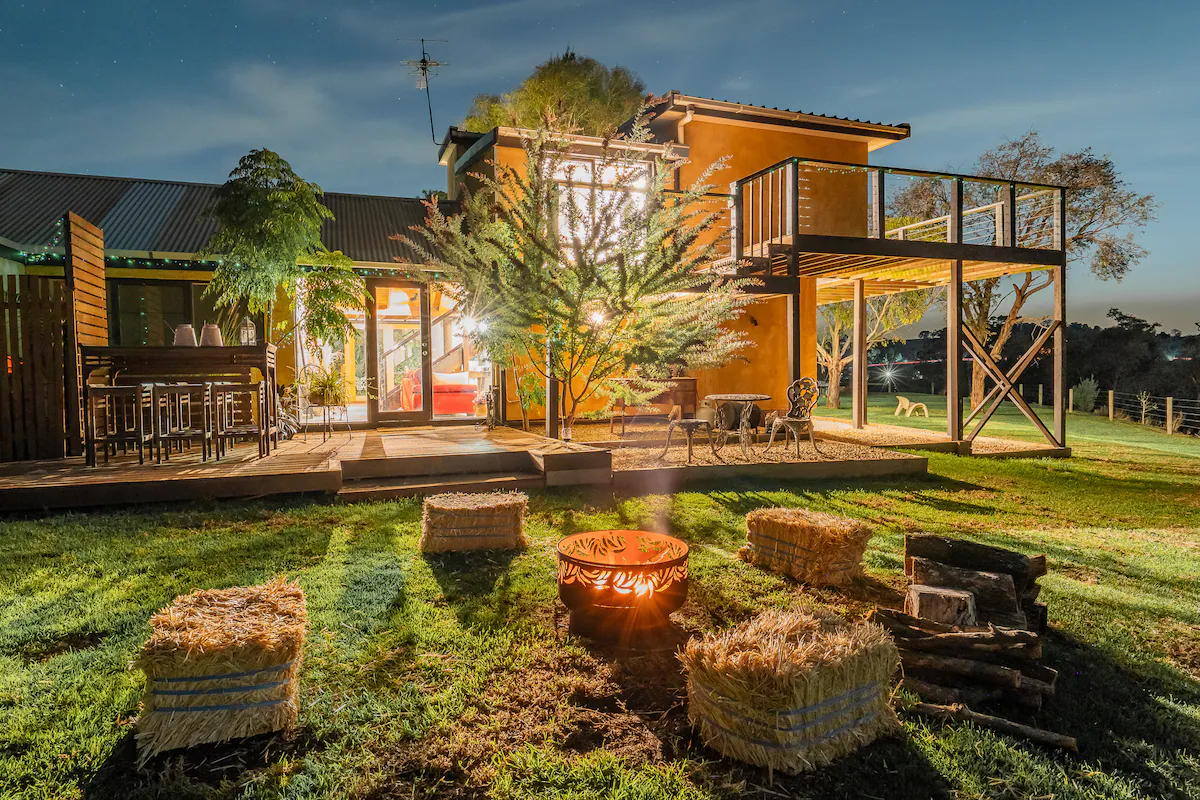
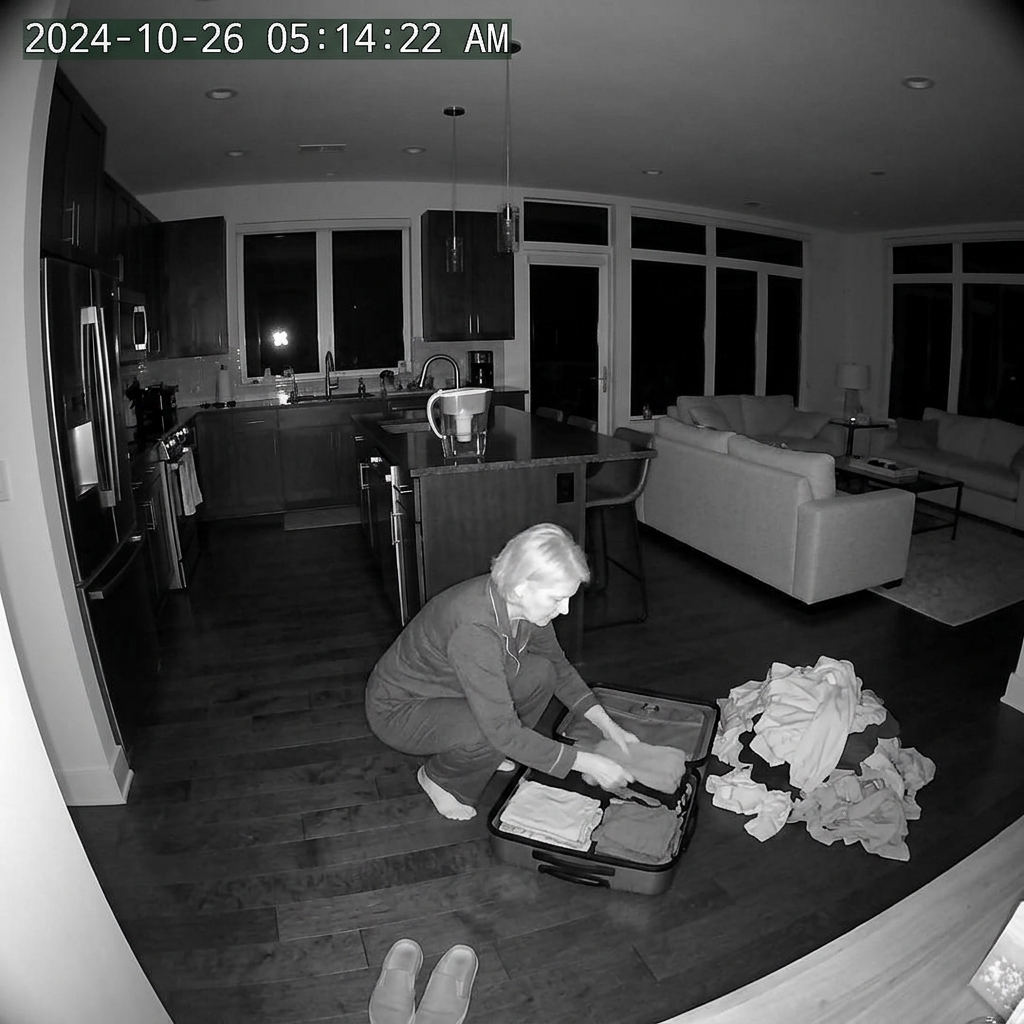
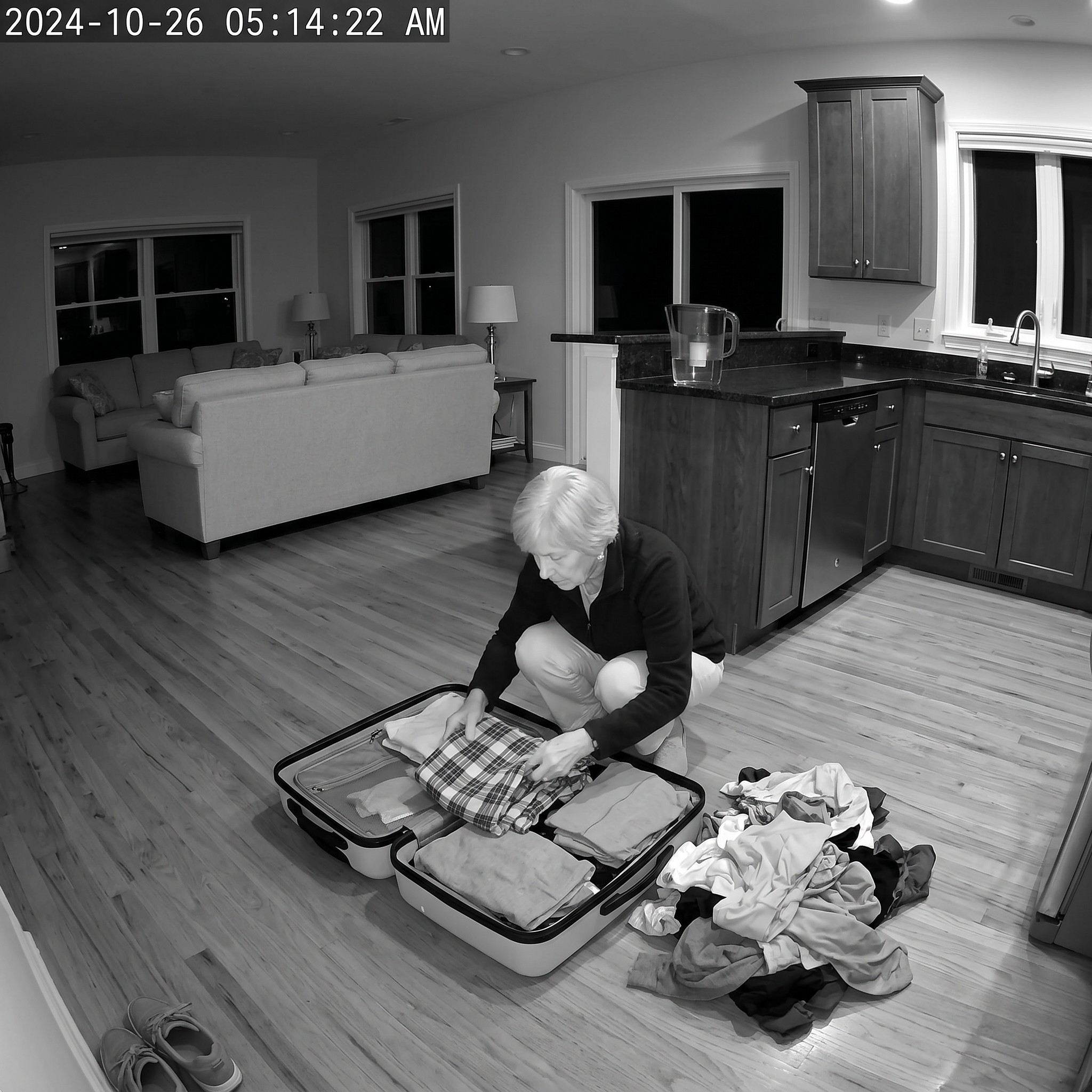
I caught a guest stealing from my holiday rental. I watched it happen on camera. 5:22 AM. Kitchen dark. She walked straight to the bench, picked up the jar, looked over her shoulder, wrapped it in a dish towel and put it in her suitcase. She knew exactly what she was taking. When I found out why — I couldn't be mad. In fact, I was crying. Let me explain. My husband Craig and I have been running a five-star holiday rental for the past 4 years. Beach house, sleeps six, wraparound deck, the works. We've hosted hundreds of guests. We've dealt with red wine on white couches, a bloke who somehow broke the hammock on the first night, teenagers who thought the fire pit was a rubbish bin. Normal stuff. Things go missing sometimes — a phone charger, a corkscrew, a towel someone accidentally packs. You chalk it up to the business and move on. But what this woman took — and why she took it — is something I can't stop thinking about. I need to back up and explain what's on our kitchen bench. Because that's where this starts. I keep a small wellness tray for guests — a filtered water jug, a few herbal tea bags, and a glass jar filled with deep red capsules. There's a handwritten card next to it that says: "Astaxanthin — take one with breakfast. Great for long drives and tired bodies." Most guests try one the way they'd try a complimentary coffee pod or a mint on a pillow. It's hospitality. Nobody thinks twice about it. But about 6 months ago, the checkout reviews started shifting. "Slept through the night for the first time in months. Don't know what you put in those capsules but I'm taking the card home." "My morning stiffness was completely gone by day two. That has NEVER happened on holiday." "Felt more energy in 3 days at your place than I've felt in the past year. What are those red capsules on the bench?" Now — I knew what was in those capsules. I'll explain why later. But what I didn't expect was guests feeling anything from a three-night stay. It took my husband weeks to see real changes. I figured a few days wasn't enough time to move the needle for anyone. I was wrong. The comments kept clustering around the same thing. And they were too specific. Morning stiffness gone. Joints that had stopped aching. Energy they hadn't felt in years. Sleeping through the night without waking up stiff and sore. That wasn't holiday. That wasn't the sea air. That was something I'd seen happen once before — in my own kitchen — happening to strangers who had no idea what they were taking. One couple — both in their late 60s — rebooked for the following month specifically because the husband told his wife he hadn't moved that freely in five years and he wanted to come back "to whatever was in that jar." A retired teacher extended her stay by two nights because she said her knees had stopped aching for the first time since she'd been put on anti-inflammatories. She kept walking up and down the back steps looking at her own legs like they belonged to somebody else. Something was happening. Something real. Then last month, a woman named Diane checked in on a Thursday with her husband. Nice couple. Mid-60s. She was warm, chatty, organised — had the kind of energy where you could tell she was the one who held everything together. Her husband was quieter. Moved slowly. Smiled politely but there was something behind it. Something dimmed. They stayed three nights. On checkout morning, Diane left the place spotless. Towels folded. Dishes done. A thank-you note on the bench. But when I went to flip the house for the next guest, something was wrong. The jar was gone. Not the tea bags. Not the water jug. The glass jar of capsules that sits on the kitchen bench. Gone. It wasn't in the recycling. Wasn't in the cupboards. Wasn't behind the coffee maker. I checked every drawer, every shelf, every bag in every bin. Then I pulled up the camera footage. 5:22 AM. Kitchen dark. Diane walked out of the bedroom, crossed the living room, went straight to the bench. She picked up the jar. Looked over her shoulder — just once — wrapped it in a dish towel, put it in her suitcase. Zipped it shut. Walked back to bed. Sixty seconds. She'd clearly been thinking about it for a while. My first reaction was frustration. Not because the capsules were expensive — they weren't, really. But because the next guest was arriving in four hours and I'd have to drive 40 minutes to my house to grab more from our pantry. But that frustration lasted about ten seconds. Because I thought about the retired teacher walking up and down those back steps. The couple who rebooked. Every review from every guest who'd taken a capsule expecting a basic supplement and walked out three days later feeling like a different person. This woman used those capsules for three nights. And whatever happened to her — or to her husband — was enough that she couldn't leave without them. That's not theft. Not really. That's someone who found something and was terrified of losing it. I texted her: "Hi Diane — hope you and your husband had a wonderful stay. I noticed the jar of capsules is missing from the kitchen bench. Everything okay?" Forty-five minutes later, my phone rang. She was crying. Not the polite kind. The ugly kind. The kind where someone has been holding something in for a long time and it finally comes out. "I'm so sorry," she said. "I know it was wrong. I'll pay for it. I'll pay you whatever you want. I just —" She stopped. Took a breath. Started again. "My husband Don has had chronic joint pain for almost five years. His inflammation markers are through the roof. His GP is managing it. Every few months they run the blood tests and every few months the doctor says 'we'll keep an eye on it, Don, here's another script.'" Her voice got harder. "But he's NOT managing. He hasn't been managing in years." "His hands started first. Stiff in the morning. Then aching. Then he couldn't grip a jar lid without wincing. He used to work on furniture in our shed — built our daughter's bookshelf, our grandson's toy chest. Now the tools sit in a drawer and he pretends he doesn't notice." "Then the rest of him followed. His knees. His lower back. Getting out of a chair became a whole event. He used to surf every weekend up until his mid-50s. Now he watches from the beach and says he doesn't mind. But I know he minds." "Last Christmas he was supposed to kick the footy with our grandson in the backyard. He stood up, took two steps, and sat straight back down. Our grandson just looked at him. Seven years old and he already knows not to ask Pop anymore." I sat down on the bed. My legs went weak. "His doctor says the inflammation is something he just has to manage. Prescribed anti-inflammatories. Told him to take it easy. When I asked about getting to the root of it — 'That's just ageing, Don. You're 64. It happens.'" Her voice broke. "It's not ageing. I've been married to this man for 38 years. I know what ageing looks like. This isn't ageing. This is something else. Something is being taken from him. I've been watching it happen for four years and nobody will listen to me." I was gripping the phone so hard my knuckles were white. "Those capsules on your bench," she said. "I didn't know what they were. Don took one Thursday morning with his breakfast. We sat on the deck that afternoon and he stood up to grab another drink and just... stood up. No pause. No grunt. No grabbing the armrest." "I said, 'Did you just stand up without holding on?'" "He looked back at the chair like he was trying to remember what he normally did. Then he looked at me and said, 'Diane. My knees don't hurt.'" She was sobbing now. "That night he slept straight through. He hasn't done that in two years. The pain wakes him. Every night, two or three times. That night — nothing." "Next morning he came downstairs and walked straight to the kitchen. No shuffle. No hand on the wall. I watched him from the top of the stairs and I didn't say a word because I didn't want to jinx it." "Saturday morning I watched him pull on his shoes standing up. Both shoes. No sitting down, no leaning on the doorframe. He didn't even notice he'd done it. But I noticed. I've been watching him sit down to put his shoes on for three years. I noticed." "And Sunday morning — checkout morning — I was packing the suitcase and I looked at that jar on the bench and I thought: I cannot go home. I cannot take him back to what he was before we got here." "I panicked. I knew it was wrong. I took it anyway. Because I'd watched my husband come back to life over three days and I could not — I could NOT — let that end." She was crying so hard I could barely hear her. "I haven't seen him move like that in years. I forgot what he looked like when his body was working. I got him back for three days and then checkout was going to take him away again." That's the part where I started crying too. Sitting on the edge of the bed in my own rental property, tears running down my face, listening to this woman describe my own life back to me. That's what I meant at the beginning. When I saw what she took and understood why she took it — I couldn't be mad. Because I've been where Diane is. I've watched the same thing happen to someone I love. And I know exactly what it feels like to find something that brings him back and be terrified of losing it. She could have been telling my story. Word for word. Because two years ago, I was Diane. Craig's joints started going in his mid-50s. His GP called it wear and tear. Normal for a bloke who'd been active his whole life. Prescribed Voltaren. Told him to back off the physical stuff. Different words. Same slow disappearance. He'd been a builder for thirty years. Spent his weekends fixing things, making things, moving through the world with his hands. Then the hands started losing. Then the knees. Then the back. He stopped going into the shed. Stopped offering to help the neighbours with their fences and their decks. Stopped being the person who fixed things and became the person who watched things get fixed. His doctor called it ageing. Craig called it slowing down. I called it something else. Something being taken from him, piece by piece, while everyone around him nodded and said it was normal. The Voltaren took the edge off the pain. It did nothing for what was underneath. What I need to tell you is what I found when I went looking for answers. Because that's the part nobody told me. And it's the reason those capsules are on my kitchen bench. One night — 1 AM, couldn't sleep — I was sitting at the kitchen table with my laptop. Craig was asleep in his recliner again. Not because he wanted to be. Because his body gave out at 7:30 and he couldn't make the walk to our bedroom. The TV was still on. His reading glasses were still on his face. His mouth was open. The man I married used to be down at the beach at 6 AM. We'd walk the headland, grab a coffee, watch the water. Now he couldn't stay conscious past sundown and the doctor called it ageing. I started researching. Not "supplements for joints." I'd already wasted months on that — fish oil, glucosamine, turmeric, magnesium. None of it touched the stiffness or the pain or the exhaustion. I researched WHY. Why were his joints doing this? Why was nothing working? And I found something that changed everything. It wasn't a forum post. It was a 2016 study out of Hokkaido University in Japan — one of over 2,000 peer-reviewed papers published on a single molecule over the past two decades. I wouldn't normally read a clinical study at 1 AM. But the abstract stopped me. The researchers were studying why certain antioxidants failed to reduce joint inflammation despite showing strong results in laboratory conditions. Their finding was simple and devastating: the molecules were too large to reach the site of damage. I thought about the fish oil. The turmeric. The glucosamine. All of it floating in Craig's bloodstream, unable to get where it needed to go. The study was focused on a carotenoid called astaxanthin. Found naturally in marine algae — it's what makes salmon pink, what gives krill their colour. What makes it different from every other antioxidant isn't just potency. It's architecture. Astaxanthin is fat-soluble, which means it integrates directly into cell membranes — not floating past them, sitting inside them. It crosses the blood-brain barrier. It reaches the mitochondria. It gets to the exact site where oxidative damage in joint tissue begins, which no vitamin C tablet, no turmeric capsule, no fish oil softgel has ever been able to do. And then I hit the number that made me close the laptop and sit in the dark for a while. Independent laboratory testing had measured astaxanthin's antioxidant capacity against Vitamin C — the benchmark most people use for antioxidant strength. Astaxanthin is 6,000 times more powerful. Not more efficient. Not slightly stronger. Six thousand times. I sat with that for a while. The fish oil I'd been buying Craig? Couldn't reach the cell membrane. The glucosamine? Structural support only — did nothing for the oxidative trigger driving the inflammation. The turmeric? Bioavailability so poor that most of it passed straight through. I'd been trying to put out a fire with a garden hose that didn't reach the building. Nobody had told me about the building. Nobody had told me the real problem wasn't the inflammation — it was what was causing it. And nothing I'd tried had ever gotten close enough to address it. I closed my laptop. Opened it again at 5 AM. I found the product the Hokkaido study had referenced in its methodology. 12mg astaxanthin capsules. That dose matters — I need to explain why. Most astaxanthin products on the market contain 4mg. The clinical studies that showed meaningful results in joint inflammation used 12mg. That's not a minor difference. At 4mg you're getting a fraction of the therapeutic dose. You're taking astaxanthin the same way you'd take half a blood pressure tablet and wondering why your numbers aren't moving. The dose is the difference between something that circulates and something that works. Third-party tested. Published lab results. Australian owned. I ordered a bottle that morning. Peakcora Astaxanthin. Craig thought it was just another supplement. I didn't oversell it. I put the capsule next to his breakfast and said "take this with your food, it needs fat to absorb properly." He shrugged. Took it. Went about his morning. Day three. He was out the back checking the garden — we'd had some wind and a few of the pots had gone over. I watched him from the kitchen window. He crouched down to right one of the bigger pots. Then stood back up. No pause. No hand on the knee. No moment of bracing. Just stood up. I kept watching. He righted two more pots. Crouched and stood, crouched and stood. Like it was nothing. Like it used to be nothing, before all of this. I went to the bathroom and sat on the edge of the bath for a while. By week two, the morning shuffle had gone. I'd gotten so used to hearing him move carefully down the hallway — the slow steps, the hand on the wall — that when I heard him just walk normally one Tuesday I actually looked up from my coffee expecting to see someone else. By week three, the recliner stopped swallowing him at 7:30. We watched an entire episode together for the first time in over a year. He stayed awake. Talked about it after. Had opinions. By week six, I took him to get his blood tests done. His CRP — his inflammation marker, the number his GP had been "keeping an eye on" for three years — had dropped. Significantly. His GP looked at the results. Then looked at Craig. Really looked at him. "You look different," she said. "Before I even opened this. You walked in here differently." Craig shrugged. "Feel different." She read the numbers again. "Whatever you've changed, keep doing it." She didn't ask what it was. Didn't write a new script. That was eight months ago. Craig's been on Peakcora for seven months. His joints work. His hands work. He finished restoring an old chest of drawers in the shed last month — sanding, staining, the lot. He stood on the sideline at our grandson's footy game for two hours. He walks to the beach in the morning again. He's not the man who was fading. He's the man I married. A few weeks after Craig's results came back, we were at the rental doing a maintenance weekend. I had the Peakcora in my bag. I looked around — at the deck where guests sit after long drives, at the stairs people grip coming down in the morning — and I thought about everyone who comes through here. The ones who move carefully. The ones whose partners hover near them with that look I know too well. I went home and filled a glass jar. Wrote a card. Put it on the bench next to the water jug. That was six months ago. And those reviews I told you about at the beginning? Now you know why they don't sound like supplement reviews. Because they're not. They're what gave me my husband back. So here's what I told Diane on the phone: "Keep the jar. Keep every capsule. But let me send you the link so you can order your own supply. Because that jar will run out. And when it does, I don't want Don to go back to the way he's been." She laughed through her tears. "Deal." I sent her the link that afternoon. She ordered three bottles. Three weeks later she texted me a photo. Don at his workbench. Holding a sanding block. Both hands on it. No wince. No hesitation. Her caption: "I have my husband back." I printed that photo. It's on my fridge next to the thank-you note she left on the bench. If you're reading this, I know exactly where you are. You've been watching someone you love slow down. The hands that used to fix things. The body that used to move without thinking. The energy that used to carry him through a full day. The man who used to be present — really present — at the beach, at the grandkids' games, in the shed on a Saturday morning. And the doctor keeps saying it's wear and tear. Keep managing it. That's just ageing. But you're not managing it. You're watching it. And those are two very different things. One path: keep filling the script. Keep watching the slow fade. Keep hearing "that's just ageing" while you know in your bones it isn't. Keep using anti-inflammatories that suppress the symptom while the oxidative stress driving it keeps accumulating underneath. Keep buying supplements that can't reach the site of damage and wondering why nothing is working. Another path: give his body what it's actually missing. Address the oxidative stress at the cell membrane — exactly where joint damage begins. Deliver 6,000 times more antioxidant power than Vitamin C, directly into the tissue where it's needed. At the dose the research actually used. Watch his inflammation markers drop. Watch HIM improve. Verify it yourself. I chose the second path. Diane chose the second path. Craig is living proof. Don is becoming proof. https://www.peakcora.com/products/peakcora-astaxanthin — Jenna P.S. — I never charged Diane for the jar. But she's ordered three more bottles of Peakcora since checkout and left us a five-star review that said: "This place gave me my husband back. I don't know how to rate that. Five stars isn't enough." Craig read it over my shoulder and squeezed my hand — with the hand that couldn't grip a jar lid two years ago. If your husband has been living with joint pain and you've been watching him quietly give things up — the footy, the shed, the morning walks — the capsules on my bench are Peakcora Astaxanthin. 12mg. That's what Diane took. That's what Craig takes every morning. That's what I leave for every guest who walks through our door. P.P.S. — The dose is everything. Most astaxanthin products give you 4mg. Peakcora gives you 12mg — the dose used in the clinical research that showed results. That's not a marketing claim. That's the methodology section of a peer-reviewed study. If he's already tried astaxanthin and felt nothing, the dose is almost certainly why. And if he hasn't tried it yet — don't start at 4mg and wonder why nothing changed. Start where the evidence starts. P.P.P.S. — Peakcora has a 60-day money-back guarantee. If his inflammation markers don't drop, every cent back. No questions asked. Compare that to the anti-inflammatories he's been on — which come with long-term stomach lining damage and a doctor watching the symptom instead of the cause. Nobody offered a refund when the Voltaren stopped working. Peakcora does. P.P.P.P.S. — Peakcora is a small Australian company. Stock goes fast. I know because I tried to reorder for the rental after Diane took the jar and waited over a week for a restock. If his next blood test is in the next 30 to 60 days and you want him walking in with real results — check stock today. Every day without addressing the oxidative trigger is another day the inflammation cycle keeps running. 👉 https://www.peakcora.com/products/peakcora-astaxanthin
Where the ad sends people
peakcora.com
Natural Relief in Weeks
Peakcora Astaxanthin 12mg with coconut oil for 95%+ absorption. Supports skin firmness, UV resilience, eye comfort and faster recovery—no meal timing needed.
See details: peakcora.com(opens in a new tab)