
Stopped· since Jun 27, 2026
- 17
- days it ran
- 0
- relaunches
- 3,870
- EU reach
Ad copy
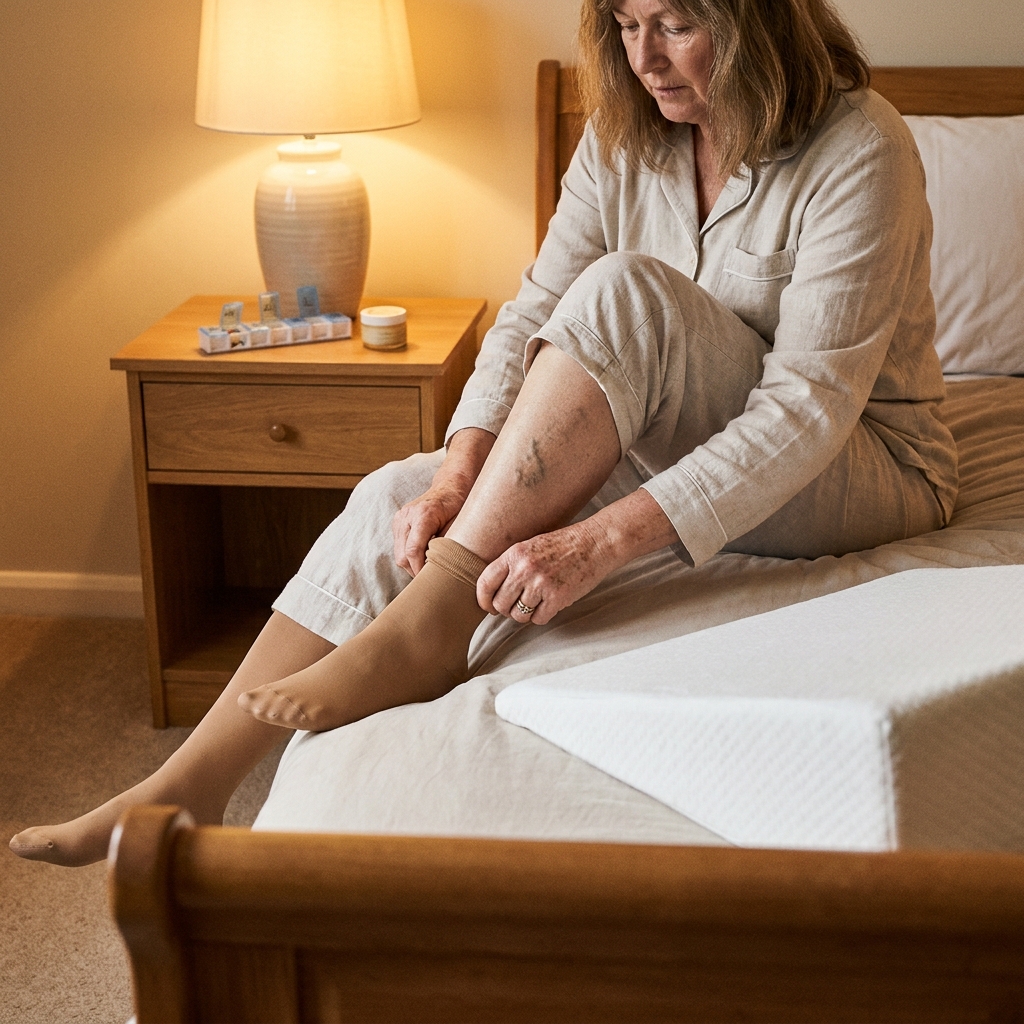
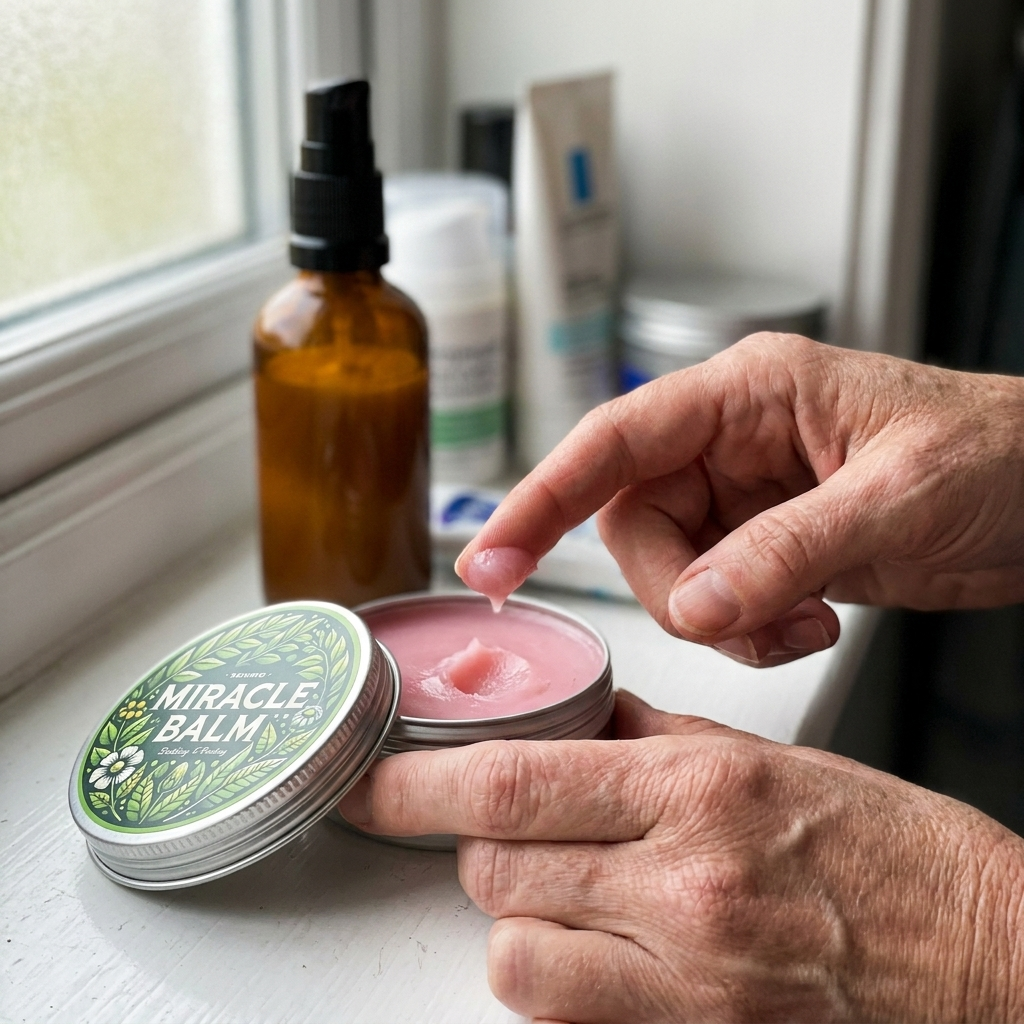
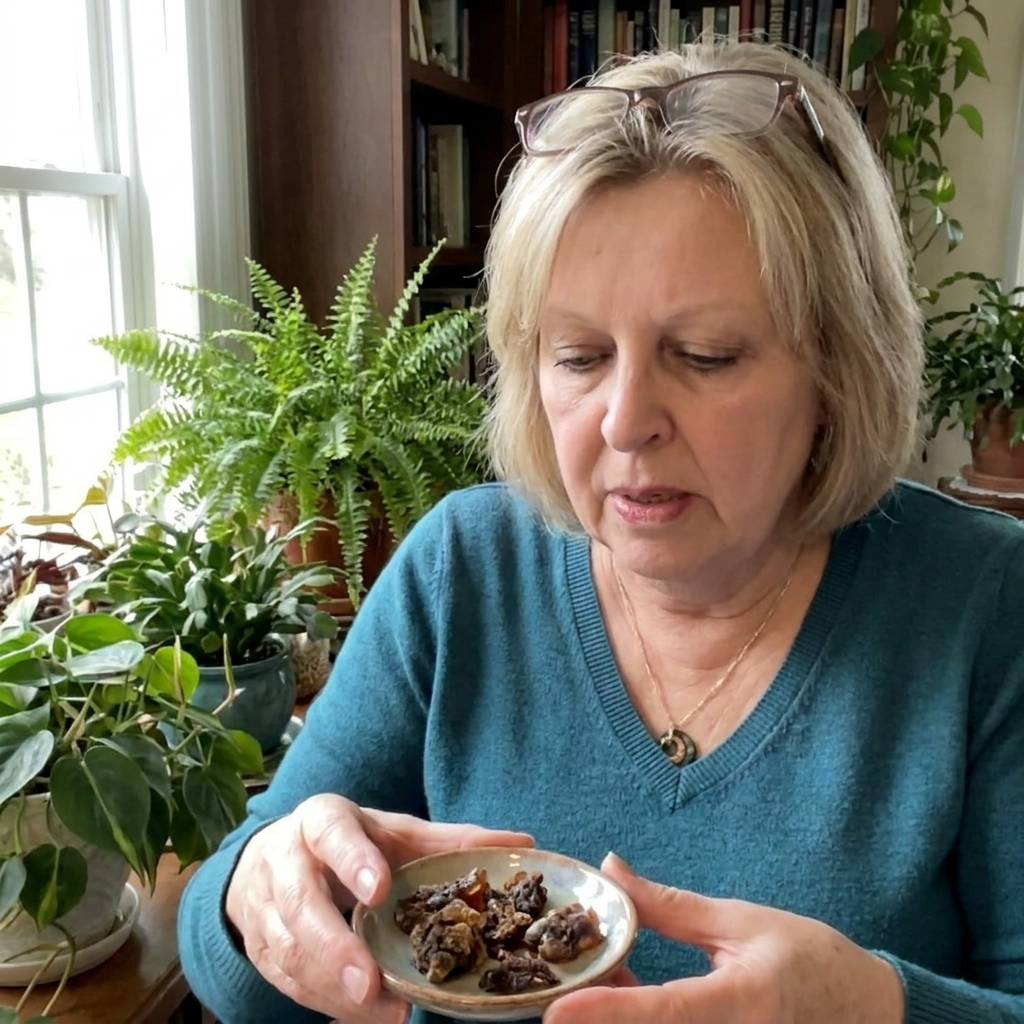
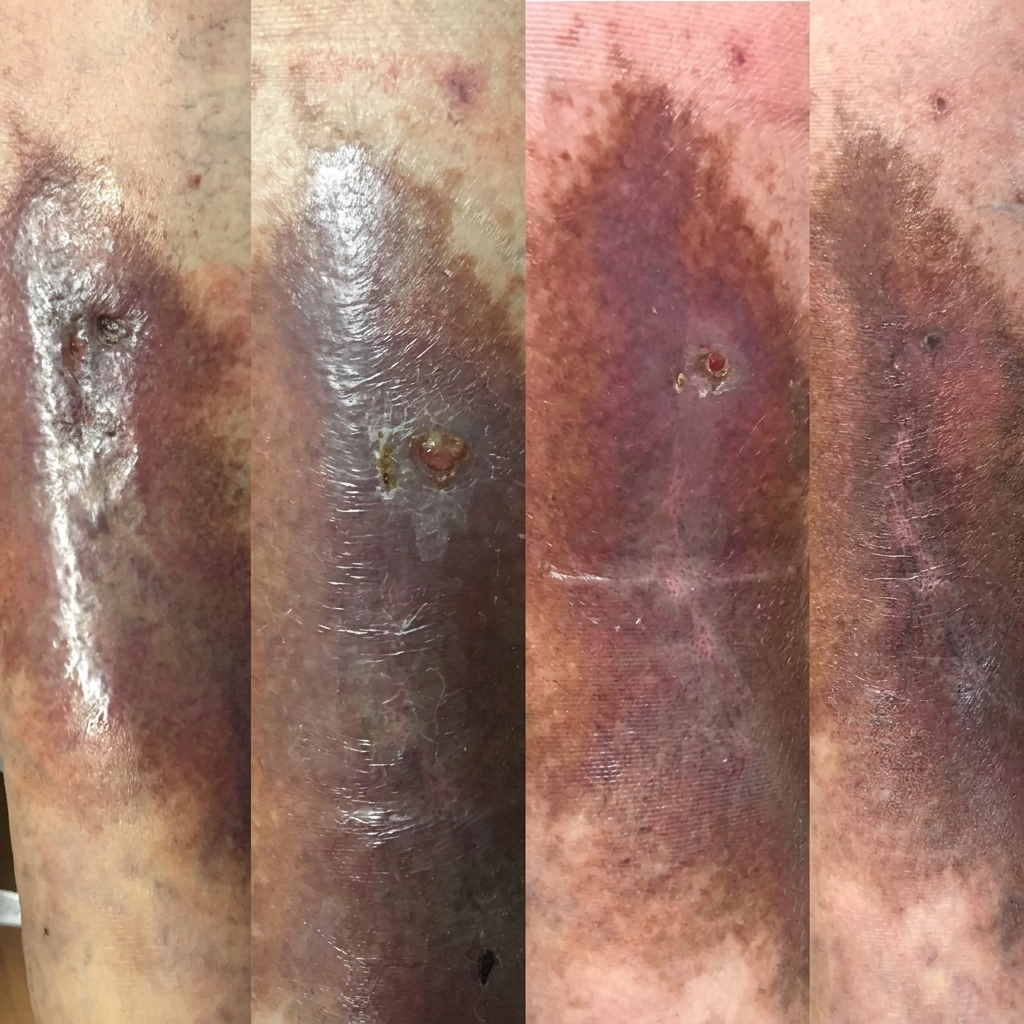
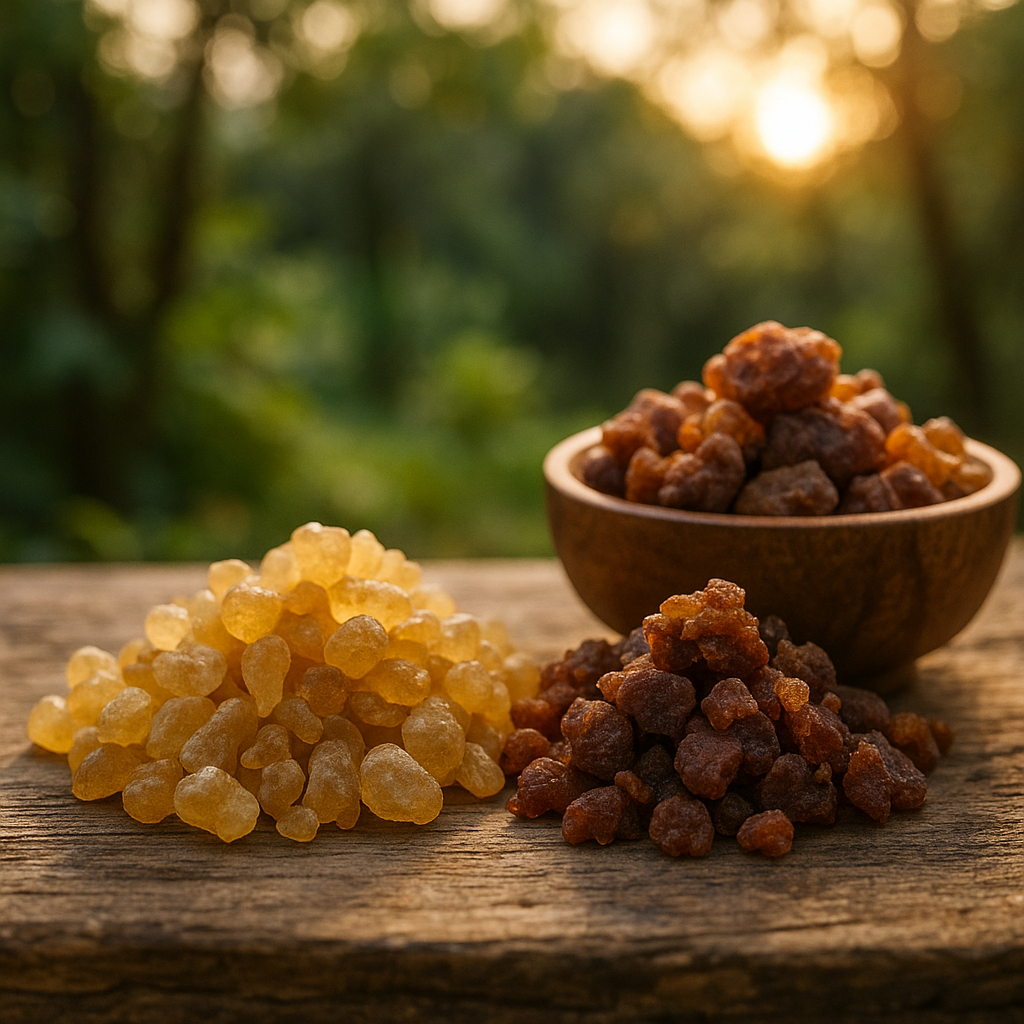
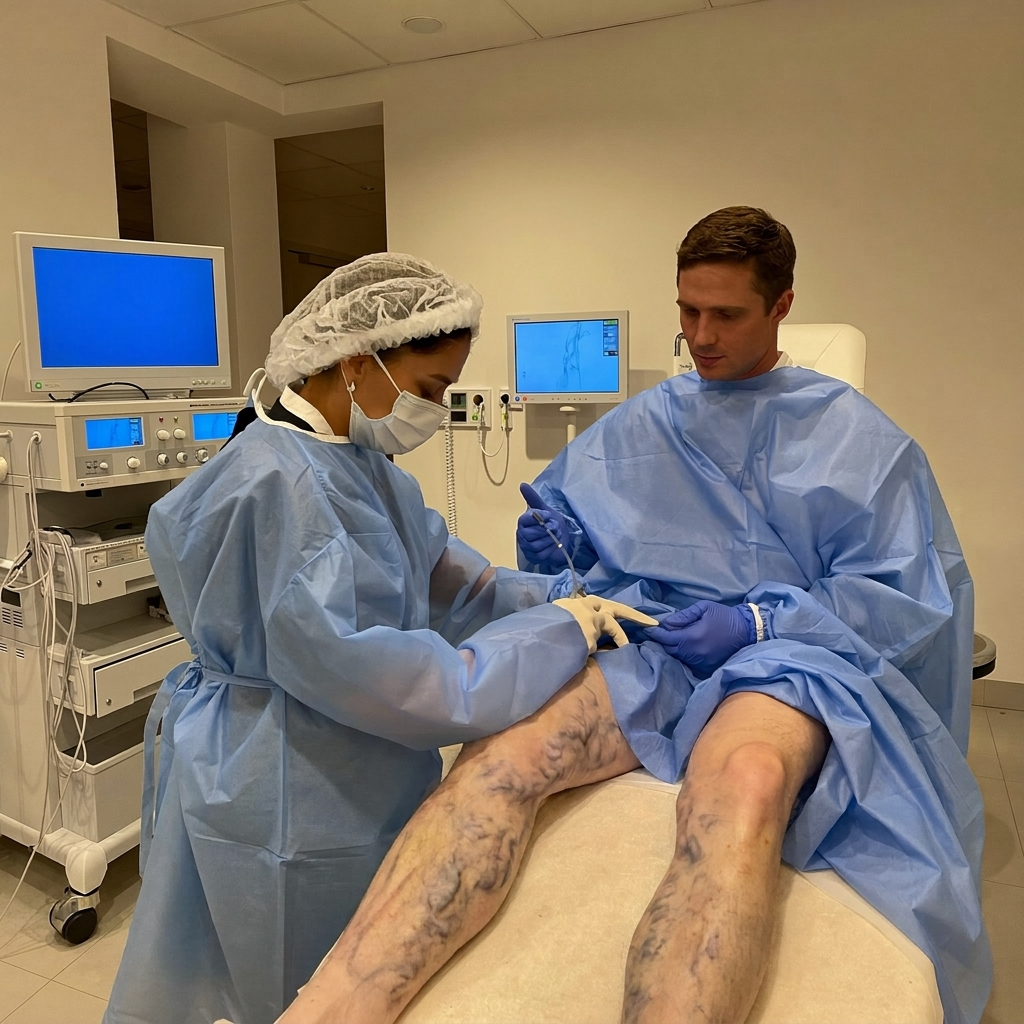
After fifteen years as a vein specialist, there is one question I wish my patients would ask me — and almost none of them ever do. They ask whether their varicose veins will get worse. They ask when they'll need surgery. They ask if compression stockings are enough. All reasonable questions. But none of them open the door to the conversation that would actually change their trajectory, because there's a different question underneath all three that patients simply don't know exists. ⠀ I'm going to tell you exactly what it is, and then I'm going to answer it for you the way I'd answer it across my desk. ⠀ After fifteen years of vein specialty practice, there is one question I wish more patients would ask me. ⠀ They ask: "Will my varicose veins get worse?" ⠀ They ask: "When will I need surgery?" ⠀ They ask: "Are compression stockings enough?" ⠀ Every one of those is a fair question, and I answer each of them honestly, every week. But notice what they have in common. They are all questions about the outside of the problem — about progression, about procedures, about management. They are questions about what will happen to the patient and when. None of them ask about what is happening inside the vein wall, right now, that is driving all of it. ⠀ The question I wish they would ask is this: "What is happening inside my vein walls right now, and what specifically addresses it?" ⠀ That question would open the conversation I am not having with most patients — not because I'm withholding it, but because most patients do not know to ask it, and the structure of a fifteen-minute appointment does not naturally surface it. ⠀ I am Dr. Patricia Vance. Board certified in phlebology — vein medicine. Fifteen years of treating venous disorders. I want to give you the answer to the question you should be asking, so that whether or not you ever ask it out loud in an exam room, you'll at least know what the answer is. ⠀ Here is what is happening inside your vein walls right now, if you have symptomatic varicose veins with chronic venous hypertension. It is a specific biochemical cascade that most conservative management protocols address only indirectly — if at all. ⠀ Let me walk you through it the way I would on a notepad across the desk. ⠀ It begins with the valves. The one-way valves inside your veins are supposed to keep blood moving upward, against gravity, back toward your heart. When those valves become insufficient, blood pools. The pooled blood creates sustained internal pressure against the vein walls. This is chronic venous hypertension, and on its own it sounds almost mechanical — too much pressure in a pipe. ⠀ But it is not just mechanical. Here is the part almost no patient has ever heard. ⠀ That sustained pressure activates a biochemical pathway in the tissue surrounding the veins — the 5-lipoxygenase pathway. The 5-LOX enzyme converts a fatty acid in your tissue, arachidonic acid, first into leukotriene A4 and then into leukotriene B4. And leukotriene B4 is not a bystander. It is one of the most potent pro-inflammatory mediators in human physiology. It sustains a chronic inflammatory environment in the venous tissue, and it keeps that environment running for as long as the pressure feeds the enzyme. ⠀ Now consider what an inflammatory environment does to your vein walls over years. ⠀ The collagen and elastin that give your vein walls their structural integrity — their strength, their elasticity, their ability to hold their shape against the pressure of the blood column — are progressively broken down. The walls weaken. They stretch. They bulge. The valves, already compromised, are strained further. And the cascade feeds itself: weaker walls allow more pooling, more pooling raises pressure, higher pressure drives more enzyme activity, more enzyme activity produces more leukotrienes, more leukotrienes do more damage. ⠀ At the same time, those same inflammatory mediators impair the microvascular function in the tissue surrounding the veins — the tiny vessels responsible for delivering oxygen to the cells around your veins and to the skin of your lower legs. Those cells begin to receive less oxygen than they need. They become hypoxic. The normal maintenance and repair processes of the tissue slow down. This is the soil in which the later, visible stages grow: the heaviness, the discoloration, the skin changes, and at the far end, the wounds that won't heal. ⠀ None of this is visible on the surface in its early years. And here is the point I most want you to absorb: the things you are doing — the things I myself recommend — do not reach this cascade. ⠀ The compression stocking squeezing your leg from the outside does not reach this enzyme. It manages the pooling, which is one input to the cascade, but it does not inhibit the 5-LOX enzyme, and the cascade continues through every other input. ⠀ The elevation that reduces the pooling at night does not inhibit the enzyme either. It is real and it helps, and it is not enough. ⠀ The monitoring that tracks your progression — the annual ultrasound, the careful notes about whether things have advanced — does not address what is being monitored. It documents the cascade's progress. It does not interrupt it. ⠀ That is the honest picture of the gap. And it is precisely the gap your question would open. ⠀ So here is the answer to the question, the part I can give you when you ask. ⠀ What specifically addresses the cascade? ⠀ Boswellic acids from Frankincense — specific inhibition of the 5-LOX enzyme. The enzyme is blocked. Leukotriene B4 production drops. The inflammatory environment in and around the vein wall begins to change, because the molecule driving it is being shut off at the source. ⠀ Angelica Sinensis — peripheral microvascular restoration. The tissue that has been progressively oxygen-starved by the cascade begins to receive improved blood flow. The cells around your veins, and in the skin of your lower legs, get more of the oxygen they have been quietly going without. ⠀ Comfrey allantoin — cellular repair stimulation. The fibroblasts, the cells responsible for rebuilding the very collagen and elastin the leukotrienes have been degrading, are actively supported. The repair side of the equation is reinforced while the damage side is interrupted. ⠀ Peppermint — immediate circulation and analgesia, so there is relief you can feel within the first hour while the slower compounds do their slower, structural work. ⠀ This is the answer to the question. Senzio Miracle Balm is the formula that delivers it, in a sesame oil base that penetrates to the tissue depth where the cascade actually runs — which is exactly where a surface cream cannot reach and an oral supplement arrives too diluted to matter. ⠀ Now let me tell you, plainly, why I wish you would ask this question. ⠀ The standard of care I deliver — compression therapy, monitoring, and eventual procedural intervention when the disease warrants it — is entirely appropriate. I stand behind every part of it. But every part of it is focused on the external consequence of the internal cascade. ⠀ Compression manages the pooling, which is one input to the cascade. Procedural intervention eventually closes or redirects the veins that are the structural source of the pooling. Both are legitimate, and both have their place. ⠀ But neither directly inhibits the 5-LOX enzyme. Neither directly restores microvascular blood flow to the oxygen-starved tissue. Neither directly addresses the leukotriene cascade that is breaking down your vein wall connective tissue during all those years between your diagnosis and the day you finally cross the threshold for a procedure. ⠀ And here is my constraint, stated honestly. I cannot prescribe Senzio Miracle Balm. It is not a prescription product. I cannot fold it into a treatment protocol the way I formally prescribe compression therapy or schedule a procedure. That is simply not how a non-prescription botanical fits into clinical practice. ⠀ What I can do — and what I do now, when the right patient is in front of me and the question is on the table — is answer it. Honestly and completely. ⠀ The question: "What is happening inside my vein walls right now, and what specifically addresses it?" ⠀ The answer: the 5-LOX leukotriene cascade. Interrupted by boswellic acid enzyme inhibition. Supported by Angelica Sinensis microvascular restoration. Maintained by Comfrey repair-environment support. ⠀ I cannot bring this conversation to you unprompted across every appointment. But the moment you ask, I can answer. The permission is inside the question itself. ⠀ So ask. Ask your vein specialist what is happening inside your vein walls and what specifically addresses it. And if for any reason you can't get the conversation you deserve — at least now you are not waiting on anyone's permission to know the answer. ⠀ You are, most likely, in the long stretch between diagnosis and any procedure — the years when the cascade does its quietest and most consequential work. That stretch is exactly when this intervention matters most, and exactly when it is most often missing. ⠀ Senzio Miracle Balm is 50% off right now with a 60-day money-back guarantee. Three to four minutes massaged into both legs before bed. The mechanism begins responding within two weeks. If your legs haven't changed by the end of the guarantee, every dollar comes back. ⠀ You finally have the answer. The next move is simply to use it. ⠀ P.S. — Three patients asked me the question at my clinic last month. One had read about the mechanism online. One had been told about it by her sister, who had found it first. One asked because a friend had described an improvement that went beyond what compression stockings typically produce. All three, when I traced it back, had been quietly waiting for permission to ask — sensing that something was being left out of their care but not knowing how to name it. The permission was in the question itself. Ask your vein specialist what is happening inside your vein walls and what specifically addresses it. The answer opens the conversation. The conversation opens the intervention. Start with the question. ⠀ P.P.S. — 60-day guarantee. The patients who ask get the answer and start the intervention. Two weeks to feel the mechanism respond; sixty days, fully guaranteed, to decide for yourself. Ask the question. Start the inside intervention. Let the sixty days document the difference. ⠀ — Dr. Patricia Vance, MD Board Certified in Phlebology 15 years in vein medicine
What's Happening Inside Your Vein Walls?
Powered by Comfrey, Angelica Sinensis, Frankincense & Peppermint Oil, this formula supports healthy circulation while easing swelling, heaviness, and throbbing discomfort. With regular use, legs feel lighter, stronger, and more resilient against vein pain.
LEARN MORELike this ad? Make it yours.
Crush rebuilds this exact creative around your product — your brand, your colors, your offer — in about a minute.