
Stopped· since Jun 28, 2026
- 17
- days it ran
- 0
- relaunches
- 8
- EU reach
Ad copy
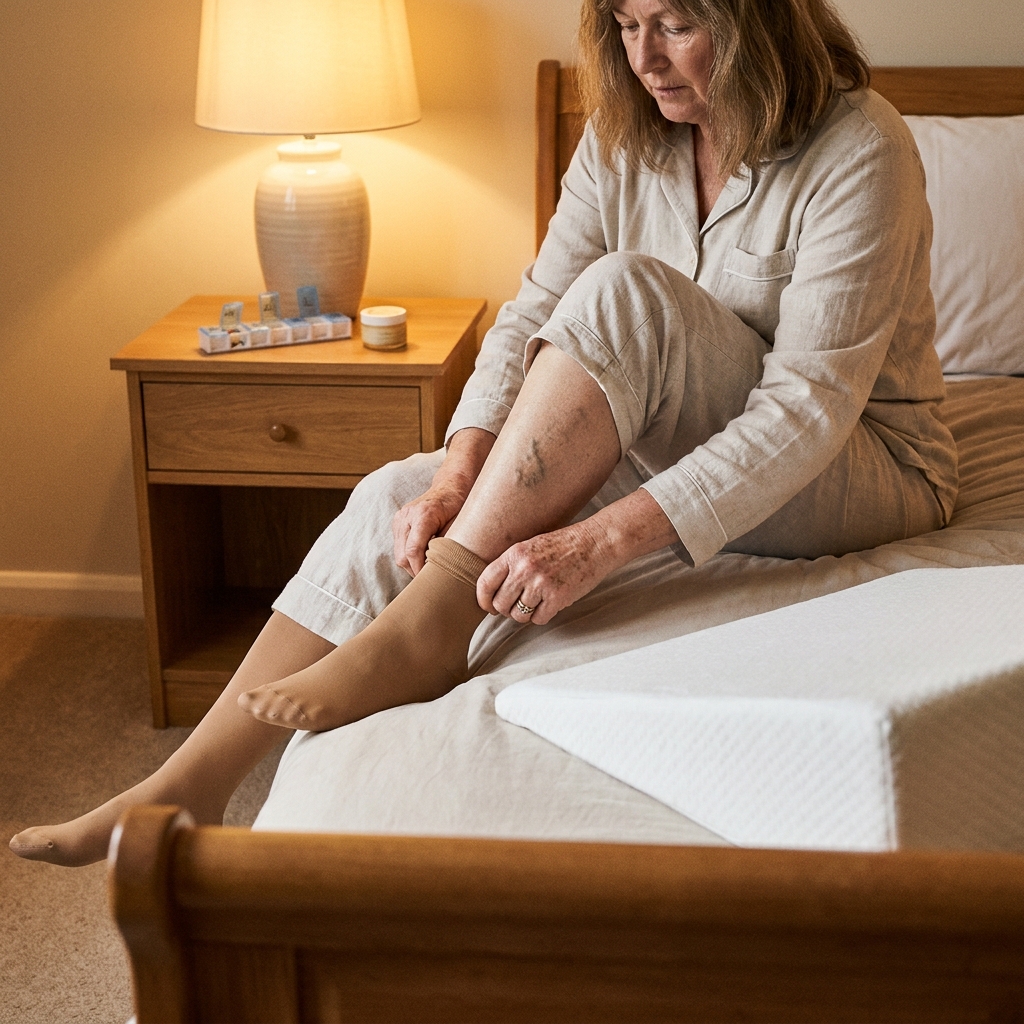
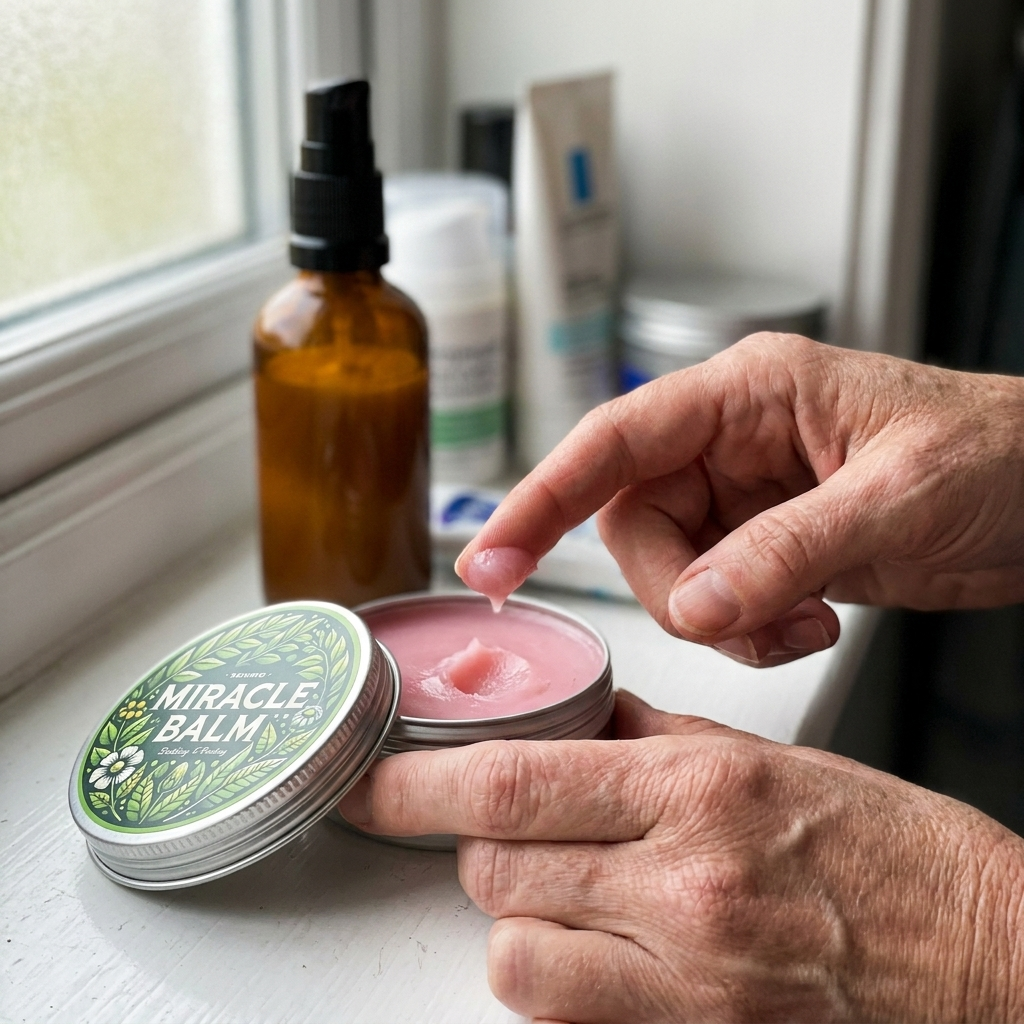
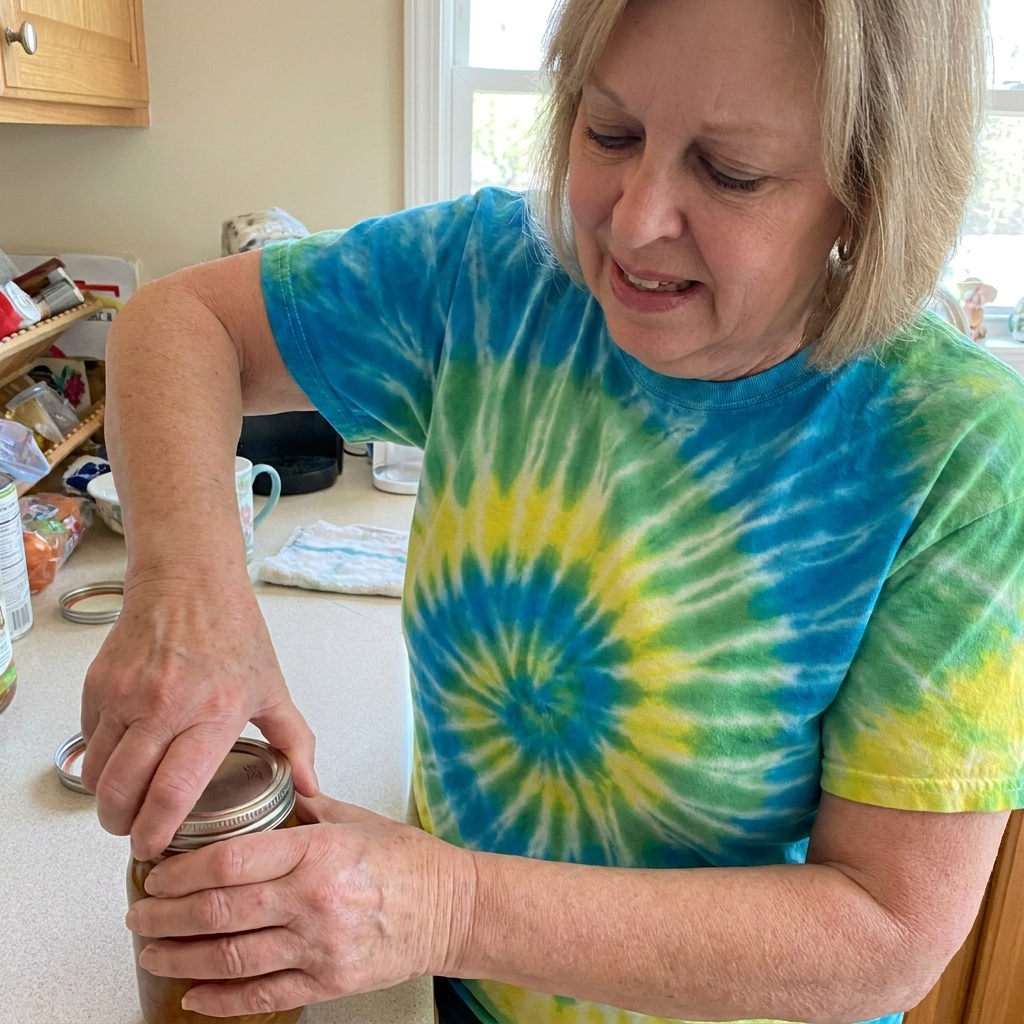
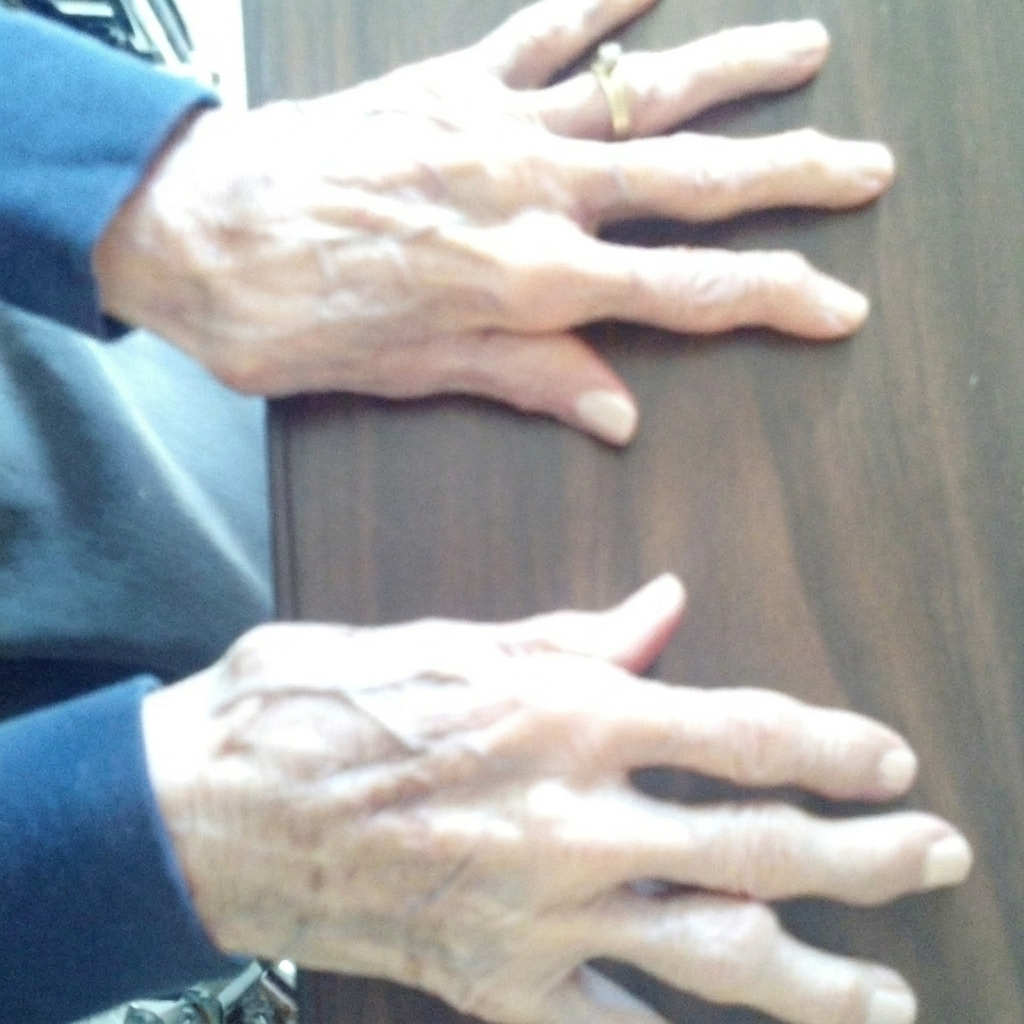
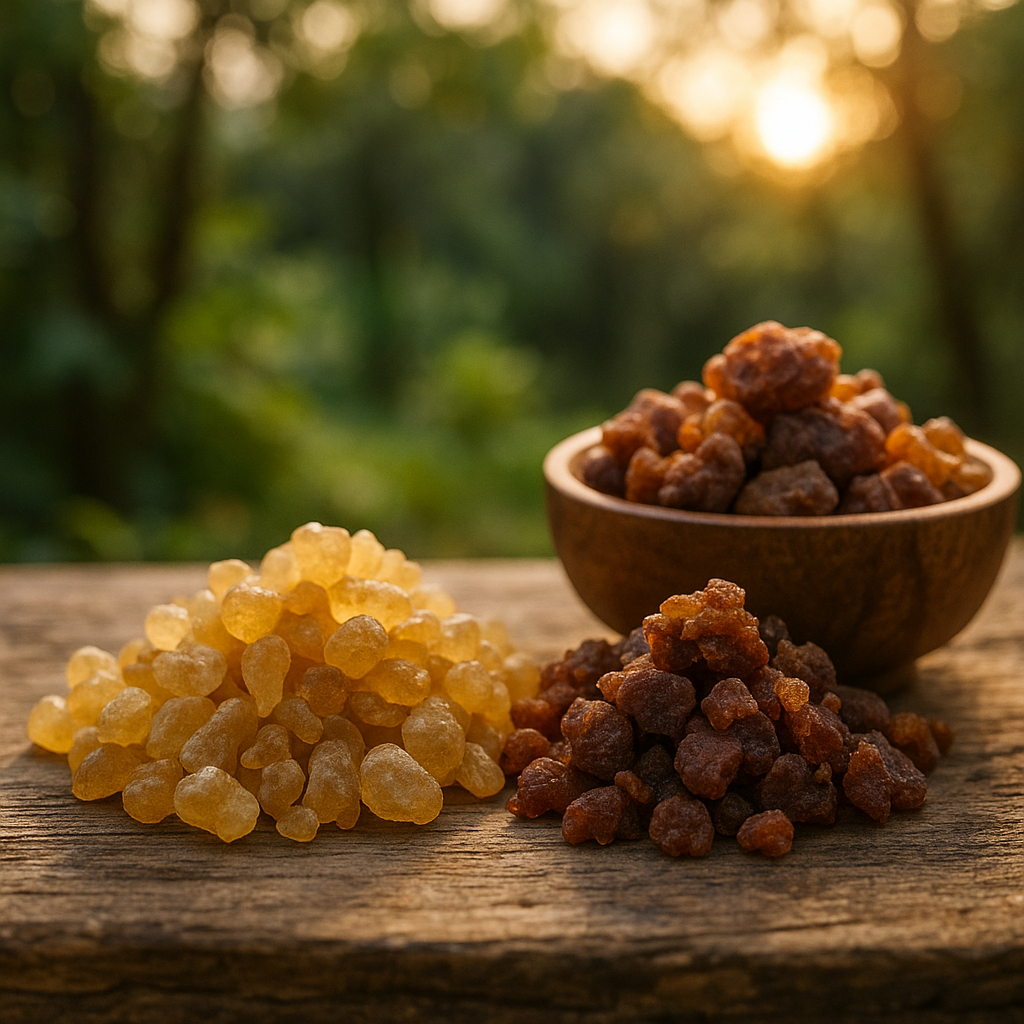
What if the most powerful medicines for arthritis weren't invented in a laboratory last decade but were recorded thousands of years ago in the oldest texts ever written? ⠀ While we're spending billions on cortisone shots, prescription NSAIDs, and knee replacement surgeries, the ancient healing plants that worked for our ancestors are still here. Still growing. Still working. ⠀ And modern science is finally catching up to what they knew all along. ⠀ My name is Dr. Sarah Whitfield. I'm a Clinical Herbalist and Ethnobotanist. I've spent 22 years studying the medicinal plant traditions of ancient civilizations — from Egyptian papyri to Ayurvedic manuscripts to traditional Chinese medicine texts and cross-referencing them against modern clinical research. ⠀ What I found across all of them — independently, across cultures that had no contact with each other — was the same seven plants appearing again and again for the same condition. ⠀ Joint pain. Inflammation. What we now call arthritis. ⠀ When ancient Egypt, India, China, and scripture all independently agree on the same plants for the same condition — that is not coincidence. ⠀ That is evidence. ⠀ And modern clinical research has now validated every single one of them. ⠀ Most people who find me have already been through the conventional medicine ladder. Voltaren. Cortisone. Physical therapy. Glucosamine. A rheumatologist who said the word management and handed them a prescription. ⠀ They come to me because they want to know if there's something else. ⠀ And there is. ⠀ Actually, there are seven of them. ⠀ Seven plants, all of them now validated by modern research that target joint inflammation at the source in a way that no pharmaceutical intervention I have ever studied does. ⠀ Let me walk you through them. ⠀ Plant 1. Frankincense. Traded at prices rivaling gold across ancient Egypt, Persia, India, and recorded in scripture as a gift worthy of kings, modern clinical trials now confirm its boswellic acids reduce joint inflammation as effectively as pharmaceutical NSAIDs, without the stomach damage or kidney risk. ⠀ Plant 2. Myrrh. Documented in Egyptian medical papyri dating back 3,500 years and recorded in scripture at both birth and death. Modern research shows myrrh works synergistically with frankincense, the two together measurably more powerful than either alone in reducing joint tissue inflammation and supporting repair of damaged connective tissue. ⠀ Plant 3. Peppermint. Traded alongside precious metals across ancient Egyptian, Greek, Roman, and Chinese medicine. Modern research confirms peppermint oil penetrates deeper through skin than almost any other botanical compound, easing the deep locked feeling in stiff joints and beginning to work within minutes. ⠀ Plant 4. Comfrey. Called knitbone across ancient Greek, Roman, and Asian medicine for over 2,000 years — a name earned through generations of observation that modern research confirmed when it identified allantoin as a compound that penetrates deep into soft joint tissue and measurably reduces the cellular swelling driving chronic arthritis pain. ⠀ Plant 5. Turmeric. Documented in Ayurvedic, Chinese, and Middle Eastern medicine for over 4,000 years for joint stiffness and swelling. Clinical trials now show its active compound curcumin reduces joint pain comparably to ibuprofen, without the stomach erosion or cardiovascular risk. ⠀ Plant 6. Ginger. Appearing independently in ancient Chinese, Indian, Greek, and Arabic texts for joint pain and morning stiffness across cultures that had no contact with each other — modern research confirms it inhibits the same inflammatory prostaglandin pathways as ibuprofen. ⠀ Plant 7. Boswellia. Prescribed in Ayurvedic and ancient Arabic medicine for joint degeneration for over 3,000 years. Modern research finally identified why, finding its boswellic acids block the 5-LOX enzyme, one of the primary drivers of inflammatory cartilage breakdown in osteoarthritis. ⠀ Now here is what I need you to understand. ⠀ I have spent 22 years studying these plants. Reading ancient texts. Cross-referencing traditional use against modern clinical literature. ⠀ And the question I kept returning to was the same one my patients kept asking me. ⠀ If these plants are this effective, why isn't my arthritis getting better? ⠀ The answer wasn't the plants. ⠀ It was the delivery. ⠀ Taking a turmeric capsule means the curcumin has to survive your stomach acid, enter your bloodstream, travel through your entire body, and hope enough of it reaches your inflamed joint tissue before it gets metabolized and filtered out. Most of what you swallow never arrives where you need it. ⠀ But when these botanicals are combined and delivered topically and applied directly over the joint, they bypass all of that entirely. They absorb through the skin and go to work exactly where the inflammation lives. ⠀ I had been recommending these plants to arthritis patients for over two decades. ⠀ Then one patient changed everything. ⠀ Her name is Patricia. She is 58. She came to me with osteoarthritis in both knees and both hands, four years in, bone on bone in her left knee, surgery already scheduled in three months. ⠀ She had done everything. Her rheumatologist's full protocol. Every supplement I had recommended. Turmeric capsules. Boswellia extract. Fish oil. Ginger tea every morning. Faithfully. For two years. ⠀ Still getting worse. ⠀ She sat across from me and said something I had heard too many times before. ⠀ "Dr. Whitfield. I've been taking everything you recommended for two years. Why is it still getting worse?" ⠀ I didn't have a satisfying answer. ⠀ That question sent me back into the research. Cellular biology. Immunology. The emerging science of what actually drives chronic joint inflammation at the tissue level. ⠀ And I found the missing piece that two decades of practice had never shown me. ⠀ Most people and most doctors think of arthritis inflammation as a slow, gradual process. A steady ache that builds over time. ⠀ That is only half the story. ⠀ Inside every immune cell in your body sits a protein complex called the NLRP3 Inflammasome. Think of it as a hair-trigger alarm. When it senses damage inside your joint — worn cartilage, cellular debris, years of grinding wear, it goes off. ⠀ And when it goes off, it doesn't produce a little inflammation. ⠀ It sends a sudden flood of toxic chemicals straight into your joint tissue. Cartilage breaks down. The joint swells up. Everything locks. ⠀ In a healthy joint, the inflammasome goes off, the body calms the inflammation down, and the pain goes away. ⠀ But in an arthritic joint, the inflammation never fully calms down. The pain keeps coming back. The joint keeps breaking down. And your body never gets a chance to catch up. ⠀ That's why Patricia had good days and then suddenly terrible ones even when nothing new happened. That's why she'd wake up some mornings barely able to move. ⠀ Every treatment Patricia had tried, Voltaren, cortisone, oral supplements — only worked after the inflammation had already spread through her joint. They helped her feel better for a while. But they never stopped the inflammatory trigger from firing again. ⠀ For the first time, I understood exactly why my patients kept hitting that wall. ⠀ And that's when I looked back at the seven plants and saw them in a completely different light. ⠀ Because here is what is so remarkable. ⠀ The thing researchers just discovered about this alarm system inside arthritic joints that keeps inflammation going, ancient healers were already dealing with it thousands of years ago. They didn't know what to call it. They didn't have laboratories or microscopes. But they had something better. They had thousands of years of watching what actually worked. ⠀ And what worked were these seven plants. ⠀ Here is what modern science now shows us about why. ⠀ These plants do two things at the same time. ⠀ First — they stop The Alarm from going off in the first place. ⠀ Your immune cells have tiny receptors on their surface. Think of them as buttons. When those buttons get pushed by damage signals inside your joint, the NLRP3 goes off and the inflammation starts. ⠀ The compounds inside frankincense, turmeric, and ginger press down on those buttons and hold them shut. The damage signals can't get through. The inflammasome stays quiet. The inflammation never starts. ⠀ Researchers call this TLR Inhibition. In plain language, these plants keep the inflammatory trigger turned off. ⠀ Second — even when The Alarm does go off, which in bad arthritis sometimes still happens, these same plants reduce the damage it causes. ⠀ They don't stop the inflammation completely in those cases. But they turn the volume way down. So instead of a full blast of inflammation hitting your joint, only a fraction gets through. Less pain. Less swelling. Less damage to the cartilage. ⠀ Researchers call this senomorphic activity. In plain English, these plants soften the blow even when the NLRP3 slips through. ⠀ Two layers of protection. ⠀ Keep the inflammatory trigger quiet. And soften it when it's not. ⠀ Ancient healers across Egypt, India, China were doing exactly with the same seven plants for thousands of years. ⠀ They didn't have the science to explain it. They just knew it worked. ⠀ Now we know why. ⠀ And that brings me back to the question that started all of this. ⠀ If these plants are this effective, why wasn't Patricia getting better? ⠀ Because she was swallowing them. ⠀ Turmeric capsules. Boswellia tablets. Ginger tea. Every morning for two years. ⠀ Her stomach processed them. Her liver filtered them. Her bloodstream carried whatever was left. And by the time any of it reached the inflamed tissue inside her knee there was almost nothing left to work with. ⠀ The plants were right. The delivery was wrong. ⠀ These compounds needed to reach the joint tissue directly. Through the skin. Into the soft tissue, the joint capsule, the connective tissue where the NLRP3 was firing. ⠀ I found a formulation that brought these compounds together — frankincense, myrrh, comfrey, Angelica sinensis, and peppermint oil — in a transdermal delivery system using sesame oil and beeswax as the base, specifically designed to carry every compound deep below the skin surface and directly into the joint tissue where the inflammasome fires. ⠀ As a clinical herbalist I studied every ingredient. Every compound had a specific role — blocking the inflammatory trigger, softening its impact when it still got through, repairing tissue, improving circulation to the joint. Nothing was filler. ⠀ It was called Senzio Miracle Balm. ⠀ And before anyone reading this thinks Oh, here we go, she's just selling something — ⠀ I understand. My patients had tried dozens of creams. I had watched them waste money on things that did nothing. The last thing I would ever do is recommend something I hadn't fully satisfied myself about. ⠀ But the formulation matched the science I had studied for 22 years. And it was delivering these compounds the way swallowing them never could. ⠀ I brought it to Patricia. ⠀ "Another cream?" she said. ⠀ "Not like the others," I told her. "These compounds go through your skin and reach the joint directly — where The Alarm is actually firing. Give it three months. Apply it twice a day without missing. Then go back to your surgeon and ask for new imaging before you commit to a date." ⠀ She looked at me for a long moment. ⠀ "Okay." ⠀ She called me after the first application. ⠀ "I felt something different. Not just warmth on the surface. Something deeper." ⠀ I told her not to get excited yet. Just keep applying it. ⠀ She did. ⠀ Week 1: Morning stiffness clearing faster. The locked grinding first hour she had dreaded for four years was shortening. She mentioned it carefully — like she didn't want to jinx it. ⠀ Week 2: She slept through the entire night for the first time in over a year. She called me in the morning. I could hear it in her voice before she said a word. ⠀ Week 3: "Dr. Whitfield, I was in my garden on Saturday. Two hours. I forgot to stop." ⠀ I had to set the phone down for a moment. ⠀ Week 4: The visible swelling in her left knee present for almost two years had gone down enough that her husband noticed without being told. He asked what changed. She showed him the jar. ⠀ He picked it up. Read the label. Set it down. ⠀ "Plants?" he said. ⠀ "Plants," she said. ⠀ Three months later Patricia went back to her surgeon for new imaging. ⠀ He reviewed the scan. Looked at her knee. Looked at the scan again. ⠀ Took his glasses off. ⠀ "Patricia, the joint capsule inflammation has come down significantly. The surrounding tissue swelling is measurably reduced. I can't justify operating on this right now. Let's push this out six months." ⠀ She called me from the parking lot. ⠀ She was crying. ⠀ I started recommending Senzio to every appropriate patient after that. ⠀ The pattern I observe is consistent: ⠀ Week 1: Morning stiffness begins to shorten. The locked grinding first hour starts to ease. ⠀ Week 2: Sleep improves. Nighttime aching settles. Patients sleeping through the night for the first time in years. ⠀ Week 3: Functional return. Gripping, bending, moving through daily tasks without planning around the pain. ⠀ Week 4 and beyond: Visible swelling measurably reduces. Physicians commenting on the change without being told what was different. ⠀ I am not telling you Senzio cures arthritis. I do not make claims the research does not support. ⠀ What I am telling you is this. ⠀ These seven plants have been reducing joint inflammation for thousands of years.. ⠀ Independently. Consistently. For the same condition. ⠀ That is not folklore. ⠀ That is the oldest evidence of anything working for arthritis in human history. ⠀ And now we know exactly why they work. First, they keep the inflammasome quiet. Second, they soften the damage when the inflammatory trigger still fires. ⠀ Two layers of protection that no pill, no cream, no injection you have tried before has ever addressed because none of them reached the joint tissue directly at the concentration needed. ⠀ Senzio does. ⠀ It brings the most powerful of these ancient plants together, combined, concentrated, and delivered through the skin directly into the tissue where the inflammation lives. ⠀ This is not another cream that sits on your skin for 20 minutes and fades. ⠀ This is thousands of years of botanical medicine finally delivered the way it was always meant to be used. ⠀ If you have been doing everything right, eating well, taking your supplements, following your doctor's advice — and you are still getting worse, now you know why. ⠀ The plants were never the problem. The delivery was. And now that problem is solved. ⠀ Try it before you accept that management is the only answer left. ⠀ Senzio offers a 60-day money-back guarantee. Two full months completely risk-free. If your mornings don't get easier, if the stiffness doesn't lift, if you don't feel a real difference — you get every dollar back. No questions asked. ⠀ Ancient healers didn't have money-back guarantees. They had results. ⠀ So does this. ⠀ — Dr. Sarah Whitfield Clinical Herbalist and Ethnobotanist 22 Years in Practice ⠀ P.S. Patricia called me last month. Six months past her original surgery date. Her surgeon reviewed the latest imaging and pushed the surgery conversation out another six months. She has been in her garden every Saturday morning since week three. She told me she stopped keeping Voltaren on the nightstand because she kept forgetting she used to need it. The plants that ancient Egypt, India, China, and scripture all agreed on — they are still working. Thousands of years later.
7 Ancient Plants Modern Science Just Confirmed to Fight Arthritis
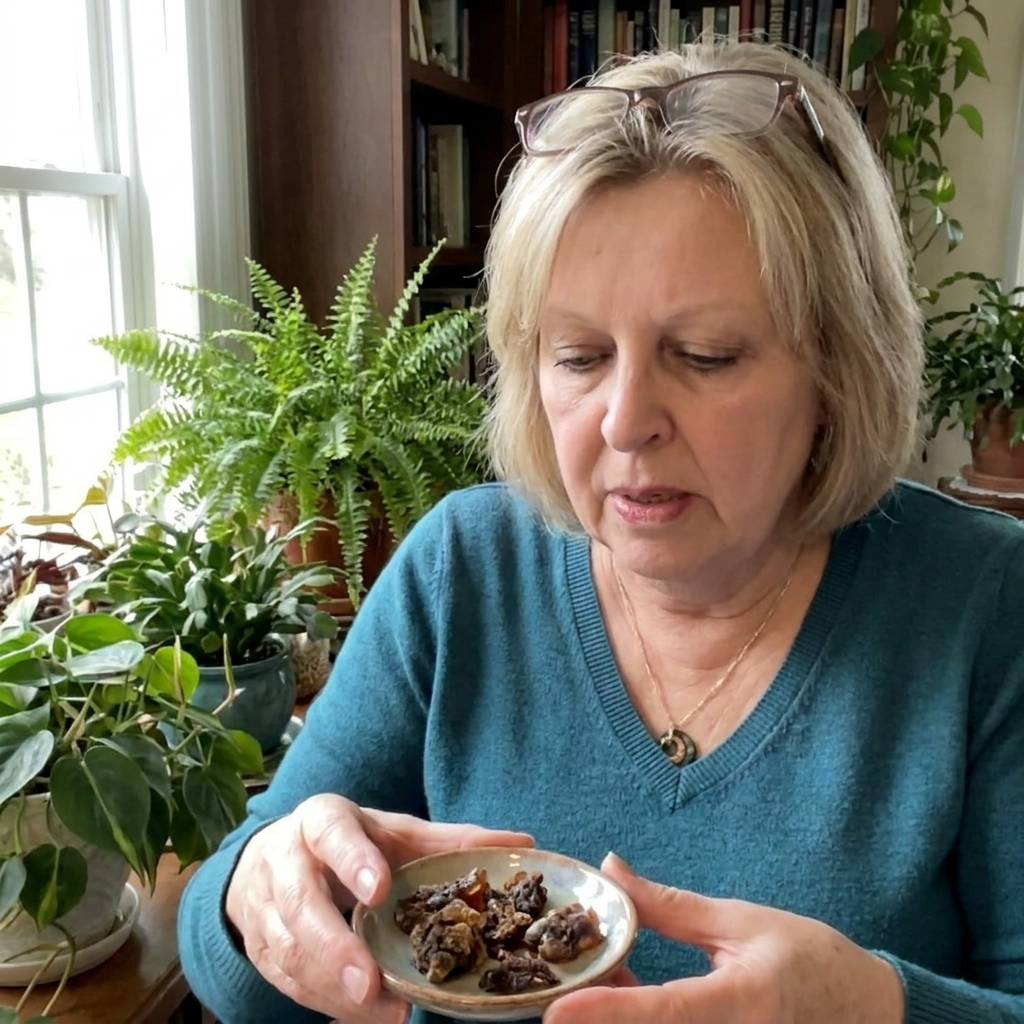
The world’s most powerful botanicals — like Comfrey, Angelica Sinensis, Frankincense & Peppermint Oil — go head-to-head with inflammation and win. Stiffness eases, swelling fades, and joint pain goes down in days.
LEARN MORELike this ad? Make it yours.
Crush rebuilds this exact creative around your product — your brand, your colors, your offer — in about a minute.