
Inactive· since Feb 17, 2026
- 10
- days it ran
- 6
- relaunches
Ad copy
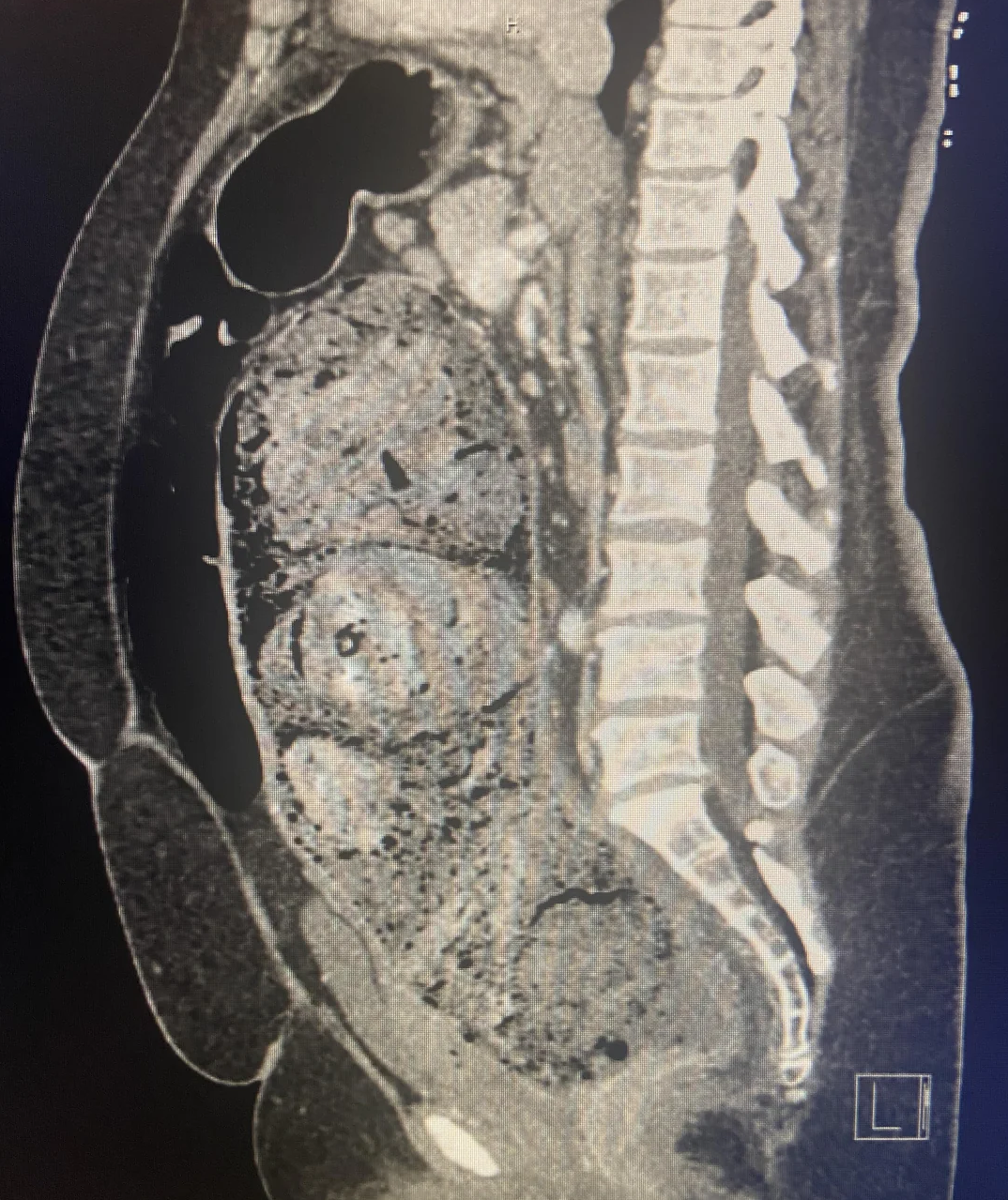
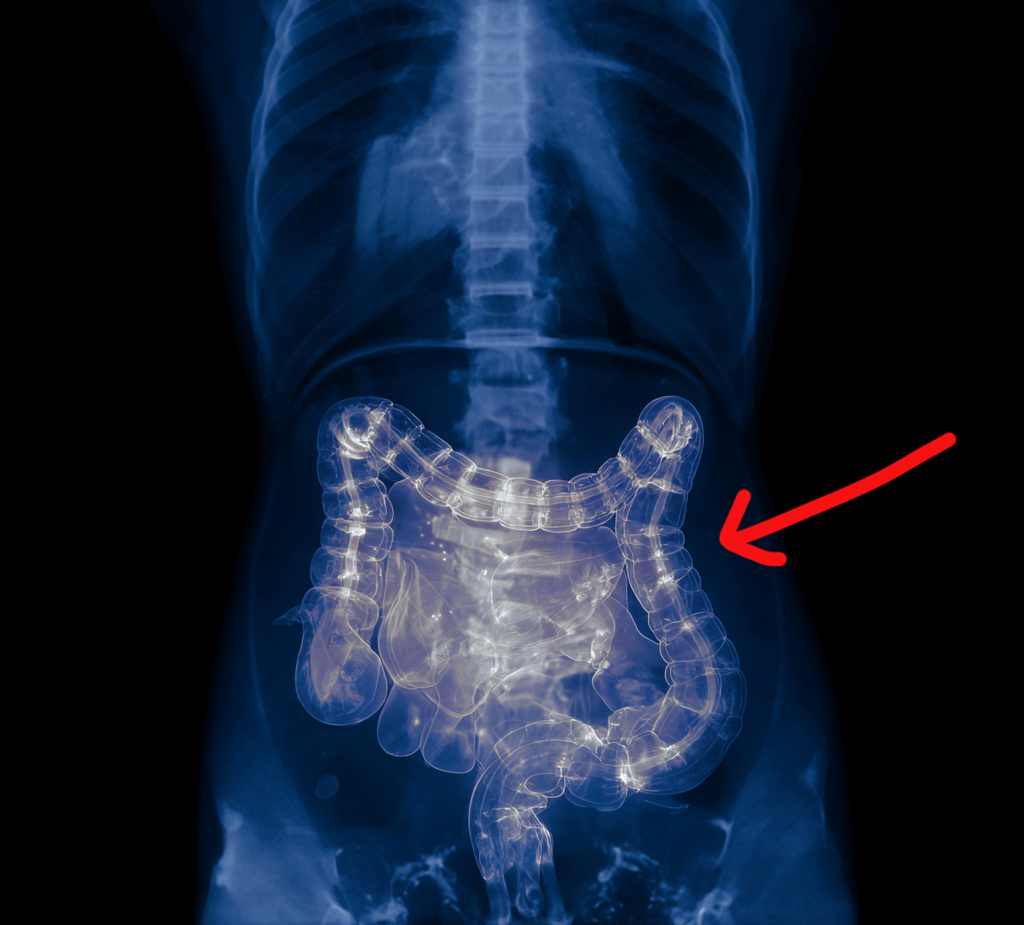
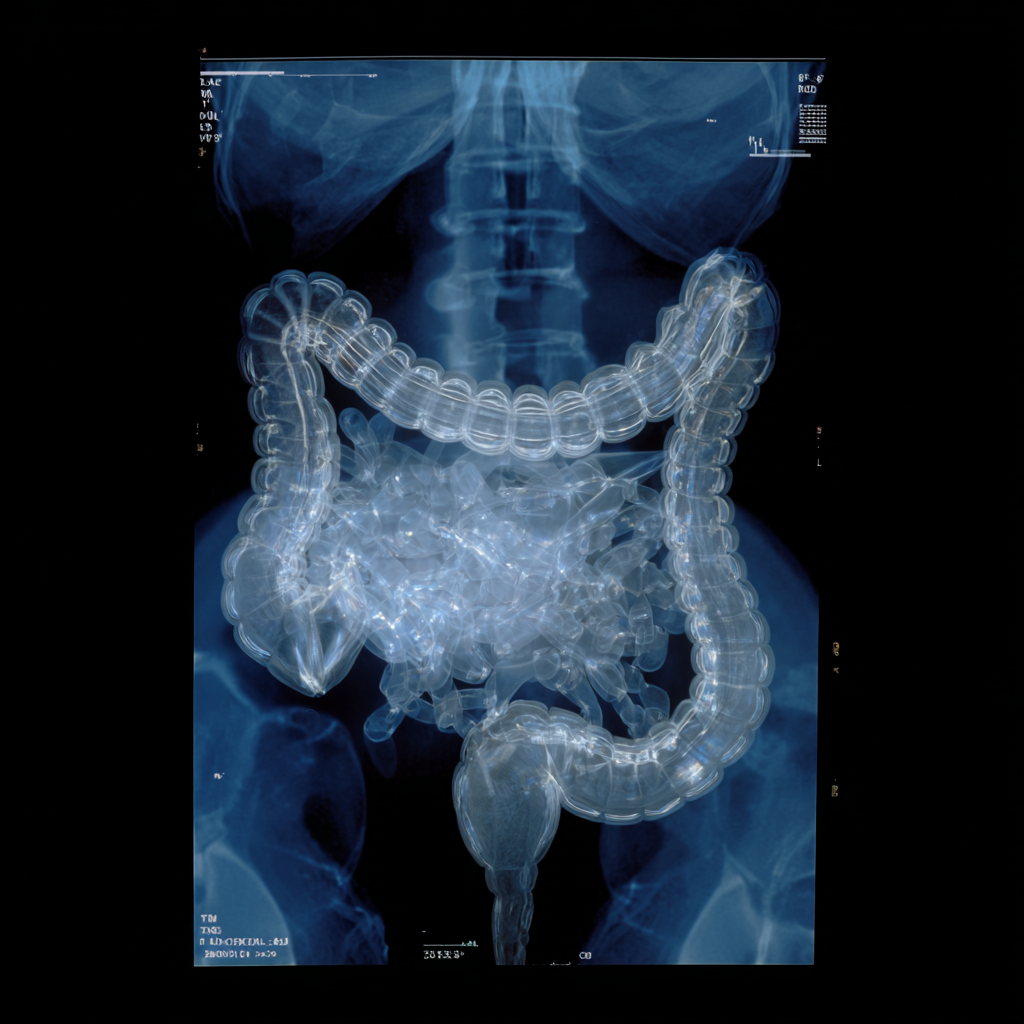
My doctor laughed when I walked into his office for the third time in two months. But when he saw how angry I was after eight years of being dismissed, he finally looked at something other than "just IBS." Not at my diet. Not at my stress levels. Not at my hormone panel. At how my gut was actually moving. And what he found — or rather, what he couldn't find — explained every symptom I'd had for eight years. Every 2 AM cramping episode that left me sweating on the toilet in the dark. Every sixty-second sprint to the bathroom that I sometimes lost. Every cancelled plan, every avoided meal, every pair of dark trousers I wore because light colours show accidents. Eight years. Four doctors. Over £400 on supplements that made things worse. A nine-month food diary. Low-FODMAP. Dairy-free. Gluten-free. A colour-coded spreadsheet rating every bowel movement from 1 to 10. And not one person — not one — had looked at what was actually wrong. Let me start from the beginning. I knew something was wrong long before any doctor took me seriously. I could feel it in my gut — a violence that had nothing to do with what I'd eaten. In the cramping that dragged me out of sleep at 2 AM, sweating through my pyjamas. In the urgency that gave me sixty seconds to find a toilet or soil myself in public. In the gas so painful I'd curl into the foetal position on my bathroom floor while my husband stood outside the door asking if he should ring 999. I wasn't imagining it. I wasn't making it up. I wasn't being dramatic. But every doctor I saw told me it was nothing serious. "Your tests look normal." "Have you tried eating more fibre?" "It might just be stress. You're at that age. Hormones do funny things." I left every appointment feeling worse than when I walked in. Not because they couldn't help me — but because they didn't take it seriously enough. I saw four doctors in eight years. Doctor One. My GP. 2016. She tested the basics. Bloods came back fine. "Nothing abnormal." She told me to eat more fibre and drink more water. I was already eating fibre. Plenty of it. Bran flakes. Wholemeal bread. Vegetables with every meal. I tried to explain that fibre seemed to make things worse. She looked at me like I was contradicting a law of physics. "Fibre helps with digestion. You just need to give it time." I gave it time. Three weeks. The gas became unbearable. The bloating made me look six months pregnant by dinnertime. The cramping woke me at 3 AM, curled in the foetal position on the bathroom floor, my husband standing over me asking if he should call an ambulance. Fibre didn't help. Fibre made everything dramatically, violently worse. But I didn't know why. So I assumed I was doing something wrong. Doctor Two. Another GP. 2018. He typed on his computer for the entire appointment. Asked me three questions. Didn't look up once. "Sounds like IBS. Very common. Affects one in five people." He told me to try the low-FODMAP diet. Cut out certain sugars. Keep a food diary. I did it. Four months. The bloating improved slightly. The urgency didn't change. The diarrhoea didn't change. The 2 AM cramping didn't change. The unpredictability — the thing that actually controlled my life — didn't change at all. The same meal could be fine on Monday and send me running to the toilet on Wednesday. There was no pattern. No trigger. Just chaos. He said to come back in six months. I didn't go back. Doctor Three. A gastroenterologist. 2020. I waited three months for this appointment. My husband took a day off work so I could go. He did a colonoscopy. I won't describe it. You know. The result: nothing abnormal. "Your gut looks perfectly healthy." He said it like it was good news. Like I should be relieved. I wasn't relieved. I was devastated. Because "nothing abnormal" meant no answer. No explanation. No treatment. Just more "learn to manage it" and "try to reduce your stress." "Sometimes these things are functional," he said. "Your gut is structurally fine. It's just not behaving the way it should." He was right about that. But he had no explanation for WHY. Doctor Four. A new GP. 2023. She was kinder than the others. Listened longer. Nodded in the right places. Then she said the thing that made me want to scream. "Sometimes these things are hormonal. Perimenopause. Menopause. It might just be a phase." Eight years. She called it a phase. All four of them tested for cancer. IBD. Coeliac. Parasites. All normal. All "fine." All four of them defaulted to "IBS" after ruling out the serious stuff. Not one of them tested how my gut was actually moving. Not one of them looked at the muscle function. Not one of them mentioned nitric oxide, or motility signalling, or why my bowel muscles were contracting too hard, too fast, at the wrong time. They looked at what was IN my gut. Nobody looked at how my gut was MOVING. And I spent over £400 trying to fix it myself. Probiotics. Four different brands. The first one gave me cramps so bad I couldn't stand up straight. The second did nothing. The third made the gas worse. The fourth was £45 a month and I took it for three months before admitting it wasn't working. Digestive enzymes. Peppermint capsules. Slippery elm. Psyllium husk. Apple cider vinegar tablets. L-glutamine capsules. A "gut health complex" from a website that promised "complete digestive restoration." Every single one was a capsule or a tablet. Every single one made things worse. I was spending money I didn't have on supplements that were aggravating the very gut I was trying to fix. Adding fuel to the fire and calling it medicine. But I didn't know that yet. All I knew was that nothing worked. That I was running out of options. That the doctors couldn't help me and the supplements were making things worse and maybe — maybe — this was just my life now. That was the thought that broke me. Not the pain. Not the accidents. Not the shame. The thought that this might be permanent. Let me tell you what eight years of this does to a woman's life. It doesn't just affect your gut. It dismantles everything. I used to be the woman who hosted Sunday roasts for eight people. Who had friends round for cheese and wine. Who went to book club every other Wednesday. Who took the grandchildren to the park, the school play, the seaside. I used to get dressed in the morning and feel like myself. Cream blouses. Summer dresses. Light colours. Clothes I loved. That woman disappeared. Year by year. Meal by meal. Accident by accident. I became the woman who always has a headache. The sister who always cancels. The friend who stopped showing up. The grandmother who says "maybe next time, love" so many times the grandchildren stopped asking. My wardrobe shrank to black trousers and navy tops. Dark colours that don't show sweat or accidents. I haven't worn light-coloured trousers in four years. My world shrank to four "safe" meals I rotated on repeat. Plain chicken. White rice. Plain toast. Plain pasta. My husband tiptoed around mealtimes. "What do you fancy?" "Something plain." I carried spare knickers in my handbag. Wet wipes in my glovebox. A plastic bag and a spare pair of dark leggings in my coat pocket. Every single day. Just in case. I mapped every public toilet within a fifteen-minute radius of my house. I knew which supermarkets had loos near the entrance. I'd scout the bathroom before sitting down anywhere — restaurants, friends' houses, the doctor's surgery. Every room I entered, the first thing I looked for was the exit to the nearest toilet. I wasn't living. I was containing. My entire life had become a damage limitation exercise dressed up as normality. And then there was the night that changed everything. I don't talk about this. I've never told my daughter. I've never told my sister. My husband knows, because he was in the house, but we've never discussed it. My daughter was in the bath. We have one bathroom. The urgency hit with no warning — no sixty-second window, no manageable signal. Just a wall of pressure and the absolute certainty that I had seconds. I couldn't get to the bathroom. My daughter was in there. I grabbed a bin bag from the bedroom. Lined it with a towel. And I squatted over it in my own bedroom like an animal. Afterward, I sat on the edge of my bed with my hands shaking. I tied the bag. Walked it to the outside bin. Sprayed the room. My daughter came out of the bathroom in her towel. "You alright, Mum?" "Fine, love. Just tidying up." I said it in the same voice I always use. The calm one. The one that means I'm falling apart but you'll never know. That was the night I stopped being sad about this and started being angry. Two days later, I was awake at midnight. Not from cramping. From fury. Eight years. Four doctors. Over £400 on supplements. A nine-month food diary. Low-FODMAP. Dairy-free. Gluten-free. And I'm squatting over a bin bag in my own bedroom because not one person — not one doctor, not one supplement company, not one piece of advice I'd ever been given — had actually addressed what was wrong. The shame had finally turned to anger. And for the first time, the anger was aimed at the right target. Not at myself. Not at my body. At the approach. At the assumption that my gut needed stimulating when it needed calming. At the fibre that was fuelling an already overactive gut. At the capsules that were aggravating an already sensitive stomach. At a system that labelled it "IBS," shrugged, and moved on. That was the night I found the forum post. It was a women's health forum. A thread buried deep in a discussion board I'd never have found if I hadn't been furious enough to keep searching at midnight. Written by a woman with my exact history. Same symptoms. Same useless diagnoses. Same wasted money on capsules. Same doctors telling her it was stress, hormones, or "one of those things." But she'd found something. Something that actually made sense. She explained two things nobody had ever told me. The first thing: my gut didn't need stimulating. It needed calming. Every supplement I'd tried. Every piece of advice I'd been given. Every doctor's recommendation. They were all trying to DO something to my gut. Add bacteria. Add fibre. Add enzymes. Stimulate digestion. But my gut didn't need stimulating. It was already overactive. The urgency, the cramping, the diarrhoea, the trapped gas — all of it was caused by bowel muscles contracting too hard, too fast, at the wrong time. My gut was missing the signal to relax. That signal has a name: nitric oxide. Nitric oxide is what tells your bowel muscles to stand down. To stop contracting. To let food pass through at a normal pace instead of rushing it through like an emergency. Research has shown it's the primary chemical messenger responsible for smooth muscle relaxation in the entire digestive tract. And people with gut motility disorders tend to be deficient in it. That's what the research shows. Not a food problem. Not a bacteria problem. Not a stress problem. A signalling deficiency. The muscles aren't receiving the message to relax because the messenger — nitric oxide — isn't there in sufficient amounts. Eight years. Four doctors. Not one of them mentioned it. The second thing: every supplement I'd tried was in the wrong format. Capsules. Tablets. Every single one. Capsules break down in the stomach. When your stomach and gut are already sensitive — already inflamed, already overreactive — a capsule landing in there creates gas, irritates the lining, adds to the bloating. You're aggravating your gut every time you try to help it. That's why every supplement I tried made things worse. Not because the ingredients were wrong (though most of them were). Because the FORMAT was wrong. A capsule in a sensitive gut is like putting plaster on a burn — it irritates the very thing it's supposed to heal. And here's the thing they don't tell you about nitric oxide: you can't just take it as a supplement. It's a gas. Your body produces it inside cells, it acts locally, and it disappears almost instantly. You can't swallow it. You can't absorb it from a pill. The only way to support nitric oxide production is through its precursor — an amino acid called L-Arginine. Your body converts L-Arginine into nitric oxide through an enzyme reaction. L-Arginine goes in, the enzyme converts it, nitric oxide comes out where it's needed — in the smooth muscle cells of your bowel. No shortcut. No alternative. You need L-Arginine to make nitric oxide. Full stop. But — and this is the part that made me furious — if you take L-Arginine in a capsule, you're right back to the same problem. A capsule breaking down in a sensitive stomach. Creating gas. Causing irritation. Aggravating the very gut you're trying to calm. The answer wasn't just the right ingredient. It was the right ingredient in the right format. L-Arginine. In liquid drops. No capsule breaking down. No tablet creating gas. Nothing for the stomach to fight. Just drops that absorb gently and let your body do what it's supposed to do — produce the nitric oxide your bowel muscles have been starving for. This woman on the forum — she'd done what I'd been doing for years. Researching obsessively. Comparing everything. She'd looked at eleven different L-Arginine supplements. Made a spreadsheet — because of course she did, we're all "that person" by this point. Seven were capsules. Out immediately. Two were powders loaded with sweeteners and fillers. Out. One was a sports recovery liquid designed for athletes — wrong dosage, wrong purpose, full of ingredients a sensitive gut doesn't need. One was specifically designed as liquid drops for bowel support. Formulated for sensitive stomachs. L-Arginine in drop form. No capsule. No tablet. No fillers aggravating the gut. One. Out of eleven. Bowel Support Drops by Nutrition Therapy. The thread had hundreds of replies. Women with the same history. Same symptoms. Same wasted money. Same useless diagnoses. All confirming the same thing. I read for two hours. At 1:58 AM, I ordered a bottle. I didn't tell my husband. Didn't tell my doctor. I was tired of explaining. Tired of hoping. But for the first time in eight years, I wasn't guessing. I wasn't randomly trying things. I wasn't throwing money at capsules that would make me worse. Someone had done the research. Someone had compared eleven options and found the one that addressed both problems — the right ingredient AND the right format. I just needed to see if it worked for me. And here's what I want to be honest about: the research behind this isn't something my doctors were ignoring out of malice. They're working within a system. They test for the serious conditions — cancer, IBD, coeliac — and when those come back clear, the toolkit runs out. "IBS" becomes the label. Fibre becomes the advice. And millions of women get told to manage symptoms that have an underlying cause nobody's looking for. It's not that doctors don't care. It's that the system they work within isn't designed to investigate gut motility signalling. It's designed to rule out disease. And when it does, it stops. That gap — between "you don't have a disease" and "here's why your body is doing this" — is where women like me get lost. For years. For decades. For a lifetime, if nobody tells them. Here's why this gets worse as we age — and why it hit me in my late forties and never let go. Nitric oxide production declines as we get older. Research shows that by the time a woman reaches her fifties and sixties, her body may be producing dramatically less nitric oxide than it did in her thirties. One study found greater than 50% loss in nitric oxide function in the oldest age groups tested. But it gets worse. After menopause, there's a specific decline in L-Arginine availability — the very amino acid your body needs to make nitric oxide. Research has found that a relative L-Arginine deficiency is connected to the decline in function that occurs across the menopause transition in women. And on top of that, an enzyme called arginase — which breaks down L-Arginine before your body can use it — actually increases with age. So you're producing less nitric oxide AND your body is destroying more of the raw material it needs to make it. It's a double hit. Less nitric oxide. Less L-Arginine. More of the enzyme that destroys L-Arginine. All happening simultaneously, all accelerating with age. That's why this tends to appear — or dramatically worsen — around perimenopause and menopause. It's not "hormonal" in the way doctors mean when they dismiss you. It's a measurable decline in a specific signalling pathway that your bowel muscles depend on. And nobody's testing for it. That's what I walked into my doctor's office with that day. The day he laughed. Not a complaint. Not a plea. Not tears. Research. Printed out. Highlighted. Tabbed. Studies showing nitric oxide is the primary relaxation signal in the gut. Studies showing L-Arginine deficiency worsens with age and menopause. Studies showing motility disorders are linked to insufficient nitric oxide in the bowel wall. He stopped laughing when he saw the stack. He stopped laughing when I told him what I'd found, what I'd tried, and what had happened. Because by the time I walked into that appointment, I'd already started taking the drops. And everything had already begun to change. The bottle arrived on a Tuesday. One dropper. Under the tongue. Thirty seconds. Done. The first thing I noticed was what DIDN'T happen. No reaction. No gas. No bloating. No cramping. No urgent rush to the toilet. After eight years of every supplement causing a reaction within thirty minutes — the probiotics that cramped me double, the fibre that bloated me until I couldn't button my trousers, the capsules that sent me running — the complete absence of a reaction was the most significant thing. My gut wasn't fighting it. For the first time, I'd put something into my body that my stomach didn't treat like an attack. The first few days, nothing dramatic happened. I almost wrote it off. Almost added it to the list of things that didn't work. But I kept going. Because unlike every capsule I'd tried, at least it wasn't making things worse. By the end of the first week, something shifted. It was subtle. The kind of thing you'd miss if you weren't paying attention. But I'd been paying attention to my gut for eight years, tracking every cramp, every episode, every 2 AM wake-up. The urgency softened. Not gone. But different. Instead of a sixty-second siren — the kind that sends you running, calculating, clenching, panicking — it became a calm signal. A normal signal. The kind that says "you'll want a bathroom in the next fifteen minutes" rather than "you have one minute or you'll soil yourself." I didn't trust it at first. I'd been betrayed by my body too many times. But it kept happening. Day after day. The same gentle signal. By week two, the diarrhoea started to ease. Things firmed up. Became predictable. The same meal on Monday gave the same result on Wednesday. And Thursday. And Friday. After years of chaos — years of the same food being fine one day and liquid the next — the predictability was almost disorienting. I didn't know what to do with a gut that behaved consistently. The gas changed. This sounds like a small thing. It isn't. For years, I couldn't trust a fart. I never knew if it was just gas or something worse. The humiliation of sharting — of trusting your body and being wrong — had made me terrified of something as basic as passing wind. That changed. I could tell the difference again. My body stopped lying to me. The 2 AM cramping spaced out. Happened twice the second week. Once the third week. Then stopped. Just stopped. I lay in bed one morning and realised I'd slept through the night. Seven hours. No cramping. No sweating. No curling up on the toilet at 2 AM. Just sleep. I cried. Right there in bed, at 7 AM, staring at the ceiling. It sounds so small. Sleep. Just sleep. But when you haven't slept through the night in years — when you've been dragged out of bed by your own gut so many times you've stopped expecting to make it to morning — unbroken sleep feels like something impossible. By week four, the bloating had calmed. I wasn't six months pregnant by dinner anymore. I ate a meal and my stomach stayed the same size. I ate things with flavour — actual seasoning, actual sauce, not plain chicken on plain rice for the thousandth time — and my gut handled it. My husband made a meal one evening. Something he'd found in a recipe book. Something with garlic, herbs, cream. Something I'd never have touched six months ago. "Try it," he said. "If it's too much, don't worry." I tried it. It was delicious. And nothing happened. Full days started appearing where my gut just did its job quietly. In the background. The way it's supposed to work. The way it used to work before all this started. I'd forgotten what that felt like. Having a body that just works without being monitored, without being feared, without being the first thing I think about when I wake up and the last thing I think about before I sleep. The transformation wasn't just physical. It was everything. The first time I went back to my sister's for Sunday lunch, I ate roast lamb. Vegetables. Crusty bread. A glass of wine. I didn't leave the table once. On the drive home, my husband was quiet for a while. Then he said: "That was nice. You being there. Really being there." He didn't mean physically. He meant the version of me that's present. That isn't three moves ahead, planning the escape route, calculating the distance to the nearest bathroom. The version that actually tastes the food instead of fearing it. That laughs at a joke instead of half-listening while monitoring her gut for warning signs. I went back to book club. Every other Wednesday. Three months straight. Sat in my friend's living room with a cup of tea and a biscuit and talked about a book and laughed and stayed until the end. I sat through my granddaughter's school play without thinking about toilets once. I picked her up from school on a Wednesday. We walked to the park. Got an ice cream. She held my hand on the way back and said, "Can we do this every week, Nana?" I said yes. And I meant it. My husband booked a restaurant. Not a pre-screened safe restaurant. Not somewhere I'd checked for bathroom proximity. Just a place he thought I'd like. I went. I ate. I had dessert. I stayed. He booked a weekend away. A cottage by the coast. I didn't map the toilets on the motorway. I didn't pack emergency supplies. I packed a normal bag — the kind with a nice top in it, not a plastic-lined compartment for accidents. One morning, I opened my wardrobe and reached for the cream linen blouse I hadn't touched in four years. I put it on. Looked in the mirror. Almost took it off out of habit. But I didn't. I wore it. And I felt like myself for the first time in years. Then there was the Sunday. The one my husband still talks about. I cooked a roast dinner. The kind I used to make. Lamb. Roast potatoes. Proper gravy. Yorkshire puddings. The table set for six. My daughter brought the grandchildren. My sister came. The kitchen smelled the way it used to. My husband walked in, saw the table, and his eyes filled up. He didn't say anything. He didn't need to. The table said it. I was back. I removed the emergency supplies from my handbag. The spare knickers. The wet wipes. The plastic bag. The dark leggings rolled up in my coat pocket. I took them out and put them in the bin. The absence of preparation was the most freeing thing I've ever felt. That's what I brought to my doctor's office that day. Not just the research. The results. I told him what I'd found. About nitric oxide. About L-Arginine. About the drops. About the signalling pathway nobody had tested for in eight years. He looked at me. Looked at his notes. Looked at me again. "You do seem different," he said. "I wish we had more to offer patients like you." Eight years, and the most honest thing a doctor had ever said to me was an admission that the system didn't have the answers. He wasn't laughing anymore. It's been five months now. I want to be honest: not everything is perfect. There are still harder days. Days where my gut reminds me it has a mind of its own. But the ratio has completely flipped. Eight years of mostly terrible days with occasional okay ones. Now it's mostly calm, normal days with occasional off ones. I take one dropper every morning. Ten seconds. Done. Then I get on with my day. No food diary. No elimination protocol. No capsules upsetting my stomach. No colour-coded spreadsheet. Just drops, and then my life. --- If any of this sounds familiar… The doctors who couldn't find anything wrong. The "normal" test results that didn't explain why you were suffering. The IBS label that came with no real solution. The fibre that made everything worse. The capsules that aggravated your gut every time you tried to help it. The urgency that controls where you go, what you eat, what you wear, who you see. The accidents you've never told anyone about. The life that's shrunk, year by year, until you're just surviving instead of living. This isn't in your head. It never was. It's a signalling problem. Your bowel muscles are missing nitric oxide — the chemical messenger that tells them to relax. And without enough L-Arginine, your body can't produce it. The research is clear. Nitric oxide is the primary relaxation signal in the gut. L-Arginine is the only precursor your body can use to make it. And this pathway declines significantly with age, especially after menopause. Nobody tested for it. Nobody mentioned it. But it explains everything — the urgency, the cramping, the unpredictability, the bloating, the trapped gas, the 2 AM episodes. And here's what nobody tells you: The longer you go without addressing this, the more your quality of life erodes. The world gets smaller. The safe foods get fewer. The cancelled plans become permanent absences. The emergency supplies become part of who you are instead of something temporary. It doesn't have to be this way. Nutrition Therapy Bowel Support Drops give your body what it's been missing. L-Arginine — the only precursor your body uses to produce nitric oxide — in liquid drops that are gentle on your stomach and absorb without aggravating your gut. No capsule breaking down and creating gas. No tablet irritating a sensitive stomach. No complicated protocol or restrictive diet. One dropper. Every morning. Ten seconds. Done. You have two paths from here. Path one: Keep doing what you've been doing. Keep rotating the same four safe meals. Keep carrying spare knickers in your handbag. Keep cancelling plans, mapping toilets, scanning for exits, dressing in dark colours, and telling everyone you're fine. Keep spending money on capsules that make things worse. Keep waiting for a system that already told you there's nothing wrong. Path two: Give your body the one thing it's actually been missing. Support the signalling pathway that tells your bowel muscles to calm down. See if the urgency softens. See if the 2 AM cramping stops. See if your gut starts behaving predictably for the first time in years. One path is another year of containment. Emergency kits and safe foods and toilet maps and the constant, exhausting fear of your own body. The other is getting your life back. Right now, there are 850 bottles available for new customers. Once those are gone, the next batch won't be ready for 6 weeks. That's 42 more days of urgency. 42 more days of 2 AM cramping. 42 more days of cancelled plans and dark trousers and spare knickers in your handbag. 42 more days of your world staying small when it doesn't have to be. I won't let you do that to yourself. Not after I spent eight years being dismissed. Not after I know what's on the other side. Try it. Track it yourself — the urgency, the cramping, the predictability, the sleep. Pay attention to what DOESN'T happen in the first few days. No gas. No bloating. No reaction. Your gut not fighting it. That's the first sign. Then pay attention to what starts to change. The urgency softening. The nights unbroken. The same meal giving the same result, day after day. If it doesn't work for you — you're protected. No questions asked. But if it works? If the urgency softens into a calm, manageable signal? If you sleep through the night without cramping? If you eat a meal with actual flavour and your gut handles it? If your husband books a restaurant — not a safe restaurant, just one he thought you'd like — and you go? If you cook a roast for your family and your husband sees the table set for six and gets emotional because he knows what it means? If you take the spare knickers out of your handbag and put them in the bin? You'll wish you'd started six weeks ago instead of waiting. Every day you wait is another day your body goes without the signal it needs. Another day your bowel muscles stay locked in overdrive. Another day your world stays smaller than it should be. Click below to get Nutrition Therapy Bowel Support Drops before the 850 bottles are gone. https://nutritiontherapy.co/products/bowel-support You've been dismissed for years. Told it's IBS. Told it's stress. Told it's hormones. Told it's a phase. Told your tests look normal. Told to eat more fibre — the very thing that made everything worse. It wasn't in your head. You knew something was wrong. You were right. You deserve to finally feel it. https://nutritiontherapy.co/products/bowel-support P.S. — Last month, I went back to that forum thread. The one I found at midnight. The one that changed everything. I scrolled to the bottom. Hundreds of replies since I'd last looked. Women with the same story. The same eight years. The same doctors. The same wasted money on capsules. The same bin bag moments and Tesco car park moments and cancelling-Christmas moments. And then I did something I'd never done before. I added my own reply. "This thread saved my life. Found it at midnight five months ago. Ordered that night. First week — nothing dramatic, but nothing bad either. No gas, no cramping, no reaction. That was the first sign. By week two the urgency softened. By week four I slept through the night. By week six I cooked a Sunday roast for my family and my husband cried when he saw the table. To whoever reads this at midnight like I did: it works. Stop wasting money on capsules that make your gut worse. The answer isn't more fibre. It isn't more probiotics. It isn't another £45-a-month gut health complex. It's the right ingredient in the right format. I spent eight years being told nothing was wrong. A stranger on a forum explained more to me in one post than four doctors did in eight years." 51 likes so far. Maybe someone will find it at midnight. Maybe it'll save them eight years. That's worth more than any like. P.P.S. — The urgency was the first thing to change. That sixty-second siren that controlled every decision I made — where I sat, what I ate, whether I left the house, whether I said yes to anything. It softened. Became a normal signal. The kind of signal a healthy gut gives — calm, manageable, human. The forum post said it would happen in the first couple of weeks. The replies said the same. They were right. Your body has been missing this signal for years. The doctors couldn't find it because they weren't looking for it. But you can feel it. You've always been able to feel it. Give your body the L-Arginine it needs — in a form that won't aggravate your gut — and let it finally produce the nitric oxide your bowel muscles have been starving for. One dropper. Every morning. Ten seconds. Then go live your life. https://nutritiontherapy.co/products/bowel-support
Like this ad? Make it yours.
Crush rebuilds this exact creative around your product — your brand, your colors, your offer — in about a minute.