
Active· since May 3, 2026
- 135
- days running
- 4
- relaunches
Ad copy
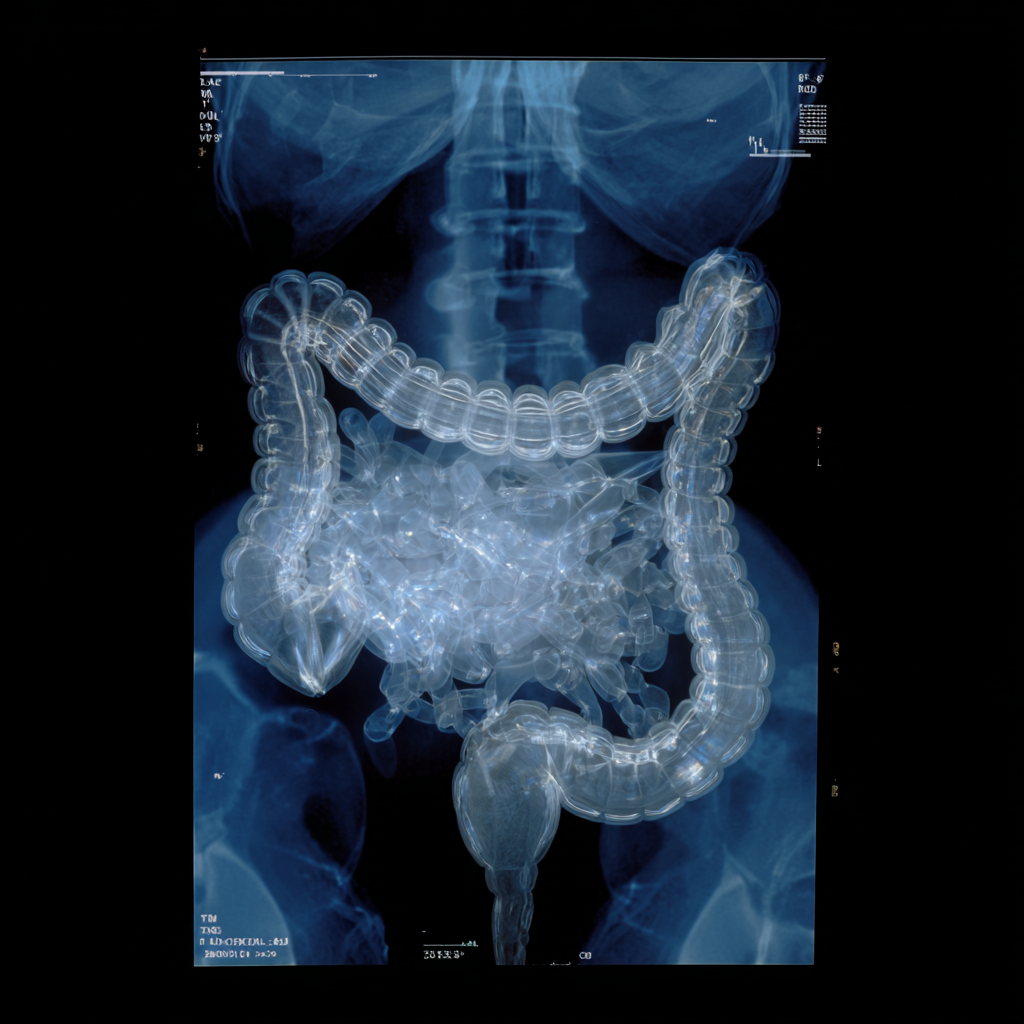
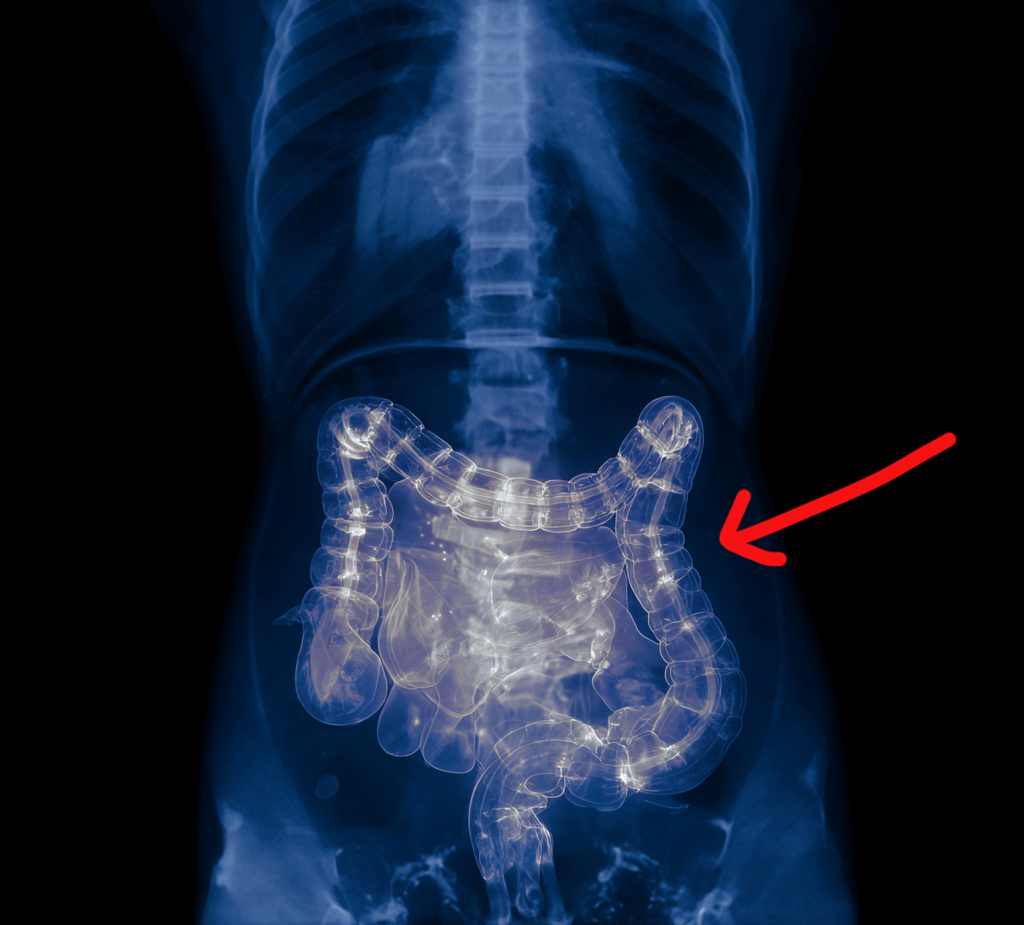
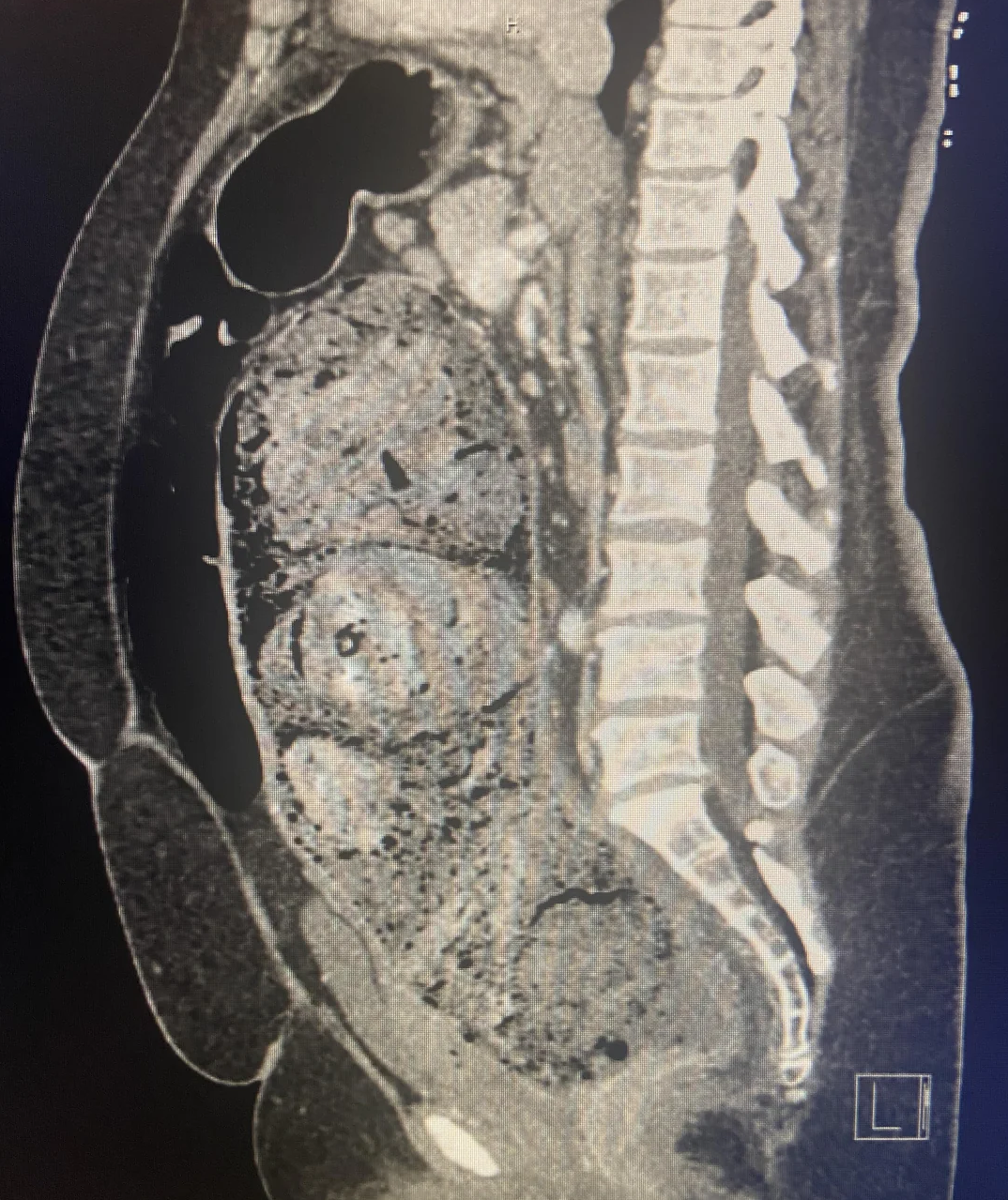
If your gut has never been the same since the menopause — and now you're dealing with nine-day waits, daily bloating that builds until you look six months pregnant by noon, and a morning dread that owns every day before you've opened your eyes — while every doctor you've seen tells you it's "post-menopausal IBS" and sends you home with laxatives... I'm going to explain what the menopause actually did to your digestive system, why your symptoms never resolved, and what's been missing from your bowel's signalling system ever since — undiagnosed and unaddressed — while every practitioner you've seen tells you to just manage it. And by the time you finish reading this, you're going to be furious at every physician who dismissed what happened to your gut as something you just need to "manage." Because three things are happening right now that nobody in the medical system is connecting for you: One — The menopause doesn't just cause hot flashes and disrupted sleep and move on. When oestrogen falls, it takes the nitric oxide production pathway with it — permanently depleting the chemical messenger that tells your gut muscles when to contract and relax, and silencing the mechanism that generates natural bowel movement from within Two — Once that signal mechanism is depleted, every stimulant laxative you're prescribed suppresses the MMC further, allows SIBO to develop in your small intestine, damages the gut lining, and builds an absorption barrier that blocks anything in capsule form from reaching the production pathway to correct the deficiency — which means the longer you're on laxatives, the harder restoration becomes And three — The medical system has a convenient label for what you're experiencing — "post-menopausal IBS" — which sounds like a diagnosis but is actually a dead end that stops investigation, avoids addressing the production pathway deficiency, and keeps you cycling through laxatives that manage output without ever restoring the signal that generates natural movement from within Let me tell you what happened with my wife Sarah, because she can trace the exact moment her life split into "before" and "after" — and that moment was the menopause. Sarah went through the menopause at 51. The hot flashes. The disrupted sleep. The other symptoms everyone talks about. She managed. She assumed everything would settle. It never settled. Week 4 after her last period: The constipation started. Not the kind you get occasionally. A persistent, daily silence that meant going three, four, five days without a natural movement. By midday she was bloating visibly. By evening she looked six months pregnant. Month 2: The nine-day waits began. Nine days without going naturally despite doing everything right. Daily bloating regardless of what she ate. Morning dread before she'd opened her eyes. Month 3: The calculation started running underneath everything. Could she agree to that lunch? Should she book that trip? Could she get home quickly enough if today was a bad day? She went to her GP at the three-month mark. "When did this start?" she asked. "Right after the menopause. I haven't been the same since." She nodded like she'd heard this a hundred times. "Post-menopausal IBS. Very common. Hormonal changes affect digestion. In the meantime, let's try Senna. Start on two tablets every night." Post-menopausal IBS. The label was applied in under ten minutes. No testing. No investigation into what was actually happening inside her gut. Just a name and a prescription. Six months after the menopause: Nothing had resolved. The nine-day waits continued. The bloating was a daily constant. The morning dread was now her baseline. She'd forgotten what it felt like to just say yes to things without running the numbers first. She went back. "It's been six months. You said it usually settles." "Some cases take longer. Let's increase the dose. Try three tablets." Twelve months after the menopause: Still symptomatic. Now on a higher dose plus magnesium. She'd been referred to a gastroenterologist who ran a colonoscopy (normal), endoscopy (normal), and extensive bloodwork (unremarkable). "Everything looks structurally fine," the gastro confirmed. "This is consistent with post-menopausal IBS. It's a functional condition. We focus on management." Management. Not root cause investigation. Not asking what specific changes the menopause triggered in her gut's signalling system. Management. Eighteen months after the menopause: Sarah was still stuck. Still going nine days without a natural movement. Still bloating every single day. Still on laxatives that kept needing a higher dose. Still leaving family occasions early. Still changing into loose clothes before noon. And she'd started to accept it. That's the part that gutted me. She'd internalised the narrative: the menopause changed her gut, now she has IBS, and this is just her life. "Maybe some people just don't recover," she said one night. "Maybe the menopause permanently changed something and I have to learn to live with this." She was 52 years old, accepting a lifetime of nine-day waits because the medical system had given her a label and told her to cope. That's when I started researching. Not "post-menopausal IBS" — that's a dead end by design. I started researching what the menopause actually does to the gut at a signalling level. What changes. What gets depleted. What allows symptoms to persist indefinitely after the hormonal transition. And within hours, I found the mechanism that explained everything. The mechanism that nobody — not her GP, not her gastroenterologist, not any of the three practitioners she'd seen over 18 months — had ever mentioned. HERE'S WHAT THE MENOPAUSE ACTUALLY DOES TO YOUR GUT: When oestrogen falls at the menopause, it takes the nitric oxide production pathway with it. Oestrogen directly supports nitric oxide production — the primary chemical messenger that tells your gut muscles when to contract and relax. Without it, the bowel stops receiving its instruction to move. It sits completely silent. Not because of what you're eating. Not because you need more fibre. Because the signal is missing. And here's the devastating part: this isn't something that resolves on its own. The oestrogen isn't coming back. The production pathway stays depleted unless it's specifically addressed. But then comes the second layer of damage. Every stimulant laxative prescribed to manage the resulting constipation suppresses the MMC — the migrating motor complex, the gut's natural sweeping mechanism — with every single dose. The bowel learns it doesn't need to generate its own movement because the laxative does it instead. Natural motility weakens. The dependency deepens. SIBO develops as bacteria accumulate in the small intestine with nothing sweeping them out. The SIBO damages the gut lining. A damaged gut lining builds an absorption barrier. Every capsule supplement you've ever swallowed to try to correct the underlying deficiency has been blocked by that barrier before reaching the production pathway. That's not "post-menopausal IBS." That's not a "sensitive gut." That's not something you need to "learn to live with." It's a signal deficiency that laxatives are actively compounding, creating an absorption barrier that blocks correction, and producing a dependency that deepens with every year. And the approach to restore it? Sublingual L-arginine delivered directly under the tongue into the bloodstream, bypassing the SIBO-damaged gut lining entirely. Not capsule form that hits the absorption barrier. Not a laxative that suppresses the MMC. The specific building block the body uses to produce nitric oxide internally, delivered through the only route that actually reaches the production pathway. In 18 months of laxative escalation — through multiple doctors and thousands of pounds in appointments, medications, a colonoscopy, an endoscopy, and extensive tests — nobody suggested it. Sarah finally saw a functional medicine practitioner who specialised in post-menopausal bowel dysfunction. First question out of her mouth: "When did your symptoms start?" "Right after the menopause, 18 months ago." The doctor nodded. "And let me guess — you've been diagnosed with post-menopausal IBS." "Yes." "Has anyone addressed the nitric oxide production pathway?" "No." The doctor closed her eyes for a second. Like she'd had this conversation a thousand times and it still frustrated her. "Post-menopausal IBS is what doctors call it when the menopause depletes the nitric oxide production pathway and they don't address it. The oestrogen loss removes the support for nitric oxide production. The bowel loses its signal. The laxatives prescribed to manage the resulting constipation suppress the MMC and build an absorption barrier over time. The resulting symptoms look exactly like IBS — because a depleted production pathway causes the same nine-day waits, daily bloating, and morning dread. But it's not IBS in the conventional sense. It's a signal deficiency that's been compounding for 18 months while every treatment you've been given was designed to force output instead of restore the mechanism." She explained what Sarah actually needed. When Sarah heard the numbers — 18 months of escalating laxatives, nine-day waits continuing throughout, the underlying production pathway never once addressed — she went quiet. Then: "So the menopause didn't just cause hot flashes. It broke something. And every laxative I've taken since has been making that something harder to fix." "Exactly," the doctor said. "The oestrogen loss removed the production pathway's support. Your bowel stopped receiving its signal. Every stimulant laxative since has suppressed the MMC further. SIBO developed. The gut lining was damaged. The absorption barrier formed. That's your nine-day waits, your daily bloating, your morning dread. All of it." "And it's been there since the menopause?" "Almost certainly. Your symptoms started within weeks of the hormonal transition. That's the classic timeline for post-menopausal bowel dysfunction. The oestrogen falls, the production pathway depletes, the bowel goes silent — and if nobody addresses the pathway, you get labelled with post-menopausal IBS and medicated for output while the underlying deficiency compounds." Sarah stared at the situation quietly. "Eighteen months of being told it's IBS. Eighteen months of laxatives. And the whole time the production pathway was depleting further." "Yes. And it won't restore on its own because the oestrogen isn't returning. You need to deliver the building block the pathway needs through the only delivery method that bypasses the SIBO absorption barrier — sublingual, directly into the bloodstream. Then your bowel can start generating natural movement from within. Not forced output. A restored signal." Here's where the story finally shifts. The doctor explained that Sarah's situation required a specific approach because of its post-menopausal origins. The treatment needed to accomplish three things simultaneously: Restore the nitric oxide production pathway — not manage the output around its absence Bypass the SIBO absorption barrier that had formed from 18 months of laxative use — because capsule supplements can't get through Deliver the building block consistently and daily — because the depleted pathway needs sustained supply over weeks to fully recover She recommended one specific formula that addressed all three requirements: Nutrition Therapy's Bowel Support Drops. Genuine sublingual delivery — absorbed directly under the tongue into the bloodstream, bypassing the SIBO-damaged small intestine lining that had been blocking every capsule from reaching the production pathway. L-arginine specifically formulated for post-menopausal bowel dysmotility — not repurposed from sports nutrition where the concentration and calibration serve a completely different purpose. Consistent daily correction — giving the depleted production pathway the sustained supply it needs to fully recover over weeks, not a one-time dose that spikes and fades. "For the first time," the doctor told Sarah, "you'll be using something that actually reaches the production pathway. Not a laxative forcing output. Not a capsule hitting the absorption barrier. The building block, delivered directly to where the signal starts." Sarah started the protocol. Two dropperfuls under the tongue every morning. Thirty seconds. Before breakfast. She continued the laxatives for the first week — too scared to stop cold. Ten days in? The first change was subtle. The morning dread was fractionally quieter. That first thought before opening her eyes — fractionally less heavy. She pressed her fingers into her abdomen. Softer than it had been. "I don't know if this is placebo," she told me. "But something feels different." It wasn't placebo. The production pathway was beginning to receive the building block. The signal was starting to return. Three weeks in? The bloating started shifting. For 18 months, her stomach had inflated like clockwork every single day. Now there were days it didn't happen. Not most days yet — but some. Enough to notice. Enough to feel like something real was changing underneath. Six weeks in? She went naturally. Without laxatives. Without straining. Without thirty minutes of pushing for nothing. She came out of the bathroom and just stood in the kitchen for a moment. "I went," she said. "On my own. Without anything forcing it." It had been so absent for so long that its return was disorienting. Eight weeks in? Her bowel movements normalised. Not the erratic nine-day cycles that had defined 18 months. Daily. Predictable. Natural. Every morning without anything forcing it. The morning dread lifted. The calculation that had run underneath every plan, every outing, every yes — stopped. The motility was coming back online. The sublingual L-arginine was doing what 18 months of laxatives never could — actually restoring the production pathway that the menopause had depleted. Twelve weeks. Review day. Going naturally every morning for six weeks. No laxatives. No nine-day waits. No morning dread. Fitted clothes worn all day without changing. Family occasions attended without leaving early. Plans made without the calculation running underneath. The doctor reviewed the symptom diary. She looked up. "In 18 months of treating your post-menopausal bowel dysfunction, this is the first time you've gone naturally every morning without anything forcing it. Not trending toward normal. Actually normal." Sarah sat with it. Then: "So the menopause depleted the production pathway. The laxatives suppressed the MMC further every night. The SIBO built the absorption barrier. And for 18 months nothing got through to the pathway because nobody tried sublingual delivery." "That's exactly what happened. And it happens to the vast majority of post-menopausal women with treatment-resistant constipation. The oestrogen falls, the production pathway depletes, the laxatives compound the problem, and because most doctors don't connect the menopause to the nitric oxide mechanism, the patient gets labelled with post-menopausal IBS and medicated indefinitely." "How many of those women could be helped the way I just was?" "Most of them. If someone addressed the pathway." I'm watching Sarah today, 14 months after completing the protocol. Her gut works. Normally. Predictably. The way it worked before the menopause. No nine-day waits. No morning dread. No daily bloating. No changing into loose clothes before noon. No laxatives. She eats everything. Foods she'd been avoiding because her gut couldn't handle anything unpredictable anymore. No reaction. Her stomach stays flat. Her mornings are just mornings. Last month we went to a family occasion — a full day out, spontaneous, no plan for getting home early. I watched her agree to it without a single calculation. She attended the whole thing. Ate the whole meal. Didn't leave early. Smiled at me on the way home. "I forgot what this felt like," she said. No symptoms. No anxiety. No bracing for impact. Because the production pathway that had been depleted since her menopause was finally receiving the building block it needed — through the only delivery method that could actually bypass the absorption barrier and get there. That's when I found Nutrition Therapy's Bowel Support Drops. The exact sublingual formula that restored Sarah's natural function after 18 months of failed treatment: Genuine sublingual delivery — absorbed directly under the tongue into the bloodstream, bypassing the SIBO-damaged small intestine lining that had been blocking every capsule from reaching the production pathway L-arginine specifically formulated for women with IBS and bowel dysmotility — not repurposed from sports nutrition where the concentration and calibration serve a completely different purpose Consistent daily correction — giving the depleted production pathway the sustained supply it needs to fully recover over weeks Third-party tested — documentation available, not just a label claim Designed to restore the signal AND bypass the barrier that had been blocking correction. Not symptom management. Root cause restoration. When Sarah was trying to piece together individual supplements to approximate the protocol? The cost was significant every month. Bowel Support Drops? A fraction of that. For the complete sustained restoration protocol. Compare that to the "post-menopausal IBS management" costs: Escalating laxative prescriptions: indefinitely Gastroenterologist appointments: £200-400 each Private consultations when the standard protocol stops working Colonoscopy: £2,500 Endoscopy: £1,800 FODMAP dietitian consultations: £150-300 per appointment Years of prescription copays for a condition that was never properly addressed: easily £5,000-10,000+ Your quality of life from the day the menopause silenced your bowel until the day someone finally addresses the production pathway: no pound amount covers it Sarah uses Bowel Support Drops for maintenance now — two dropperfuls every morning, thirty seconds. Her natural function has remained consistent for 14 months. Nine-day waits: gone. Morning dread: gone. Natural daily movement without anything forcing it: restored. Her motility holds. The production pathway functions. The bowel receives its signal every day. Now here's what I need you to understand: If your gut has never been the same since the menopause — if you can point to the exact transition, the exact period when everything changed — you almost certainly do not have "post-menopausal IBS" in the way that label implies. You have a nitric oxide production deficiency that oestrogen loss caused and laxatives have been compounding. The signal that generates natural bowel movement from within has been missing since your oestrogen fell. And a SIBO absorption barrier has been blocking correction for every year of laxative use since. It's not mysterious. It's not random. It's a well-documented, addressable mechanism. And it's being missed in millions of women because "post-menopausal IBS" is easier to say than "let's address the production pathway deficiency through sublingual delivery that bypasses the absorption barrier." Every month you spend on laxatives managing symptoms of an unaddressed signal deficiency is another month of: The MMC being suppressed further with every dose The SIBO absorption barrier thickening The production pathway depleting deeper The morning dread owning every day before you've opened your eyes The life that keeps getting smaller around a bowel that won't cooperate The gap between your current life and your pre-menopause life widening I put the link below. But first — if nobody has ever mentioned the nitric oxide production pathway to you, bring it up. Find a functional medicine practitioner who understands post-menopausal bowel dysfunction beyond laxative management. Because "post-menopausal IBS" isn't a diagnosis. It's a punt. A way to label your symptoms and stop looking. The actual cause has been sitting in a depleted production pathway since your oestrogen fell. Waiting for someone to finally address it through delivery that actually reaches it. Stop waiting. Go get it. 👉 https://nutritiontherapy.co/pages/list1 P.S. — The menopause doesn't just cause hot flashes and move on. In the vast majority of post-menopausal women with treatment-resistant constipation, it depletes the nitric oxide production pathway that the bowel depends on for its signal — leading to nine-day waits that persist indefinitely while doctors call it post-menopausal IBS and hand you laxatives. Bowel Support Drops delivers sublingual L-arginine that bypasses the SIBO absorption barrier and reaches the production pathway directly — addressing what laxatives and capsule supplements leave completely unaddressed. You don't need to manage symptoms of a signal deficiency nobody addressed. You need to restore the pathway and let your bowel generate natural movement from within. The menopause doesn't get to define the rest of your life.
Read This If Your Stomach Is Ruining Your Life
Sponsored Content 5 REASONS WHY NUTRITION THERAPY™ ELIMINATES CHRONIC CONSTIPATION IN DAYS(When Nothing Else Worked) Written by Dr. Sarah Mitchell | Last Updated 03/18/2026 You've tried everything you can think of. And your gut still won't move. That's because the real source isn't where you've be...
SEE DETAILSLike this ad? Make it yours.
Crush rebuilds this exact creative around your product — your brand, your colors, your offer — in about a minute.