Feline Wellness Today
Feline Wellness Today Facebook ad: “Veterinarian speaks the truth…”
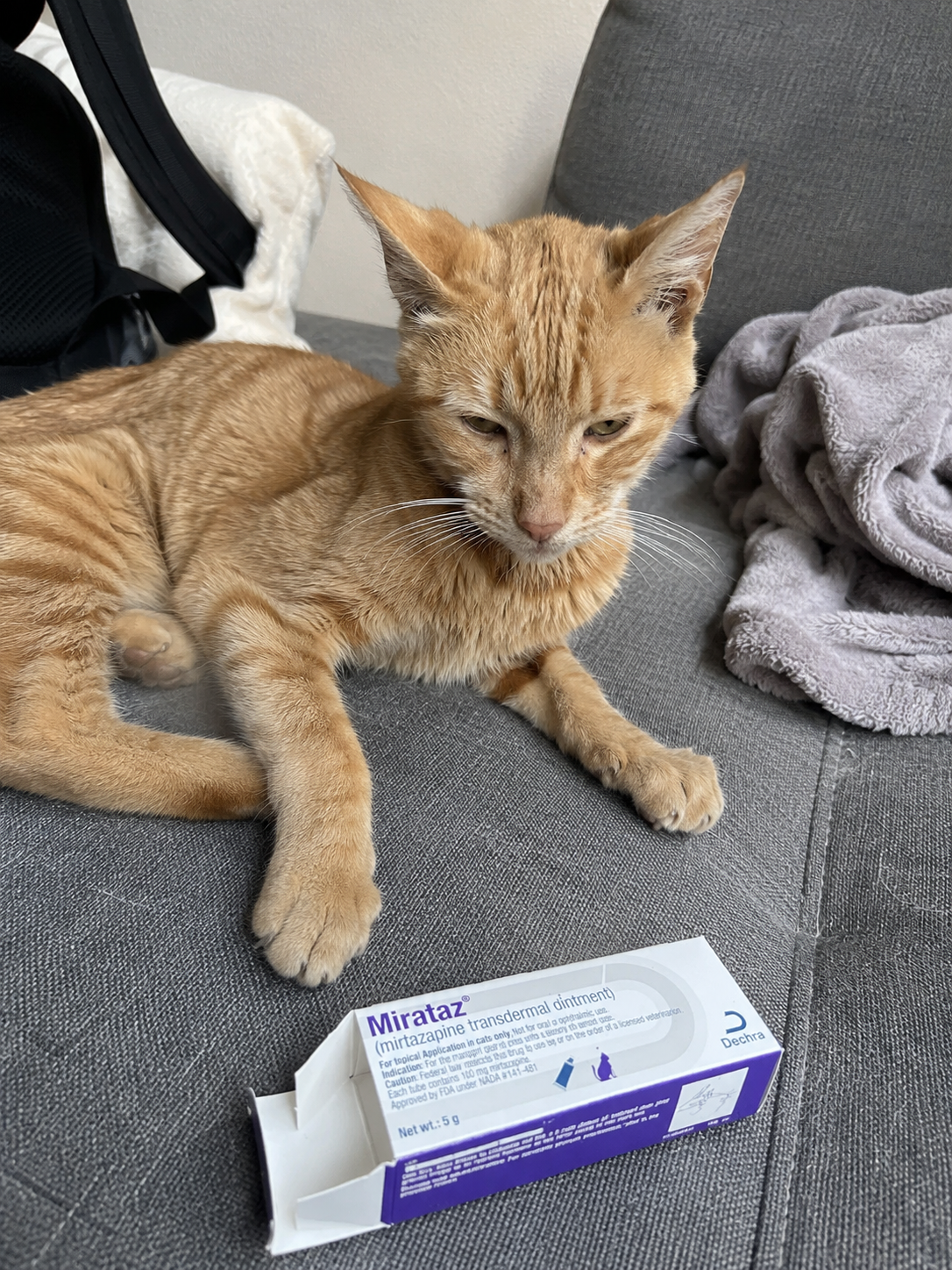
Ran for 25 days, from June 21 to July 16, 2026, the last day Crush saw it.
Run by Feline Wellness Today on Facebook. Crush is not the advertiser and does not verify its claims. See this ad in Meta's Ad Library(opens in a new tab)
Want an ad like this for your product?
Crush makes new ad images for your product from this ad: your logo, your product photo, your offer.
Trials from $19.95 USD, then $79.95 USD a month. Cancel anytime.
About this ad
- Meta Ad Library ID
- 1507276750585824
- Platforms
- Facebook, Instagram, Messenger and Threads
- Relaunches
- 0
Ad text
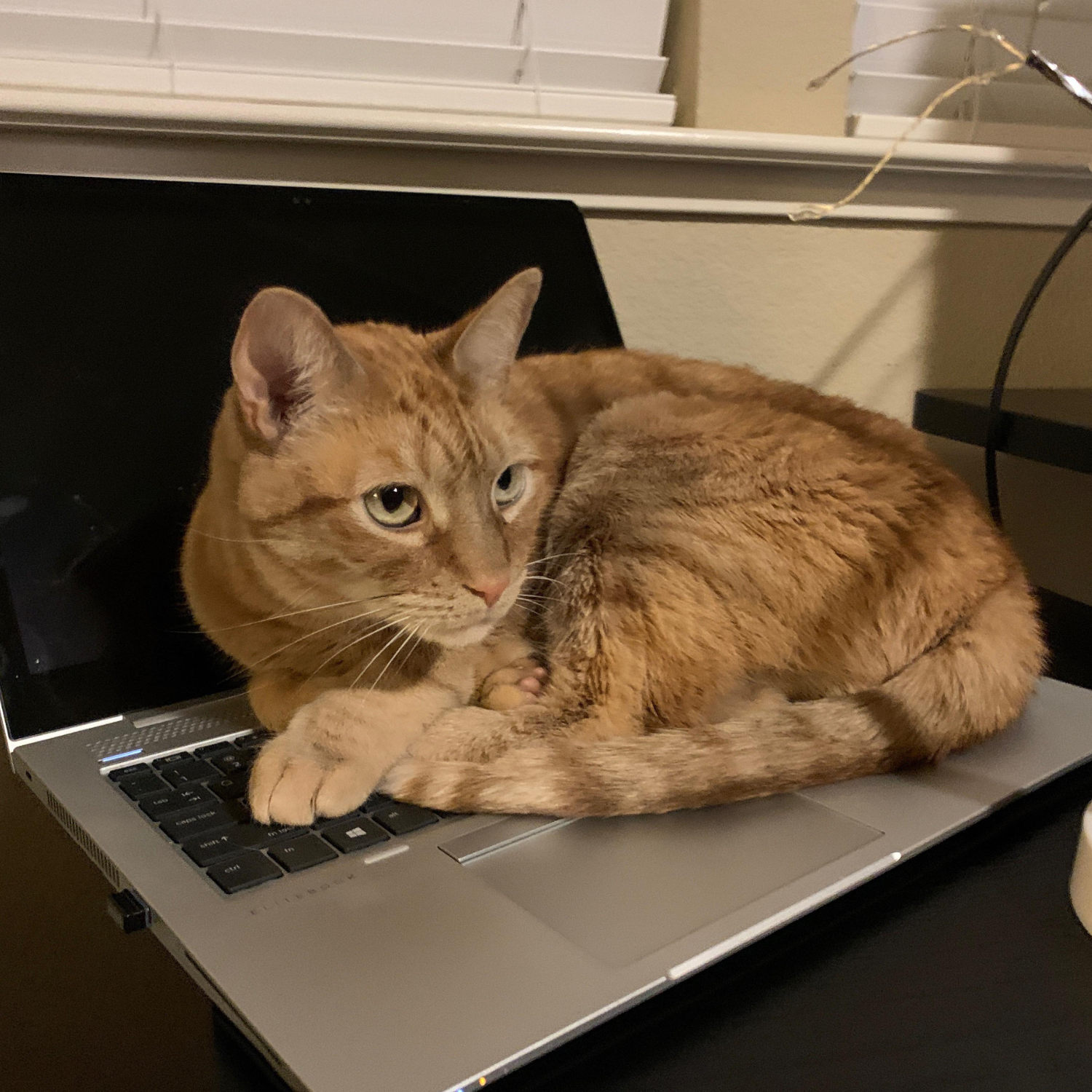
I'm going to lose it if I hear one more owner told "the appetite stimulant is working, he's eating" while their cat keeps disappearing in front of them. He's eating. He's also still losing weight. Because getting a cat to eat and fixing why she stopped are two different things. And almost nobody explains the difference. I'm Dr. Susan Hayes. I'm a veterinarian, and I've spent more than twenty years working with cats in kidney failure. In that time I have watched the same pattern play out hundreds of times. A cat stops eating. The vet prescribes an appetite stimulant. The cat eats again. Everyone exhales. And a few weeks later the cat is thinner. The owner is confused. The vet says give it time. But the cat keeps slipping. For years I accepted that as just how this disease goes. Until one cat forced me to ask the question nobody around me was asking. Why does the stimulant get him to eat, but he keeps losing weight anyway? His name was Tucker. A big orange tabby, stage 4. His owner had been giving him the stimulant faithfully for three months. He was eating. Every day. I watched him do it. But he had gone from eleven pounds to under seven. When I ran my hands down his back I could feel every bone in his spine. His appetite, on paper, was fine. The drug was doing its job. So why was he wasting away with food in his bowl. Every tool he was on was aimed at his kidneys. His kidney numbers explained why he was sick. They did not explain why food was going in and nothing was changing. A cat eating that much should not have a spine I could count through his fur. That gap is what finally sent me looking somewhere other than the kidneys. If the kidneys were the whole story, the food should have been helping. It wasn't. So I went back to the research, looking for anything that explained a cat who eats and still wastes. And I kept landing on the same thing I had spent my whole career barely thinking about. The gut. There is a connection between the gut and the kidneys I was never really taught to treat. I read until late that night, and the more I read, the more Tucker made sense. By the time I closed the laptop I could not unsee it in a single one of my CKD cats. Here is what the research laid out. When a cat will not eat in kidney disease, the appetite is not the problem. It is a symptom. Underneath it is nausea, the deep constant kind that makes the smell of food turn her stomach before she takes a bite. You already know your cat is nauseous. You have watched her walk up to the bowl, sniff, and turn away. That is not pickiness. That is a cat who feels too sick to eat. And that nausea does not start in the kidneys. It starts one organ upstream, in the gut. A cat's gut is full of bacteria, good and bad. When she gets sick, the bad bacteria take over, and they do one job all day long. They take the protein in every meal and turn it into toxins. This is the part that reframed the whole disease for me. Her own gut becomes a toxin factory, running between every meal. Healthy kidneys filter those toxins out and nobody notices. But damaged kidneys cannot keep up, so the toxins start backing up into the blood. And a worn, leaky gut lining, worn down by those same bad bacteria, lets even more of them pour straight through. Toxins in the blood cause nausea. So look at what is happening. The gut is the factory making the poison. The kidneys are the filter that can no longer clear it. The kidneys get the diagnosis because they are what shows up on the bloodwork. But the gut is where the poison is coming from. The kidneys started this, and that damage is real and permanent. But the gut is what is accelerating it, flooding a filter that already cannot cope. And the nausea starving your cat is coming from that flood. That is why food alone never fixes it. You cannot out-feed a cat being poisoned by her own gut between every meal. Which is exactly why the appetite stimulant does what it does, and why it is not enough. The stimulant works on the brain. It reaches into the hunger center and overrides the nausea for a few hours. It does not remove the nausea. It shouts over it, forcing the brain to say eat while the toxin factory is still running underneath. So she eats, and you feel relief. But nothing about the source changed. The bad bacteria are still making toxins. The leaky lining is still letting them through. And the moment the dose wears off, the override stops and she turns from the bowl again, because the reason she stopped eating was never touched. That is the trap, and it is not the drug's fault. The stimulant does exactly what it was built to do. It was built to force eating, not to quiet the gut. It manages the symptom while the cause runs underneath. And here is the part I need you to sit with, because it is the part that kept me up that night. Every week that factory runs unchecked, it costs her something she does not get back. Not just weight. Muscle. A cat this sick burns through her own body to survive, and the muscle she loses now is muscle she cannot rebuild later. So the cat who is eating on the stimulant but still slipping is not holding steady. She is quietly running down the reserve she needs to fight at all. The longer the toxins run, the less of her is left to come back. That is the real cost of treating only half of this. So the question I cared about stopped being how do I get her to eat. The drug answers that. The question became how do I quiet the toxin factory making her too sick to eat on her own. That sent me looking at gut support, and my first few attempts did nothing. I tried a general probiotic. Nothing. A well-known refrigerated brand. Nothing. When I went back to the research to find out why, I found the reason most owners who try this give up too soon. Most gut supplements are built for a healthy cat's everyday digestion. They cannot hold up in a gut this far out of balance. And just adding bacteria was never enough on its own, because the problem is two things at once. A factory making poison, and a broken wall letting it flood through. Quieting it takes three things together, and missing any one is why the others did nothing. The right strains to crowd the bad bacteria out, so less toxin gets made. A prebiotic to feed those strains, or they wash out in a few days and you are back where you started. And something to seal that worn lining, because crowding out the bacteria barely helps if the door they broke is still hanging open. Crowd out, feed, seal. All three, or the gut just slides back. That is the checklist the general probiotics failed. Once I had it, I went looking for something that met all three. The formula I found was the Gut-Kidney Shield, from PetLonga. One scoop, mixed into the food. And the obvious question, the one I asked myself. How is a powder in the food supposed to help a cat who barely eats. This is where the stimulant and the gut support finally work together instead of past each other. You do not need her eating normally for the gut support to start helping. You need the few bites she will still take. And the stimulant is what gets her to take them. So the drug carries the food in, and the gut support rides in with it. It works on the gut, not the appetite, so even a small amount helps start quieting the factory. As the toxins come down, the nausea eases, and she starts eating because she feels better, not just because a drug is overriding her. That is the difference. The stimulant forces eating. The gut support helps settle the reason she stopped. I started Tucker on it alongside everything he was already on. The diet stayed. The fluids stayed. The stimulant stayed. I took him off nothing. Here is the honest timeline, because this is where people quit too early. The first week, almost nothing. The gut is only beginning to settle and you cannot see it yet. This is exactly when most owners give up, right before it turns. Somewhere in the second week, the first real sign. Tucker finished a small bowl on his own, in a window where the stimulant had worn off and the old Tucker would have walked away. By the third week it was not a fluke. By the fourth, the weight had started coming back and his coat stopped looking rough. I ran his bloodwork myself, braced for the climb I expect at that stage. The numbers held. The rise I was bracing for did not come. Let me be clear, because it matters. His kidneys were not healed. Kidney damage does not reverse, and anyone who tells you a supplement reverses it is lying to you. I am not treating his disease with a probiotic, and his vet care never changed. But once the factory quieted, he was comfortable enough to eat on his own again, and the decline I expected as a clinician did not arrive on schedule. After Tucker I started recommending gut support for the cats I saw stuck in that same trap. Eating on the stimulant, still wasting. The pattern held. Within a few weeks the eating came back for real, not just in the drugged window. By the recheck, the numbers that had been sliding had mostly held. So let me be clear about what I am and am not saying. I am not telling you to stop the appetite stimulant. If it is the only thing getting food into your cat, keep using it. This is not instead of anything your vet prescribed. But the stimulant is half the picture. It gets her to eat. It does nothing about why she stopped. The gut support is the other half. It goes after the source. Together they make sense. The drug opens the door. The gut support quiets the room behind it. Now think about what you are already spending to fight this. The prescription diet, month after month. The fluids. The stimulant. The recheck bloodwork. The appetite tricks, the cans she tries once and abandons. You are already paying, in money and in worry, to manage everything except the one thing actually making her sick. This is the piece all of that was missing, and it costs less than a single round of most of what you are already buying. So if your cat is on an appetite stimulant right now, eating but still disappearing, this is why. You are not failing her. The protocol just left out the one piece aimed at the gut. Here is the gut support I recommend for exactly this: https://petlonga.com/products/probiotics-kidney The stimulant gets her to eat. This is what helps the eating finally count. P.S. Keep doing everything your vet told you. The diet, the fluids, the stimulant, all of it stays. This supports the gut alongside that care, it does not replace any of it. Give it the first two weeks before you judge it, start with the few bites she will still take, and watch for the bowl she finishes on her own in a window where the drug has worn off and she eats anyway. That is the sign the nausea is easing. And do not wait on it. Every week the toxins run, she loses muscle she does not get back, and there is less of her left to fight with.
Where the ad sends people
petlonga.com
Veterinarian speaks the truth…
PetLonga Advanced Cat Probiotic is a daily probiotic supplement for cats designed to support gut health, digestive balance, immune function, and overall wellness. Because the gut plays an important role in how the body processes waste and maintains internal balance, supporting a healthy gut microbio...
Learn more: petlonga.com(opens in a new tab)