Feline Wellness Today
Feline Wellness Today Facebook ad: “Veterinarian Speaks The Truth.”
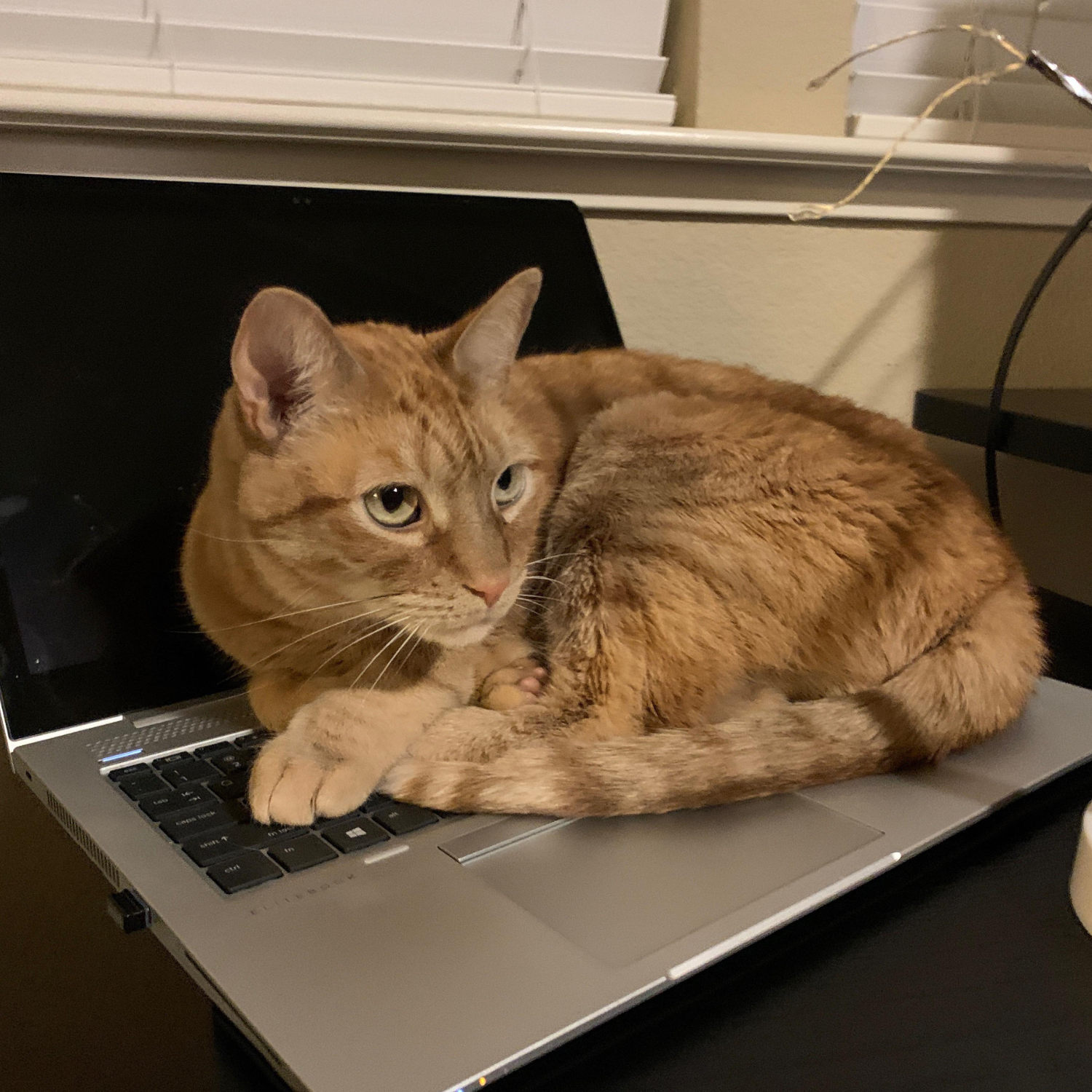
Ran for 9 days, from February 5 to February 14, 2026, the last day Crush saw it.
Run by Feline Wellness Today on Facebook. Crush is not the advertiser and does not verify its claims. See this ad in Meta's Ad Library(opens in a new tab)
Want an ad like this for your product?
Crush makes new ad images for your product from this ad: your logo, your product photo, your offer.
Trials from $19.95 USD, then $79.95 USD a month. Cancel anytime.
About this ad
- Meta Ad Library ID
- 2090269235105343
- Platforms
- Facebook, Instagram, Audience Network, Messenger and Threads
- Relaunches
- 0
Ad text
She got her cat at 19 to give herself something to live for. Six years later, he was diagnosed with kidney disease. She told me: "I got him when I was extremely depressed. He made me a different person." As a vet, I've treated over 24,000 cats in 42 years. I thought I understood everything kidney disease could do to an owner. But Sophie's case led us to a discovery that changed how we treat every kidney cat in our practice. And it started with something none of us had thought to check. If your cat has kidney disease, It may be very important to keep reading. Sophie sat in my exam room, holding Milo against her chest, and said: "I was supposed to have him for 15 or 20 years. He's my entire heart. I'm terrified of losing him." He was six years old. Stage 2 kidney disease. I see kidney disease take apart older cats and their owners every week. But watching a young woman realize she might not get the life she imagined with a cat saved her during the darkest period, that was something else entirely. Sophie wasn't sleeping. She told me she'd lie awake at night with her hand on Milo's side, feeling him breathe, terrified that one morning he just wouldn't. "I know it sounds crazy," she said. "He's not even that sick yet. But I can't stop thinking about it. Every single day. What if he stops eating. What if he crashes. What if I wake up and he's gone." She wasn't crazy. I've heard that same fear from hundreds of owners. The diagnosis doesn't just change the cat's health. It changes the owner's mind. Suddenly every nap looks too long. Every skipped meal feels like a countdown. Another owner once told me: "I truly feel so defeated. No matter what I do, he gets worse and worse. I truly feel despair." Another said: "I can't even fathom life without him. He is my entire heart and soul." That's what kidney disease does to the people who love these cats. Not sadness. Terror. A constant, low-grade panic that never fully goes away. Sophie was 25 years old and living inside that panic every day. And for years, I had nothing to give someone like her. Not really. I could adjust the fluids. Switch the phosphorus binder. Try a different appetite stimulant. But the cat kept declining. The owner kept breaking. And I kept saying: "We're doing everything we can." Until three cats with kidney disease died at our clinic in the same month. All Stage 3. All on prescription kidney diets. All following the exact protocol we recommended. Dr. Chen pulled me and Dr. Park into his office. Three files spread on his desk. "Look at the gut panels." Every cat: severe dysbiosis. Beneficial bacteria nearly gone. Harmful strains dominant. All three following the exact kidney protocol we'd been trained to recommend. Dr. Park was quiet. Then: "Their kidneys weren't that different from cats who stabilized. But their gut panels…" "What if we've been treating the wrong organ?" That question changed everything. We started testing the gut health of kidney cats in our clinic. Not just the usual bloodwork. The gut. We tested Milo. Beneficial bacteria: 14%. Normal range starts at 60%. Harmful, toxin-producing strains: 68%. In a healthy cat, they're under 20%. Sophie stared at the numbers. "He's only six. How is it this bad already?" She was right to be angry. Here's what most vets haven't caught up with yet: Emerging research suggests that a critical, overlooked driver of kidney decline may start in the gut. A cat's kidneys were designed for a short desert life, 3 to 6 years in the wild. After that, the filtering load starts breaking kidney cells down. And kidney cells don't regenerate. Milo was six. His kidneys had already outlived what nature designed them for. Once the kidneys weaken, they can't clear waste fast enough. Toxins build up in the blood, seep back into the gut, and start killing off beneficial bacteria. Harmful bacteria take over, and those harmful bacteria ferment protein into even more toxins. We call it the Internal Toxin Factory. A gut that's now working against your cat. Manufacturing poison with every meal. This is why Milo had started throwing up. Why he'd lost interest in food some days. Why his energy would dip and Sophie would panic, checking his breathing while he slept. His body wasn't failing randomly. His gut was quietly poisoning him from the inside, and nobody had thought to look. The damaged kidneys can't filter this increased load. Toxins build up faster. Harmful bacteria multiply. The gut wall breaks down. Toxins flood directly into the bloodstream. This is why kidney cats can seem stable for months, then suddenly crash. It's not that the kidneys failed overnight. It's that the toxic load finally exceeded what they could handle. For a young cat like Milo, with years of kidney function still worth protecting, this was urgent. We tested 47 kidney cats total over six months. 39 had severe gut imbalances. 83%. These were cats on the most commonly recommended prescription kidney diets. It didn't matter. Prescription diets, phosphorus binders, fluids, these treatments help. We still recommend them. But they don't address what may be driving the decline. If harmful bacteria dominate the gut, they convert protein into toxins. Every. Single. Meal. You can pour water through a worn-out filter all day. It doesn't fix the filter. The solution isn't replacing what you're already doing. The solution is adding what's been missing. If your cat shows ANY of these signs, the Internal Toxin Factory may already be running: → Refusing food or eating less than before → Drinking excessive water but still seems dehydrated → Weight loss even when eating → Vomiting, especially bile or foam → Sleeping more than usual, low energy → Bad breath with an ammonia smell → Dull coat, stopped grooming → The "light" seems gone from their eyes After discovering how widespread the gut damage was, we thought the answer was simple. Just give probiotics. We were wrong. Dr. Chen went deep into the published research on the connection between the gut and the kidneys in cats. Studies from Michigan State. Oregon State. University of Tennessee. He spent weeks reading everything he could find. And the research was clear on one thing: you can't just throw any probiotic at this problem. The studies showed that only specific strains like Lactobacillus reuteri, and Bifidobacterium longum, made any difference for the kidneys. Generic digestive probiotics were essentially useless for what was happening inside these cats. So he started calling manufacturers. Company after company. Asking one simple question: "Does your formula include any of these strains studied for the gut-kidney axis?" Most couldn't answer. Some had never even heard the term. Others admitted their strains were chosen for general digestive support, not for kidney cats specifically. Then he looked at the leading probiotic in the kidney cat space. The one most vets recommend. The bacteria only work if the capsule is swallowed completely whole. Open it up? Sprinkle it on food? Stomach acid destroys what's inside. And the recommended dose? Multiple whole capsules forced down the throat of a nauseated cat who already flinches when you pick her up. Most owners try for a week. Then they give up. Not because they don't love their cat, but because it's impossible. That night, I couldn't sleep. I kept thinking about Milo. About the 39 cats with destroyed gut health. About Sophie, 25 years old, terrified of losing the one thing that kept her going. The next morning, Dr. Chen walked in with a look I hadn't seen before. "I found something." He'd stayed up searching. A small company, not the usual names in the veterinary space. But the formula caught his eye. Strains specifically studied for the gut-kidney connection. L. reuteri, studied for its ability to target toxin-producing bacteria. B. longum, studied for its role in supporting gut wall repair. But the line that stopped him: "Can be sprinkled directly on food." He called them. They picked up immediately. He asked the hard questions, how do the bacteria survive stomach acid? They explained their "bodyguard" technology, spore-forming strains that create a natural protective shell around the working bacteria. Impervious to stomach acid, heat, and bile. He asked for their Certificate of Analysis. Accredited third-party lab. Full sourcing documentation. GMP-certified facility. Batch testing on every batch. We sent it to an independent lab ourselves. CFU count: matched the label exactly. Zero contamination. No fillers. Spore-forming strains verified and alive. For the first time in months, we had something real. It's called Gut-Kidney Shield. One capsule. Open it. Sprinkle it on food. Once a day. No pill battles. No forcing capsules down a nauseated cat's throat. Works with any food you're currently feeding. You don't need to change anything. Just add what's been missing. I called Sophie that day. "We found something I want to try with Milo." She was quiet for a moment. Then: "I'll try anything. But I'm scared to hope." I understood. When you've been terrified for months, hope feels dangerous. Week 1. No change. Milo was still picking at food. Sophie texted me every other day. "Nothing yet." Week 2. "He finished his bowl this morning. The whole thing. Is that normal?" Week 3. Sophie called. Her voice was shaking, but not the way it usually shook. "Dr. Harris. He was playing. With the feather toy. I haven't seen him do that in months. I sat on the floor and just watched him." Week 4. "He jumped on my bed last night and slept on my chest. He hasn't done that since before his diagnosis. I just laid there. I was afraid to move. I didn't want to jinx it." By week six, Sophie sent me a video. Milo chasing a laser pointer across her apartment floor. Full speed. Ears forward. Tail up. The message: "I forgot what it was like to just enjoy him. Not monitor him. Not check on him. Just watch him be a cat and feel happy." Then: "He gave me a reason to keep going when I was 19. I finally feel like I'm giving something back." His two-month blood work: kidney values had stabilized. Not reversed, kidney damage doesn't reverse. But stable. And for a 6-year-old cat with so much life ahead of him, stable was everything. His gut test: beneficial bacteria at 52%. Harmful strains down to 29%. We've now recommended this protocol to over 340 kidney cats across our practice. We're a veterinary practice, not a research lab, but we documented what we saw. The majority showed noticeable improvement in appetite within the first three weeks. Most saw reduced vomiting. A significant number reported improved energy, cats that had been hiding all day were moving around, playing, greeting owners again. And the one that mattered most to me: owner after owner said the relationship with their cat came back. The dread lifted. Not every cat responded. Not every cat responded the same way. But the pattern was consistent enough that all three of us now recommend this to every kidney cat owner who walks through our door. These are observational results from our practice, not a controlled clinical study. Individual results may vary. Here are some of the stories we hear most often: Jennifer's cat Luna, 9 years old (Stage 2, vomiting bile daily): "She'd stopped eating entirely. We were syringe feeding her. Three weeks after starting, she walked to her bowl and ate on her own. I sat on the kitchen floor and cried." Individual results may vary. Tom's cat Whiskers, 13 years old (Stage 3, declining rapidly): "The vet told us to prepare to say goodbye. Six weeks later, he's playing with his feather toy again. Our vet said she's never seen a Stage 3 cat stabilize like this." Individual results may vary. Rebecca's cat Max, 11 years old (couldn't tolerate his vet-recommended probiotics): "He'd spit out the capsules every time. This one I just sprinkle on his food. He doesn't even know it's there. His coat looks better than it has in years." Individual results may vary. Imagine this. You come home. Your cat meets you at the door. Not because he's desperate for water. Because he's happy to see you. You sit on the couch. He jumps up. Curls into your lap. And the first thing you feel isn't that knot in your stomach. It's not the scan for symptoms. It's not the dread. It's just love. The way it used to be. The way it's supposed to be when you're 25 and your cat is 6 and you have years ahead of you. Imagine three months from now. You're sitting in the vet's office and the numbers have held steady. Maybe improved. Your vet looks surprised. You're not. You know what changed. Imagine six months from now. You've stopped checking the camera every hour. You've stopped bracing for the crash every time he has a good day. Good days just feel like good days again. That's what owners tell us comes back. Not just the cat's health. The peace. The ability to actually enjoy the time you have together instead of being terrified of losing it. If your cat has kidney disease, the Internal Toxin Factory may already be running. Each day it continues: → More toxins produced in the gut → Gut wall weakens further → More toxins enter the bloodstream → Kidneys work harder filtering poison → The cycle accelerates Each day you wait, there's less kidney function left to support. But if you start now, especially if your cat is young and still has kidney function worth protecting, you can help take the crushing load off the kidneys. Most owners see improved appetite and energy within 2-4 weeks. Not because the kidneys healed. But because the toxic burden dropped. That can mean months or years of quality time you wouldn't have had otherwise. The only formula the three of us trust: The Gut-Kidney Shield. Get the same probiotic we recommend at our clinic. Most cats show noticeable changes within 2-4 weeks. → https://petlonga.com/products/probiotics-kidney Sophie texted me last week. A photo of Milo stretched across her laptop keyboard while she tried to work. The message: "This used to annoy me. Now it's my favorite thing he does." I wrote back: "How are you feeling?" She replied: "Like I actually get to keep him. Like we have time." That's all she ever wanted. Not a cure. Just time. And the chance to enjoy it instead of dread it. P.S. If your cat has stopped eating or seems to have "given up," that's often not the kidney disease itself. It may be uremic toxins creating constant nausea. Many owners tell us appetite was the first thing to return. When the toxic burden drops, the nausea can lift. And cats want to eat again. P.P.S. After testing every approach we could find for the gut-kidney axis, and watching most of them fail for the reasons described above, this is the only formula that met every criterion on our list: targeted strains for the gut-kidney connection, verified survival through stomach acid, no refrigeration needed, and easy enough to give that owners actually stick with it. Your cat deserves the same chance Milo got. These statements have not been evaluated by the Food and Drug Administration. This product is not intended to diagnose, treat, cure, or prevent any disease. Individual results may vary. Consult your veterinarian before starting any new supplement.
Where the ad sends people
petlonga.com
Veterinarian Speaks The Truth..
PetLonga
Learn more: petlonga.com(opens in a new tab)