
Inactive· since Jun 24, 2026
- 17
- days it ran
- 0
- relaunches
Ad copy
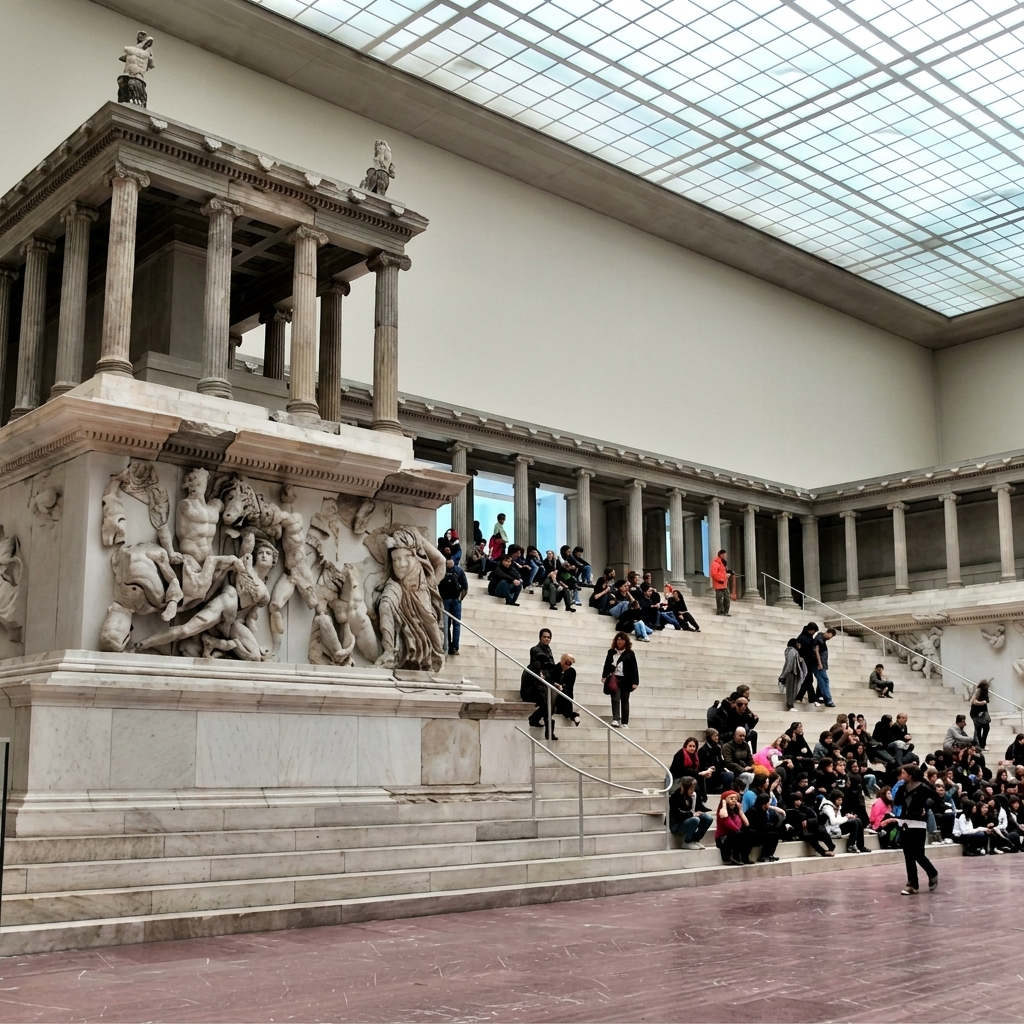
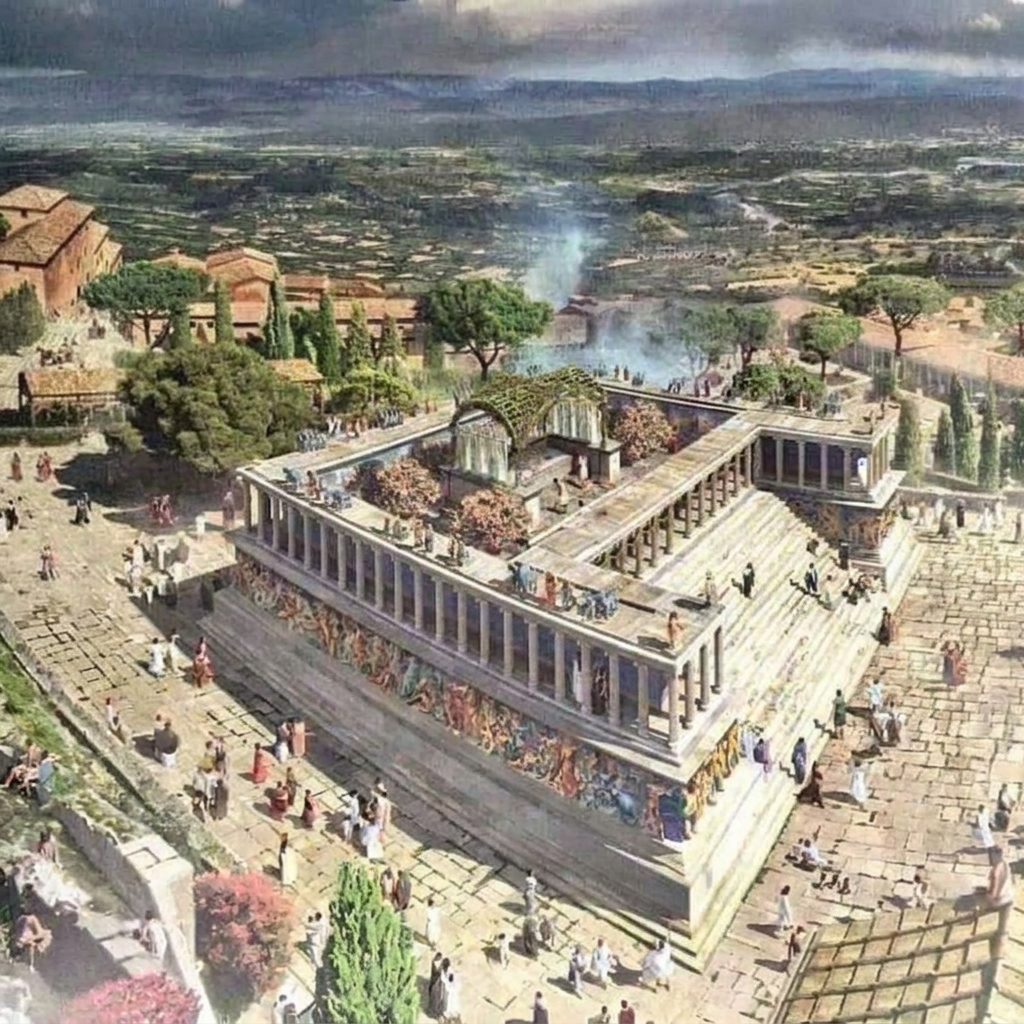
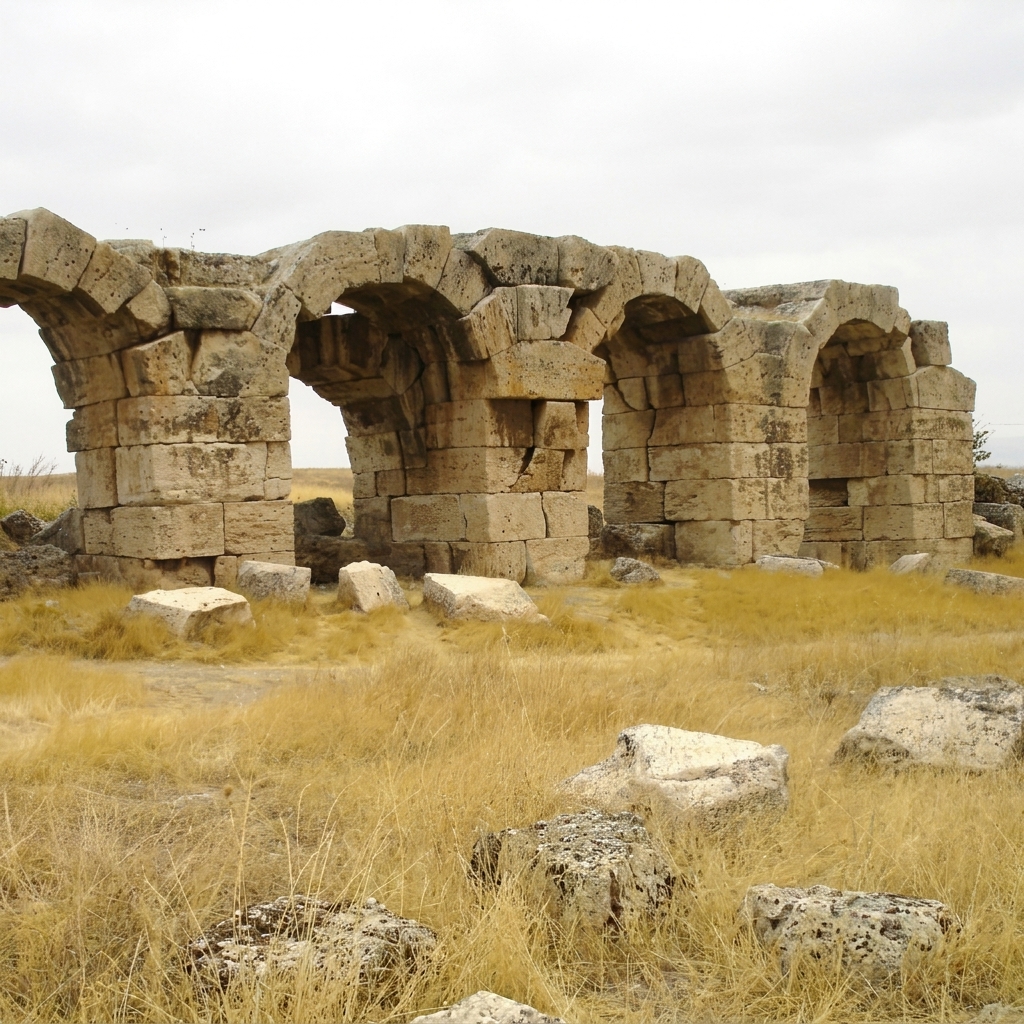
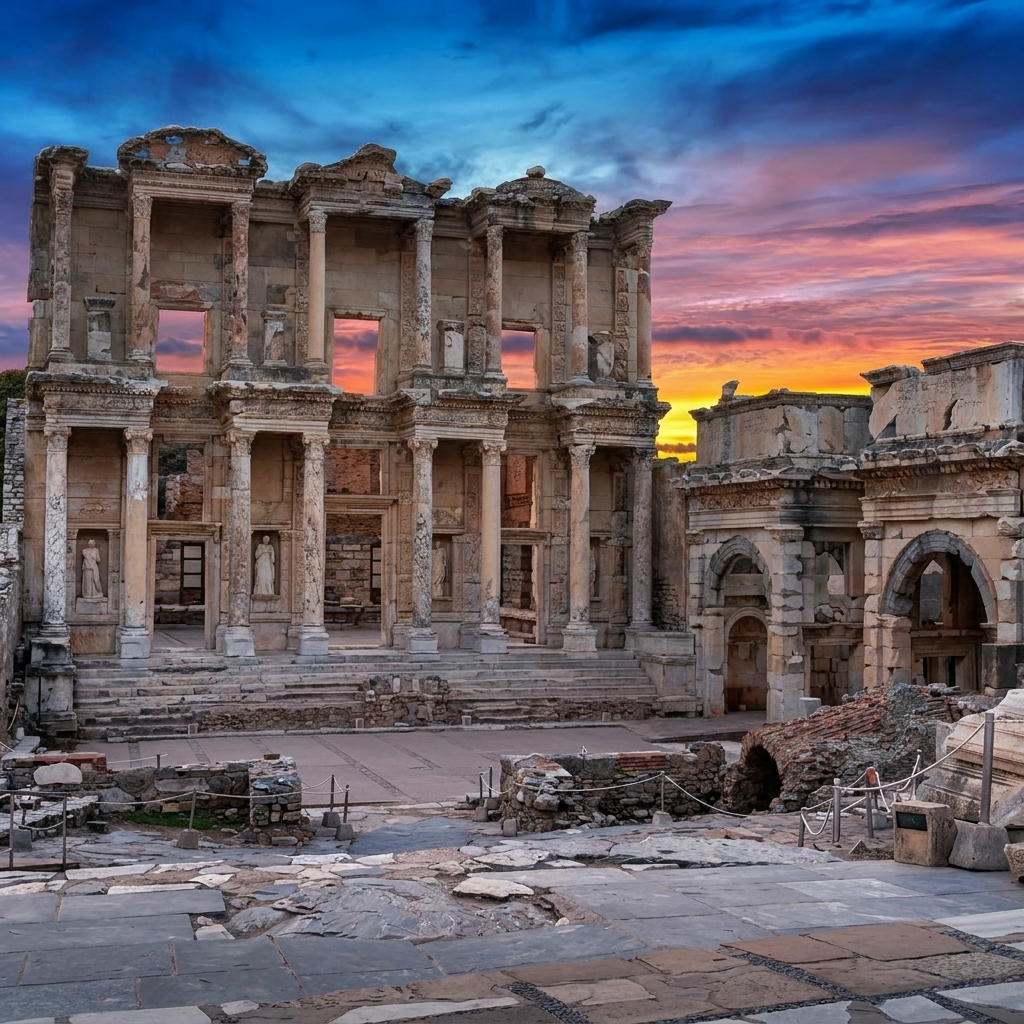
The last book of the Bible was not written to you. It was written to seven churches. Real churches, in real cities, with real problems and real addresses. And those cities are still standing. Archaeologists have excavated every single one of them. Most Christians read Revelation as a coded prediction of the future. A timeline of events that have not happened yet. They look for helicopters in the locusts. They look for nuclear war in the fire. They look for modern nations in the beasts. But the very first verse of the book says something that almost everyone skips past. "The revelation of Jesus Christ, which God gave him to show to his servants the things that must soon take place." Soon. Not in two thousand years. Soon. And then, three verses later, it names the recipients. "John to the seven churches that are in Asia: To Ephesus, and to Smyrna, and to Pergamum, and to Thyatira, and to Sardis, and to Philadelphia, and to Laodicea." Seven real cities. Seven real congregations. Seven letters written to people who were living under Roman persecution and needed to hear from God before they died. Every one of those cities has been found. Every one has been dug up by archaeologists. And when you read the letters next to the archaeology, something happens to this book that most Christians have never experienced. It starts making sense. Take Laodicea. Every Christian knows the verse. "Because you are lukewarm, and neither hot nor cold, I will spit you out of my mouth." For centuries, pastors have preached this as a warning about passion. Be on fire for God or be completely cold. Just do not be in the middle. But that is not what the text is saying. And the congregation in Laodicea would have known it instantly. Laodicea had no water source. The neighboring city of Hierapolis had famous hot springs — mineral-rich, medicinal, used for healing. The neighboring city of Colossae had cold mountain springs — clean, crisp, refreshing. Laodicea had neither. Its water was piped in through a stone aqueduct from miles away. By the time it arrived, it was lukewarm. Mineral-crusted. Useless. Not hot enough to heal. Not cold enough to refresh. Jesus was not talking about passion. He was talking about usefulness. Hot water heals. Cold water refreshes. Lukewarm water does nothing for anyone. The church at Laodicea had become useless to the people around them. And every person in that congregation, drinking that same tepid water every single day of their lives, understood exactly what He meant. Now look at Sardis. "I will come like a thief." Another verse every Christian has heard. Another verse almost nobody reads in context. Sardis was built on top of a cliff. The city was considered impregnable. Its walls were so high and its position so secure that the guards became complacent. They stopped watching. Twice in its history — once under the Persians, once under the Greeks — enemy soldiers climbed the unguarded cliffs at night and took the city while it slept. When Jesus told the church at Sardis "I will come like a thief," He was not making a generic warning about the end times. He was pointing to the most famous military disaster in their city's own history and saying: You are doing exactly what your ancestors did. You stopped watching. They would have felt that in their bones. Now look at Pergamum. "I know where you dwell — where Satan's throne is." For centuries, theologians debated what this meant. Was it metaphorical? Spiritual? Symbolic? Then archaeologists uncovered the Great Altar of Zeus at Pergamum. A massive, towering stone throne — one of the largest pagan religious monuments ever constructed in the ancient world. It dominated the city skyline. Every Christian living in Pergamum would have seen it from their front door. That altar was excavated in the 1800s. It was shipped to Germany. It now sits reassembled in the Pergamon Museum in Berlin. You can walk up to it and touch it. Satan's throne was not a metaphor. It was a street address. This is what happens to Revelation when you give people the context that was stripped away by two thousand years of distance. The book most Christians avoid because it terrifies them becomes the book that proves how precisely God speaks to real people in real places. Every detail was written to a specific city. Every warning referenced a situation those believers were living through. Every promise answered a real fear carried by real people who were watching their friends be arrested, tortured, and executed for refusing to bow to the emperor. Revelation was never a code about the future. It was a letter to people who were not sure they would survive the week. And every word was written so they would hold on. That is the realization I came to sitting across from a woman named Rebecca three years ago. Rebecca had been a Christian for over forty years. She tithed. She volunteered. She came to every Wednesday night study our church offered. And she had never once read the book of Revelation. "I was told it was about the end of the world," she said. "I was told there were beasts and plagues and a mark you could accidentally take. I spent my whole life terrified of the last book of my own Bible." I opened to Revelation 2 and asked her to read the letter to the church at Smyrna. She read it slowly. "Do not fear what you are about to suffer. Be faithful unto death, and I will give you the crown of life." She looked up. "That is not about the end of the world. That is about right now. That is about holding on." I told her about the Crown of Smyrna — a famous ring of ancient buildings encircling the hilltop of that city, known throughout the Roman Empire. When Jesus promised the crown of life to believers in Smyrna, He was speaking in their own architectural language. Their city wore a crown of stone. He was offering one that would never crumble. She sat quiet for a long time. "Forty years," she said. "Forty years I was afraid of this book. And it was written for people exactly like me. People who were afraid. People who needed to hear that it was going to be worth it." She could not see it. And it was not her fault. Nobody had ever given her the roots. The next morning I started writing. And I quickly realized this was bigger than me. So I reached out to a group of Bible teachers and pastors I have trusted for years — people who have spent their lives teaching Scripture in plain language. Together, we started with Genesis. Everything someone needs to know before they read each book. Who wrote it. When. Why. What was happening in that city, in that empire, in that century. The main themes. How it connects to the larger story. Not a commentary. Not a devotional. Just the roots. Every page was written, checked, and rewritten by multiple teachers until my teenage son could read it and understand it completely on his own. Sixty-six pages. One page per book. Three months of combined decades of study distilled into plain language any believer could use on their own. No pastor required. When we finished, I brought a copy back to Rebecca. She called me four days later. "I finished Revelation last night. The whole book. For the first time in my life. And I was not afraid once." I started giving copies to others in my church quietly. One at a time. Every single person said the same thing. "This is the first time I have ever understood what I was reading." Not because we are brilliant teachers. But because we finally gave them what they actually needed. The roots. Did you know that when Jesus said "It is finished," the Greek word tetelestai was the same word stamped on receipts in the Roman Empire to mean "paid in full"? His last breath was not a cry of defeat. It was a declaration of completion. Did you know that the prophet Hosea, writing eight centuries before the empty tomb, wrote "After two days He will revive us; on the third day He will raise us up, that we may live before Him"? The resurrection timeline was embedded in the Old Testament hundreds of years before it happened. Context changes everything. Every single time. I call it FaithSprout. The 66 Roots Journey. 66 pages. One for every book of the Bible. Each page gives you what you need before you read. Who wrote it. When. Why. What was happening. The key themes. The symbolism. And how it connects to your actual life today. Written in plain language. No seminary terms. No complicated theology. Just the roots that make everything you have already read suddenly land with the full weight God intended. Revelation was not written as a puzzle for scholars to decode in the distant future. It was written as a letter to frightened believers in seven real cities who needed to know that their suffering was seen, their faithfulness mattered, and their King was coming. Two thousand years later, those cities are still there. The archaeology confirms every detail. And the letter still says the same thing it said the day it was written. Hold on. It is going to be worth it. If you have ever skipped the last book of your Bible because someone told you it was too complex or too frightening. If you have ever read a verse you have heard your whole life and wondered what it actually meant to the people who heard it first. If you have ever wondered what you would find in God's Word if someone just gave you the context first. This is what you have been looking for. Get closer to God by actually understanding His Word. Not just the familiar parts. All of it. The whole story. That is what The 66 Roots Journey was created for. And you can start yours by clicking below.
Read this if the Bible feels harder than it should. ☝️
Understand all 66 books of the Bible more easily
SHOP NOWLike this ad? Make it yours.
Crush rebuilds this exact creative around your product — your brand, your colors, your offer — in about a minute.