Emily Cohen
Emily Cohen Facebook ad: “She Drives With His Keys”
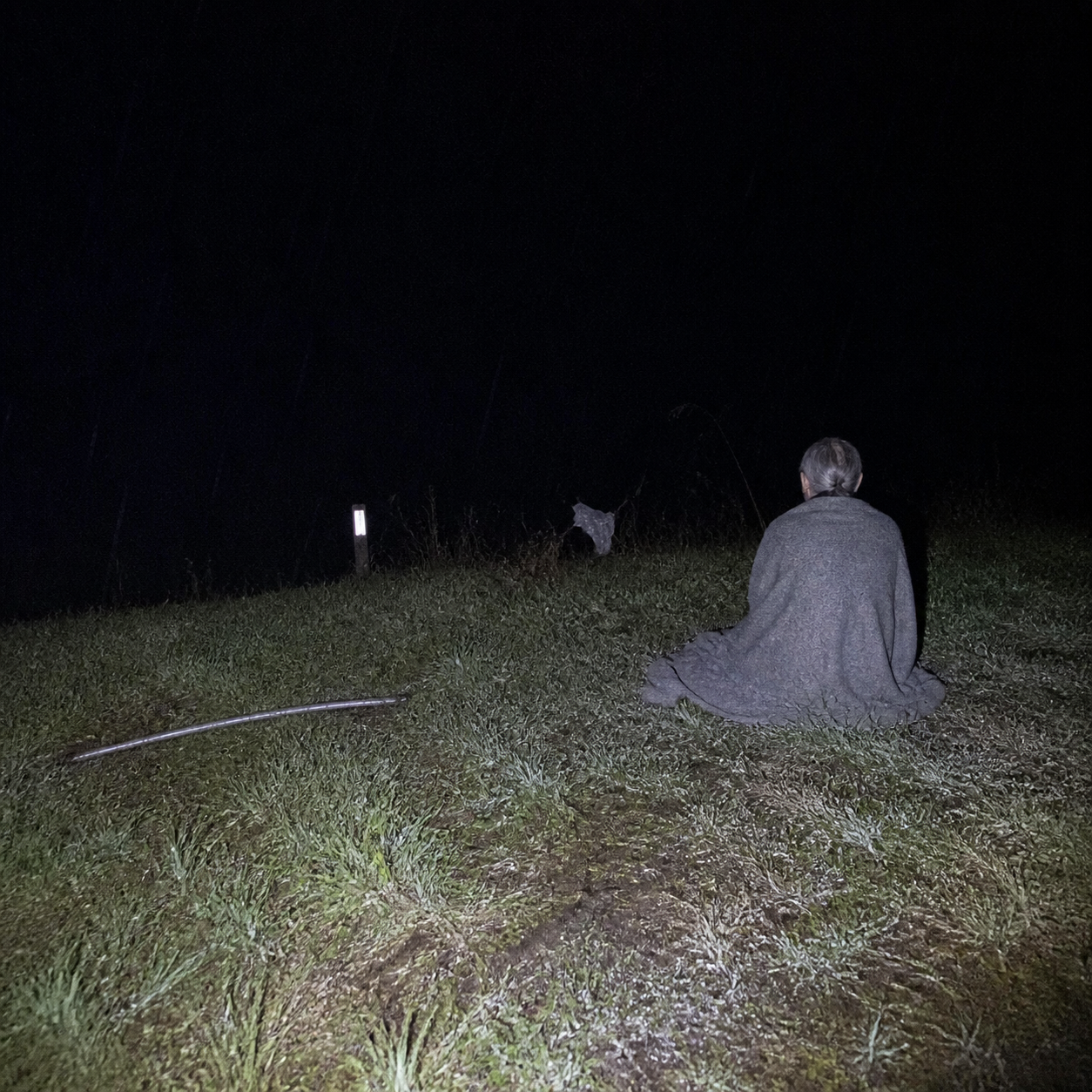
Ran for 13 days, from August 20 to September 2, 2026, the last day Crush saw it.
Run by Emily Cohen on Facebook. Crush is not the advertiser and does not verify its claims. See this ad in Meta's Ad Library(opens in a new tab)
Want an ad like this for your product?
Crush makes new ad images for your product from this ad: your logo, your product photo, your offer.
Trials from $19.95 USD, then $79.95 USD a month. Cancel anytime.
About this ad
- Meta Ad Library ID
- 1524012839480886
- Platforms
- Facebook, Instagram, Audience Network, Messenger and Threads
- Relaunches
- 0
Ad text
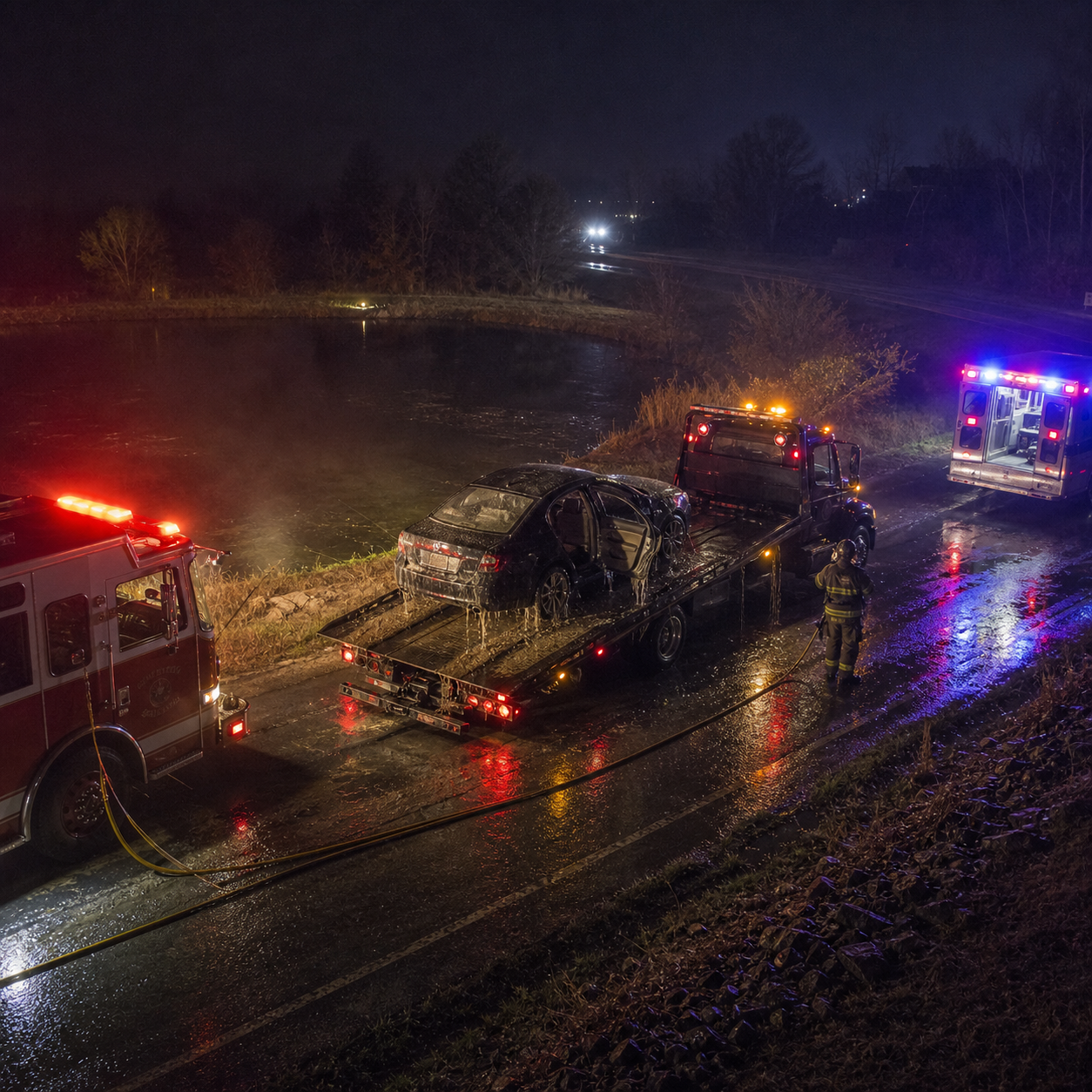
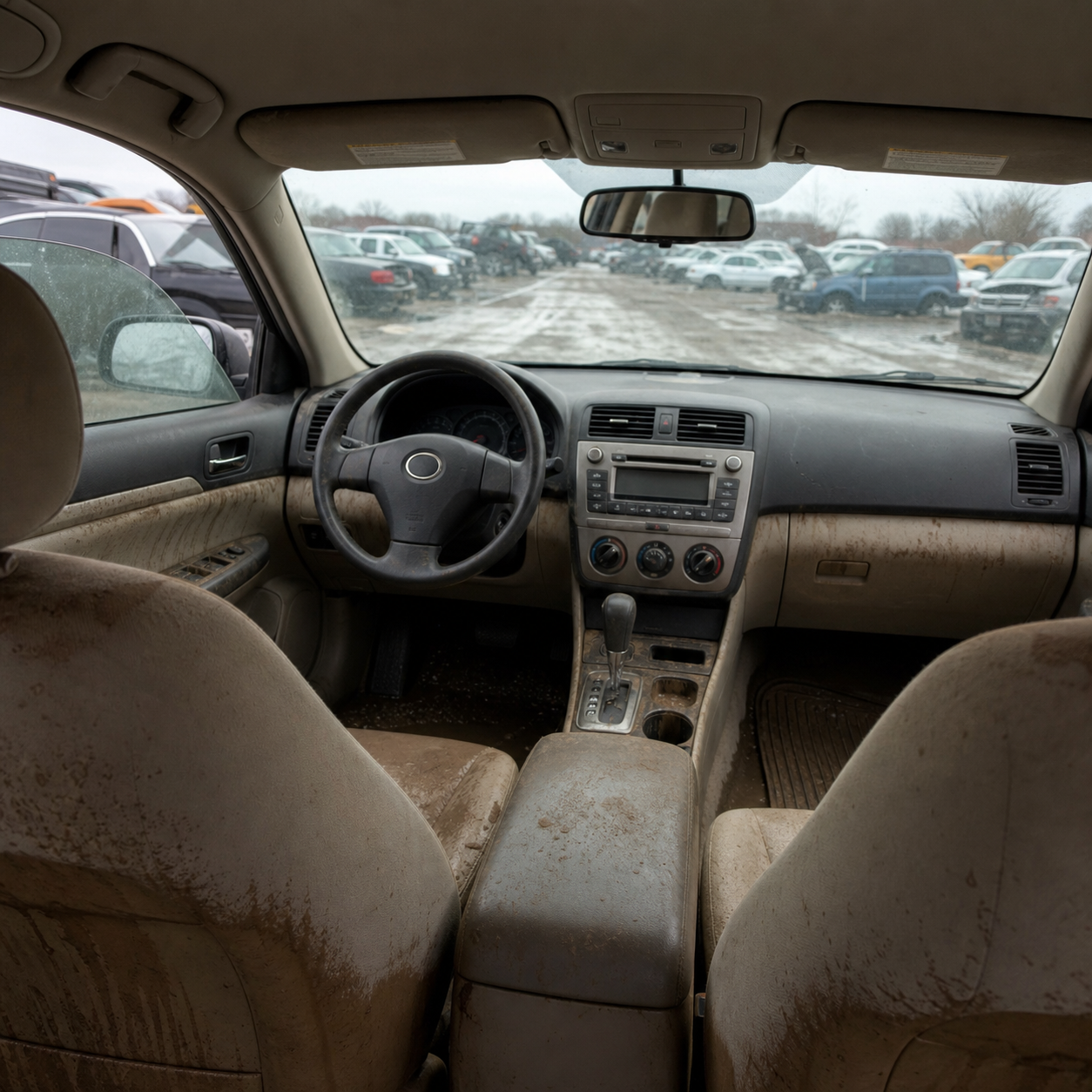
The night our car went into the canal, my seatbelt opened on the first pull, and my husband's never opened at all. He pulled at it twice while the water climbed. Then he stopped pulling, and that scared me worse than the water did. Because Gene didn't give up on things. He was reaching for his keys. He pressed them into my hand, said the corner of my window like he was telling me where he'd parked, and turned me toward my door. I went through the window still not understanding why he wasn't right behind me. I came up out of that canal on my own, with my husband's keys shut inside my fist. With my other hand I got a handful of bank grass and turned myself around in the water to look for him. I screamed his name at that black water until my voice went. And the whole time I was screaming, there was something shut in my hand I had never once turned over in my life. A little gray thing about four inches long, riding in that bundle of keys next to the shed key. It's the reason I was up out of that car at all, and it would be seven months before I knew its name. My name is Carol. I was sixty-one years old that night, and Gene and I had been married thirty-four years. It started a year before, at my own kitchen table, in a conversation I never let him finish. We lived our whole married life in the kind of Florida town where the canals run right along the two-lanes, and you stop seeing them after a few years. What kept us in that car was a door that wouldn't open and a window that wouldn't go down. Neither one of those needs a canal. A ditch will do it, and so will an intersection. Every Thursday we drove out to our daughter Beth's place for supper. Twenty minutes each way on the same two-lane. Gene drove us out and I drove us back, because he liked his one beer with Wade, Beth's husband, and was careful about even that. Beth's two little ones went through his pockets for the peppermints before we had our shoes off, the same as their big brother used to. Eli was fifteen by then, and mostly interested in the truck he was saving up for. Gene was a quiet checker of things. He checked the tires on my car when he thought I wasn't looking, and every New Year's Day he changed the batteries in every flashlight in this house whether they needed it or not. If you thanked him he'd wave you off and go check something else. One New Year's Day, in with the batteries, a little gray thing showed up on his keyring, next to the shed key and the key to the Buick. I asked him about it exactly once, that same week, while he was emptying his pockets onto the table. He thumbed the short black end clear of the other keys before he answered, the way you move a thing aside to reach what's behind it. He said, that's for the just in case. Then he said here, and started working it off the ring to show me. And the phone rang on the wall behind me, and it was Beth about a ball game, and I was on it a good while. When I hung up he'd already gone out to the shed, and his keys were back in his pocket. I never asked again. Not one time in the year he had left. The Buick was a 2009, and Gene kept it running himself on Saturdays. It had a real key and door handles you pull, and he liked a thing he could fix in his own driveway. He was six foot one and ran that driver's seat all the way back on its track, and I rode with mine all the way up, because I'm five foot two. The next January, on the last Thursday of it, we stayed later than usual, because Eli had made the honor roll and Beth did a cake. It had rained all afternoon, and it was full dark and still drizzling when we left. Gene waved off his one beer at supper, because he didn't want me driving us home in the rain. So he took us back too, and I rode along. I remember the wipers on low and the yellow line coming at us, and nothing else worth telling until the headlights. They came across the center line maybe a half mile from Beth's turn. I never saw who was driving that car, and I never will. The deputies found paint on the driver's side of our front end that wasn't ours, and whoever it was never stopped, not that night and not after. I have nothing to say about that driver. I don't remember leaving the road, only the world swinging around and a bang I felt more than heard, and then a sound I'd never heard in my life and knew anyway. Water, moving, against glass. We went in front-first, and that car never sat level again. The nose worked itself down into the mud and the back end stood up behind us. It went under in little drops, one and then another. Everything loose in that car had gone forward when we hit, and so had I. My knees came up hard under the dash and stopped me there. The car stood on its nose and everything in it had tipped forward. I ride with my seat all the way up, so there was something under my shoes and I got my weight onto it. Gene rides with his all the way back. There was nothing under his. He was pitched forward over the wheel with all of him hanging in that belt. I was standing up, and he was hanging. The engine quit, and it got quiet enough that I could hear the water finding its way in at the doors. The headlights were still burning out ahead of us into that water, and their dirty light came back up through the windshield and moved on the inside of our roof. Then the water came over the floor and up around my ankles, cold enough to make me gasp. My hands went down for my purse before I knew they had, my purse, going under by my feet. Gene said my name once, level, the way he'd say it if I was about to back over a flowerpot, and my hands came back up. My door was right there beside me where a door always is. I pressed the button for my window and nothing happened, and then I pressed it again like a fool. Our lights were still burning when I did that. It took me seven months to find out what that meant. Then I got my hand on the handle and put my shoulder into that door, and it was like pushing on the side of a barn. And while I was still pushing, the nose worked itself down deeper into that mud, and the light out ahead of us went brown and then went out, and it was black in there. So I got my hand down to my own buckle. There was no weight of me in that belt at all, because my feet were carrying me. It let go the first time I pulled it, same as it had ten thousand times before. And I turned to Gene, because in thirty-four years I'd never turned to him and found him without something. What I had of him after that was sound. I heard him get a fist under the belt across his hips and haul on it, the short hard sound of a man pulling something that will not come. It went hard and stopped. Then it went hard again. Two times. I counted them without meaning to. And that strap wasn't giving back one inch of itself, because all of him was sitting down on it with nothing under his feet. Then it stopped, and there was nothing. He'd quit hauling on it, and I had never in my life seen that man quit pulling at anything. So I was screaming before I understood why. My glasses were gone by then, somewhere in the dark and the water. I turned square to my own door and beat on that glass with both fists, as hard as I've ever done anything in my life. Not more than a half dozen times. That glass took every bit of it and gave nothing back. My hands went numb and stupid on me and stayed that way for weeks. Beth had to work the caps off my pill bottles. I turned back and grabbed Gene's sleeve, as if I was going to lift a grown man out of a jammed belt with two hands that couldn't crack a window. That's when I heard the keys come off the column. For one second I thought he was going to try and start that car, and God help me, I waited for it. Then he took my hand off his sleeve and held it in his own, and I felt those keys working around in his fingers against my wrist. I know now what his fingers were hunting for, because I'd watched them go at that ring a hundred times at my own table and never once wondered why. In that water I only felt it stop turning. He laid it in my palm with the short black end pointing out past my thumb, and folded my fingers down over it with both of his. The keys bit into my hand, that's how hard he pressed. Bottom corner of your window, he said. Right down in the corner, Carol. He said it the way he'd tell me which aisle the light bulbs were in. Then he took me by the shoulders and turned me toward my own window. I got up on my knees on that seat, and the wet vinyl went out from under one of them, and I threw a hand out and it came down flat on Gene's shoulder. He let me put my weight on him and he never said one word about it. I couldn't see my own hands by then. So I felt for the bottom corner of the glass with my knuckles, set that little black end against it, and pushed. That's all I did. I pushed the way you'd push a thumbtack into a corkboard, and the whole window let go at once, the entire sheet of it, into a thousand pieces like rock salt pouring down my arm. The canal came in through that hole hard and loud and knocked me back off my knees, across the seat into him. For a second there was no getting near that window at all. Then the water inside came up level with the water outside, and the shoving stopped. Folded down over that wheel the way he was, there was no air left above that line where his head was. He went under without a sound and he never let go of me. He had spent the last words he was ever going to get on the corner of my window. His hands were free, because he wasn't hauling on that strap anymore. Nothing was ever wrong with Gene's hands. He couldn't get a foot under himself to save his life, and he'd quit trying. What he had was the wheel and his two arms. He got a hand on the wheel to hold himself square, and his other arm came under mine, up in the armpit, and turned me back facing that hole. I got what was left of my breath and I shut my mouth on it. I did the climbing. He did the lifting. And every pound of me he lifted came straight back down through him and set into that lap strap. The harder he pulled me up, the flatter that thing pulled down across him. I felt him go down while I went up. My fist still had his keys in it, because he'd folded my fingers over them himself and I hadn't opened that hand since. Then there was nothing behind me at all, and the water took me out through that hole with his keys and everything hanging on them. You know the next part, because it's where I started. What I didn't tell you is what I was looking at while I screamed. Nothing. Every light in that car had gone out before I ever broke the window, so there was no glow down there and no shape to watch for. Just black water with rain coming down on it, going flatter every second. I held that grass and waited for his head to come up somewhere in front of me. It didn't come up. A man driving somewhere behind us stopped his truck and came down that bank running. He got me up that bank, and he held on when I tried to go back down it. The deputies took what he saw, a break in the bank and a woman in the grass. I never learned his name. The rest of that night is pieces. Red and blue lights on the shoulder, and a blanket that smelled like the inside of a garage. Divers' flashlights moving under that water, hours after there was any reason left to hurry. It was a deputy who told me, a little after midnight, that Gene's seatbelt was still buckled when they brought him up. We buried Gene on a Tuesday. At church they told me Gene saved my life, and patted my hand, and said it the way you say somebody got lucky. I told it their way for seven months, because I didn't have the rest of it yet. Those months started the first Thursday after the funeral, when Beth called and said supper was still supper. So I drove out by myself with my hands at ten and two like a girl at her driving test. There's a bend a half mile before her turn where the county had put new gravel down, and that's how I know the spot. I didn't plan to stop, and I stopped. At home it was the mornings. Gene got up at five his whole life, and the first sound of my day was the shed door, and for months I woke at five to a quiet yard and listened for it anyway. His keys slept on the nightstand where his water glass used to sit, and I never once turned that little gray thing over, because it was his, and I couldn't take it off him yet. That was the same winter I dusted around his chair and never sat in it. That spring the insurance money bought the plain little car I have now, and that same afternoon I worked one of its keys onto Gene's ring, next to the shed key and the key to a Buick that didn't exist anymore. His keys have started that car every morning since. At the end of that summer, seven months after the canal, I stood on Beth's porch while they packed up both cars for a weekend at the lake. Beth up front with the cooler on her lap, Wade driving the van, the two little ones in the middle row already arguing over a tablet. And Eli following behind them in the truck he'd bought with two summers of yard work and a loan off his daddy, sixteen by then and still new on his license. He backed past me slow and lifted two fingers off the wheel the way Gene used to. Beth drives that same road twice a day with the little ones in the back, school and home, school and home. I stood there with my coffee and counted five of them, in two cars, every one belted in behind a shut door. I knew what was in both glove boxes, because I'd been in and out of them all summer. Napkins, a tire gauge, and the van's owner manual still in its plastic. I waved them down the road like everything was fine, and then I went home and sat in my own driveway a good while. My key lives on Gene's ring now, and the little gray thing hangs right under it, scratched up, the same one that went down into that canal in my husband's hand and came back up in mine. Sitting there with it I finally let myself understand something. In this whole family the only one who thought about it beforehand was Gene, one January morning, and he never made a speech about it. He was gone, and that job was sitting in my lap now, along with his keys. I couldn't have told you what it was called or where he got it. The only answer I'd ever gotten about it was the just in case, and a phone ringing on the wall behind me. Before I could see to anybody's cars, I had to find out what my husband had known. Four days later Beth asked me her question. We were at her kitchen table and her hands were around a cup of coffee she'd let go cold. Mama, why didn't Daddy come out behind you. The window was open. You were through it. Why wasn't he right behind you. And I realized, sitting there, that in seven months I'd never once asked that out loud. Some part of me was afraid the answer would turn out to be something I did. I told her the truth, which was that I didn't know. And then, because I'm her mother, and because neither of us was sleeping anyway, I went and found out. That same week I drove out to the fire station whose trucks had come that night, and sat in their parking lot twenty minutes before my legs would carry me in. A fireman about half my age sat down with me at the big table in their kitchen and gave me coffee in a mug that said World's Okayest Fisherman. I kept Gene's keys shut in my fist under that table, and I told him the whole thing, near enough the way I've told you. I asked why our doors wouldn't open. He started in on rollovers, and I stopped him and told him we went in straight and stayed standing on our nose. In the first seconds the canal is standing against the outside of that door, he said, and it doesn't matter whose shoulder is pushing from inside. I asked why it wouldn't come open once the water got in. That push does let go, he said, and by then the car is on the bottom and the cabin is full, and whoever needed out needed to be out half a minute before that. Then I told him about our Buick up on the gravel at the tow yard that spring, with the front fender folded back into Gene's door. He said that door was finished the second we were hit, wet or dry, and no water had one thing to do with it. I asked whether a newer car would have done better by us. He said the water holds any door shut the same whatever year it was built, and a window you open with a button waits on a wire. On some of the newest ones the handle waits on a wire too, so there's one more thing in there to go quiet on you. Then he told me the thing I hadn't driven out there to hear. The one I should be worried about isn't the canal at all, he said. It's a car folded shut at an intersection with the engine still running, and people sitting in it belted up and perfectly dry, waiting on somebody with a saw. He does that one most weeks of the year, and those ones have longer to sit thinking about it. Then I put my thumb down on that table the way I'd put it on my window button, and told him our lights were still burning when I did. He said those lights weren't the promise I took them for. Headlights burning tells you the battery is alive, he said. It doesn't tell you one thing about the one wire that runs from your thumb to that window. That wire goes down low through the door, he said, and low is where the water was, and it doesn't announce itself when it gets there. So I was pushing a button on a dead circuit in a car that still had its lights on. Then I started in on the belt and didn't get through it. I got as far as the two pulls and the stopping, and after that my mouth kept going and no sound came out. He didn't say anything and he didn't pat my hand either. He waited until I could finish. A buckle lets go when the strap is slack, he said. There's a steel tongue in there with a spring behind it, and that spring can only shove the tongue out if nothing is pulling on it. Then he asked how big a man Gene was. Six foot one, I said, and right about two hundred pounds. So he hung on that lap strap the whole time, he said, all of him, and it was pulled flat as a board across the buckle. The button still pushed, he said, and the button was never the part holding it. I asked why mine came open and his didn't. He asked where my feet had been, and I told him about the wall that had tipped under my shoes. You were standing up, ma'am, he said, and he was hanging. I said that wall tipped under him too. He said it did, and his seat sat a good yard back up the slope, strapped at the hips so he couldn't travel down to it. It isn't the size of either of you, he said. It's which one of you had weight in the belt when everything stopped. So nobody was getting that buckle open, I said. Not by hand, he said. Not him, and not us either, and we do this for a living. Once a man's weight is down on a buckle, the strap itself is the only part anybody can still do a thing about, and doing something about a strap means cutting it. Then I told him what Gene did with his arms at the end, and I asked how a man who could lift me could not lift himself. He said those are two different jobs and they don't go the same direction. Your weight went down through him and into that strap, he said, and set the thing tighter every second he held you up. I asked why he couldn't get his feet under him and stand up out of it the way I had. He said not from where his seat was, not in a car standing on its nose. And then I asked him the question sitting under all the others. What would have gotten my husband out of that belt. He didn't dress it up for me. Three things, he said, and held up a finger for each. Something that cuts. A hole in that car to go out of. And hands that can get to the belt. All three in the same place, ma'am, inside the same minute. And not once that night were they. The second the hole existed, it existed because he'd put that thing in the only hands in the car that could have reached him. Then it went out the window with you. After that it's us, he said, and nobody gets to you in a minute, not us, not anybody. The alarm went off and he was out the door with his coffee still sitting there. I waited the better part of an hour with Gene's keys shut in my hand. He came back wet to the knees and said, where were we, ma'am. I asked about the glass then, and put both my fists on the table. I told him what they'd looked like after, blue across the knuckles for two weeks. That side glass is built to take a beating from the inside, he said, and a person's hands go long before it does. Half a dozen goes is plenty to ruin them, and that's a few seconds of your minute. So I asked him why I never once thought to kick it. He said a kick lands flat and wide, and flat and wide is what that glass is built to take. It's made to take a flat hit and hand the whole hit back, and a heel is a flat hit the same as a fist is. Then he asked me to show him, sat in that chair, where I'd have got a boot up to my own window. What takes a window like that apart is a hard little point in one small spot, and there isn't one anywhere on a person. I asked about those long hammers with the orange handle, because one in a trunk was the only car tool I'd ever laid eyes on. Nothing wrong with a hammer, he said, and asked me to show him where I'd have swung it. I couldn't. A swing wants room and a steady arm, he said, and a hammer in the trunk may as well be in the next county. How long would we have had, I said, all told. He said a car that goes down a bank that steep is under before the person behind it has stopped their own vehicle. Everything I'd just told him, he said, my buckle and his buckle and the keys and the corner and the glass, that is about a minute. Maybe less. Then he said most of the ones they pull out never meant to leave the road at all. It's a slick patch, or a deer, or somebody's headlights coming over the line, on roads people have driven their whole lives. His eyes went down to Gene's keys in my hand, and they stopped there. That's the thing off your table, he said. He put his hand out for them and I gave them over, and he turned the little gray thing in his fingers, careful with it, the way you'd handle another man's pocketknife. Ma'am, he said, do you know what this is. I said it was Gene's, and that he'd had it about a year, and that was the whole of what I knew. He said it's a car escape tool, and that he'd known from the shape of it and that little fabric loop before he ever turned it over. I asked what it was called and he turned it over twice looking. There's one word on the whole thing, he said, and it isn't a name. He turned it so I could see. SAFE, in little raised letters, on the black cap at the end. The point lives down inside that cap and only comes out when you push, he said. That's how it rides in a pocket all year without putting a hole in anything. I asked if he couldn't tell me which one it was. He said he wasn't going to put a name on it across a table. The man who bought it would know, he said. Go look in his things. I wrote car escape tool on the back of a grocery receipt, because that was all either of us had. The end you pressed against your window has a spring in it, he said, and a point on it harder than the glass is. There's your hard little point in one small spot. That's why the window went for me. Then he turned it around, black end in his palm now, and put his thumb on the gray cover at the far end. And there's a cutter in this end, he said, for the belt. He pulled that cover all the way off by the little fabric loop, and what was left was a small hook with a blade set down inside it where a finger can't reach. You feed the strap into that hook, he said, and then you draw the tool across the belt. And that, ma'am, is the thing I was telling you about. Something that cuts, already inside somebody's reach. Then why didn't he do himself first, I said. He had it in his hand. He tipped his chair onto its front legs and had me do the same, folded down over an imaginary wheel. That's your husband, he said. Now find your own buckle. It was under my own chest and I couldn't get a hand to it. There it is, ma'am. He was lying on top of the one part that had to let go. I said he got his hand to the ignition, which is further off than his own hip. Further isn't the same as harder, he said. Forward and up is nothing, and you felt him do it twice. Down and back under his own chest, with two hundred pounds of him on the spot, is another thing. I said he got a fist under the strap, so the strap he could reach. He sat back and took a while. Ma'am, he said, you're asking could he have cut himself out of that belt. I think he could have. No hand was reaching that latch. But the strap was across his hips and he had ahold of it twice. I think that's what he was working out with those keys in his fingers. And what he settled on was your hand. I had to set that coffee down. Seven months I'd kept myself from finishing that thought. He said it at a kitchen table like he was handing me the weather. He could have. And he didn't. I get up in his house every morning knowing that. Then I asked about his own window, right there at his shoulder. He could have taken it out and it wouldn't have bought him a thing, he said. Breaking glass doesn't unbuckle anybody, ma'am. He'd have been in that same seat with the canal coming in faster. So nobody strapped in can get themselves loose, I said. He put his hand up at that. Plenty of them get a hand to their own belt, he said, and it does them no good, because the latch will not answer while there's weight in the strap. So it's the strap I cut, most weeks of the year. Your husband couldn't even get that far. Nose down a bank, seat run back, folded over the wheel, so the belt finished up under the one man who needed it. Either way, ma'am, the belt is the part that holds them and the belt is the part that has to go. Then he folded the keys back into my hand, because he could see my face. I sat there holding them a while. Gene went at that strap with his hands first, twice, and I heard both times. He quit on it and reached past it and thumbed that little gray thing out clear of the other keys. It was shut in my fist when the window went, and the water took me out through that hole with it. There was one of those in our car that night, and I am the one who came up holding it. He had time to say one thing to me and he spent it on the corner of my window, because that window was the only way anybody was getting out of that car. It comes back to the same place every time. That thing was in my fist the whole while, six inches off his belt, in the hands of the one person in that car who could still reach it. And I did not know the other end of it was there. I keep coming back to that thing sitting shut in my hand while he was still talking. Nobody had to tell me to hurry. Somebody had to tell me what the gray end came off for. I won't tell you I'd have worked it out on my own, either. It sat on my nightstand seven months afterward and I never once turned it over. So here is what took me two years to be able to say. The end that saved me worked in the hands of a woman who had never held it, off one sentence, in the dark. It's the other end I didn't know was there. Pull that cover once at your own table and your hands will find it anywhere. Ten minutes at a kitchen table. Not a speech. So I did the telling, and then I did the other half of it. Gene's rode in Gene's pocket, and that pocket rode in one car. Telling Beth what both ends do puts nothing in Beth's car. Beth drives that road twice a day with the little ones behind her and the seat beside her empty, and Eli drives it on his own, new at it. What they'll meet is a shut door on a dry road, and getting out of that is on whoever is sitting in the seat. What nobody can do is handle it out of somebody else's pocket. And I know why there was only the one. He'd bought the one, the way he'd buy one of anything before he'd put it in his family's cars, and then carried it a year without making anything of it. He'd have got to the rest of us the way he got to everything, quietly, when he was satisfied with it. He just didn't get to. That's all me now, sitting at my own table. That day he walked me out to my car, that young man, and at the door he gave me the last piece of it. Ma'am, he said, the window you open is the same hole the water comes in through. Once it's open the car goes down fast, and whoever is going out that window has a few seconds. Your husband turned you around anyway, ma'am. I sat in their lot until dark, with his keys in the ignition and my hand still on them. Seven months I'd been asking why he wasn't right behind me. He carried that thing every day for a year, and Gene was not a man who carried a thing he hadn't figured out. He knew what both ends of it did. And with the water coming up on him he reached past the strap that was holding him down, put the only one in that car into my hand, and told me the corner in the flattest voice he had, so I wouldn't know what he'd just spent. I drove home and put the keys on the kitchen table and went and got my reading glasses, the drugstore pair I bought after the canal took my old ones. For the first time I looked at that little gray thing the way you'd look at something you were deciding whether to buy. It weighs about as much as nothing at all. The gray has gone dull on the corners from riding in his pocket, and there's a scratch across one side. That one little word on the cap, and no name on it anywhere. So I went out to the shed, where he kept everything he ever ordered in the one drawer, and it took me most of an hour. The little box was in there, packing slip still folded inside, dated the week before Christmas. It sat in that shed two weeks before it turned up on his ring, in with the batteries. TerraStrike. I said it out loud in that shed with nobody in it, and then I went in and typed it into my phone. https://www.tryterrastrike.com/lead4 Inside the gray body there's a spring and a small pointed tip, harder than the glass is, sitting down inside until you press. It puts out the same push every time, no matter whose hand is on it. The side glass they build now stands up to fists and it does not stand up to that, so the whole sheet gives at once, into those pieces like rock salt. Then I got to the part that made me put the phone down and stand up. It said the cutter goes through a belt that won't let go, in seconds. Something that cuts, already inside somebody's reach. That was the fireman that afternoon, naming the one thing that was in that car and never got used. And here it was on a company's page, describing the thing that hung six inches from my husband's knee. I stood at that counter a long time with my hand over my mouth. I called Beth that evening and told her what I'd found, and we were quiet on the phone together a while. Then she said, Mama, buy them. So I ordered enough for every car this family drives, and enough that whoever is up front has one at their own hand. The box came on a Saturday, and that Thursday, while they argued over supper inside, I went out and did the cars myself. Beth watched from the kitchen window and didn't come out, and at supper neither of us said a word about it. I put them where a hand falls without having to think. In Beth's van one clipped onto the visor over the wheel, where you reach straight up without leaning or unbuckling. One went in the passenger door pocket, because Wade drives that van as much as Beth does, and whichever of them is riding along is the one sitting there with nothing. The console got one too, because that is the one a grown-up can turn around and reach with the little ones behind them. Eli's truck took me longer, on account of a gym bag and half a bag of grass seed on top of his console tray. His passenger door pocket got another, because that boy drives his grandmother to supper. Mine rides in the little tray under my radio, where my hand goes without me looking. The one on Gene's ring rides with me wherever those keys ride, exactly the way he had it. That one is his. Clipping one to your keys is how ours got into that car at all, and I'd never tell anybody not to. But keys travel with a person, and a seat doesn't. I wanted one that stays with the seat no matter who is sitting in it. A few days later Eli called me. He'd found the one in his console tray. Grandma, he said, and then nothing for a second. Grandpa had one of these. He had it out on the workbench the day I got my permit, and I asked him what it was, and he pulled the cover off and showed me the cutter, and said he'd get me one when I had a truck. I didn't know I was going to cry until I already was. That boy asked him and stood still for the answer. I asked him and got up to answer the phone. Eli wanted to know what it was for. And I told him what Gene told me. That's for the just in case. A few weeks before Christmas I drove two pies out to that fire station, because I owed those men more than pie and pie is what I had. The young one walked me to my car, and when I got my door open he saw the gray one sitting in my tray. He looked at it, then at me, and nodded the way Gene used to nod at a tire that was finally holding air. Then he asked whether I'd seen to my own people, and I told him I had. He said, then you're done, ma'am. Nobody had said anything like that to me since the canal. I got as far as the stop sign at the end of their road before I had to pull over and sit a minute. That first New Year's Day after the canal I knew the date and the errand, and I sat in my kitchen and didn't do it, because it was his. The next New Year's Day I changed the batteries in every flashlight in this house, and then drove over and did Beth's, and it's the closest I've come in two years to hearing that shed door. I used to think being safe in a car was mostly about being careful, and Lord knows we were careful. Sober, belted, forty-five miles an hour on a road we'd driven a thousand times, and none of it kept those headlights in their own lane. Gene has been gone two years now, and I'm sixty-three. That first night at the hospital, a nurse took hold of my wrist to open my hand, only to put his keys in a bag with my watch. She got my fingers moving and then stopped, and looked at my face, and folded them back down around the keys, and went and got me a warm blanket instead. I have carried them every day since. Some mornings at a red light I hold that little gray thing a second, and I'm back in the black water. Most mornings it's just keys. People still tell me Gene saved my life. He had it in his own hand, and he gave it away. He knew which of us he wanted it to work for, and he put it in that one's hand. So they're right, and it took me two years to be able to say so. Do tonight what I did on Beth's porch. Go stand where you can see the cars your people drive, and look at the seat somebody you love buckles into twice a day, school and home, school and home. Now picture that person in it with both doors shut and the car dead. Open the glove box and see what's in there. Then sit in that seat, belt on, and put your hand where it would go if the water was at your knees. If nobody in your family has done that thinking yet, then it's you, the same way it turned out to be me. I got mine straight from their own page, and that's the only place I know to send you. It costs less than a tank of gas. The whole car can be dead, every light out, and it still works, because it doesn't take one single thing from the car. Get enough of them that nobody in your car has to reach past somebody else for one. Here it is. https://www.tryterrastrike.com/lead4 P.S. Last Thursday Eli drove me out to supper in that truck of his. At the bend with the new gravel he eased off the gas, and neither of us said anything. I rode the whole twenty minutes without checking one single thing, and a year ago I couldn't have. Gene's keys spend the night on my nightstand, and mornings I pick them up and the little gray thing knocks against my wedding rings. That's the first sound of my day now. P.P.S. About the day it turns up. It's going to look like nothing much, because that's how they look. Don't test it on a window. The only thing it knows how to do to a window is the whole job. Do pull the gray cover off the other end once, at your own table, so your hands know how that cutter opens before the night you need it. Show everybody who rides in that car both ends of it, the way Gene showed Eli at the workbench, with everybody's hands dry. Gene had to do his telling in the water. P.P.P.S. Somebody always asks about sending it back. You have a hundred and twenty days, and if you decide it isn't for you they give you your money. https://www.tryterrastrike.com/lead4 P.P.P.P.S. It comes in the mail, and they don't always have every pack ready. When I went back in the fall to buy some for two widows I sit with at church, the family pack was gone off the page, so I took what was there and waited on the rest. So there are days between the evening you decide and the morning it's in the car. P.P.P.P.P.S. Somewhere in your week there's a Thursday drive. Somebody you love is going to buckle in and pull the door shut, and you won't be in the car. Gene had that thought one January morning, quietly, and the only person he ever said it out loud to was a fifteen-year-old boy at a workbench. Order it tonight, for your own people. It takes a minute, and then it's coming. https://www.tryterrastrike.com/lead4
Where the ad sends people
tryterrastrike.com
She Drives With His Keys
Learn more: tryterrastrike.com(opens in a new tab)