
Active· since Jun 25, 2026
- 81
- days running
- 1
- relaunches
Ad copy
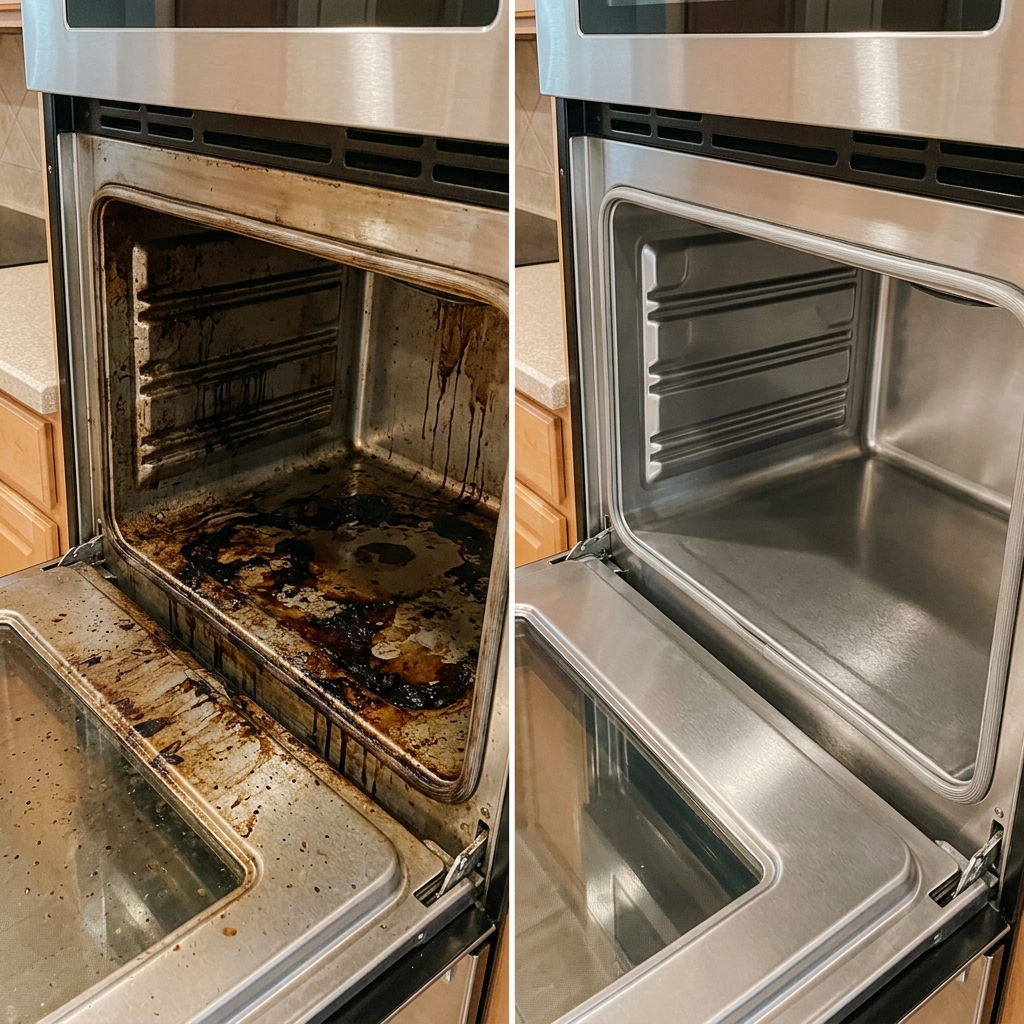
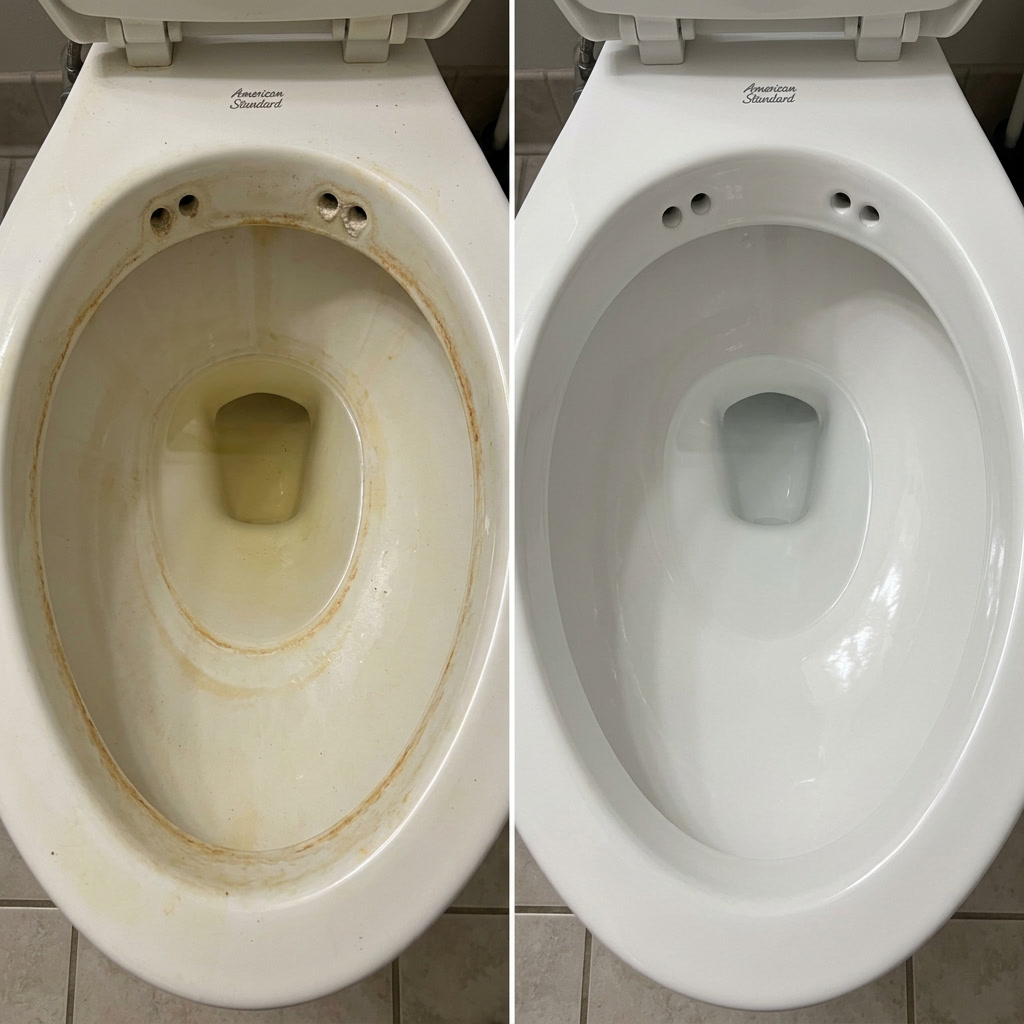
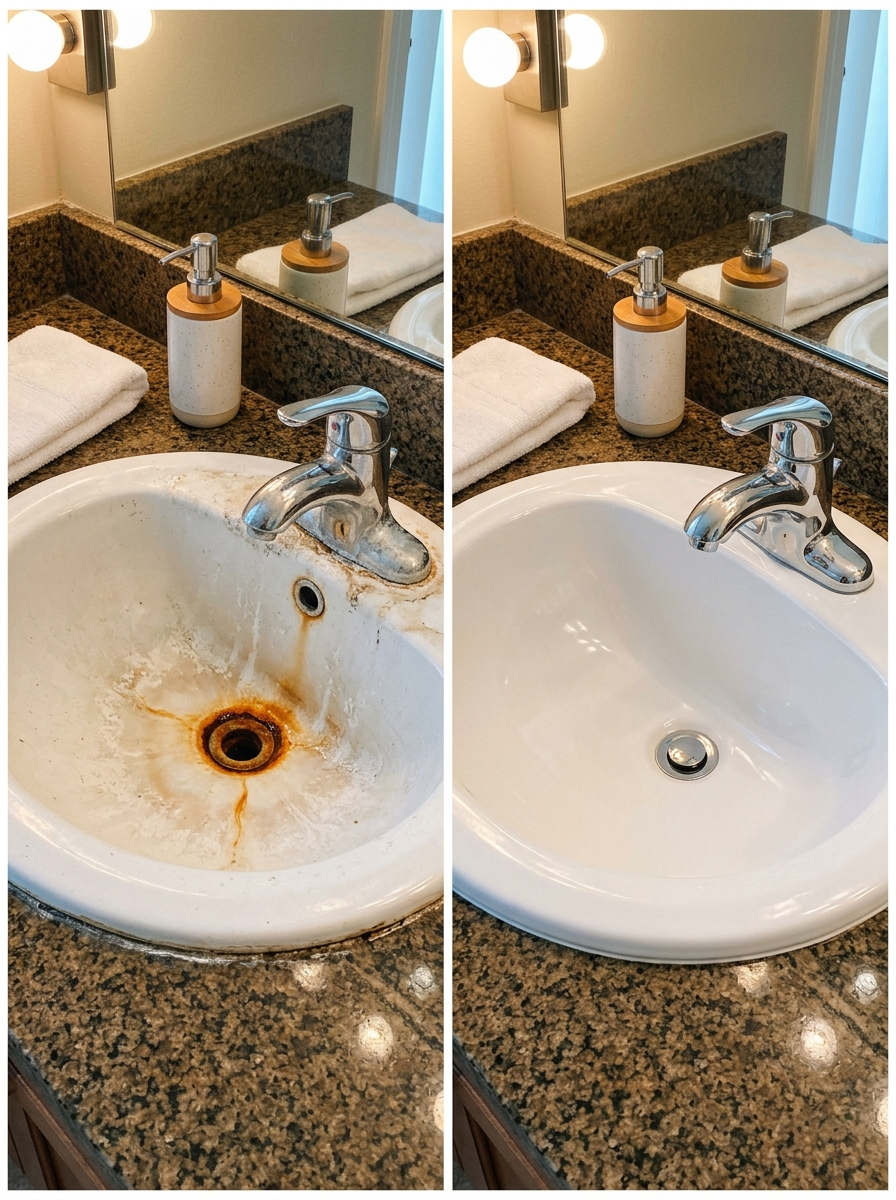
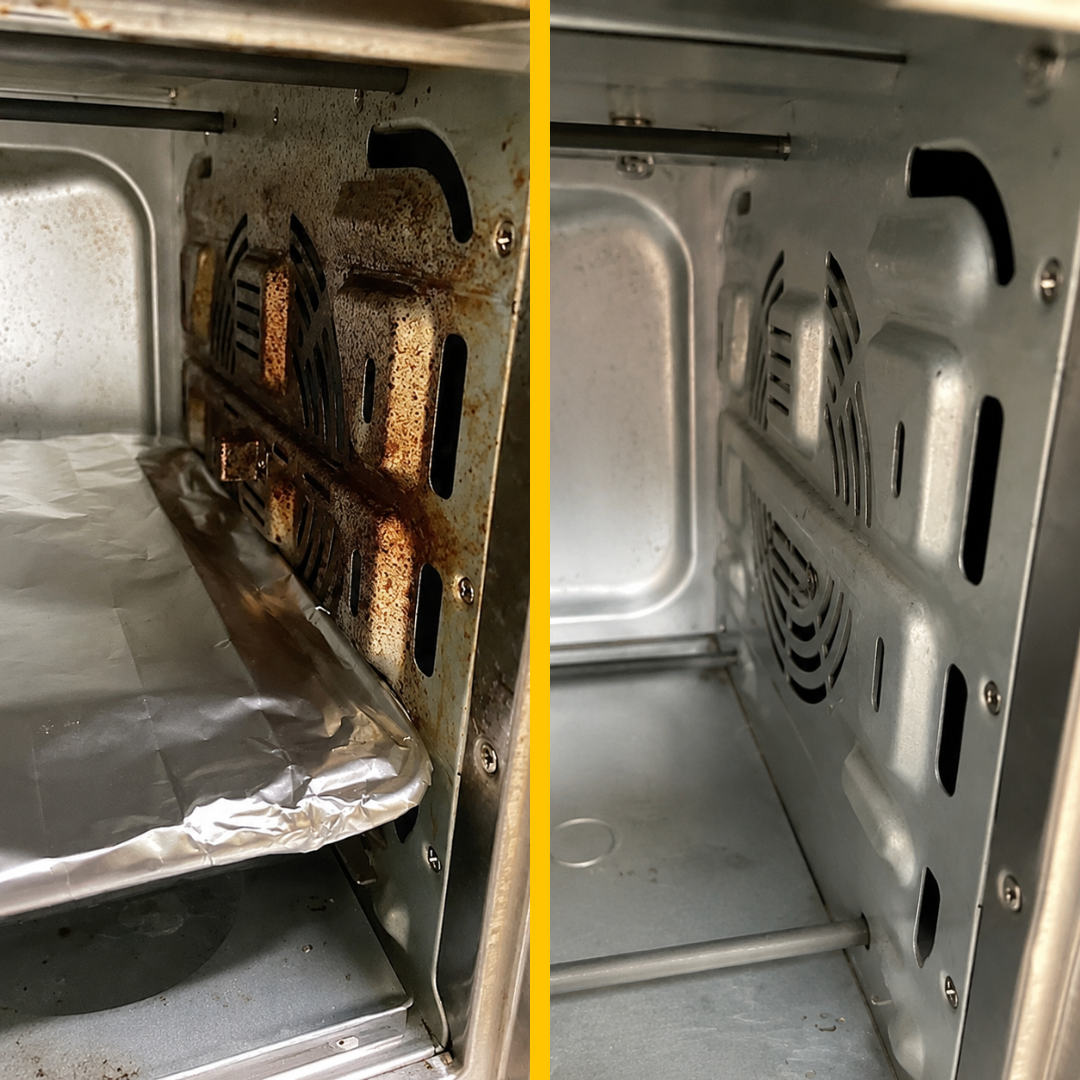
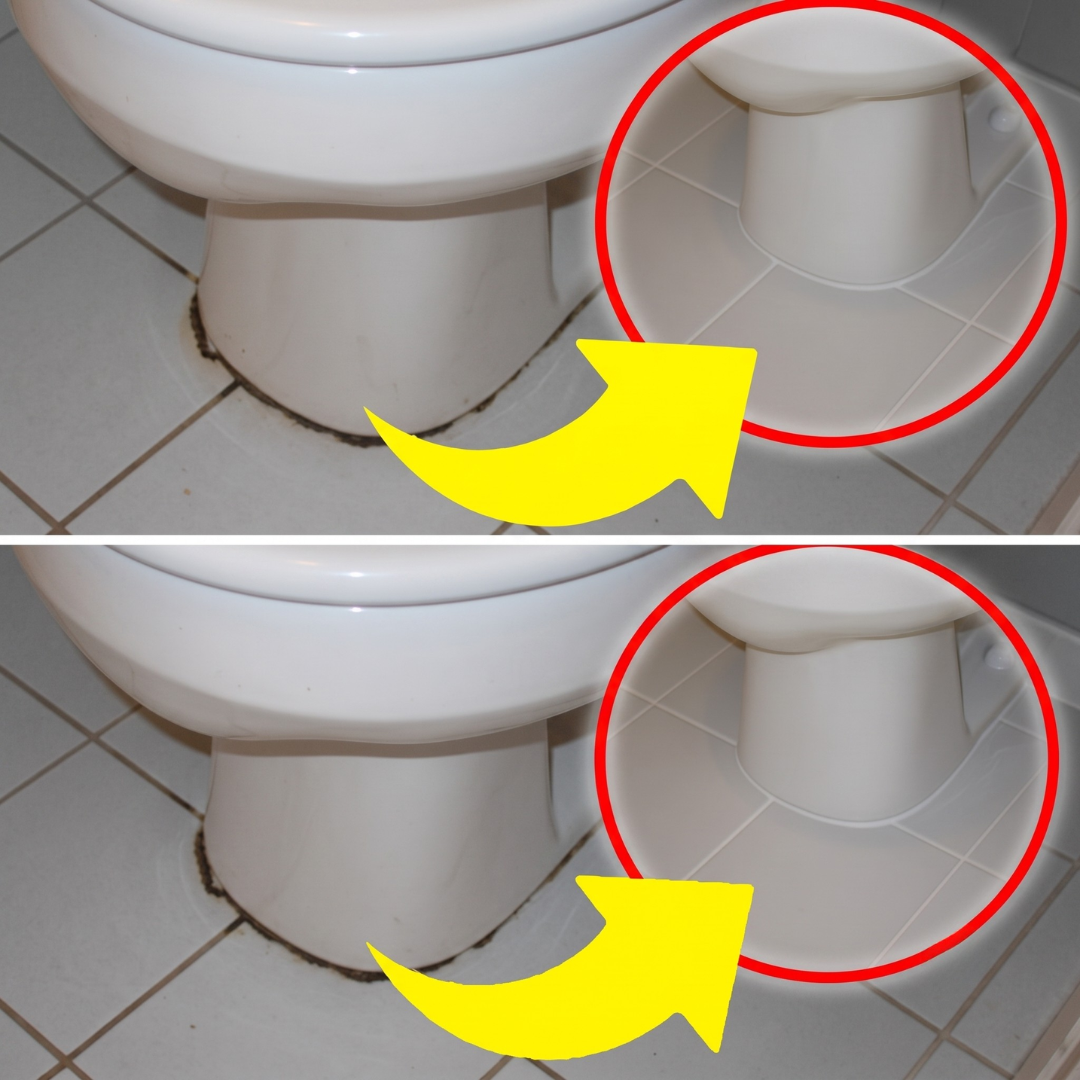
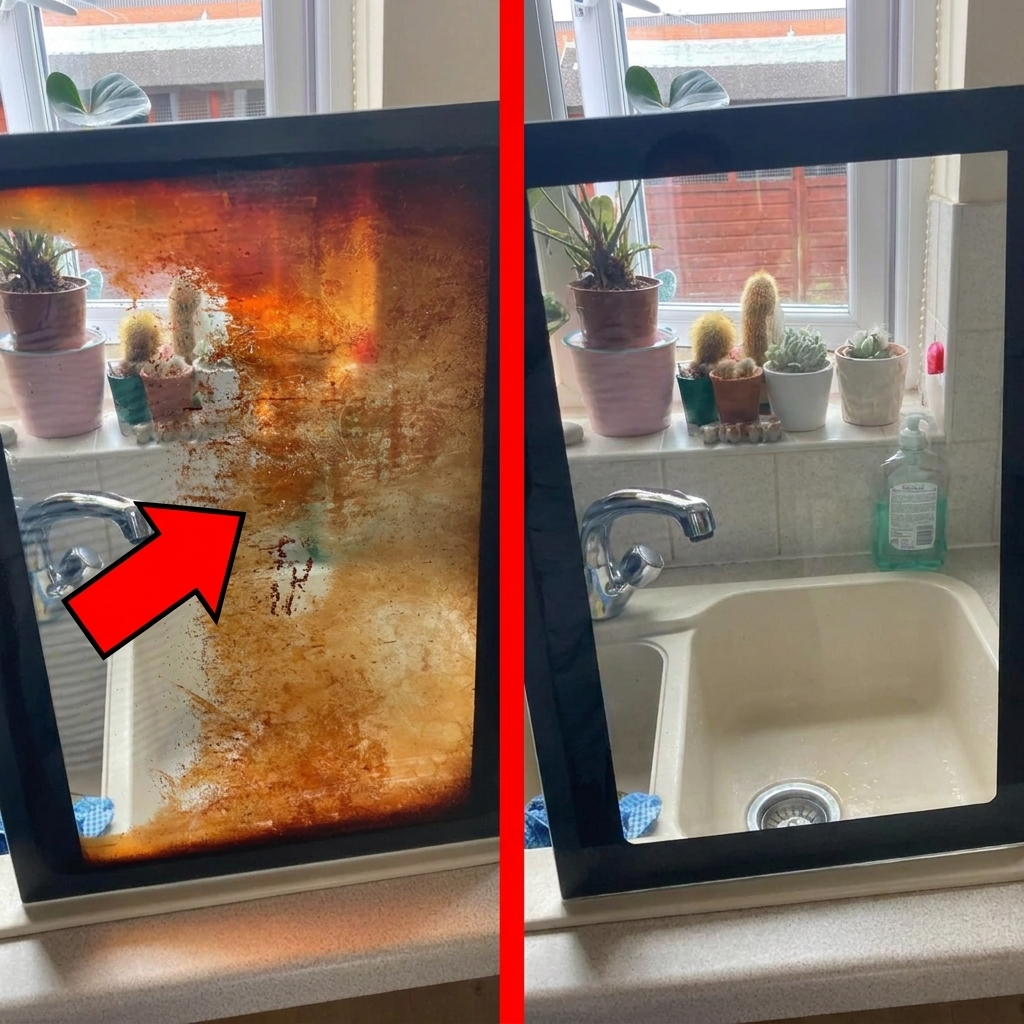
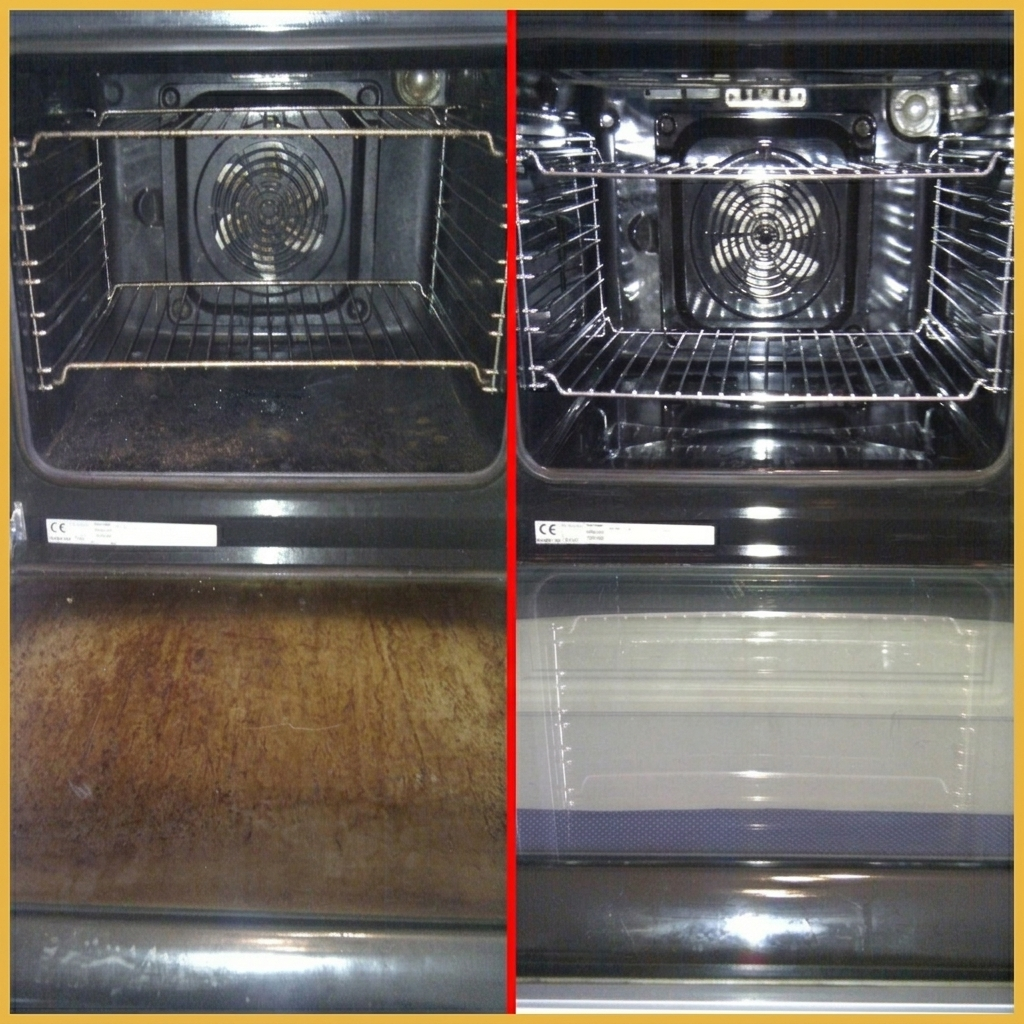
🚨 AN OVEN REPAIR TECHNICIAN WITH 24 YEARS' EXPERIENCE BREAKS HIS SILENCE: To every person who runs the self-clean cycle, sprays Easy-Off, or scrubs the inside of her oven on a Sunday afternoon thinking she's doing the right thing... I need to tell you something I should have said twenty years ago. "For most of my career, I was charging women $340 to fix a problem I was helping cause. Today, I am going to tell you what was actually happening inside that oven." Dear reader, My name is Mike Trevino. 😢 I have been repairing kitchen appliances for twenty-four years. I started in Phoenix in 2001, working out of the back of a white Ford E-150 with a phone book and a Yellow Pages ad my father-in-law paid for. I moved to Albuquerque in 2009 and opened my own shop on Menaul Boulevard. I have personally been inside, I would estimate, somewhere north of nineteen thousand ovens. Wall ovens. Slide-ins. Freestanding ranges. Double ovens. Convection. Gas. Electric. Induction with built-in oven combos. GE. Whirlpool. KitchenAid. Frigidaire. Samsung. LG. Bosch. Wolf. Viking. Miele. Thermador. If you have an oven in your house, I have been inside fifty of them this month. And for twenty of those twenty-four years, I was telling women the same three things. "Run the self-clean cycle every six months." "Use Easy-Off for the door glass." "Wipe down the racks with Dawn and a Brillo pad." I said this hundreds of times a year. I said it with complete confidence, because that is what the manufacturer's manual recommended, that is what every other tech in my industry said, and that is what the women who called me wanted to hear. It was wrong. Not slightly wrong. Structurally wrong. I have known it was wrong for the last four years and I have only recently started telling people. 😳 It was a Tuesday in October of 2020. I had a service call in Rio Rancho, a fifty-eight-year-old woman named Patricia who had paid almost $4,000 for a Wolf range when she remodeled her kitchen in 2014. The oven would not heat past 250 degrees. She had been baking with it that morning to make her grandson's birthday cake, and the recipe called for 350. She had given up at noon and called me. I got there at four. I want to tell you what I saw when I pulled out the bottom drawer to access the heating element. 🤯 The element itself was coated in a hard, glossy, brown-black lacquer that I had been seeing on heating elements for twenty years and had always assumed was just baked-on grease. It was not baked-on grease. It was a chemical reaction product. I am going to explain what it actually is, because no one in my industry talks about it, and the fact that no one talks about it is the reason ovens are dying eight years earlier than they should. When you run the self-clean cycle, your oven heats to between 850 and 950 degrees Fahrenheit. That is hotter than a pizza oven. That is hot enough to incinerate organic matter into ash. The manufacturers designed this on purpose. The theory is that the high temperature will reduce all the grease, sugar, and food residue inside the oven to a fine grey powder that you can wipe out with a damp cloth after the cycle finishes. In a perfectly clean oven, run on schedule, with no chemical residue from previous cleanings, this is mostly true. In a real oven, in a real house, used by a real family, what actually happens is different. 😢 When you use Easy-Off or any other commercial oven cleaner, the active ingredient is sodium hydroxide. Lye. It is the same chemical used in industrial drain cleaners and in the manufacture of soap. It dissolves grease beautifully. It also leaves a microscopic chemical residue on every surface it touches. That residue is alkaline, and it bonds chemically to the porcelain enamel coating on the inside of your oven. Now you run the self-clean cycle. At 900 degrees, that sodium hydroxide residue does not vaporize. It fuses. It bonds permanently to the porcelain coating. And it forms a hard, glassy layer that becomes part of the oven surface. Every time you use Easy-Off and then run the self-clean cycle, you are not cleaning your oven. You are adding a microscopic layer of vitrified chemical residue to the inside of it. After three or four years of this, the heating elements start to fail. The thermostat readings get inaccurate because the sensor is buried in a layer of fused residue. The door seal degrades because the cycle has been running hotter and longer to compensate. Your oven dies eight years sooner than it should. And I was the guy you called when it broke. I made $340 every time I replaced a heating element. I made $580 every time I replaced a thermostat. I made $1,200 every time I told a woman her control board was shot and her oven was not worth fixing. I made that money, for twenty years, off a problem that was being caused by the cleaning method I was personally recommending to my customers. 😳 I want to be honest about why it took me twenty years to figure this out. It was not because the chemistry was hard. It was because I never had a reason to look. I learned everything I knew about oven cleaning from the manufacturer's training programs and from the older techs who trained me. None of them had ever questioned the system either. We all said what the manual said. The manual said Easy-Off and self-clean. We said Easy-Off and self-clean. The ovens kept dying. We kept fixing them. Everyone got paid. In 2020, after the Wolf range in Patricia's kitchen, I started reading the actual materials science literature. Not the manufacturer's manual. Not the trade magazines I had been getting in the mail for twenty years. The peer-reviewed papers on porcelain enamel degradation. The industrial cleaning literature. The MSDS sheets for Easy-Off and the other commercial oven cleaners. What I found I should have known in 2003. The porcelain enamel coating on the inside of your oven is designed to be cleaned with one thing and one thing only: a neutral pH surfactant at temperatures below 200 degrees. Not lye. Not high-temperature self-clean. A surfactant. The reason ovens have a self-clean cycle at all is not because it is the right way to clean them. It is because the manufacturer needs you to believe the oven is self-maintaining so you do not have to think about it. The cycle was developed in 1963 by GE as a marketing feature. It was never the optimal cleaning method. It was the cleaning method that allowed the manufacturer to sell more ovens. 🤯 I know what some of you are thinking. A surfactant. Right. Like the plant-based bottle from Target. The one I have already tried that did nothing. I thought the same thing the first time another tech, an older guy named Ramon who had been repairing high-end ranges in Santa Fe for thirty-five years, told me about the bottle he used on his own oven. Ramon was the one who told me to look up undecylenic acid. I will tell you what I found. It is a fatty acid derived from castor oil. It has been continuously listed in the United States Pharmacopoeia since the 1930s, where it is the FDA-approved active ingredient in antifungal creams sold over the counter at every CVS and Walgreens in America. Before 1946, it was the standard cleaning agent in every American household. It was used in laundry soap, dish soap, hand soap, and surface cleaners for nearly fifty years. After World War Two, the petroleum industry replaced it with synthetic detergents and sodium hydroxide-based cleaners, because the synthetics could be patented and the natural fatty acid could not. The chemical companies that built their fortunes on Easy-Off, Cascade, Tide, and Windex had no commercial reason to keep the old molecule alive in the consumer market. It quietly disappeared from supermarket shelves. It survived in two places. The pharmacy aisle, where it has been continuously sold for ninety-six years. And the supply caddies of professional cleaners and a small network of older appliance technicians who had figured out, on their own, that it was the only thing that would clean a high-end oven without killing it. 🫧 The reason undecylenic acid works on an oven is not magic. It is chemistry. It is a surfactant with extremely low surface tension. That means when you spray it on baked-on grease or carbonized food residue, it sheets across the surface and penetrates into the microscopic pores and cracks instead of beading up on top. Easy-Off and other lye-based cleaners are highly alkaline. They do not penetrate. They dissolve the surface around the deposit, which is why they have to be sprayed on heavily, left for hours, and rinsed off with multiple wipes. It is pH-neutral. That means it does not bond chemically to the porcelain enamel coating, the way sodium hydroxide does. There is no residue. There is no vitrified layer being added with every cleaning. The oven gets cleaner without getting degraded. And it is biofilm-disruptive. The brown-black layer on the inside of an old oven is not just grease. It is a complex of fats, sugars, carbonized starches, and bacterial biofilm that has formed and reformed every time food has been baked in there. Undecylenic acid binds to the cell membranes of the bacteria inside the biofilm and breaks them down, allowing the entire layer to lift off the porcelain in one wipe instead of being scrubbed off with a Brillo pad. I have used it on more than four hundred ovens since 2020. In a thirty-year-old Viking range with what the owner described as "permanent" carbon buildup, the entire inside wiped clean in eleven minutes with a single application. In a six-year-old GE Profile that had been Easy-Offed and self-cleaned eight times, the chemical residue on the heating element softened enough that I could wipe it off with my thumb. In a Wolf range I personally replaced a heating element on four years ago, the new element is still in perfect condition because the owner has not used Easy-Off or the self-clean cycle once in the four years since I fixed it. She has been using one bottle. 🫶 I am going to tell you what I tell my customers now when they ask me what to use on their oven. You stop running the self-clean cycle entirely. The cycle was a marketing feature, not a cleaning method, and every time you run it you are degrading your oven. You stop using Easy-Off, Goo Gone, Mr. Muscle, or any commercial oven cleaner that contains sodium hydroxide. The residue is permanent and it is killing your oven. You buy one bottle of undecylenic acid surfactant. There is one product I have personally tested on every type of oven I have repaired. It comes in tablet form. You drop a tablet into a glass spray bottle of water. The tablet dissolves in about sixty seconds and the water becomes the cleaner. The brand on the foil pouch is X-All. You spray it on the inside of your oven. You wait fifteen minutes. You wipe it with a clean microfiber cloth. The first time you do this on an oven that has been Easy-Offed and self-cleaned for years, the cloth will come away black. Almost solid black. With the chemical residue that has been fused to the inside of your oven for a decade. You will think the oven is broken. It is not broken. You are watching twenty years of damage come off in one wipe. You run a second application. The cloth comes away dark brown. You run a third. The cloth comes away grey. By the fourth application, the cloth comes away clean. That is what a clean oven actually looks like. Most of my customers have never seen one. 😳 I want to tell you something else, because the same bottle has changed what I tell people about every other appliance in the kitchen too. The inside of your dishwasher. The vent hood above your stove. The glass door of your front-load washing machine. The stainless steel face of your refrigerator. The grout around the kitchen tile that has been getting darker every year despite being cleaned weekly. I have used the same bottle on all of them. Every single one of those surfaces has the same problem your oven has, on a smaller scale. They are designed to be cleaned with a neutral pH surfactant at low temperatures. They are being cleaned with high-pH commercial products that leave chemical residues that bond to the surface over time and make the appliance harder to clean and faster to fail. The dishwasher is the worst of them. Half of the dishwashers I have replaced in the last five years did not need to be replaced. They needed the inside of the spray arms and the pump assembly cleaned of detergent scale that the owner could not get to with any conventional product. One tablet of this stuff in a hot wash cycle dissolves it. I have brought four dishwashers back from the dead in the last twelve months with no parts. 🫧 If you are running the self-clean cycle on your oven, using Easy-Off, scrubbing your dishwasher racks with a wire brush, or wiping your refrigerator face with stainless steel polish that leaves a residue, you are not maintaining your appliances. You are shortening their lives by an average of six to eight years, and you are paying men like me to charge you $340 a visit to fix the damage. I should not have charged Patricia $1,180 to repair her Wolf range in 2020. I should have told her in 2014, when she bought it, what to clean it with so she would never have called me. I am telling you that now. 🫶 The link is below. The brand is offering 60% off for new customers and a 30-day money-back guarantee, which I personally consider more than generous given that you will see the proof in the first wipe. 👉 X-All — 60% off for new customers. Link is in the post. If the first wipe on the inside of your oven does not come away black or dark brown with what has been baked into the porcelain for years, send me a message through the company. In the four years I have been recommending this product to my customers, I have had two women tell me it did not change anything. Both of them had brand-new ovens. The product had nothing to lift because there was nothing to lift yet. With honesty, Mike Trevino Appliance Repair Albuquerque, New Mexico P.S. — After you clean the oven for the first time, do not run the self-clean cycle again. Ever. The single biggest favor you can do your oven is to stop heating it to 900 degrees on purpose. Every appliance manufacturer's warranty department knows that ovens that are regularly self-cleaned fail at roughly twice the rate of ovens that are not. They do not advertise this, but you can ask any repair tech in your city and he will tell you the same thing. P.P.S. — The 30-day guarantee is real. If your oven, your dishwasher, and your refrigerator do not all visibly clean better the first time you use this product, contact the company directly. I would not have put my name on this letter otherwise.
24 years repairing ovens. I owe women an apology 😳
Most people would agree that today’s housing market is nuts. Which meant, if we really wanted to buy a home, we had to consider homes we would normally pass on.
SEE DETAILSLike this ad? Make it yours.
Crush rebuilds this exact creative around your product — your brand, your colors, your offer — in about a minute.