
Stopped· since Aug 25, 2026
- 5
- days it ran
- 1
- relaunches
Ad copy
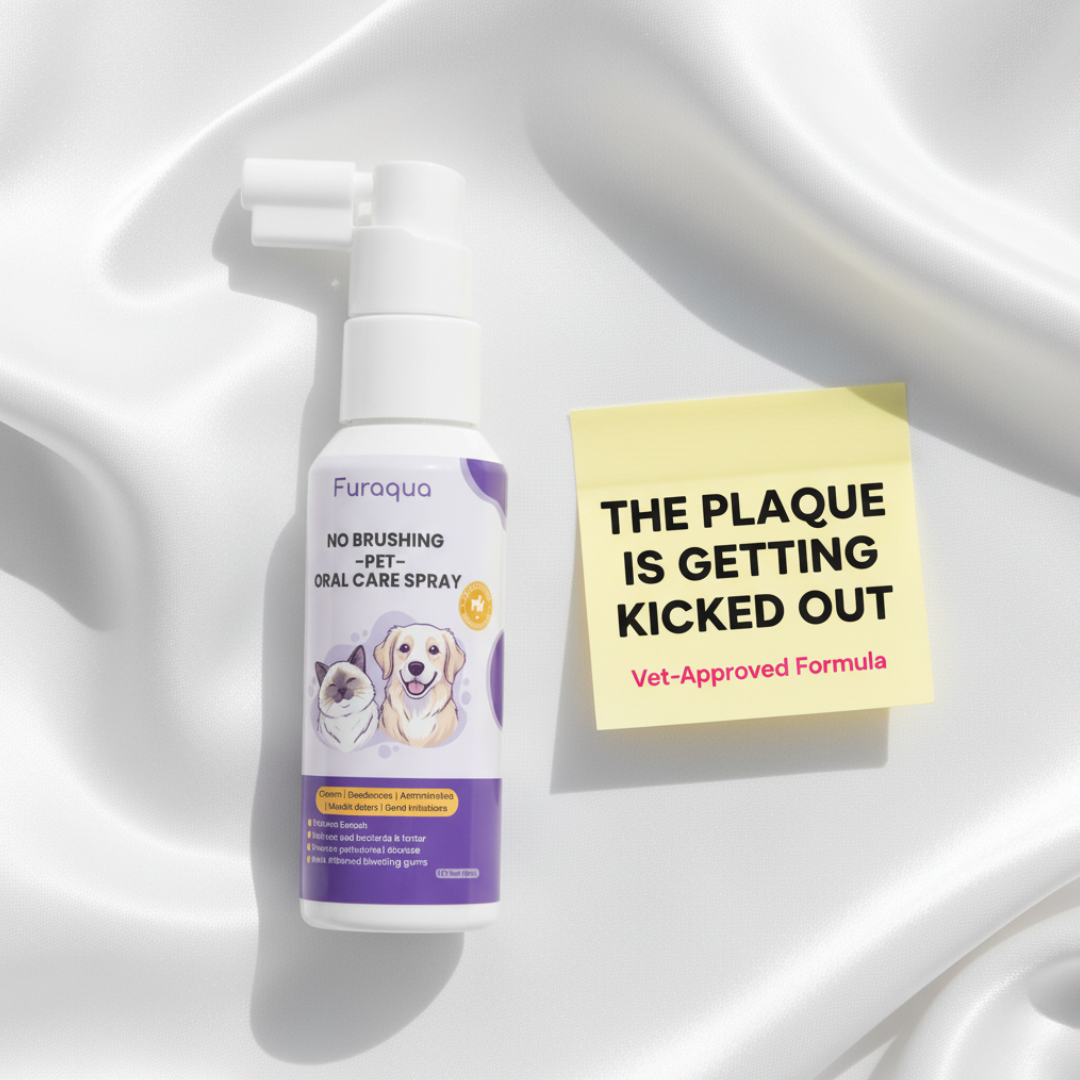
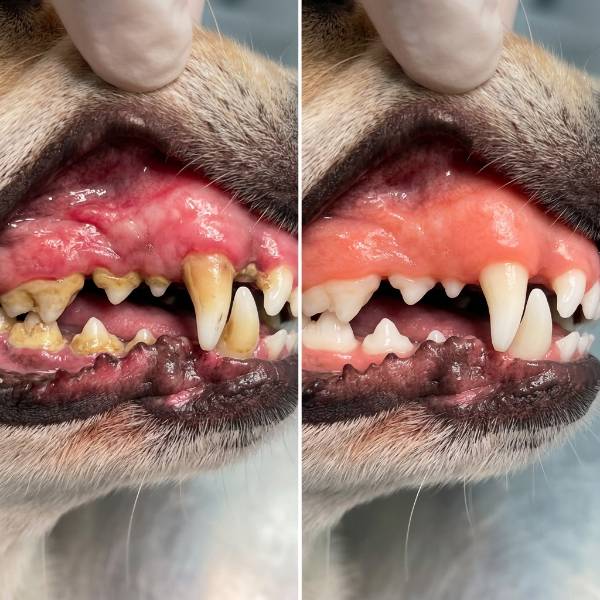
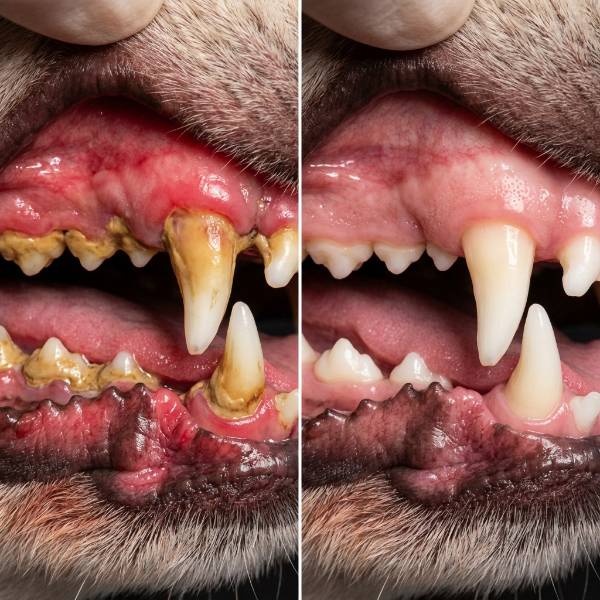
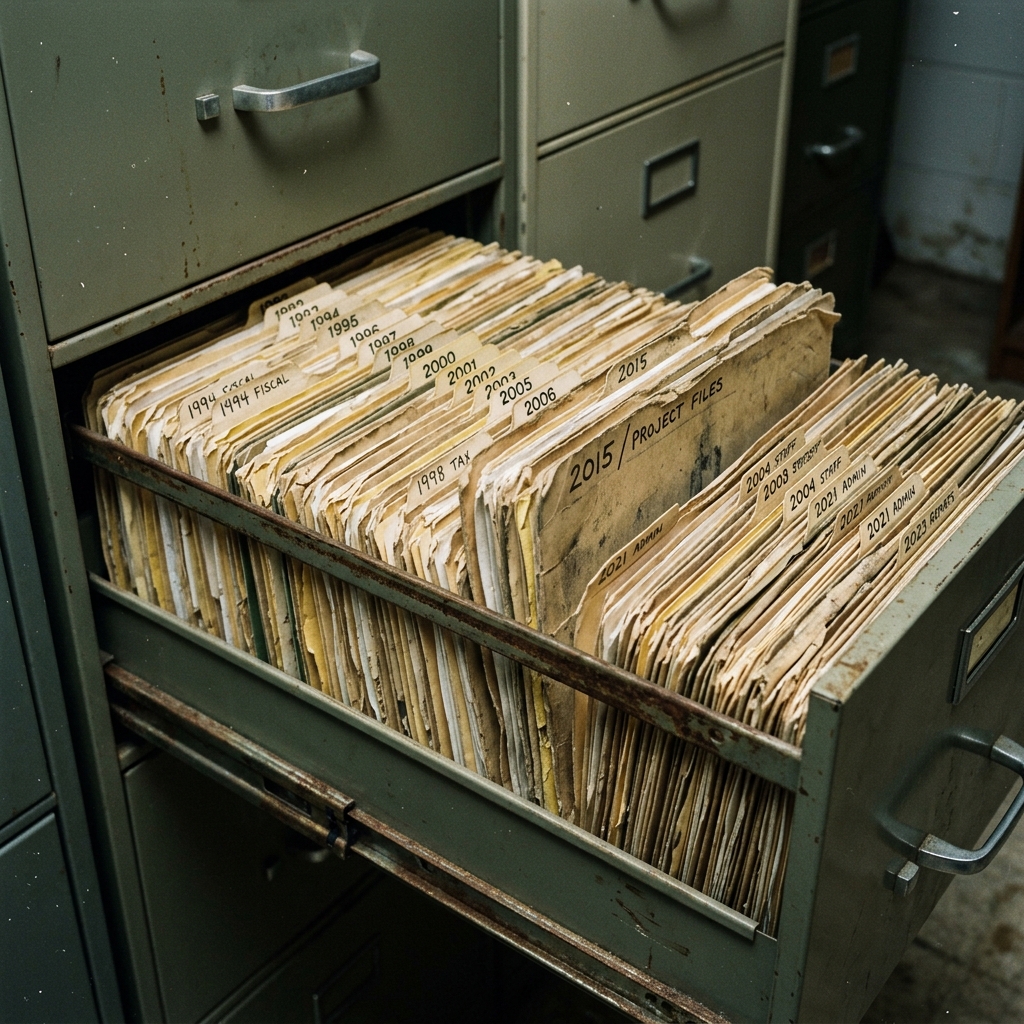
In 1994, a peer-reviewed study in the Journal of Veterinary Dentistry revealed something the pet dental industry has never wanted you to see. The finding was simple. And devastating. After a professional dental cleaning under anesthesia, bacteria recolonize below your dog's gumline within 48 to 72 hours. Three days. That is how long a $1,400 cleaning actually lasts at the bacterial level. The protocol exposed in that study has not changed in 30 years. Here is the timeline of who knew, when they knew it, and what they did with it. 1992. Veterinary researchers confirm that 80 percent of dogs over three years old have active periodontal disease. The standard recommendation: professional cleanings under general anesthesia, repeated every 12 to 18 months. Average cost per cleaning: $800 to $1,800. 1994. The recolonization study publishes. Researchers document that subgingival bacteria, the specific pathogens living below the gumline, rebuild their colony structure in as few as 48 hours after a full anesthetic cleaning. The study names the mechanism: bacterial biofilm. A microscopic fortress that reforms faster than any cleaning schedule can address. The industry response: silence. 1996. A follow-up paper reaches veterinary industry executives. Internal review documents circulate among three of the five largest pet dental product manufacturers. The recommendation inside those documents: investigate enzymatic disruption of the biofilm cycle. No product is released. 1999. Patent filings appear for enzymatic oral formulas targeting subgingival bacterial biofilm in companion animals. Two of these patents are acquired by companies already selling dental chews. Neither patent is developed into a consumer product. They bought the solution. Then they shelved it. 2004. The professional cleaning protocol remains unchanged. The dental chew market, led by Greenies and Dentastix, expands to $1.4 billion in annual revenue. These products are marketed as daily dental care. Dogs swallow most chews in 8 to 15 seconds. The chews never contact the back molars where 70 percent of periodontal disease begins. Several formulations contain sugars and starches that actively feed the bacteria they claim to fight. 2012. Water additives enter the market. Tropiclean and similar brands promise plaque reduction through drinking water. Concentration studies later show the active ingredients are diluted to 0.002 percent by the time they reach the mouth. Many dogs refuse to drink the altered water entirely. 2024. The protocol is still the same. Annual or biannual cleanings under anesthesia. The same chews. The same additives. The same $1,400 quotes that make owners cry at the kitchen table at 1am. At every step, someone in this industry knew the cleaning only bought 72 hours. At every step, someone chose recurring revenue over your dog's actual health. So what did the buried research actually prove? The bacteria that cause periodontal disease do not live on the surface of your dog's teeth. They live below the gumline, inside a biofilm structure that functions like a biological shield. Brushing scrapes the surface. Chews bounce off the enamel and slide down the throat. Water additives wash past without penetrating. None of them reach the biofilm. None of them were designed to. And the bacteria inside that biofilm do not stay in the mouth. Every time your dog eats, chews a toy, or gnaws on a bone, those periodontal pathogens enter the bloodstream. They travel to the heart valves. The kidneys. The liver. An 8,500 dog longitudinal study found untreated subgingival bacterial disease correlates with a lifespan reduction of 6.8 years. This is not a breath problem. It is a systemic disease hidden below the gumline. Dr. Sarah Mitchell knew none of this when her own 12 year old Golden Retriever, Bella, was diagnosed with Stage 3 periodontal disease. Mitchell is a board-certified veterinary dental specialist. Fourteen years in practice. Over 3,500 dental procedures performed. And her own dog was declining in front of her. Bella could not safely go under anesthesia. The standard protocol was off the table. So Mitchell did what no one in the industry had publicly done. She pulled the buried research. Eight months of investigation led her to the enzymatic formulas that had been patented and shelved. She built a protocol around Cornell-derived enzymes combined with 0.015 percent hypochlorous acid. A Sub-Gumline Enzyme Protocol designed to penetrate the biofilm, eliminate the bacterial colony underneath, and protect the tissue from recolonization. Three sprays along the gumline. Ten seconds. No anesthesia. No brushing. No fighting. She tested it on Bella first. Within 14 weeks, Bella's gums went from inflamed red to pink. Her breath normalized. Her vet confirmed measurable bacterial reduction of 89 percent below the gumline. Then Mitchell opened it to patients the system had given up on. Jennifer's 11 year old Shepherd was scheduled for surgical extraction of six teeth. After 60 days on the protocol, her vet canceled the surgery. The inflammation had reversed. The teeth were stable. Karen had been paying $1,200 every 14 months for professional cleanings on her Lab, Cooper. After four months, her vet examined Cooper and told her the recurring cleanings were no longer necessary. Karen calculated she had spent $4,800 over four years on cleanings that lasted 72 hours each. Of 25 high-risk patients in Mitchell's initial case series, 23 showed measurable improvement within 60 days. Ninety-two percent of owners reported breath improvement within five days. The industry noticed. Mitchell received cease and desist letters. A supplier cut her off without explanation. The article documenting her findings has been flagged multiple times. If you have tried dental chews, water additives, and brushing and watched your dog's mouth get worse anyway, that was not failure on your part. Those products were never built to reach where the bacteria actually live. You were sold a surface solution for a subgingival problem. Eighty percent of dogs over three have this disease. You did not cause it by skipping the toothbrush. But now you know what the industry buried for 30 years. And you know there is a third option between the $1,400 anesthesia cleaning you cannot afford and the chews that never worked. More than 67,000 dog and cat owners across the US and Canada are now using what Dr. Mitchell built from the research they tried to suppress. The full investigation, including the 48 to 72 hour recolonization data, the exposed patents, and how the Sub-Gumline Enzyme Protocol works, is published at the link below. They had 30 years to tell you this. They chose not to. Now you know. Read the full article before it is flagged again: https://furaqua.com/pages/a1-adv
1994 Study Should Have Ended Recurring Dental Cleanings. It Was Buried.
What the pet dental industry buried.
LEARN MORELike this ad? Make it yours.
Crush rebuilds this exact creative around your product — your brand, your colors, your offer — in about a minute.