
Stopped· since Jun 15, 2026
- 29
- days it ran
- 1
- relaunches
- 3,160
- EU reach
Ad copy
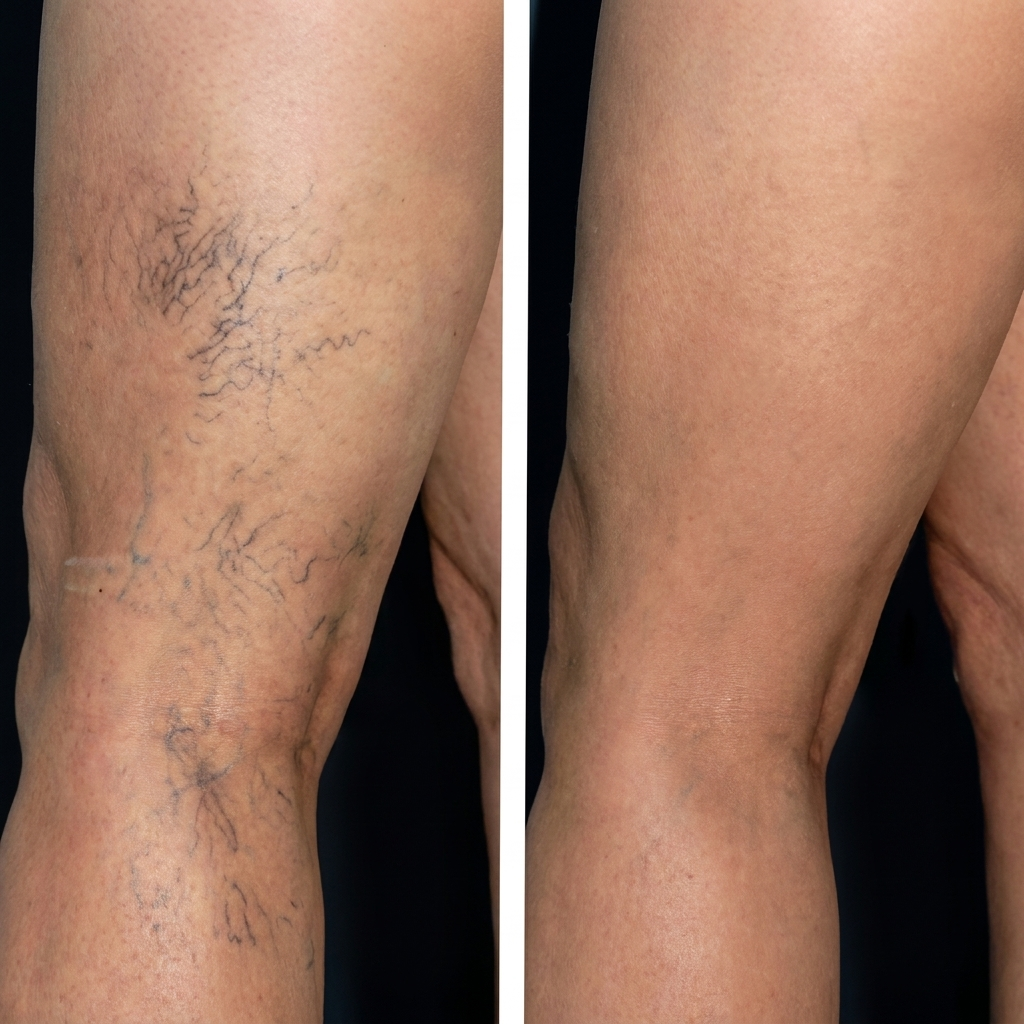
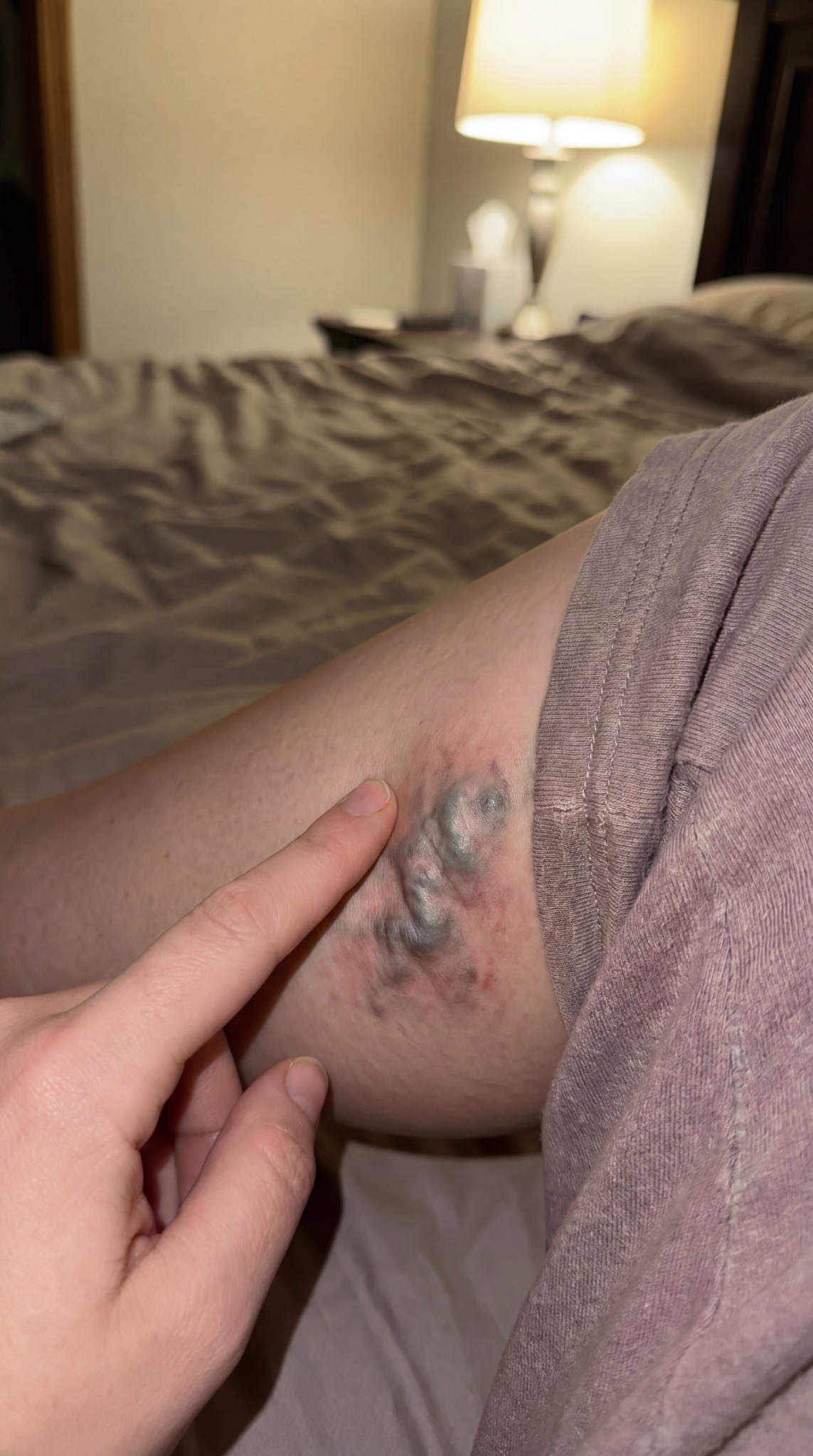
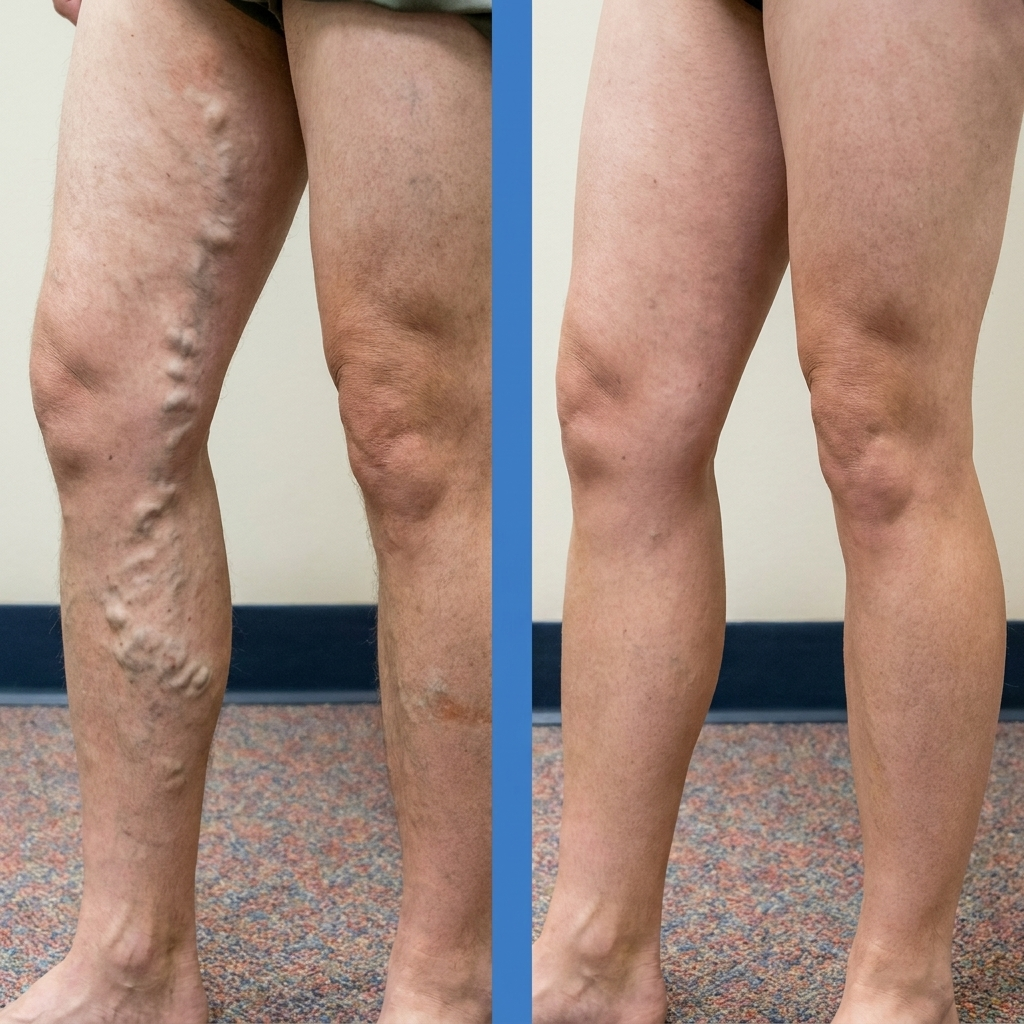
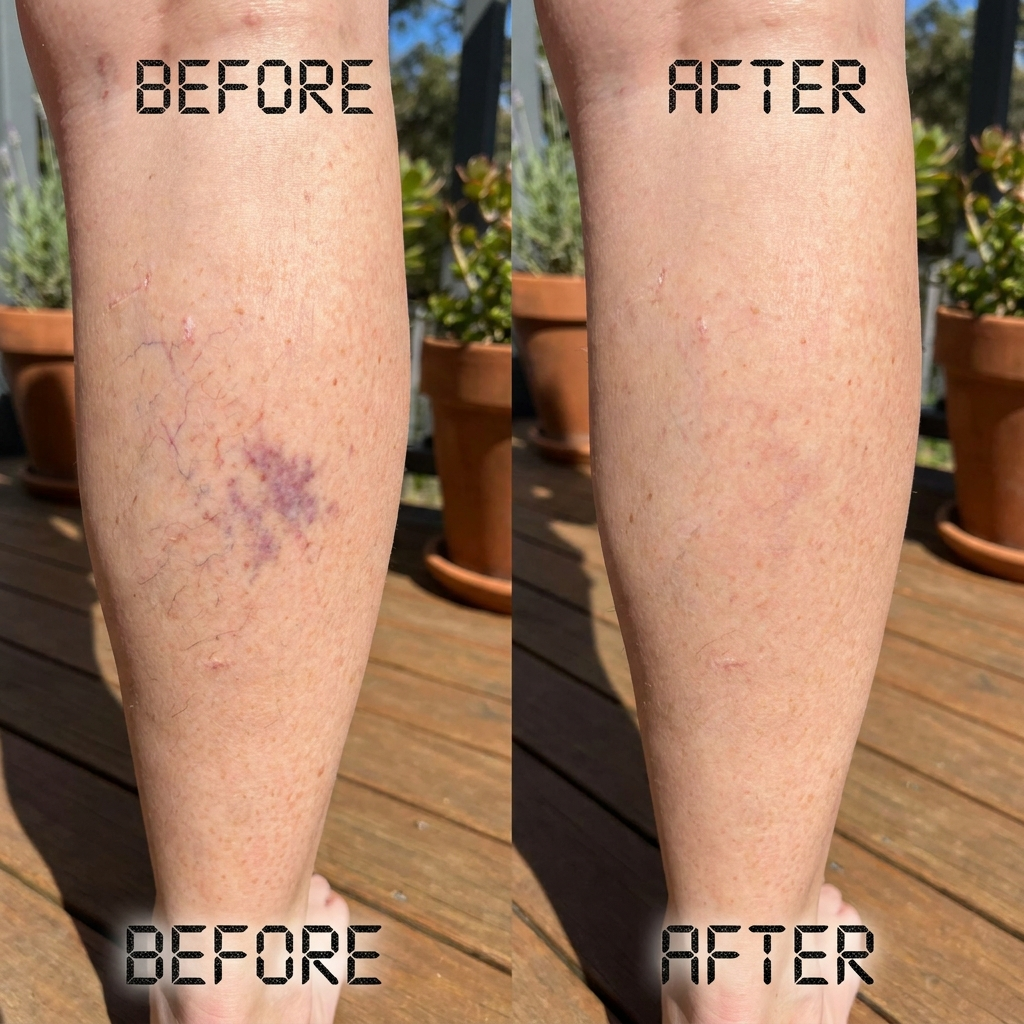
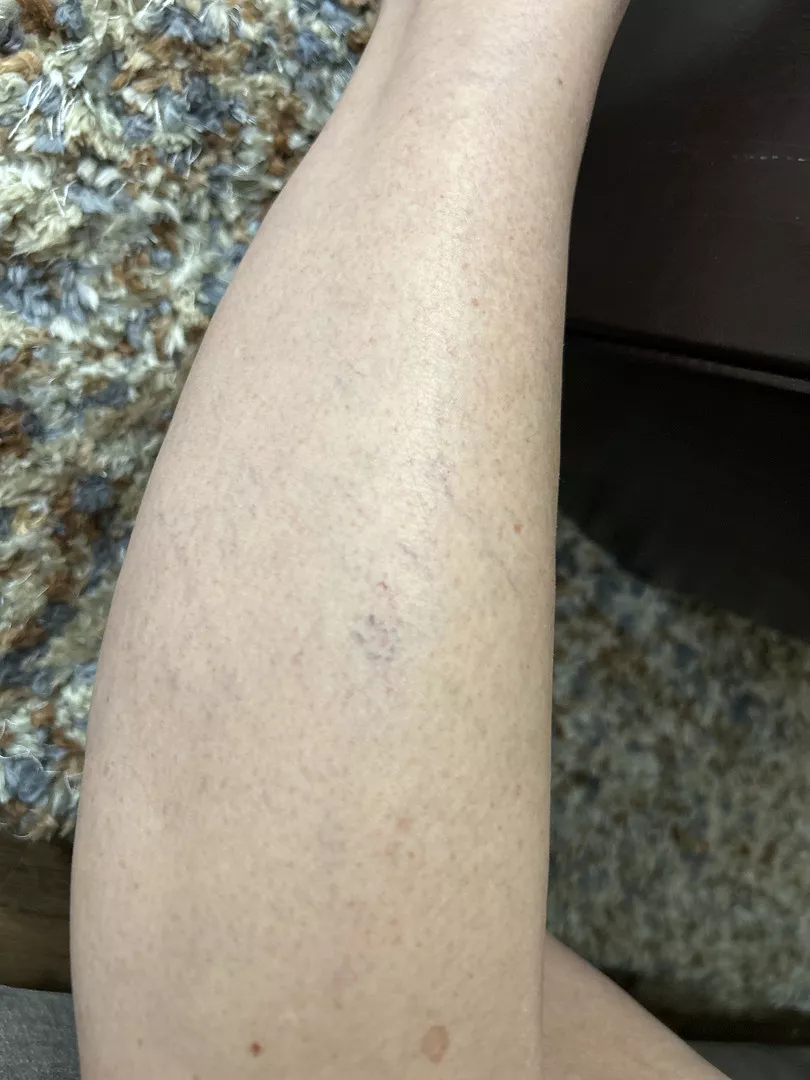
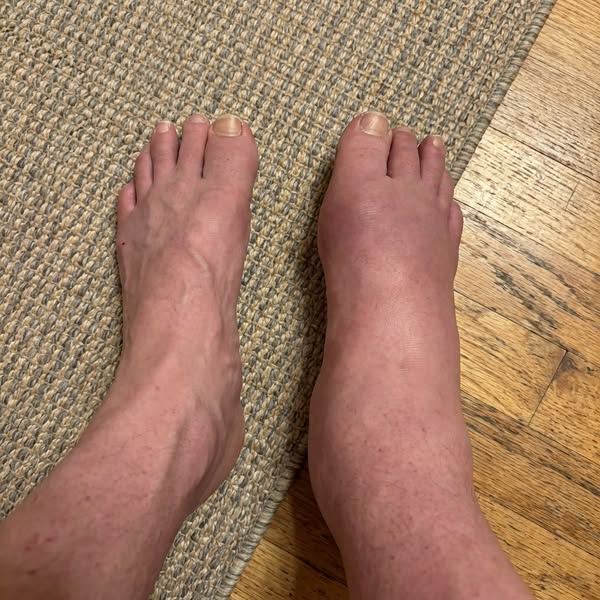
There are three symptoms women with varicose veins almost universally wave off as nothing. Their doctors, most of the time, don't correct them. All three trace back to the same internal mechanism — one that keeps progressing whether or not anyone is paying attention to it. I'm a board-certified vascular medicine specialist, seventeen years in practice. Here are the three signs I never wave off, and the real reason they matter. ⠀ In seventeen years I've noticed something consistent. ⠀ The symptoms I'm about to describe almost never get taken seriously. Not because my patients are careless — they're not. But because these symptoms feel minor. They came on gradually. And honestly, "I'm just getting older" is such an easy explanation. It's available. It requires nothing. It lets you move on with your day. ⠀ I get it. ⠀ But here's the thing. These three symptoms are not minor. They are not aging. They are your body sending you specific, readable warnings about something that is actively progressing inside your veins — and will not stop on its own. ⠀ I'm Dr. James Whitfield. Board certified in vascular medicine. Let me tell you what I see in these three signs that most patients — and honestly, most providers — walk right past. ⠀ Warning sign one: the sock line that doesn't disappear. ⠀ Take your socks off tonight and watch what happens. ⠀ Does the indentation fade in a few minutes? Or does it stay — twenty minutes, thirty minutes, still pressed into your ankle when you go to bed? ⠀ Most women I see assume this is about socks that are too tight. It isn't. ⠀ That persistent sock line is called pitting edema. What it means is that the tissue in your ankle has become so fluid-logged that it can't spring back properly. And the reason the fluid is there is because the chronic venous pressure from your varicose veins has been forcing fluid out of your capillaries into the surrounding tissue — where it has nowhere efficient to go, because the microvascular drainage in that tissue has been quietly compromised by leukotriene-mediated inflammation. ⠀ In plain language: the internal pressure from your veins has been damaging the tissue around them. The sock line is the tissue documenting that damage from outside. ⠀ The internal mechanism driving this is the 5-LOX enzyme producing leukotriene B4. That inflammatory signal impairs the tiny blood vessels feeding the tissue around your veins. The cells become oxygen-starved. The fluid builds up. The sock line stays. ⠀ When that cascade gets interrupted — specifically by boswellic acids targeting the 5-LOX enzyme, Angelica Sinensis restoring the microvascular supply, and Comfrey allantoin supporting the cellular repair the improved environment makes possible — the sock line starts to resolve. Not because you bought different socks. Because the tissue is recovering. ⠀ Warning sign two: the ankle that itches and you can't find a rash. ⠀ This one sends women to dermatologists. ⠀ They get moisturizing creams. The itching improves for a while. Then it comes back. The dermatologist says the skin looks fine. The cream gets refilled. The cycle repeats. ⠀ The skin does look fine. That's exactly the point. ⠀ The itching is not coming from the skin surface. It's coming from the nerves inside the tissue underneath — nerves that are sitting in oxygen-starved, inflamed tissue and generating abnormal signals as a result. ⠀ When the cells around your pressurized veins aren't getting adequate blood supply, the nerves embedded in that tissue start to struggle. Itching is one of the earliest distress signals those nerves produce. It's subtle. It's easy to dismiss. But it's not dry skin. It's your pericellular nerves telling you the blood supply to the tissue around your veins has been compromised. ⠀ Moisturizer isn't going to fix that. The same boswellic acid and Angelica Sinensis combination that addresses the sock-line mechanism also addresses this one — because they share the same root cause. Interrupt the 5-LOX cascade, restore the microvascular supply, and the nerves in the improved tissue stop generating the itch signal. ⠀ Warning sign three: the vein that wasn't there six months ago. ⠀ Not a spider vein you hadn't noticed. A new varicose vein. Appearing. Or an existing one that has visibly grown. ⠀ I want you to think about what a new varicose vein actually means. ⠀ It means the internal pressure building from your chronic venous hypertension has found a new pathway. The venous architecture is changing. The mechanism is not stable — it's advancing. ⠀ Here's the part that should concern you: ⠀ If this is happening while you're wearing compression stockings, it tells you the internal mechanism is progressing faster than the external management is compensating. ⠀ Compression squeezes from outside. It helps — genuinely. I still recommend it. But it does nothing about the 5-LOX cascade actively degrading your vein wall integrity and producing the tissue conditions that lead to new varicosities. ⠀ If a new vein appeared while you were faithfully wearing your compression stockings, the stockings were addressing one part of the problem. The other part kept running. ⠀ That other part is the mechanism. The mechanism needs to be addressed directly. ⠀ So here's where we land. ⠀ Three warning signs. All three connected to the same internal process. All three telling you the same thing: the 5-LOX leukotriene cascade is active, the tissue around your veins is being progressively damaged, and external management alone is not enough to slow it. ⠀ The four-compound intervention that addresses the mechanism: ⠀ Boswellic acids — specific 5-LOX enzyme inhibition, targeted at the exact step driving the cascade. Angelica Sinensis — microvascular restoration, returning oxygen supply to the tissue the inflammation has been starving. Comfrey allantoin — cellular repair support, helping the tissue rebuild in the improved environment. Peppermint — immediate relief while the slower compounds do their slower work. ⠀ All four in Senzio Miracle Balm. Massaged into both legs for three to four minutes before bed. Topically, so the compounds reach the tissue where the mechanism is running — not diluted through digestion. ⠀ The warning signs are not minor. They are a mechanism speaking. Address the mechanism while the signs are still early enough to matter. ⠀ Right now Senzio Miracle Balm is 50% off with a 60-day money-back guarantee. ⠀ The first warning sign — the sock line — typically starts shifting within three to four weeks. If your symptoms haven't moved in sixty days, every dollar comes back. ⠀ P.S. — The patients who dismiss all three signs: I see them again years later, when the signs aren't dismissible anymore. The wound that won't heal. The severe lipodermatosclerosis. The tissue that has moved past the point where conservative management is the primary approach. The signs were there earlier. They were not minor. They were a mechanism speaking in the only language tissue has. I want you to hear it earlier than most of my patients do. ⠀ P.P.S. — 60-day guarantee. Warning sign one — the sock line — typically improves within three to four weeks of the internal mechanism intervention. The fluid dynamics change as the microvascular function improves. The guarantee covers sixty days. The first warning sign responds first. Then the second. Then the third. All within the guarantee window. Let the warning signs track the response. ⠀ — Dr. James Whitfield Board Certified in Vascular Medicine 17 years in practice
The 3 Warning Signs Your Veins Are Getting Worse
Powered by Comfrey, Angelica Sinensis, Frankincense & Peppermint Oil, this formula supports healthy circulation while easing swelling, heaviness, and throbbing discomfort. With regular use, legs feel lighter, stronger, and more resilient against vein pain.
ORDER NOWLike this ad? Make it yours.
Crush rebuilds this exact creative around your product — your brand, your colors, your offer — in about a minute.