
Stopped· since Jun 15, 2026
- 29
- days it ran
- 0
- relaunches
- 4,553
- EU reach
Ad copy
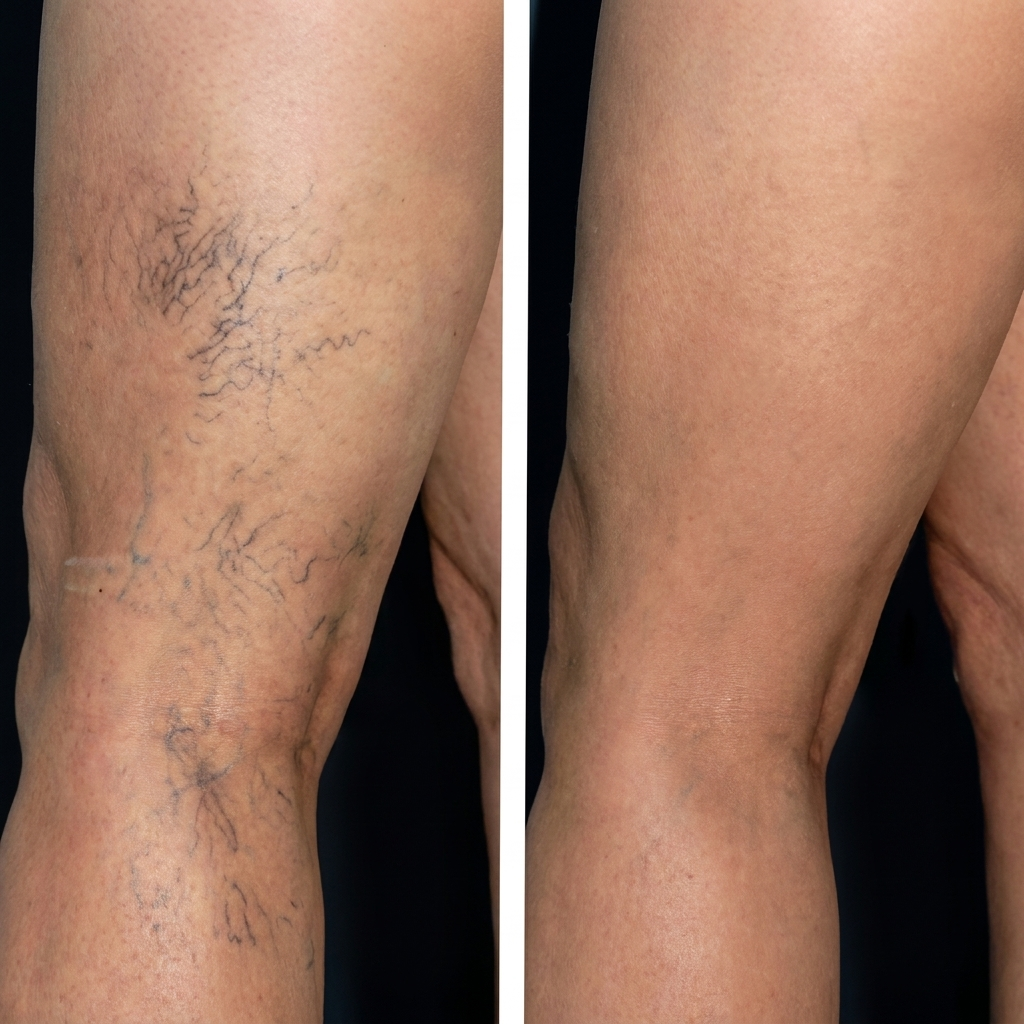
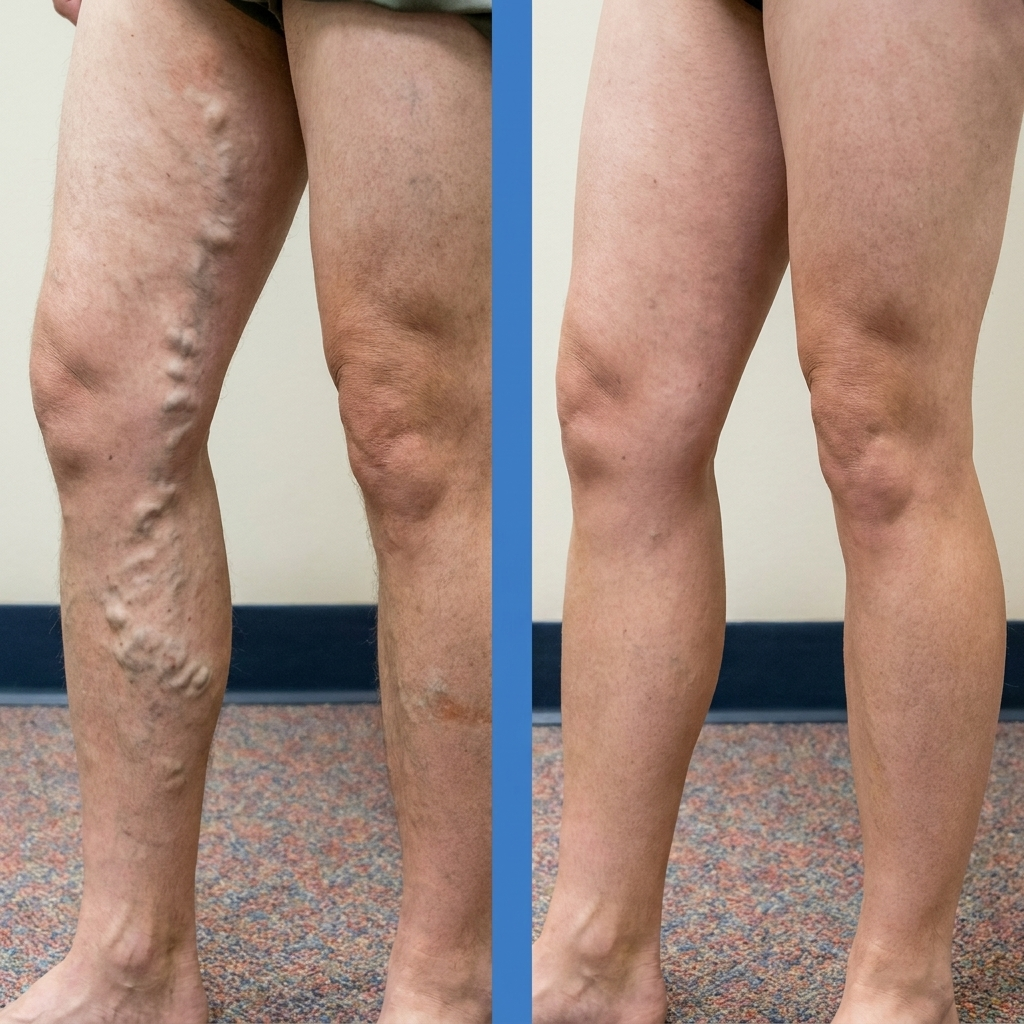
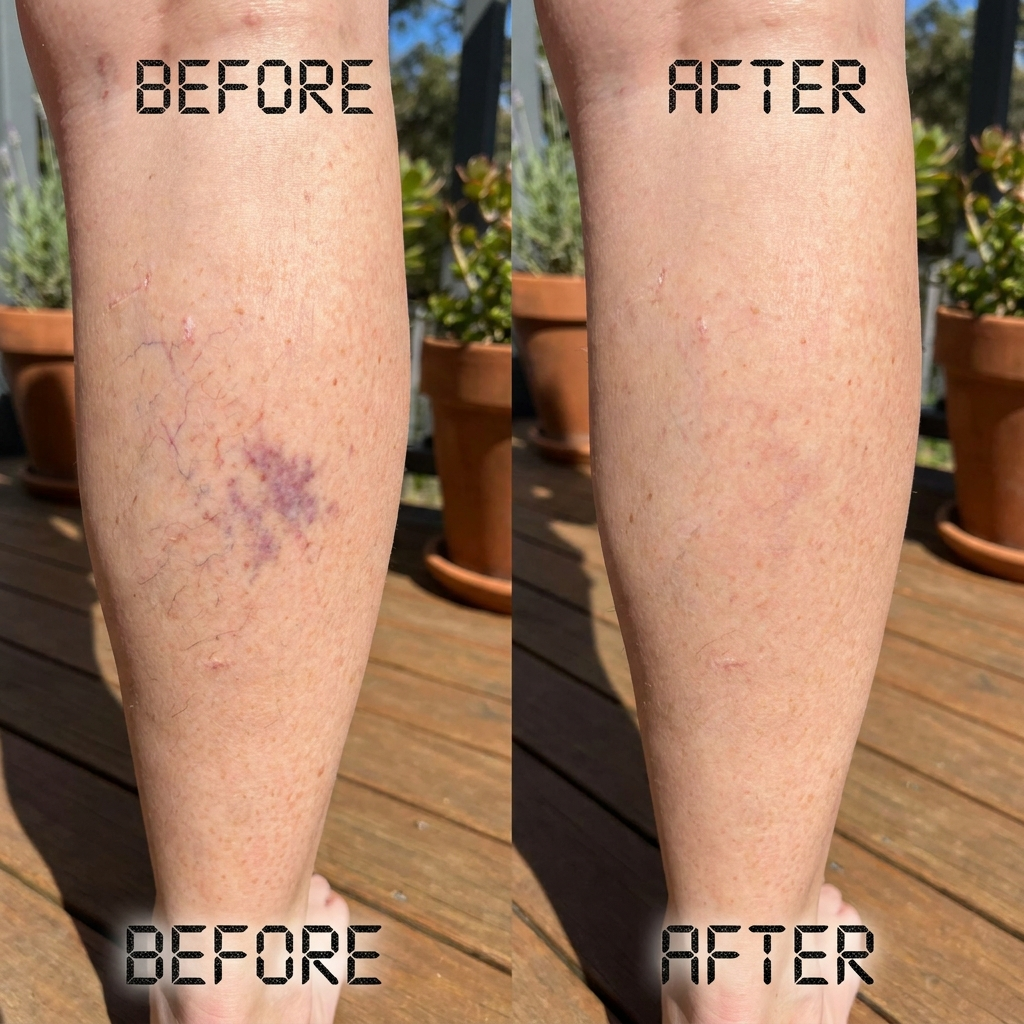
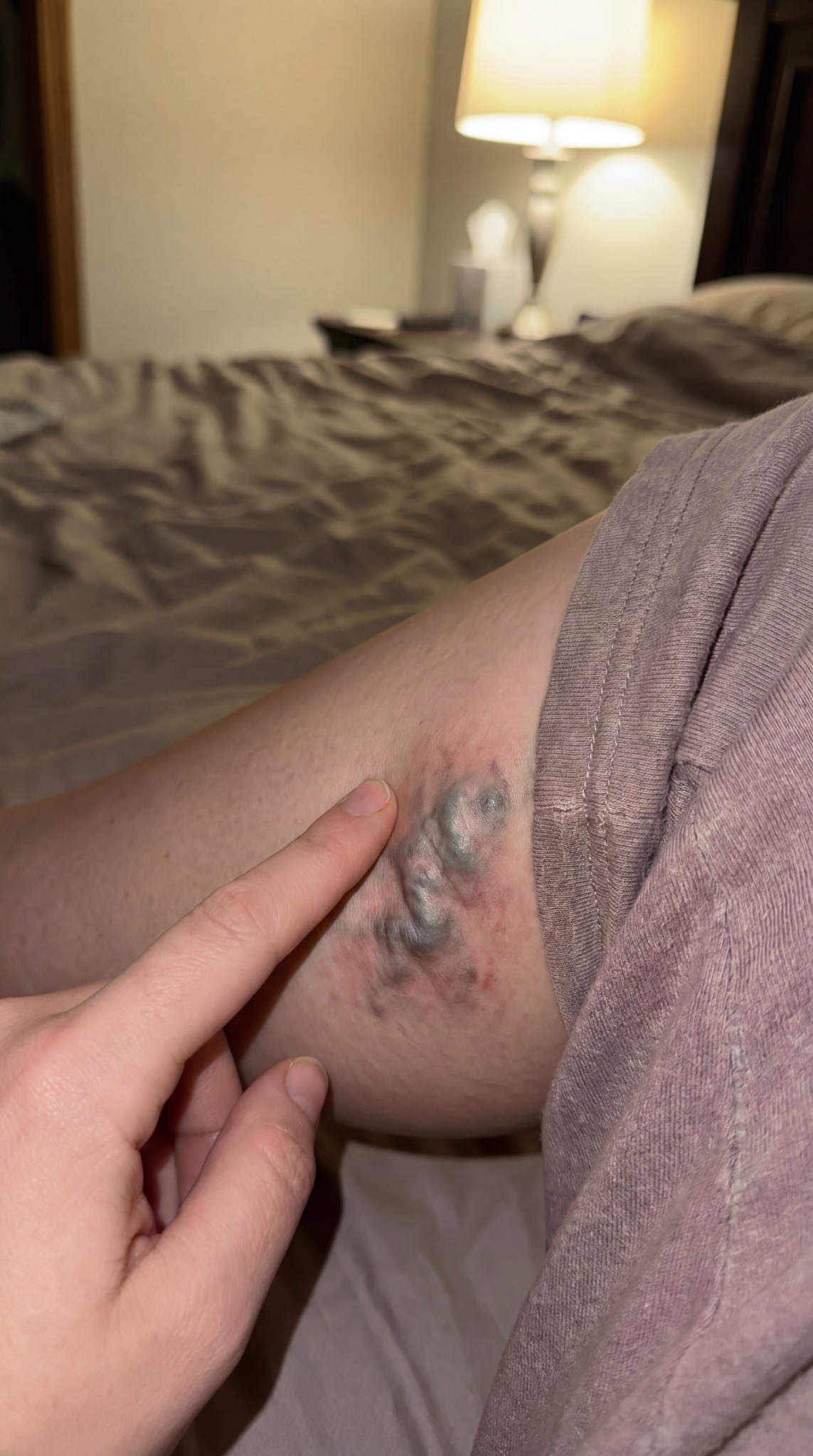
18 months ago, I changed something on my clinical intake form that has shifted the outcomes for forty-two consecutive varicose vein patients in my practice. None of them noticed the change. None of them filled the new question out the way I expected. The change was a single question added between question four and the signature line — and the conversation it opens is the one almost no varicose vein patient has ever had with their provider. ⠀ Every new patient in my practice completes an intake form. ⠀ The varicose vein section has four questions: duration of symptoms, severity of heaviness, presence of skin changes, current management. ⠀ The current management section for varicose vein patients: almost universally, compression stockings. ⠀ Almost universally, partial relief. Almost universally, worsening year over year. ⠀ I have been reading those intake forms for sixteen years. The same management. The same partial relief. The same progressive worsening. The same trajectory documented in boxes on a paper form that has never contained the question I should have been asking. ⠀ The question I should have been asking: what is being done about the internal venous pressure? ⠀ I am Maria Santos, nurse practitioner and clinical director of a primary care practice in Connecticut. I want to tell you what the intake form has never captured and why it matters. ⠀ The intake form documents the surface presentation. Duration of varicose veins. Symptom severity. Skin changes. Current management. ⠀ It does not ask: ⠀ Is the internal venous hypertension being addressed? ⠀ Are the inflammatory mediators breaking down the vein wall collagen and elastin being interrupted? ⠀ Is the peripheral blood flow to the oxygen-starved tissue surrounding the veins being supported? ⠀ Is the cellular repair environment for the vein wall connective tissue being maintained? ⠀ These are the questions that determine whether the condition is being managed or whether it is being addressed. ⠀ The patients who arrive in my practice with years of compression stockings and partial relief and progressive worsening have almost universally been answering the surface questions correctly. They have been wearing the stockings consistently. They have been elevating their legs. They have been monitoring their symptoms. ⠀ None of them have been answering the internal questions. ⠀ Most of them have not been asked the internal questions. ⠀ I did not ask the internal questions for sixteen years because I did not know the internal questions existed. ⠀ I added a fifth question to my intake form eighteen months ago. ⠀ The question: are you using any topical preparations besides compression for your venous symptoms? ⠀ The question is not there because I expect patients to answer yes. It is there to create the conversation where I tell them what the internal questions are and what the answers to them look like in practice. ⠀ The conversation goes like this. ⠀ The compression stockings address external venous pressure by squeezing from outside. They are doing something real and useful. They are not addressing the internal venous hypertension — the sustained pressure building inside the vein walls from pooled blood through inadequate valves. ⠀ That internal pressure is an active damage cycle. It breaks down the elastin and collagen in the vein walls. It backs up into the surrounding tissue, starving the cells around the veins of oxygen. It irritates the nerves in the calves and ankles. The heaviness, the burning, the nighttime restlessness — all of it driven by internal pressure that the external compression manages the consequences of without touching the source. ⠀ There is a topical botanical formula that specifically targets the internal mechanism. ⠀ Angelica Sinensis improves blood flow to the oxygen-starved pericellular tissue. Applied directly to the legs where the vascular impairment is, the compounds reach the target tissue through the dermal route. ⠀ Frankincense boswellic acids interrupt the 5-LOX inflammatory pathway that is producing the leukotrienes driving the connective tissue breakdown in the vein walls. This is the inflammatory cascade that is actively degrading the structural integrity of the veins. ⠀ Comfrey allantoin supports the fibroblast-mediated repair of the connective tissue in the improved inflammatory environment. ⠀ Peppermint oil provides immediate circulation stimulation and analgesia through TRPM8 receptor activation. ⠀ Together, in Senzio Miracle Balm, these compounds address the questions the intake form was not asking. ⠀ In eighteen months of adding the conversation to my intake process, I have had forty-two patients begin the formula alongside their existing management. ⠀ The pattern of response is consistent. ⠀ Week one: late-afternoon and evening symptom improvement. The tissue hypoxia is beginning to resolve. The nerve irritation from oxygen-starved pressurized tissue begins to quiet. ⠀ Week two: nighttime symptom improvement. The 3 AM restlessness that is the most disruptive chronic symptom of venous hypertension reduces. ⠀ Week three to four: daytime activity capacity improvement. Patients report returning to activities that had been restricted. ⠀ Month two: visible vein changes beginning. The inflammatory edema and tissue changes around the varicose veins begin to resolve as the inflammatory mechanism is addressed. The veins become less prominent. ⠀ I have not changed my compression stocking recommendation. I have added the internal mechanism conversation. The combination of external compression and internal mechanism intervention produces outcomes that external compression alone was not producing in sixteen years of practice. ⠀ The intake form now has five questions. ⠀ The fifth question is the most important one. ⠀ It is the one that opens the conversation about the inside. ⠀ Right now Senzio Miracle Balm is 50% off with a 60-day money-back guarantee. ⠀ Three to four minutes massaged into both legs before bed. The first response shows in week one and two — heaviness lifting, nighttime restlessness reducing. The visible changes build over the following weeks. ⠀ If your symptoms have not shifted in those sixty days, every dollar comes back. ⠀ The cost of the jar is a fraction of the cost of the cumulative compression stockings you will replace over the next ten years if the internal mechanism continues running unaddressed. ⠀ P.S. — A patient who completed the intake form six months ago wrote in the current management section: "Compression stockings, leg elevation, cooling cream, aspirin, prayer." The prayer is listed there sincerely and practically. She had been managing for five years and had arrived at prayer as a reasonable addition to the protocol. After the conversation at her intake appointment, she started the formula. At her three-month follow-up she said: "I still pray. But now I'm also doing something about the inside." She said it without irony. Both things can be true. ⠀ P.P.S. — 60-day guarantee. My practice informs patients about the guarantee when I make the recommendation. Forty-two patients started the formula. None have used the guarantee. The mechanism responds in the first two weeks for the vast majority of patients. The guarantee is there for the patients who need the protection before they can begin. It provides what it promises. ⠀ — Maria Santos, FNP-BC Family Nurse Practitioner Clinical Director, Primary Care
The Missing Question Behind Worsening Varicose Veins
Powered by Comfrey, Angelica Sinensis, Frankincense & Peppermint Oil, this formula supports healthy circulation while easing swelling, heaviness, and throbbing discomfort. With regular use, legs feel lighter, stronger, and more resilient against vein pain.
ORDER NOWLike this ad? Make it yours.
Crush rebuilds this exact creative around your product — your brand, your colors, your offer — in about a minute.