
Inactive· since Jul 29, 2026
- 10
- days it ran
- 0
- relaunches
- 336
- EU reach
Ad copy
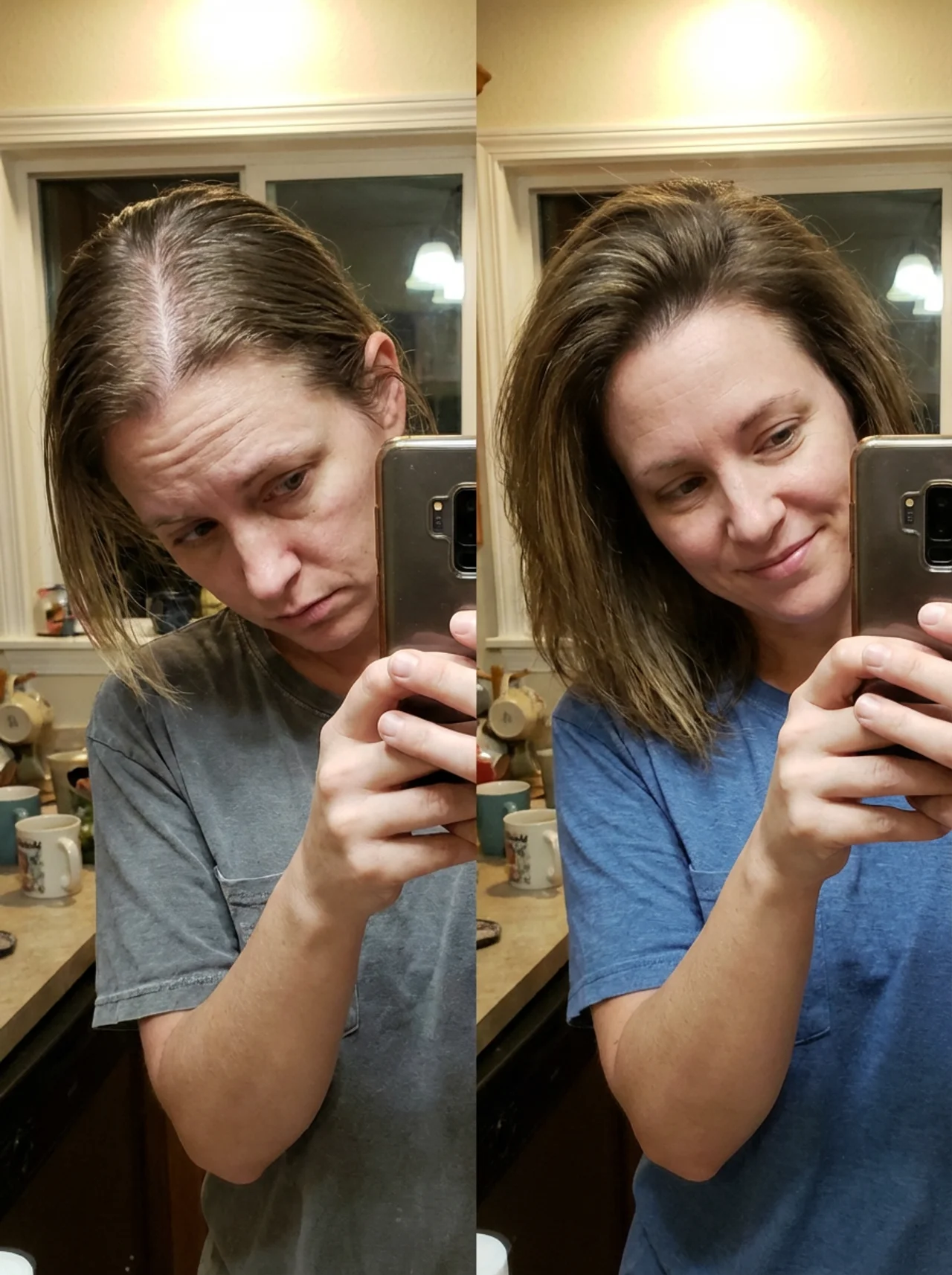
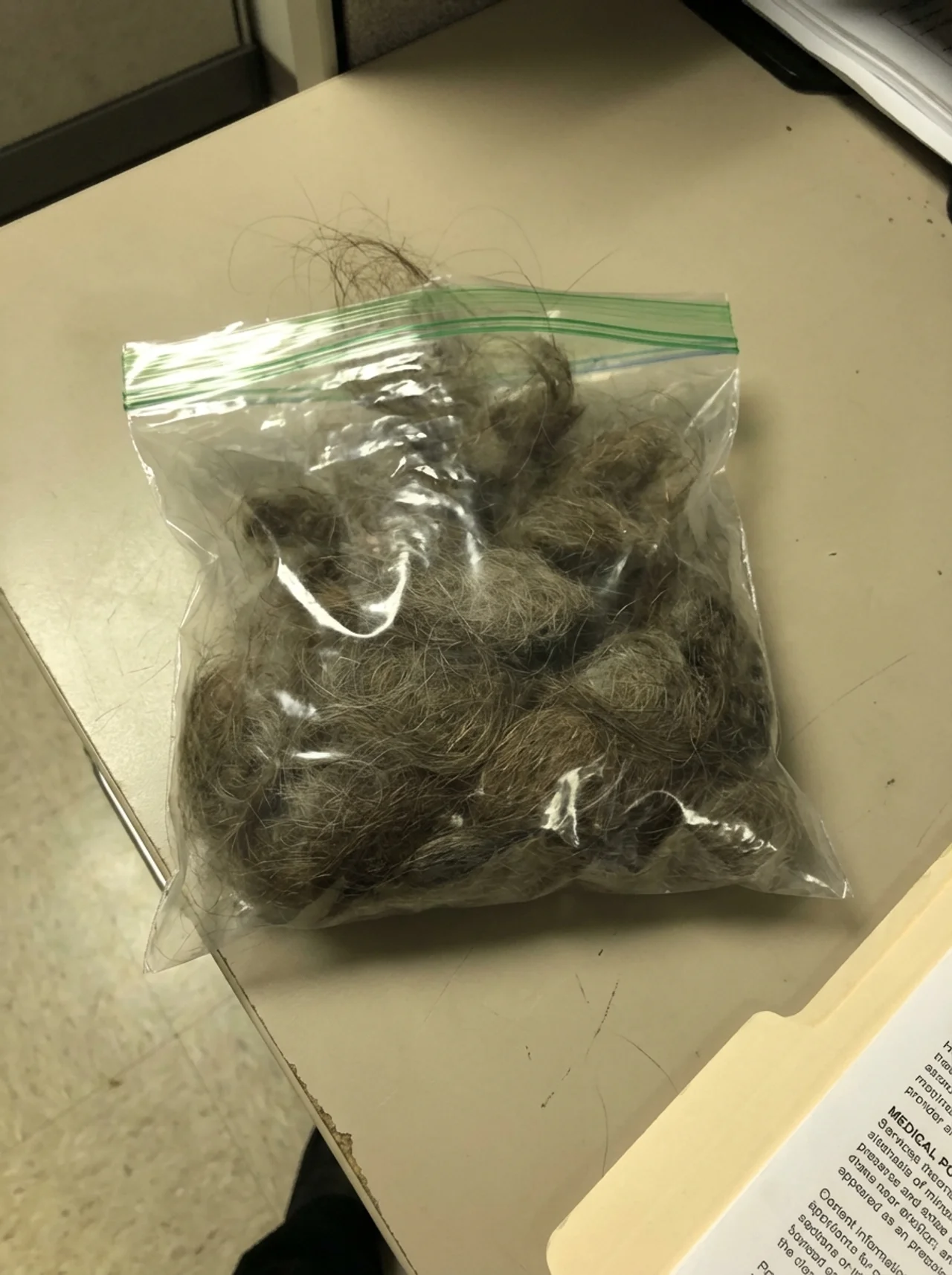
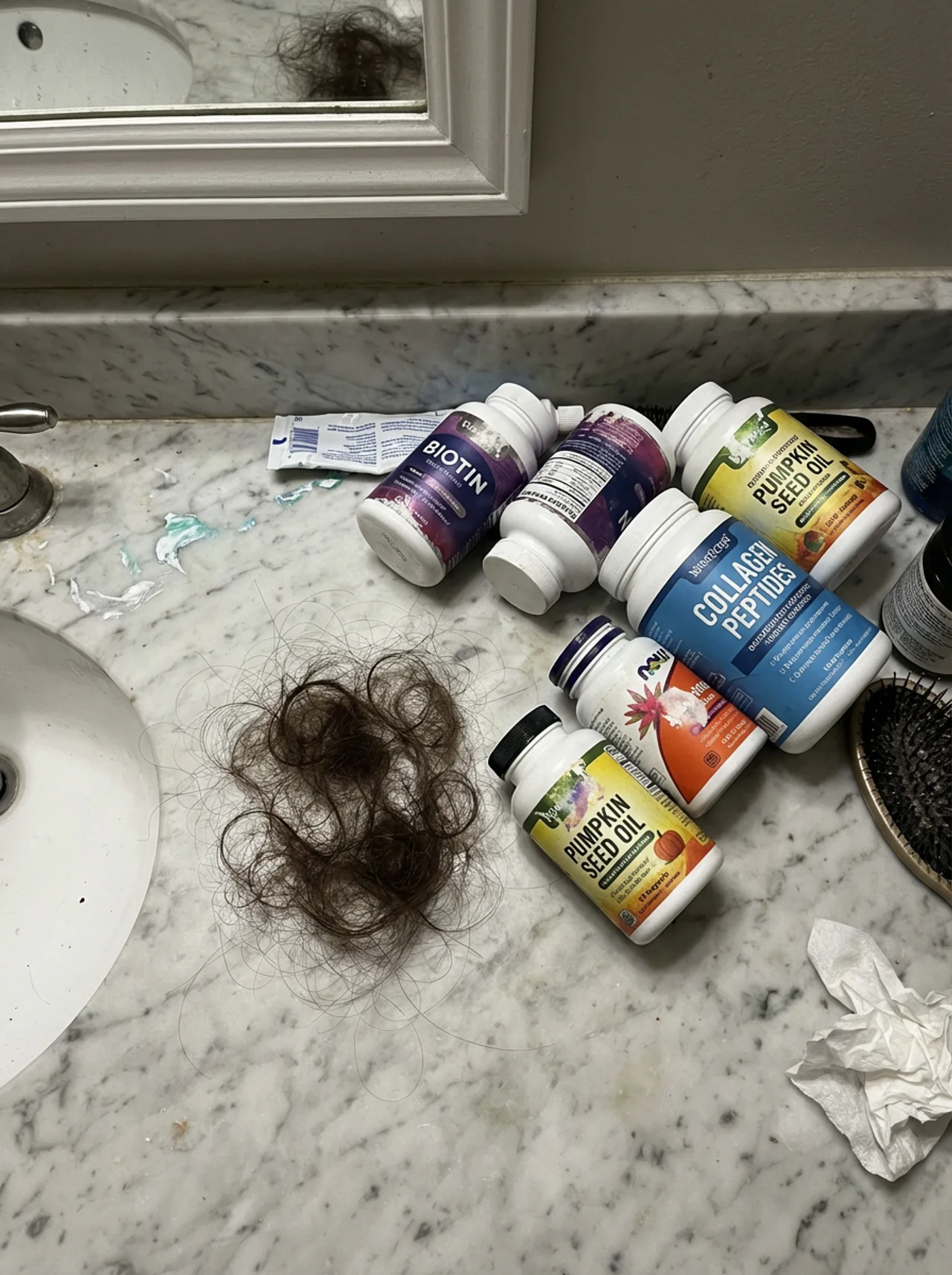
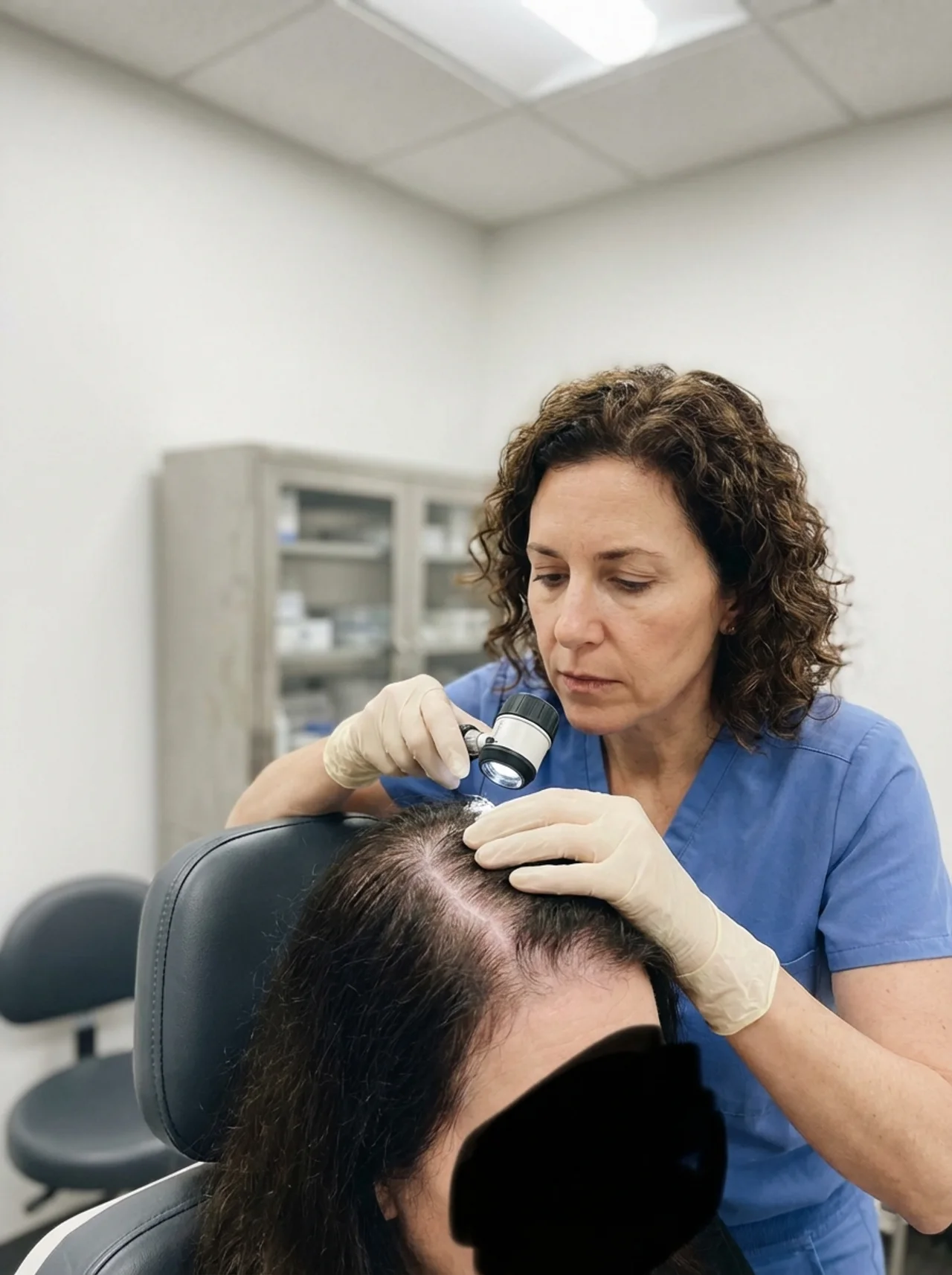
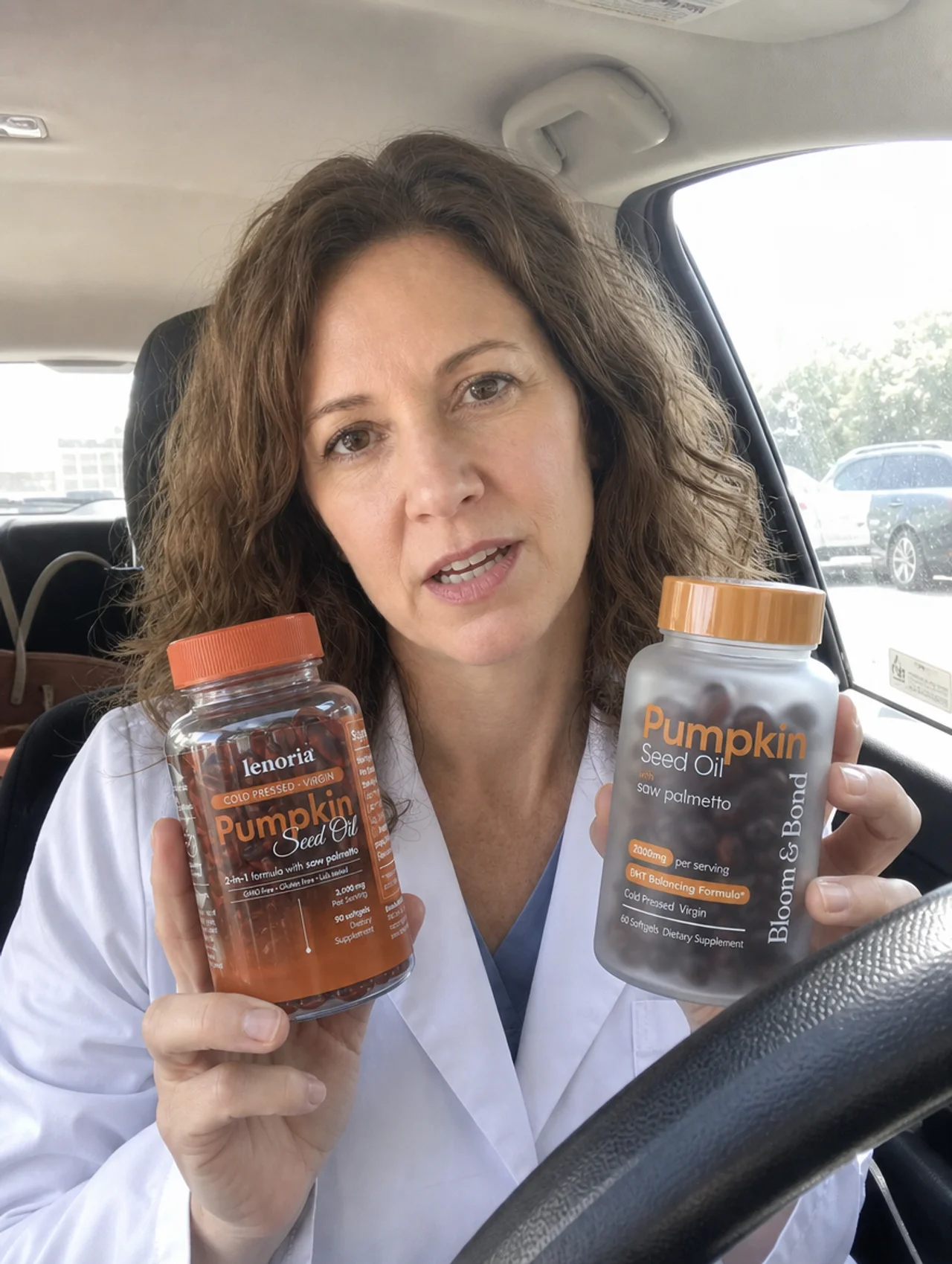
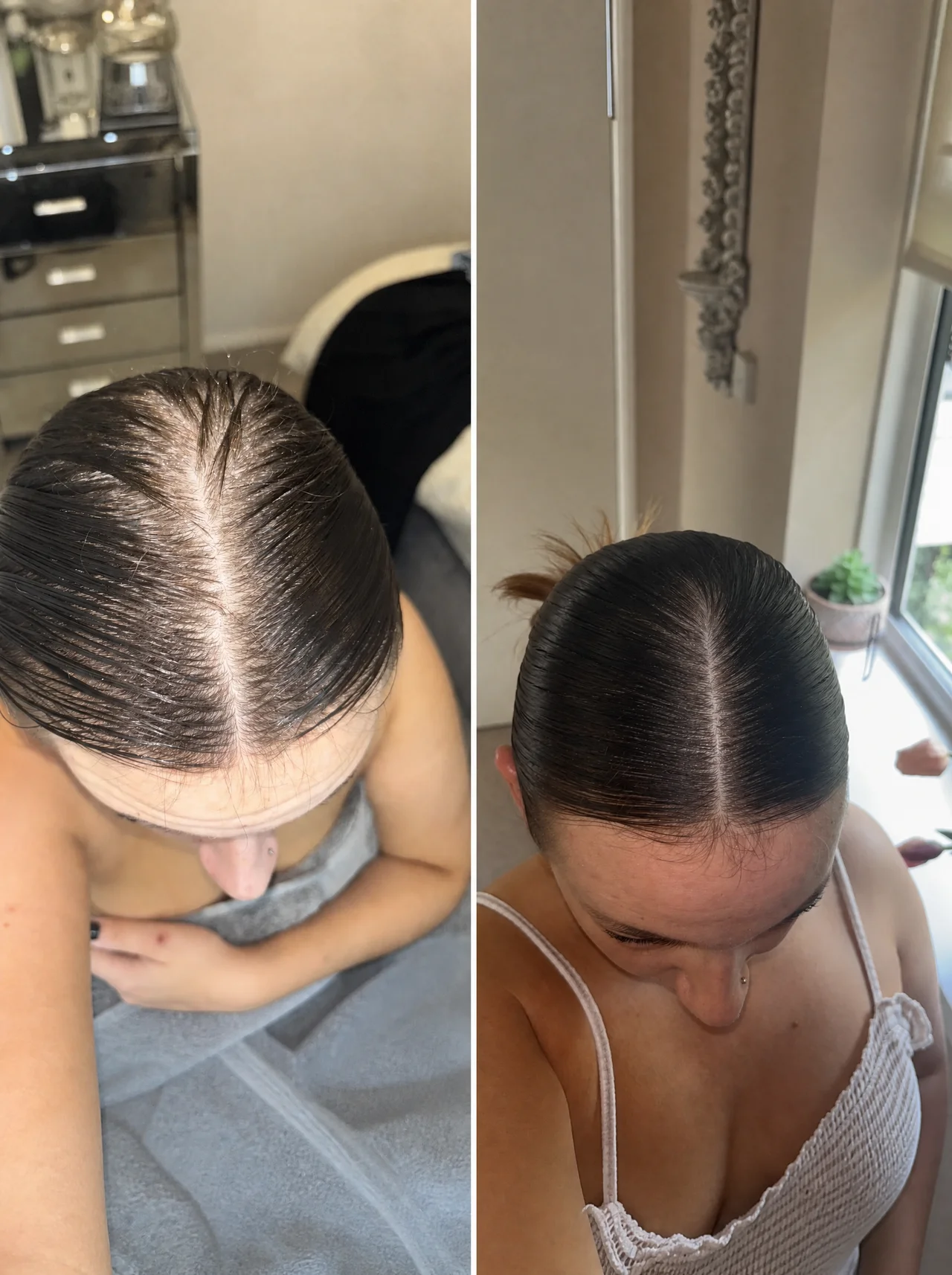
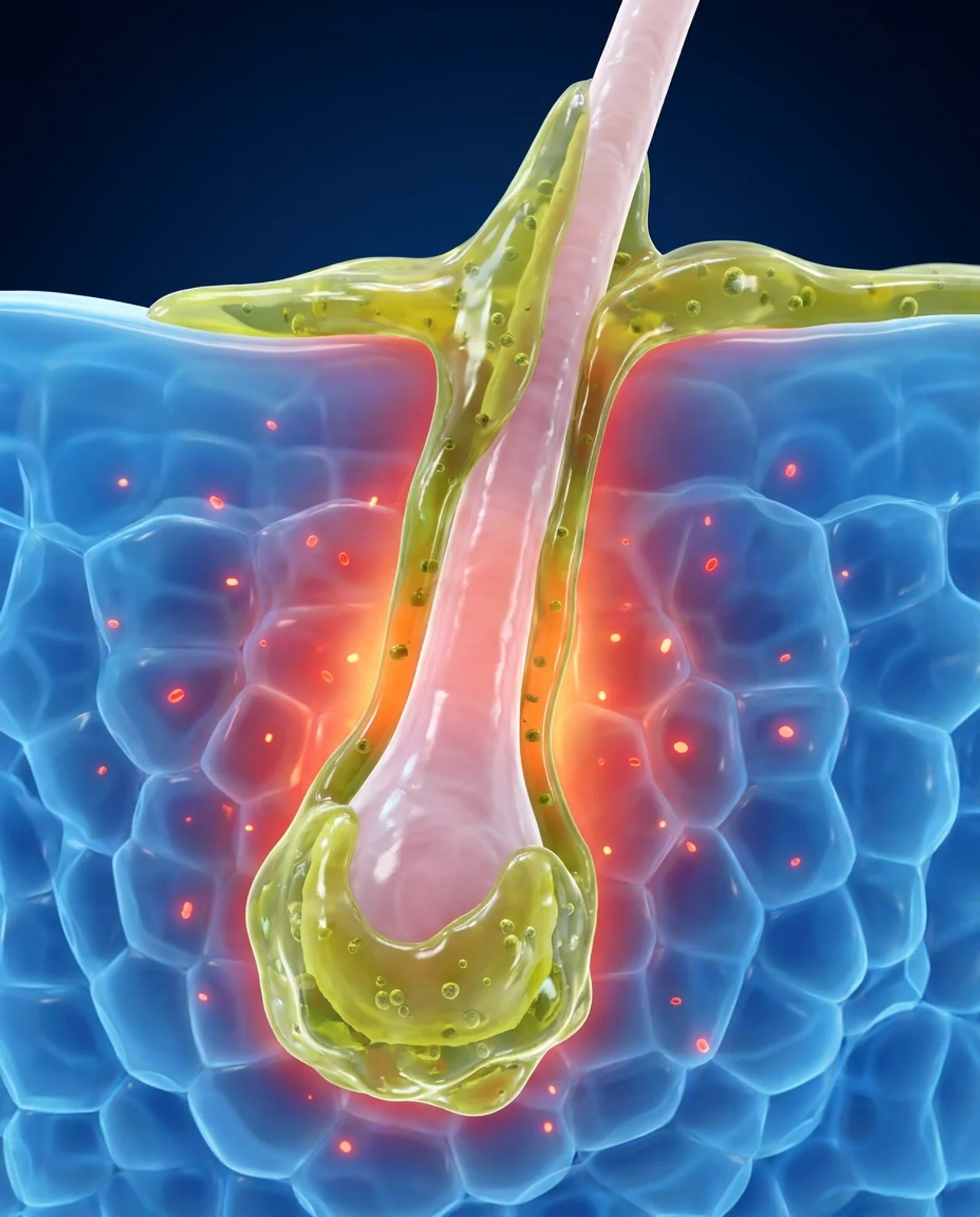
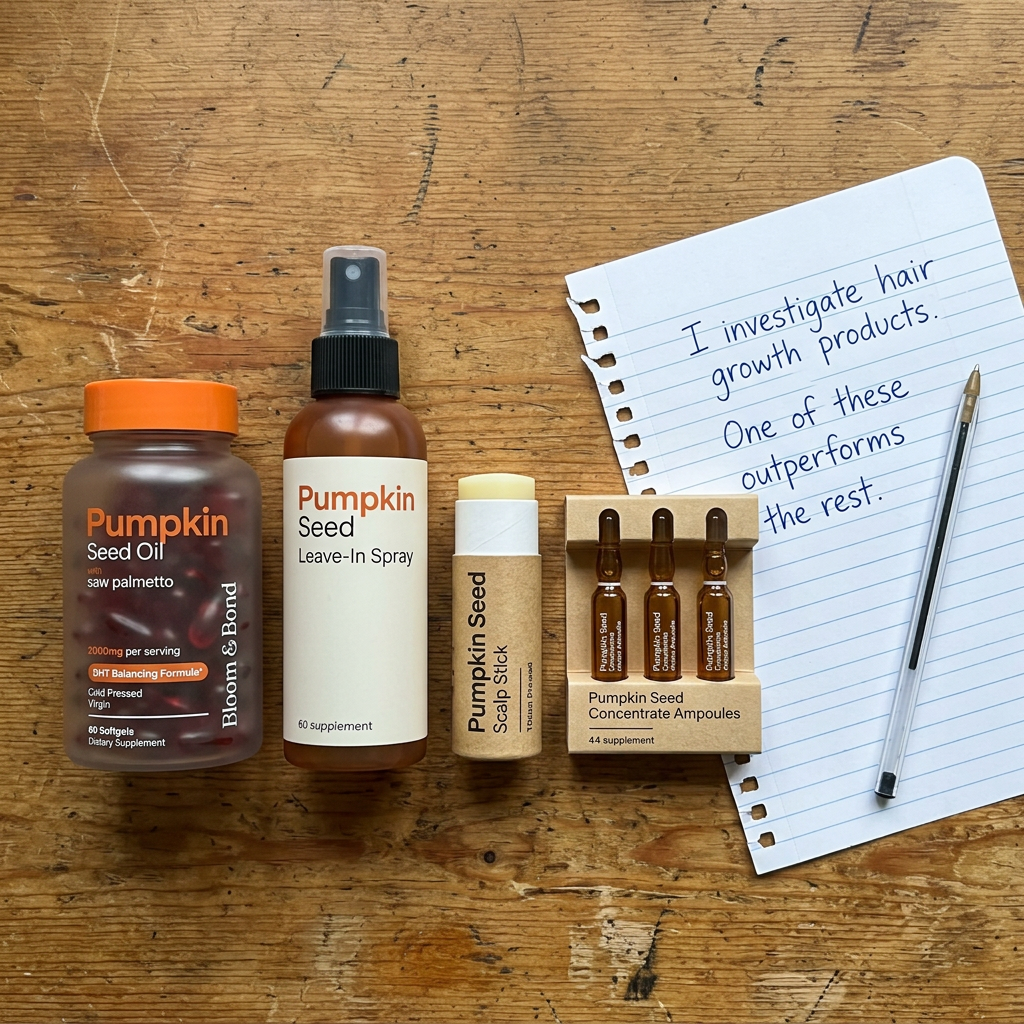
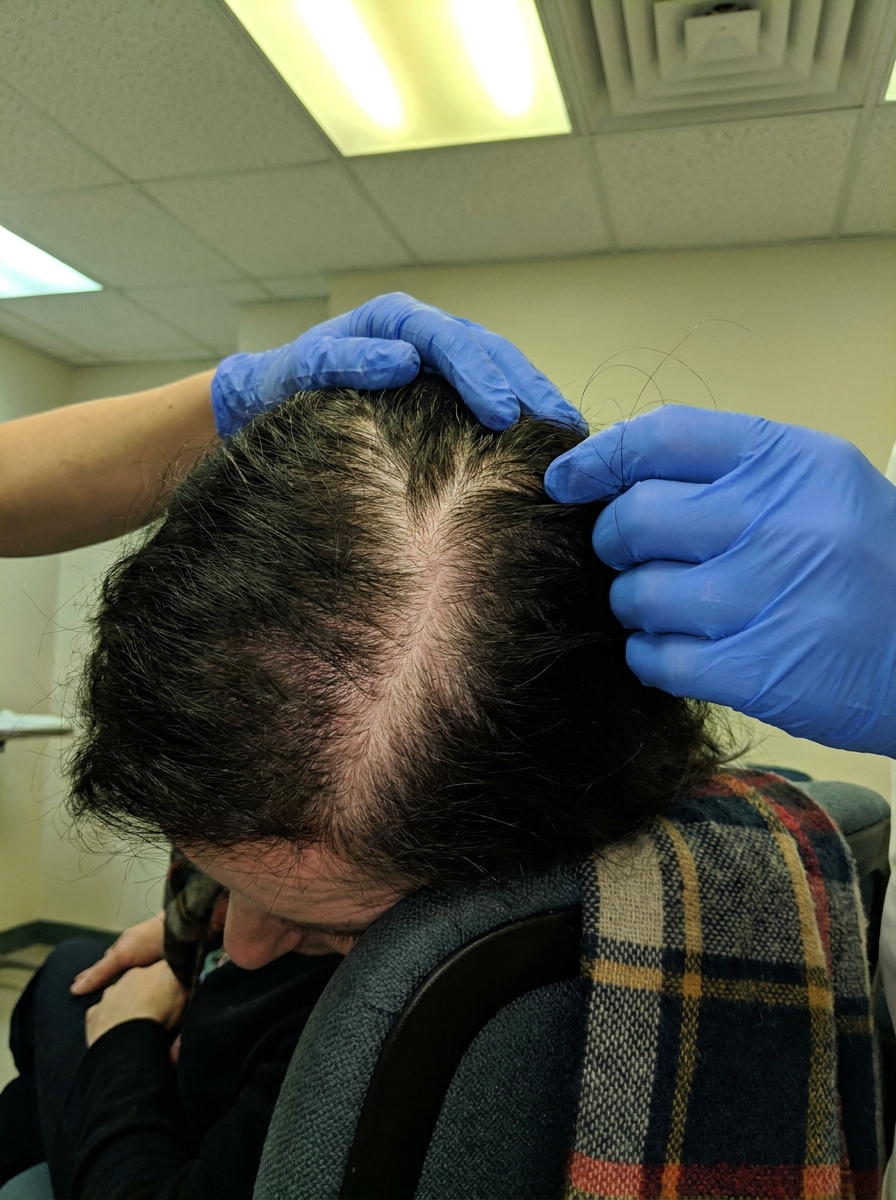
52.2% of postmenopausal women develop female pattern hair loss. Hi, my name is Dr. Patricia Sullivan, and although I've specialized in women's hair loss for over 14 years, I still don’t understand why no doctor talks about this. That's not a rare complication; that's the majority. Nearly 30 million women in the US alone are living with it right now, and 60% of them say it's taken a direct hit on their self-esteem, even though almost none of them were ever told why it was actually happening to their body. That's why I want to walk you through three things. What's the real root cause of menopausal hair thinning that most doctors never explain? Why do biotin, minoxidil, and even HRT so often fail to stop it? And which of the five most talked-about DHT-blocking solutions right now actually addresses it? I'll also tell you which one my patients and I have found delivers the most consistent results, and why. So let's get into it. So what's the real root cause of hair thinning during menopause? You've probably heard the word "hormones" thrown around as the explanation. That's true, but it's incomplete, and the missing piece is the reason nothing you've tried has actually worked long term. Here's what most doctors don't walk you through. Estrogen does something most women are never told: it keeps a hormone called DHT in check at the follicle. When estrogen drops during menopause, that check disappears, and DHT binds directly to receptors at the base of your hair follicles. Think of it like a clamp slowly tightening around the root, cycle after cycle. It doesn't rip your hair out all at once. It chokes the follicle a little more with every cycle, until the hair growing back is finer, shorter, and eventually stops growing back at all. So here's exactly what happens after estrogen drops: DHT stops being suppressed and starts binding freely to follicle receptors. Hair follicles miniaturize a little more with each growth cycle. Your part widens, your ponytail thins, and you start seeing more scalp, especially when your hair is wet. And that's what causes the shrinking ponytail, the clumps in the shower drain, and the moment you catch yourself in the mirror and don't quite recognize what you're looking at. Now, before going any further, I want to stress something important. This isn't just about vanity, and it isn't just "part of aging." Plenty of women in their 70s and 80s still have full heads of hair. What's actually happening is a hormonal mechanism most doctors don't take the time to explain, which is why the standard advice so often falls flat. So the idea that biotin, minoxidil, or even hormone therapy will automatically fix this on their own isn't quite right, and I understand why women get frustrated. Biotin does very little for hair unless you happen to be one of the small percentage of women who's actually biotin-deficient. For everyone else, it's a reliable way to get stronger nails and not much else, because it does nothing to interrupt DHT. Minoxidil is a vasodilator. It widens blood vessels in the scalp to improve circulation. That's a real, clinically backed mechanism, but it does zero to block DHT from binding at the follicle. That's also why it demands a lifetime commitment. HRT can genuinely help some women, because it's replacing the estrogen that was keeping DHT in check in the first place. But it's a systemic hormone therapy, not a targeted DHT blocker, and I understand why a lot of women I treat won't touch it because of the breast cancer and blood clot risk. That fear is legitimate, and I'm not going to talk anyone out of it. Because solving this requires something more targeted: interrupting DHT at the follicle directly, without going systemic and without the forever-dependency trap of a topical. So below are the five most talked-about DHT-focused options right now, and where each one actually stands. #5: Rogaine Women's 2% Minoxidil Foam Here's what I respect about Rogaine. It's the most clinically studied topical on this list, and for a lot of women it genuinely does slow shedding in the short term. However, as I mentioned, it's a vasodilator, not a DHT blocker, so it's managing symptoms at the scalp surface rather than the receptor itself. Stop using it, and the hair you just spent months regrowing sheds right back out. Verdict: real science, wrong mechanism, and you're locked in forever just to hold your ground. #4: Viviscal Viviscal has strong brand recognition and a marine-protein-based formula (AminoMar) that supports the hair's structural building blocks. Some women do report thicker-feeling strands. But it's not formulated around DHT at all. It's a nutritional-support supplement, not a hormonal one. Verdict: decent for hair quality, doesn't touch the actual cause of menopausal shedding. #3: Nioxin Scalp & Hair System Nioxin's topical system does contain some DHT-blocking ingredients, and cleansing follicle buildup can genuinely help hair look fuller. But it's addressing the scalp surface, not the systemic hormone shift happening as estrogen drops, so the follicle is still under attack everywhere the product doesn't reach. Verdict: a reasonable add-on, not a standalone fix. #2: Nutrafol Nutrafol is probably the most comprehensive multi-ingredient formula on this list, and it does include saw palmetto in the blend, which is the right idea. But because it uses a proprietary blend, the label doesn't have to disclose exactly how much saw palmetto is in each dose. And with several other ingredients competing for space in the same blend, the DHT-relevant compound is very likely underdosed relative to what the research calls for. Verdict: strong overall formula, but the one ingredient that actually matters for DHT is probably too diluted to do its job. #1: Bloom & Bond The reason it tops this list is that it's the only formula here built specifically, and only, around interrupting DHT at two separate points instead of managing symptoms around it. First, cold-pressed pumpkin seed oil. Cold-pressing matters more than people realize here, because the compounds that inhibit 5-alpha-reductase, the enzyme that converts testosterone into DHT in the first place, are heat-sensitive. Refined or heat-processed pumpkin seed oil loses most of them before it ever reaches the capsule. Second, a true lipidosterolic saw palmetto extract, not the diluted berry powder most of the market sells. A 2023 lab study tested 28 commercial saw palmetto products and found only one met the USP purity standard for an authentic lipidosterolic extract. Some tested as low as 0.8% active fatty acid content. This form blocks DHT from binding at the follicle receptor directly, the exact clamp mechanism we talked about earlier. Third, every batch is also third-party tested for purity and potency, so you're not taking my word for the dosing. It's independently verified. On a final note, my patients and I have gone through most of what's on this list looking for something that actually addresses the hormonal shift instead of working around it. And this is the first one where the mechanism, the dosing, and the purity all line up. Verdict: the only supplement on this list that pairs a disclosed, clinically dosed formula with two separate DHT mechanisms instead of one, and it's backed by a 90-day money-back guarantee if you don't see a real difference. Here's the quick recap of why it's my top pick for menopausal hair thinning: ✓ Cold-pressed pumpkin seed oil, inhibits 5-alpha reductase before DHT is even formed ✓ True lipidosterolic saw palmetto extract, blocks DHT at the follicle receptor ✓ Fully disclosed dosing, no proprietary blend hiding the amounts ✓ Third-party tested for purity and potency ✓ No prescription, no bloodwork, no forever-topical trap Plus, Bloom & Bond costs less than $0.98 a day. Less than a coffee, and it comes with the same 90-day window to decide if it's working. If it isn't, you get every dollar back. If your doctor told you it's "just menopause" and left it there, you deserve to know there's an actual mechanism behind what's happening to your hair. And there's something built specifically to address it, for less than a dollar a day. Click the link below, choose the 3-month supply—it’s the one my patients get the most consistent results with—and if you don't see less shedding within 90 days, you get every dollar back. Here's the link: https://thebloomandbond.com/pumpkin-new
Like this ad? Make it yours.
Crush rebuilds this exact creative around your product — your brand, your colors, your offer — in about a minute.