
Active· since Jul 11, 2026
- 64
- days running
- 0
- relaunches
Ad copy
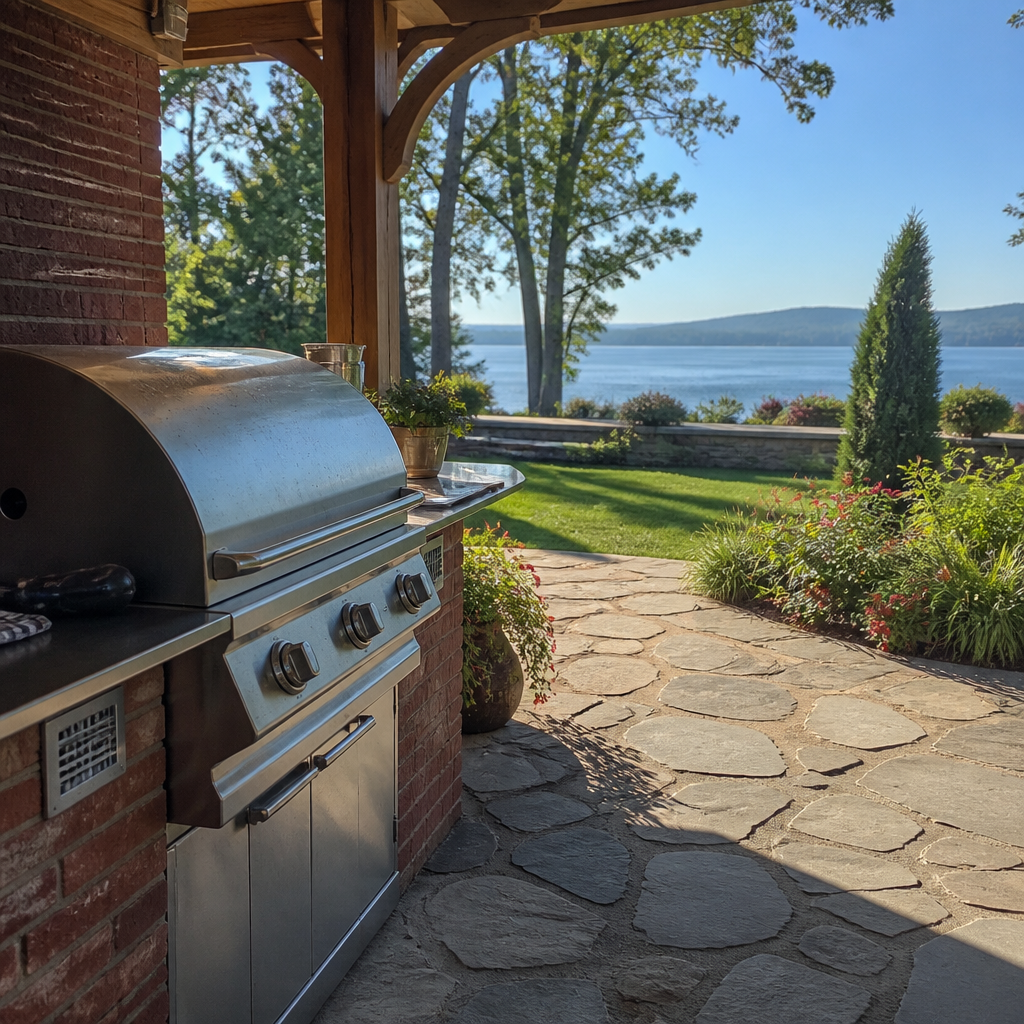
I manage an Airbnb. Last week, I received a message from a guest that brought me to tears. Not a complaint. Not a question about check-in. Not a request for extra towels. A photo. And five words I can't stop thinking about. My wife Sarah and I have been running a five-star vacation rental for the past 4 years. Lake house, sleeps six, wraparound deck, the works. We've hosted hundreds of guests. We've dealt with red wine on white couches, a guy who somehow broke the hammock on the first night, teenagers who thought the fire pit was a trash incinerator. Normal stuff. But about 6 months ago, something started happening that we'd never experienced in four years of hosting. Guests started asking about the kitchen counter. Not the granite. Not the backsplash. Not the coffee maker. The little glass jar next to the water pitcher. See, I keep a small wellness tray on the counter for guests — a filtered water pitcher, a few herbal tea bags, and a glass jar filled with a morning powder. There's a handwritten card next to it that says: "Cortisol cocktail — mix one scoop into a glass of water. For men: supports testosterone-cortisol balance. For the chest that won't respond to anything you try." Most guests try it the way they'd try a complimentary coffee pod or a mint on a pillow. But the checkout reviews started shifting. "My husband wore a fitted shirt to dinner on day two. He hasn't done that in four years." "My husband got in the lake on Saturday without his shirt. I've been trying to get him to swim for three summers." "My husband has had what he calls his 'man boobs problem' for six years. Something changed in his chest by day three. We both saw it and neither of us said a word." One couple — both in their early 60s — rebooked specifically because the husband told his wife he wanted to see if it would keep working. He hadn't taken his shirt off at a pool in six years. He'd been in the lake every morning of that stay. A man extended his stay by two nights. He told me at checkout he'd been doing chest exercises for four years with no result. "Three days here and something is different," he said. "I need more time." Something was happening. Something real. Then last month, something happened that still keeps me up at night. A man named Mark checked in on a Thursday with his wife Linda. Mid-50s. She was warm and organized. He was quiet in a specific way — the way of a man who has learned to arrange himself in rooms so certain things aren't visible. They stayed three nights. On checkout morning, Linda left the place spotless. But when I went to flip the house, something was wrong. The jar was gone. Not the tea bags. Not the water pitcher. The glass jar of powder. Gone. I pulled up the camera footage. 5:22 AM on checkout day. Mark walked out of the bedroom, crossed the living room, went straight to the counter. He picked up the jar. Looked over his shoulder. Wrapped it in a dish towel. Put it in his suitcase. Zipped it shut. He took the whole jar. I texted him: "Hi Mark — hope you and your wife had a wonderful stay. I noticed the jar of powder is missing from the kitchen counter. Everything okay?" Forty-five minutes later, my phone rang. He was crying. Softly. The kind of crying that sounds like a man who doesn't let himself do it often. "I'm so sorry. I know it was wrong. I'll pay for it. I just —" "I haven't told my wife. I haven't told anyone. I'm going to tell her now, I think, because I called you and I have to explain. But I haven't talked about this in eight years." "I have gynecomastia. That's what the doctor called it. Enlarged glandular tissue in the chest. In men. Man boobs — that's the plain-English version. That's what the kids at the pool call it. That's what the jokes are about. I have man boobs and I've had them for eight years and I have never said that out loud to another person until right now." "I've done everything I could think of. I started going to the gym specifically to address it — chest exercises, five days a week. Bench press, cable flyes, pushups, all of it. My chest got stronger. The tissue didn't move. The surgeon told me that's what happens: the muscle gets bigger underneath and can actually make the tissue more visible, not less. He wanted $6,000 for surgery. He said I might need it done twice." "I haven't taken my shirt off in four years. Not at the pool. Not at the beach. My wife Linda keeps asking me to come in the water. The kids don't understand why Dad won't swim. I keep finding reasons." "My doctor says it's probably weight-related. I'm not overweight. Any man who has man boobs knows the difference between fat and tissue — it's not the same thing and it doesn't feel the same and it doesn't move the same no matter how much you lose. My doctor referred me to the surgeon. The surgeon wants $6,000 and said I might need it done twice. Nobody ever said why it appeared. Nobody looked for the cause." "That powder on your counter — I read the card. I read it three times. I mixed a scoop into water Friday morning without telling Linda." "Forty minutes later I was in the bathroom and I put my hand on my chest. Something felt different. Not gone — but different. Less full. Less hard. Like something had started to shift that I'd spent four years being told couldn't shift without a surgeon." "Saturday morning it was different again. More." "Saturday afternoon Linda asked if I wanted to go down to the lake. I said yes. And I took my shirt off. The first time in four years. I just — did it. Walked down to the water and got in." "She didn't say anything. She looked at me and she smiled. And then she reached over and took my hand. She knew if she said anything I'd have to explain and I'd lose it right there at the water's edge. She already knew. She's been waiting four years for me to be ready to talk about it." "And Sunday morning I looked at that jar on the counter and I thought: I cannot go home without this." "I panicked. I took it anyway. Because I'd been to the water and I could not go back to the man who found reasons not to go." I was crying too. He could have been telling my story. Word for word. Because two years ago, I was Mark. My chest tissue appeared when I was in my early fifties. Man boobs — I might as well use the word, it's the one that lives in your head whether you say it or not. Sarah noticed before I was ready to say anything. I told her it was nothing. I started wearing undershirts under everything. Shirts a size too large. I stopped swimming. The wraparound deck on this lake house we run? I built most of it shirtless. I haven't been shirtless on it since 2021. My doctor had been noting elevated cortisol and low-normal testosterone for two years. "You're in your fifties, Ryan. Testosterone declines. This is normal. The chest tissue — some men develop that. The real solution if it bothers you is surgery." He didn't look for the cause. He handed me the surgeon's card and sent me home. The details were different but the shape was the same. Mark's man boobs appeared and didn't respond to exercise. Mine did the same. Mark's doctor said surgery. My doctor said surgery. Same script. Same dismissal. Same man buying shirts a size too large and finding reasons not to get in the water. What I need to tell you is what I found when I went looking for answers. One night — 1 AM, couldn't sleep — I was sitting at the kitchen table with my laptop. I'd been lying there not sleeping, the way I had most nights for two years. Surgery. Six thousand dollars. Maybe twice. Nobody ever asked why it appeared in the first place. I started researching WHY — why does this appear in men in their fifties who aren't overweight? Why does it not respond to exercise? And I found something that changed everything. It was a long post on a health forum. Written by a retired endocrinologist. Twenty-eight years of practice. She'd left clinical medicine because she said she couldn't keep telling patients "surgery is the real option" while watching them deteriorate from the very thing nobody was treating directly. I almost scrolled past it. But her credentials checked out. Her writing was precise. Clinical. Not angry — just tired. Like a woman who'd spent three decades doing something she'd finally realized wasn't enough. She started by explaining what chronically elevated cortisol actually does to a man's hormonal system. "Cortisol is your body's primary stress hormone," she wrote. "In a healthy rhythm, it rises in the morning — giving you energy and focus — and falls by evening so your body can repair, recover, and reset overnight. That rhythm is also what allows testosterone to be produced at the levels it needs to be. Cortisol and testosterone are in direct competition for the body's hormonal resources." I thought about my own body. The testosterone numbers flagged as low-normal for two years. The chest that kept changing. "But after decades of chronic stress, poor sleep, and modern metabolic pressure, your HPA axis — the system that controls cortisol production — loses its ability to self-regulate. Cortisol stops falling when it should. It stays elevated around the clock." "And chronically elevated cortisol does something nobody explains in plain language: it suppresses testosterone production at the source. The HPA axis and the HPG axis — the system that produces testosterone — are in direct competition. When cortisol is chronically elevated, the body downregulates testosterone production to prioritize the stress response. Significantly. Men with chronically elevated cortisol routinely test with testosterone levels thirty to forty percent below where they should be." I stared at the screen. "And here is where it becomes what men live with but can't explain: when testosterone drops, the enzyme aromatase — which converts testosterone into estrogen — becomes more active. The ratio shifts. Estrogen rises relative to testosterone. And estrogen, in men, stimulates glandular breast tissue to grow. That is the mechanism behind gynecomastia — behind man boobs. Not weight. Not fat. A hormonal ratio that nobody tested for because they were watching the wrong number." I put the laptop down. Picked it back up. "This is why no amount of chest exercises move it. Glandular tissue does not respond to exercise. It responds to hormones. Bench press builds muscle beneath the tissue and can make the man boobs more visible, not less. He is not doing it wrong. He is treating the symptom while the cause runs unchecked. Every intense workout spikes cortisol further — more cortisol, less testosterone, more aromatase activity, more estrogen. The tissue responds to that signal, not to the bench press." I thought about four years of chest exercises. The gym sessions specifically designed to fix it. Making it worse. "And the energy depletion, the low libido, the mood that flattened somewhere in his fifties — those are also cortisol suppressing testosterone. The chest tissue is the visible sign. There are others he may not have named. Men often don't name them. They buy bigger shirts instead." I looked at the empty space next to me on the couch. My doctor had noted elevated cortisol and low-normal testosterone for two years. Every appointment. Then said "surgery is the real solution" and sent me home with a surgeon's card. Nobody had ever given my body the compounds it needed to actually bring the rhythm back. Nobody had ever treated it directly. She continued. "The question becomes: if chronically elevated cortisol is the driver, what actually brings it back into rhythm?" "Lifestyle changes help at the margins. But for a body whose HPA axis has been dysregulated for years, lifestyle advice alone is like telling someone to bail out a flooding boat with a coffee cup. You need to address the hormonal system directly." "KSM-66® Ashwagandha — the most clinically studied form, with over 22 randomized controlled trials. Shown to directly lower serum cortisol at the HPA axis level. Studies also show KSM-66® Ashwagandha significantly raises testosterone levels in men — directly addressing the hormonal ratio that drives gynecomastia." "Phosphatidylserine — one of the most well-researched cortisol modulators available. Studies show it specifically blunts the cortisol spike after intense exercise — which is why chest training has been making the man boobs worse, not better. Every hard workout spikes cortisol, which suppresses testosterone further, which elevates estrogen further. Phosphatidylserine breaks that cycle." "Rhodiola Rosea — reduces the frequency and intensity of cortisol spikes. Rhodiola rebuilds the body's ability to self-regulate." "L-Theanine, Myo-Inositol, Turmeric — each addressing a specific downstream consequence of chronic cortisol." "Together they don't just calm the body. They restore the rhythm. When cortisol normalizes, testosterone rises. When testosterone rises, aromatase activity falls. When estrogen drops relative to testosterone, the hormonal signal that stimulates glandular chest tissue in men finally goes quiet. The tissue responds to the hormone. Not to the surgery. Not to the bench press. To the hormone." I closed my laptop at 3 AM. Opened it again at 5. I found the product she'd referenced. A complete cortisol formula — every compound at clinical doses, in one clean powder. One scoop into a glass of water every morning. Natural orange taste. That's the whole protocol. I ordered Harmonia. I mixed the first scoop myself and drank it at the kitchen counter. Didn't tell Sarah what I was looking for. Nineteen minutes. I was sitting on the back deck — the one I built shirtless, where I'd kept my shirt on for three years — and Sarah came out. "Ryan. Something feels different." "What do you mean?" "You. You're sitting differently. Less held in." I put my hand on my chest. Something was quieter. Not gone — but quieter. Less dense. Less present. I went inside and stood in the bathroom for a few minutes. By week two, the tissue was visibly reducing. Sarah didn't say anything. I didn't say anything. But one morning she looked at me and nodded, very slightly, the way you nod when something you've been hoping for is happening. By week three, I went swimming in the lake for the first time in three years. I took my shirt off on the deck first. Stood there for a second. Then walked down to the water. Sarah was already in. She held her hand out. I took it and we swam to the middle and floated there in the quiet for a while. It wasn't nothing. I'd forgotten what the water felt like. By week six, I got bloodwork done. My doctor scrolled through the results. Stopped. Scrolled back. "You look different," he said. "Before I even opened this. You walked in here differently." I shrugged. "I feel different." "Your cortisol rhythm has normalized. Your testosterone is up — significantly. Your estrogen-to-testosterone ratio has shifted back into a healthy range. Everything is moving in the right direction." He was quiet for a while. Then: "Whatever you changed, keep doing it." He didn't mention surgery. First time in two years. That was eight months ago. The tissue has reduced by what I'd estimate is sixty to seventy percent. I wear fitted shirts again. I'm in the photos. I built a raised bed in the backyard last month — shirtless, the whole afternoon. Sarah took a photo without telling me. I found it on her phone. Just a man doing a thing in his yard. I couldn't stop looking at it. I'm not the man who bought shirts a size too large. I'm the man I was in my forties. A few weeks after my bloodwork came back, we were at the rental doing a maintenance weekend. I mixed my scoop into water at the kitchen counter out of habit. Sarah watched me drink it. And I thought about all the guests who come through this house. The men who arrange themselves in rooms so certain things aren't visible. The ones who find reasons not to swim. The ones who know the surgeon's price and have been deciding for years. I went home that afternoon and filled a glass jar with Harmonia. Wrote a card: "Cortisol cocktail — mix one scoop into a glass of water. For men: supports testosterone-cortisol balance. For the chest that won't respond to anything you try." Set it on the counter next to the water pitcher. Didn't overthink it. Just did it. That was six months ago. And those guest reviews I told you about at the beginning? Now you know why they don't sound like supplement reviews. Because they're not supplements. They're what gave me my body back. So here's what I told Mark on the phone that day: "Keep the jar. Keep every bit of it. But let me send you the link so you can order your own supply. Because that jar will run out. And when it does, I don't want you to go back to the man who found reasons not to get in the water." He laughed quietly through his tears. "Deal." I sent him the link that afternoon. He ordered three bags. Last week — exactly three weeks after their stay — he texted me a photo. Mark in the lake near their house. Shirtless. Arm around Linda. Both laughing at something off-camera. Five words underneath the photo: "He got in the water." That's the message from the beginning of this story. That's what made me cry. Not the theft. Not the confession. A photo of a man in the water without his shirt — sent by a man who'd spent four years finding reasons not to go in. I printed it. It's on my fridge next to the thank-you note he left on the counter. If you're reading this, I know exactly where you are. You've been watching him cover up. The shirts always one size too large. The reason he doesn't swim anymore. The pool vacations he quietly redirects. The gym he keeps going to, doing the chest exercises that make the man boobs worse, not better. The six thousand dollar conversation he's been having with himself for years. The man boobs he hasn't said out loud to anyone — maybe not even to you. And the doctor keeps saying it's probably weight-related. The real option is surgery. The chart looks fine. But the chart isn't the one who hasn't taken his shirt off in four years. He is. Here is what nobody told either of you: man boobs — gynecomastia — is a hormonal condition. Not a fat condition. Not a surgery condition. Glandular tissue responds to estrogen. Estrogen rises when testosterone drops. Testosterone drops when cortisol is chronically elevated. That is the chain. No bench press touches it. No diet touches it. Surgery removes the tissue without touching the hormone — which is why some men need it done more than once. One path: keep hearing "it's probably weight-related" and "the real option is surgery" while he keeps his shirt on at the lake and the six thousand dollar conversation keeps going. Another path: give his body what it's actually missing. Bring the cortisol rhythm back, let testosterone normalize, let the aromatase pathway quiet down. Watch the tissue respond. Watch him take his shirt off. Watch him get in the water. I chose the second path. Mark chose the second path. I'm living proof. Mark is becoming proof. — Ryan P.S. — Mark left us a five-star review. It said: "Something on the counter of this place changed something in me. Five stars." Sarah read it over my shoulder and squeezed my hand. If the man you love has man boobs he's never said out loud — the shirts too large, the reasons not to swim, the gym sessions that make it worse — the powder on my counter is Harmonia. That's what I take every morning. That's what Mark takes every morning. P.P.S. — Try it yourself first. Mix a scoop into a glass of water. Set a timer for 20 minutes. If you don't feel something shift — a quieting in the chest, something less dense than it's been — maybe this isn't for you. But if you feel it, that's cortisol coming back into rhythm. That's his testosterone getting room to rise. That's the aromatase signal beginning to quiet. The tissue shift takes weeks. But that first-morning quiet is his body telling you: finally. P.P.P.S. — Harmonia has a 30-day money-back guarantee. Every penny back if you're not satisfied. Nobody offered me a refund for three years of oversized shirts and a lake house deck I wouldn't stand on without a shirt. Nobody offered Mark a refund for four years of chest exercises that made the man boobs worse. The system doesn't do refunds. Harmonia does. P.P.P.P.S. — Don't buy random cortisol supplements. Most are single-ingredient ashwagandha at doses that barely move the needle. The research that produced real results used complete formulas with KSM-66® Ashwagandha specifically — not generic ashwagandha — alongside Phosphatidylserine, which most formulas don't include. For gynecomastia specifically: KSM-66® is the only form with clinical data showing significant testosterone increases in men alongside cortisol reduction. And Phosphatidylserine stops exercise from spiking cortisol further — the reason chest training has been counterproductive. Both at clinical doses. That's what Harmonia is. P.P.P.P.P.S. — I keep extra bags in the house now. One for me. One for Sarah. And one backup for the rental. Mark made sure I understood that.
A surgeon wanted $8,000. A jar on my counter changed his mind.
Discover Harmonia—the smart cortisol cocktail that lowers stress, balances hormones, improves sleep, and boosts energy. Vegetarian, natural & USA-made.
LEARN MORELike this ad? Make it yours.
Crush rebuilds this exact creative around your product — your brand, your colors, your offer — in about a minute.