
Inactive· since Jun 9, 2026
- 35
- days it ran
- 1
- relaunches
Ad copy
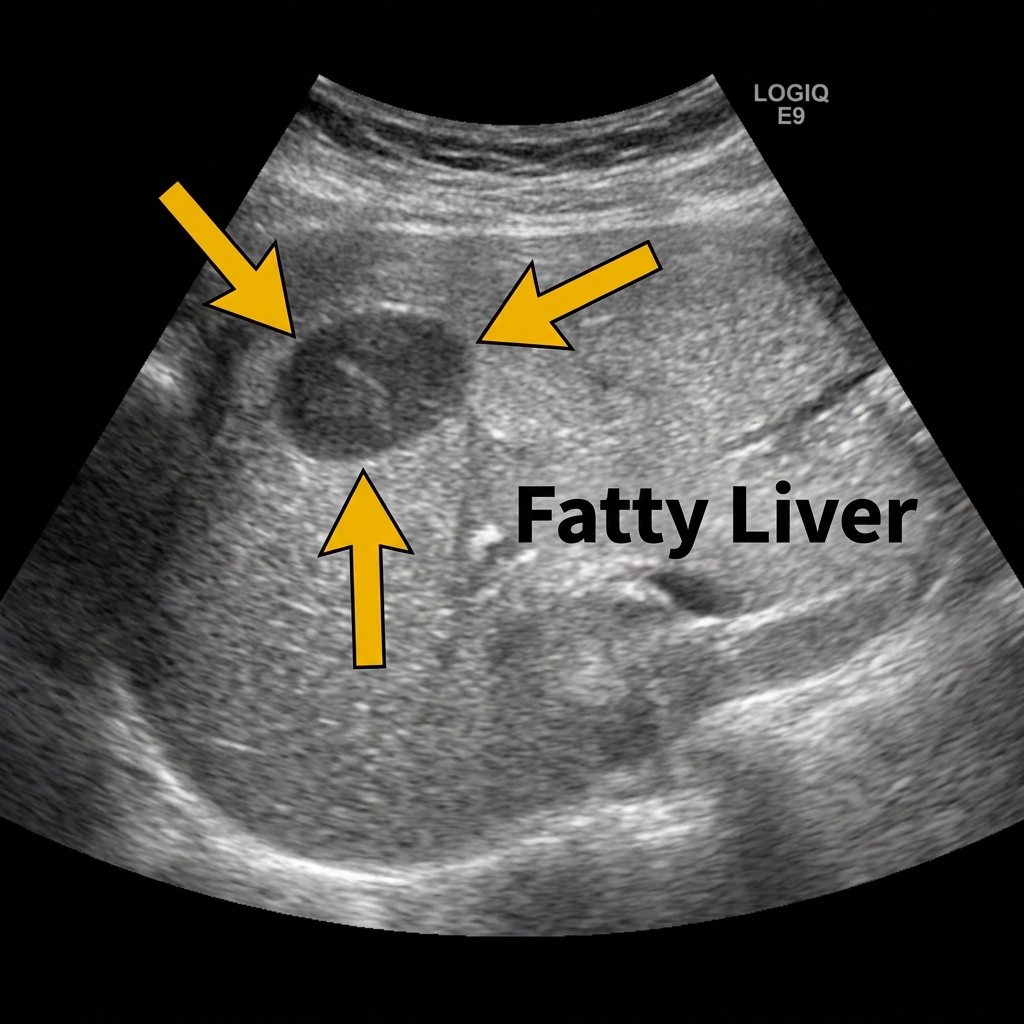
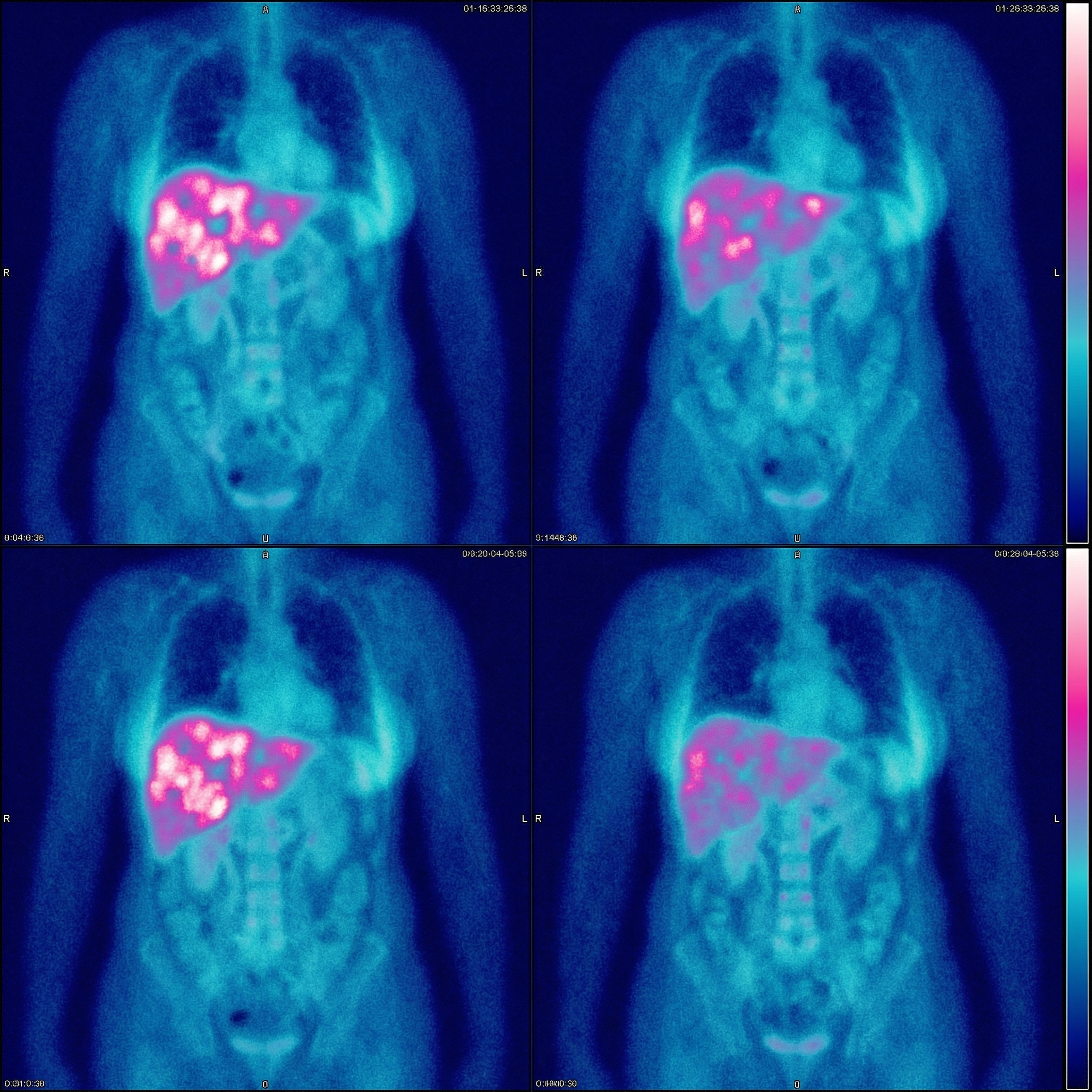
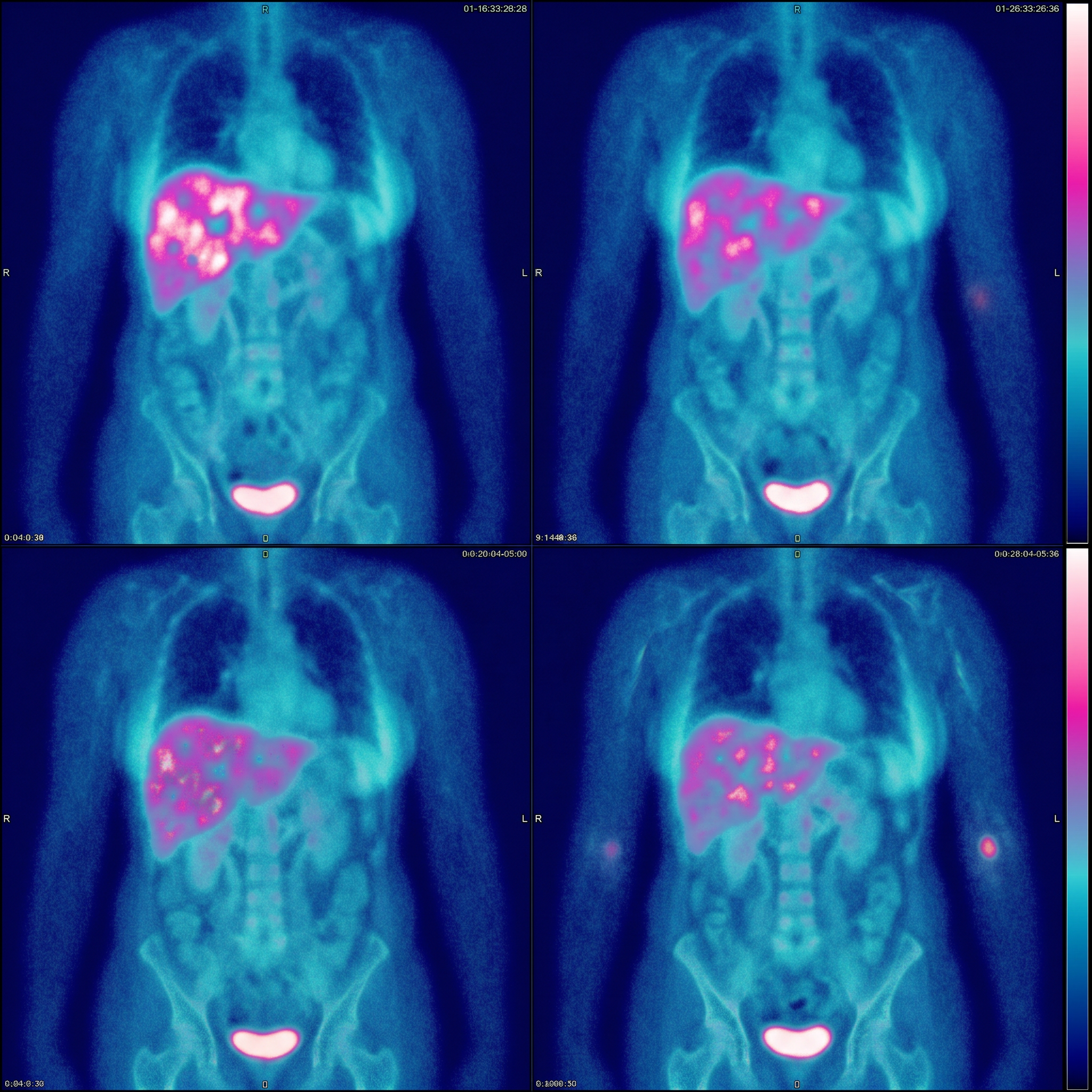
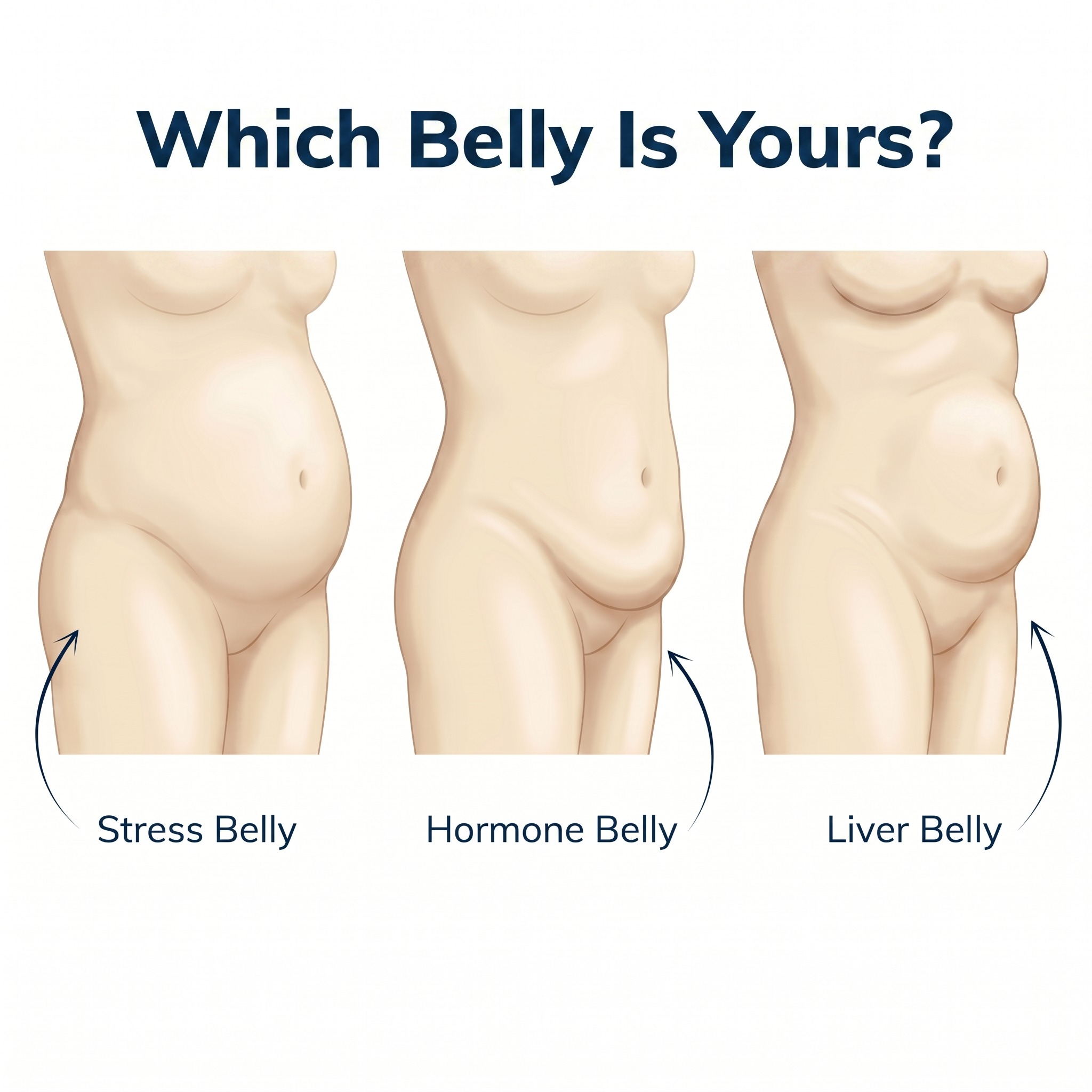
If you are over 45 and you feel foggy, exhausted, and bloated in a way you never used to, I need to tell you something your doctor almost certainly wrote off as your age, hormonal shifts, or eventually an "unhealthy" lifestyle. My name is Jennifer Stevens. I have spent 15 years as a clinical nutrition and integrative medicine specialist, and I have treated over 200 women who walked into my office describing the exact same four things. The brain fog that rolls in by early afternoon, thick enough that you lose your train of thought mid sentence. The mornings you wake up feeling yucky and almost hungover, even on the days you didn't have a drink the night before. The belly that will not budge no matter what you cut, no matter how many mornings you walk, no matter how little or how healthy you eat. And underneath all of it, a tiredness that sleep never fixes. The kind where your mind says yes but your body says no. The kind where you cannot get through a day without needing a nap. You have been telling yourself it's just your age. That this is simply how women our age are supposed to feel. Maybe it's menopause. Maybe it's your hormones. Maybe it's stress, or your thyroid, or a diet you can never quite get right, or just the fact that you are doing too much for too many people. That is what you told yourself. That is what your friends told you. And I would bet money that is what your doctor told you too. "Probably perimenopause." "Let's just keep an eye on it." Or my least favorite, the one I hear from patients almost every week. "Oh, and your liver is a little fatty. Nothing to worry about." And then you were ushered out the door. That one sentence was the most important thing said in that entire visit. And it was treated like an afterthought. Because for 15 years I have watched woman after woman lose years to the wrong answer. The real cause was there the entire time, quietly driving every symptom on that list. And it never crossed your mind, because it sits in the one organ no one ever taught you to question. It is not your age. It is not menopause. It is your liver. And here is what nobody explained to you when they said "a little fatty, nothing to worry about." Your liver is your body's filter. It is the organ that clears the junk out of your blood so the rest of you can run clean. When fat starts collecting inside it, that filter chokes. It can no longer clear the toxins and waste it is supposed to filter out of your blood. So they stay in circulation, where they reach your brain, your energy, and your metabolism. That is your brain fog. That is the heavy, yucky feeling in the morning. That is the exhaustion. That is the belly, and the stubborn weight that will not come off. They are not four separate problems you collected on your way to getting older. They are one problem. One organ. One quiet emergency happening at the cellular level while everyone keeps telling you to lose weight. And I have watched, more times than I can count, where this quietly leads when it gets ignored. There is one woman I want to tell you about. She came to me with the exact symptoms you are living with right now, and what had already happened in her family is the reason I never let a patient leave my office thinking it is nothing to worry about. But before I get to her, you need to understand what is actually happening inside you. I know all of this because at 51, it happened to me. I felt fine. A little more tired than I used to be. A fog in the afternoon I blamed on my schedule. My weight had crept up around the middle and would not come off. I told myself it was my age, same as you. Then a routine physical caught it. My doctor looked at the panel and gave me the same speech I had watched primary care doctors send women home with for years. "Try to drop some pounds, recheck in six months." I am a clinical nutrition specialist. So I did what most women never get to do. I ordered my own full liver panel and a scan. ALT 62. And early fat already showing on the scan. And unlike most of my patients, I knew exactly what those numbers meant. They did not mean I was lazy. They did not mean I had let myself go. They meant the molecule my liver uses to defend itself was being depleted faster than my body could rebuild it. That molecule is called glutathione. Glutathione is your liver's master antioxidant. It is the thing that actually does the cleanup, the defending, the filtering you have been counting on without knowing it had a name. When fat accumulates in the liver, it generates a storm of free radicals. Glutathione is what neutralizes them. But under that kind of load, your liver burns through glutathione faster than it can make more. And once glutathione runs low, the damage stops being silent and starts showing up as symptoms. The fog. The fatigue. The stubborn weight. The feeling that you are not quite yourself anymore. Those symptoms are not random, and they are not nothing. They are the earliest sign your liver is struggling to keep up. And almost everyone, doctors included, treats them as something you just have to accept instead of the warning they actually are. So let me tell you what I tried first, because I tried all of it. Diet. Mediterranean, clean, disciplined. Walking every morning. Cutting sugar to almost nothing. Cutting out alcohol, even the occasional drink. Supplements. Milk thistle. Turmeric. Fish oil. Magnesium. High dose vitamin E, the one thing the guidelines actually suggest. I even tried the adaptogen and cortisol blends my own patients kept asking me about. And I tried the obvious one. I knew the real problem was depleted glutathione, so I took glutathione itself, straight from the bottle. It did nothing. At the time, I could not work out why. Eighteen weeks of doing everything right. My ALT moved two points. My fog and my fatigue did not move at all. And if you have spent two or three years doing the same, dieting like a woman on a mission and not losing so much as a pound, I need you to hear this clearly. It was never your willpower. None of those things raised the glutathione inside my liver. Not one. And it is the same reason nothing has worked for you. The fog will not lift, the exhaustion will not go away, the weight will not come off. Because not one of them brings back the glutathione your liver is starving for. October 8th. Late at night. I was sitting in my home office after a long shift, unable to sleep, going back through 18 months of my own patient outcome data. I pulled up every woman I had ever put on milk thistle for at least six months. Average change at 6 months. At 12. At 18. The numbers stopped me cold. The women on milk thistle showed no meaningful improvement over the women taking nothing at all. I was the doctor who had recommended milk thistle for 15 years. And I was wrong. Then I found the small group who had quietly added something else on their own. NAC. N Acetyl Cysteine. The ones who bought the cheap version, the 600mg capsules off Amazon, barely moved. But the few who had found liposomal NAC at the full 1,200mg clinical dose? Their numbers were actually moving. And when I called them, so were their symptoms. That sent me down a rabbit hole I should have gone down years earlier. Milk thistle was never going to work. It sits on the outside of the liver cell and mops up a few free radicals. It cannot hand your liver the raw material to rebuild what has been depleted inside. And neither could the glutathione I swallowed straight from the bottle. That was the answer to what had stumped me. Taken as a pill, glutathione is torn apart in your gut before it ever reaches your liver. You cannot refill it from the outside. There is only one way to raise it. You give the liver the single building block it needs to make its own glutathione again. That building block is cysteine. And the one thing that delivers cysteine straight to the cell is NAC. One protects the outside. The other rebuilds what is missing on the inside. This is not fringe science. It is the same molecule emergency rooms use when someone overdoses on Tylenol and their liver is in acute failure. They do not reach for milk thistle. They do not reach for turmeric. They give NAC. Same liver. Same molecule. Same mechanism. The only difference is speed. Acute failure happens in hours. Yours has been building quietly for years. But there was still a catch, and it is the reason most women who try NAC feel nothing. Standard NAC capsules have a serious absorption problem. Your stomach acid destroys most of it before it ever reaches your liver. The studies put real absorption around 6 to 9 percent. So a 600mg capsule? Your liver might see 40 to 50mg of it. That is a fraction of the clinical dose, absorbing at less than a tenth of what you swallow. No wonder my patients on cheap NAC saw nothing. The liposomal version is different. It wraps the NAC in a phospholipid shell that survives stomach acid and carries it straight to the cell, the same delivery technology used in advanced pharmaceuticals. So at midnight I ordered liposomal NAC at the full 1,200mg dose. For the first time in 15 years, the mechanism actually made sense. I started on a Monday morning. Two capsules with food. Ten days in, I drove home from a 12 hour clinic day and realized the fog was gone. My head was clear for the first time in months. Three weeks in, my husband noticed before I said a word. "You're not running on coffee anymore," he said over breakfast. "Whatever you're doing, keep doing it." I hadn't told him I was taking anything. Eight weeks in, I had my liver numbers rechecked. ALT 31. Down from 62. And the fat on the scan was already starting to clear. But honestly, the number on the page was not the part that got me. It was that I felt like myself again. The energy. The clear head. The waistband that finally had room in it. I showed the results to Dr. Patel, a colleague I trust. He said ALT does not drop that fast on diet alone, and asked what I had changed. When I walked him through the glutathione depletion and the liposomal dosing, he told me he was going to start asking his own patients whether they had ever tried NAC at a real dose. So I started telling my own patients what their primary care never did. I started with Linda. 54 years old. Three years of doing everything her doctors told her. She had cut sugar, walked every morning, lost 22 pounds, taken milk thistle twice a day for eight months. And she still sat across my desk foggy, exhausted, and carrying a belly that would not move. "I don't even recognize myself anymore," she told me. "They keep saying it's just menopause." Linda was the woman I told you about at the start. And what I had not told you yet was what was driving her fear. Years earlier, her own mother had been handed the very same line. A little fatty liver. Nothing serious. Lose some weight. They waited, exactly as they were told, until it became cirrhosis, then a transplant list, then a funeral at 67. Linda watched the whole thing happen. She looked at me and said, "I'm not going to be my mother. But nobody will tell me what to do besides losing weight." It was not just menopause. Her ALT was 72. Her liver was the engine nobody had looked at. Ten weeks on the same protocol I had put myself on. 1,200mg liposomal NAC, two capsules in the morning. Her ALT came down to 34. But here is what she actually called me about. Her husband had pulled her aside and said she was sleeping through the night for the first time in two years. The fog had lifted. She had energy at 4pm again. She felt like a person, not a patient. Now, I am not telling you milk thistle is worthless. It is a gentle hepatoprotectant. It has a place. But it does not replenish glutathione. It does not address the mechanism actually driving your symptoms. It protects the outside of the cell while the depletion keeps progressing underneath. And here is the part I need you to understand. Right now, you still feel it. The fog. The exhaustion. The bloating. The belly that will not move. Those symptoms are your window to act, and it closes fast. Because this does not hold still. Do nothing, keep telling yourself it is just your age, and a year from now the fog is thicker, the exhaustion is deeper, and the quiet damage underneath has moved on without you. Your liver does not have nerve endings. It does not hurt. By the time fatty liver is left long enough to scar, the options narrow fast. Roughly one in four people with advanced fatty liver progresses toward cirrhosis within a decade, and most have no idea until it is already advanced. And here is what no one says out loud. Fatty liver is not the end of the road. It is the first step onto it. Left alone, the fat inflames the liver, the inflammation scars it, and the scarring spreads into fibrosis and then cirrhosis. A liver that has hardened into cirrhosis does not heal. It does not grow back. What comes after is a transplant list, and the hope your name comes up in time. The cruelest part is that you can climb almost that entire ladder without one symptom loud enough to frighten you into acting. Your liver cannot sound an alarm. So nothing forces your hand, until a scan finally tells you the damage can no longer be undone. Linda's mother was one of them. Linda caught it while she still had time to do something about it. Her mother never got that chance. And you are finding out now, while it is still the silent, reversible stage. You do not get a second early warning. Your fog, your fatigue, your belly. Those are the warnings. You have spent years being told to ignore them. Do not waste another one. You finally know the cause, and the only question left is whether you do something about it while you still can. Every one of those 200 women eventually said the same thing to me. "I wish someone had told me sooner." Someone just told you. You cannot unhear it. The choice is yours. I am a clinical nutrition specialist. I understand glutathione metabolism at a molecular level. And when it was my own fog and my own liver, I chose to replenish what was depleted before it ever became something worse. That is all I am asking you to consider. Give your liver the one thing it has been missing, before you accept that feeling like a zombie is just who you are now. This is the liposomal NAC I used and now recommend: https://orvialabs.co/products/liposomal-nac P.S. The protocol is Orvia Labs Liposomal NAC. 1,200mg per serving, the full clinical dose, not the 600mg under dose most women are buying. Liposomal delivery so it survives stomach acid and actually reaches your liver cells, where standard capsules absorb at only 6 to 9 percent. If you have brain fog, stubborn weight around the middle, and exhaustion that sleep does not fix, and especially if a doctor has ever mentioned "a little fatty liver," take liposomal NAC at 1,200mg for 8 to 12 weeks and pay attention to how you feel. Orvia Labs backs it with a 90 day money back guarantee. If you do not feel the difference on the full protocol, you get every dollar back. No questions, and no need to return the bottles. The 3 bottle bundle is the one I would choose. Buy 2 and the third is free. That brings it to about 0.69 a day and saves you 87 dollars versus single bottles. It is exactly 90 days, which is the window you want to judge it on. Orvia Labs is small, and they have already sold out twice this year. If your bottle ships, take it. If it is out of stock, get on the waitlist before the next batch. You can always go back to blaming your age. But you cannot get back the years you spend feeling like a stranger in your own body, when the answer was hiding in the one organ no one ever told you to check. This is the liposomal NAC I used: https://orvialabs.co/products/liposomal-nac
Like this ad? Make it yours.
Crush rebuilds this exact creative around your product — your brand, your colors, your offer — in about a minute.