
Inactive· since May 5, 2026
- 12
- days it ran
- 1
- relaunches
Ad copy
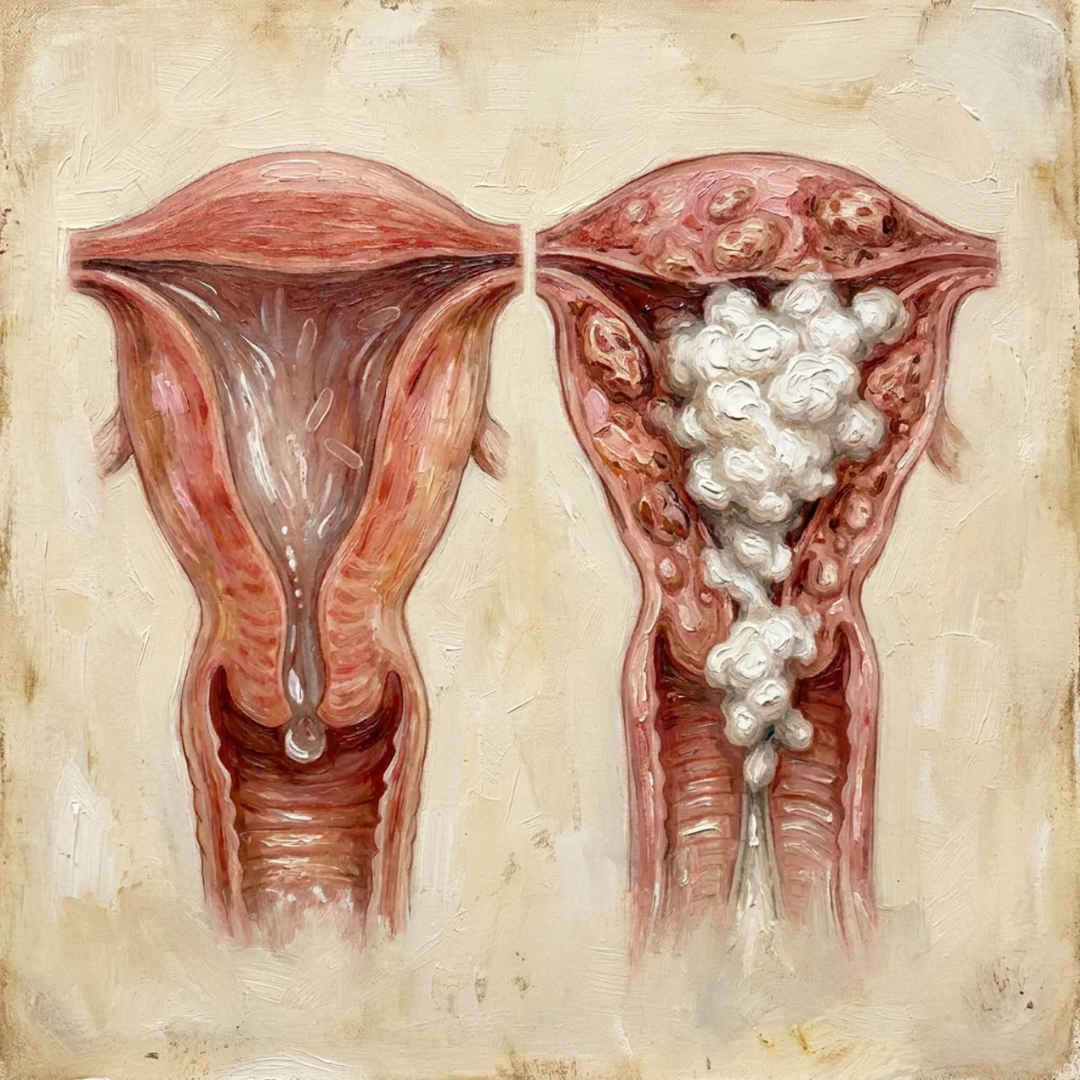
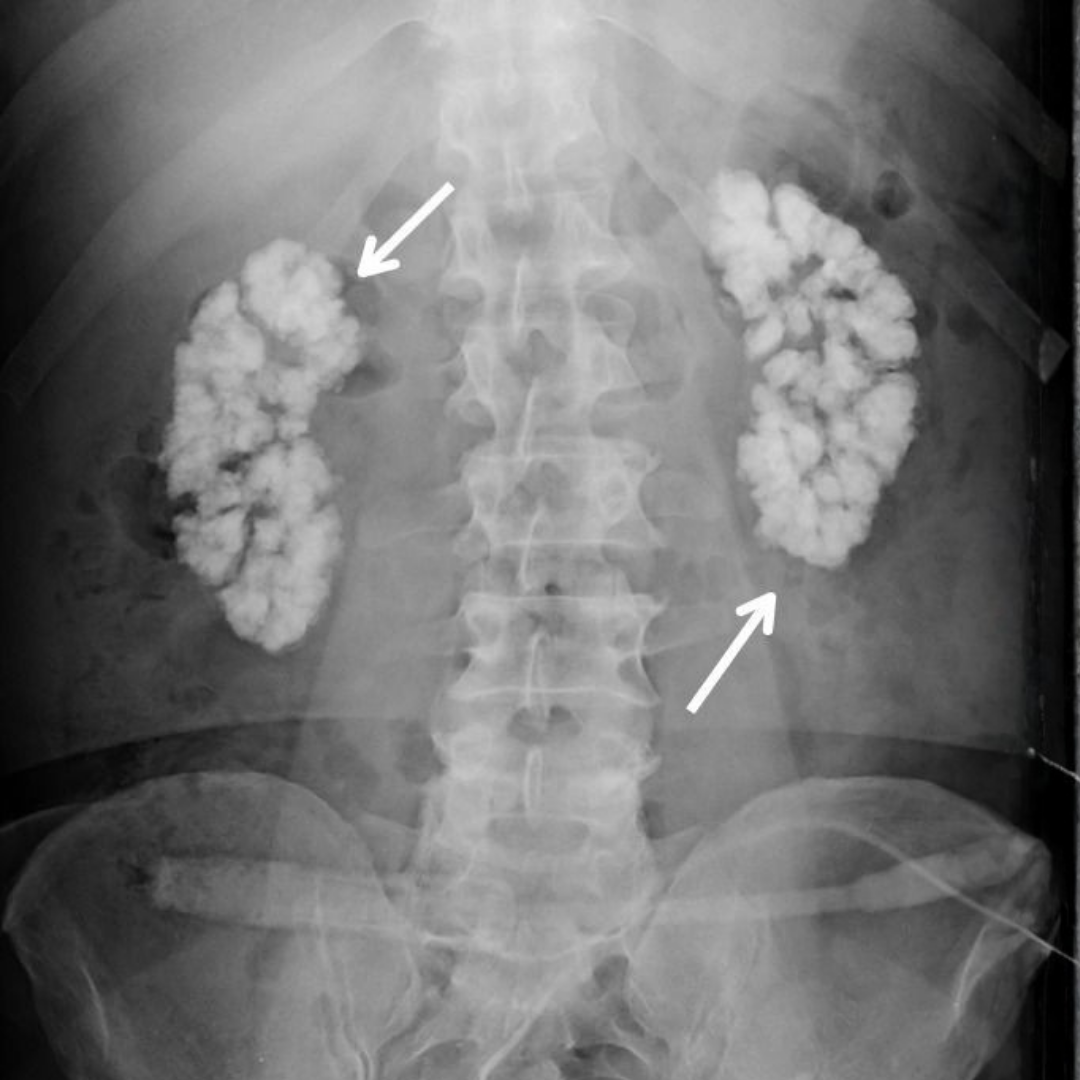
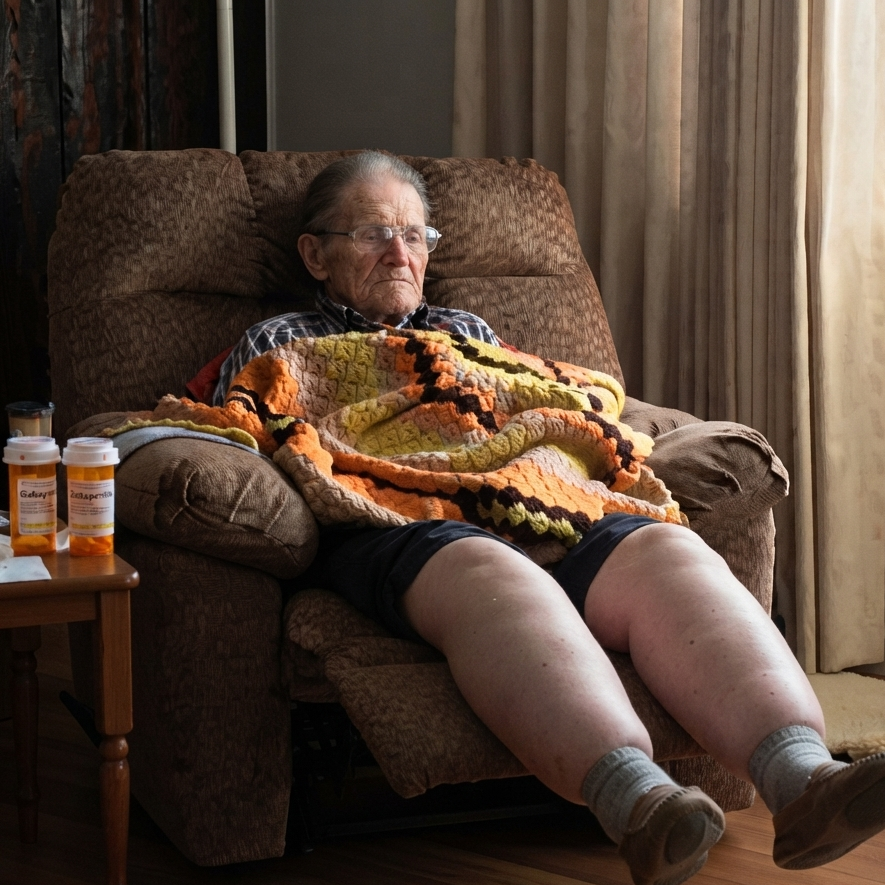
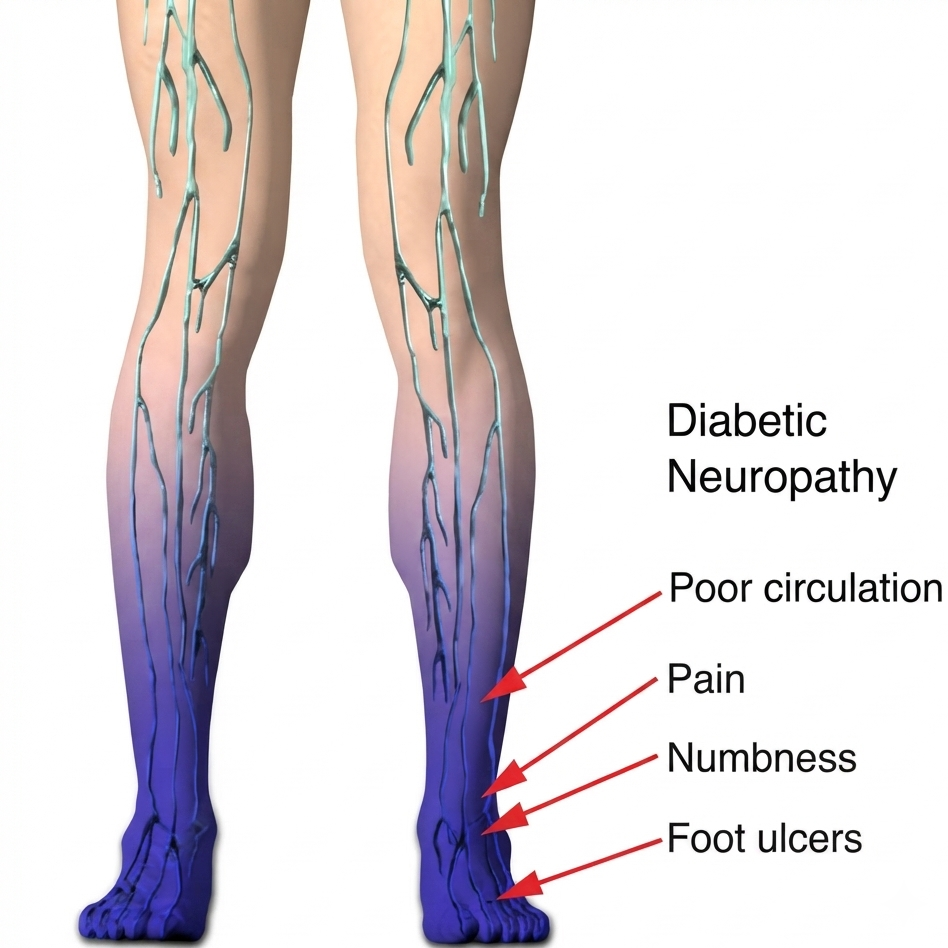
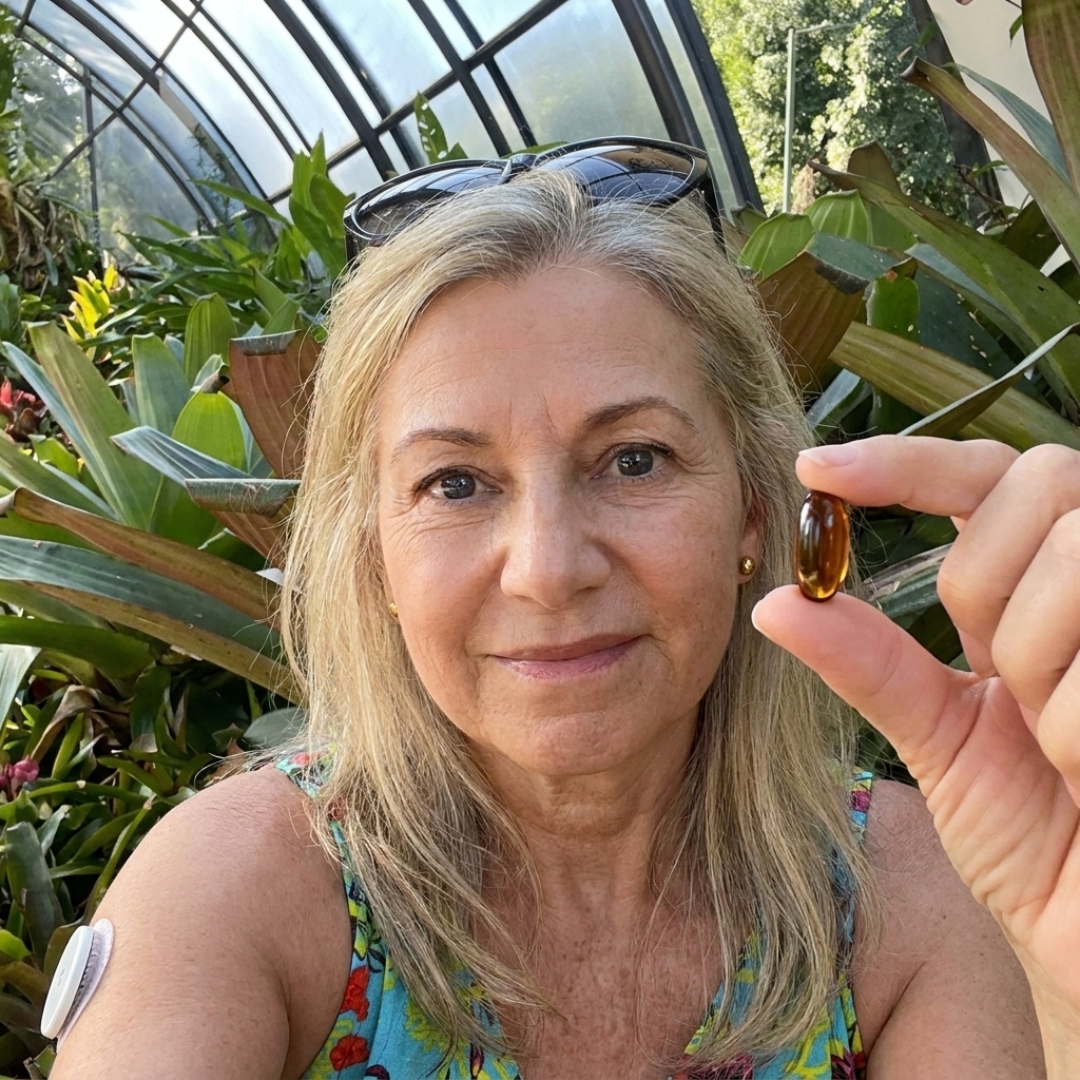
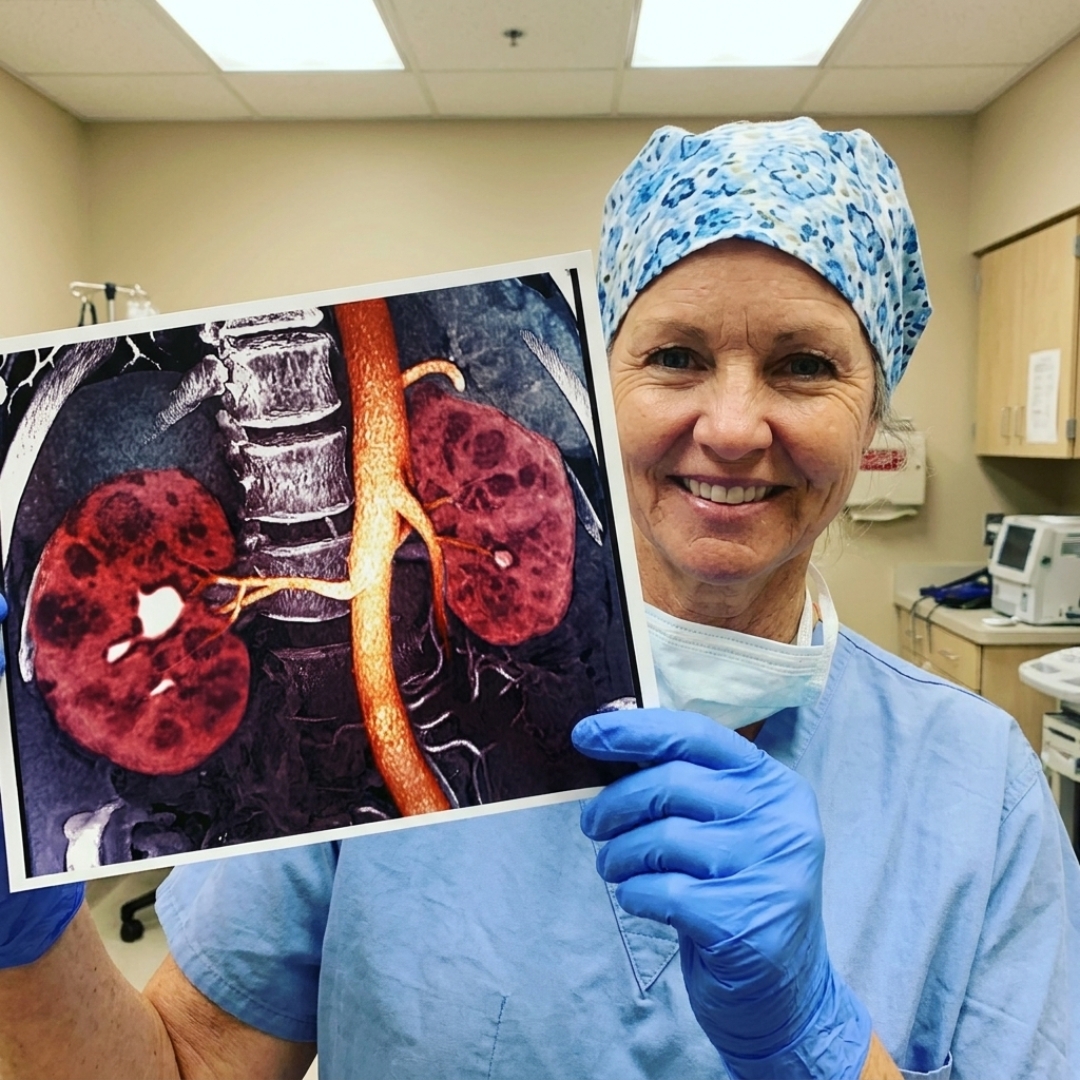
The best way to protect your kidneys is NOT drinking more water, NOT cutting protein, and definitely NOT waiting for dialysis. If your doctor has mentioned protein in your urine, rising creatinine, or declining kidney function — you need to hear this. What they don't tell you is what comes next. I used to ask every new dialysis patient the same thing: "What was your A1C before your kidneys failed?" After 11,000 patients and the same answer every single time, I stopped asking. It was always "managed." Always between 6.5 and 7.5. Always someone who'd been told to cut protein, reduce salt, and come back in six months. The chairs aren't full of people who ignored their kidneys. They're full of people who trusted the wrong number. I'm telling you this now because last month I got my own prediabetes diagnosis with creeping creatinine — and I refuse to end up in one of my own chairs. I'm a dialysis nurse. Fourteen years. Roughly 11,000 patients connected to machines. Let me tell you what that actually looks like. The slow, irreversible slide. 10%. Then 20%. Then 50%. Until one day your doctor says: "You need dialysis. Three times a week. Four hours per session. For the rest of your life." A needle goes into a fistula — a surgical access point in the arm that leaves a scar most patients hide under long sleeves even in summer. Then comes the exhaustion. Not normal tiredness. The kind where you can barely lift your head off the pillow. Your body is poisoning itself with waste your kidneys can't filter anymore. The swelling in your legs, ankles, and face. Puffiness that makes you unrecognizable to your own grandchildren. The dietary restrictions that make eating miserable. No potassium. No phosphorus. No salt. Bananas dangerous. Tomatoes dangerous. Cheese dangerous. And the waiting list. Years. Sometimes a decade. Praying for a transplant that might never come. I've watched marriages buckle under the schedule. I've watched grandchildren learn to plan around Grandma's dialysis days. I've watched a 61-year-old man read the same magazine in the waiting room every Tuesday and Thursday for three years while his wife was connected. I've watched patients stop coming. I know what that means. One of my long-term patients — Ruth, 63, three years in my unit — told me something I think about every day. She said: "This isn't living. This is just not dying yet." Every. Single. One. So here's the trap most people are stuck in. Two paths. Both lead to suffering. Path one: Follow doctor's orders. Cut protein. Drink more water. Take the ACE inhibitor. Monitor labs every six months. Watch your kidney function drop year after year anyway. Path two: Do nothing. Leave the damage unchecked. Foam in the toilet that won't go away. Ankles that swell by 4 PM. Crushing fatigue that won't lift no matter how much you rest. Most people over the age of 50 tragically ignore these symptoms until it's too late. They blame the puffiness on age. They blame the fatigue on stress. They blame the foam on hard water. It's none of those things. It's your kidneys screaming for help. But there's a third path your doctor will never mention. And it's the only one I've ever seen actually move the numbers in the right direction. Last month I sat in my own doctor's office and heard "prediabetes" attached to my own name. A1C: 6.4. Fasting glucose 135 to 145. And here's the part that made my hands go cold — my creatinine had crept from 0.8 to 1.0 over ten months. My GFR had dropped from 98 to 86. There was foam in my toilet most mornings. My ankles were swelling by 4 PM. The fatigue I'd been blaming on long shifts wasn't from the shifts. On paper, none of that was alarming. My doctor said "we'll keep an eye on it." But I've heard those exact words from the charts of people now sitting in my chairs. I know what a creatinine of 1.0 looks like at the BEGINNING. Because I've held the hands of people whose creatinine started at 1.0. I felt something I'd never felt in 14 years of nursing — real, bone-deep terror. Not for my patients. For myself. So I stopped trusting the monitoring and started asking a different question. Not "how do I slow this down" — but "why is my body actually doing this in the first place?" Here's what nobody explains to you. Think of every cell in your body like a tiny room. On the walls there are doors — small protein doors called GLUT4 transporters. In a healthy body those doors stay open. Sugar comes through the blood, doors open, sugar goes inside, cell burns it for energy. In an insulin-resistant body, those doors retreat. They pull away from the wall. The pancreas sends the signal — and they don't answer. So sugar piles up in the blood. The doors are shut. That sugar doesn't just wait there. It destroys things. Think of your kidneys like the finest mesh screen — millions of tiny filters called glomeruli. That excess sugar is like sand being forced through the mesh under pressure. Hour after hour. Day after day. The mesh starts to tear. First it leaks a little protein — that's the foam in the toilet most people are too scared to google. Then the tears get bigger. Then filtration drops. Then the system fails. And it's not just kidneys. That same sugar pileup strips the insulation off your nerves — that's why your feet burn. It starves your brain — that's why the fog rolls in by 2pm. It wrecks the vessels behind your eyes — that's why the floaters showed up. It locks your body in fat-storage mode — that's why the belly won't budge. It shatters your sleep — that's why you're up three times a night. And it damages the blood vessels responsible for intimacy — that's why that part of your life quietly disappeared. ALL of it traces back to the same closed doors. Your doctor monitors the headline number. The story underneath is your organs falling apart. Now let me address what you're probably thinking. First: "What about cutting protein?" Cutting protein gives the torn mesh less to filter. It doesn't repair the mesh. It doesn't stop the sand. The tearing continues — quieter, but still happening. Second: "I've been drinking more water." Drinking more water flushes toxins. But it doesn't stop the friction tearing your filters. You're running more fluid through the same broken screens. Third: "What about ACE inhibitors?" ACE inhibitors slow the damage by reducing pressure. But the sand is still coming. The mesh is still tearing. Just slower. All of these target pieces of the puzzle — but miss the complete mechanism. The doors are still closed. The sugar is still piling up. The damage continues underneath whatever you're doing on top. The monitoring just measures how torn the mesh is getting. Nobody is stopping the sand. — When I started pulling research on PubMed, I found compounds that may actually help coax those doors back open. Type-A Polymers and MHCP. Found in one specific plant — Ceylon cinnamon. Cinnamomum verum. A 2003 study in Diabetes Care showed a 29% drop in fasting blood glucose. A 2012 review in the Journal of Medicinal Food analyzed eight randomized trials and found meaningful drops in fasting glucose and A1C. Research in Pharmacognosy Research mapped the GLUT4 mechanism — how these compounds bring those doors back to the surface. When the doors reopen, the sand stops being forced through the mesh. Protein leakage drops. Creatinine stabilizes. GFR holds. Published. Proven. Replicated. And every time I bring this up with someone whose kidneys are declining, I get the look. Wide eyes. Raised eyebrows. That "You mean… cinnamon? The thing in my pumpkin pie? That's supposed to fix my kidneys?" face. I get it. It sounds unrelated. But the people who come back to me eight weeks later always come back in tears. Their fasting numbers stabilized. Their creatinine stopped climbing. Some of their GFR numbers went up — which is supposed to be impossible without a transplant. Their faces have changed. The puffiness is gone. They're sleeping. They look like themselves again for the first time in years. And many of them showed their doctors their new numbers and heard the words they never thought possible: "Your kidney function is stable. Keep doing whatever you're doing." In 14 years working in a dialysis unit — not one doctor has ever mentioned any of this to a patient in my care. Not because they're hiding it. Because the pipeline that moves research from a journal into a treatment room runs on patent money. You can't patent a plant. No patent means no money. No sales reps, no training updates, no guideline changes. That should make you angry. Not at your doctor. At the structure that kept this from all of us — including the nurse who works at the end of the road. And I understood instantly why every cinnamon supplement on every shelf had never worked for anyone. Three things wrong with all of them. Wrong species. Most use Cassia — completely different plant. 250 times more coumarin, which can damage your liver at daily doses. Wrong dose. A 500mg capsule is a taste-level dose. Studies used the equivalent of thousands of milligrams — concentrated and extracted. No delivery system. The compounds that target those doors are fat-soluble. They need fat to cross a cell wall made of fat. A hard capsule full of dry powder can't carry them through. I've watched patients bring supplement bottles to dialysis sessions and ask if they should keep taking them. I look at the label — Cassia, 500mg, dry powder — and I don't know what to say. It's like bringing a garden hose to a house fire. If you tried cinnamon before and it did nothing — you weren't wrong to try. The tool was wrong. — After I understood the mechanism and the delivery failure, I found something called Metabolae. Real Ceylon cinnamon — Cinnamomum verum — concentrated 12-to-1 into a liquid extract suspended in MCT oil. Then sealed inside a softgel. One softgel a day delivers the equivalent of 7,200mg of raw Ceylon. The therapeutic range the studies used. Because the extract is already suspended in MCT oil, the moment the gel dissolves, the active compounds are riding the fat carrier they need. Not trapped in dry fiber. Suspended, bioavailable, ready to reach the cell. DNA-verified. Third-party tested for heavy metals every batch. Sourced from Sri Lanka — the original home of true Ceylon cinnamon, where the tree has been cultivated for over two thousand years. The diabetes rate there sits far below America's close to 50 percent. The kidney failure rate is a fraction of ours. I work in a dialysis unit that's always full. In Sri Lanka, they barely need one. Comes in a sealed bag, not a bottle stuffed with fillers. One softgel. Swallow it with your morning coffee. That's it. No measuring. No mixing. No taste. It's the one part of the morning that doesn't feel like managing a disease. Here's what happened to me. Within two weeks the fog lifted. Not managed — lifted. My feet stopped aching. The ankle swelling was gone by Friday of the second week. I slept through the night for the first time in months. By week four my fasting readings — which had been running 135 to 145 — started showing up in the low 90s. The foam in the toilet was gone. I checked three mornings in a row to be sure. At ten weeks I got my blood panel back. A1C: 6.4 to 5.4. Creatinine: back to 0.8. GFR: climbed from 86 to 94. Protein in the urine: undetectable. Seven pounds gone without changing what I ate. But the thing I remember most isn't a number. It's my own doctor looking at the panel, then looking at me, and saying: "Your kidney function is stable. Keep doing whatever you're doing." And then walking into my dialysis unit the next morning knowing — for the first time in months — I wasn't going to end up in one of my own chairs. I told Ruth what I'd found. She looked at me with tears running down her face and said: "Tell everyone. Don't let them end up like me." That's why I'm writing this. In a recent customer survey, 78% of Metabolae users noticed more consistent readings within 30 days. 82% reported steadier energy. 74% said cravings loosened. 69% reported burning and tingling in their feet improved. 67% said their doctor commented on their bloodwork. Across 2,660+ verified reviews — 4.8 stars. Less than 1% have ever asked for their money back. — You're in a window right now. The monitoring phase — the "we're keeping an eye on it" phase — is the ONLY phase where the trajectory can still change. Every patient in my dialysis chairs was in that window once. Every one of them would give anything to go back to it. One side — nothing changes. The creatinine climbs. The GFR drops. The foam shows up. The ankles puff up until your grandchildren don't recognize you. 10% drop. Then 20%. Then 50%. And one morning you're not reading about dialysis — you're being scheduled for it. Three days a week. Four hours a session. The fistula scar hidden under long sleeves. No potassium. No phosphorus. No salt. The transplant waiting list that may never come through. The chair. The other side… One softgel. Swallowed with your morning coffee. Five seconds. Done. Over the next few weeks the energy holds. The fog lifts. The feet quiet. The swelling drops. The foam disappears. And at your next blood panel, your doctor looks up from the chart and says something you haven't heard in two years: "Your kidney function is stable. Keep doing whatever you're doing." The window stays open. The chair stays empty. Right now Metabolae has a deal — buy two bags, get one free. Three-month supply. The exact window the research points to for meaningful kidney marker and A1C changes. Six bags gets you free shipping plus a recipe guide and benefits booklet. Hand-harvested, certified Ceylon from Sri Lanka. Concentrated 12-to-1. Suspended in MCT oil. Sealed in softgels. Not factory-produced Cassia powder pressed into hard capsules. Harvest cycles are limited. The next harvest has a lead time. Every order comes with a 90-day money-back guarantee. If you're not genuinely amazed by the shift in your fasting readings, the foam that disappears, the ankles that go down, the feet that stop burning, the kidney labs trending the right direction — you get every dollar back. Less than 1% ever ask. That number says everything. The doors are closed. The sand is still coming. But the window is still open. Don't let someone else tell your story with the words "I wish someone had told me sooner." I just did. If you're in the monitoring phase right now — the creeping creatinine, the dropping GFR, the foam in the toilet, the doctor "keeping an eye on it" — at least check out that page. It breaks down exactly how the Ceylon extract works and why the cinnamon you tried before didn't do anything.
Like this ad? Make it yours.
Crush rebuilds this exact creative around your product — your brand, your colors, your offer — in about a minute.