
Inactive· since Jul 8, 2026
- 9
- days it ran
- 0
- relaunches
Ad copy
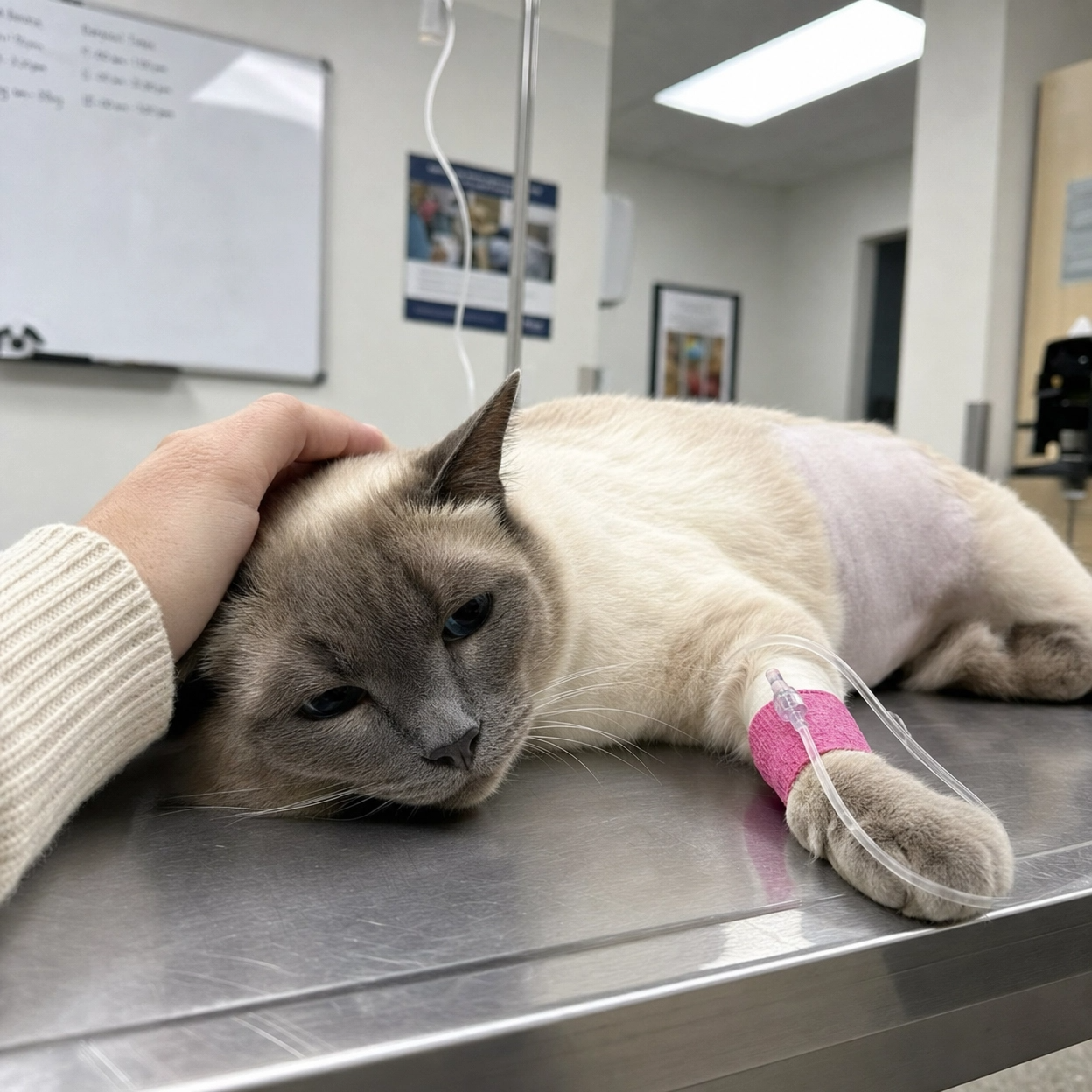
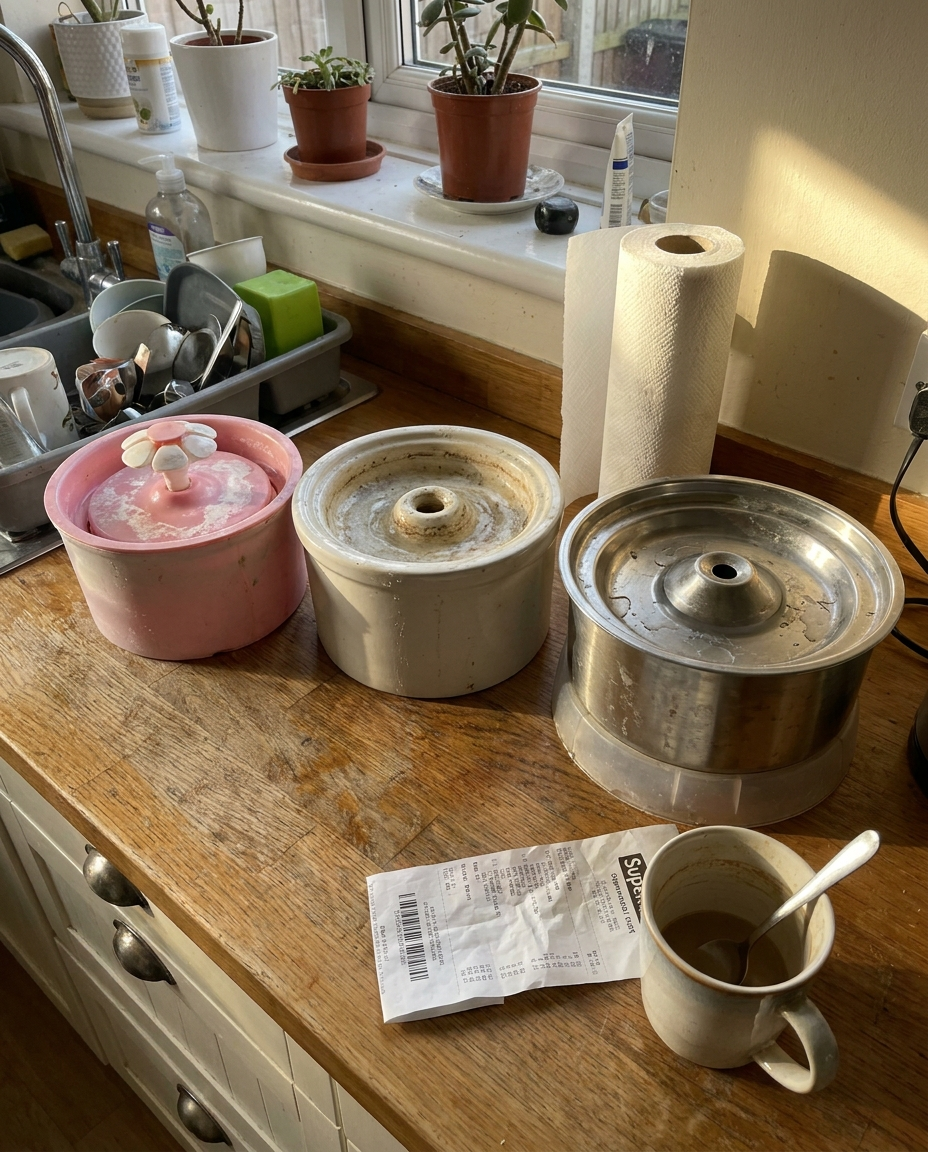
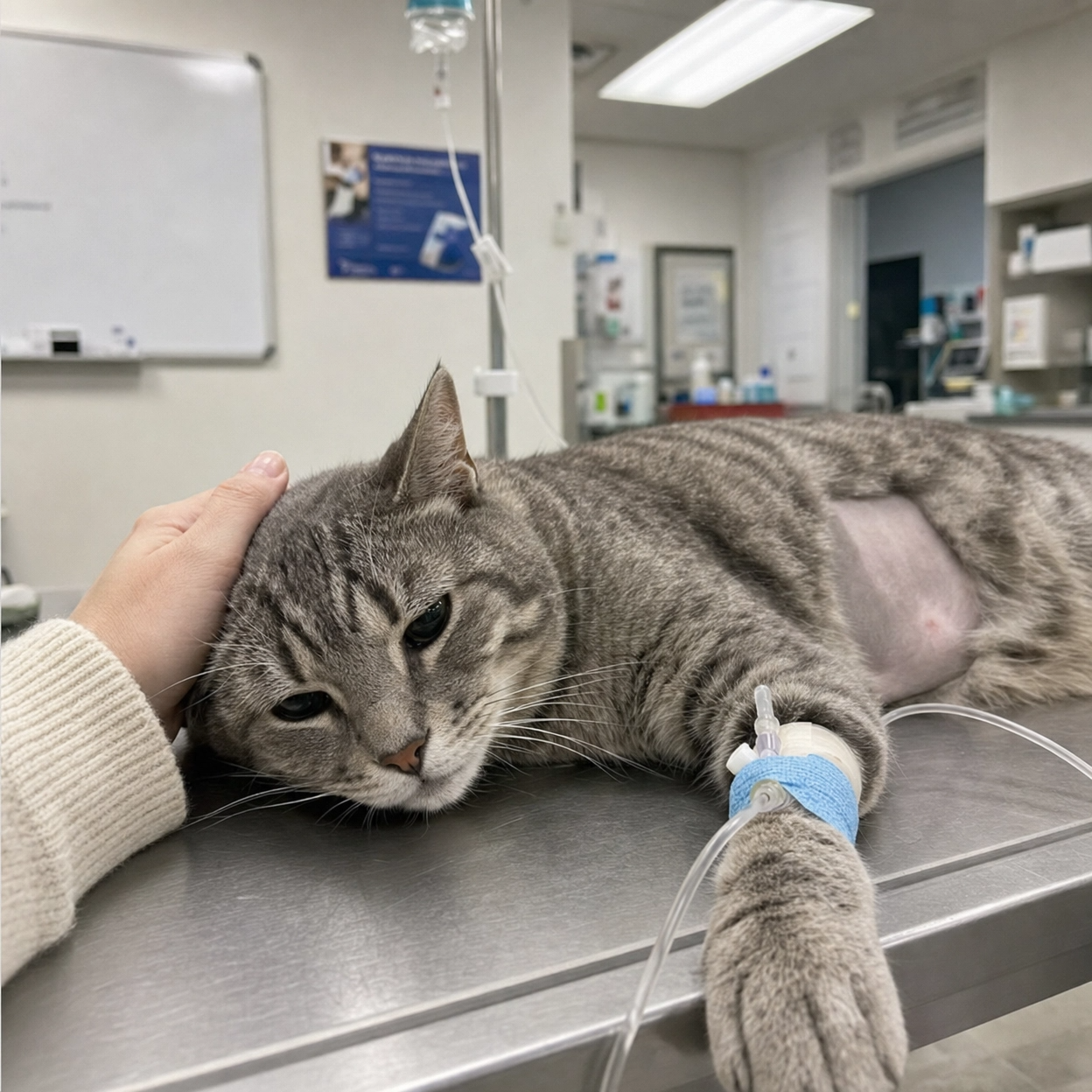
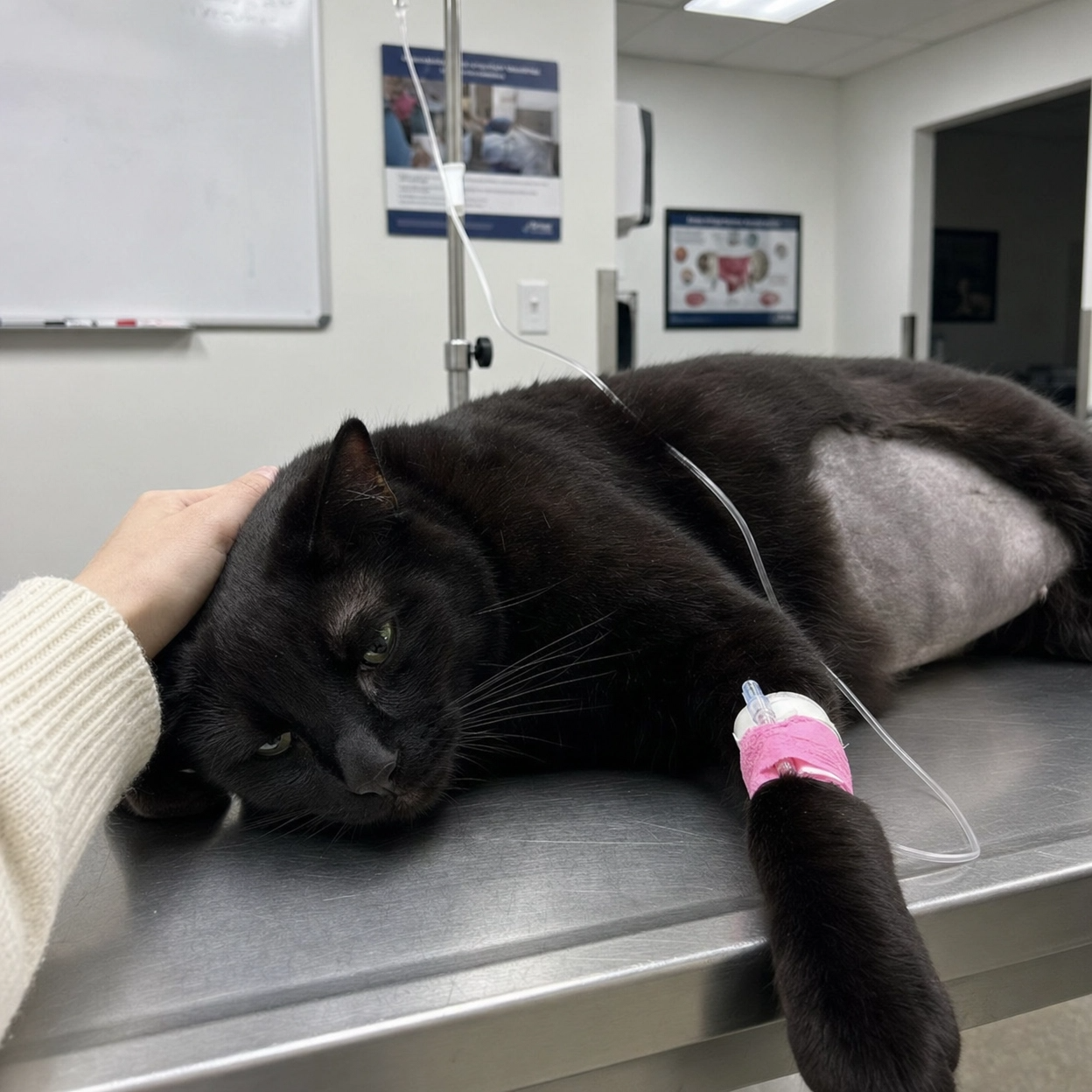
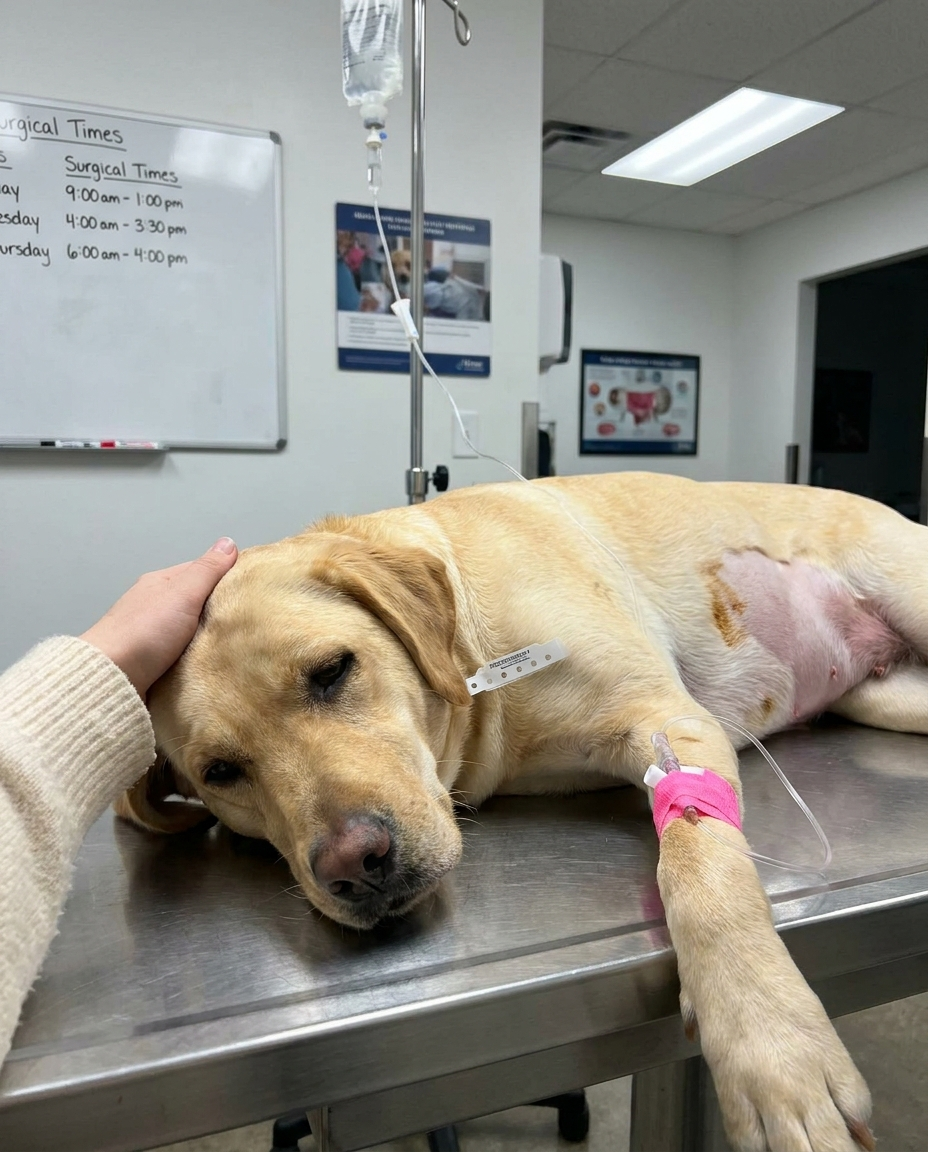
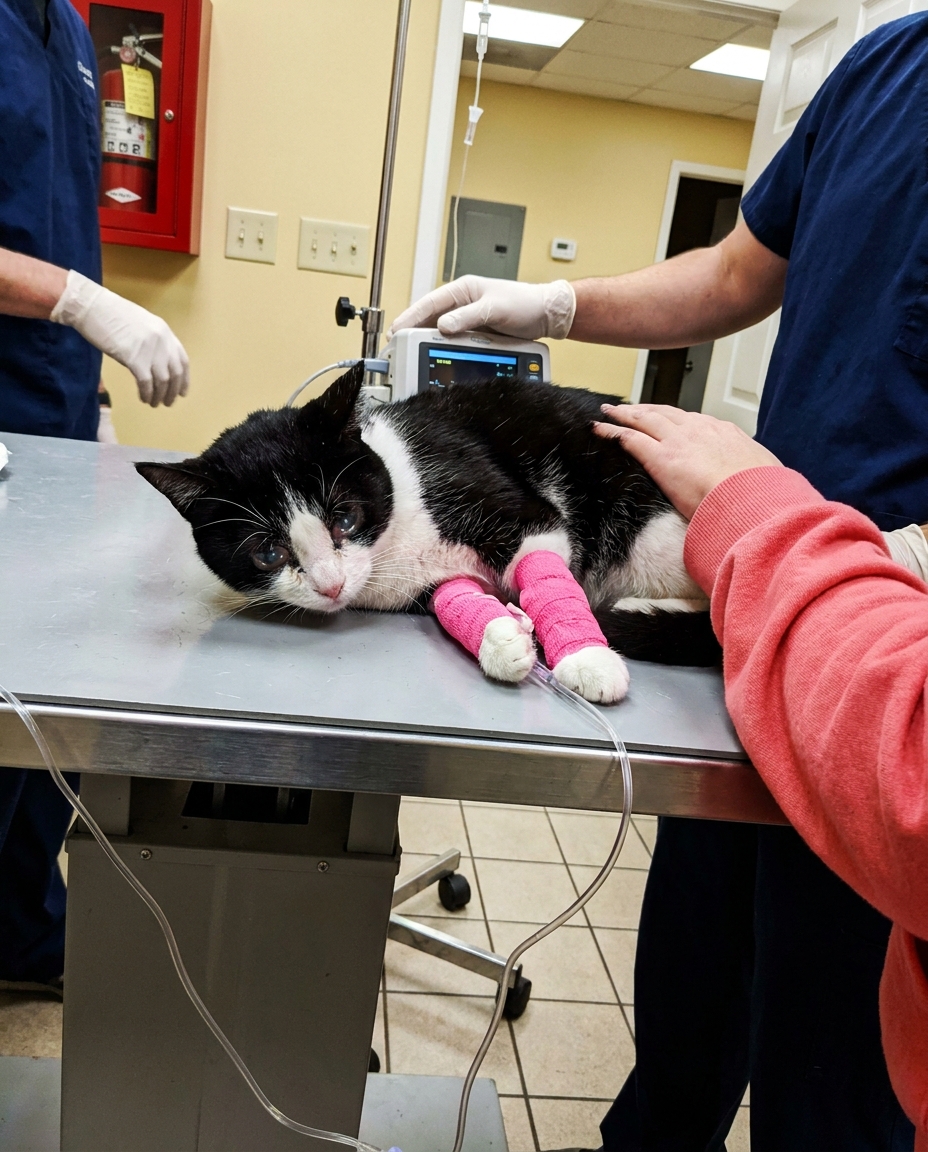
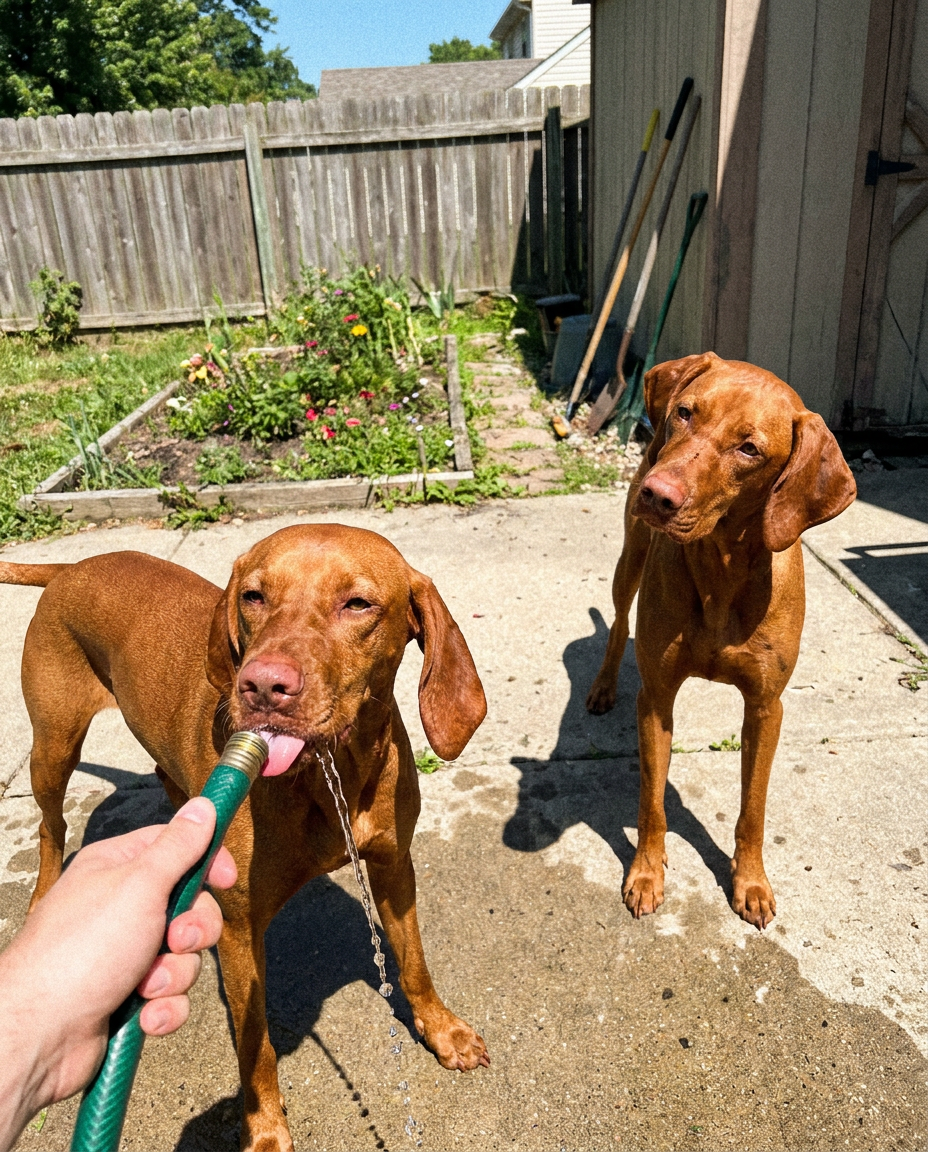
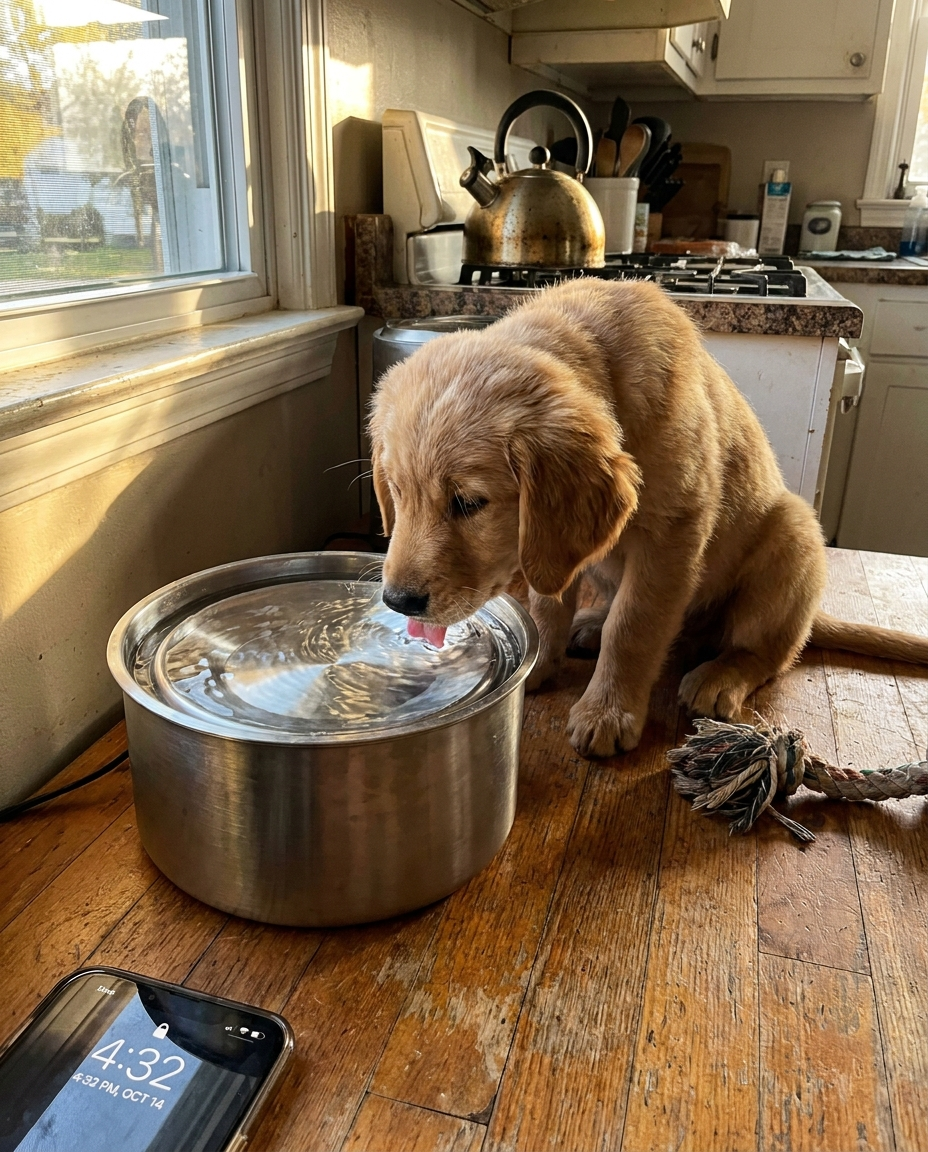
My vet gave my dog a clean bill of health 14 days before he died. I framed it. It hangs on my kitchen wall, in a nice frame, directly above the spot where his bed used to be. My husband thinks it's morbid. My husband is right. It stays up anyway. Because I need to look at the words "within normal limits" every single morning so that I never, ever trust them again. And by the end of this post, neither will you. My name is Marie. I'm 54. My golden retriever Teddy died at ten years old, fourteen days after the checkup where he was declared, and I am quoting the paperwork on my wall, "in great shape for his age." I want to walk you through those fourteen days. Then I want to show you what I found when I pulled ten years of his medical records and sat at my kitchen table with a highlighter. Because what I found is hanging on my wall now, and what I found is sitting in your dog's file too. The checkup was a Tuesday. Teddy trotted into that clinic like he owned it, tail going, greeting the receptionist he'd known his whole life. Weight, good. Teeth, good for ten. Heart, strong. Bloodwork drawn, results in two days. The results came back and the vet called them "unremarkable." Kidney values "within normal limits." Her note, the one in the frame, says "no concerns at this time, continue current care, recheck in one year." I took a photo of Teddy on the exam table that day because he was being so good. He's smiling in it. Dogs smile, don't argue with me. Fourteen days later he collapsed in the backyard. At the emergency clinic they ran his blood and a vet I'd never met came out and told me his kidneys were failing, catastrophically, and that this kind of failure does not happen in two weeks. It builds silently for years. By the time a dog shows a single symptom, she said, around 75 percent of kidney function is already gone. I said the sentence every owner in that lobby has said. "But he just had a clean checkup. I have the paperwork." And she said, quietly, the sentence that reorganized my entire understanding of what a checkup is: "Clean bloodwork does not mean clean kidneys. The standard panel can't see kidney damage until most of it has already happened. I wish more people knew that." Teddy died the next morning with my hands in his fur. Here is where I stopped being sad for a while and got precise instead, because that is who I am. I requested Teddy's complete medical file. Ten years. Every visit, every note, every panel. I sat at my kitchen table with a yellow highlighter and I read all of it, and I started counting. The word "fine" appears in my dog's medical record 14 times. "Within normal limits" appears 11 times. "Not unusual for the breed" appears 4 times. "We'll keep an eye on it" appears 6 times, spread across the final three years, attached to kidney values that were quietly climbing the whole time while staying inside a range someone once decided to call normal. My dog died of the thing that vocabulary was describing. Fourteen "fines" deep. And here is the part that turned my grief into the thing you're reading now. I asked. I want that on the record, because everyone assumes owners like me missed the signs. I did not miss them. I reported them, out loud, at appointments, for years, and I have the visit notes to prove it. I told her Teddy got up at night to drink. The note says I mentioned it. The answer was "older dogs often do that." I told her he'd sniff his bowl and walk away unless I had just refilled it. "Some dogs are particular." I told her he drank from the garden hose like he'd crossed a desert, every single time, his whole life. She laughed. It was a warm laugh. She loved Teddy. She said, "That's a golden for you." Every symptom my dog ever showed me went into that room, got translated into the word "fine," and came back out neutralized. I want to be fair now, because fair matters and because this is the part you need to actually understand. I do not think my vet lied to me. I have thought about this for months and I am certain she didn't. She told me exactly what the test told her. The test said normal. The test is the liar. The standard panel is blind to kidney decline until the decline is nearly complete, and the one thing that would have caught it years earlier, the question "how does this dog actually drink," is not on any form, in any exam, at any clinic I have ever been to. So at 3 AM, about a month after Teddy died, I went looking for the thing the ER vet had said, and I found an article by a veterinary nephrologist named Dr. Claire Bennett. Eleven years in kidney clinics. It opened with a golden retriever named Murphy. His owner did everything right. Filtered water, clean bowl, refills all day. Murphy drank from the toilet, the hose, the puddles, and his owner thought it was a funny dog thing. He reached her clinic with his kidneys at 22 percent. He didn't make it. Murphy was Teddy with a different name, and I read his story with my highlighter still on the table. Then Dr. Bennett explained what ten years of checkups never did. A dog's nose has around 300 million scent receptors. Ours has six million. Within a couple of hours of sitting still, bowl water loses its oxygen and grows a film of bacteria in the microscopic pores of the bowl itself. Invisible to you. Unmissable to him. The bowl Teddy sniffed and rejected read to his nose like a stagnant puddle, roughly ninety minutes after every refill. And the hose. Fifteen thousand years ago dogs were wolves, and the wolves that drank stagnant water died while the ones that held out for moving water lived. Still water reads as dangerous. Moving water reads as safe. "That's a golden for you" was actually "that's a dog correctly refusing water it doesn't trust, for the tenth year in a row." So the dog drinks the bare minimum. The urine concentrates. The kidneys grind themselves down in complete silence, for years, underneath bloodwork that keeps coming back inside a range called normal, because the panel cannot see the damage until it's nearly done. Every "fine" in my highlighted file was technically true and completely meaningless at the same time. Dr. Bennett also named the earlier test, SDMA, that can flag decline far sooner, the one almost nobody runs on a dog who "looks great for his age." And she explained why the fountain I'd once bought Teddy failed in a week. Stainless bowl on top for the photo, plastic tank underneath where the water sits and grows the same film his nose had already rejected. She built one without the lie in it. Real 304 stainless steel the whole way through, tank included. Continuous moving flow that trips the safe-water instinct. Triple filtration. The FreshFlow. I was not going to get another dog. My husband brought one home anyway, six months later, a golden puppy, because he knows me better than I do. On her third day home, Birdie walked up to the water bowl, sniffed it, and walked away. My stomach dropped through the floor. And then, for the first time in this entire story, something happened on time. Because this time I had the article. The bowl went in the cabinet that afternoon. The FreshFlow arrived two days later. Birdie drank from it for forty seconds the first morning and has barely stopped since. No sniff-and-walk. No hose worship. She drinks like drinking is normal, because for the first time in my house, it is. At her first puppy panel, the vet, a new one, wrote two words on the printout: "excellent hydration." I asked her to sign it. She looked at me a little strangely, and signed it, and that printout is now in a frame on my kitchen wall, directly next to Teddy's. Two frames. The one that says "within normal limits" above the empty spot where a bed used to be. And the one that says "excellent hydration" above a puppy who sleeps beneath both of them like they're just decorations. They are not decorations. They are the before and after of one paragraph of information. Now here is what you are going to do, and I am telling you, not asking. Think about your dog's last checkup. Find the words. "Fine." "Normal for his age." "We'll keep an eye on it." Now put those words next to what you actually see at home. The bowl he sniffs and leaves. The hose he'd die for. The 2 AM drinking you've started sleeping through. If those two pictures don't match, believe the dog. The dog is the only one in this story who was never wrong. Then read the article I found a month too late. Why the checkup can't see it, why your dog refuses the bowl, the plastic tank scam inside almost every fountain, and the one Dr. Bennett built instead. Nine minutes. Read the whole thing. 👉 https://rhykin.com/pages/ff-advertorial-2 P.S. Count your own "fines." Every owner I've told this story to has gone quiet at the same moment, and it's the moment they remember a specific appointment, a specific reassurance, a specific quirk they reported that got laughed off warmly. If a sentence just surfaced in your head, that sentence is why you need the nine minutes. 👉 https://rhykin.com/pages/ff-advertorial-2 P.P.S. Teddy's final "normal" panel: BUN 29, creatinine 1.7, both technically inside range, both climbing for three years, both attached to the words "no concerns at this time." Birdie's first panel: BUN 14, creatinine 0.8, "excellent hydration," signed. Same house. Same owner. Same vet-visit discipline. The only variable is what they drank from. One frame is a warning and one frame is a receipt, and the entire distance between them is nine minutes of reading. 👉 https://rhykin.com/pages/ff-advertorial-2
The Word "Fine" Killed My Dog
Home to award-winning pet products. Shop premium, vet-approved items that both you and your pets will love. Quality you can trust, for pets that deserve the best.
LEARN MORELike this ad? Make it yours.
Crush rebuilds this exact creative around your product — your brand, your colors, your offer — in about a minute.