
Inactive· since Jun 5, 2026
- 89
- days it ran
- 0
- relaunches
Ad copy
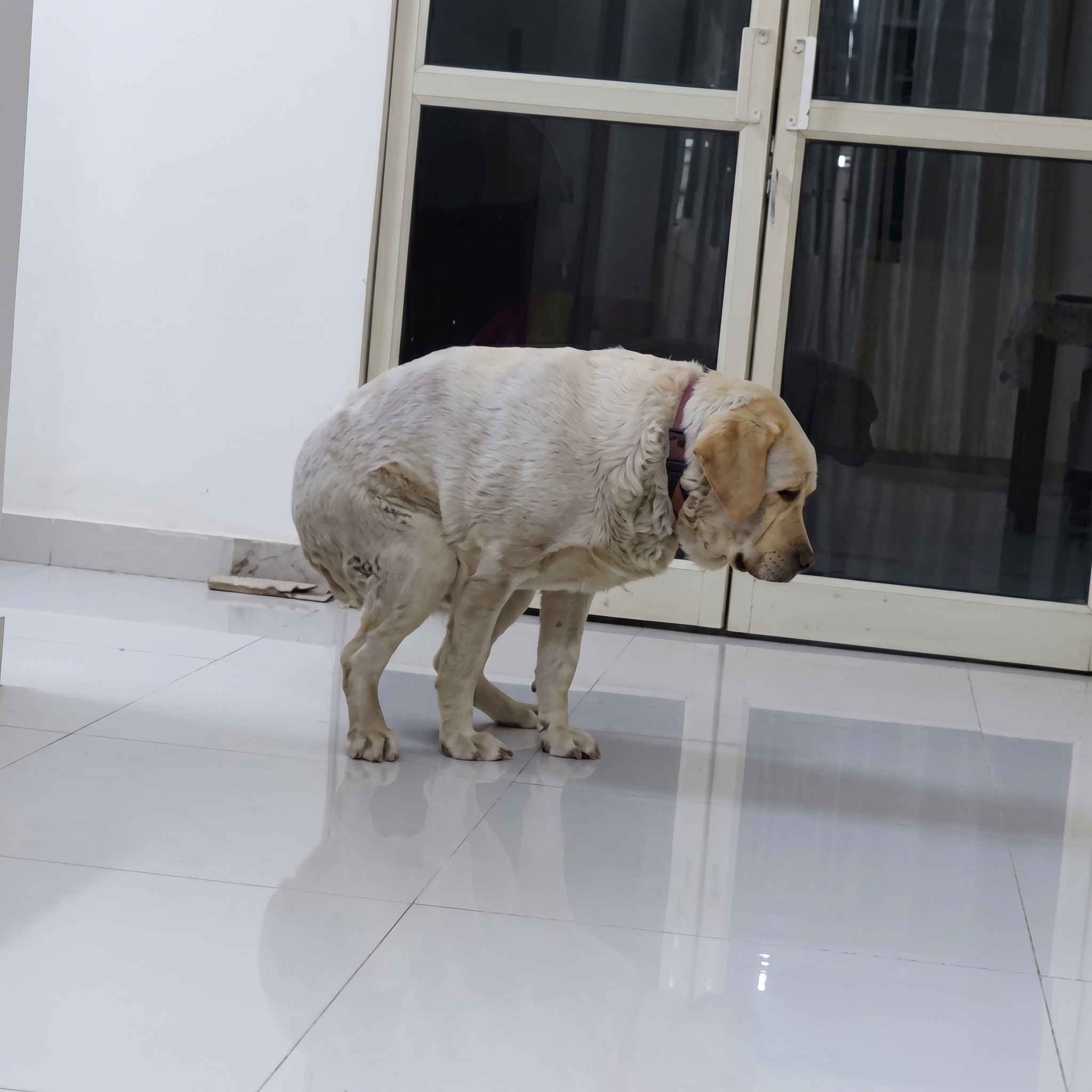
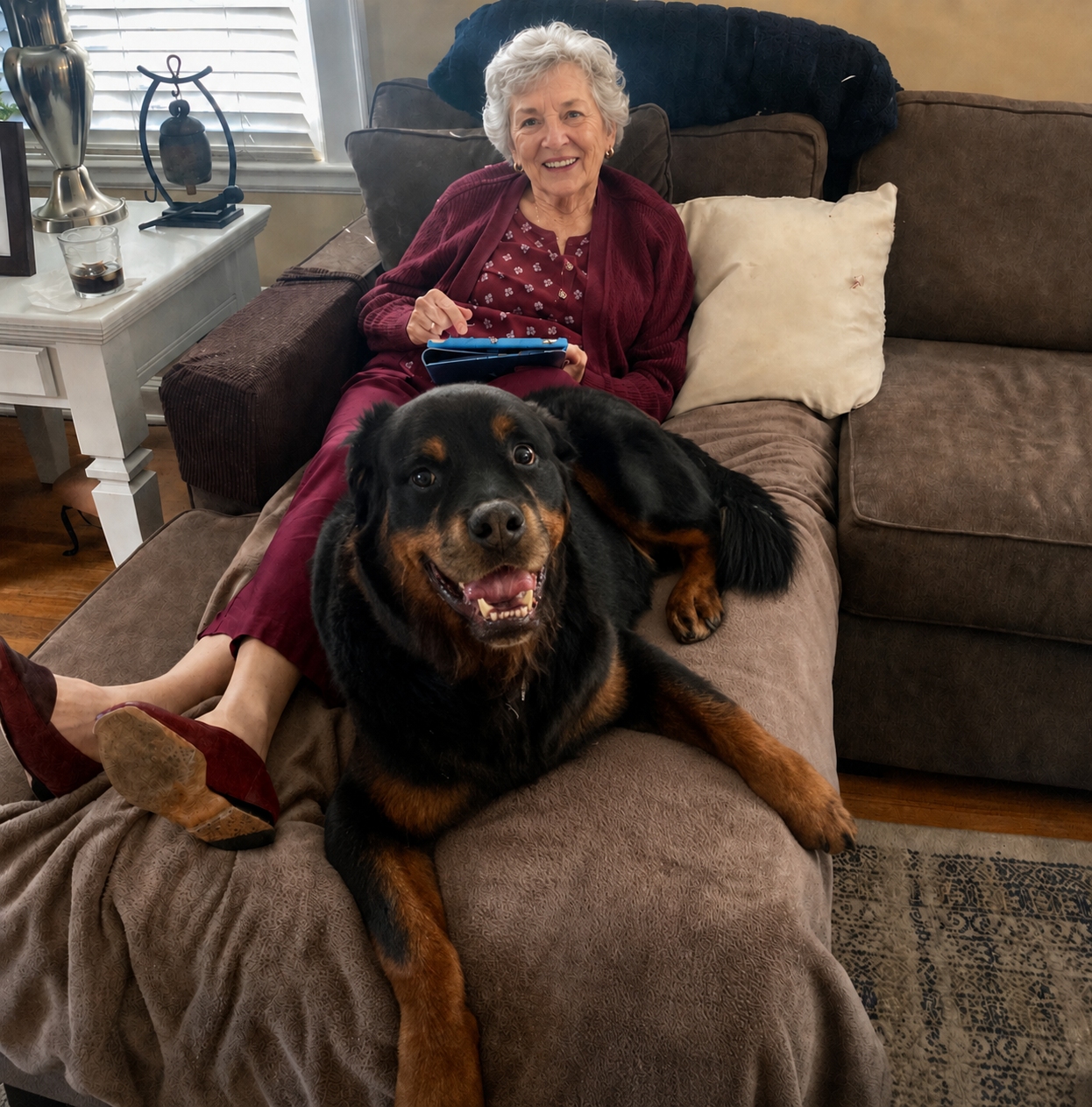
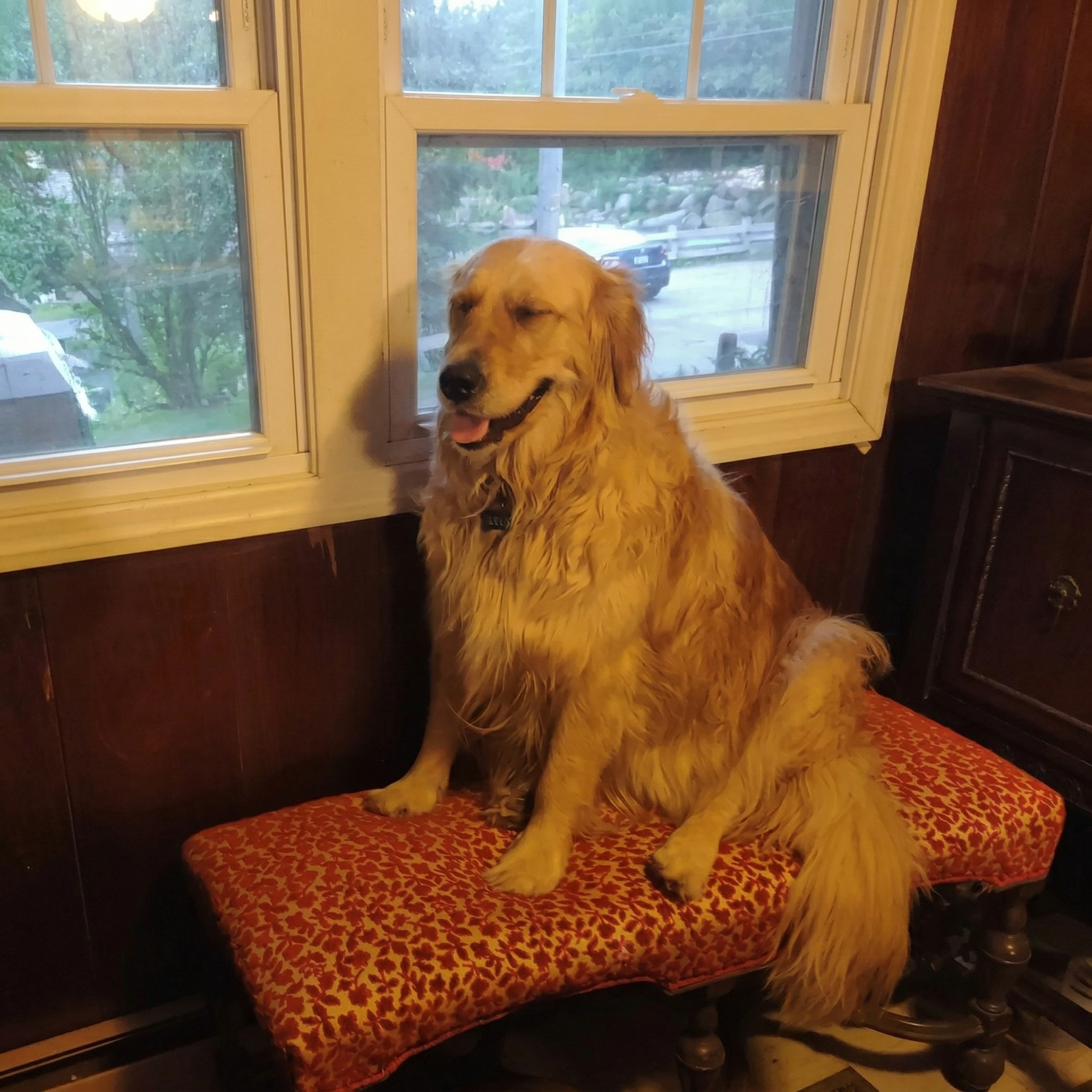
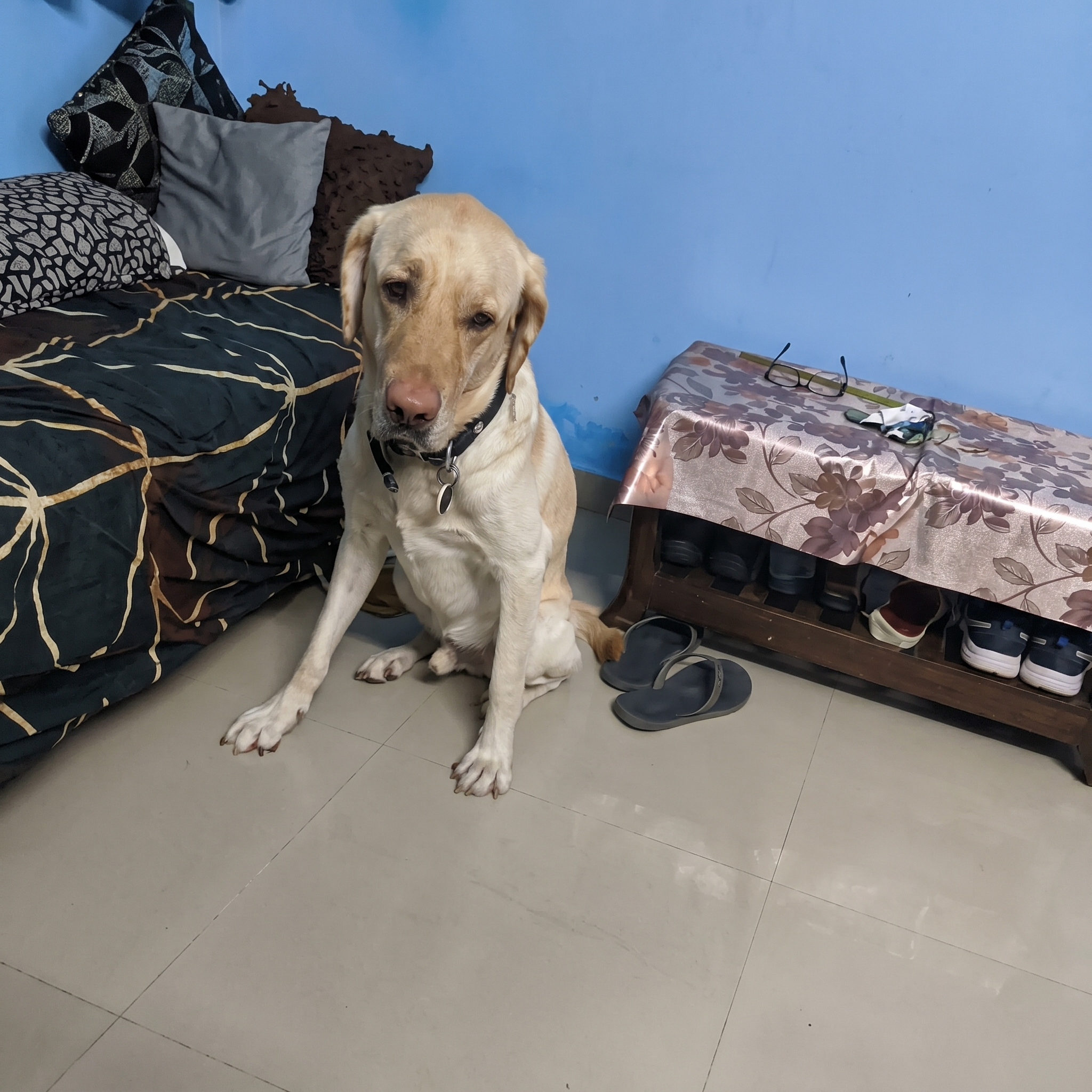
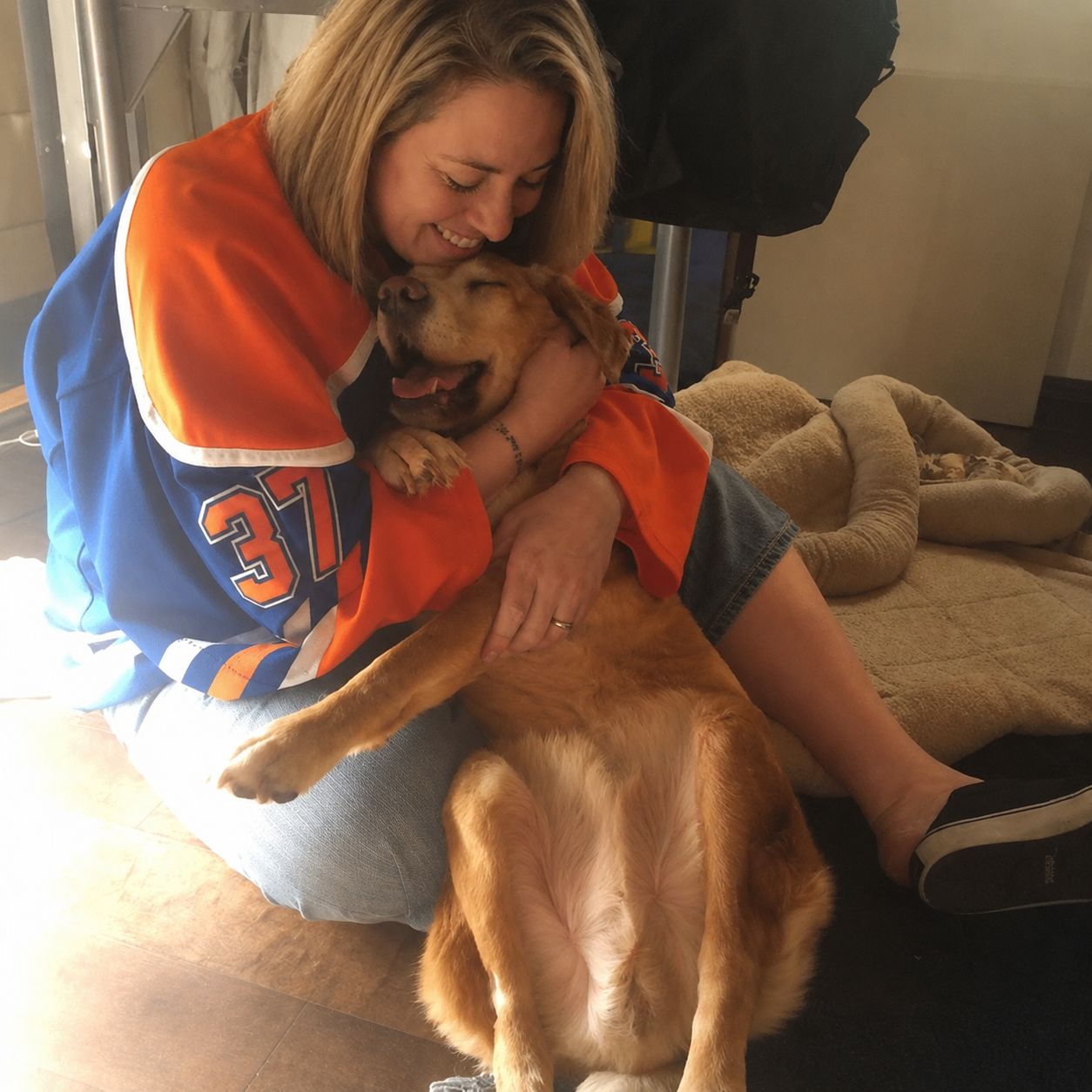
I tried 2 collagen supplements — one from Amazon, another from Chewy. My dog still couldn’t get up. Reason: her joints weren’t getting usable collagen. How does a dog keep slipping, limping, and losing the stairs after being supplemented every single day for seven months? Because the Amazon collagen drops had no real proof beyond the label. And the Chewy chews were barely getting into her every day. The collagen on the label meant nothing if her joints never got what they needed. My name is Debbie Ann. I live in Missouri with my husband. We had a dog named Daisy. A 12-year-old yellow Lab. My soul dog. The sweetest girl you could ever meet. The kind who followed me from room to room. About a year ago, Daisy started slowing down. Not all at once. Just little things. She stopped jumping on the couch. Not every day at first. Some days she would still try. Other days she would just stand there and look at it. Then it got worse. By month three, she stopped running to the door when I came home. She would hear the door open. Lift her head. Try to stand. Then sit back down. And the stairs were the worst. She used to fly up those stairs. Now she would stop at the bottom and just… look up at them. I took her to the vet. He watched her walk across the room. Moved her hips a little. Felt down her back legs. He said it looked like normal aging. Maybe early arthritis. Nothing shocking. “Keep her comfortable,” he said. He mentioned starting a joint supplement. Cosequin or Dasuquin. Something like that. I remember nodding because it sounded simple. Like this was just the normal next step for an old dog. So I went home and started looking. I was not trying to be cheap. I was trying to help her. And Daisy kept slowing down. I started researching. Found articles saying old dogs lose the cushion in their joints. Found people saying collagen helped their senior dogs move easier. It all made sense. So I went to Amazon — where I could get it fast with Prime shipping — and searched for liquid collagen for dogs. Found one with great reviews. Thousands of them. “Human grade.” “Supports hips and joints.” “5,000mg collagen.” $27. I ordered it. Started adding it to Daisy’s food every morning. A full dropper. Every single day. The first few weeks, nothing changed. She was still stiff when she got up. Still slipping on the kitchen floor. Still stopping at the stairs. By month two, she was getting worse. I thought maybe the Amazon drops were just the wrong kind. Or maybe Amazon was not the place to trust for this. So I switched. I went to Chewy — where I had been buying Daisy’s food and treats for years — and ordered one of the big-name joint chews. Better reviews. “Veterinarian formulated.” “Glucosamine, chondroitin, and MSM.” $65 for a big bag. I figured Chewy was more reliable than Amazon. More legitimate. I remember thinking, “Fine. If this works, I don’t care.” Started giving Daisy the Chewy chew every single day. Or at least trying to. Daisy hated them. She would sniff the chew and turn her head. I tried hiding it in peanut butter. I tried cheese. I tried breaking it up into her food. She always found it. Half the time, I would find the chew sitting next to an empty bowl. So I started crushing it. Then mixing it into wet food. Some days she ate it. Some days she didn’t. But I kept trying. Month three of supplements, one month on the Chewy chews: still stiff. Still slow getting up. Still stopping at the stairs. Month four: started dragging her back feet a little after naps. Her nails scraped the floor when she walked. Month five: slipped so bad on the hardwood that her back legs went out sideways. I laid rugs down in every hallway. I took her back to the vet. New X-rays. Arthritis in both hips. Worse than before. Her back legs were losing strength. “But she’s been on joint supplements for five months,” I said. “I’ve been trying to give them to her every day. Aren’t they supposed to help her joints?” The vet looked at me. “Joint supplements can help some dogs,” he said. “But once the joint damage gets this far, it’s hard to turn back.” Then he said the words I was trying not to hear. “We need to talk about quality of life.” He sent us home with pain meds. Said to keep rugs down. Short walks only. No stairs if we could help it. He mentioned the monthly shot if the pills were not enough. I did everything he said. Pain meds. Joint chews. Rugs in every hallway. Soft beds in every room. A towel under her belly when she needed help getting into the car. Some days the meds helped. Some days she just looked flat. Not like Daisy. And she kept declining. Month six: barely getting up after naps. Sleeping most of the day. Looking at the stairs like they were a wall. Month seven: I found Daisy stuck on the kitchen floor. Her front legs were trying. Her back legs just kicked and slid under her. She could not get up. She looked scared. I will never forget that look. I wrapped a towel under her belly and helped lift her. She cried once. Just once. But that was enough. I called the vet that morning. They told me to bring her in. More X-rays. More bloodwork. More talk about pain control. More talk about quality of life. That week, Daisy crossed the rainbow bridge. I held her while they gave her the injection. I rubbed her ears and told her I was sorry. That I had tried. That I had been giving her joint supplements for seven months. The bill was almost $900. For a dead dog. I came home and sat at the kitchen table staring at those bottles. The Amazon liquid collagen drops. The Chewy joint chews. Seven months. Every single day. Hundreds of dollars. And Daisy still crossed the rainbow bridge. I could not understand it. Then, about a week later, I saw a post in a senior dog group. Someone mentioned they had been using joint drops from Amazon, but their old dog was still getting worse. Someone else replied: “Most of those Amazon collagen drops are just label collagen. No testing. No proof the peptides are the right size. No proof it reaches the joint.” I did not even know that was something I was supposed to look for. But I started researching. And my stomach dropped. Generic pet supplements on Amazon. Big numbers on the front. “Human grade.” “Supports hips and joints.” Thousands of reviews. But no real explanation of what kind of collagen it was. No Certificate of Analysis. No third-party testing. Nothing about peptide size. Nothing about whether it could actually make it through digestion and reach joint tissue. I looked at the Amazon bottle I had used for the first two months. “Liquid collagen for dogs.” Sold by a third-party seller. Not a brand I knew. No lab report. No proof beyond the label. I felt sick. A few days later, still scrolling through that same senior dog group, I saw another post. This one was from a woman who ran a senior-dog rescue. She had posted about old dogs with bad hips. Dogs who could barely stand. Dogs whose owners thought it was “just age.” She talked about joint supplements and how most owners were looking at the wrong thing. Then she mentioned one brand specifically. Clover Collagen. Said it was the first one she had seen that actually showed the dose and the lab report. I went to their website. tryclover.co. Read everything. Third-party lab testing. Clear dosing. Certificate of Analysis. And then I saw a way to contact them. I reached out. A woman replied. Her name was Megan. I told her everything. About Daisy. About the seven months of supplements. About trying Amazon first, then switching to Chewy. About the stairs. About the kitchen floor. About how she crossed the rainbow bridge anyway. I was crying by the end of it. “I don’t understand,” I wrote. “I gave her joint support for seven months. I tried the drops. I tried the chews. How did she still get so bad? Wasn’t collagen supposed to help her joints?” Nobody had ever explained that part to me. Megan was quiet for a moment. Then she said, “I’m so sorry. That must have been so painful.” She paused. “Can I ask — you mentioned the Chewy chews. How long was Daisy on those?” “Five months,” I said. “The last five months of her life.” “Okay,” Megan said. “I need to tell you something, and I’m not saying this to make you feel worse. I just want you to understand what probably happened.” “The Chewy chew may have been a real product. It probably had the ingredients on the label.” “But with joint supplements, the label is not the whole story.” “What do you mean?” I asked. “It has to actually get into your dog every day. And it has to be the right kind of support for the part of the joint that is failing.” She explained it like this. A dog’s joint has a cushion between the bones. When that cushion wears down, the bones do not glide like they used to. They rub. That is the stiffness. That is the limp. That is the slip on the kitchen floor. “The chews you bought were mostly built around glucosamine,” she said. “Glucosamine can support the joint fluid. But Daisy’s problem sounded bigger than dry fluid. Her cushion was wearing down.” “And that cushion needs collagen.” “But the Amazon drops said collagen,” I said. “I know,” she said. “And maybe there was collagen in the bottle. But did they show the peptide size? Did they show a lab report? Did they show proof it was made to reach joint tissue?” I just sat there. “And with the Chewy chews,” she said, “you told me Daisy only ate them some days. If a chew is sitting next to the bowl, that dose is zero.” I couldn’t breathe. “So even though I was giving her joint support for seven months...” “She may not have been getting daily usable collagen,” Megan said. “The Amazon drops had no real proof beyond the label. And the Chewy chews were not getting into her every day. Either way, her joints were not getting the support you thought they were.” “But why doesn’t the label say that?” I asked. “Why doesn’t it say if the collagen can actually reach the joint?” “Because most labels don’t talk about delivery,” Megan said. “They tell you what’s in the bottle. Not what your dog actually gets from it.” “As long as the ingredient sounds right, most owners think they’re covered.” “And most people don’t even know to ask.” That sentence made me feel sick. Because Daisy’s labels looked good. The Amazon drops looked strong. The Chewy chews looked trusted. But the labels never told me the part I actually needed to know. I asked her about Daisy’s X-rays from before she died. “They said the arthritis in her hips was worse,” I said. “And her back legs were losing strength. But nobody ever talked about whether the supplements were actually getting to her joints.” Megan’s voice got soft. “Based on everything you told me,” she said, “Daisy was not getting daily usable collagen. Not in the way you thought.” “Even after seven months?” “Even after seven months,” she said. “The Amazon drops had no proof beyond the label. And the Chewy chews were not getting into her every day.” I started crying again. “So I was giving her something that looked like joint support…” “For seven months,” I said. “And it was not reaching the place that needed it.” “You were doing everything you could with the information you had,” Megan said. “You took her to the vet.” “You researched.” “You bought what looked like good products with good reviews.” “You hid the chews in peanut butter.” “You tried to get them into her every day.” “You didn’t know the real question was whether the support was actually reaching her joints.” “Most people don’t.” We talked for almost 30 minutes. Megan did not try to sell me anything. She just listened. And explained. How Clover uses collagen peptides that are already broken down into smaller pieces, so Daisy’s body would not have to fight to break them down first. How the liquid dropper goes right on food, so an old dog does not have to chew it, swallow a pill, or notice it is even there. How their lab report checks what is actually in the bottle. Not just a pretty label. Not just a big number. Not just reviews from strangers. Something real I could actually look at. “The collagen on the label doesn’t matter if your dog never gets daily usable collagen to the joint,” Megan said. “That’s what most people don’t understand.” “And that’s why dogs can be on Amazon drops or Chewy chews and still keep getting worse.” “The support isn’t reaching where it needs to go.” After we stopped talking, I sat there for a long time. Daisy had been on joint support for seven months. Two months of Amazon collagen drops with no real proof beyond the label. Five months of Chewy chews that she barely ate half the time. Seven months of me thinking I was doing the right thing. Seven months of her joints not getting daily usable collagen while I thought I was helping them. If I had known about delivery… If I had known a chew on the floor is not a dose… If I had known the label does not matter unless it reaches the joint… Would Daisy still be here? I do not know. But I think about it every single day. I’m writing this because I see so many of you doing what I did. Ordering collagen drops from Amazon because they’re cheap and ship fast. Ordering joint chews from Chewy because you trust the brand. Looking at the label. Reading the reviews. Thinking you’re covered. All while your dog is still slowing down. Still hesitating at the stairs. Still slipping when she gets up. Still leaving the chew next to the bowl. But collagen on the label does not matter if there is no proof it reaches the joint. And a chew does not matter if your dog will not eat it every day. Your dog can be “on joint support” for months… And still not be getting daily usable collagen. Which means the joint cushion is still starving. The bones are still grinding. The stairs are still getting harder. And you think you’re helping because you’re giving them joint support every day. But you’re not. You’re giving them support that isn’t reaching where it needs to go. I gave Daisy joint support for seven months. First from Amazon — liquid collagen drops with no lab report, no peptide-size proof, no real proof beyond the label. Then from Chewy — trusted joint chews she barely ate half the time. Daisy crossed the rainbow bridge with her hips still failing and her back legs still giving out. Because neither product was reaching where it needed to go. Don’t make my mistake. If you’re going to give your dog collagen, don’t buy random drops from Amazon just because they ship fast. If there is no lab report, no clear dose, and no proof beyond the label, you do not really know what your dog is getting. And don’t assume Chewy joint chews are enough just because they come from a trusted retailer. If your dog spits them out, eats around them, or only takes them some days, that is not daily joint support. Use collagen that shows the dose. Use collagen with third-party testing. Use collagen your dog actually gets every day. Use something that reaches the joint instead of sitting on the label. I can’t bring Daisy back. But if you have a dog with stiff hips, weak back legs, or stairs that keep getting harder — and you’re using Amazon collagen drops or Chewy joint chews — please consider this: What if the Amazon drops have no real proof beyond the label? What if the Chewy chews are not getting into your dog every day? What if seven months from now, you’re sitting where I’m sitting, wondering why the joint support didn’t work? Get third-party-tested liquid collagen built for daily joint delivery — not random Amazon drops or chews your dog leaves beside the bowl: tryclover.co/products/hipandjoint Because Daisy deserved collagen that actually reached her joints. And so does your dog. P.S. The biggest thing I learned is this: the label is not the dose. The dose is what your dog actually eats, absorbs, and can use. P.P.S. If your dog has already refused chews, Clover solves that part immediately. You squeeze it on their food and move on. No fight. No hiding. No wasted bag. And if you are skeptical, good. I was too. That is why the third-party lab testing matters so much.
Gave Her Collagen For 7 Months. She Died Anyway😭
If for any reason you're not completely satisfied with your purchase, we'll issue a full refund, no questions asked. Simply reach out to our support team and we'll take care of it.
SHOP NOWLike this ad? Make it yours.
Crush rebuilds this exact creative around your product — your brand, your colors, your offer — in about a minute.