
Active· since Jun 13, 2026
- 95
- days running
- 0
- relaunches
Ad copy
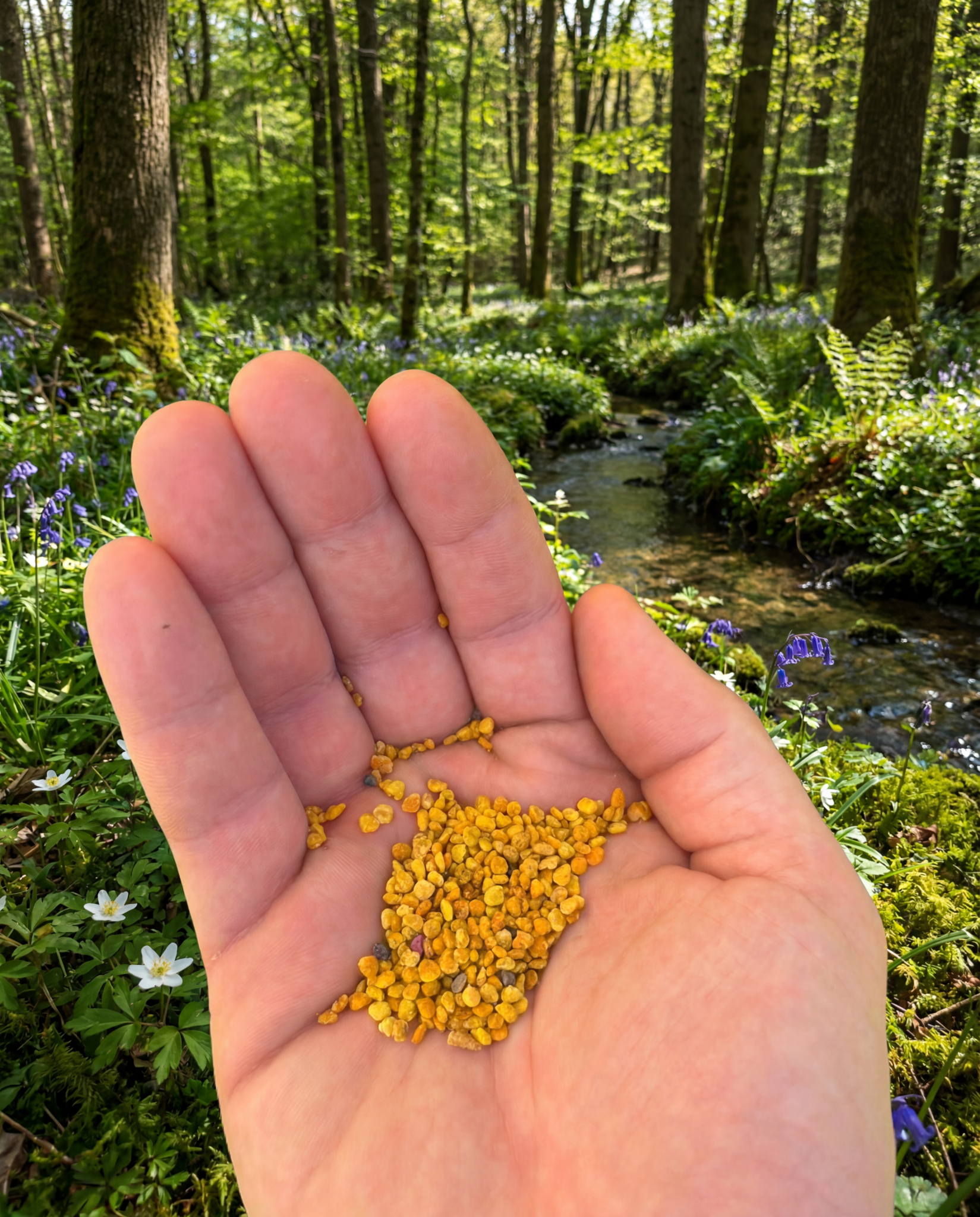
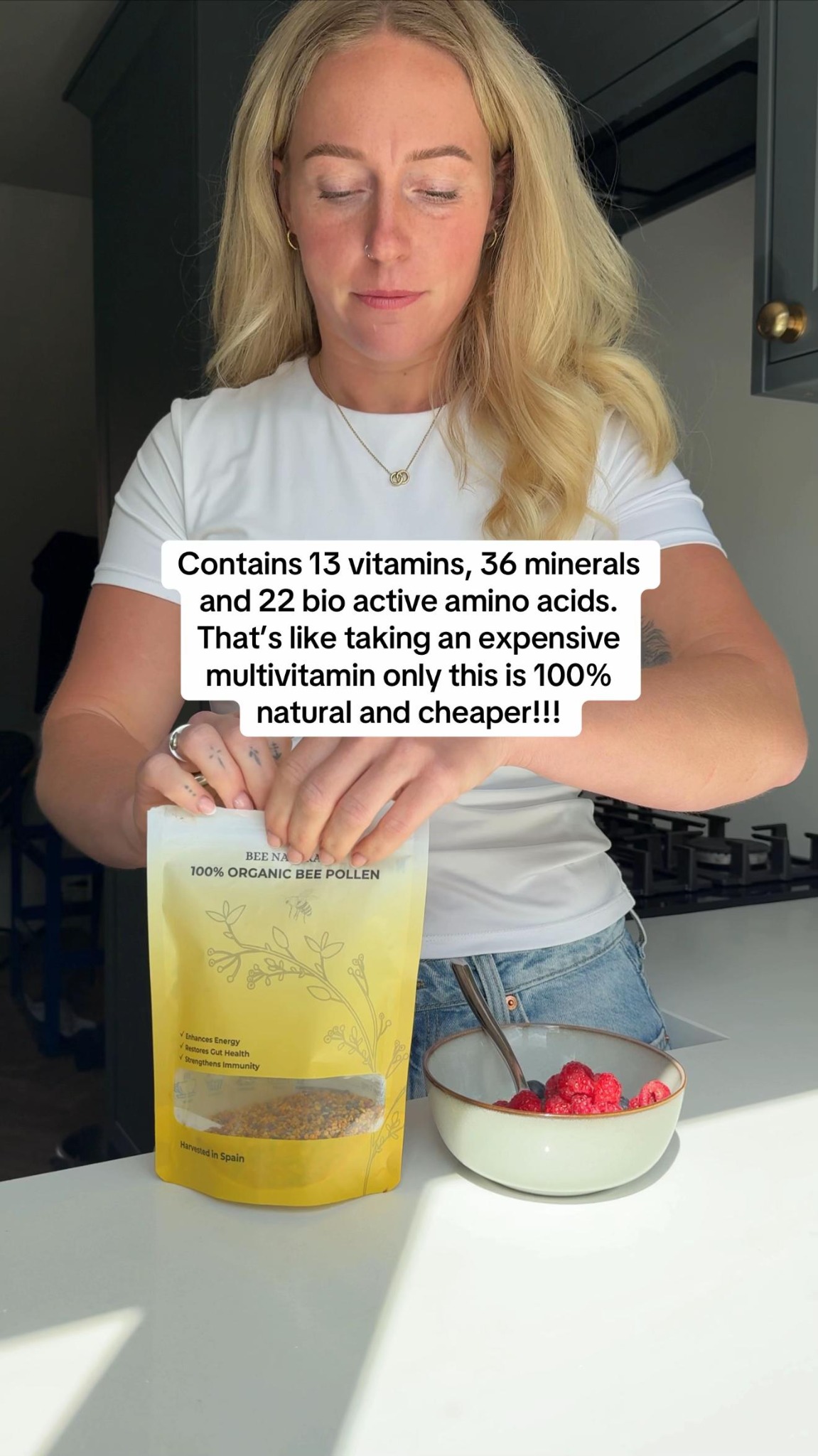
I am going to say something that nobody who has spent years trusting the medical system wants to hear and I make no apology for it. The supplement industry is not built around making you well. It is built around keeping you buying. A woman who finds one thing that works and never needs anything else again is not a customer. A woman who cycles through product after product, year after year, each one promising what the last one failed to deliver — that is a very good customer indeed. I learned this after my mother spent the last decade of her life exhausted and never found out why. After four doctors told me my results were normal. After a retired nutritional therapist with nothing left to prove sat down with me and told me the truth in ten minutes. I am done being polite about this. Read every word. Because the answer is in here and it has nothing to do with ordering another bottle of something off the internet. My name is Carol. I live in Worcestershire with my husband. I am 63 years old. For most of my fifties I was the woman who kept everything running. Sunday lunches. The school governors committee. The long walks with my friend Janet every Wednesday morning. The one people called when something needed sorting because they knew it would be sorted. Until four years ago. It started the way I now know it always starts. Quietly. Gradually. In a way that gives you no single moment to point at and say — there. That is when it changed. The afternoons first. That heavy, pressing exhaustion that arrived every day around two o'clock without fail. I started rearranging my days. Important things in the mornings. Easier things saved for after lunch while I still had something left. Then the mornings stopped being mornings. I was waking up tired. Not groggy. Tired. Like the sleep had done nothing at all. Like my body had been somewhere exhausting all night and come back with nothing to show for it. Then it was everywhere. I stopped cooking proper Sunday dinners. Stopped going to the farmers' market on Saturdays. Resigned from the governors with an excuse nobody questioned because they could all see I wasn't well. Cancelled on Janet so many Wednesdays in a row that she stopped ringing to confirm and just waited to see if I'd turn up. I usually didn't. My husband watched me from across the dinner table every evening with the expression of a man who is frightened but doesn't know how to say it. My mother had spent her last decade the same way. Tired. Apologising. Cancelling. Shrinking into a smaller and smaller version of herself until the version that was left wasn't much at all. She died at 72. I don't think a single doctor ever told her why she felt the way she did. When it started happening to me, I recognised every step of it. I knew exactly where this leads. I rang my doctor first. She had known me for nine years. She knew my mother's history. "Carol, your bloods look absolutely fine. There's nothing here that explains significant fatigue. We could try a low-dose iron supplement but honestly I don't think that's what this is." Seven-minute appointment. One suggestion. I tried the iron for two months. Not a single afternoon felt different. Second opinion. Different surgery. Younger doctor. More thorough. "Try a B-complex," she said. "Some women your age find it helpful. Top up your Vitamin D as well. And have a look at your sleep routine." Eight weeks of B-complex from Boots. Six weeks of Vitamin D. A new pillow. Earlier bedtime. A white noise machine my husband lasted four nights with before moving to the spare room. Same exhaustion. Same cancelled plans. Same woman disappearing from her own life one apology at a time. By now I was different. Shorter sleep. Shorter patience. The constant low-level dread of someone watching a familiar story and not knowing how to change the ending. My husband said, "You're either going to find something that works or you're going to accept this is how things are." He meant it kindly. I knew he was right. I also knew I was not going to accept it. Third referral. Private clinic. Women's health specialist. Charged considerably just to walk through the door. "Your hormone profile shows changes consistent with post-menopause," she said, barely looking up from her notes. "HRT might take the edge off the fatigue. It won't fix everything but it could help." "I've been post-menopausal for five years. This fatigue is new. Something changed." She looked back at her screen. "Fatigue is multifactorial. Difficult to pin to one cause." Multifactorial. Or was nobody actually looking at what was driving it? That night I couldn't sleep. I sat at the kitchen table at half past one going through forums and articles and research, looking for anything that sounded like my situation and had an actual answer attached to it. My husband found me at six in the morning still at the table. "You need to sleep." "I need an answer." "Get another opinion." "What is the point? They will tell me the same things." But he made me go. Different approach this time. A nutritional therapist recommended by a woman in my book club. Twenty years in practice. Properly trained. Not the sort who sells things at you from the moment you walk in. She asked about my full history before she said a single word of her own. My diet. The supplements I'd tried. My symptom patterns. My mother. Then she put down her pen and said something that none of the others had said. "Everyone you've seen has been treating the symptoms. But the symptoms are not the actual problem." I asked her what the actual problem was. "After fifty," she said, "the body's ability to absorb and use nutrients changes in ways that standard blood testing is not sensitive enough to detect. You can eat sensibly, sleep adequately, take every supplement your doctor suggests — and still be running on a fraction of what your cells actually need to function. Because the system that was quietly managing all of this for decades starts to struggle." She sat forward. "And here is what makes me frustrated on behalf of every woman I see in this situation. Most supplements do not work not because the nutrients are wrong. Because the form is wrong." She explained it like this. "Your body absorbs nutrients differently depending on how they arrive. Isolated synthetic compounds — the kind in every capsule on the shelf at Boots — are processed entirely differently from nutrients that arrive the way nature packaged them. In a complete matrix. Where everything works together. Where one thing supports the absorption of another. Where the whole does something the individual parts simply cannot." That sentence. Isolated. Synthetic. The wrong form. I thought about every bottle I had bought. Every capsule I had swallowed. The B-complex. The Vitamin D. The adrenal support a friend swore by. The magnesium. The iron. All of them isolated. All of them synthetic. All of them going through a body that apparently could not use them the way they needed to be used. "So what actually works?" I asked. She said, "The same thing that worked before any of this existed." She explained that healers across four different continents — traditional Chinese medicine, Ayurvedic practitioners in India, Cherokee healers in America, European folk medicine going back centuries — all arrived independently at the same answer. Without the internet. Without a common language. Without any way of comparing what they had found. They all used bee pollen from wildflower sources as a complete nutritional foundation for energy and healthy ageing in older adults. "Four continents," she said. "Four completely separate traditions. No connection between them. They all arrived at the same thing. And they were right." She explained why. "Bee pollen from wildflower sources is not a supplement in the way we think of supplements. It is a complete food. The bees collect from hundreds of different plant species — not one crop, not one field, not the same thing repeated endlessly. Every granule comes from a different flower. Every flower contributes something different. The nutritional profile is so broad and so complete that it covers gaps that targeted synthetic supplements built around one or two specific compounds cannot reach." She sat back. "And because it arrives in the form the body has been recognising for thousands of years — raw, unprocessed, exactly as nature produced it — the absorption is completely different. Your body knows what to do with it. It does not struggle the way it struggles with an isolated compound in a capsule." She paused. "But there is no money in a wildflower. There is a great deal of money in selling you isolated compounds in capsules for the rest of your life." That hit me. "No money in a wildflower?" She smiled quietly. "Not the kind that works. Every product on the shelf is built around something patentable. Something they can own. Something you cannot simply find in nature and take yourself. Bee pollen cannot be patented. So it never gets the marketing budget. And a generation of exhausted women never gets told about it." After four years of being tired. Three doctors. A specialist. Hundreds of pounds in consultations and supplements that did nothing. I ordered a packet of Bee Natural Spanish Bee Pollen in the car park before I had even driven home. I received it two days later. I want to be honest with you about what happened because I have been disappointed by too many things that promised too much and I will not do that to you. Nothing the first day. I had expected nothing. Nothing obvious the second day either. Though I noted in the small diary I had started keeping that I had made it to two o'clock without the crash arriving on schedule. Day four. I made it to half past three. Then four. Then gone five. I looked up from what I was doing and realised the afternoon had simply passed. No crash. No counting down. No calculating what I could still manage before I had to stop. I stood at the kitchen window for a moment trying to work out what was different. Then I understood. I felt like myself. Not a sudden, dramatic version of myself. Not the artificial energy of caffeine — brittle and borrowed and followed by something worse. Just quietly, steadily, ordinarily myself. Like a noise that had been present for so long I had stopped hearing it had finally stopped. Day seven. I walked to the village and back. Forty minutes. The long route past the allotments that I hadn't taken in nearly a year. I came home. Made tea. Sat in the garden just because I wanted to. I hadn't done that in months. Week two. Janet rang on Wednesday morning. I had cancelled on her so many times she had stopped expecting a yes. I said yes. We walked for an hour and a half. Talked the whole way. Stopped at the bench by the old mill the way we used to. Walked back. I came home, made lunch, put a wash on, and rang my daughter. Janet texted that evening. "You were back today. Don't go away again." I sat with that for a long time. Week three. My daughter rang to say she was bringing the grandchildren on Sunday. Six months ago that call would have sent me into quiet panic. The cooking. The standing. The noise. The calculation of what it would cost me the next day. "I'll do a proper roast," I said. I stood in that kitchen for two and a half hours. Set the table. Served everyone. Sat through the whole meal without watching the clock. Played with the grandchildren after. Washed up. My daughter found me at the end of it standing at the kitchen window looking at the garden. She said — very quietly, the way you say something when you are afraid of breaking it — "Mum. What happened to you?" I pointed to the packet on the windowsill. She picked it up. Turned it over. Put it down. "Bee pollen." "Bee pollen." "Mum." "I know." She ordered a packet before she drove home. Month one. I went back to my doctor for a routine appointment. She looked at me before she opened my notes. "You look very well," she said. "I feel very well." "What has changed?" I told her about the packet on my windowsill. She wrote it down. Not dismissively. Actually opened a new note and wrote it down. "How long have you been taking it?" "Four weeks." "And the fatigue?" "Gone." She looked at her screen for a moment. "Continue what you are doing," she said. "We will review in six months." I walked out of that surgery without a new prescription. Without a referral. Without being told that fatigue at my age was to be expected. Just: continue what you are doing. Month three. I ran into the second doctor — the one who had told me to try a B-complex and sort out my sleep routine — at the chemist in town. She asked how I was getting on. "Completely different," I said. "The B-complex helped?" "Never finished the bottle. I found something else." "What did you try?" "Spanish wildflower bee pollen. A teaspoon in my porridge every morning." She looked at me the way doctors look at you when they are deciding what to say. "There is limited clinical evidence for bee pollen in cases of fatigue," she said carefully. "Four months ago I was cancelling on my grandchildren because an hour on my feet destroyed me for the rest of the day. This morning I cooked Sunday lunch for eleven people, walked the dog, and sat in the garden until nearly dark. What would you call that?" She did not have an answer. She looked, just for a moment, like someone who had realised they had been looking in the wrong direction for a very long time. She did not have a response. Here is what I learned. Every doctor I saw looked at my symptoms through the lens of their training. Normal blood tests meant nothing to treat. Nothing to treat meant manage the symptoms. Managing the symptoms meant supplements designed around isolated compounds that my body could not use properly anyway. Nobody looked at the actual mechanism. Nobody asked why my body had stopped converting what I was giving it into the energy it needed. Nobody mentioned that the answer had been known for thousands of years before blood tests existed. Most exhaustion in women over fifty is not a "results are normal, nothing to be done" problem. It is a nutritional completeness problem. The body after fifty needs a full spectrum of nutrients arriving together, in a form it recognises, from a source as complete and varied as wildflower bee pollen. When it gets that, something shifts. Not dramatically. Not overnight. But unmistakably. And I was not willing to spend the next decade disappearing the way my mother disappeared. But my nutritional therapist told me something before I even ordered the packet that I think about every time I hear about another exhausted woman who tried bee pollen and felt nothing. She said: if you get this wrong — if you buy a pollen that has been heat-treated, or sourced from monoculture farmland, or processed in ways that destroy what makes it work — you will feel nothing. And you will conclude that bee pollen does not work. When the truth is that the wrong bee pollen does not work. The source matters enormously. Most commercial bee pollen comes from monoculture farmland. The bees visit one crop. One field. One species repeated endlessly. The nutritional profile is narrow because the bees had nothing else to collect from. Bee Natural sources exclusively from southern Spain. Wild, uncultivated land where the bees have access to hundreds of different wildflower species. The nutritional profile is broader and richer than anything from commercial farming for the same reason a meal with twenty ingredients nourishes you differently from the same ingredient twenty times. Nothing is heated. Nothing is processed. Nothing is added and nothing is taken out. You can see it in the packet. The granules are different colours — orange, amber, deep red, pale yellow — because each one is from a different flower. Each one brings something the others do not. That is not marketing language. That is what the product looks like because of where it actually comes from. A teaspoon a day. In your porridge. In a smoothie. However suits you. The packet costs £27.95. Thirty-day money back guarantee. No risk. No forms to fill in. No questions asked. Here is what a teaspoon a day can do for you. Wake up in the morning feeling like the night actually did something. Make it through your afternoons without the crash that has become your daily reckoning. Get your words back. Your sharpness. The version of your mind that you thought had simply aged away. Stop cancelling on the people you love. Cook the Sunday lunch. Walk the Wednesday route. Go to the Saturday market. Stay until the end of things instead of calculating how long you can last before you need to leave. Feel, quietly and steadily, like yourself again. My friend Janet started taking it six weeks ago. Same story. Same years of being told her results were fine. Same quiet retreat from her own life. She had been to her doctor three times and come away with three different suggestions none of them believed would work. Two weeks after she started Bee Natural she rang me on a Wednesday morning. "I was going to cancel again," she said. "I know." "I didn't cancel." "I know." "Carol. I walked the whole route." She was crying. I didn't say anything for a moment. "Don't stop taking it," I said. My sister had tried every supplement her doctor suggested over three years. Three approaches. Three disappointments. Always back to the same conversation about what to try next. She switched to Bee Natural. Rang me five weeks later. "Why didn't you tell me sooner?" "I only just found out myself." My neighbour Margaret — the one who had accepted two years ago that this was simply how she would feel for the rest of her life and had quietly stopped fighting it — knocked on my door last month. "Did you tell a company to ring me?" "No, why?" "Because I've been to the farmers' market two Saturdays running. I haven't done that in over a year. I wanted to know who to thank." Even my husband said it when I told him how many women had come back to me with the same thing. "You make nutrition too complicated," he said. "Doctors. Specialists. Capsules. And the answer was a teaspoon in your porridge." "Why don't doctors talk about it?" He shrugged. "Because there is no money in a teaspoon of bee pollen. There is a great deal of money in everything else." The supplement industry wants you to believe that exhaustion after fifty requires years of managed supplementation, ongoing prescriptions, and a quiet acceptance that certain things are simply the cost of getting older. But what if they are all looking at it wrong? What if the exhaustion, the brain fog, the crashed afternoons, the mornings that do not restore you — what if those are not the inevitable price of age but the predictable result of a body that has stopped receiving what it needs in the form it can actually use? What if the solution is not the next capsule, but the most complete nutritional food source that four civilisations across four continents independently identified as the answer thousands of years before any of us had a blood test to tell us we were fine? Four doctors told me to try something different, accept the situation, or manage the symptoms indefinitely. One told me the truth. It was never a "results normal, nothing to be done" problem. It was a nutritional completeness problem. A teaspoon a day. That is the whole answer. I know which one actually worked. The doctors are still debating why. I am just here with my packet on the windowsill and my Sundays back and my Wednesday walks and my grandchildren not wondering where their grandmother went. Letting them debate. Your body does not need another isolated compound in another capsule. It needs what four thousand years of human knowledge knew it needed. Every doctor I saw missed that. Except one. Don't let yours miss it too. — Carol Whitmore, 63, Worcestershire P.S. The supplement industry turns over billions every year. A teaspoon of wildflower bee pollen that actually works is not something that industry has any financial interest in telling you about. I did not know about it for four years. My mother never knew about it at all. Don't make the same mistake. P.P.S. Every day you wait is another afternoon you do not get back. Another cancelled plan. Another apology to someone who loves you. Another morning that should have restored you and did not. My mother spent a decade like that. I spent four years like that. I will not spend another day like that. The packet costs £27.95 and comes with a thirty-day guarantee. There is no risk. There is no reason to wait. Try it. A teaspoon in your porridge. Two weeks. Pay attention to your afternoons. They are where the answer shows up first.
Like this ad? Make it yours.
Crush rebuilds this exact creative around your product — your brand, your colors, your offer — in about a minute.