
Active· since Jun 13, 2026
- 95
- days running
- 0
- relaunches
Ad copy
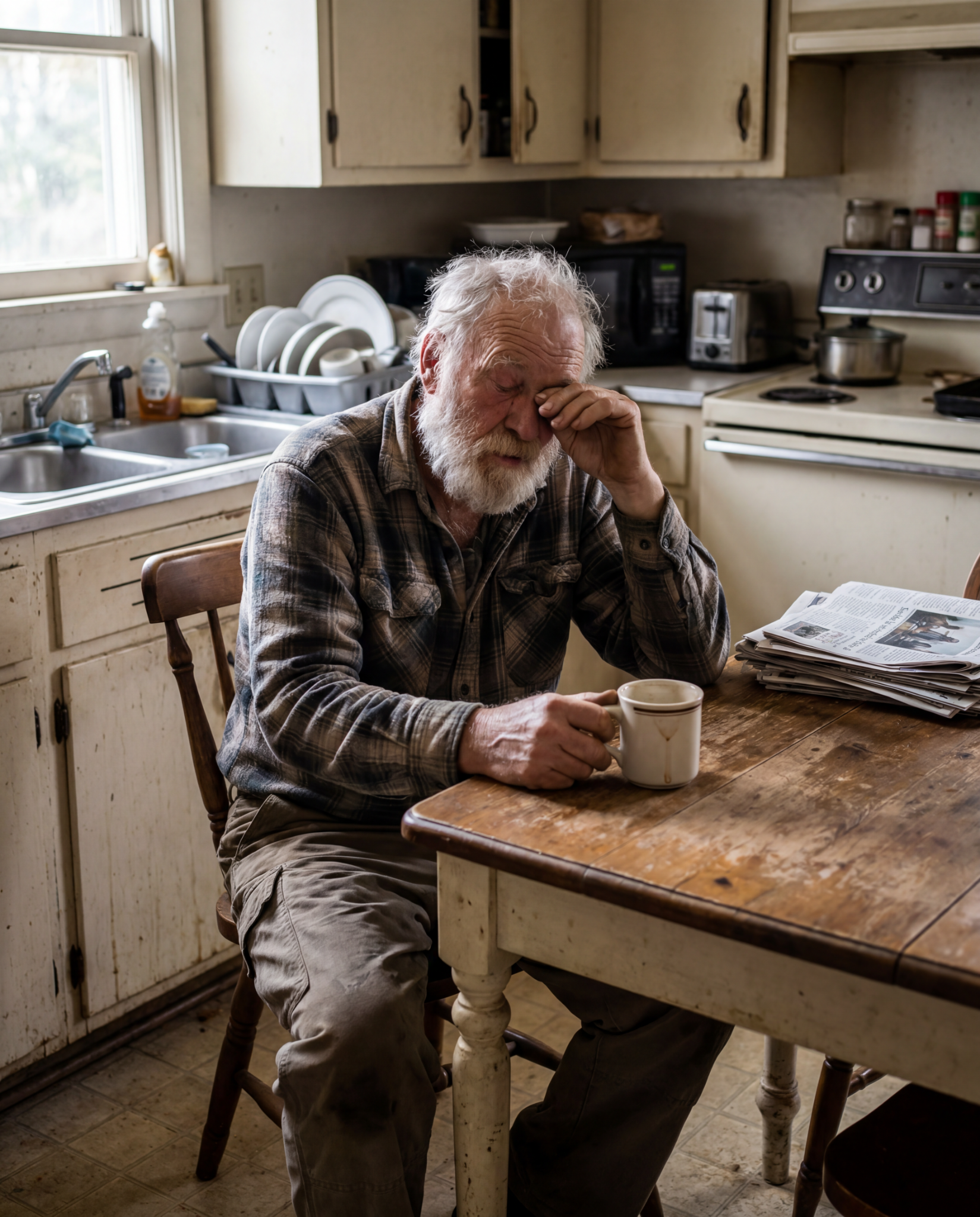
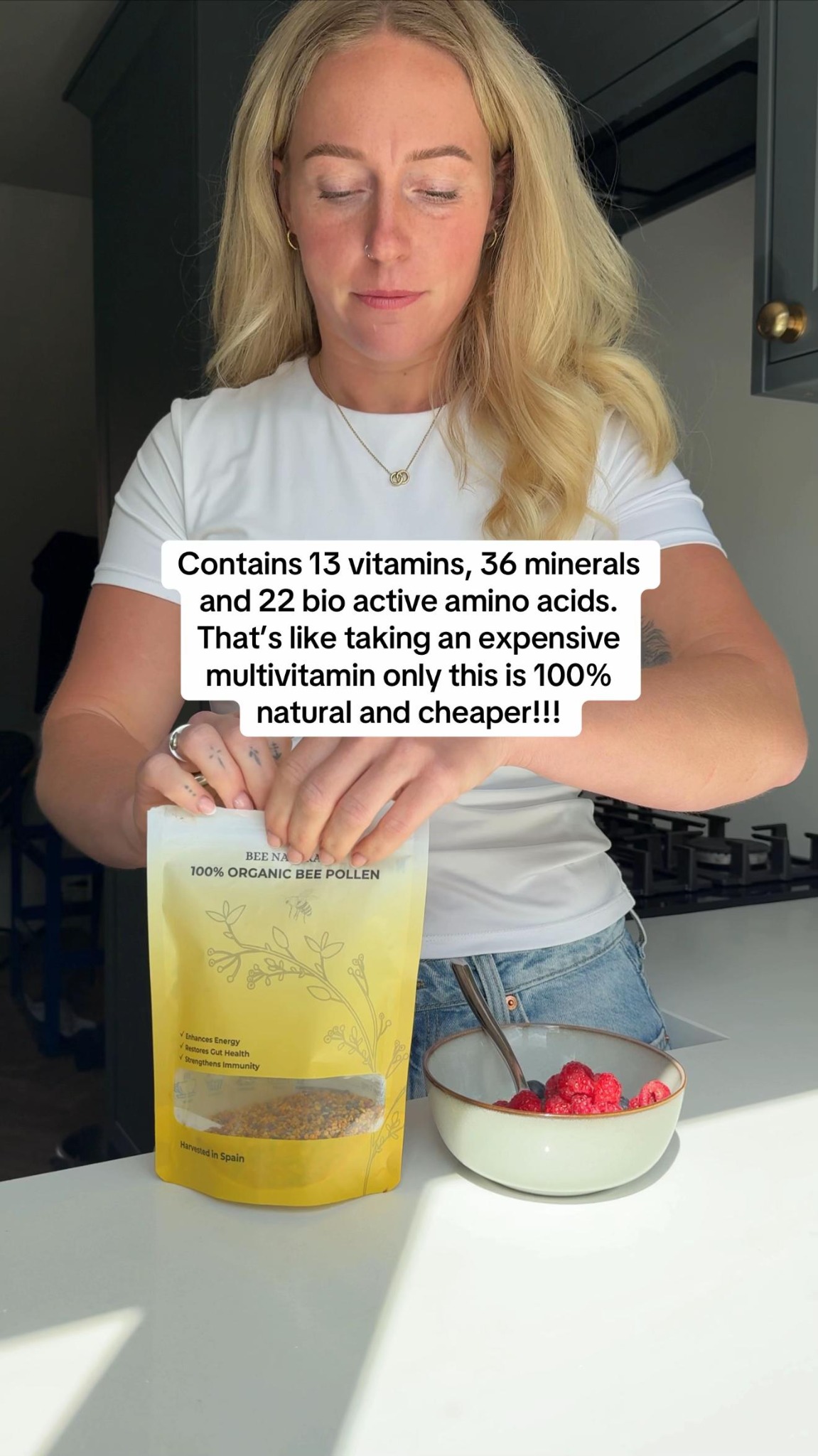
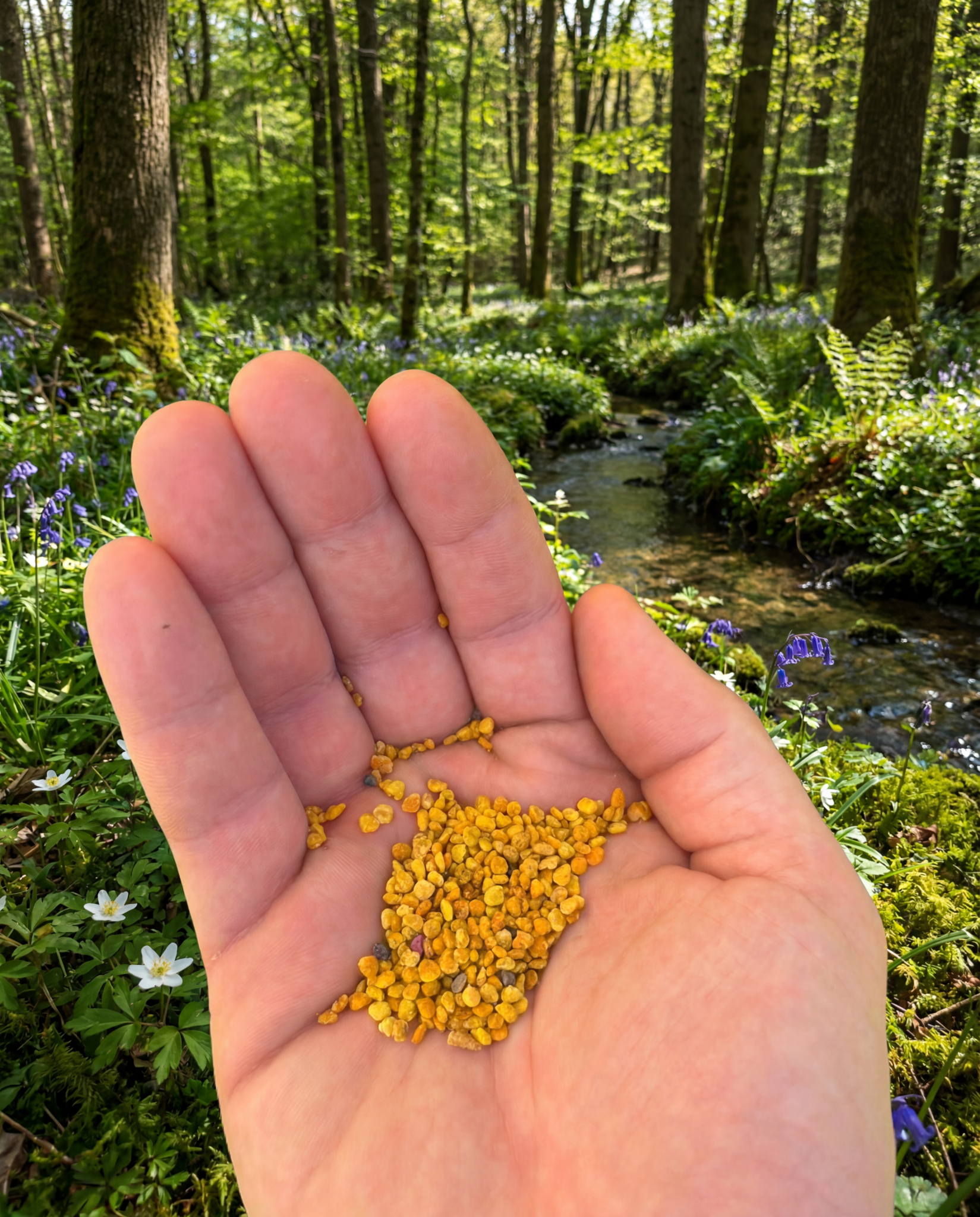
I've been told by three different doctors that there was nothing wrong with me. I have the letters to prove it. Here's what they missed — and what brought my energy back after four years of running on empty. For four years my body felt like it was operating on the wrong setting. Not ill enough to stay in bed. Not well enough to feel like myself. Just that constant, low-grade exhaustion that sits on you from the moment you open your eyes. The kind that makes a full night's sleep feel like a cruelty because you wake up just as tired as when you went to bed. My GP at the time was a man named Dr. Hargreaves. Methodical, thorough, the sort of doctor who actually looked at you when you spoke. Three years of appointments. Three years of blood tests that came back unremarkable. Three years of him telling me my results were absolutely fine. "Your thyroid is fine. Your iron is fine. Everything looks perfectly normal. Some of us simply have less energy as we get older." Some of us simply have less energy as we get older. I was 58. I had walked the Cotswolds every summer for twenty years. I had run a household, raised three children, and kept a part-time job through all of it. I did not accept that this was simply who I was now. Then Dr. Hargreaves retired. His replacement was a woman named Dr. Patel. Efficient, no-nonsense, the sort of doctor who had clearly made up her mind before you'd finished your second sentence. She looked at my notes, asked me three questions, and suggested antidepressants before I'd had a chance to take my coat off. "A lot of women your age present with fatigue that's actually low-level depression. It doesn't mean anything is wrong with your life. It's just the body's chemistry changing." "I'm not depressed." "Fatigue, low motivation, difficulty concentrating." "I know what depression feels like. This isn't that." She wrote something in my notes. I already knew what it said. I drove home with the leaflet she'd given me sitting on the passenger seat and left it there. That evening my husband found me at the kitchen table with half a dozen browser tabs open and a cold cup of tea beside me. I was not the first woman to sit at her kitchen table at midnight running these searches. I would not be the last. What I found over the following weeks was a wall of conflicting information and a supplements industry that seemed specifically designed to take money from tired women and give them nothing in return. I started buying anyway. A B-complex from Boots. Six weeks at the recommended dose. Expensive trips to the loo, as my husband put it. An energy supplement a friend from my book club swore by. Eight weeks. Nothing shifted. A mushroom capsule with hundreds of five-star reviews online. Two months. Not a single afternoon that felt different from the one before. Four products across seven months. Nearly two hundred pounds spent. My energy stayed exactly where it was — which was nowhere. My follow-up with Dr. Patel was three weeks away. I already knew how it would go. I was at our local farmers' market on a Saturday morning, half listening to the woman ahead of me talking to one of the stall holders, when a phrase cut through the noise around me. "The Spanish pollen is different because of where it comes from." I looked up. The stall holder was a woman in her sixties, unhurried and calm, with a packet of golden granules sitting on the table in front of her. The woman she was speaking to was turning it over in her hands, squinting at the label. "Different how?" I asked. I hadn't meant to say it out loud. The stall holder looked at me without the faintest trace of a sales pitch. "Most bee pollen comes from farmland where the bees only ever visit one type of crop. Southern Spain is still proper wildflower country. The bees there collect from hundreds of different plants. Nothing is processed, nothing is heated, nothing is added. What's in the packet is exactly what the bees gathered." "How would I know if it was doing anything?" "You'll notice before you're looking for it," she said. "Most people feel something within the first fortnight. Not a sudden jolt. Just — steadier. Like someone quietly turned the lights back up." I bought a packet on the spot. It was Bee Natural Spanish Bee Pollen. I started taking it the next morning. A teaspoon stirred into my porridge, the way she'd suggested. Nothing the first day. Nothing the second. On the fifth morning I reached half past three in the afternoon and realised I hadn't thought about being tired. That sounds like a small thing. It wasn't. For four years, half past three had been my daily reckoning. The hour when my body sent its daily reminder that whatever reserves I'd started with were gone. I had organised my entire life around it — the easier tasks saved for the afternoon, the important things done in the morning while I still had something to give. On day five I worked straight through until gone five o'clock and only noticed when my husband came in and asked what we were having for tea. By the end of the second week I was waking up differently. Not with the heavy, reluctant drag I'd accepted as my morning personality for four years. With something that felt, cautiously, like readiness. My husband noticed before I'd said a word. "You seem different this week." "Something's working." "What have you done?" "A packet of bee pollen from the farmers' market." He looked at me the way he always looks at me when he's deciding whether to say what he's thinking. "You're going to mention this to Dr. Patel, aren't you?" I did. She pulled up my notes, asked how long I'd been taking it, and typed something I couldn't see. "Bee pollen is generally considered safe," she said carefully. "The evidence is limited." "I have four years of appointments showing declining energy and something that changed it in under two weeks." She typed something else. "Carry on with it," she said finally. "We'll keep an eye on things." I walked out of that surgery without a prescription. That was eight months ago. I have not had a half past three collapse since I started taking Bee Natural. Not once. I am back to my long walks — nothing ambitious, just an hour or two a few times a week — which I had quietly let go of because my body simply wouldn't cooperate. I am present in a way I hadn't been for years. The fog that I had begun to think was permanent lifted and has not come back. My daughter rang last month and said something that stopped me mid-sentence. "Mum, you sound like yourself again." I didn't know how to explain a teaspoon of bee pollen stirred into morning porridge, so I just said thank you. If you're reading this, you know exactly what it feels like to be handed a normal blood test result and told that normal means fine. You've sat across from a doctor who is looking at your paperwork and not at you. You've spent money on supplements that promised everything and delivered nothing. And you've started — quietly, privately — to wonder whether this is simply how the rest of your life is going to feel. It isn't. Here is what I want you to know. Not all bee pollen is the same. I know how that sounds. But it is the reason everything I tried before did nothing and this worked within five days. Southern Spain is still wildflower country. The bees collect from hundreds of different plant species — not one field, not one crop, not one thing repeated endlessly. The result is a pollen that is richer and broader than anything you'll find from commercially farmed sources. You can see it in the packet. The granules are different colours — orange, amber, yellow, deep red — because each one comes from a different plant. Each one brings something different. Nothing is heated. Nothing is processed. Nothing is added and nothing is taken out. What is in the packet is exactly what the bees gathered. A teaspoon a day. Nothing complicated. Nothing expensive. The packet on my kitchen windowsill right now costs £27.95. I spent nearly two hundred pounds on supplements that did nothing. I have spent under sixty pounds on Bee Natural across eight months and I have not had a single afternoon that felt like the four years before it. If you are dragging yourself through your days and the blood tests keep coming back normal and the doctors keep telling you that normal means fine — try this. A fortnight. Pay attention to your half past three. The answer will show up before you're looking for it. — Margaret Hollis, 61, Worcestershire P.S. Day five. That's when I noticed. Not because I was watching for it. Simply because I reached half past three and my body didn't remind me to be exhausted. A fortnight in, the difference was not subtle. Eight months on, I haven't gone back to the woman who planned her whole day around that hour. She's gone. I don't miss her one bit.
Like this ad? Make it yours.
Crush rebuilds this exact creative around your product — your brand, your colors, your offer — in about a minute.