
Inactive· since Aug 15, 2026
- 18
- days it ran
- 0
- relaunches
- 2,951
- EU reach
Ad copy
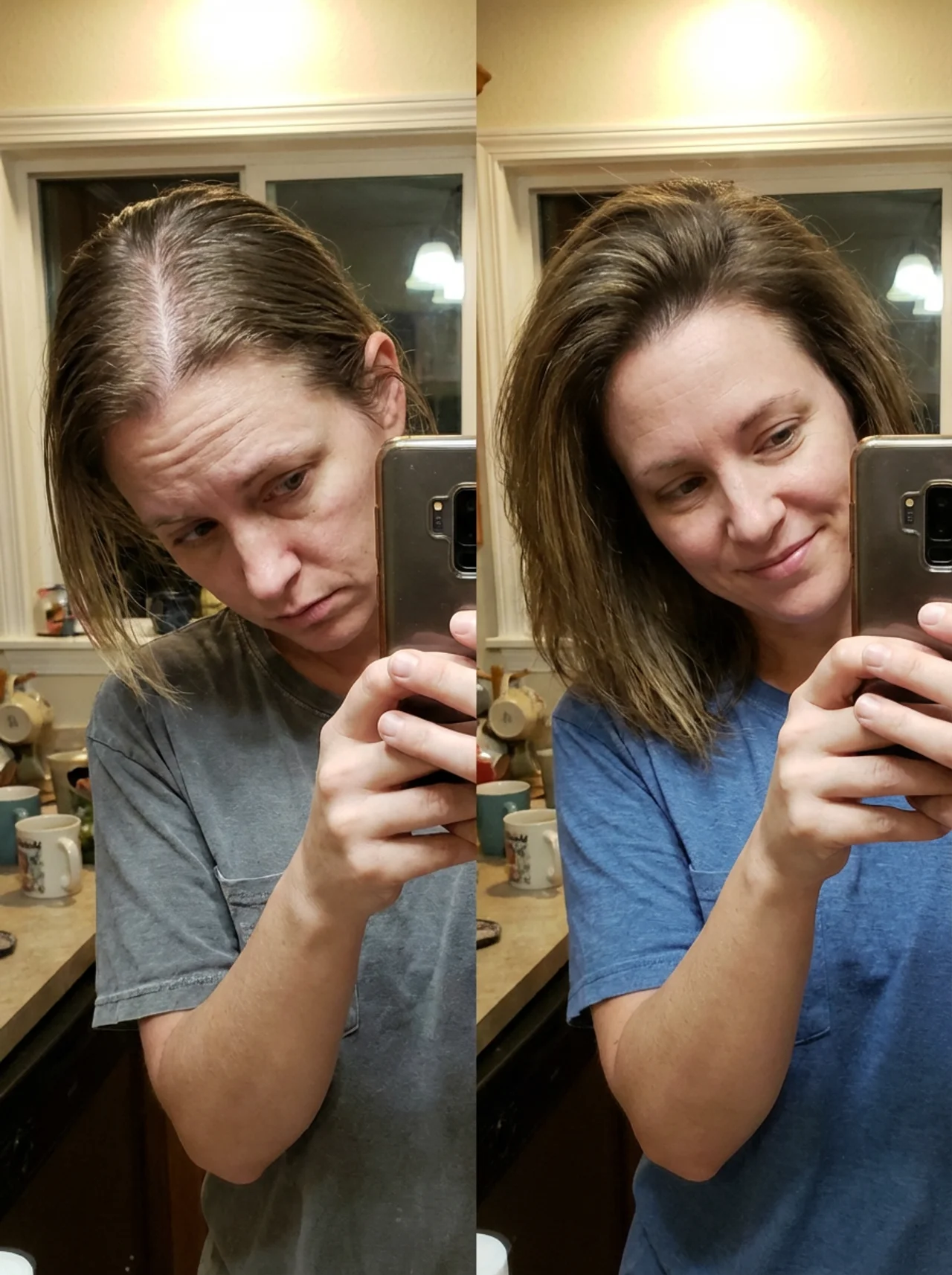
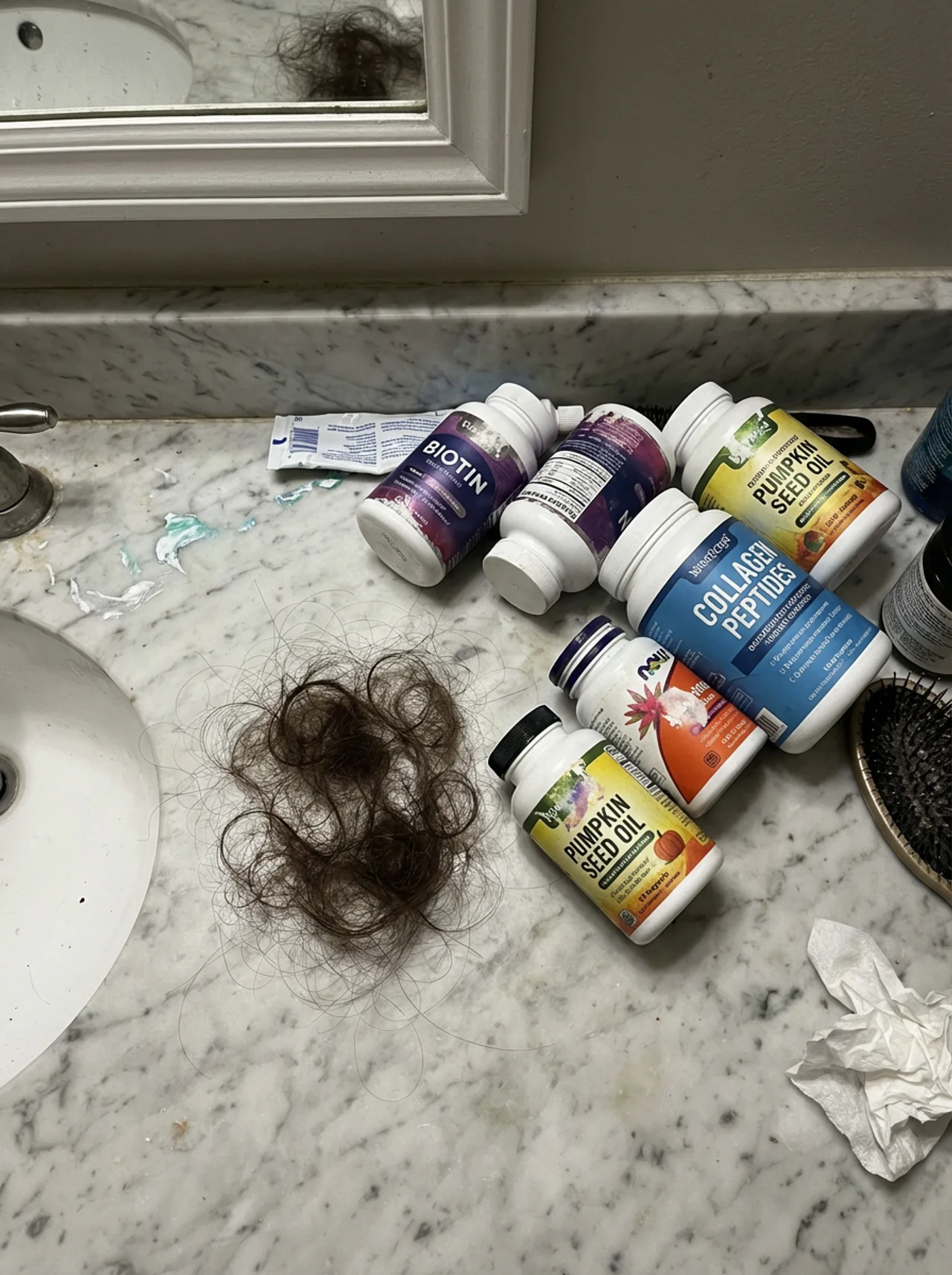
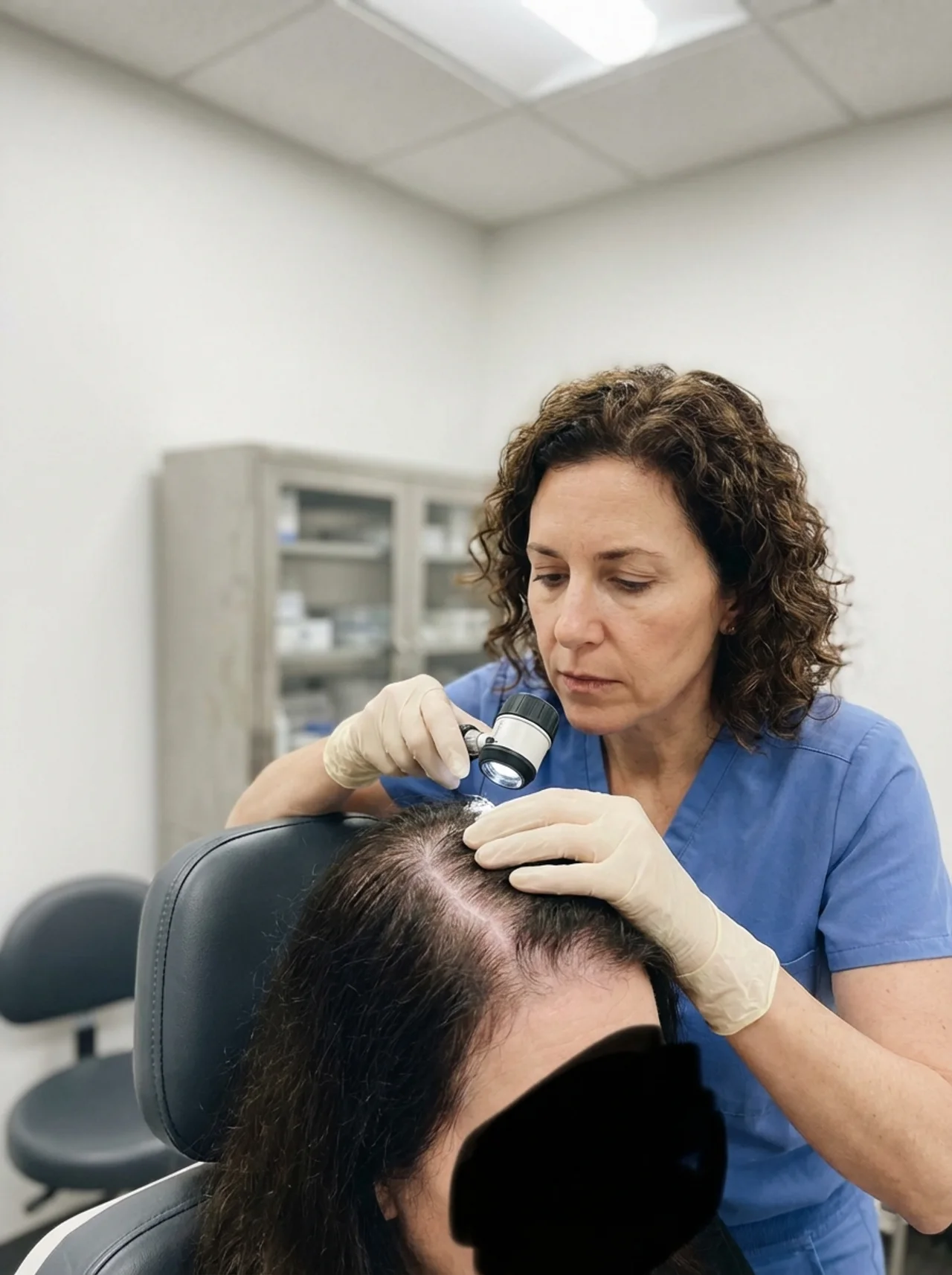
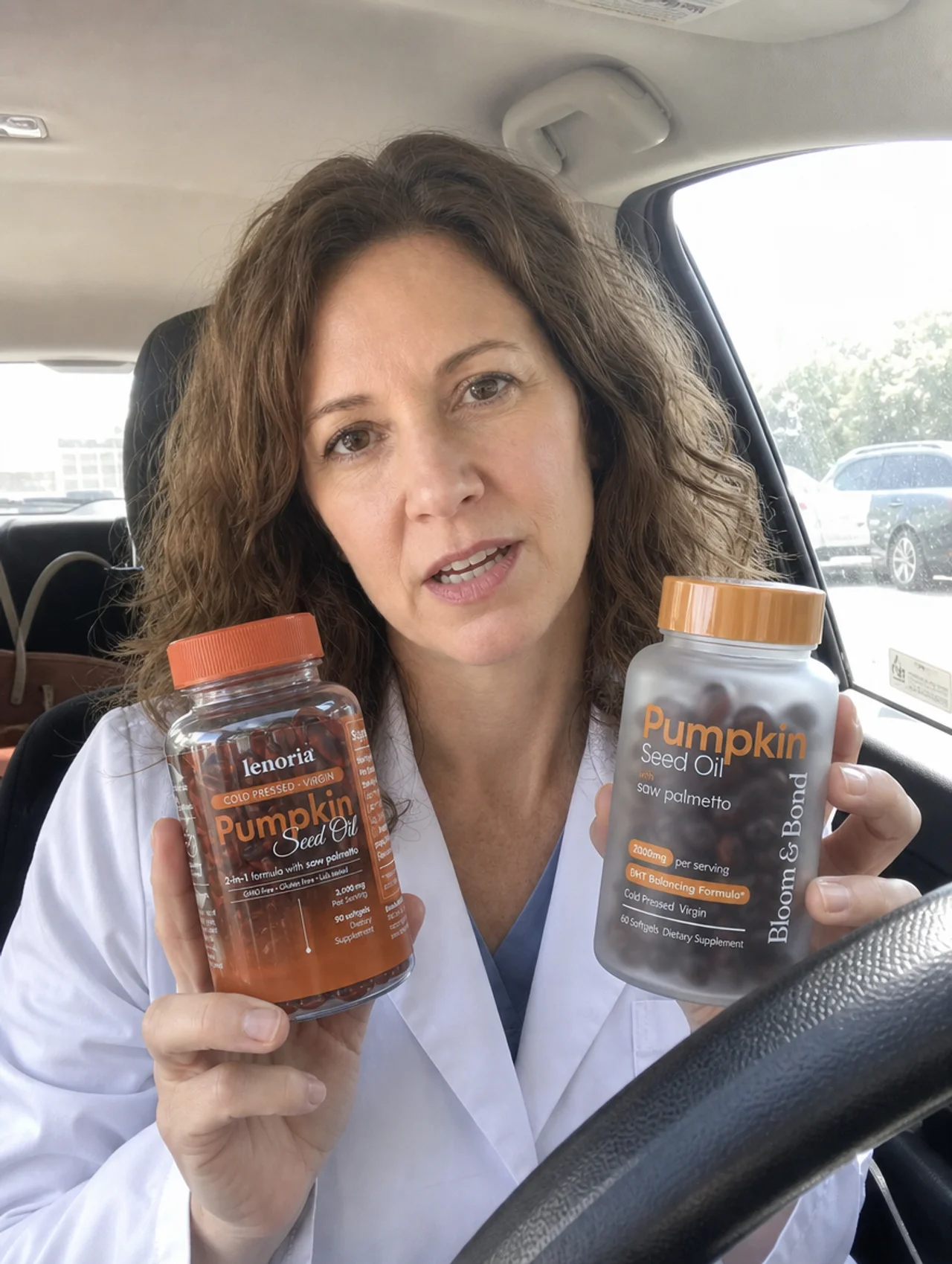
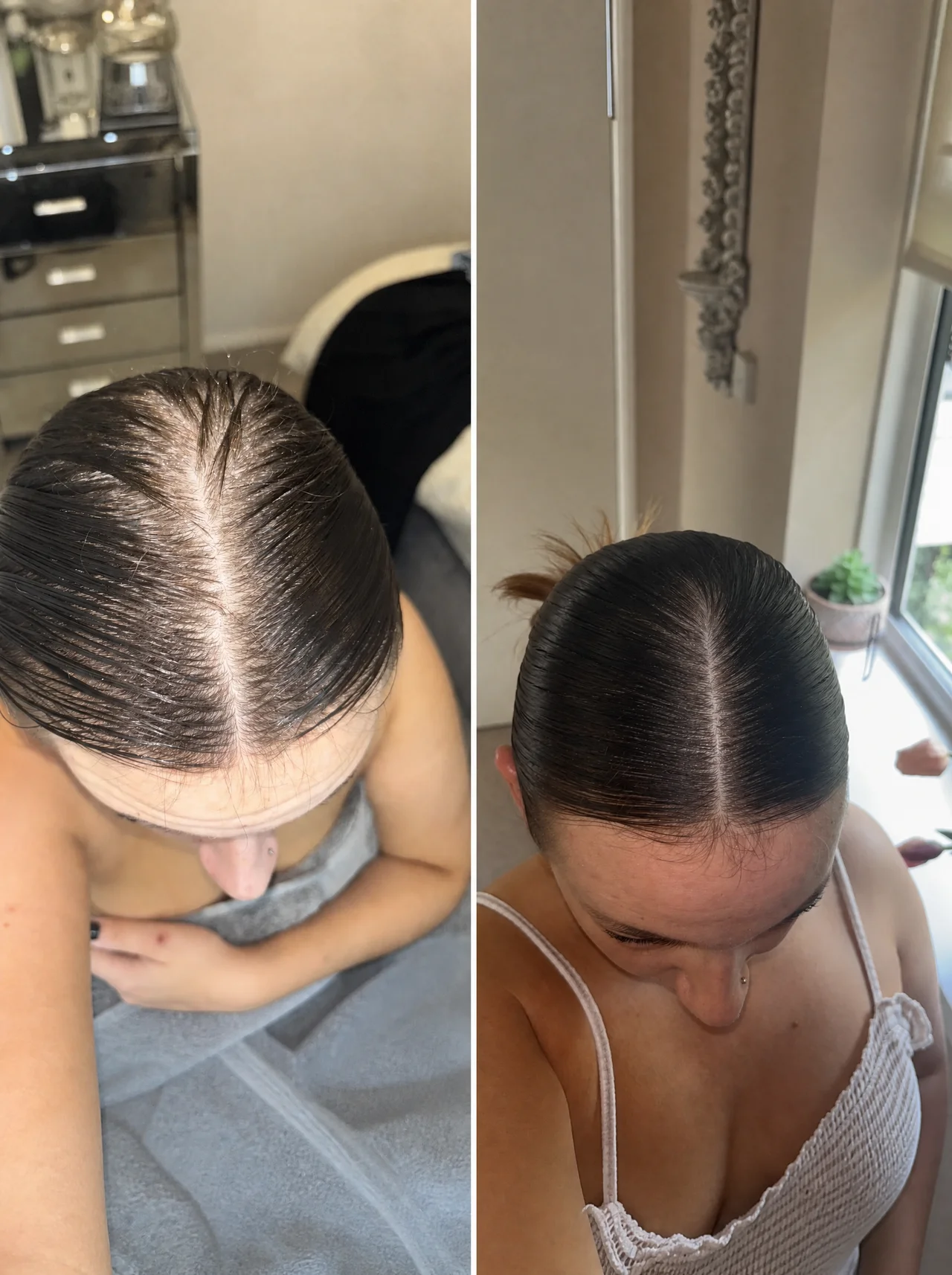
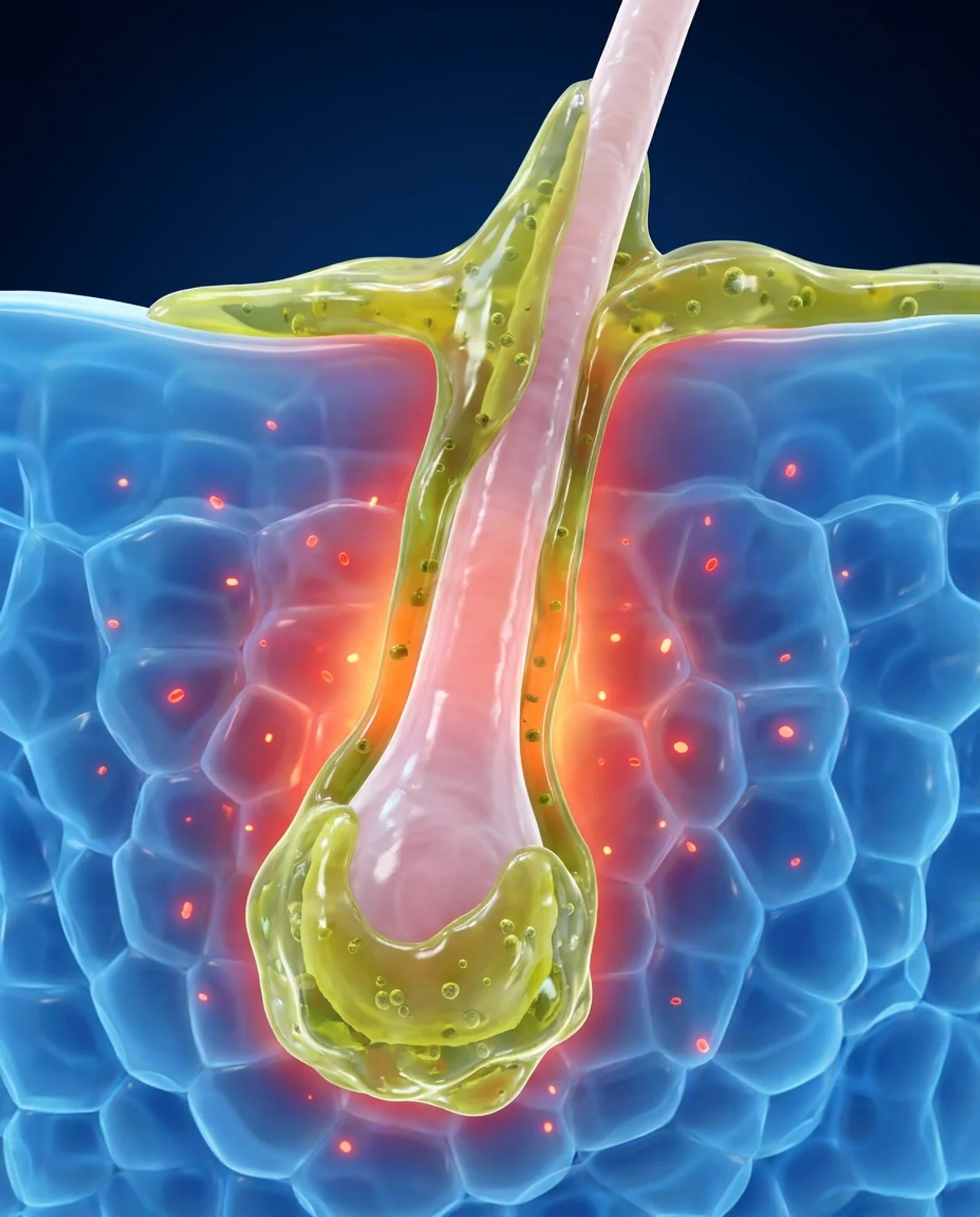
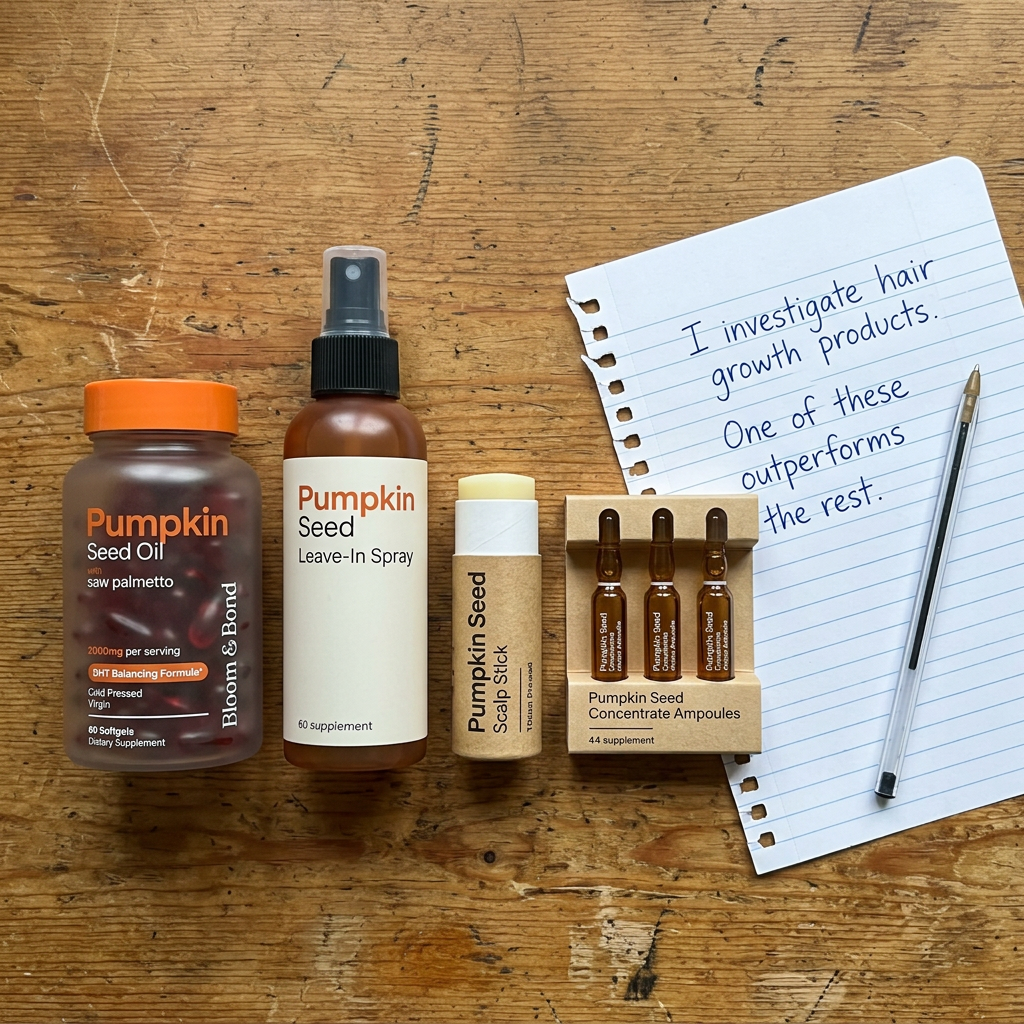
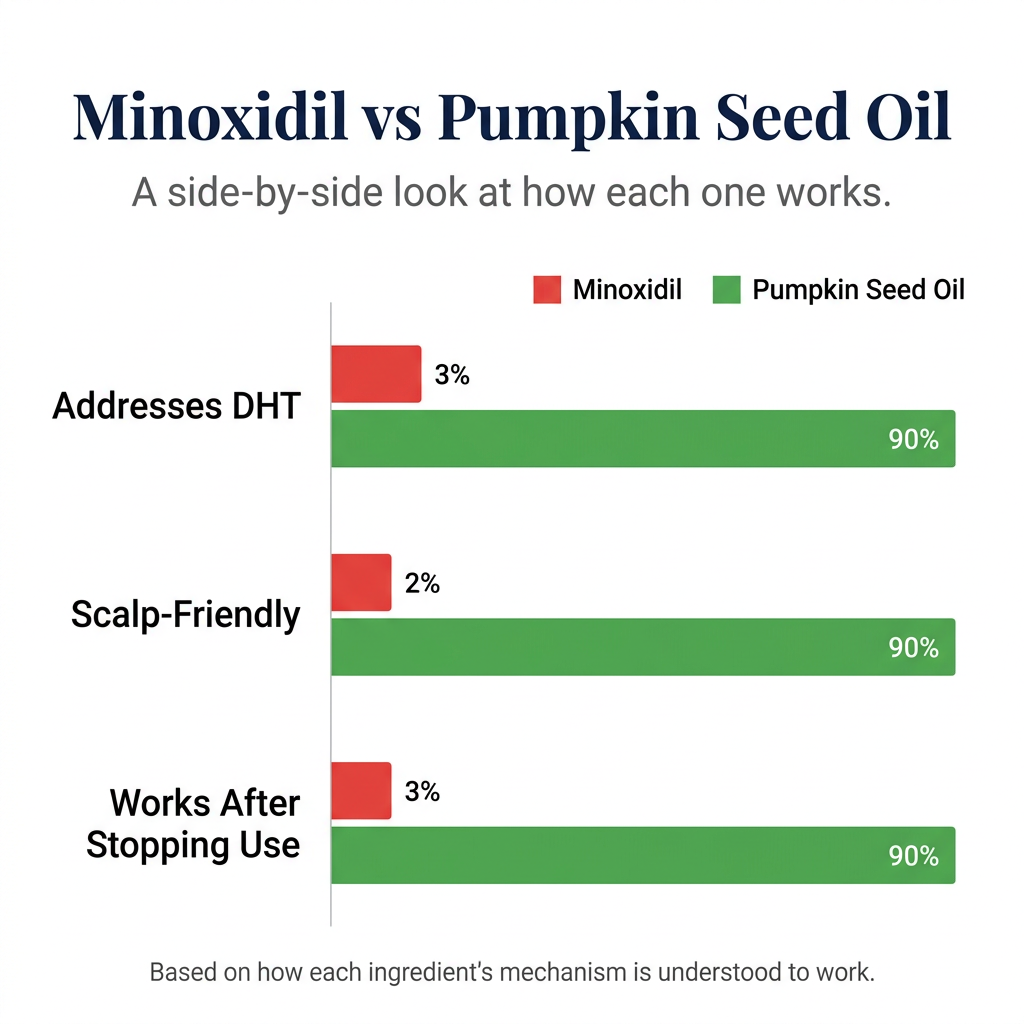
There's exactly one published study comparing pumpkin seed oil directly against minoxidil in women. Sixty participants. Three months. Head to head. Most people have never heard of it, including most of the women currently using one or the other. Here's what it actually found. My name is Dr. Patricia Sullivan. I've spent over a decade in hair and scalp research, and one question comes up in my practice more than almost any other: minoxidil or something more natural — which one actually works? Most of the time, that question gets answered with opinion. Anecdote. A dermatologist's general impression built up over years of prescribing one option because it's the one they were trained to prescribe. So I want to walk through what the actual published research says, because there's more of it than most people realize, and it points somewhere more specific than "try both and see." What minoxidil actually does Minoxidil is a vasodilator. It widens blood vessels, which increases blood flow — and with it, oxygen and nutrients — to the scalp and hair follicles. That's the entire mechanism. It doesn't interact with hormones at all. This matters because the most common cause of hormonal hair loss in women — androgenetic alopecia, driven by DHT attaching to and shrinking the follicle — isn't a blood flow problem. Minoxidil works around the cause without addressing it directly, which is part of why its effects are well understood to require continuous use. Stop taking it, and the underlying hormonal process that was never treated resumes exactly where it left off, often producing a "rebound shed" as the artificially sustained growth cycle ends. That's not a flaw specific to minoxidil. It's a direct consequence of what the drug was designed to do and not designed to do. What pumpkin seed oil actually does Pumpkin seed oil works through an entirely different pathway. Its phytosterols — plant compounds, primarily one called Δ7-phytosterol — have been shown in isolated research to suppress the activity of 5-alpha reductase, the enzyme responsible for converting testosterone into DHT in the first place. This is a hormonal mechanism, not a circulatory one. Rather than increasing blood flow to a follicle that's still under active hormonal attack, it reduces how much of the hormone doing the attacking gets produced. The study that actually compared them Most of what's written about these two options treats them as separate categories that never get tested against each other directly. But one study did exactly that. Published in the Journal of Cosmetic Dermatology in 2021, researchers led by Ibrahim et al. randomized 60 women with female pattern hair loss into two groups: one using topical pumpkin seed oil, the other using 5% minoxidil foam, evaluated over three months with clinical photography and dermoscopy. The results: the pumpkin seed oil group showed a significant decrease in miniaturized, vellus-type hairs — the thin, weak hairs that signal a follicle under hormonal pressure — and a meaningful increase in upright, actively regrowing hairs. The two groups performed comparably overall, with minoxidil showing a modest edge on some specific measures. But the more interesting finding, for most women weighing this decision, wasn't which group grew slightly more hair. It was what happened around the results. The minoxidil group experienced the side effect minoxidil is well known for in women: unwanted facial hair growth, a consequence of the drug's non-selective vasodilating effect reaching areas beyond the intended treatment site. The pumpkin seed oil group did not report this. Comparable efficacy. Meaningfully different side-effect profile. A caveat worth being precise about I want to be transparent about something most marketing built around this study leaves out: the pumpkin seed oil used in that trial was applied topically, directly to the scalp, not taken as an oral capsule. That's an important distinction, because it means this specific study doesn't directly tell us how an oral softgel compares to minoxidil foam — it tells us how topical pumpkin seed oil compares to topical minoxidil. What we do have for the oral route is a separate trial, published in Evidence-Based Complementary and Alternative Medicine in 2014, in which 76 men with pattern hair loss took either 400mg of oral pumpkin seed oil daily or a placebo for 24 weeks. The treated group showed significantly higher hair count and significantly higher self-rated improvement than placebo — real evidence that the oral route produces a measurable effect, just not evidence that directly compares it to minoxidil head-to-head the way the topical trial does. Taken together, these two studies tell a coherent but not complete story: pumpkin seed oil works, through both topical and oral delivery, on a hormonal mechanism that performs comparably to minoxidil in the one direct comparison available, without minoxidil's most common side effect in women. What we don't yet have is a trial comparing oral pumpkin seed oil specifically against minoxidil. That's a real gap in the research, and I'd rather tell you that plainly than let a good story paper over it. Why the mechanism difference matters beyond the numbers Even setting the side-effect data aside, the mechanistic difference has practical consequences worth understanding on their own. Because minoxidil doesn't address DHT, it requires indefinite use to maintain results — there's no point at which the underlying hormonal process has been resolved, because it was never the target. Because pumpkin seed oil's phytosterols act on the enzyme producing DHT, the research suggests a different trajectory: addressing the actual driver of follicle miniaturization, rather than compensating for its effects with increased blood flow. That doesn't mean pumpkin seed oil is a cure, and I want to be careful not to overstate the evidence — no study has run long enough to confirm what happens to hair density years after stopping either treatment. But the mechanistic case for a potentially more durable effect is real, and it's the reason I've moved toward recommending it as a first option for patients concerned about the maintenance requirement of minoxidil, or the facial hair side effect specifically. A second mechanism worth adding The formula I recommend to patients pairs pumpkin seed oil with saw palmetto, which works through a separate DHT-related pathway — blocking the DHT already circulating from binding to the follicle's receptors, rather than reducing how much gets produced. Most of the deeper research on this specific mechanism comes from studies on androgen-related conditions more broadly rather than scalp-specific trials, so I'd characterize the evidence here as plausible and mechanistically sound rather than as strong as the pumpkin seed oil data itself. Used together, though, the two compounds address DHT from two separate points in the same pathway, which is the reasoning behind pairing them rather than using either alone. What I tell patients weighing this decision If avoiding minoxidil's maintenance requirement and its most common side effect in women matters to you, and you're comfortable with a mechanism that's well-supported but has one meaningful research gap — the lack of a direct oral-vs-minoxidil trial — the research supports pumpkin seed oil, particularly paired with saw palmetto, as a reasonable, evidence-informed choice. If you need the fastest possible result and are less concerned about long-term maintenance or the facial hair risk, minoxidil remains a legitimate, well-studied option. And for some patients, particularly those wanting to use both approaches together, that's a reasonable path too — there's no research suggesting the two conflict. What I don't think is defensible is choosing blind, without knowing that a real, published, head-to-head comparison exists, and what it actually found. The formula built around this research I look for the same things in a formula that the research itself would demand: a pumpkin seed oil dose that's actually in range of what the trials used, disclosed clearly rather than hidden in a proprietary blend, cold-pressed rather than heat-processed, since heat degrades the phytosterol content the enzyme research identifies as active. Bloom & Bond is the formula I've found that meets that standard: 2,000mg of cold-pressed pumpkin seed oil, paired with a 200mg saw palmetto extract dosed for women, both amounts printed on the label. Two softgels a day. Nothing applied to the scalp. No facial hair risk to monitor. No maintenance dependency documented in the research the way there is with minoxidil. 👉 https://trybloomandbond.com/products/pumpkin-seed-oil-softgels-home 90-day money-back guarantee. No forms, no photo submissions required. P.S. The Ibrahim 2021 comparison ran three months. Most women in that trial were still seeing continued improvement at the final measurement point, not a plateau — which suggests the three-month window may understate the full effect rather than overstate it, though that's an inference, not something the study itself confirmed beyond its own endpoint. P.P.S. I'm a researcher, not your personal physician, and this is a summary of published literature, not individualized medical advice. If you're currently using minoxidil and considering a change, that's worth discussing with your dermatologist directly, particularly if you're managing more advanced hair loss where a faster-acting option may be clinically appropriate.
Like this ad? Make it yours.
Crush rebuilds this exact creative around your product — your brand, your colors, your offer — in about a minute.