
Inactive· since Aug 19, 2026
- 15
- days it ran
- 0
- relaunches
Ad copy
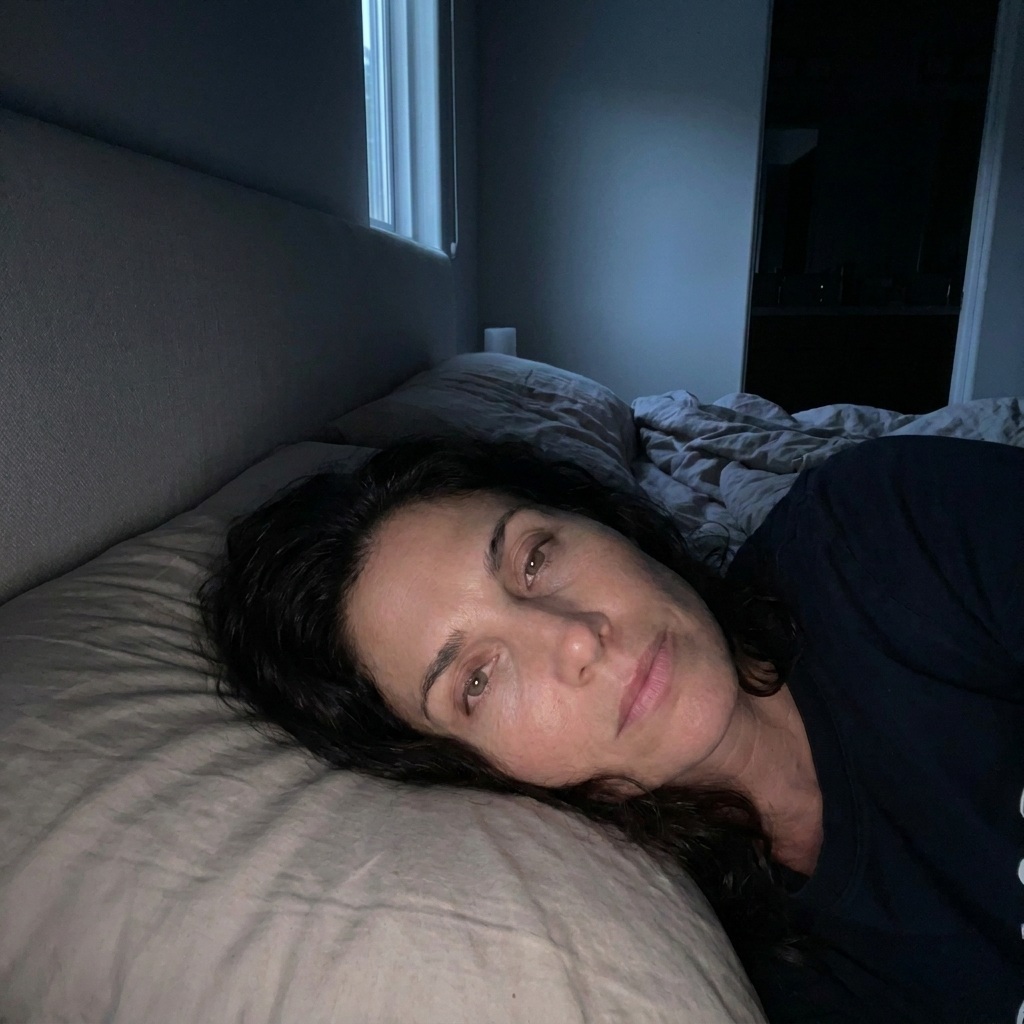
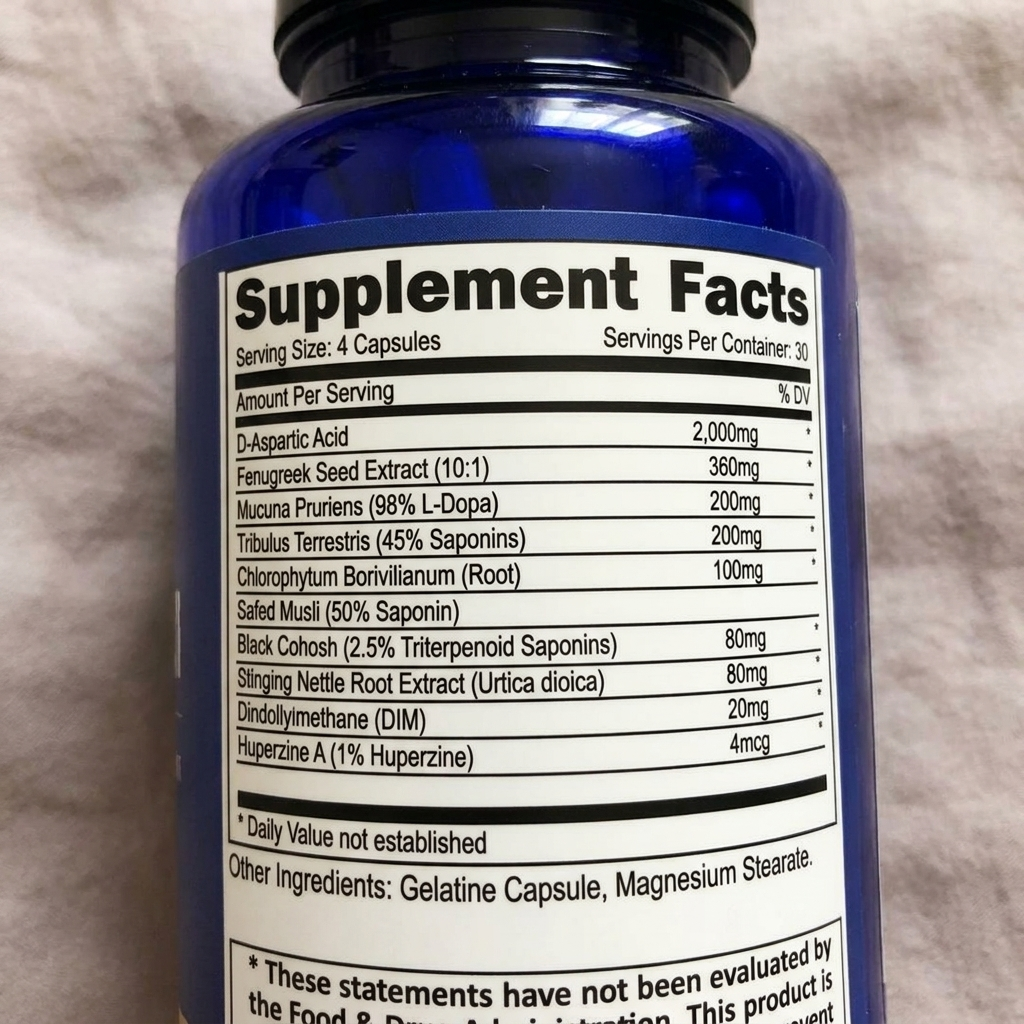
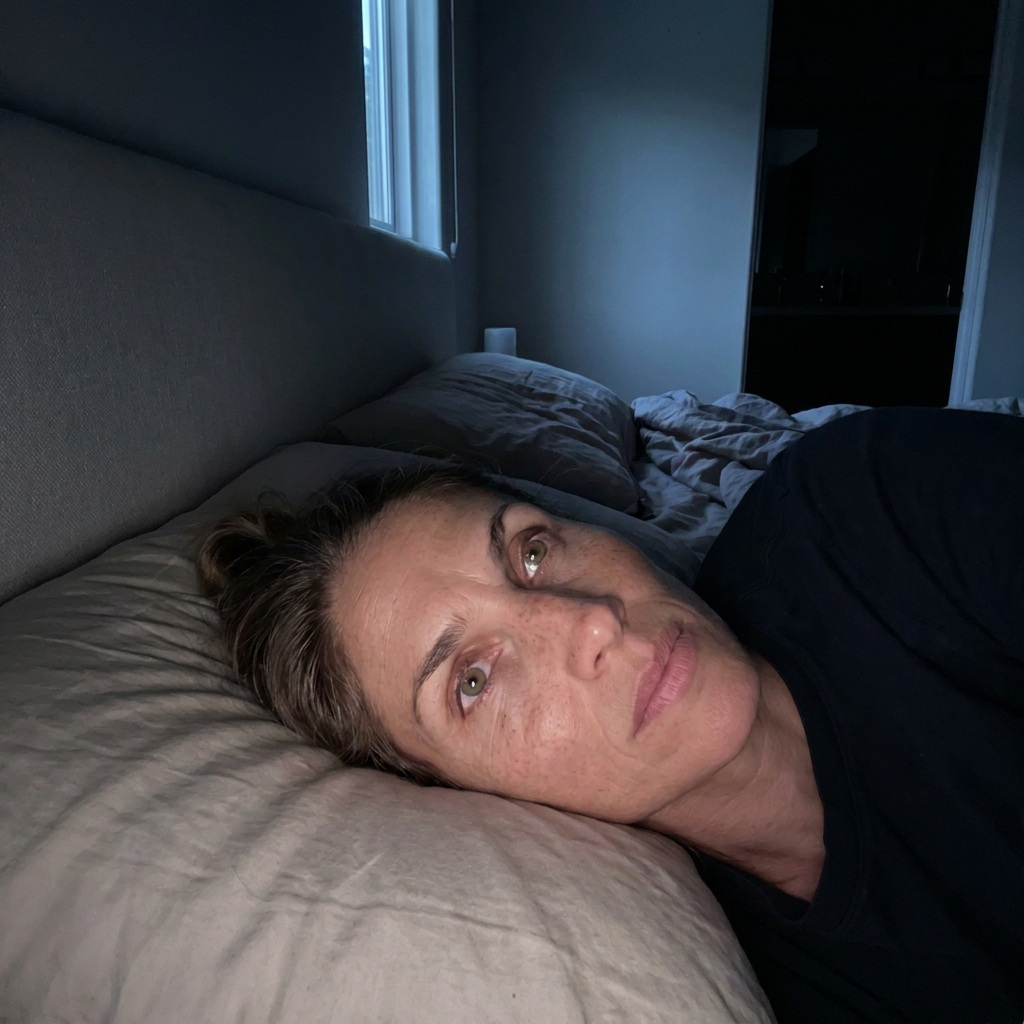
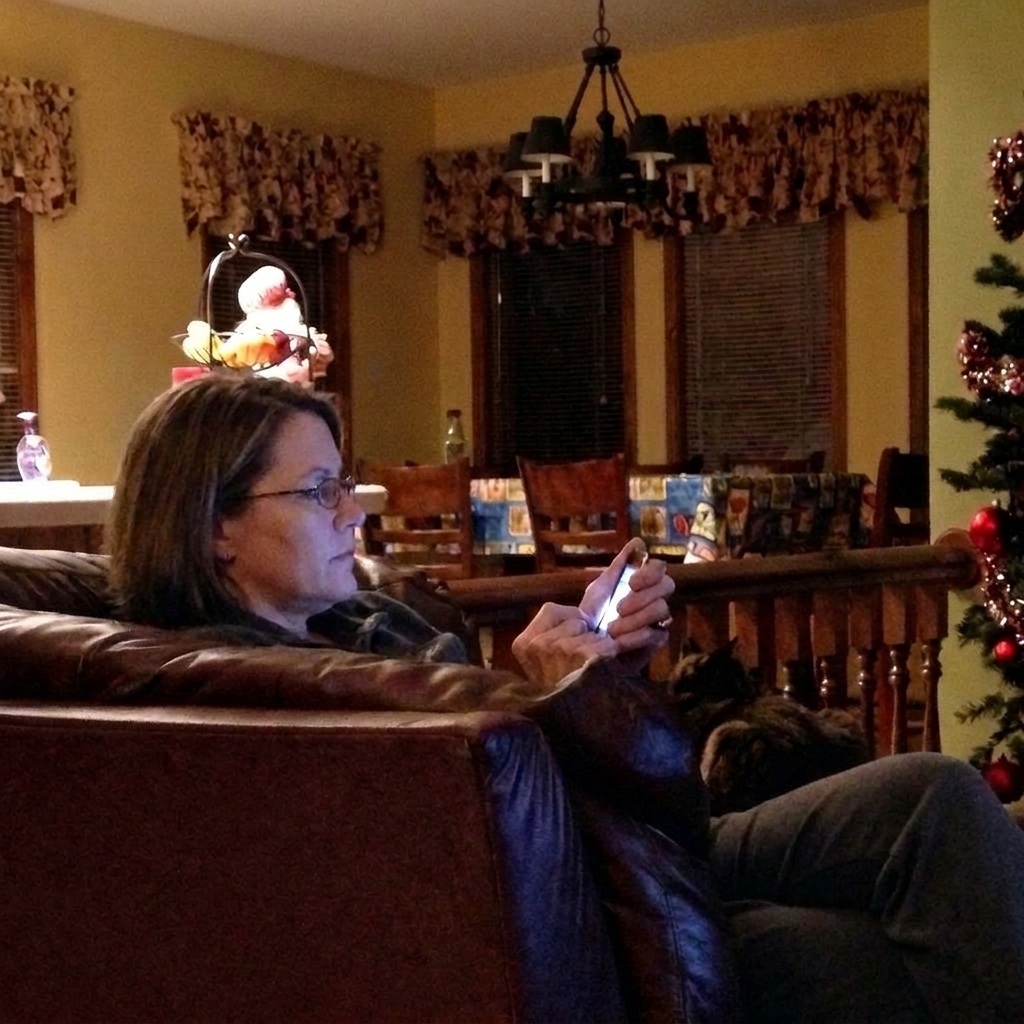
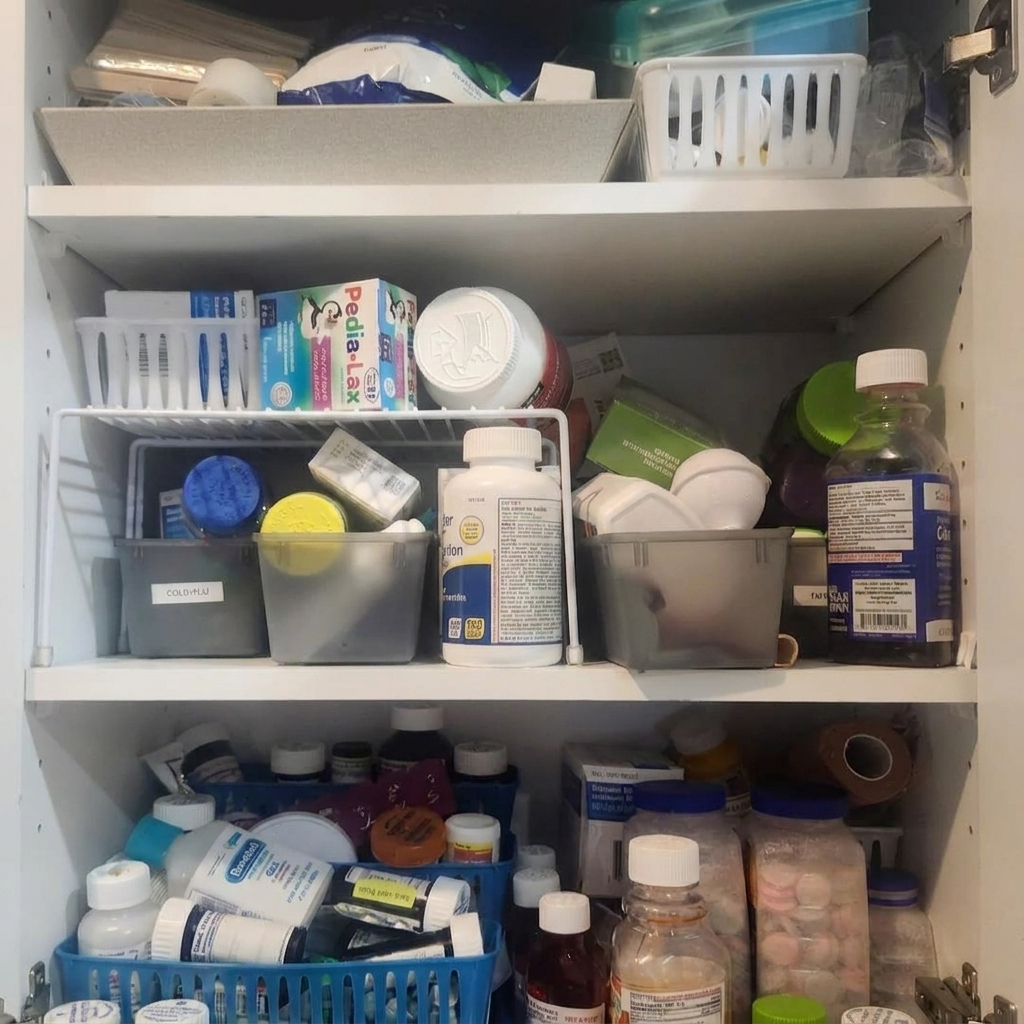
Eight years of chronic insomnia will make you do things you swore you'd never do again. I need to say something before I tell you what happened. I am not someone who believes in supplements anymore. I used to be. I spent the first four years of my insomnia trying everything I could find, melatonin, magnesium, valerian root, CBD, L-theanine, a $90 cortisol blend that a naturopath recommended. I tracked my sleep. I adjusted my doses. I gave everything a fair shot. None of it worked. And somewhere around year five, I stopped telling people I was trying new things. Not because I gave up. Because I got tired of the follow-up questions. The hopeful looks. The "did it work this time?" I started ordering things quietly. Taking them for two weeks. Stopping when nothing happened. Throwing the bottles away before my husband could see them in the recycling bin. I had spent over $3,000 on sleep supplements by the time I stopped counting. I did everything the doctors suggested too. I gave up alcohol. Gave up coffee. Cut out sugar because someone in a forum said glycemic spikes were destroying her sleep and I was desperate enough to try it. I tried anti-inflammatory eating. Then strict keto. I meal prepped every Sunday for three months and tracked everything that went into my mouth. I did twelve weeks of CBT-I therapy at $160 a session. Nearly two thousand dollars. It helped for three weeks. When I went back to tell my doctor it had stopped working, she suggested I try it again. I found a new doctor. They sent me to a sleep clinic. Two nights hooked up to wires. Sleep apnea. Negative. Thyroid. Normal. Everything. Normal. "This is simply chronic insomnia," my sleep medicine physician said. "We've eliminated everything else." I nodded. I had heard it before. I knew by then that "we've eliminated everything else" meant we're done looking. Here is another prescription. Come back in six months. I stopped expecting anything different. Every night was exactly the same. By 9pm the dread would start. Not anxiety — just recognition. I already knew how the night was going to go. In bed by 10. Lying there completely wired while my husband fell asleep within minutes. Midnight. Doing the math. If I fall asleep right now I get six hours. If I fall asleep right now I get five. At 3am I would give up. Lie there in the dark and think about all the things I had tried. All the money I had spent. All the mornings I had woken up and immediately assessed the damage. Head foggy. Limbs heavy. Another day of pretending to be fine. The calculations never stopped. Eating dinner past 7pm meant paying for it at 3am. One glass of wine meant waking before 2am. Staying out past 9pm meant tomorrow was already ruined. I stopped going to things. Quietly. One canceled plan at a time. I missed my niece's graduation because I had been awake since 3am and had nothing left by midday. I called and said I wasn't feeling well. She said she understood. I hung up and thought: I used to be reliable. I used to show up. I don't know when I became someone who cancels. At work I was losing words mid-sentence. Writing everything down because I didn't trust my own memory anymore. My husband stopped asking how I had slept. He already knew the answer. On the outside I appeared fine. Inside I had gotten very good at not hoping for things. I remember standing in a pharmacy one afternoon, staring at a shelf of sleep supplements, and thinking: I have tried at least six of these. And I am still standing here. And I will probably be standing here again in six months looking for something new to try. That was the moment I understood that this was just my life now. And every doctor just nodded along and handed me something that wasn't going to work. I tried yoga. Tried a cooling pillow. Tried taping my mouth shut, a dawn-simulation alarm, a $300 weighted blanket, and banning my phone after 10pm. Nothing made a difference. And I had genuinely stopped looking for answers. Not dramatically. I didn't make a decision. I just quietly ran out of things to try and stopped replacing them with new ones. That was where I was when my neighbor said something over the fence that I almost didn't engage with. She works as a functional medicine nurse. We were chatting one evening and I mentioned I had stopped accepting invitations after 7pm because I already knew what the night would bring. She asked if anyone had ever looked at what my cortisol was doing at night. My first thought was: here we go. I had been down the cortisol rabbit hole before. I had read the articles. I had tried the cortisol blends. I had done the testing. But she wasn't selling anything. She was just my neighbor, on the other side of a fence, asking a question that nobody had asked me in an actual conversation. So instead of changing the subject, I said: tell me more. "Has anyone actually looked at what your cortisol is doing at night? Not just a morning blood draw. What it's doing at 3am when your body is supposed to be recovering." I nearly laughed. "I've had my cortisol checked. It came back normal." She shook her head. "A single morning draw doesn't tell you anything about what happens at night. Your cortisol is supposed to drop in the evening so your nervous system can switch off." "You're saying my cortisol is causing all this?" "I'm saying this might not be insomnia doing this to you." She leaned on the fence. "Your cortisol is supposed to drop at night so your nervous system can switch off and your body can actually restore while you rest. But if something keeps it elevated, your body jolts you awake at 3am in overdrive. And you never truly recover during the night. "What would be keeping it elevated?" "There's something most women never hear about," she said. "And almost nobody in conventional medicine is making the connection." She looked right at me. "Most people are deficient in the specific minerals and adaptogens their body needs to bring cortisol down at night. Modern life burns through your reserves faster than food can replace them. Stress speeds it up. And once those reserves run low, your nervous system loses its safety net. It gets locked in fight-or-flight, even lying perfectly still, even after eight hours in bed, even when nothing is medically wrong." "Your cortisol stays elevated all night. So your body wakes you at 3am and crashes you at 2pm." "That wired-at-3am feeling? That's not insomnia. That's a cortisol surge your body can't control, because it's missing the minerals and adaptogens it needs to bring it down." "And the 2pm crash?" I asked. "Your body was supposed to recover overnight. But it never did, because your cortisol stayed elevated all night long. You're beginning every single day already empty." "But I'm in bed for eight hours," I said. "You're lying there for eight hours," she said. "Your body isn't recovering for eight hours. It's trapped in a stress loop all night. With what resources is it supposed to carry you through the next day?" I stared at her. Eight years. Four specialists. Every result normal. And no one had ever mentioned that my cortisol could be staying elevated all night. I went home unable to stop thinking about it. I searched "cortisol elevated at night" and tumbled into research I wasn't expecting. Studies from leading research universities. Peer-reviewed papers demonstrating that mineral and adaptogen deficiency keeps cortisol elevated at night, and that most people living modern lives are running low on all of them without ever knowing it. Everything she told me was backed up. I messaged my neighbor the following morning. "Okay. Suppose you're right. What am I supposed to do?" She called during her lunch break. "You need to give your body the complete combination of minerals and adaptogens it needs to bring cortisol down at night," she said. "Not one ingredient. All of them together." "Most people try one supplement at a time. Magnesium alone. Ashwagandha alone. None of them move the needle on their own. Your body needs all five working together." "While you sleep, they work to bring your cortisol down. Your nervous system finally receives the signal to stand down. Your body actually recovers overnight." "We started recommending this at our clinic last year. The results were unlike anything we'd witnessed. Women who hadn't slept through the night in years. Waking up genuinely rested. Getting through afternoons without crashing. Feeling like themselves again." This honestly sounded far-fetched to me. But I'd been dragging myself through every day for eight years. So I asked. "Where do I find it?" "You can't just pick up any brand from Amazon," she said. "Most contain one or two of these minerals and adaptogens at best. And even then, the doses are so small they might as well not be there. Just enough to put them on the label, to make it look like a complete formula, but nowhere near enough to actually bring your cortisol down at night. The one our clinic recommends is SF Zero. A complete formula with all five minerals and adaptogens your body actually needs. Honestly, it's the only one I've seen actually work." I looked it up. I did not tell my husband I was ordering it. 30-night money-back guarantee. I thought: the worst that happens is I lose thirty days and nothing changes. Which is exactly what has been happening for eight years anyway. I started taking it that same week. I told myself not to expect anything. Night one, nothing noticeable. Night two, I woke at 3am and fell back asleep. Not immediately. But enough that I was confused when my alarm rang at 6:30 and I hadn't been up since 3am. That hadn't happened in eight years. I didn't tell anyone. I was afraid to. By day four, something unexpected. I sailed past 2pm without hitting the wall. Just kept going. Sat at my desk, looked up, and it was 4:30. I'd forgotten about my second coffee. I sat there staring at the clock and thought: don't get excited. It's probably nothing. By the end of week two, I finally checked my sleep tracker. I had been avoiding it. I didn't want to see numbers that contradicted how I was feeling. Deep sleep, nearly double my average over the past year. I sat on the edge of my bed and wept. Then came week three. I woke before my alarm, lay in the stillness, and braced myself. The 3am dread. The soaked pillow. The pounding heart. The heaviness behind my eyes that had greeted me every morning for eight years. It wasn't there. It simply wasn't there. For the first time in eight years, I just felt rested. Not "managing." Not "I can get through today if nothing goes wrong." Genuinely rested. For the first time in eight years, I accepted a dinner invitation after 7pm. I stayed for the entire meal. I drove home without counting hours until bed. For the first time in eight years, I cooked dinner for my family without sitting down once. For the first time in eight years, I made it through a whole day without the 2pm crash. For the first time in eight years, my husband looked at me and said, "you seem like yourself again." I still have the same stressful life. I always will. But I didn't have the chronic insomnia they told me I had. I had eight years of chronically elevated cortisol, and a body that was missing the minerals and adaptogens it needed to bring it down. And not one person in a white coat thought to investigate it. I still have my stress. My hectic life. My coffee habit. I still live the same modern life I always have. But now I give my body what it needs. Every night, I take one scoop before bed. My body restores. My cortisol comes down. My nervous system finally stops fighting. It takes thirty seconds. And it tastes like real hot chocolate. Something I actually look forward to at the end of the day. That should be standard care for any woman experiencing what I experienced. If you've been told "this is simply chronic insomnia"… If you've tried sleeping pills and prescriptions and cooling pillows and nothing has helped… If your tests keep returning normal, but every single day you don't recognize the woman looking back at you… If you wake at 3am wired, drenched, and completely alert… If you've stopped accepting any invitation after 7pm because you already know what the night will bring… I'm not claiming you definitely have a mineral and adaptogen deficiency. But I spent eight years being treated for chronic insomnia, while the real cause was elevated cortisol that nobody thought to look for. SF Zero is a small company. They produce their formula in limited batches, using all five minerals and adaptogens at clinical doses in every serving, not token amounts like most brands. That level of quality takes time. Which means when they sell out, restocks take months. Right now they're offering a sale. I checked the site this morning and ordered a backup bag. Honestly, I felt a bit panicked when I saw it, because every time they run a promotion like this, they sell out quickly. They offer a 30-night money-back guarantee. One full month to determine if it works for you. If nothing changes, send them one email. Full refund. No questions asked. But if it works? If by night two you stay asleep through that 3am wake-up for the first time in years? If by week one you sail past 2pm without crashing? If a month from now you wake before your alarm and actually feel like yourself again? You'll wish you'd started eight years ago. I know I do. sf-zero.com/pages/why-you-wake-up-exhausted You don't have to keep blaming your insomnia for something it isn't causing.
Like this ad? Make it yours.
Crush rebuilds this exact creative around your product — your brand, your colors, your offer — in about a minute.