
Active· since Feb 26, 2026
- 200
- days running
- 0
- relaunches
Ad copy
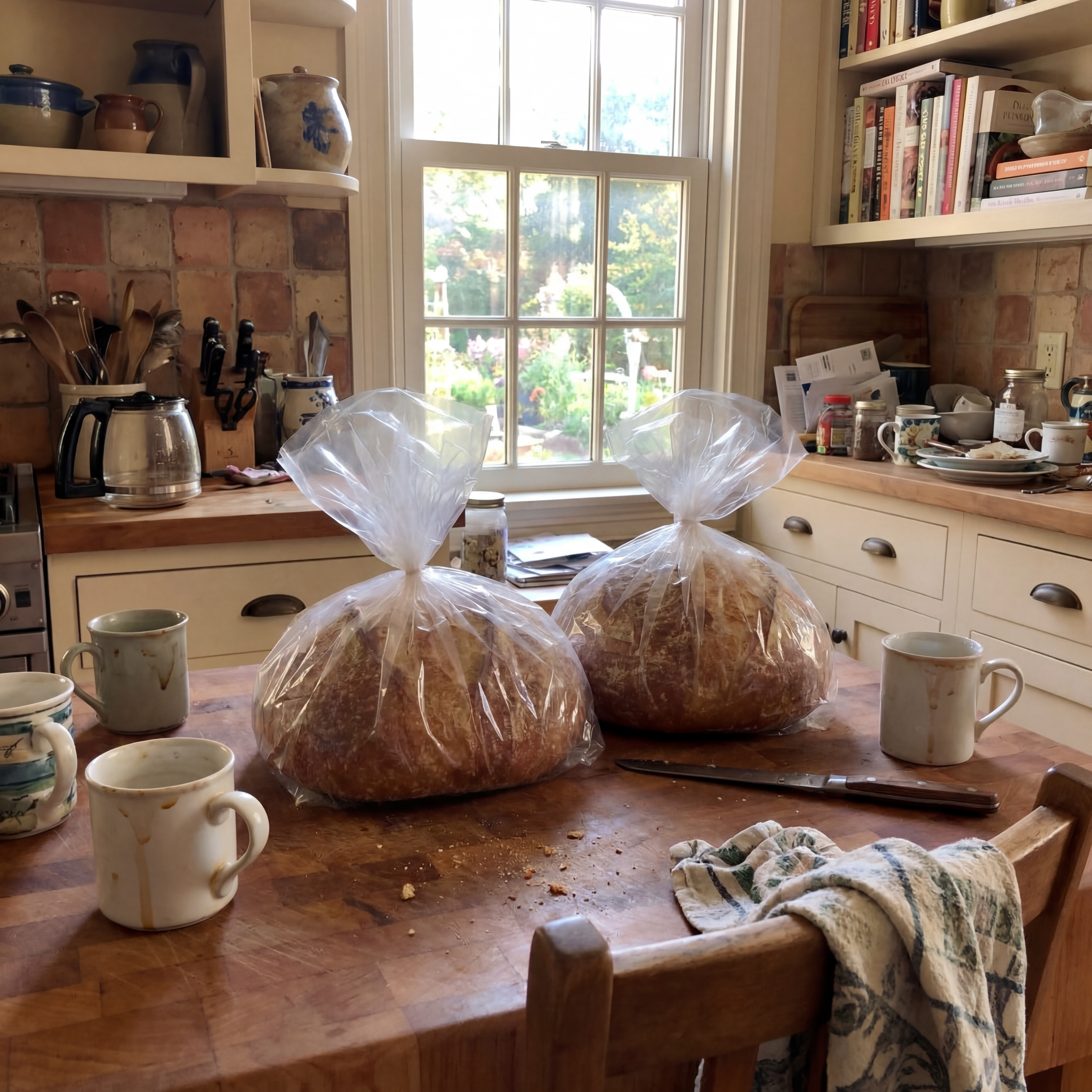
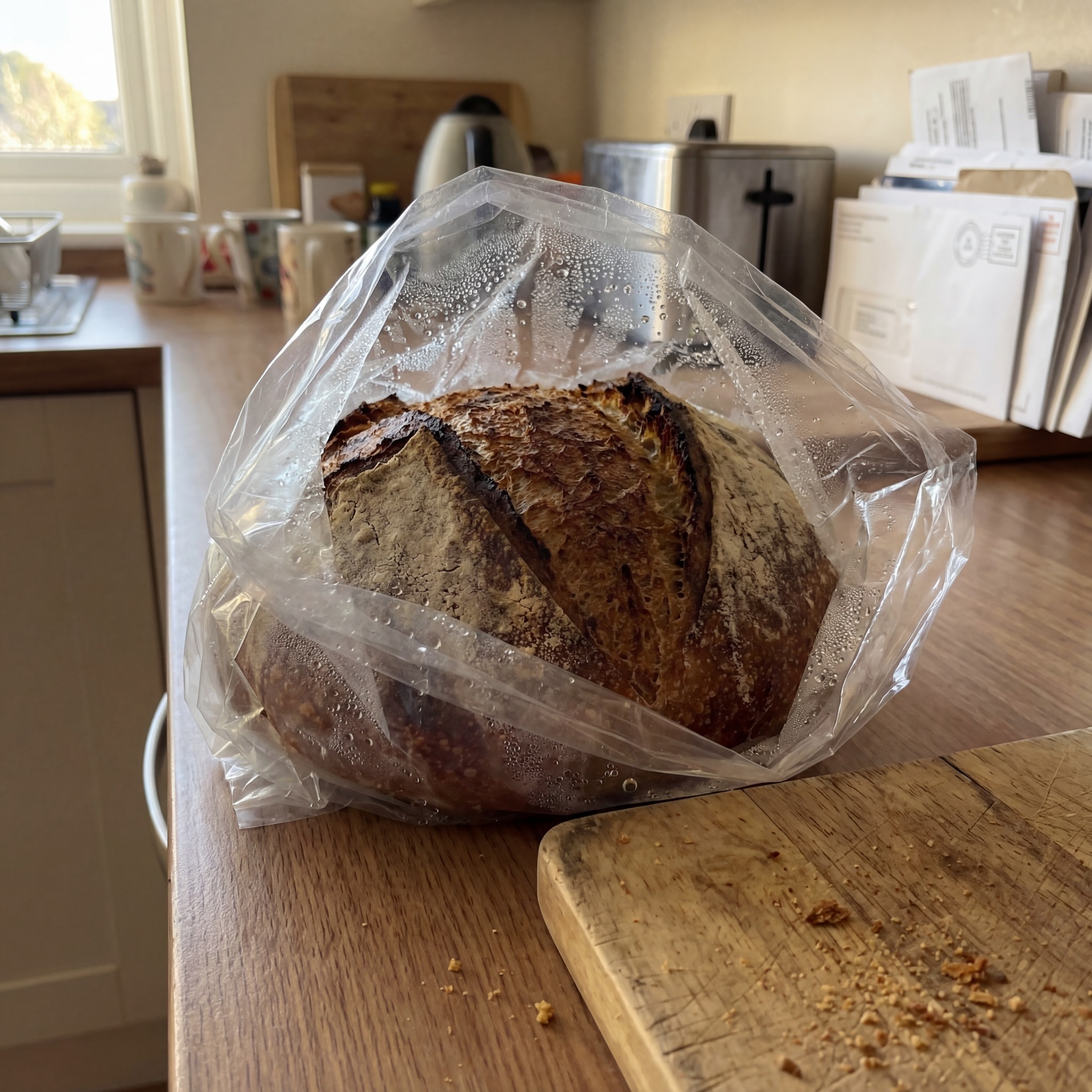
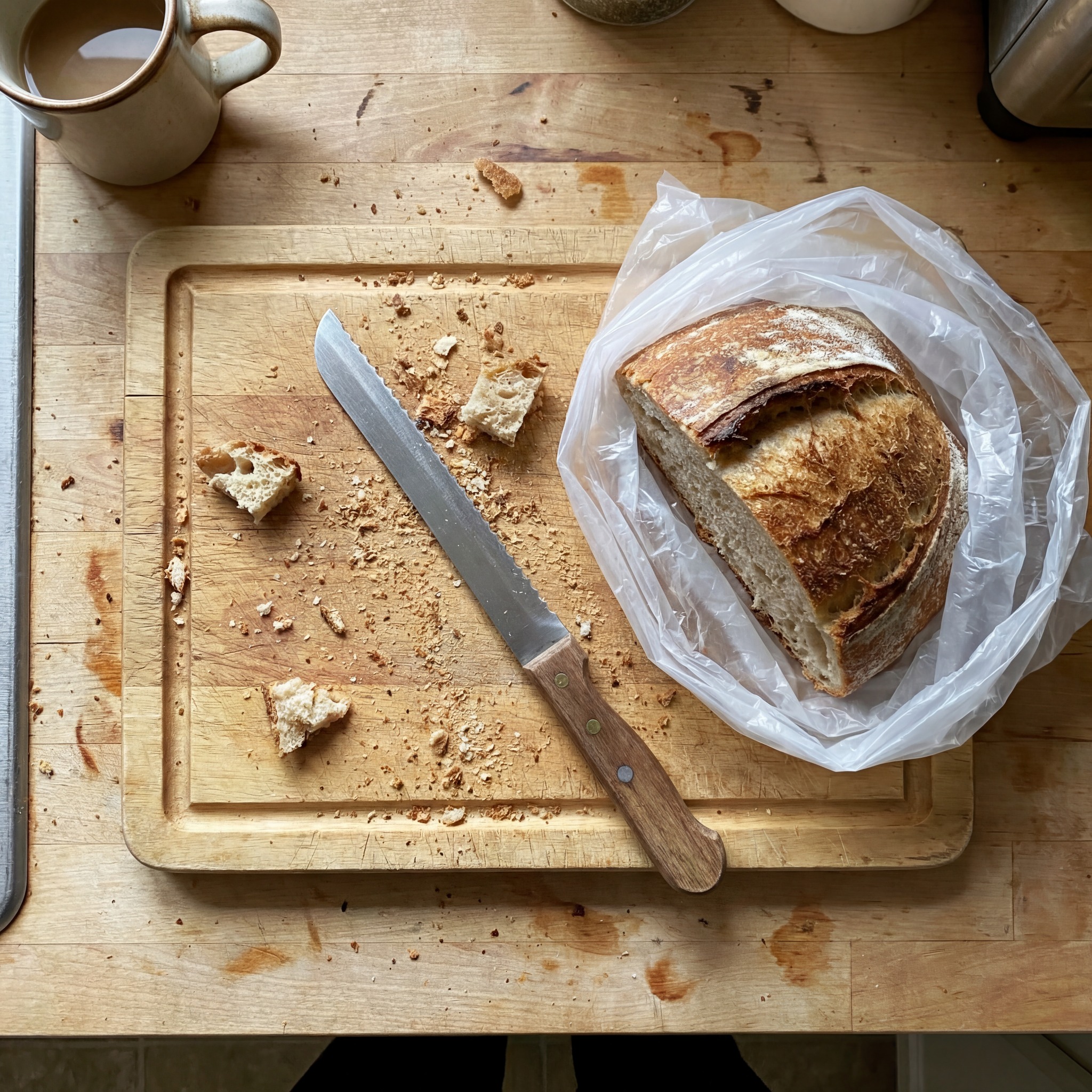
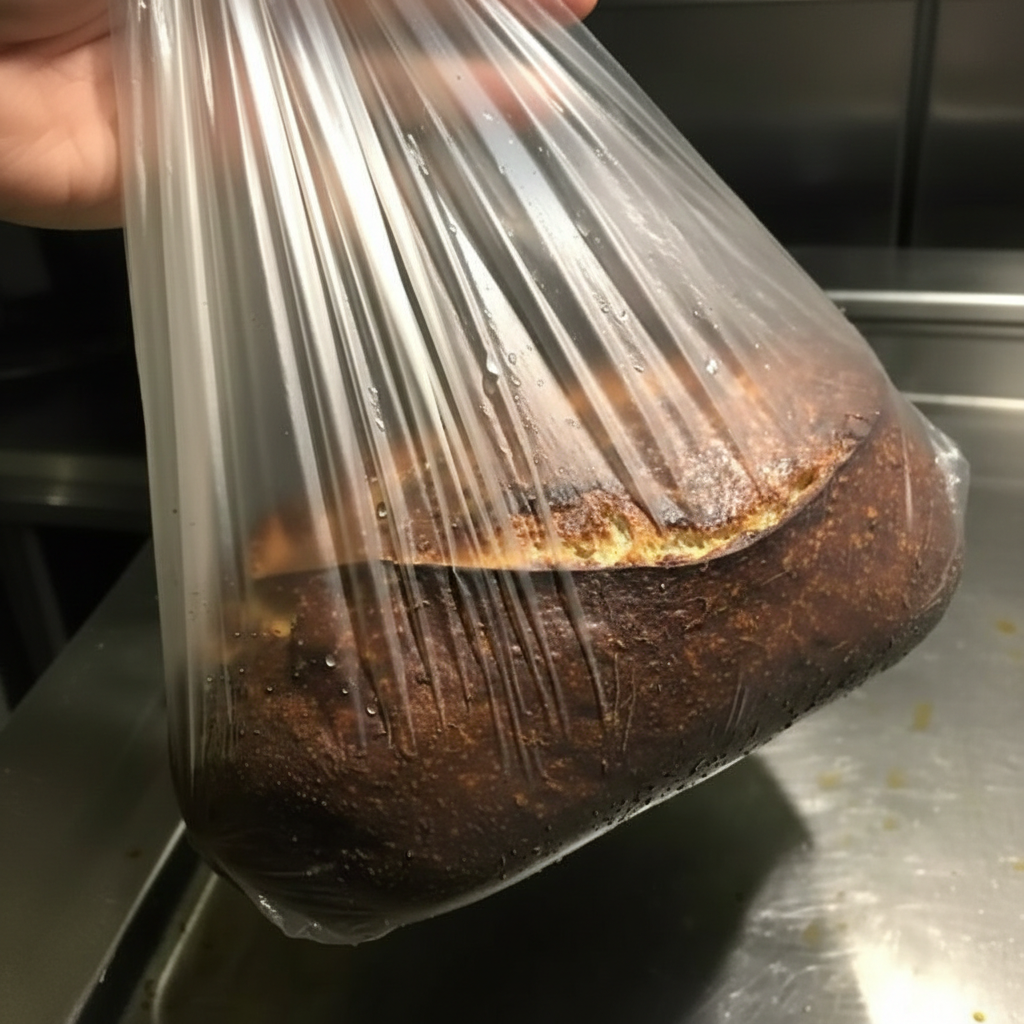
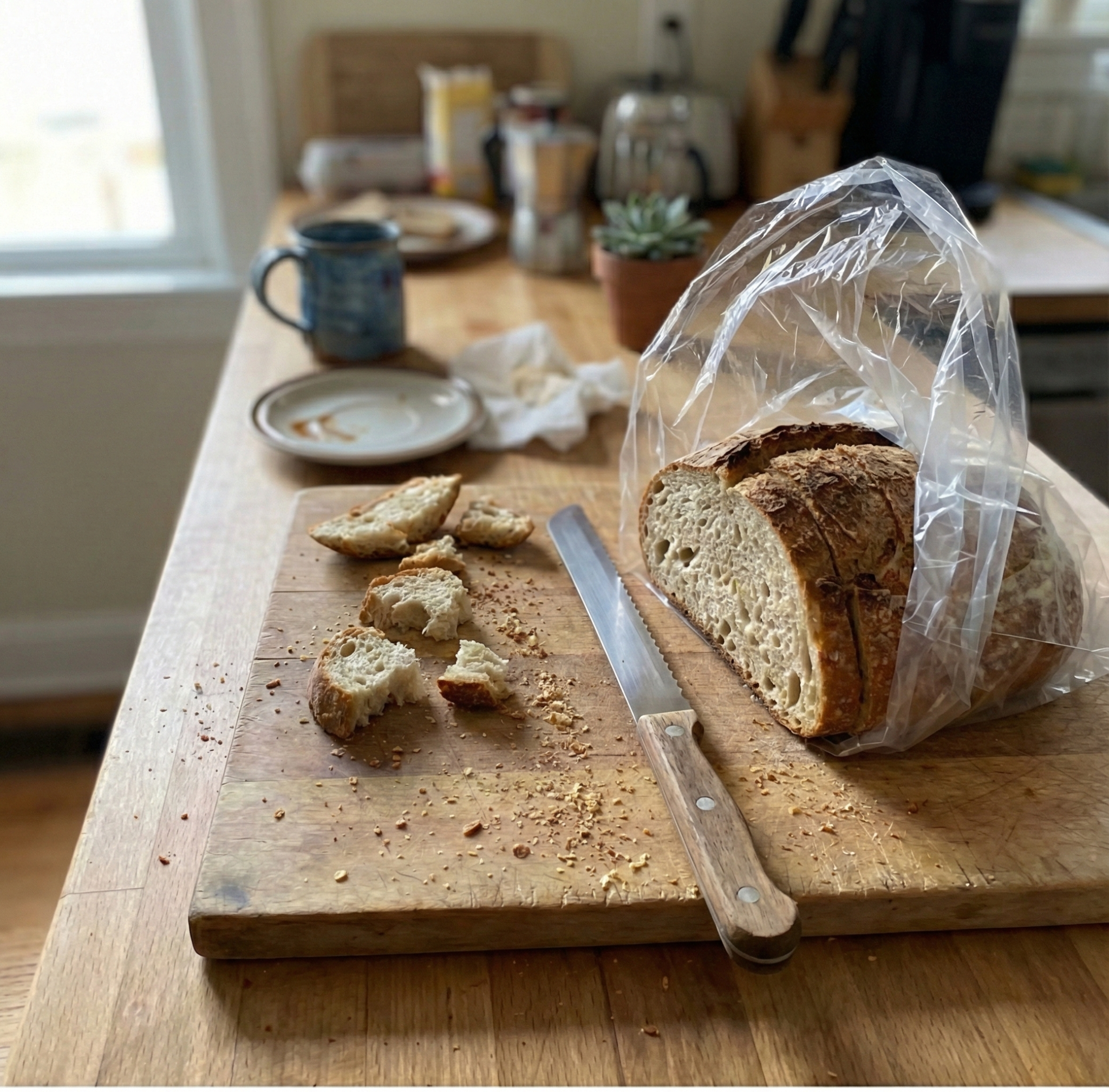
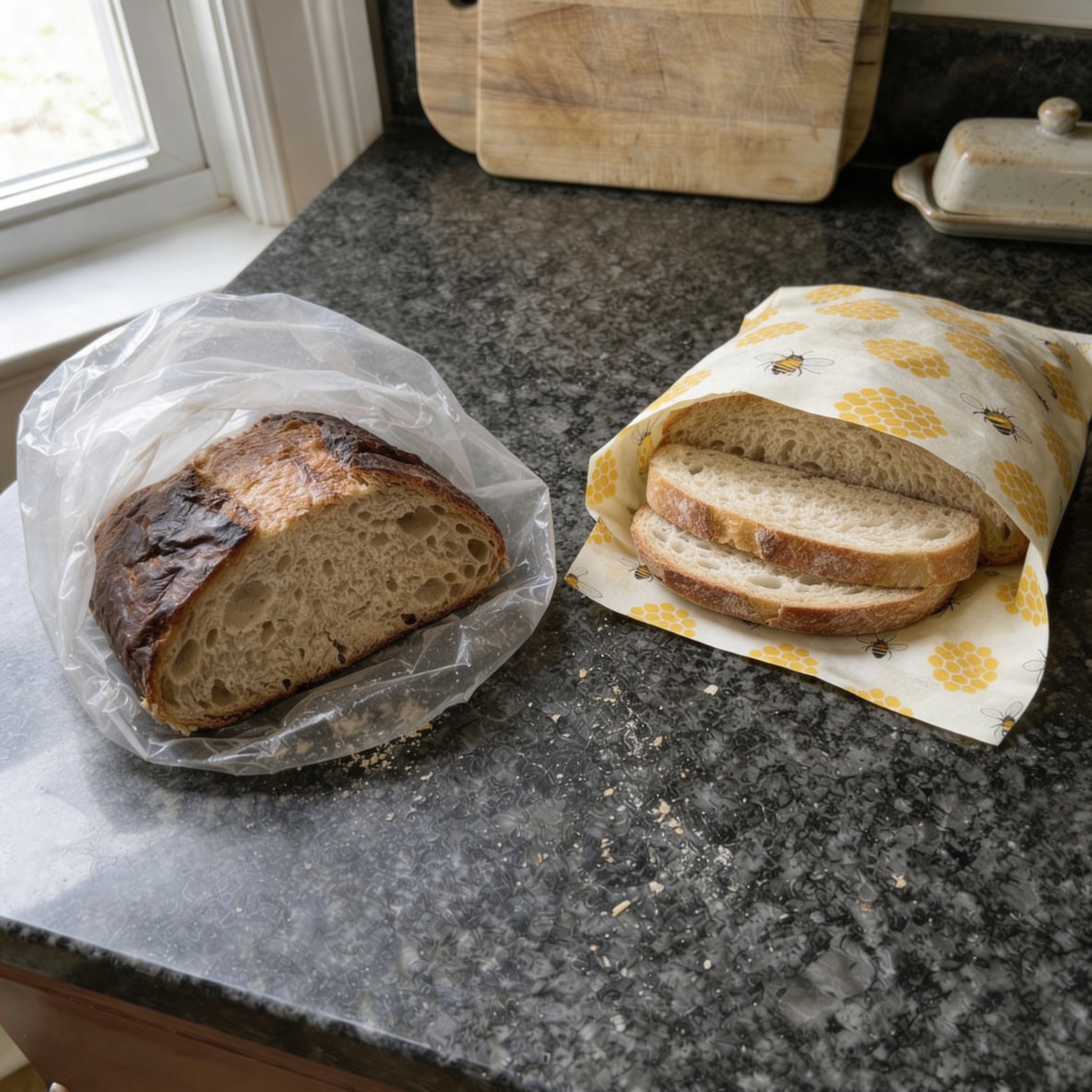
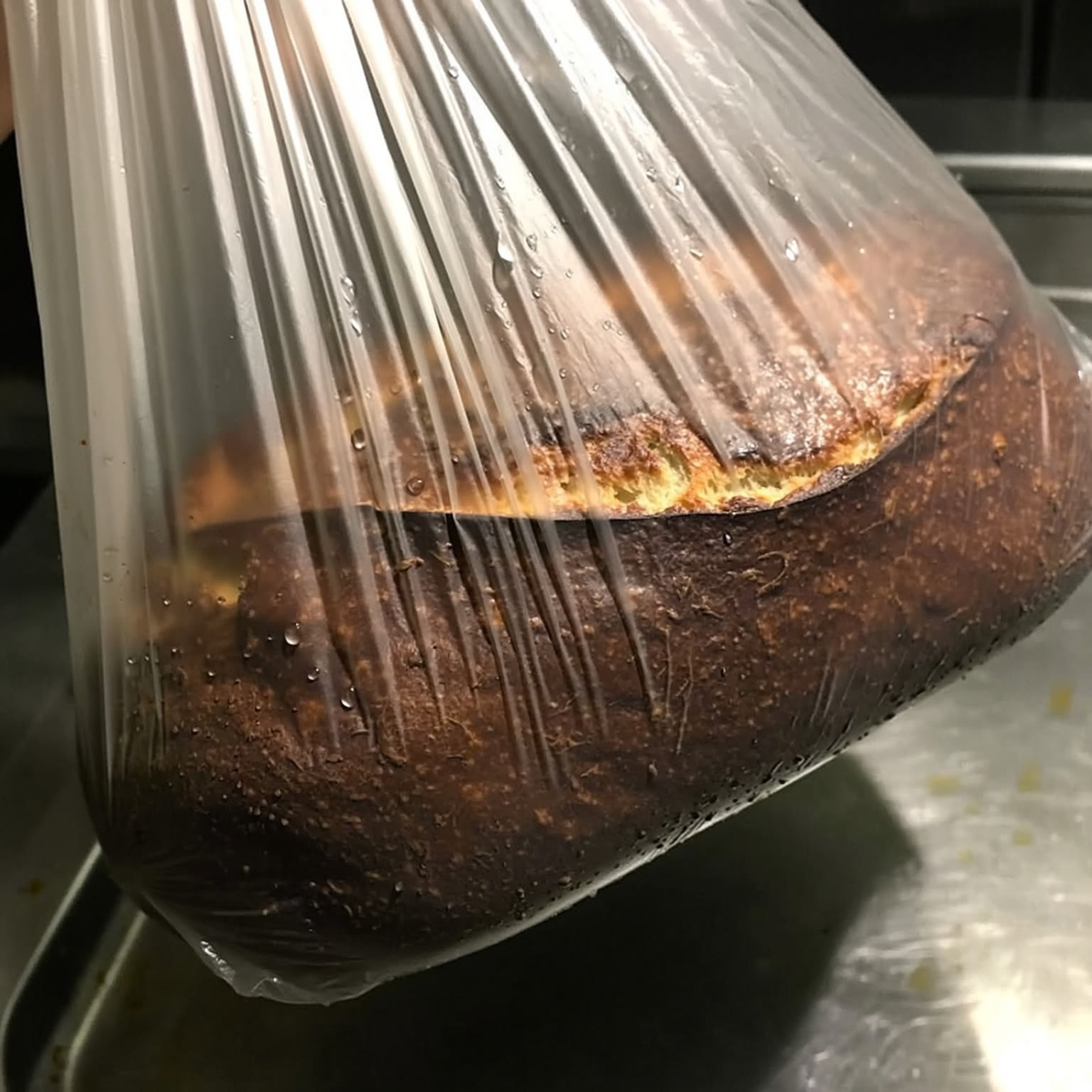
A French baker told me plastic doesn't store bread. It kills it. I thought he was being dramatic. He was right about every loaf I've ever baked His name is Marc. He ran a bakery outside Lyon for twenty years before moving to the States. He joined our Facebook group last year and mostly just watched. Didn't post much. Liked a few crumb shots. Then someone posted the question that gets asked every week. How do you store your bread so it doesn't go bad? The usual answers rolled in. Plastic bag. Bread box. Freeze it. The fridge. Marc responded with one line. Every single one of those methods is wrong. That's why your bread is dead by Wednesday. Two hundred comments in six hours. Half the group was offended. The other half wanted to know what he meant. I was in the offended half. I've been baking sourdough every week for five years. Flour, water, salt, starter. Four dollars a loaf. I know how to bake bread. I don't need a French guy telling me I'm doing it wrong. But the more I read his replies, the less sure I was. He said Americans are the most careful bakers in the world and the most careless storers. We obsess over hydration and crumb structure and oven spring and then shove the finished loaf into a plastic bag like none of it mattered. He said in France nobody wraps bread in plastic. Nobody. Because everyone knows plastic is where bread goes to die. I told him bread just goes stale. Three days, maybe four. Everybody knows this. He said everybody in America knows this. Nobody in France knows this. Because in France bread lasts the week. That night I put a notebook next to the bread. For four weeks I wrote down every slice we ate and every slice we didn't. Week one. Standard boule. Four dollars in flour. We ate it through Tuesday. By Wednesday the crust was leathery in the bag. Threw away the rest. Forty percent. Dollar sixty. Week two. Busy week. Mold on the bottom by Tuesday where condensation pooled. More than half gone. Two dollars. Week three. Bigger loaf for a dinner party. By Thursday a third was left but hard as a rock. Dollar fifty. Week four. Normal week. Sixty percent eaten. The rest went stale then moldy. Dollar seventy. Four weeks. Seven dollars in the trash. Seven dollars. A coffee. Nothing. That's exactly why I'd never noticed. Then I multiplied. Seven a month is eighty-four a year. But that was the careful number. The number where I was watching because I knew I was tracking. Real life? A hundred and fifty a year. Maybe two hundred. Five years of baking. Close to a thousand dollars in flour and water and salt that I mixed and folded and shaped and baked and then threw in the garbage. I'd argued with my husband about replacing the bathroom faucet. Switched to store brand cereal. Cancelled a streaming service. And the whole time, every week, quietly throwing away bread without counting it. Because each loaf only cost four dollars. Because each loss was tiny. Because the waste was invisible until I made myself look at it. Marc was right. I wasn't storing bread. I was watching it die in a bag. I went back to the thread and read his explanation. He laid it out simply. Two things kill bread after baking. Moisture trapped inside causes mold. Moisture escaping too fast causes staling. Every American storage method does one or the other. Plastic bags. Fully sealed. Bread releases moisture for days after baking. In a sealed bag that moisture condenses, pools against the crust, and creates perfect conditions for mold. By day three you're not storing bread. You're growing mold on purpose. Then he said something that scared me. By the time you see mold on bread it's already everywhere. Mold sends invisible threads called hyphae through the entire crumb long before the green spot appears on the surface. The spot you see is the last stage, not the first. If you've ever cut mold off bread and eaten the rest, you ate mold. You just couldn't see it. Paper and cloth. The opposite problem. Fully open. Moisture escapes too fast. Crust goes hard. Crumb turns to chalk. I spent thirty-five dollars on a bamboo bread box two years ago. The bread was a brick by day three. Same process, prettier container. The refrigerator. Marc said this one makes him angriest because it sounds logical but does the most damage. Cold accelerates starch retrogradation, the chemical process that makes bread harden. A food science lab in Munich found sourdough in the fridge reaches nearly four hundred percent of its original firmness in forty-eight hours. The fridge doesn't preserve bread. It ages it overnight. Every method. Same trap. Too sealed or too open. Mold or brick. No middle ground. I asked Marc what they use in France. He posted a photo. A thick cloth bag with a faint sheen. His bread inside, on a wooden counter. He said it was beeswax. His mother had one. His grandmother had one. His bakery in Lyon had a stack by the register. Beeswax fabric is semi-permeable. It lets moisture pass through slowly. At the exact rate bread naturally releases it. Enough escapes that condensation never builds and mold can't form. Enough stays that the bread doesn't dry out. Crust holds. Crumb stays soft. And beeswax is naturally antimicrobial. Not marketing. Chemistry. Bees produce it to protect hives that sit at thirty-five degrees and eighty percent humidity. If mold could grow on beeswax, every beehive on earth would be dead. The wax creates a surface mold physically cannot colonize. This is how European bakers stored bread for centuries before plastic existed. The tradition survived in France, Germany, Denmark. It didn't survive here because Americans skipped straight to plastic and never looked back. I ordered a beeswax bread bag from Amazon that night. Fourteen dollars. It was thin. Flimsy. The wax felt like someone rubbed a candle on a dish towel. By day two the wax flaked onto the crust. By day three the bottom was damp. By day four, mold. Same as plastic but now with wax crumbs on my bread. Second brand. Better reviews. After one wash the coating disappeared. Plain cotton. Bread dried out overnight. Third try. Sixteen dollars. Wax was uneven. Cracked along the folds within a week. Three bags. Forty-four dollars. All useless within a month. I told Marc none of them worked. He wasn't surprised. He said most beeswax bags sold in America aren't beeswax bags. Cotton with synthetic coating sprayed on for the label. Twenty percent beeswax, eighty percent paraffin. The wax sits on top of the fabric instead of being saturated into it. One wash and it's gone. He said the real ones are made differently. Real beeswax melted at low temperature into thick organic cotton until the fabric is fully saturated. The wax doesn't sit on the surface. It becomes part of the fiber. He said it's the difference between painting a wall and soaking a sponge. Paint chips off. A saturated sponge stays saturated. He told me the company his bakery used in Lyon. A small European operation called Exanas. Real beeswax. Organic cotton. Saturated, not coated. The price was more than Amazon. But I'd already wasted forty-four dollars on fakes plus a thousand in bread over five years. Paying more for something real was the first thing I'd done that wasn't throwing money away. When it arrived I understood immediately. The fabric was heavy. Stiff but not rigid. You could feel the wax through the entire cloth, not on top of it, through it. A faint smell of honey and old wood. Nothing from Amazon felt like this. That Sunday I baked my usual loaf. Four dollars. Let it cool. Into the bag. On the counter. Monday. Crust firm. Crumb soft. Normal. Tuesday. Same. Wednesday. Where bread usually starts to die. Checked the bottom. Pressed the crust. Nothing. Just bread. Thursday. Sandwiches without toasting. Crumb slightly denser. Barely noticeable. Friday. Finished the loaf. Five days on the counter. Every slice at room temperature. Four dollars in flour. Four dollars consumed. I tracked the next four weeks. Week one. Waste: one heel. Ten cents. Week two. Waste: zero. Finished on day six. Week three. Waste: a few crumbs. Week four. Waste: zero. Four weeks. Total waste: twenty cents. Previous four weeks: seven dollars. That's the difference between a hundred and fifty a year in the trash and almost nothing. Between a thousand dollars over five years and a few stale heels. The bag paid for itself in eight weeks. I still bake every Sunday. Same recipe. Same four-dollar loaf. But now we eat all of it. I don't find mold on Wednesday. I don't throw away a third of my work every week. Marc posted again last week. Someone new asked the same storage question. Same answers. Plastic. Freezer. Bread box. He gave the same one-line answer. Stop wrapping your bread in plastic. Half the group argued with him. Same as before. I didn't argue. I sent him a message with my numbers. He wrote back one line. Now you understand why it drove me crazy watching from the sideline for a year. I left the link below if you want to see the one I use. Make sure it's real beeswax saturated into the fabric, not sprayed on top. If it feels thin or the wax flakes when you fold it, it's not the real thing. That's why most people think this doesn't work. They tried the Amazon ones and gave up. Don't give up. Just get the right one.
Like this ad? Make it yours.
Crush rebuilds this exact creative around your product — your brand, your colors, your offer — in about a minute.