
Active· since Feb 26, 2026
- 200
- days running
- 0
- relaunches
Ad copy
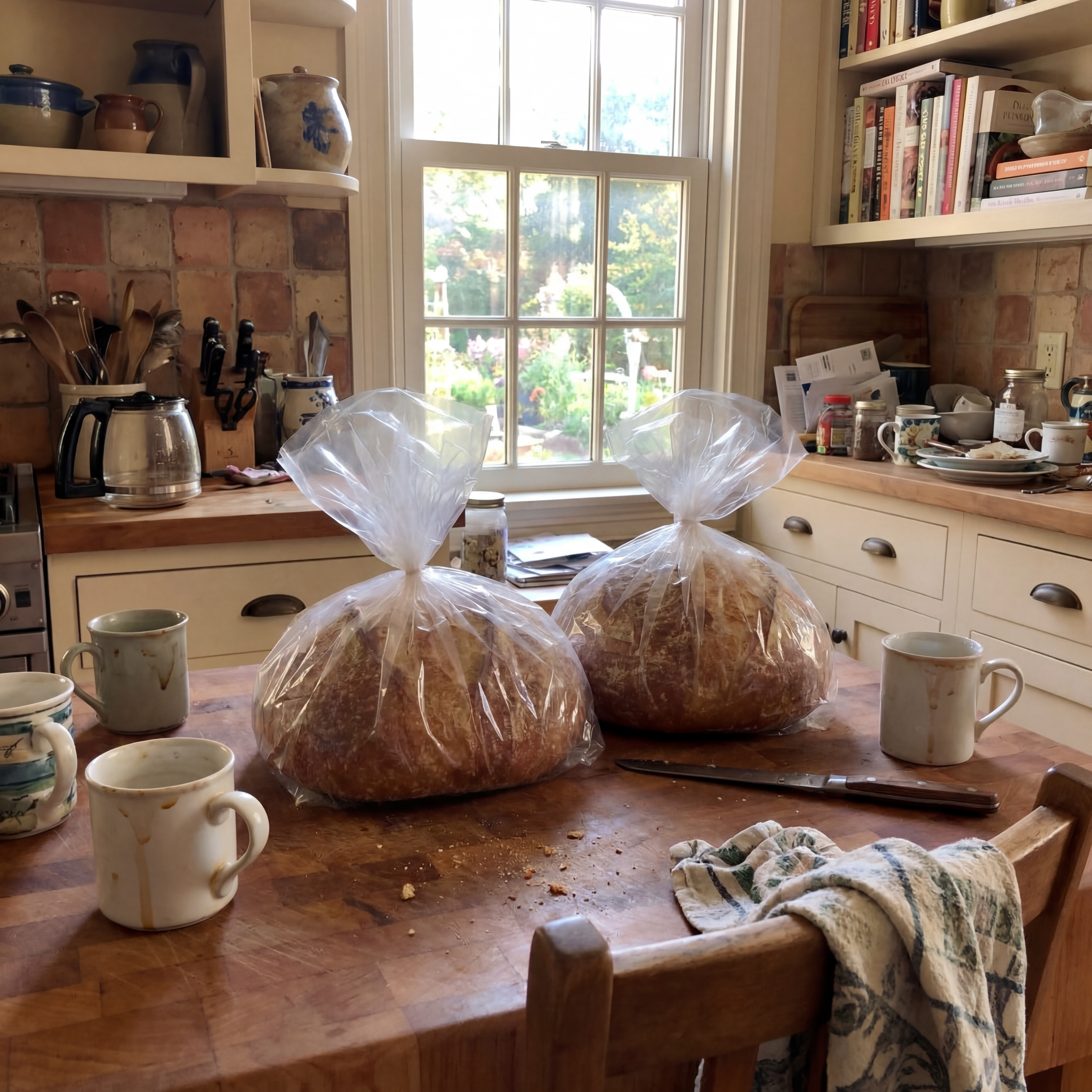
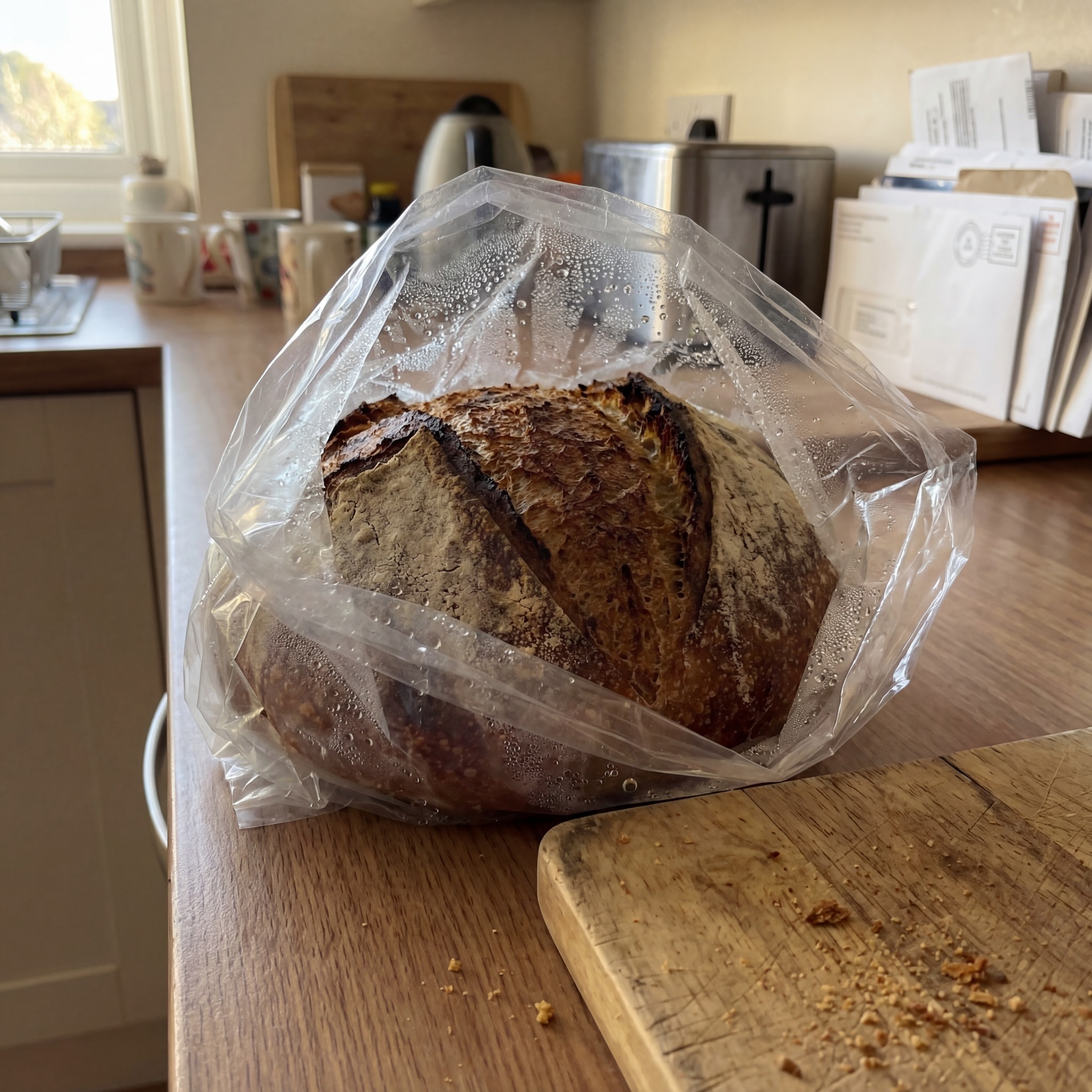
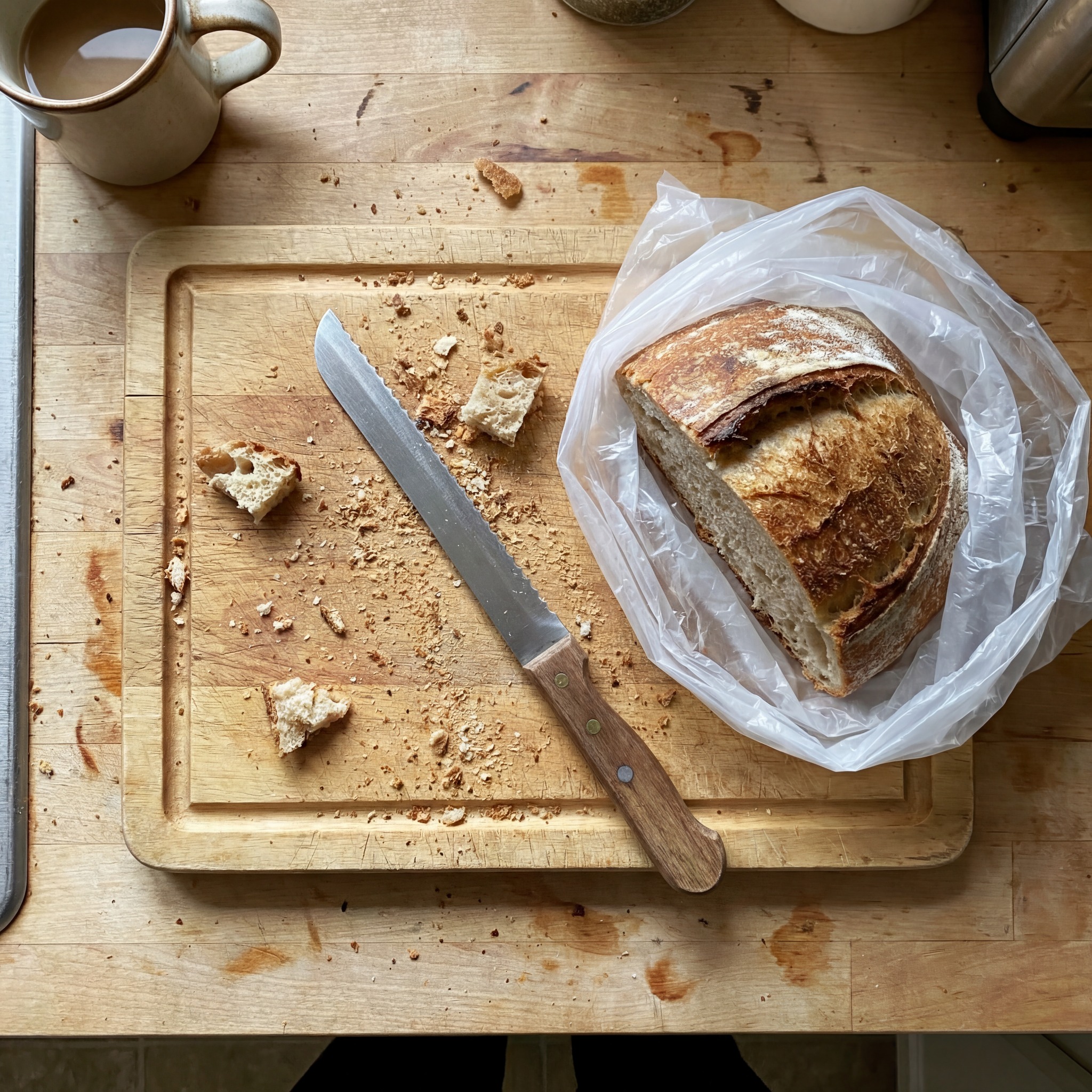
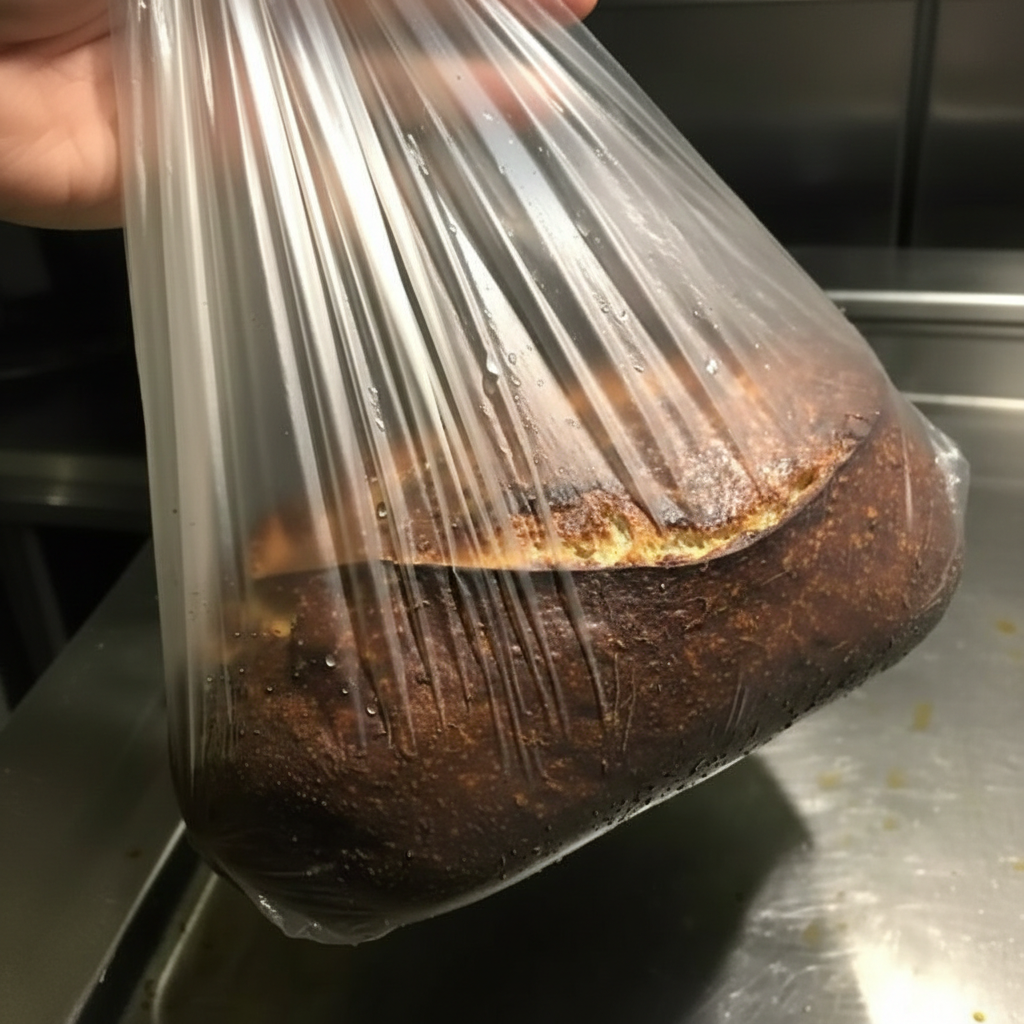
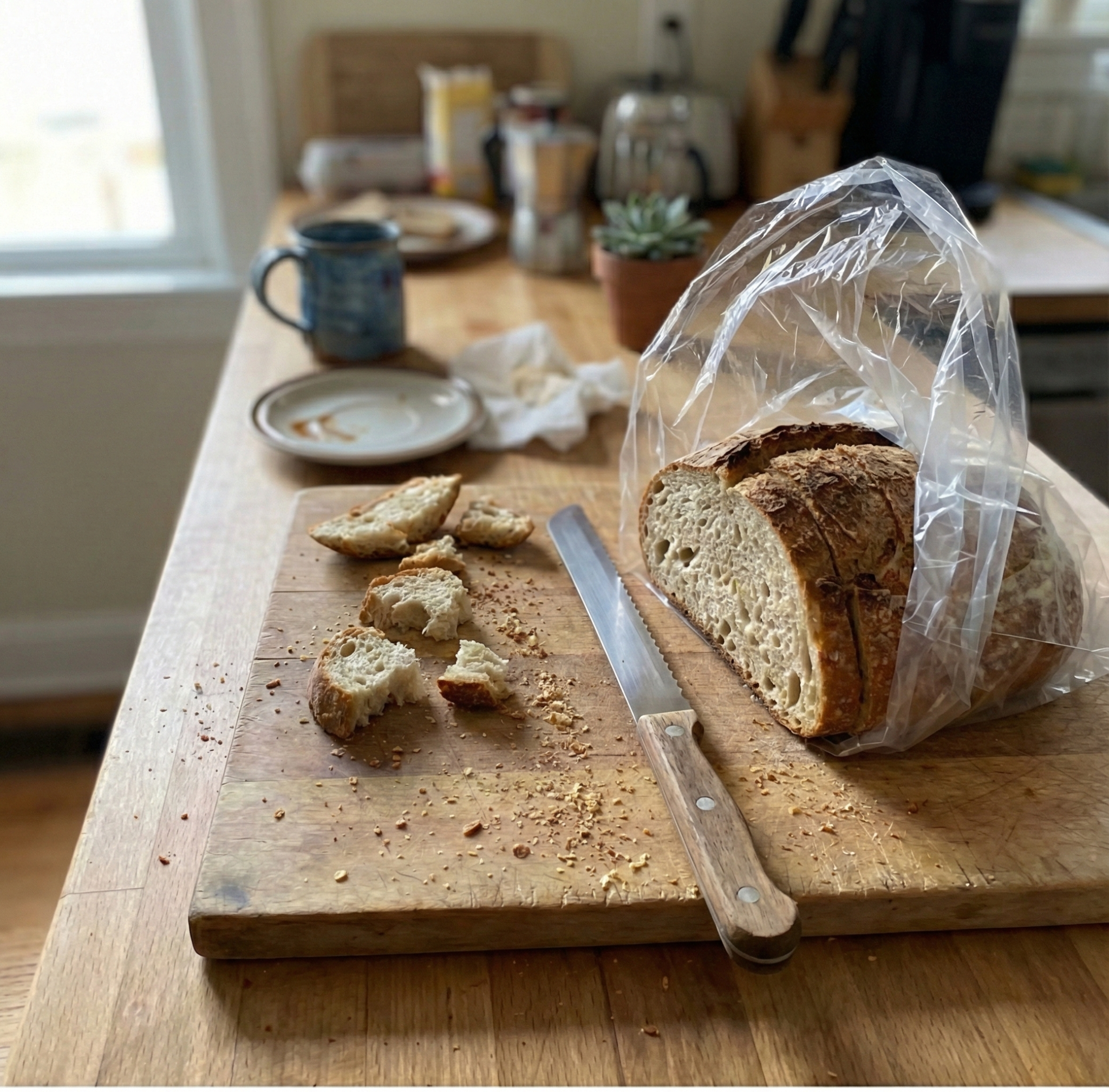
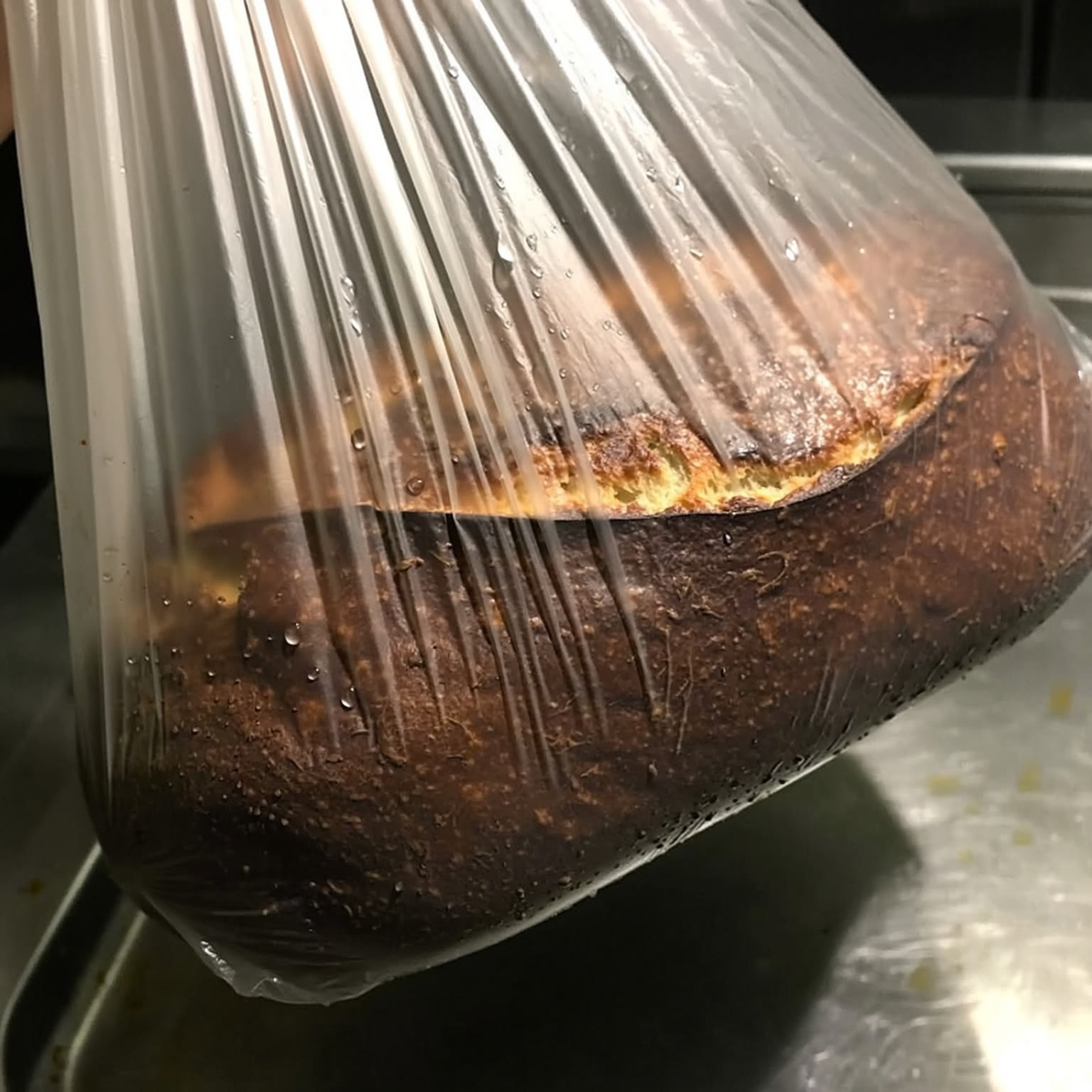
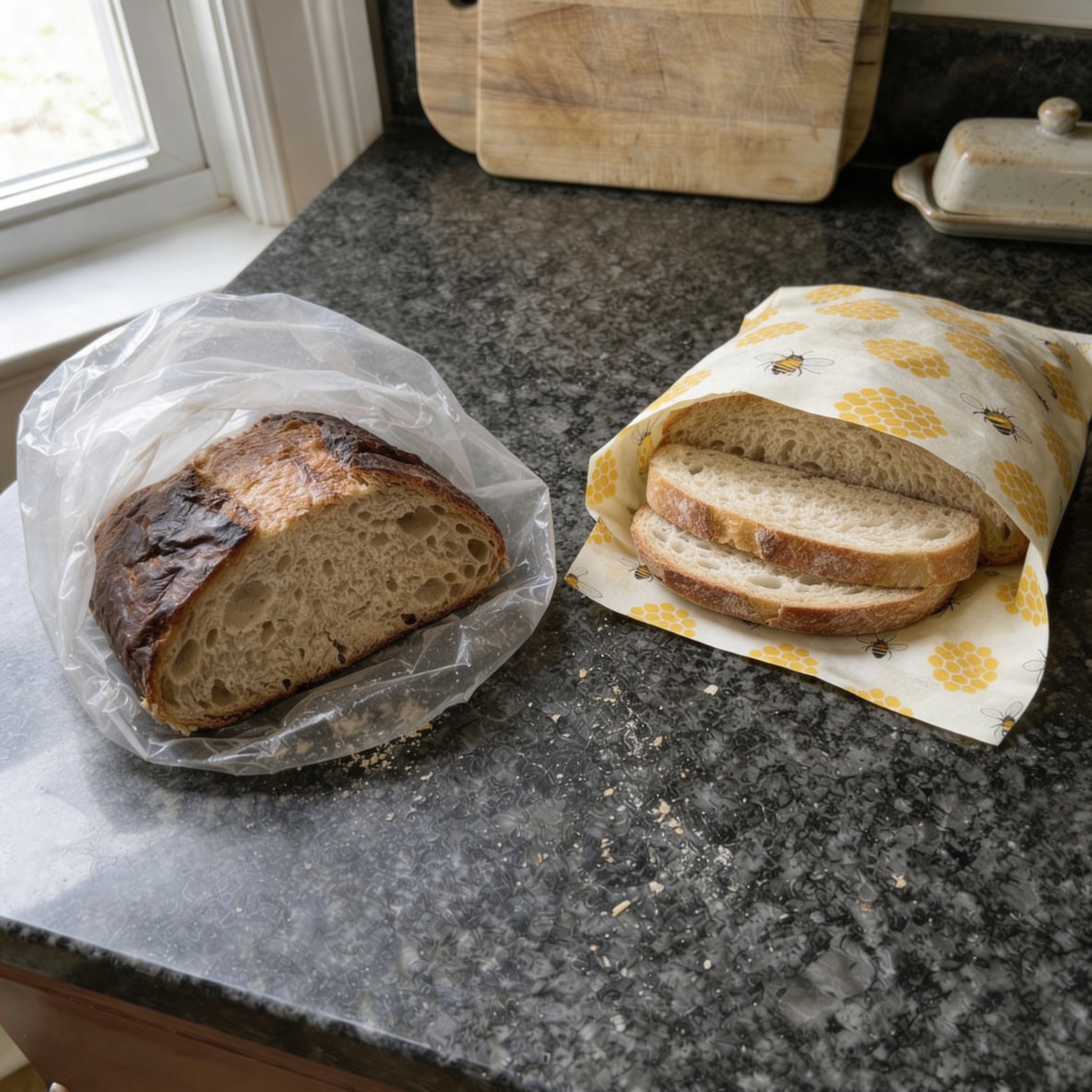
My grandmother watched me wrap a loaf of bread in plastic and shook her head. She said her bread lasted a week on the counter. I didn't believe her. I should have. I've been baking bread for my family for about six years. Every Saturday morning, same routine. Feed the starter Friday night. Mix the dough Saturday morning. Fold it. Shape it. Into the fridge overnight. Bake Sunday morning. Flour, water, salt, starter. Nothing fancy. I just like knowing what my family is eating and I like the way the house smells on Sunday morning. The bread comes out good almost every time now. Took me a year to get consistent but I got there. Good crust. Soft crumb. The kind of bread that makes you never want to buy the stuff in the plastic sleeve again. I was proud of my baking. What I could never figure out was why it didn't last. She was visiting for Thanksgiving. My grandmother. Eighty-three years old. Grew up on a farm. Baked bread her whole life. I pull out a loaf I baked on Wednesday to go with dinner. It's Saturday. Three days old. The crust is soft and leathery. The crumb near the cut side is starting to dry. There's a damp spot on the bottom from sitting in the plastic bag. It's not moldy yet but it's heading there. She picks it up, presses her thumb into the crust, sets it back down. Doesn't say anything for a minute. Then she asks me how long this usually lasts. Three days, maybe four. Then it's either stale or moldy and I throw out whatever is left. She asks how often I bake. Every week. She got quiet. Then she said something I didn't expect. She said it's not your bread. Your bread is fine. It's how you're storing it. Everything you're using is wrong. I almost argued with her. I've been baking for six years. I've tried everything. Plastic bags. A thirty-five dollar bamboo bread box. Linen towels. Paper bags. The fridge. The freezer. Nothing works. I'd accepted that bread just goes bad in three days and there's nothing you can do about it. She said that's not true. She said in her day a loaf lasted the whole week. Every time. No mold. No brick. No throwing anything away. I told her that's impossible. Bread goes stale. That's just what it does. Everybody knows that. She said everybody's wrong. She started going through my methods one by one. Not to make me feel bad. Just to explain what was actually happening. Plastic bags. She said wrapping bread in plastic is the worst thing you can do. Bread releases moisture for days after baking. In a sealed bag that moisture has nowhere to go. It condenses on the inside, pools against the crust, and creates the exact conditions for mold. She said it's like putting a wet towel in a sealed box and wondering why it smells. By day three you're not storing bread. You're growing mold on purpose. And the mold you can see is only the end of the story. I looked this up later. By the time a green spot appears on the crust, invisible threads called hyphae have already spread through the entire crumb. The spot is the last stage, not the first. Every time I'd cut mold off a slice and given the rest to my kids for sandwiches, they were eating mold. I just couldn't see it. That thought alone made me feel sick. Paper and cloth. The opposite problem. Fully open. Moisture escapes too fast. The bread dries from the outside in. Crust goes hard. Crumb turns to chalk. My bamboo bread box? Same thing with a nicer lid. Hard as a rock by day three. The refrigerator. My grandmother warned me about this one most of all. She said bread in the fridge goes hard overnight. She didn't know the science but she knew from sixty years of experience. She was right. There's a name for it. Starch retrogradation. The starches in bread re-crystallize after baking, and that process happens fastest at refrigerator temperature. A food science lab in Munich found that sourdough in the fridge reaches nearly four hundred percent of its original firmness. The fridge doesn't preserve bread. It ages it overnight. The freezer. I did that for almost a year. Sliced every loaf the day I baked it. Freezer bags. Toaster every morning. My family ate freezer toast for a year because I thought that was the only option. I didn't start baking so my kids could eat toast every day. That's not homemade bread. That's giving up. Every method I'd used for six years was one of two things. Too sealed or too open. Mold or brick. No middle ground. Six years. I thought the problem was me. My recipe. My flour. My timing. Maybe I just wasn't good enough at this. Maybe real bakers knew something I didn't. I was honestly starting to think I should just stop and buy the store bread like everyone else. My grandmother looked at me and said stop blaming yourself. It was never you. It was the tools. I asked her what she used instead. She looked at me like I should already know. She said a cloth bag with wax on it. Said her mother used one. Her grandmother used one. She thought everybody had one. She said it's fabric soaked in beeswax. The wax lets some moisture out but not all of it. Enough escapes that condensation never builds and mold can't form. Enough stays that the bread doesn't dry out. The crust holds. The crumb stays soft. And beeswax is naturally antimicrobial. Not because of marketing. Because of chemistry. Bees produce it to protect hives that sit at thirty-five degrees and eighty percent humidity. If mold could grow on beeswax, every beehive on earth would be dead. The wax creates a surface mold physically cannot colonize. Not too sealed. Not too open. The one thing nothing else in my kitchen does. She said this is how people stored bread for hundreds of years before plastic. The tradition survived in Europe. It didn't survive here because Americans switched to plastic and never looked back. I went online that night and ordered two beeswax bread bags from Amazon. Twelve dollars each. They were terrible. The first one was thin. The wax flaked off onto the bread like lint. By day three, mold. Worse than plastic. The second fell apart after one wash. The coating just disappeared. Plain cotton. Bread dried out overnight. I called my grandmother. She wasn't surprised. She said what they sell now isn't what she grew up with. Real beeswax bags have the wax melted into the cloth, not sprayed on top. The cheap ones look right but the wax sits on the surface. One wash and it's gone. She said the difference is saturation. Like the difference between painting a wall and soaking a sponge. Paint chips off. A saturated sponge stays saturated. Real beeswax melted into thick cotton until it becomes part of the fabric. Not a coating. Part of the cloth. She didn't know where to get one anymore. Hers wore out years ago and she stopped baking when her arthritis got bad. But she said let me call Edna. Edna is my grandmother's oldest friend. They baked together for thirty years. Edna still bakes. Edna still stores her bread the old way. My grandmother called me back the next day. Edna has been using bags from a small European company called Exanas. Said they're the only ones made the way they used to be. Real beeswax saturated into thick cotton. Edna went through the same Amazon junk before she found them. When it arrived I understood. The fabric was heavy. Stiff. You could feel the wax inside the cloth, not sitting on top. A faint smell of honey. Nothing from Amazon felt like this. That Sunday I baked my usual loaf. Let it cool. Slid it into the bag. Folded the top. Left it on the counter. Monday. Crust firm. Crumb soft. Normal. Tuesday. Same. Wednesday. This is where bread usually turns in my kitchen. Where I check the bottom for mold and squeeze the crust to see if it's gone hard. Nothing. The bread was just bread. Thursday. Made sandwiches without toasting. The crumb was slightly denser than Sunday. Barely noticeable. Friday. Finished the loaf. Five days on the counter. Every slice eaten. Same flour. Same water. Same starter. Same oven. Same Sunday morning. Same family sitting at the same table. Different bag. I've been using it for about four months now. I don't think about bread storage anymore. I bake on Sunday and we eat it through the week and it's just there, staying good, until it's gone. No race to finish it. No mold on Wednesday. No freezer toast. Six years I blamed myself. Six years I thought I was doing something wrong. I tried every method. Every tool. Every tip from every baking group. None of it worked because all of it was broken. Too sealed or too open. There is no middle ground with plastic or cloth or wood or the fridge. The answer existed the whole time. My grandmother had it. Her mother had it. Somewhere along the line we just stopped using it and forgot it ever existed. At least I got it back. I left the link below if you want to look at the one I use. Make sure whatever you get is real beeswax saturated into the fabric, not sprayed on top. If it feels thin or the wax flakes when you fold it, it's not the real thing. That's why most people think this doesn't work. They tried the cheap ones and gave up. Don't give up. Just get the right one.
Like this ad? Make it yours.
Crush rebuilds this exact creative around your product — your brand, your colors, your offer — in about a minute.