
Active· since Jul 27, 2026
- 55
- days running
- 0
- relaunches
Ad copy
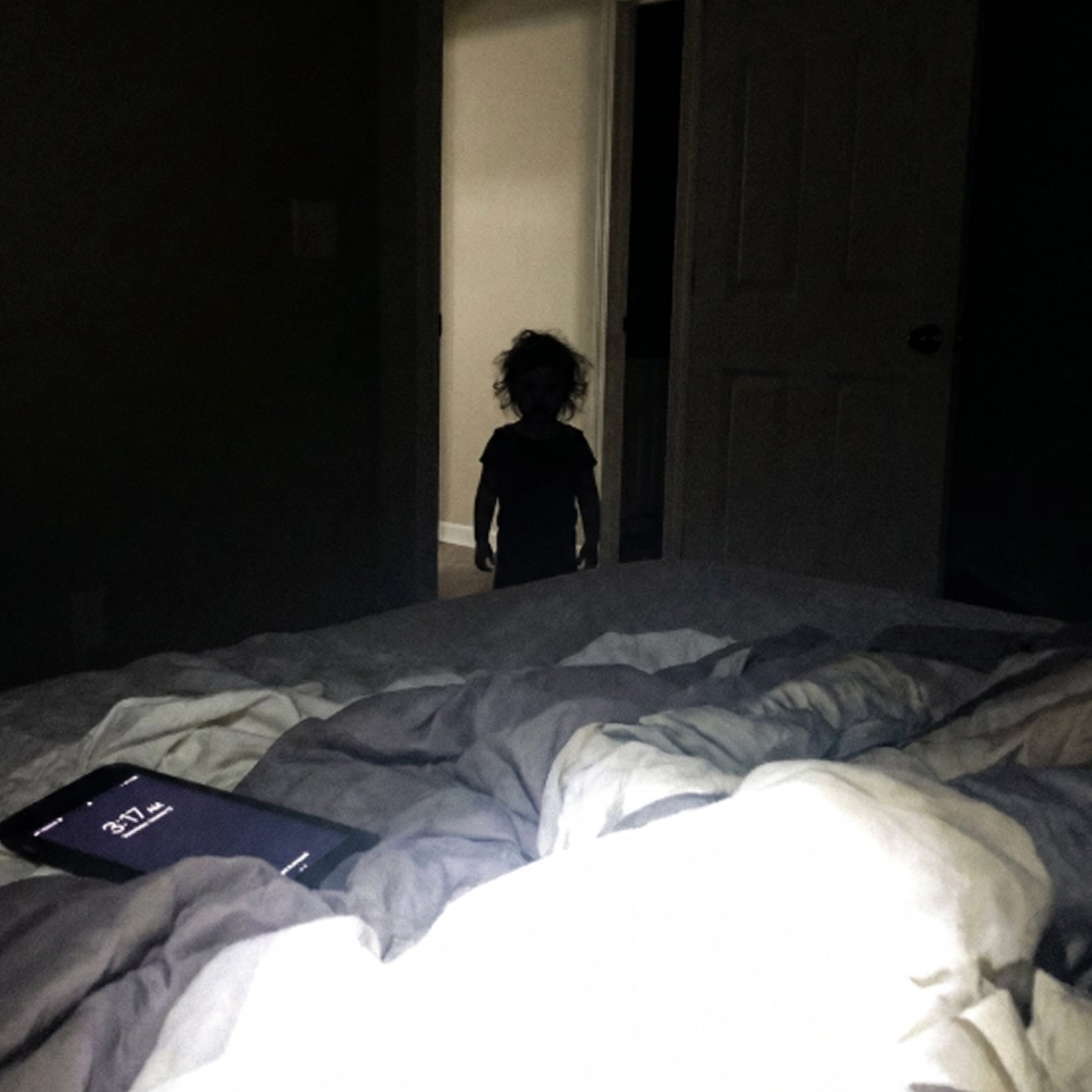
Every single night, I was giving my 3-year-old melatonin to fall asleep. And I felt terrible about it. I know that might sound extreme. But if you've lived it, you know exactly what I'm talking about. It started around her second birthday. Bedtime went from an easy 15 minutes to a 90-minute battle almost overnight. She'd be clearly worn out — rubbing her eyes, yawning nonstop, ready to crash. But the second I laid her down, something flipped. She'd kick. She'd scream. She'd climb out of bed a dozen times. She'd lie there wide awake, her little body humming like she couldn't power down. I tried everything. Warm baths. Lavender in the diffuser. A white noise machine. Bedtime earlier. Bedtime later. No screens after 5pm. Blackout curtains. That pricey weighted sleep sack everyone on Instagram loved. Nothing worked. We were suggested melatonin. Said it was safe, that lots of kids use it, just a small dose to help her wind down. And it worked. She'd drift off in 20 minutes. For the first time in months, I could finally breathe. But then I started reading. Melatonin isn't checked by the FDA for kids. The real dose in those gummies can be way off from what the label says. Some studies found certain brands had up to 5 times more than listed. And the long-term effects on a growing brain? Nobody really knows yet. Every night, I was putting a hormone into my toddler's body that no one could promise me was safe. But what was the other option? Go back to 90-minute meltdowns? Have a kid who was miserable because sleep wouldn't come? Let our whole family dread 7pm every night? I felt stuck. Guilty either way. Then my sister-in-law mentioned the Panda Drum. She's always been into natural stuff. I love her, but I usually tune out half her ideas. But she said one thing that stuck with me. She said, "Your daughter's body isn't broken. She's overstimulated. Her nervous system can't slow down. The melatonin shuts her brain off, but it doesn't fix why she can't settle in the first place." She told me how kids today deal with more noise, more screens, more fast input than any generation before them. It all keeps a child wound up. Their little nervous systems get stuck in high gear and never learn how to come down on their own. Adults feel it too, but kids feel it way more. That's why her legs felt "buzzy." That's why she couldn't wind down. That's why she was clearly exhausted but still couldn't switch off. She was overstimulated at a level no bedtime routine could reach. The drum helps her body come down. It's a small steel drum, tuned by hand to 432 Hz — a calm, low sound you find all over nature, in ocean waves and birdsong. Something in the body just recognizes it. You tap it, and every note comes out soft and beautiful. You literally can't play a wrong note. So instead of one more thing winding her up, she finally had something that slowed her down — and she could do it herself, with her own hands. No supplements. No hormones. No gummies with dodgy doses. Just a sound that helps her body do what it was always supposed to do. I ordered one and put it in her room. Didn't change the bedtime routine at all. Didn't drop the melatonin that first night — I was too nervous to. But the second night, I skipped the melatonin and just watched. We played it together for a few minutes before bed. Soft and slow. She was asleep within 15 minutes. I stood outside her door waiting for the crying. For the footsteps. For "Mommy, I can't sleep." It never came. She was out. I opened the door to peek because I was sure something was wrong. She was curled up with her stuffed animal, completely still, breathing slow and deep. No tossing. No kicking. No "buzzy legs." By the end of that first week, bedtime went from a 90-minute struggle to a 15-minute routine. She stopped fighting it. S he stopped climbing out. She started saying "I'm sleepy, Mommy" and actually meaning it. She woke up happy. Not cranky. Not clingy. Just calm and rested in a way I hadn't seen since she was a baby. I got emotional the first morning she came downstairs and said, "I slept SO good, Mommy." We haven't touched melatonin in 4 months. I told her pediatrician. She hadn't heard of using a drum like this, but said if it's working and there's no supplement involved, she fully supports it. She said she wishes more parents found things that didn't mean giving toddlers unregulated hormones. My son is 5. He's always been an okay sleeper but never great. Now we play it before his bedtime too. He falls asleep faster and gets himself up for preschool without a fight. Two kids. Two different sleep problems. Same result. Not every drum out there actually works, though. The cheap ones are barely tuned — they sound flat and tinny, and a wrong-sounding note just winds a kid back up instead of calming them. The Panda Drum is handcrafted from real steel and tuned by hand to exactly 432 Hz, so every note lands soft and true. It's built well enough to last for years. It's the only one I trust in my kids' rooms. Over 100,000 families have one. 30-day money-back guarantee. A full month to try it risk-free. They're running a sale right now — up to 60% off. I'd grab one while it's still there. Each one is handmade, so they sell out fast, and last time it took months to restock. If bedtime is a battle every single night, if your child is clearly wiped out but just can't settle, their body might not need a supplement. It might just need to come down. Try the drum. See what happens when their little nervous system is finally allowed to rest. Link's below. Make sure you're ordering from the official Panda Drum site. https://pandadrum.com/pages/collection
Like this ad? Make it yours.
Crush rebuilds this exact creative around your product — your brand, your colors, your offer — in about a minute.