Dandruff Reset
Dandruff Reset Facebook ad: “Read this if you have dandruff”
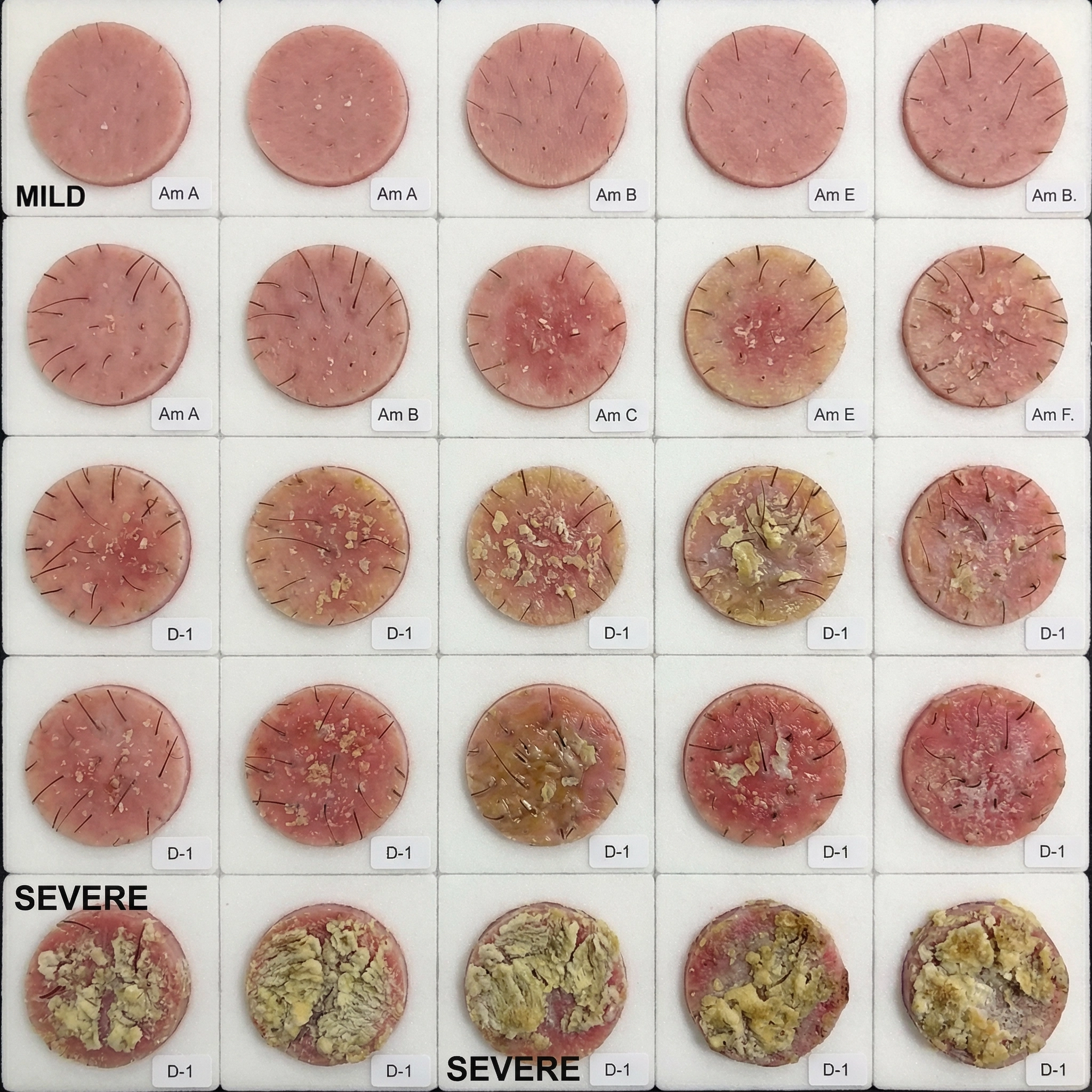
Ran for 35 days, from April 2 to May 7, 2026, the last day Crush saw it.
Run by Dandruff Reset on Facebook. Crush is not the advertiser and does not verify its claims. See this ad in Meta's Ad Library(opens in a new tab)
Want an ad like this for your product?
Crush makes new ad images for your product from this ad: your logo, your product photo, your offer.
Trials from $19.95 USD, then $79.95 USD a month. Cancel anytime.
About this ad
- Meta Ad Library ID
- 1586580862402482
- Platforms
- Facebook, Instagram, Audience Network, Messenger and Threads
- Relaunches
- 0
Ad text
I've been a dermatologist for 27 years. And if your dandruff keeps coming back worse after every shampoo, your medicated rinses stop working after a week, and your doctor keeps telling you to "try a stronger formula"... I'm about to tell you exactly why it's getting WORSE and why the scalp-care and pharmaceutical industry will NEVER tell you the truth. And by the end of this, you're gonna be pissed. My name is Dr. Sarah Harlan. Board-certified dermatologist. Twenty-seven years treating chronic dandruff, seborrheic dermatitis, and stubborn scalp conditions. Published in the Journal of Investigative Dermatology. Over 9,800 patients. And I'm breaking ranks with my own profession to tell you this. Because there are three things happening right now: One — The flakes on your scalp are not "just sitting there." A yeast called Malassezia is actively feeding on your scalp oils, triggering an inflammatory overreaction — and every day you don't shut off the internal cycle, the flaking, itching, and damage gets worse Two — The dandruff shampoo you've been using was never capable of stopping that cycle, and your dermatologist knows it Three — There's a multi-billion-dollar scalp treatment industry that profits every single month your dandruff flares back So let me tell you what happened with one of my patients, because her story is gonna open your eyes to how messed up this really is. Her name was Claire. 52 years old. For YEARS, and I mean like five straight years, she was dealing with this. Her scalp? It started with mild flaking around her hairline. A little itchiness, a few white specks on her shoulders. She came to me early — month two. I told her we'd handle it. No big deal. I recommended Head & Shoulders. Zinc pyrithione. "Use it every wash," I said. "Be consistent." She was consistent. She lathered that shampoo into her scalp every single morning for four months. Religiously. Never missed a wash. And you know what happened? The flaking didn't go away. It spread. It went from a little dusting along her hairline to thick, heavy flakes covering her entire scalp. Visible through her part. Falling onto every dark shirt she owned. And then it got worse. The itching became relentless. Then her scalp turned red and angry. Then the flakes got bigger — thick, crusty patches that looked like fish scales. Then the burning started. By the end of year two, she had thick, stubborn flaking across her entire scalp, down her hairline, and creeping behind her ears. The itching was so distracting she'd scratch unconsciously during meetings. Her pillowcase looked like a snow globe had exploded on it every morning. She stopped wearing dark clothing entirely. Stopped going to the salon — too embarrassed to let a stylist part her hair under those bright lights. Started wearing her hair up every single day to hide the flakes falling from her scalp onto her shoulders. She told me once: "I plan my entire wardrobe around what will hide my dandruff." And the fear? It wasn't just shame anymore. She was terrified it would keep getting worse. She'd noticed the flaking spreading into her eyebrows and around her nose and she was PANICKING. She had a 9-year-old daughter who'd started asking "Mommy, what's that white stuff in your hair?" at bath time, and Claire would change the subject and hold back tears, terrified her daughter would think something was wrong with her, terrified her coworkers already noticed. And here's what makes me sick to my stomach: I was the doctor she trusted. Multiple visits. Year after year. We're talking thousands of dollars in appointments, prescriptions, shampoo rotations, scalp treatments... the whole nine yards. And you know what I kept telling her? "The shampoo needs more time." "Try switching to Nizoral." "It's manageable. We just need to find the right combination." "Be more consistent with the treatment." BE MORE CONSISTENT. This woman was washing her hair with medicated shampoo every single day, watching the flakes get thicker and spread to more areas, watching her hair get drier and more brittle with every bottle — and I was telling her she wasn't being consistent enough. But here's where it gets worse — and this is the part that haunts me now. I switched her to a different shampoo. Then another. Then I added a prescription ketoconazole for her scalp. Then coal tar. Then salicylic acid. Then a medicated scalp lotion that cost $38 a tube. Then prescription-strength Chlorhexidine rinse. You know what happened? The flakes kept spreading. The ketoconazole made her hair fall out in clumps and feel like straw. The coal tar smelled so bad her husband slept in the guest room. The salicylic acid burned her already-raw scalp. The medicated lotion was a thick brown paste that stained her pillowcase and was impossible to get through her hair to actually reach her scalp. The Chlorhexidine stained her teeth and destroyed her taste buds. And every single shampoo? Every time she tried to reduce the frequency like the label said, the flakes came back twice as bad as before. I watched this woman — who did everything I told her, spent thousands of dollars, followed my protocols — get WORSE. Not better. Worse. And I didn't understand why. Until a 63-year-old immunology researcher taught me more about chronic dandruff in 20 minutes than I learned in nearly three decades of dermatology training. October 2024. San Francisco. American Academy of Dermatology Annual Meeting. I was wearing a dark blazer and I'd lint-rolled my shoulders three times before walking into the conference hall. Because at 54, my own scalp had developed stubborn, relentless dandruff fourteen months earlier. And nothing I'd been prescribing to patients for 27 years worked on me either. Worse — the flaking had spread beyond my scalp to my hairline, my eyebrows, and behind my ears. Thick white flakes were falling onto the shoulders of every dark jacket I owned. That's when I saw her. Dr. Evelyn Santos. 63 years old. Wearing a black silk blouse. Not a single flake on her shoulders. Her hair was down, styled freely, parted under bright conference lights. Her scalp was calm, clear, and healthy. I walked over. "Excuse me — I'm a dermatologist. I saw your case history in the conference registry. You had severe chronic dandruff and seborrheic dermatitis across your scalp, hairline, and face three years ago. How is your scalp so clear?" She smiled. The kind of smile that knows something you don't. Then she asked to see my scalp. And I — a dermatologist who couldn't fix her own dandruff — parted my hair under the fluorescent lights in shame. She examined the angry red scalp covered in thick white flakes, the inflamed hairline, the crusty patches behind my ears. "Dr. Harlan, when did this start?" "About fourteen months ago. And it's already spread from my scalp to my hairline, my eyebrows, and behind my ears." Her face changed. And what she said next made my stomach drop. "It's not spreading randomly. It's spreading systematically. Your scalp has an internal cycle — a yeast called Malassezia feeding on your scalp oils, producing irritating byproducts that trigger your immune system into an inflammatory overreaction — and that cycle is stuck in the ON position. It's forcing your skin cells to shed at 3 to 5 times their normal rate. While you're lathering shampoo on the surface for 60 seconds, the fungal fortress underneath is actively expanding its territory through an oily biofilm shield that water-based treatments physically cannot penetrate." She looked at me seriously. "Every month you spend applying water-based shampoos that can't reach the yeast hiding inside its oily fortress is another month the inflammatory cycle strengthens, destroys more of your scalp barrier, and the flaking spreads to new areas. You're not treating it. You're giving it time to expand." I felt sick. Then she said: "The problem isn't your hygiene or your effort. It's your delivery system. You're fighting a grease fire with water." She gestured to an empty table. "May I show you something? It will take twenty minutes. But it will change how you understand this completely." What she taught me in 20 minutes changed everything. She drew a simple diagram on a napkin. "Your treatment model treats dandruff as a surface problem. So you lather it with shampoo. Rinse it with medicated solutions. Scrub it with salicylic acid. That's like trying to put out a grease fire by spraying it with water. It doesn't work because the fire isn't on the surface — it's underneath, protected by an oily fortress that repels every water-based treatment you throw at it." She tapped the napkin. "This isn't a hygiene problem. It's a scalp terrain problem. The Malassezia yeast on your scalp has built an oily biofilm shield around itself — a hydrophobic fortress that physically repels water. Your shampoo hits the surface, beads up, and washes down the drain in 60 seconds. The yeast sitting safely inside its oily bunker? Completely untouched. It repopulates within 24-48 hours. And your immune system keeps overreacting — pumping out inflammation that forces your skin cells to shed at 3-5x their normal rate. That's your flakes." Now pause for a second. You know what's insane? We learned in dermatology school that dandruff is driven by Malassezia yeast activity. That the yeast metabolizes scalp oils into irritating byproducts. That the resulting inflammation accelerates skin cell turnover. That topical antifungal shampoos only suppress surface yeast temporarily. We KNOW this. It's in the textbooks. And yet we keep prescribing water-based shampoos for a fungal fortress that lives under an oily shield no water-based treatment can penetrate. And that's not an accident. Because once you understand that shampoos can't reach the yeast inside its oily biofilm, you realize why Claire's dandruff kept spreading. Why MY dandruff kept spreading. Why the flakes get thicker and the itching gets worse while you lather and scrub and rinse. Here's what's actually happening underneath: The Malassezia yeast feeds on your scalp's natural oils — sebum. It breaks those oils down into irritating byproducts, particularly oleic acid. In people with dandruff, this triggers an inflammatory cascade. Your immune system goes into overdrive. Inflammation fires up. Your skin cells — which normally take 28-30 days to mature and shed invisibly — are forced to do it in 3 to 5 days. They pile up into thick, visible flakes before they've had time to properly form. But here's the part nobody tells you: The yeast doesn't just sit there on the surface waiting for your shampoo to kill it. It builds an oily fortress around itself called biofilm — a hydrophobic extracellular matrix made of lipids, proteins, and polysaccharides. This biofilm is water-repelling. Your dandruff shampoo — no matter how "medicated" or "prescription-strength" — is water-based. It hits the oily fortress and beads right off. Like cold water on a greasy pan. When you lather with dandruff shampoo? It kills some yeast floating on the scalp surface. The yeast entrenched deep inside the oily biofilm? Untouched. It repopulates within 24-48 hours. You feel clean for a day. Then the itching comes back. Then the flakes return — often worse than before. When you use ketoconazole? It batters the surface aggressively — destroying your hair in the process, making it dry, brittle, and falling out — but the deep-seated yeast protected by the oily fortress? Still there. Waiting. Rebuilding the moment you reduce the frequency. The second you stop or reduce? The yeast explodes back. The inflammation floods into scalp tissue that the harsh treatments have made more fragile, more sensitive, and more reactive. The result? A massive "rebound flare" — often much worse than before you started the shampoo. So the flaking doesn't just persist. It EXPANDS. Actively. While you watch. And here's the key thing I learned: Water-based treatments don't work for a fungal fortress protected by an oily shield. Shampoos and rinses are designed for surface-level cleansing — when the problem is accessible from outside. Light dandruff from a dry scalp? A gentle shampoo can help. A systemic fungal cycle driving chronic flaking from inside an oily biofilm? The shampoo never reaches the target. But Claire's scalp wasn't the problem. MY scalp wasn't the problem. The problem was that the yeast was INSIDE its oily fortress, the shampoo was OUTSIDE bouncing off, and the biofilm blocked delivery. So the shampoo sat on the surface for 60 seconds and washed down the drain. The ketoconazole destroyed her hair. The coal tar smelled like "river muck." The medicated paste stained everything. And the yeast underneath kept feeding, multiplying, and spreading to the next area. And the next. And the next. Because it's not a hygiene problem. It's a TERRAIN problem. And here's the part that made my blood boil: The dermatology industry KNOWS about the biofilm. We know shampoos can't penetrate hydrophobic matrices. We know about rebound flares. Researchers publish papers about the limitations of water-based antifungal treatments for chronic seborrheic conditions. But we keep prescribing the same shampoo rotations because that's what we're trained to do. Why? Because pharmaceutical companies don't make systemic plant-based antifungal compounds. They make patentable prescription drugs and expensive medicated shampoos. You can't patent oregano oil. There's no money in telling you the yeast is hiding inside an oily fortress and your water-based shampoo physically can't reach it. There IS money in selling you $45/bottle prescription shampoos, $38/tube medicated scalp lotions, $200 dermatologist visits, and $25 "dandruff repair" products for the REST OF YOUR LIFE. See how that works? Evelyn showed me the actual PROTOCOL for dissolving the oily fortress and resetting the scalp terrain from the inside. It involves three specific things happening simultaneously: 1. Internal biofilm dissolution — A lipid-soluble compound that enters the bloodstream and merges with the oily biofilm shield, dissolving it from within where water-based shampoos can't reach 2. Bloodstream-delivered anti-inflammatory action — Bypassing the scalp surface entirely by calming the inflammatory overreaction through the blood, so your skin cells stop being forced to shed at 3-5x their normal rate 3. Scalp barrier rebuilding — Supporting your body's ability to restore its own protective barrier — the natural ceramides and lipids that hold your scalp skin together — so the cracking, irritation, and relentless flaking finally stops There are actual peer-reviewed studies showing that carvacrol from oregano oil penetrates hydrophobic biofilm matrices and that thymoquinone from black seed oil calms inflammatory cascades and supports skin barrier restoration. Nature already built the protocol. We just stopped paying attention when Big Pharma offered something more profitable. But you'll never hear most dermatologists mention it. Because pharmaceutical companies don't make plant-based systemic biofilm dissolvers. They make hair-destroying ketoconazole shampoos and $200/visit treatment plans. So that's what we're trained to prescribe. The financial model is backwards. A patient on traditional dandruff shampoo rotations pays $100-300 monthly. Indefinitely. Average lifetime value: $5,000-$25,000. A systemic plant-based protocol that dissolves the fortress? No recurring revenue. The system isn't designed to solve the problem. It's designed to manage it forever — one rebound flare at a time. Now here's the problem I ran into... Most "anti-inflammatory supplements" on the market are garbage. I tried a cheap oregano capsule. Low potency. No standardized carvacrol. Did nothing. I tried another one that claimed to "support scalp health." Just biotin and zinc in a fancy bottle. Surface marketing. No biofilm penetration. I tested eleven different supplements after San Francisco. Spent over $400 total on capsules that were either too weak or didn't target the actual fungal fortress. Because here's the thing: A generic oregano capsule is NOT the same as a systemic biofilm dissolution protocol. Most supplements use low-grade oregano powder with negligible carvacrol — the specific compound that actually penetrates hydrophobic biofilm. It's like buying a water gun and wondering why it didn't put out a grease fire. True biofilm dissolution requires high-potency, standardized carvacrol delivered through the bloodstream at concentrations that actually reach the scalp's follicular environment. Combined with thymoquinone to calm the inflammatory cascade and support barrier rebuilding. Every supplement I tested failed at least one of the three requirements. Until I found Orgatics. They had an Oregano + Black Seed Oil softgel. Not a generic multivitamin. Not a low-dose oregano powder. An actual dual-action systemic antifungal and anti-inflammatory. With ALL THREE requirements. Standardized carvacrol for biofilm penetration and dissolution. Concentrated thymoquinone for inflammatory calming and barrier support. A "Trojan Horse" lipid delivery system that bypasses stomach acid and delivers the compounds directly into the bloodstream. When I dug into the formulation? It was based on the exact compounds studied in peer-reviewed research. The same mechanisms that scientists have documented for penetrating hydrophobic biofilm. The same approach that naturopathic physicians have used for over a decade. They weren't just selling a supplement. They understood the science. They knew WHY the yeast stays protected inside its oily fortress. They built something to actually dissolve it. And here's where I had to face what I'd done to my patients: When Claire was buying medicated shampoos from me? $45 every month for prescription ketoconazole. Plus the coal tar. Plus the salicylic acid treatment. Plus my office visits every 6-8 weeks. Plus the medicated scalp lotion at $38 a tube. Plus the "dandruff repair" products she cycled through hoping one would finally work. She was spending thousands of dollars a year. Every single year. Just to manage symptoms that kept spreading to more areas. The Orgatics softgels? A fraction of what she'd been spending on treatments that failed. Uses the actual biofilm dissolution protocol. Standardized carvacrol that enters the bloodstream and reaches the oily fortress. Thymoquinone that calms the inflammatory cascade and supports barrier restoration. Two softgels before bed. Five seconds. Done. I started using them myself first. Week 2: The itching — that relentless, wake-you-up-at-3AM, scratch-until-your-scalp-bleeds itching I'd stopped noticing because it became my normal — began quieting down. The inflammatory cycle was being challenged from the inside for the first time. Week 4: I examined my scalp under bright light. The flaking was visibly reduced. The thick, crusty patches that used to line my hairline were softening. And my shoulders — where white flakes had been falling onto every dark jacket for months — were clean. I ran my fingers through my hair and nothing fell. Week 8: The thick, stubborn flakes across my scalp were gone. The angry red was fading to calm pink. The patches behind my ears and in my eyebrows — the ones that had been spreading for months — were clear. The itching had stopped completely. No new flaking on any new areas. Week 12: Full assessment. Scalp calm enough to part under bright lights. Hair healthy enough to wear down and styled freely. Shoulders clean enough to wear black without a lint roller. The fungal fortress had been dissolved from the inside. The scalp terrain was resetting. Then I called Claire. And every other patient I'd failed. "I need to tell you something. The treatments I prescribed were wrong. I was treating the surface when I should have been treating the bloodstream. I was spraying water on a grease fire. I didn't know the difference. But I do now." Claire, Week 6: "Dr. Harlan, the flaking on my scalp is clearing for the first time in five years. And for the first time since this started, it hasn't spread to a new area. Not one. It actually stopped." Before: Thick flaking across her entire scalp, hairline, eyebrows, and behind her ears. Getting worse every 2-3 months despite continuous medicated shampoo treatment. After 6 weeks: Flaking visibly reduced on all sites. Zero new patches. Zero rebound flare. Cost of shampoos, prescriptions, lotions, and treatments that failed her: over $8,000 across five years. Cost of what worked: a fraction of that. She wore a black turtleneck to her daughter's school play last Saturday. First time in four years. Her daughter said: "Mom, your shoulders look clean." Claire told me she went to her car and cried. The flaking? Stopped. She wore her hair down to work on Monday. Styled it. Parted it. No checking mirrors. No lint roller in her purse. No brushing her shoulders before every conversation. She got her life back. This is the protocol they don't want you to know about. Because the second you dissolve the oily fungal fortress from the inside, the flaking cycle breaks. You don't need their hair-destroying shampoo rotations anymore. You don't need their staining medicated pastes that smell like a diaper. Your scalp starts REBUILDING ITS OWN BARRIER the way it's supposed to. Now here's what I need you to understand about timing: The urgency Evelyn warned me about is real. The Malassezia cycle doesn't wait. Every month the yeast stays protected inside its oily fortress, it feeds on more of your scalp oils, triggers more inflammation, destroys more of your scalp's protective barrier, and forces more skin cells to shed too fast. The longer you wait, the more territory the flaking claims, and the more barrier damage accumulates. Mild flaking on your scalp at month 3 can become thick, stubborn, visible dandruff across your scalp, hairline, eyebrows, beard, and ears by month 12. I've seen it happen to over 60 patients. I watched it happen to Claire. If you're at mild flaking right now — you have a chance to dissolve the fortress before it spreads further. Every week matters. If you're already dealing with thick flakes across your scalp, hairline, and beyond — the fungal cycle is deeply entrenched. You can still dissolve the fortress. But it takes longer, and every day the barrier damage compounds. If you're reading this and the dandruff has spread to your FACE or BEARD — act now. You can't hide your face. You can't cover your eyebrows in a meeting. If you're someone who's been dealing with this — thick flakes, relentless itching, burning scalp, spreading to new areas — and nothing has worked? It's not because you're dirty. It's not because you didn't lather the shampoo long enough or wash frequently enough. It's because the yeast is hiding inside an oily fortress in your scalp and every product you've been prescribed was water-based, sitting on the outside, bouncing off for 60 seconds before washing down the drain. Spraying water on a grease fire. Orgatics has a money-back guarantee — if it doesn't work, you're not out anything. And honestly? Even if you're skeptical, try it for 90 days. See if your scalp responds the way mine did. The way Claire's did. Watch for the flaking to slow. Watch for the itching to quiet. Watch for the redness to calm. That's your proof. Because the dandruff industry isn't coming to save you. They profit too much from selling you water-based shampoos that bounce off the oily fortress while the yeast feeds underneath. A 63-year-old immunology researcher taught me more in 20 minutes than I learned in nearly three decades of dermatology training. It's about time I passed that lesson on. Go get it. P.S. — I still recommend dandruff shampoo — but only for very mild, occasional flaking from a dry scalp. For chronic dandruff driven by a Malassezia biofilm fortress, only systemic biofilm dissolution works. P.P.S. — If your dandruff has already spread beyond your scalp to your hairline, face, eyebrows, or beard, every week you wait is another week the yeast feeds on more of your scalp oils and the barrier damage deepens. Don't spend another five years lathering shampoo on the surface while the fortress grows underneath. P.P.P.S. — Claire: "Five years. Flaking on my scalp, hairline, eyebrows, and ears. Thousands of dollars on shampoos that washed off in 60 seconds. Two softgels before bed dissolved the fortress in weeks. I can see calm, healthy scalp coming back. I wore a black shirt yesterday and didn't check my shoulders once. Don't wait like I did."
Where the ad sends people
tryorgatics.com
Read this if you have dandruff
Orgatics
Learn more: tryorgatics.com(opens in a new tab)