
Active· since Jun 20, 2026
- 87
- days running
- 0
- relaunches
- 19
- EU reach
Ad copy
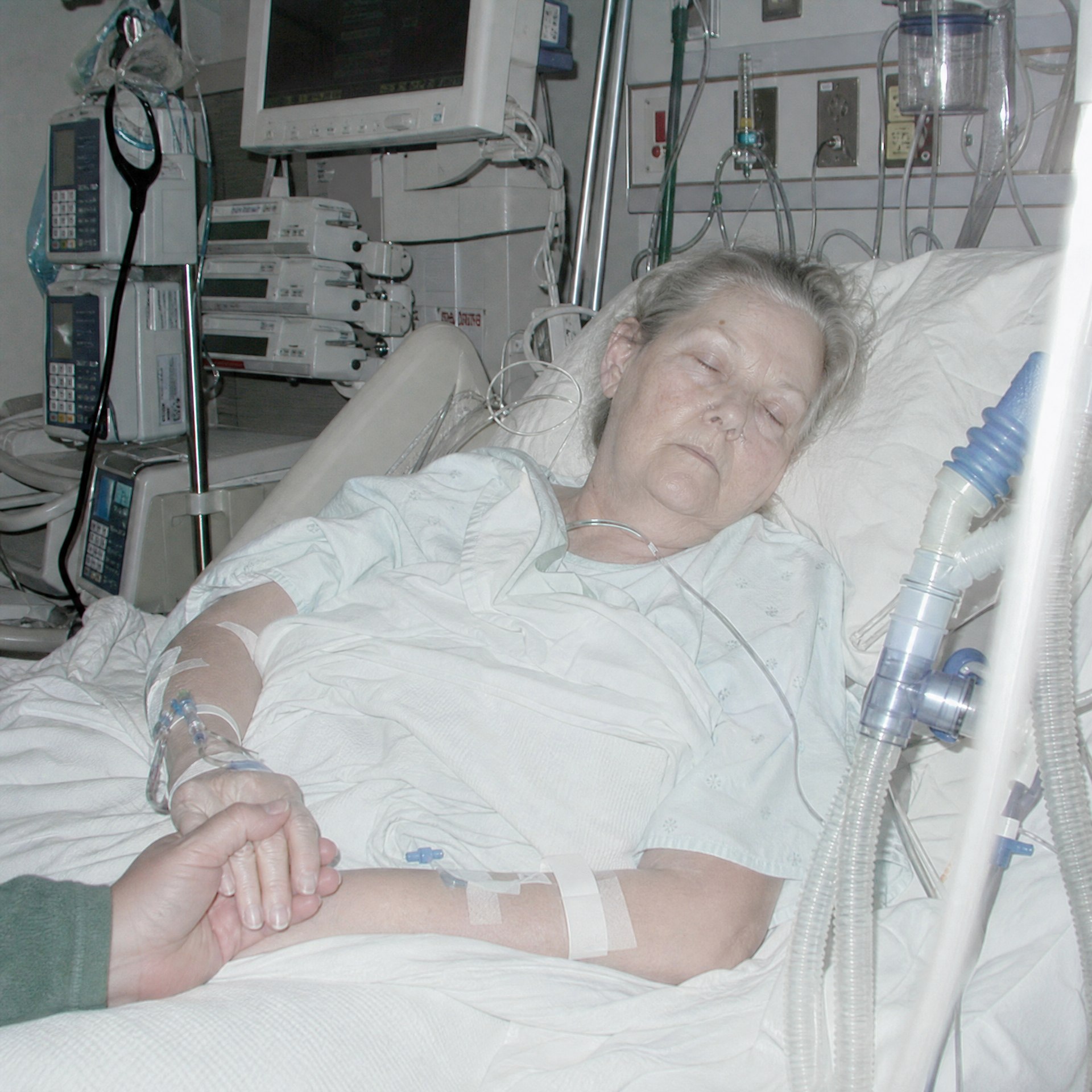
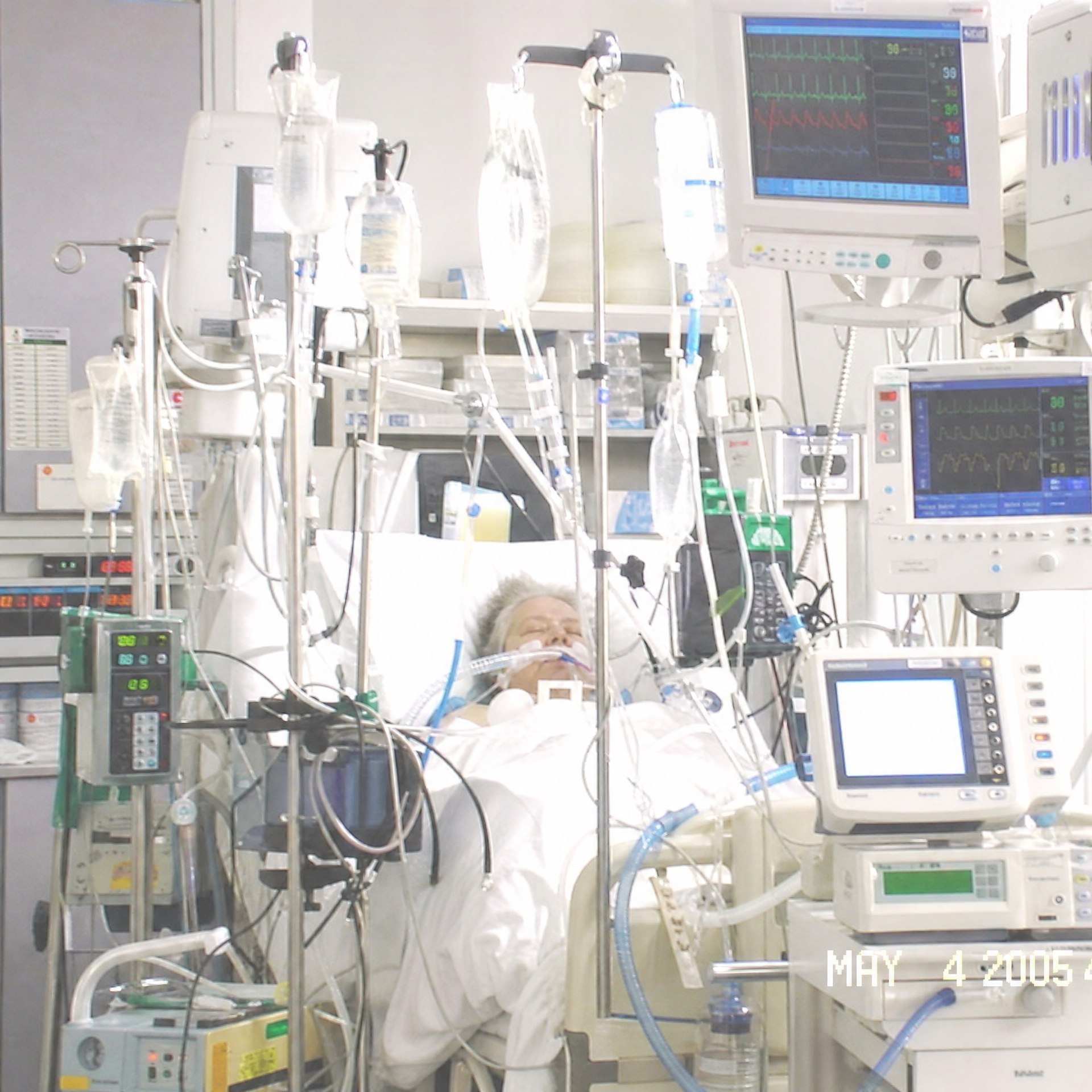
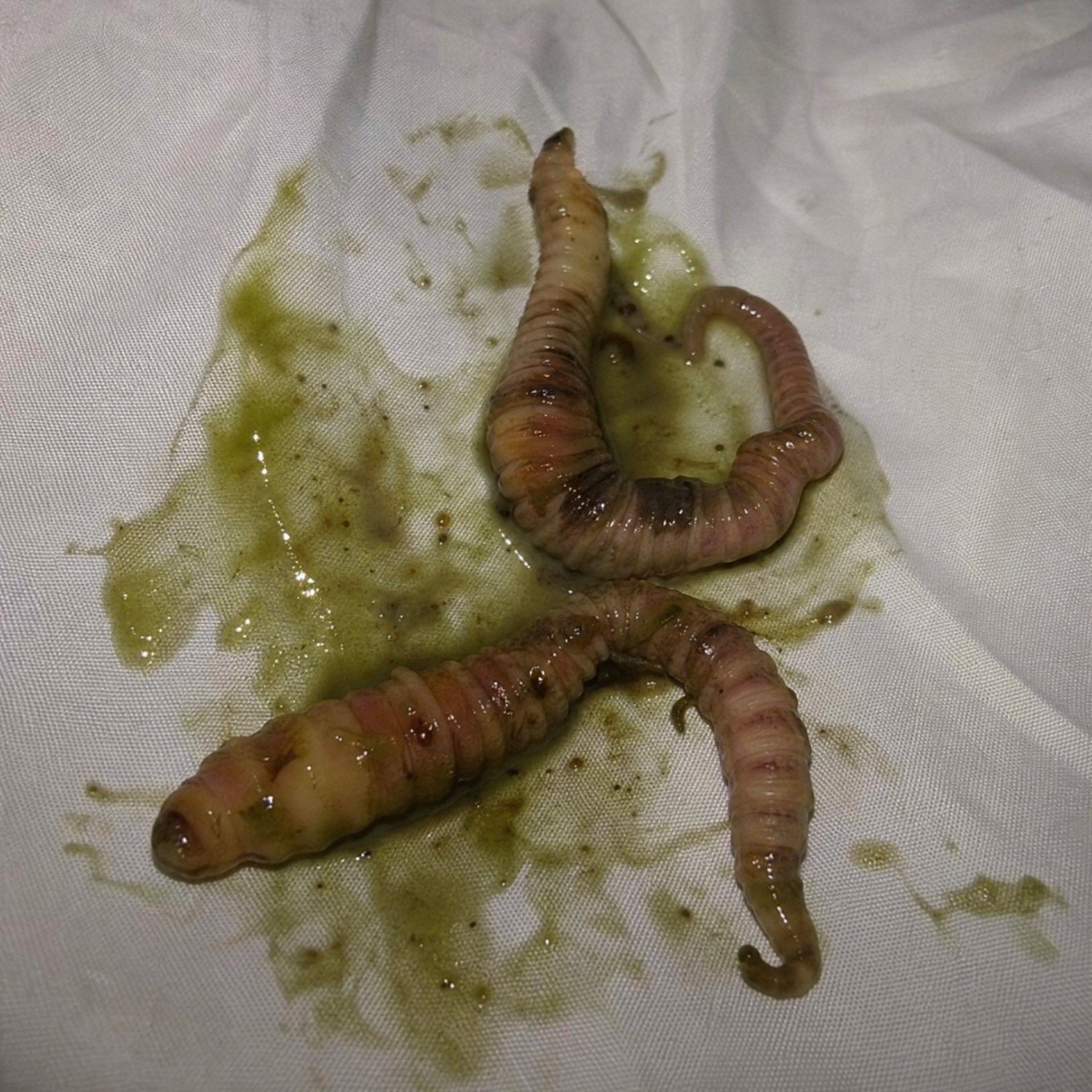
I am a doctor. And for 22 years I told women their iron levels were fine when they weren't. I used a lab range that was designed to detect whether you were about to die. Not whether you were actually healthy. I looked at ferritin numbers of 14, 17, 22, and I said "within normal range" and I sent women home to lose their hair and lose their memory and lose their sleep and lose years of their lives to a number I called acceptable because that's what the reference range told me to call it. I am done. My name is Dr. Rachel Whitfield. I'm a board-certified internist. I have practiced in Scottsdale, Arizona for 22 years. I have treated thousands of women. And I need every woman reading this to understand something that most doctors either don't know or won't say out loud. The ferritin reference range on your lab report is not a health standard. It is a survival standard. And the difference between those two things is the difference between a woman who is living and a woman who is slowly disappearing in front of her family while her doctor tells her she's fine. I don't care if this post gets me in trouble. I don't care if my colleagues disagree. I have watched too many women waste away on my watch because I trusted a number on a screen instead of the woman sitting in front of me. Let me explain what I mean. The standard lab reference range for ferritin in women is 12 to 150 ng/mL. That lower limit... 12... was established to identify women at immediate risk of transfusion-level anemia. Below 12, your hemoglobin is crashing. Your organs are under threat. You need emergency intervention. Above 12, the lab prints "normal." Do you understand what that means? It means a woman with a ferritin of 13 is labeled normal. A woman with a ferritin of 17 is normal. A woman at 22 is normal. As long as you are not actively in danger of organ failure, the lab report says you're fine. You are not fine. And I can prove it. The peer-reviewed research is overwhelming and it is not new. Ferritin below 30 is associated with fatigue, depression, brain fog, poor concentration, and impaired cognitive function in virtually every study ever published on the subject. Below 50, restless legs syndrome becomes prevalent, exercise tolerance drops, and circulation deteriorates. Below 70, hair loss begins because the body triages iron away from non-essential tissues and hair follicles are the first to be cut off. Optimal ferritin for a woman is 70 to 100 ng/mL. That is where the brain has enough iron to produce adequate dopamine and serotonin. Where the hair follicles receive enough iron to maintain growth cycles. Where the legs are quiet at night. Where a woman can walk up a flight of stairs without stopping to breathe. The gap between 12 and 70 is not a gray area. It is a disaster zone full of women who are symptomatic, suffering, and being told by their doctors that nothing is wrong. I know because I was one of the doctors doing the telling. For twenty years I looked at ferritin numbers in the teens and twenties and I said "within range" and I prescribed iron supplements and I moved to the next patient. I didn't question the range. I didn't dig deeper. I used the number the lab gave me and I made clinical decisions based on it and I was wrong. Let me tell you about the patient who changed everything for me. Her name was Donna. She was 68 when she first came to see me. Referred by her GP for persistent fatigue and iron deficiency that wasn't responding to supplementation. Her ferritin was 17. It had been 17 for almost a decade despite daily iron supplementation. Ferrous sulfate initially, then bisglycinate when the sulfate destroyed her stomach. Every morning with vitamin C. For years. Her GP had called it "poor absorption." Her hematologist had run the standard workup and found nothing alarming. She'd even had an IV iron infusion... $800, two hours in a chair... which bumped her ferritin to 34 and then dropped back to 19 within six weeks. When I reviewed her chart, here is what I saw. A woman whose ferritin had never been above 22 despite a decade of supplementation. Whose hair had been thinning progressively for five years. Who had been on gabapentin for restless legs for four years. Who had been diagnosed with depression and put on an SSRI. Who had brain fog so severe she'd retired early from her career because she couldn't trust her own cognition. Who had chronic bloating, bathroom urgency, skin rashes, and sugar cravings that were being managed by four separate specialists as four separate conditions. Hematologist for the iron. Neurologist for the legs. Psychiatrist for the mood. Dermatologist for the skin. Gastroenterologist for the gut. Five doctors. Five diagnoses. Five prescription pads. Nobody looking at the whole picture. And her ferritin sitting at 17 year after year while we all treated the symptoms of the thing none of us were looking for. The IV infusion result should have been the clue. If you put iron directly into the bloodstream, bypassing the gut entirely, and the ferritin rises and then drops back to baseline within six weeks... absorption is not the problem. Something is consuming the iron faster than the body can store it. Something is making withdrawals from the account faster than we can make deposits. In 22 years of practice, I had never asked the obvious question. Where is the iron going? I asked it with Donna. And then I did something I had never done in 22 years of internal medicine. I ordered a comprehensive ova and parasite panel. PCR-confirmed. The test that catches what the standard stool panel misses. In medical school they teach us that parasitic infections are a developing-world problem. Rare in the US. Not worth routine screening. The standard curriculum spends maybe two hours on human parasitology. Most internists graduate without ever diagnosing a parasitic infection in a domestic patient. Meanwhile the CDC estimates over 60 million Americans are currently infected with Toxoplasma alone. One species. Sixty million carriers. And that's before you count hookworm, Strongyloides, Ascaris, Giardia, Blastocystis, and the dozens of other species that the standard stool test misses 80 percent of the time. We are not screening for something that affects tens of millions of our patients because we were taught in medical school that it doesn't happen here. It happens here. It's been happening here. And our patients are paying for our blind spot with their hair, their cognition, their sleep, their mood, and in some cases their lives. Donna's panel came back positive. Two species. Hookworm and Toxocara. Hookworm. Let me tell you what hookworm does, because they certainly didn't spend enough time on it in my medical training. A hookworm is roughly the size of a staple. It enters through contaminated soil, food, or water. It migrates to the small intestine and anchors itself to the intestinal wall using a cutting apparatus at its anterior end. It lacerates the mucosa, ruptures a capillary, and secretes anticoagulant peptides that prevent the wound from clotting. Then it feeds. Continuously. On blood. A single hookworm can maintain a feeding site for years. When one site is depleted, it detaches, migrates to a new location, and opens a new wound. Every abandoned feeding site continues to bleed for hours to days due to the residual anticoagulant activity. In chronic infection... which is what goes undiagnosed for years in patients like Donna... the cumulative blood loss from dozens or hundreds of simultaneous feeding sites is sufficient to deplete iron stores faster than oral or even IV supplementation can replenish them. Published research demonstrates ferritin levels 60 to 80 percent lower in hookworm-infected patients compared to uninfected controls, even when both groups are receiving identical iron supplementation. The infected patients aren't absorbing less. They're losing more. The parasites are consuming the iron as fast as it enters the system. Donna's ferritin of 17 wasn't a mystery. It was a predictable consequence of chronic blood-feeding parasites that nobody had tested for in a decade of treatment. Her restless legs weren't a neurological condition. They were iron-depleted dopamine pathways in the basal ganglia. Her depression wasn't a psychiatric condition. It was an iron-starved brain unable to synthesize adequate serotonin and dopamine. Her hair loss wasn't genetic. It was the body triaging iron away from follicles that it deemed non-essential during a resource crisis. Her sugar cravings weren't emotional eating. Intestinal parasites metabolize glucose. They produce chemical signals in the gut that drive sugar cravings in the host. Donna's 4 PM pantry raids weren't a willpower failure. They were a feeding signal from an organism she didn't know was there. One infection. Every symptom. Five specialists. None of them looking in the right place. I started treatment. Albendazole. Standard pharmaceutical antiparasitic. It worked. Within days Donna's fog was clearing. Her energy was returning. By week two she called my office and said she felt like a different person. Week three... relapse. Every symptom back. Fog, fatigue, legs, bloating. As if the two good weeks had never happened. I prescribed a second round. Same result. Two good weeks. Crash at three. I tried Mebendazole. Different drug. Same pattern. Same crash point. Then Ivermectin. I'll be direct about Ivermectin because I know many of you have heard about it and some of you have tried it. Ivermectin is an effective antiparasitic agent. It works. It kills adult parasites through neuromuscular disruption. It has a well-established safety profile at proper doses. Donna responded to Ivermectin faster and more dramatically than to either Albendazole or Mebendazole. By day three her cognition was sharper than I'd seen it in three years of treating her. Her legs were quiet without gabapentin for the first time in four years. She called me and said, "Dr. Whitfield, I feel like someone turned the lights back on." Week two. Still clear. She was cooking. Reading. Staying up past 8 PM. Week three. Crash. The worst one yet. Fog thicker than baseline. Fatigue crushing. Legs violent at night. Two more rounds of Ivermectin. Same arc. Same two beautiful weeks. Same devastating collapse. This is when I had to set aside what medical school taught me and think about what was actually happening in my patient's body. Three different pharmaceutical agents. Three different mechanisms of action. All effective against adult-stage parasites. All producing approximately 14 days of clinical improvement. All failing at the same interval. The interval is not random. The incubation period for most intestinal parasite eggs is 14 to 21 days. The drugs were killing the adults. The eggs, embedded in the intestinal mucosa behind the biofilm layer, were surviving every pharmaceutical round. At approximately day 14 to 21, those eggs were hatching. New organisms. New attachment to the gut wall. New blood feeding. New iron theft. And there were three additional problems the pharmaceuticals weren't addressing. The biofilm. Parasites secrete a polysaccharide matrix... a slime shield... that protects a portion of the colony from both pharmaceutical agents and immune surveillance. The drugs penetrate some of this matrix. Not all. A protected subpopulation survives every round and repopulates when the drug clears. The die-off toxicity. When you kill a large parasite load rapidly, as Ivermectin does, the dead organisms remain anchored to the intestinal wall and decompose in situ. Their decomposition releases endotoxins into the bloodstream. The immune system mounts a systemic inflammatory response to the toxin load. That's the crash. That's why week three on Ivermectin was worse than the pre-treatment baseline. The die-off created a toxic crisis the drug couldn't resolve. The dysbiosis. Chronic parasitic infection creates a gut environment that supports pathogenic bacterial and fungal overgrowth... Candida, SIBO. These organisms maintain chronic inflammation and impair nutrient absorption independently of the parasites. Kill the parasites and leave the dysbiosis and the gut remains compromised and iron absorption remains impaired. Four problems. Ivermectin addresses one. Albendazole addresses one. Mebendazole addresses one. One out of four. That's why they cycle. I began researching combination approaches that could address all four mechanisms simultaneously. Not pharmaceutical combinations... the hepatotoxicity risk of stacking multiple antiparasitic drugs made that impractical for sustained treatment. I was looking for a multi-compound protocol with established antiparasitic activity, tolerable side-effect profiles, and the ability to be maintained long enough to outlast the egg cycle. What I found was a body of evidence that made me question why I hadn't been taught any of this in medical school. Artemisinin compounds from the wormwood family. The same compound class behind the 2015 Nobel Prize in Medicine for antiparasitic activity against drug-resistant organisms. Mechanism: neuromuscular disruption of adult parasites. Similar to Ivermectin's mechanism but plant-derived with no hepatotoxicity at therapeutic doses. Eugenol from clove oil. One of the few compounds with demonstrated activity against parasite eggs in intestinal tissue. This was the piece missing from every pharmaceutical protocol I'd tried. This was why week three was always the wall. The eggs survived because nothing in the pharmaceutical toolkit reached them. Juglone from black walnut hull. Activity against the larval stage... the transitional phase between egg and adult that neither wormwood nor clove fully covers. Three compounds covering three life stages. Adults. Larvae. Eggs. Cucurbitin from pumpkin seed. A paralytic that causes adult and dead parasites to release from the intestinal wall, combined with a fiber matrix that acts as a physical binder for removal. This addresses the die-off toxicity problem. The dead parasites leave the body instead of decomposing in situ and releasing endotoxins. Carvacrol from oregano oil. Disrupts the polysaccharide biofilm matrix. Exposes the protected subpopulation to the primary antiparasitic compounds. This is the mechanism Ivermectin lacks entirely. There is no biofilm-disrupting agent in any standard pharmaceutical antiparasitic protocol. Acetogenins from soursop leaf. A completely independent kill mechanism... mitochondrial electron transport chain inhibition in parasitic cells. Dual-mechanism approach. An organism that develops resistance to neuromuscular disruption cannot simultaneously resist mitochondrial starvation. Allicin from aged garlic. Broad-spectrum antimicrobial and antifungal activity against the dysbiotic overgrowth... the Candida and SIBO... that maintains gut inflammation independently of the parasites. Seven compounds. Four problems. A combination protocol that, if I had designed it from scratch using current parasitology research, would look almost identical to what I found already existed. Because it did already exist. A Hungarian folk healer named Ilona had formulated the original version in the 1920s through clinical observation in a village where parasitic infection was endemic. Her granddaughter Margaret, a retired nurse, had refined it over forty years. Three years ago it became available as a manufactured formula. Liquid sublingual delivery. Drops under the tongue. This was the detail that made me take it seriously as a clinician. Sublingual absorption bypasses the GI tract. In a patient whose intestinal mucosa is compromised by parasitic infection... which describes every patient I'm discussing... oral bioavailability is unreliable. Sublingual delivery is the rational administration route. The fact that a folk healer figured this out a hundred years before pharmaceutical companies started developing sublingual formulations tells you something about the quality of observation these women were doing. The formula is called Lumvelle Wild-Harvested Wormwood Drops. I put Donna on it. I kept her on her iron supplement simultaneously. Lumvelle to eliminate the parasites. Iron to rebuild the depleted stores once the theft stopped. Week 1. She reported passing parasitic material by day three. Subjective improvement in energy and cognition by day five. Restless legs diminished without gabapentin. Week 2. Bloating reducing. Bathroom urgency improving. She described "feeling like the iron is finally staying." Not a measurable claim. A patient's intuition. In my experience, patient intuition at this stage is usually correct. Week 3. The week that had defeated Albendazole, Mebendazole, and Ivermectin. I told Donna to call me immediately if symptoms returned. She didn't call. Day 15. Day 17. Day 21. No relapse. No fog. No fatigue. No restless legs. No bloating return. The egg cycle had been interrupted. The biofilm had been disrupted. The dead parasites were being removed. The dysbiosis was being addressed. Four problems. Simultaneously. For the first time in three years of treating this patient. Week 4. Cognition measurably improved on standardized assessment. She completed tasks in my office she hadn't been able to complete six months prior. Week 6. I drew labs. Ferritin: 48. I stared at the result. In three years of treating Donna, including an $800 IV infusion, her ferritin had never exceeded 22. Six weeks of the same iron supplement she'd been taking for a decade... but with the parasitic iron theft eliminated... and the number had more than doubled. The supplement wasn't new. The absorption pathway wasn't different. The parasites were gone. The deposits were staying. Week 10. Ferritin: 71. Above the optimal threshold for the first time in her documented medical history. Hair follicles receiving iron. Restless legs resolved. Brain iron adequate for neurotransmitter synthesis. I tapered her gabapentin. I tapered her SSRI. Both medications had been treating downstream symptoms of iron depletion caused by parasitic blood-feeding. With the cause eliminated and the iron restored, the downstream symptoms resolved on their own. Week 12. New hair growth visible at the hairline. Week 16. Ferritin: 84. Her hematologist called my office and asked what I had changed. I told him. He was quiet for a long time. It has been fourteen months since I started Donna on this protocol. Her ferritin is 91. She has been off gabapentin for twelve months. Off the SSRI for ten. Her hair has regrown to the point where her hairdresser documents it photographically at each visit. Her cognition is fully restored. Her energy, her sleep, her mood, her digestion, her skin... all resolved. One patient changed how I practice medicine. I now run comprehensive parasite panels on every patient who presents with unexplained low ferritin resistant to supplementation. Every single one. My positive rate is 34 percent. One in three. One in three women with iron-resistant low ferritin in my practice has a parasitic infection that nobody previously tested for. Let me say that again. One in three. These women were on iron supplements for years. They were told they absorbed poorly. They were told it was their age, their genetics, their hormones. They were on gabapentin for restless legs. SSRIs for depression. They were losing their hair and being told it was normal. One in three of them had something drinking their blood. I am writing this because I was part of the problem for twenty years and I refuse to be part of it anymore. If your ferritin has been low for years despite supplementation. If your doctor says your number is "within normal range" at 15 or 18 or 22. If your hair is falling out. If your legs kick all night. If your brain is fogged and your energy is gone and you've been told it's depression or aging or genetics. Ask your doctor one question. Ask for a comprehensive ova and parasite panel with PCR confirmation. Not the standard stool test. The comprehensive one. If they say parasites don't happen in developed countries... find a new doctor. Because the CDC says 60 million Americans are infected right now and the standard test misses 80 percent of them. And if you want to address it while you're waiting for the medical system to catch up to what a Hungarian folk healer figured out a hundred years ago... Lumvelle Wild-Harvested Wormwood Drops. Seven compounds addressing all four parasitic survival mechanisms. Liquid sublingual. The same protocol I now use with my patients. Link below. Discount. 90-day money-back guarantee. If your ferritin doesn't move, every cent back. They batch small. They sell out. 👉 https://lumvelle.com/products/lumvelle-wormwood-drops P.S. I am a board-certified internist and I used the standard ferritin range for twenty years without questioning it. I sent women home at 17 and told them they were fine. I was wrong. The range is designed to detect crisis. Not health. Optimal is 70 to 100. If your doctor is telling you 17 is normal, your doctor is using a survival threshold to make a wellness judgment. That is a clinical error. I know because I made it for two decades. 👉 https://lumvelle.com/products/lumvelle-wormwood-drops P.P.S. One in three. That's my positive rate. One in three women with iron-resistant low ferritin in my practice tests positive for parasitic infection. Your doctor hasn't tested you because medical school taught us it doesn't happen here. It does. The CDC confirms it. My lab results confirm it. The question is whether your doctor is willing to look. 👉 https://lumvelle.com/products/lumvelle-wormwood-drops P.P.P.S. Donna's ferritin went from 17 to 91. Same iron supplement she'd been taking for a decade. The only thing that changed was the removal of what was consuming it. Ivermectin gave her two good weeks and crashed at three. Lumvelle held through week three and has held for fourteen months. Because it addresses the eggs, the biofilm, the die-off, and the dysbiosis that Ivermectin can't touch. P.P.P.P.S. I have watched pharmaceutical antiparasitics cycle and crash in my patients repeatedly. Albendazole. Mebendazole. Ivermectin. All effective against adults. All failing at the egg cycle. All creating die-off toxicity they can't resolve. Lumvelle addresses the four mechanisms those drugs miss. It costs less than one round of prescription antiparasitics and comes with a guarantee none of them offer. P.P.P.P.P.S. Wild Mediterranean wormwood is harvested in limited seasonal quantities. When this batch is gone, it's gone. If your next lab draw is in 30 to 60 days and you want your doctor to see a ferritin number that finally moved, start now. 👉 https://lumvelle.com/products/lumvelle-wormwood-drops For 22 years I used a reference range that kept women sick and called them normal. I am done using it. If your ferritin is below 30 and your doctor says you're fine... your doctor is making the same mistake I made for two decades. You're not fine. Something may be drinking your iron. And until it's removed, no supplement on earth will fill the account. The thief has to go first. Then the iron stays.
Like this ad? Make it yours.
Crush rebuilds this exact creative around your product — your brand, your colors, your offer — in about a minute.