
Inactive· since Mar 20, 2026
- 16
- days it ran
- 0
- relaunches
Ad copy
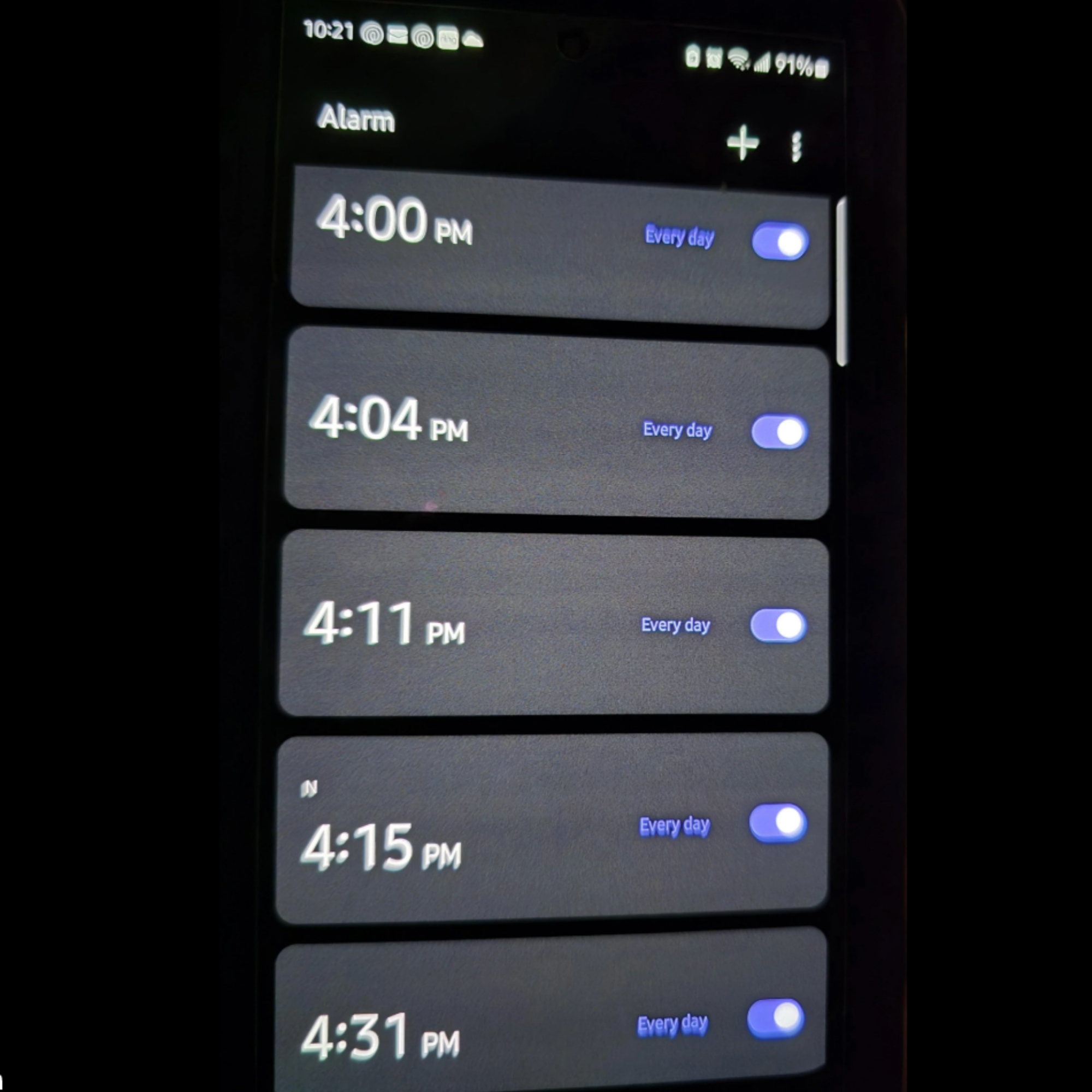
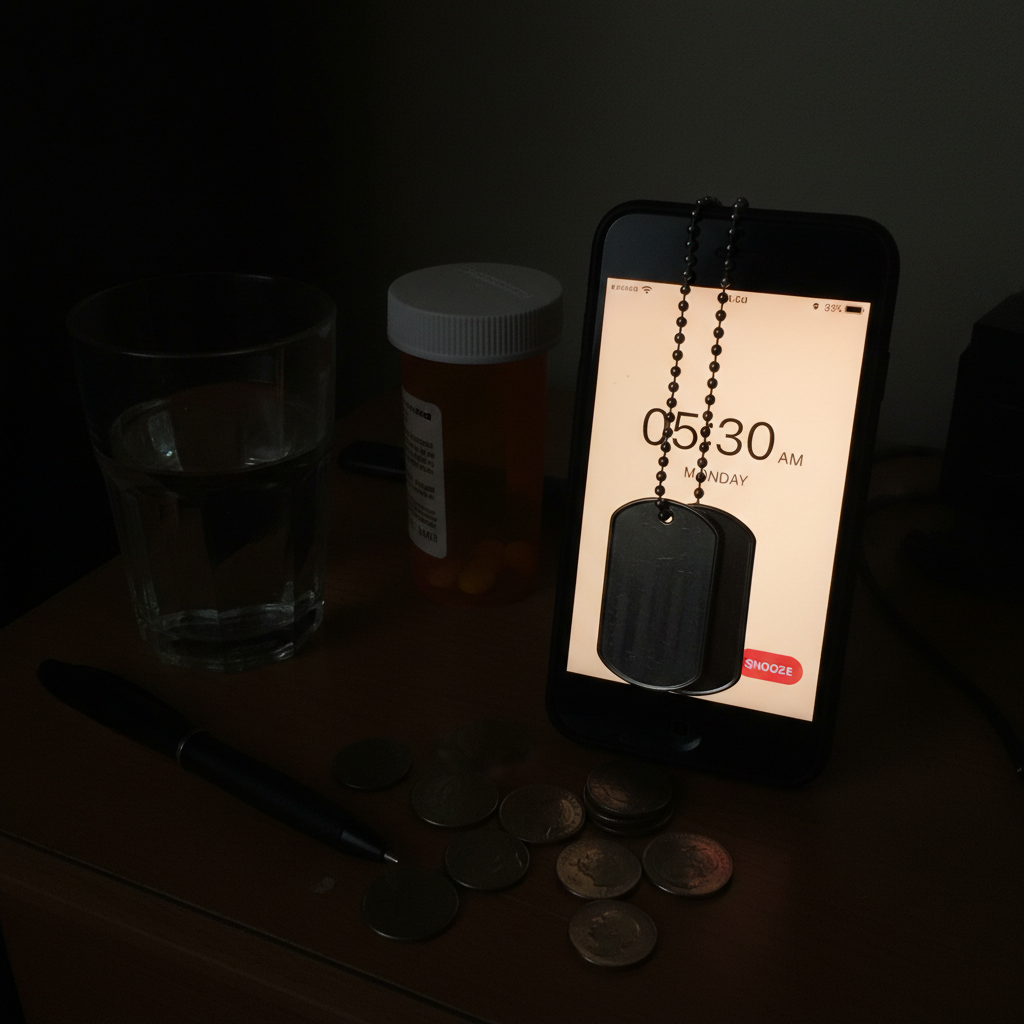
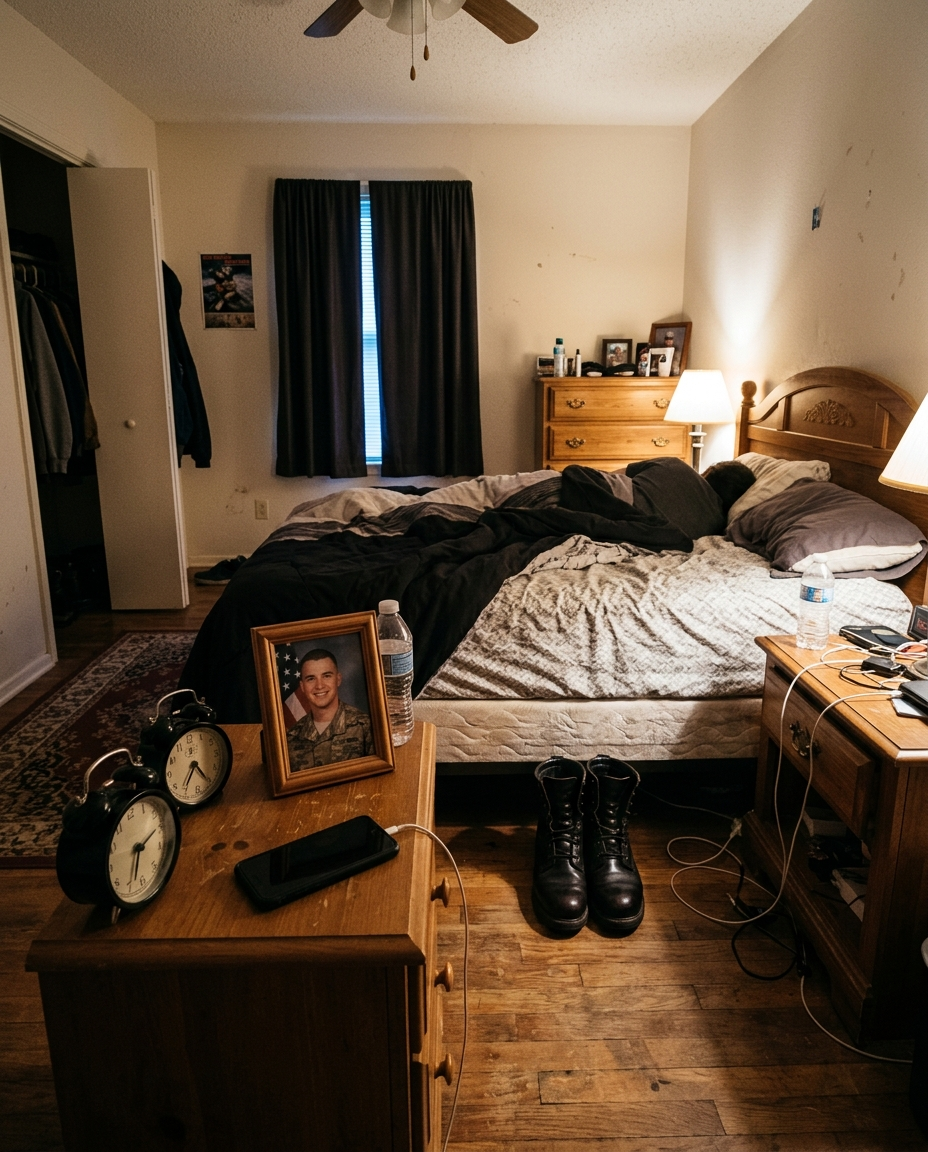
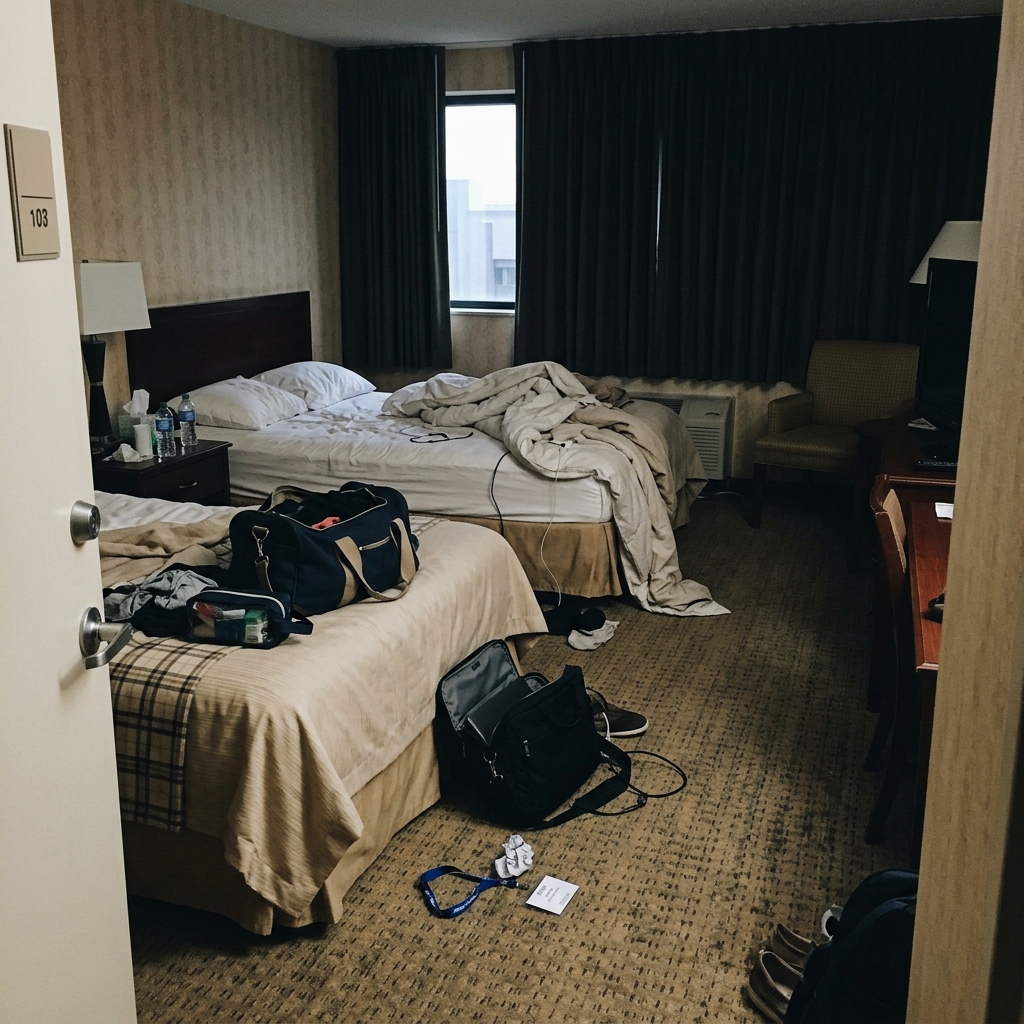
The morning I almost lost my job, I woke up at 9:52. Not 8:00, when my first alarm was set. Not 8:15, when my second alarm was set. Not 8:17, 8:19, 8:22, or 8:25, when the next four were set. 9:52. The light coming through my curtains was the wrong light. You know that feeling? When the angle is wrong, the room too warm, too bright, and your stomach drops before your brain has caught up? I grabbed my phone. 9:52 AM. Fourteen missed calls. My manager. The client. My manager again. I didn't get out of bed. I just sat there. Holding my phone. Doing the math. It was ninety days. That's all I had to do. Show up, prove myself, make it through the probationary period. Eighty-four days in. I almost didn't call back. I'm 29. I've been a heavy sleeper since I was a kid. My mom used to say she could vacuum right next to my head and I wouldn't flinch. Eight years of adult life. Eight years of alarm clocks that did nothing. The thing is, I don't just sleep through alarms. I turn them off. Completely. No memory of it at all. I wake up at whatever time my body decides, check my phone, and see that I dismissed six alarms like it was routine. Like I was awake enough to pick up the phone and swipe and set it back down without ever opening my eyes. It gets worse when it matters most. You develop a system. You have to. Six alarms. Seven on important days. Each one two minutes apart, starting at 6:45. Phone propped across the room so I had to physically get up to silence it. Except I'd get up, turn it off, get back in bed, and be asleep again before my feet left the floor. For a while, I had my girlfriend Sarah shake me awake every morning. She'd lie there rigid while six alarms went off in sequence, each one louder than the last, waiting for the one that finally stuck. She did it for three months. Then she told me she was done. She had her own job, her own mornings. She wasn't my alarm clock. I started going to bed at 9 PM. Not because I wanted to. Because if I got nine hours and still overslept by two, I'd be up at 7:30 instead of 9:30. It didn't work. I just slept later. I slept in my work clothes. Twice. Shirt pressed, shoes next to the bed, so if I overslept I could save four minutes getting ready. I'm not proud of that. But when you've missed enough things, you stop being proud and start just solving for the math. Away from home, it was worse. Hotels. Friends' apartments. My parents' place. Different mattress, different light, different ambient sound. I'd oversleep by two hours and spend the whole morning apologizing. That Thursday was in my own bed. No excuses. I called my manager back. She was understanding. The kind of understanding that means it cannot happen again. I had tried everything. Six phone alarms. Useless. I dismiss them in my sleep and I have the logs to prove it. 6:47 AM: dismissed. 6:49 AM: dismissed. Seven dismissals in a row with zero memory of any of them. A loud alarm clock. The dual-bell kind, college dorm style. $22 on Amazon. My girlfriend threatened to throw it out the window after two nights. It woke her up. It did not wake me up. I don't fully understand how that's possible, but it happened, and she has the under-eye circles to confirm it. A sunrise lamp. $65. The idea is that gradually brightening light triggers your natural wake response. I ran that experiment for 47 mornings. The lamp would do its slow, peaceful sunrise routine at 6:30 AM while I slept straight through to 8:50. Beautiful sunrise. Wrong person awake for it. A sleep cycle app. One of the ones that tracks your breathing and wakes you at your lightest sleep phase. $8.99 a month. Four months. The app was very pleased with itself, reporting each morning that it had woken me at my "optimal sleep phase." My optimal sleep phase was apparently 9:15 AM. Sarah shaking me. Every morning for three months. Until it cost us something. I was out of moves. Three months after that Thursday, I flew to Atlanta for a two-day work conference. Morning sessions starting at 8. Continental breakfast from 7:30. I set eight alarms. I called the front desk for a wake-up call. I left my phone on maximum volume six inches from my face. I was sharing a room with my colleague Marcus. He mentioned something about a bracelet he was wearing. I half-listened. Something about waking up. At 6:58 AM, I woke up. Not to an alarm. Not to Marcus. Not to the lurch and panic of the wrong light. I just… woke up. Lying in a Hampton Inn in Atlanta, staring at the ceiling at 6:58 AM, fully conscious, no racing heart, no dread. My alarms hadn't gone off yet. I looked at my left wrist. There was a band on it. Small. Rubber, almost like a fitness tracker but slimmer. I looked over at Marcus. He was still asleep. I got up. Showered. Made it to breakfast at 7:20. Had eggs. Sat at a table drinking coffee and genuinely could not process what had just happened to me. At breakfast I turned the band over. There was a small logo on the clasp. FitSleeps. I searched it on my phone. 4.6 stars. 175,000 customers. Reviews loaded on the screen and I started reading. "Deep sleeper my whole life. This is the first thing that has ever worked." "My wife can finally sleep through my alarm." "Three months at my new job. Not one late morning. That has never happened to me before." I kept reading. The reviews sounded like my diary. Heavy sleepers. Snooze addicts. People who had tried every alarm system, every app, every clock, and still overslept. People who had missed flights and been written up and had partners who were exhausted by the whole thing. The mechanism is simple. The band vibrates on your wrist. It starts at a low intensity and if you don't wake up, it increases. Gradually. Persistently. And the key thing — the thing that made it click for me — is that your brain cannot habituate to wrist vibration the way it habituates to sound. You spend years training yourself to ignore alarms. Your brain hears the sound, files it as non-threat, and keeps sleeping. You literally cannot do that with something touching your skin. The signal gets through before your brain can route around it. I checked the price. Forty-nine dollars. I had spent $65 on a lamp that did nothing. Thirty-six dollars in app subscriptions over four months. Twenty-two dollars on a clock that woke my girlfriend and not me. And here was the thing that had woken me up at 6:58 AM in a Hampton Inn without a single sound. For $49. I ordered one before I'd finished my coffee. Marcus let me keep the bracelet for the weekend. I flew home Friday afternoon. Saturday morning I was back in my own bed. My own mattress. Sarah next to me. I set the bracelet for 7:30 and lay there certain it wouldn't work at home. My body had been defeating alarm systems in this bed for years. It had home field advantage. 7:30. I felt the vibration start. Low. Steady. 7:33. I was awake. Not the lurch of a loud alarm. Not the groggy confusion of being shaken. Just awake. Heart rate normal. Light at a normal angle. 7:33 AM on a Saturday. I got up and started the coffee before Sarah's alarm went off. She walked into the kitchen and stopped in the doorway. "You were up before me." "I woke up." "You never wake up before me." "No." I handed her a mug. "I woke up." She looked at me for a second. "How?" I showed her my wrist. I'm still not over that morning. I spent about four days waiting for it to fail. By day five, I stopped waiting. Week one: I made it to work on time every single day. Five out of five. No panic sprint from the parking garage. No arriving breathless and pretending I'd been there longer. Just walking in, on time, at a normal pace, like someone who has it together. I checked my blind spot on the drive in. Didn't brace. Didn't wince. Just drove. Week two: I deleted all six phone alarms. Just the bracelet. 6:45 AM. That was it. First morning without a backup was terrifying. I woke up at 6:47 and lay there amazed. Week three: Sarah slept through the whole thing without knowing it. Not once did the bracelet wake her. Eight years of alarm noise and I'd never thought about what it was doing to her mornings. She mentioned it without me bringing it up. "You've been getting up quietly," she said. "It's actually been nice." Week four: I cancelled the sleep app. $8.99 a month for four months and it never woke me up on time once. Gone. I've spent $49 on FitSleeps. I spent $65 on a sunrise lamp. $36 in app subscriptions. I nearly lost a job over this that pays considerably more than all of that combined. And there's the stuff that doesn't have a price. Three months of Sarah lying rigid through six alarms every morning. Six months of low-level dread before any early meeting. Checking my phone on repeat all evening just to make sure the alarms were set right. Sleeping in my work clothes. FitSleeps has a 100-day money-back guarantee. Full refund, no questions. They also have something I'd never seen: a 100% wake-up guarantee. If it doesn't wake you, you don't pay. That's how confident they are in it. In their trial, 99% of heavy sleepers woke on the first attempt. My mom asked about it last month. She wanted one for my younger brother who is nineteen and has already missed two college exams. I tried to order her one and it had been out of stock for almost two weeks. I see that mentioned a lot in the reviews. After eight years and hundreds of dollars wasted, the thing that actually worked cost $49. If someone had told me that the summer I was 22 — when I missed my first job interview because I overslept — I would not have believed them. I believe it now.
I set 6 alarms every night. I still overslept.
The #1 wearable alarm for deep sleepers. Silent, effective, and loved by 65,000+ users. Try 100 days risk-free.
LEARN MORELike this ad? Make it yours.
Crush rebuilds this exact creative around your product — your brand, your colors, your offer — in about a minute.