Age Spot Reset
Age Spot Reset Facebook ad: “Truth About Age Spots”
Ran for 9 days, from July 10 to July 19, 2026, the last day Crush saw it.
Run by Age Spot Reset on Facebook. Crush is not the advertiser and does not verify its claims. See this ad in Meta's Ad Library(opens in a new tab)
Want an ad like this for your product?
Crush makes new ad images for your product from this ad: your logo, your product photo, your offer.
Trials from $19.95 USD, then $79.95 USD a month. Cancel anytime.
About this ad
- Meta Ad Library ID
- 1594293825388237
- Platforms
- Facebook, Instagram, Audience Network, Messenger and Threads
- Relaunches
- 0
Ad text
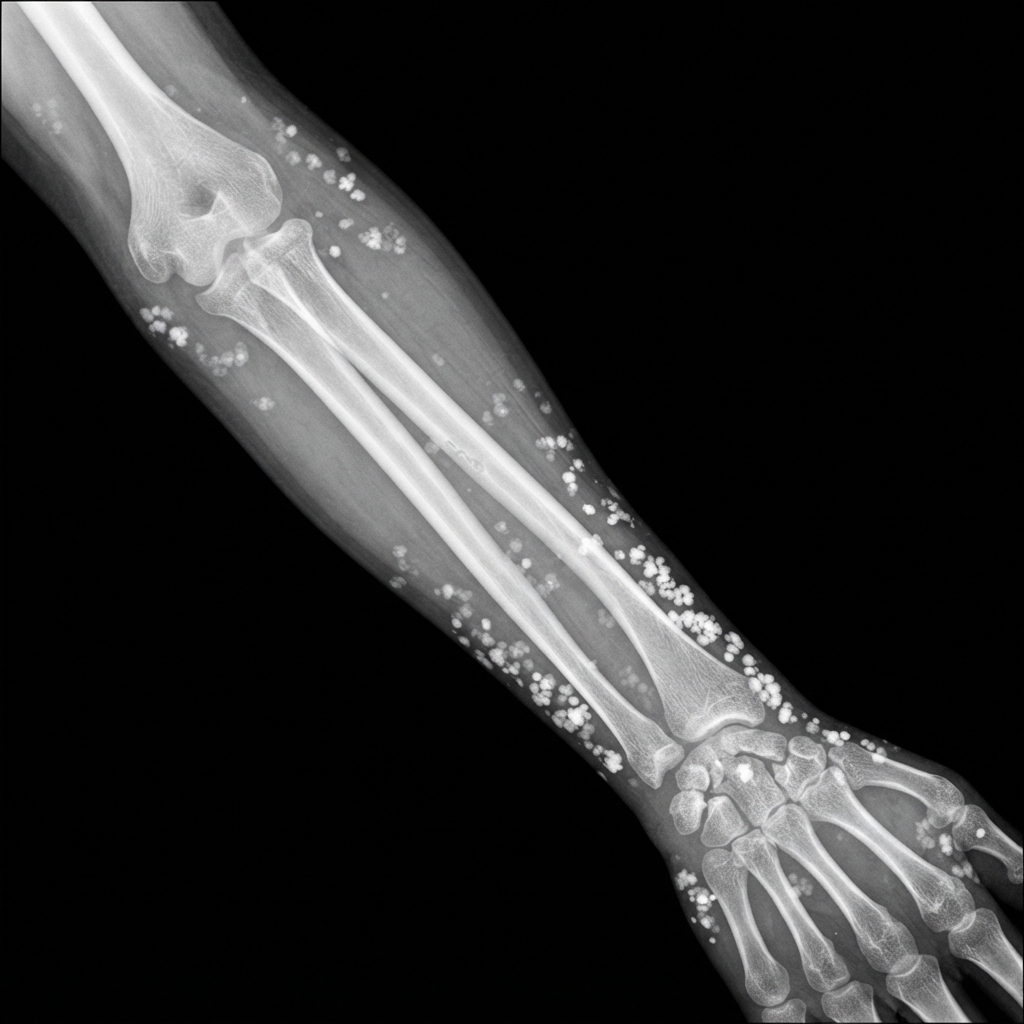
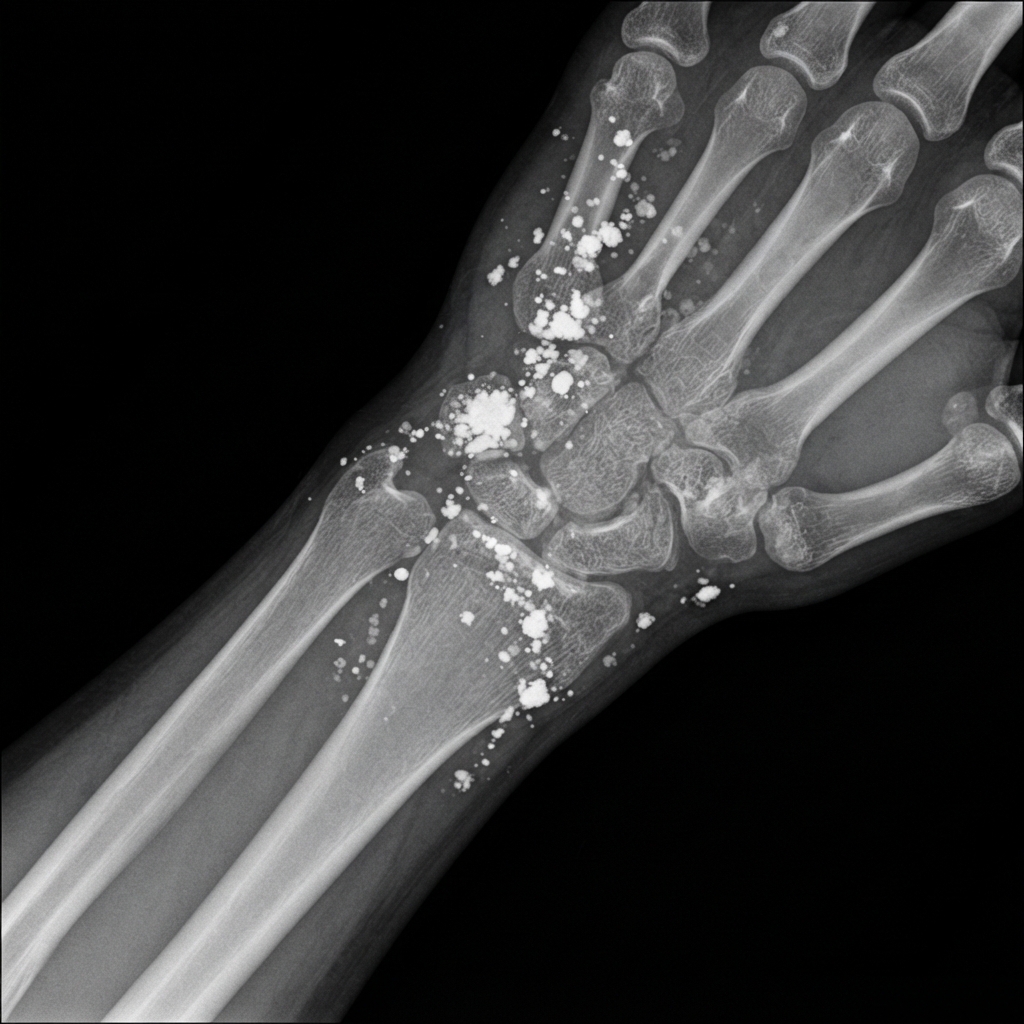
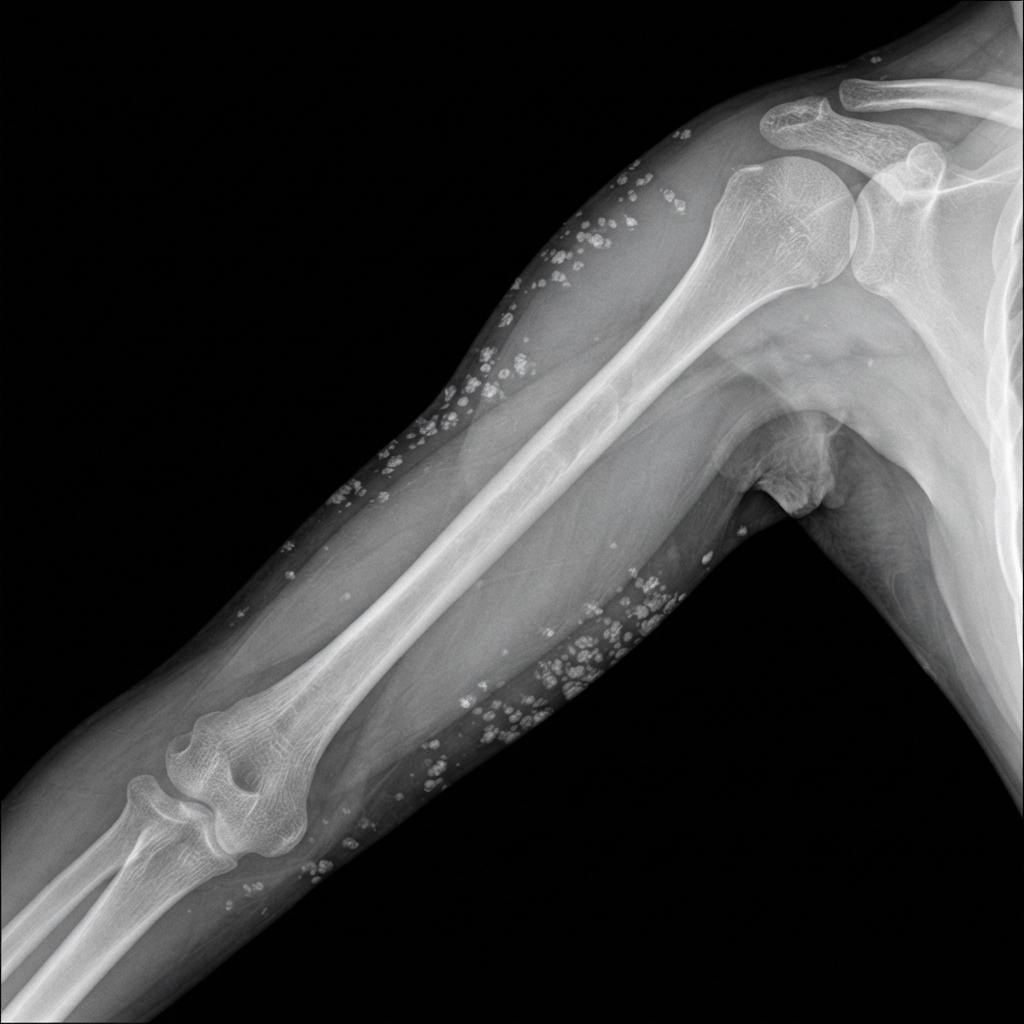
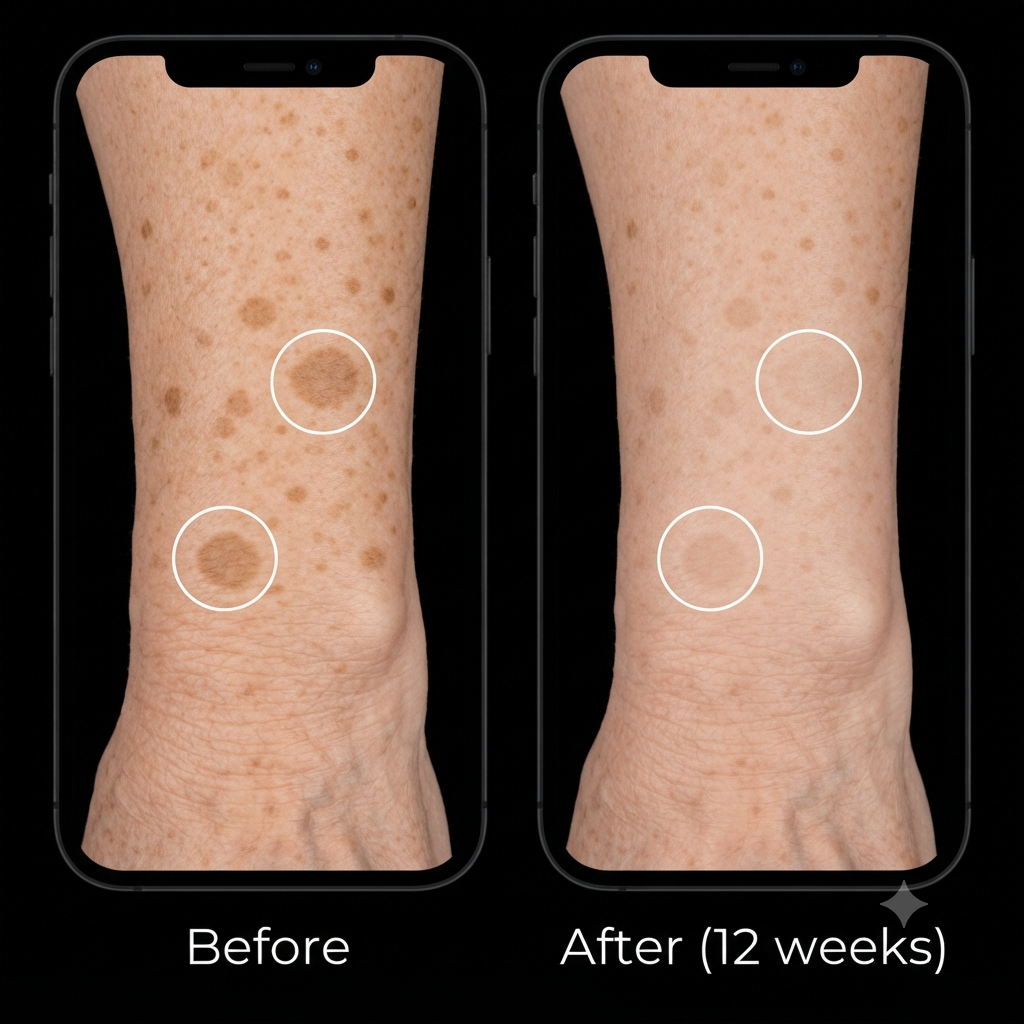
I had a skin problem at a dermatology conference in Zurich. The Swiss specialist asked me one question that made me feel dumb. I'm 54. I've been a dermatologist for 18 years. I was at a dermatology conference in Zurich. Sessions on laser resurfacing techniques, depigmentation protocols, the usual. The second night, I went out with my colleagues from the States. A restaurant someone recommended. Everyone wore sleeveless dresses to dinner — the European thing, the casual thing. I kept my cardigan on. The colleague next to me noticed. "You okay? Aren't you warm?" I laughed it off. Said the AC was too strong. The AC wasn't too strong. I had age spots covering both forearms and the back of my hands I'd been hiding from my own colleagues for four years. The next morning I ran into a Swiss dermatological researcher in the hotel lobby. Dr. Richter. We'd been in the same breakout session. He noticed my covered arms — at a conference where half the European attendees were in short sleeves — and said, very directly the way Swiss people do, "You have it too, don't you?" I didn't pretend. He was a researcher. He could see it in the way I dressed — the long sleeves, the deliberate coverage. "Yes. Four years. Applying brightening serums every night." He nodded slowly. "Any progress?" "The photos look stable. But the spots have spread to my décolleté." He looked at me. "You know what percentage of your serum actually reaches the signal driving those spots?" I'm a dermatologist. I have a degree. I've treated thousands of patients. But I still didn't know the exact number. I said something vague about topical absorption rates. He waited politely. "Less than 3 percent," he said. "Your serum sits on the outside of the stratum corneum — a dense lipid barrier that was specifically designed to keep things out. Less than 3 percent gets through. And underneath, deep in the dermis, the overactivation signal has been running unchecked — driving spot after spot while the surface is treated and called stable." I knew this technically. But I had never once thought about what it meant for my own skin. "No amount of topical application reaches that signal," he continued. "Serums manage the surface. The signal lives underneath, in the deep dermis, in an environment the water-based formula has never entered. So the spots keep advancing. And the standard protocol keeps photographing them." I sat there in a hotel lobby in Zurich feeling ashamed. A dermatologist. With her own age spots. Being told something about her own specialty that she was never taught in her own training. I landed in Atlanta at 10:15 PM. Got home and immediately opened my laptop. I wasn't looking for anything specific. I just couldn't let the question go. "Deep dermis pigmentation signal treatment failure" "Stratum corneum penetration botanical oil age spots" "Oil-soluble vitamin C deep dermis pigmentation signal" At 1 AM I found it. Study after study confirming what Dr. Richter had said. Less than 3% topical penetration through the stratum corneum. Signal-driven spot formation running unchecked in the deep dermis for years while the surface is treated and called "stable." And then the research on oil-soluble vitamin C. Lipid-soluble. Travels through the stratum corneum. Reaches the dermis from underneath — where the water-based barrier doesn't block it. The overactivation signal is driven by oxidative stress. Oil-soluble vitamin C neutralizes it at the source. But it has to be cold-pressed. Heat extraction degrades the active compound. And combined with bakuchiol and sea buckthorn — the concentration the research was conducted at. Most drugstore serums are water-based at 20-30% absorption rates. Nobody taught us this. American dermatology education is built on two pillars. Topical management and procedural intervention. That's what four years of training teaches. Nobody teaches us to think about what's happening in the deep dermis. Nobody teaches us that the serum we're recommending has a 97% failure rate at the barrier before it ever reaches the signal. So we graduate knowing how to prescribe. How to photograph. How to refer for laser procedures. We don't graduate knowing that the spots we're photographing are being driven by a signal the serum was never going to reach. I sat there at 1:30 AM in my kitchen. Feeling guilty and angry at the same time. I found Dermiqua. Cold-pressed botanical oil. Oil-soluble vitamin C combined with bakuchiol and sea buckthorn — verified on the label. Camellia oil for deep absorption through all 7 skin layers. I called my pharmacist the next morning — I'm on a blood pressure medication. No concerns. Two minutes. I ordered it that night. $44.95 a bottle. When it arrived I started immediately. Week 1: Nothing obvious. I kept going. Week 2: The dryness around the spots that had been there for four years — the rough texture I'd been ignoring because I assumed it was just part of the condition — settled. Gone. The skin between my spots was smooth for the first time in years. Week 4: Lightening at the edges of my largest spot on my right forearm. Clean even tone growing in from the border. I'm a dermatologist. I know what healthy pigmentation change looks like. I know what it means when lightening shows up at the edge of a spot. I told myself not to read into it. Spots don't fade that fast from the surface. But this wasn't from the surface. This was from the dermis. Week 8: I took a photo. Compared it to one I'd taken the morning I started. The difference was visible. Four spots visibly lighter at the edges. Surface texture improved on both forearms. Week 12: I sat in my own chair and had my assistant photograph my arms without telling her what I'd been doing. She compared the new images to the ones from four years of my own chart. She looked up. "Your spots improved." "I know," I said. "What did you do?" I told her about Zurich. About Dr. Richter. About the 3% question. About oil-soluble vitamin C reaching the dermis through the lipid barrier. About the overactivation signal quieting from the inside. She said: "Why haven't I heard of this?" I didn't have a good answer for her. I'm not writing this to embarrass American dermatology. My training was rigorous. My colleagues are excellent. But our training is built on two things: topical management and procedural intervention. We were not taught to think about the deep dermis signal as a treatment target. We were not taught that the same stratum corneum blocking the serum has been studied for decades — and that a lipid-soluble compound delivered through a cold-pressed botanical oil bypasses it entirely. That research exists. It just wasn't taught to us. So when your dermatologist photographs your skin and tells you to keep applying — she's not wrong. She's giving you the best of what she knows. But now you know the number. Less than 3%. And you can ask the right question: if the serum can't reach the signal, what can? It took me 18 years and a Swiss researcher in a hotel lobby to learn this. Dermiqua. Cold-pressed botanical oil. Oil-soluble vitamin C combined with bakuchiol and sea buckthorn, printed on the label. Camellia oil for deep absorption. Applied morning and evening. $44.95 a bottle. 90-day money-back guarantee. Call your pharmacist first — especially if you're on a thyroid medication, a blood thinner, or anything cardiovascular. Two minutes. Keep using whatever your dermatologist has you on. The botanical oil reaches the signal from the inside. The serum manages the surface. Add, don't replace. 👉 https://dermiqua.com/pages/age-spots/ If your dermatologist has been photographing your skin for years with nothing to show for it — this is the research she hasn't seen. You don't have to wait for her to find it. — Dr. Sarah Mitchell 👉 https://dermiqua.com/pages/age-spots/
Where the ad sends people
dermiqua.com
Truth About Age Spots 👆
Dermiqua
Learn more: dermiqua.com(opens in a new tab)