Sarah Mitchell
Sarah Mitchell Facebook ad: “My Rosacea Got Too Much - Here's How I Turned a Corner”
Ran for 83 days, from January 6 to March 30, 2026, the last day Crush saw it.
Run by Sarah Mitchell on Facebook. Crush is not the advertiser and does not verify its claims. See this ad in Meta's Ad Library(opens in a new tab)
Want an ad like this for your product?
Crush makes new ad images for your product from this ad: your logo, your product photo, your offer.
Trials from $19.95 USD, then $79.95 USD a month. Cancel anytime.
About this ad
- Meta Ad Library ID
- 1598536998102921
- Platforms
- Facebook, Instagram, Audience Network, Messenger and Threads
- Relaunches
- 0
- Niche
- Skincare & Beauty
Ad text
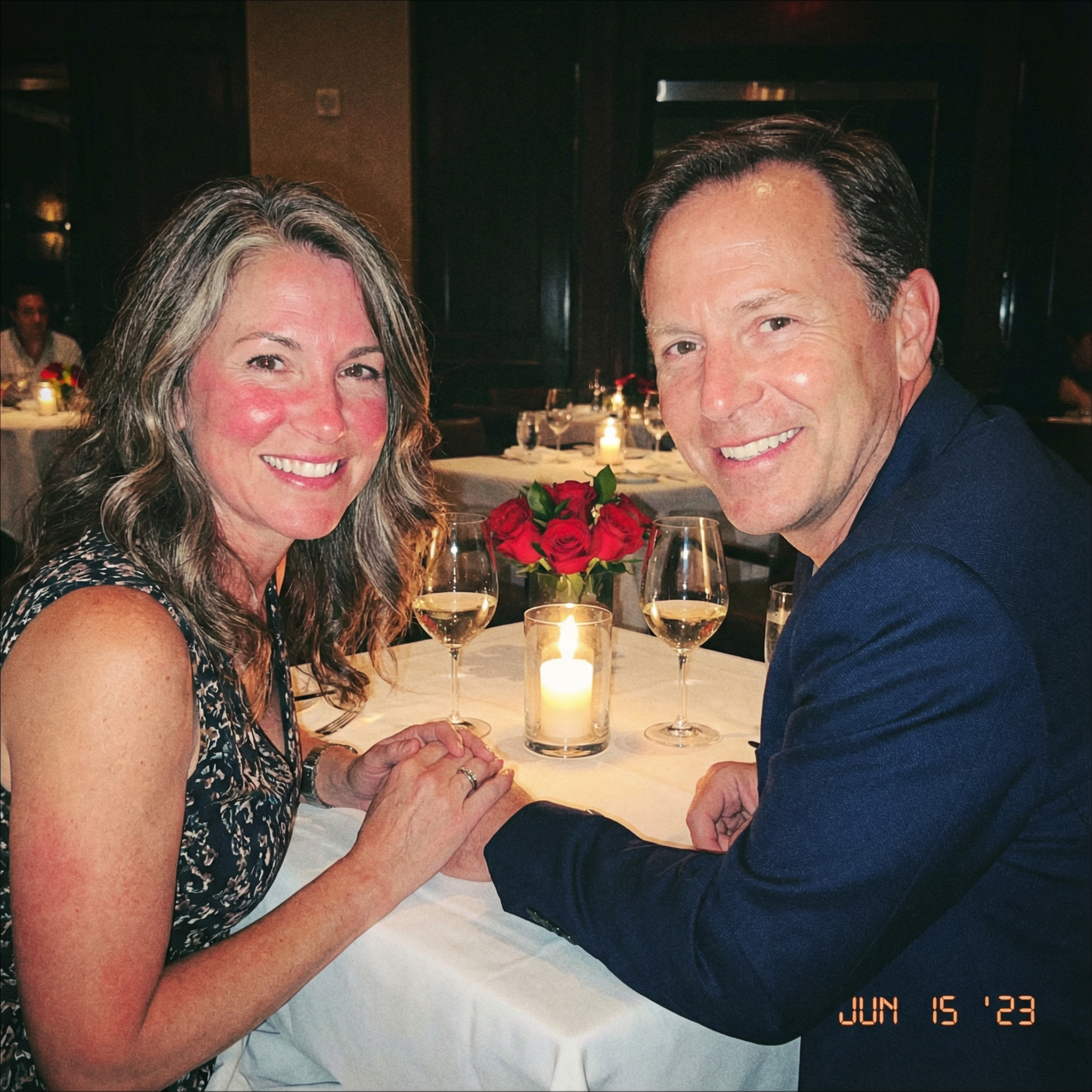
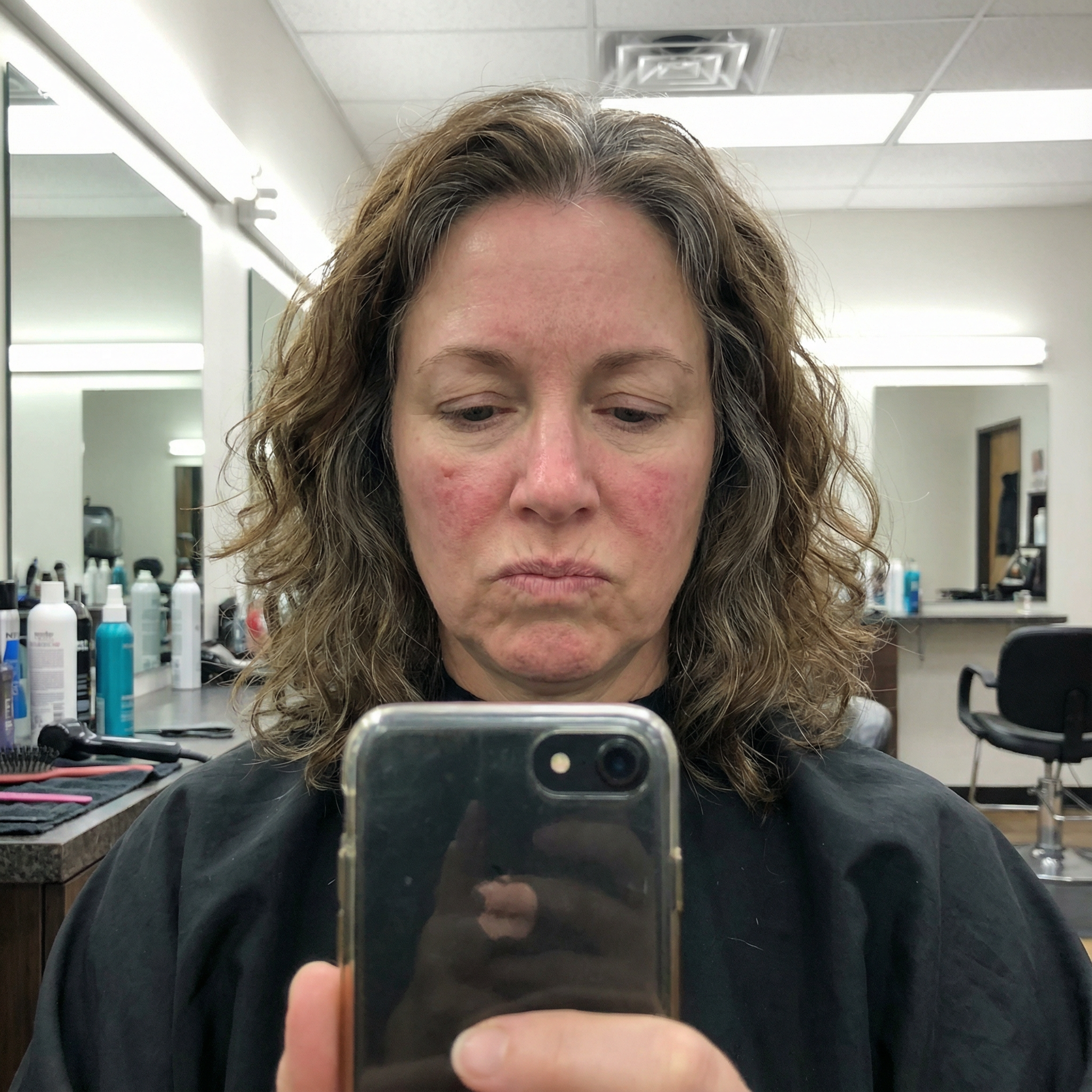
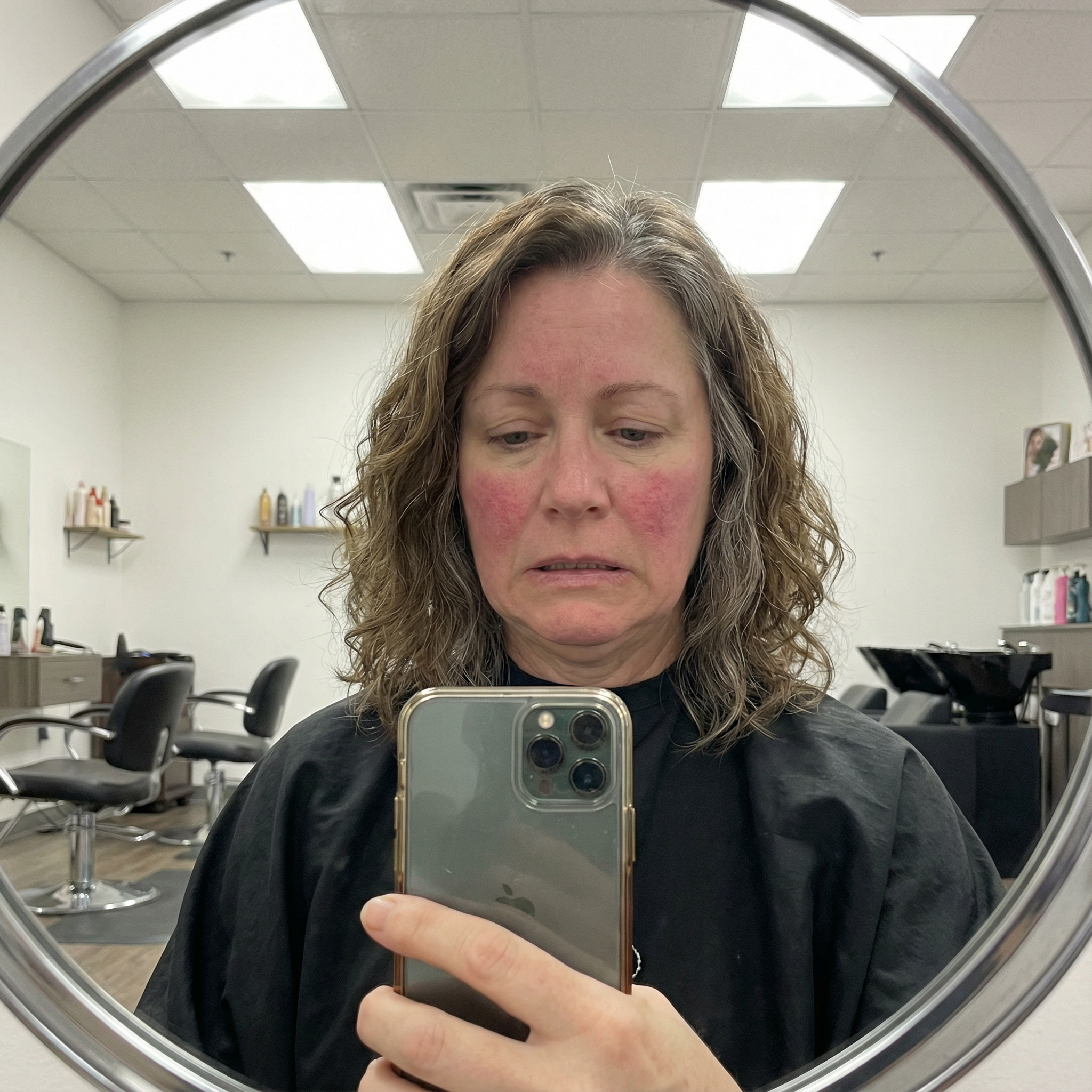
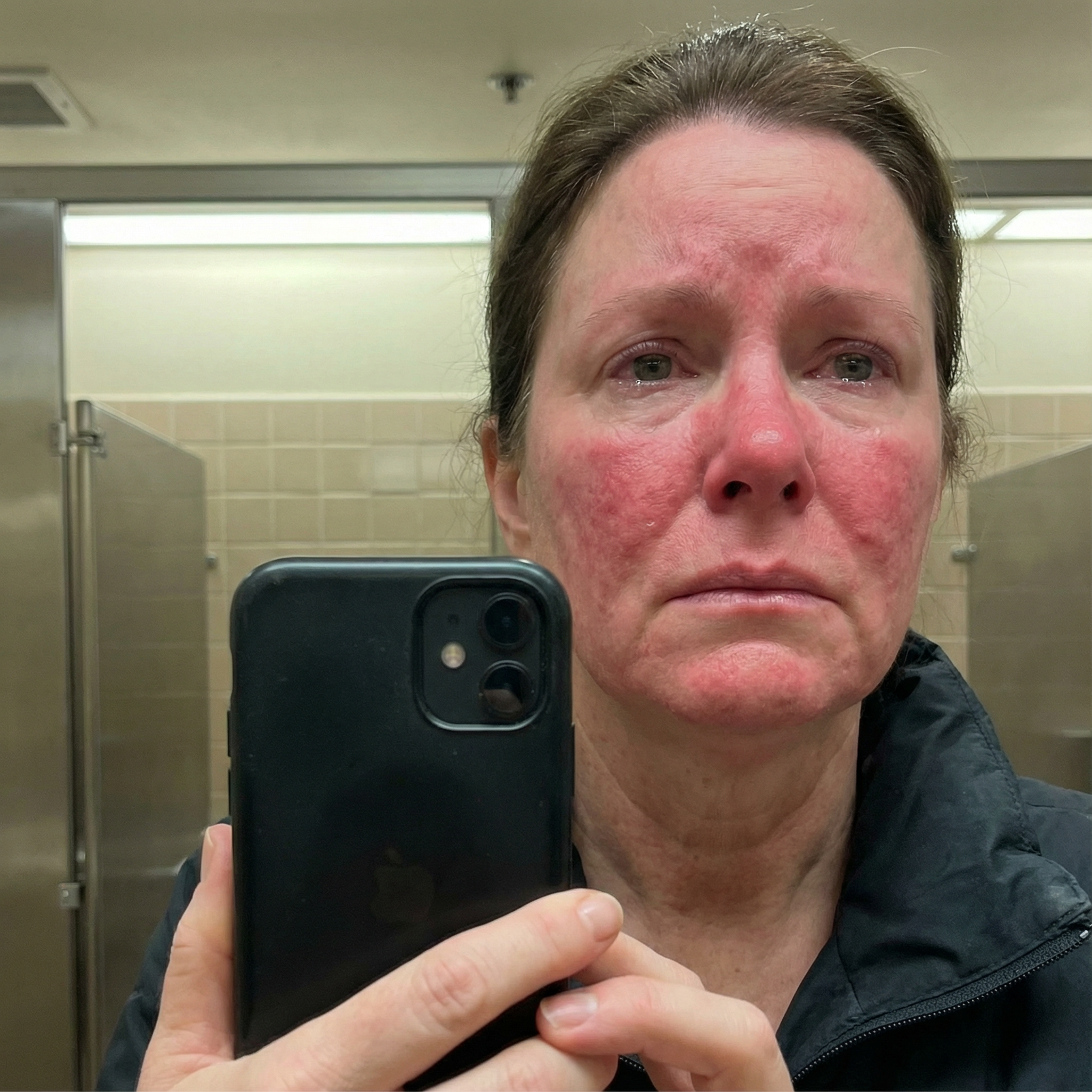
I was crying in the bathroom of a department store when a 22-year-old sales assistant told me something that changed my life. It was three weeks before my daughter's wedding. I'd just tried a new vitamin C serum — the fourth one that year — because I wanted to look good in the photos. Just once, I wanted to be in pictures without seeing only the redness. Twenty minutes after applying the sample, my face was on fire. Bright red. Burning. Worse than before I'd walked in. I locked myself in the bathroom and sobbed. Not because of the flare. I was used to flares. I cried because I was 57 years old and I still couldn't figure out my own skin. Because I'd spent decades and thousands of pounds on products that promised to help and made everything worse. Because in three weeks, I'd be standing next to my daughter on the most important day of her life, and all anyone would see was my red, blotchy face. I cried because I was so tired of fighting a battle I kept losing. That's when she knocked on the door. Her name was Priya. She worked at the skincare counter. She'd heard me crying and wanted to check if I was okay. I was embarrassed. I told her I was fine. Just a bad reaction. She asked what I'd tried. I told her. Another vitamin C serum. Same result as always. Then she said something I'll never forget: "Can I ask you something? Do you have rosacea?" I nodded. "Then why are they giving you L-Ascorbic Acid?" I didn't understand the question. She looked at me with genuine confusion — not pity, not judgment, just confusion — and said: "They should know better. LAA is the worst possible form of vitamin C for inflammatory skin. It's basically guaranteed to cause exactly what's happening to your face right now. There are other forms that don't do this. Why hasn't anyone told you?" I stared at her. In 23 years of rosacea, across dozens of dermatologists and aestheticians and skincare consultants, nobody had ever said those words to me. Priya was a cosmetic chemistry student. She worked at the counter part-time to pay for university. She knew more about what was in these products than the people selling them. She took me to a quiet corner and explained something that made me feel — for the first time in over two decades — like I wasn't crazy. "Every vitamin C serum they've been selling you uses the same ingredient," she said. "L-Ascorbic Acid. LAA. It's the industry standard because it's cheap and it works well for most people." "But not for me." "Not for anyone with rosacea. And here's why." She grabbed a piece of paper and drew a simple diagram. "LAA needs to be formulated at very low pH to stay stable. Usually 2.5 to 3.5. For reference, that's more acidic than vinegar." She let that sink in. "Your skin's natural pH is around 5. When you put something that acidic on skin that's already inflamed, you're not treating it. You're attacking it." She drew an arrow. "Acid hits your skin. Your barrier — which is already compromised from rosacea — gets disrupted. Your immune system registers the disruption as a threat. It floods the area with inflammatory markers. The inflammation dilates your blood vessels. And dilated vessels..." "Redness," I said. "Exactly. More redness. Every time. It's not a bug. It's how the chemistry works." I felt something shift inside me. "So every time my face got worse after vitamin C..." "It wasn't your skin failing. It was the product doing exactly what the chemistry predicted. You were never the problem." I want you to understand what that moment felt like. For 23 years, I had believed something was fundamentally wrong with me. That my skin was broken. Defective. That everyone else could use these products and I couldn't because I was somehow less capable of having normal skin. I had blamed myself for every flare. Every failed product. Every photo I'd deleted, every event I'd skipped, every time I'd cancelled plans because I couldn't face being seen. And in three minutes, a 22-year-old student had explained that none of it was my fault. The products were wrong. Not me. If you have rosacea, I know you've felt what I felt in that department store bathroom. The humiliation of your skin betraying you in public. The exhaustion of trying — really trying — and getting nowhere. The specific loneliness of having a condition that everyone can see but nobody understands. "Have you tried drinking more water?" "My sister-in-law had that. She just used aloe vera." "It's probably stress. You should relax more." They don't understand that you've tried everything. That "just relax" doesn't work when your face is on fire. That you've spent more money on skincare than some people spend on holidays, and all you have to show for it is a drawer full of expensive failures and skin that's worse than when you started. They don't understand that at some point, you stopped hoping for better skin. You just started hoping to get through the day without a flare. After that conversation with Priya, I went home and started researching. I needed to understand exactly what she'd told me. I needed to see if it was true. It was. L-Ascorbic Acid — LAA — is in 97% of vitamin C products on the market. Every brand I'd ever tried. SkinCeuticals. Drunk Elephant. Paula's Choice. Timeless. Obagi. The expensive ones. The cheap ones. The ones my dermatologist recommended. All LAA. All formulated at pH 2.5-3.5. And the clinical research was clear: low-pH products trigger inflammatory responses in rosacea-prone skin. Every time. This wasn't a secret. The studies were right there. The chemistry was well-understood. But nobody had told me. Not the brands, who printed "suitable for sensitive skin" on products formulated at the acidity of lemon juice. Not the dermatologists, who recommended "the gold standard" without asking whether that standard had ever been tested on inflammatory skin conditions. Not the sales consultants, who watched my face turn red and handed me another LAA serum because it was what they'd been trained to sell. For 23 years, I had been buying products that were chemically guaranteed to make my rosacea worse. And nobody thought to mention it. I want you to feel what I felt when I understood this. Not sadness. I'd had enough sadness. Anger. Pure, clean, clarifying anger. At the industry that had taken my money while making my skin worse. At the "experts" who had never once mentioned pH levels or alternative forms of vitamin C. At myself — briefly — for trusting them. Before I realised that trusting experts is what you're supposed to do. They failed me. I didn't fail myself. I had spent 23 years believing I was the problem. I wasn't the problem. LAA was the problem. And now I knew. Priya had mentioned that other forms of vitamin C exist. Forms that don't require low pH. I started searching. The most common alternative is THD Ascorbate — used by brands like Vanicream and Medik8. It's gentle. It won't cause a flare. But when I dug into the research, I found the catch: THD is gentle because it's weak. It needs to be converted by your skin into active vitamin C, and that conversion is slow and inefficient. Most of it never reaches your cells. That's why people say "Vanicream doesn't irritate, but I'm not seeing any results." Gentle but ineffective. Another dead end. Then I found something else. A form of vitamin C I'd never heard of: Aminopropyl Ascorbyl Phosphate. AAP. AAP was developed specifically for inflammatory skin conditions. Not "sensitive skin" as a marketing phrase — actual inflammatory conditions like rosacea, eczema, and dermatitis. Here's what makes it different: AAP is stable at pH 5.5. The same as your skin's natural pH. No acid shock. No barrier disruption. No immune response. No inflammation cascade. pH-neutral serum contacts skin → Barrier stays intact → No immune trigger → No inflammatory response → No vessel dilation → NO INCREASED REDNESS But AAP doesn't just avoid making things worse. Clinical studies on rosacea patients showed 40% reduction in facial redness within 8 weeks. Not "didn't cause a flare." Actually reduced existing redness. By 40%. This was what I'd been looking for. For 23 years. I searched for AAP products. There were almost none. The few that existed were either absurdly expensive, had AAP buried behind fillers, or contained other ingredients — like niacinamide — that trigger flares in rosacea patients. I understood why immediately. AAP costs more than LAA. Mass-market brands optimise for profit margins. They formulate for the 85% of customers without rosacea. We're not profitable enough to matter. We never were. I'm telling you this story because I eventually found a product that worked. It's called Clear Glow. It was developed specifically for rosacea-prone skin — not adapted from a mass-market formula, but built from the ground up for people like us. AAP at pH 5.5 — the only form of vitamin C clinically shown to reduce rosacea redness by 40%, at the exact pH of your skin. 11 anti-inflammatory and barrier-strengthening actives — including liquorice root extract (clinically proven to calm redness), green tea, milk thistle, and a stable curcumin derivative. No L-Ascorbic Acid. The ingredient that made your face burn isn't here. No niacinamide. Another common trigger, removed. No fragrance, no essential oils. Nothing that could trigger sensitivity. Final pH: 5.5. Matching your skin exactly. When I first tried it, I stood in my bathroom with my heart pounding. I'd been hurt so many times. I didn't trust my own hope anymore. I applied it. And waited. No burning. No warmth spreading across my cheeks. No telltale flush. Nothing. For the first time in 23 years, a vitamin C product just... absorbed. No pain. No punishment for trying. I burst into tears. Not because of results. It was too early for results. Because the absence of pain — after so many years of being hurt — felt like a miracle. That was eight months ago. My daughter's wedding photos are on my mantelpiece now. I'm in them. I'm smiling. And when I look at those pictures, I don't see redness screaming from my cheeks. I see my face. My actual face. Calm. Present. Finally visible. I'm telling you this because I want you to know that what I felt in that department store bathroom — the despair, the self-blame, the exhaustion — doesn't have to be permanent. It wasn't about finding the right product. It was about understanding that the products I'd been using were the wrong form. The wrong pH. The wrong chemistry for skin like mine. Once I understood that, everything changed. You've probably tried everything. You've probably spent hundreds — maybe thousands — on serums and treatments that promised to help and made things worse. You've probably blamed yourself. Thought your skin was too sensitive. Too damaged. Too broken to tolerate what everyone else tolerates. You were wrong. It wasn't your skin. It was LAA. It was low pH. It was an industry that formulated for the majority and treated you as an acceptable loss. You weren't too sensitive. You were using the wrong ingredient. Here's what I know now: LAA (pH 2.5): Acid contacts skin → Barrier damage → Immune response → Inflammation → MORE redness AAP (pH 5.5): Neutral pH contacts skin → No barrier damage → No immune response → No inflammation → Redness DECREASES This isn't opinion. This is chemistry. A pH 5.5 product cannot trigger the same inflammatory cascade as a pH 2.5 product. The reaction requires acidity. Remove the acid, and the reaction can't happen. The mechanism that hurt you — every time, for years — isn't present in Clear Glow. Your fear is valid. Your history is real. But the thing that caused your history isn't here. I know you're scared to try again. I know what it's like to stand in front of the mirror with a new product, heart pounding, thinking please don't flare, please don't flare, please don't flare. I know what it's like to be hurt so many times that hope itself becomes dangerous. But I also know what it's like on the other side. I know what it feels like to apply vitamin C and feel nothing. No burning. No redness. Just absorption. I know what it feels like to look in the mirror at week 8 and see your actual skin tone — the one that's been hidden under inflammation for decades. I know what it feels like to be in photos again. My daughter's wedding was the deadline that forced me to find an answer. What's yours? A retirement party? A grandchild's christening? A holiday you've been putting off because you can't face being seen? Or maybe there's no deadline. Maybe you've just been quietly erasing yourself for so long that you've forgotten what it's like to feel present in your own life. Either way, you don't have to keep waiting. The answer isn't "learn to live with it." The answer is: you were using the wrong form of vitamin C. And now there's a right one. Rosacea is progressive. It gets worse over time. Every flare weakens your blood vessel walls. Every inflammatory trigger makes those vessels more likely to stay dilated. Every month you wait, the baseline increases. Inflammatory trigger → Blood vessels dilate → Repeated dilation weakens vessel walls → Weakened vessels stay dilated longer → Baseline redness increases → Skin becomes more reactive → Cycle repeats This is why your skin is worse now than it was ten years ago. The inflammation accumulates. The damage compounds. The cost of waiting isn't zero. But the cycle can be interrupted. 40% less redness in 8 weeks. That's what the clinical studies show. That's what I experienced. That could be you. For 23 years, I believed vitamin C wasn't for people like me. I was wrong. Vitamin C was always for me. LAA wasn't. Now I know the difference. Now you do too. → https://dermoraco.com/pages/clear-glow-offer-page P.S. Every vitamin C that made your face worse was L-Ascorbic Acid at pH 2.5-3.5. Clear Glow is AAP at pH 5.5. That's not a small difference. That's the entire difference. The reaction that hurt you cannot happen here. P.P.S. I almost missed my daughter's wedding photos because I was too ashamed of my skin. If you have something coming up — or if you're just tired of hiding — don't wait like I did. I wasted 23 years blaming myself for something that was never my fault. You don't have to waste another day.
Where the ad sends people
dermoraco.com
My Rosacea Got Too Much - Here's How I Turned a Corner
Clear Glow | The Vitamin C That Finally Works For Sensitive Skin 🎄 Holiday Special: Buy 2, Get 2 FREE — Ends Soon Clear Glow Benefits Ingredients Reviews FAQ Shop Now The Vitamin C Serum That Finally Works for Sensitive Skin Reduce redness. Brighten dull skin. Without the burning, stinging, or ...
Learn more: dermoraco.com(opens in a new tab)