
Inactive· since Aug 20, 2026
- 12
- days it ran
- 0
- relaunches
Ad copy
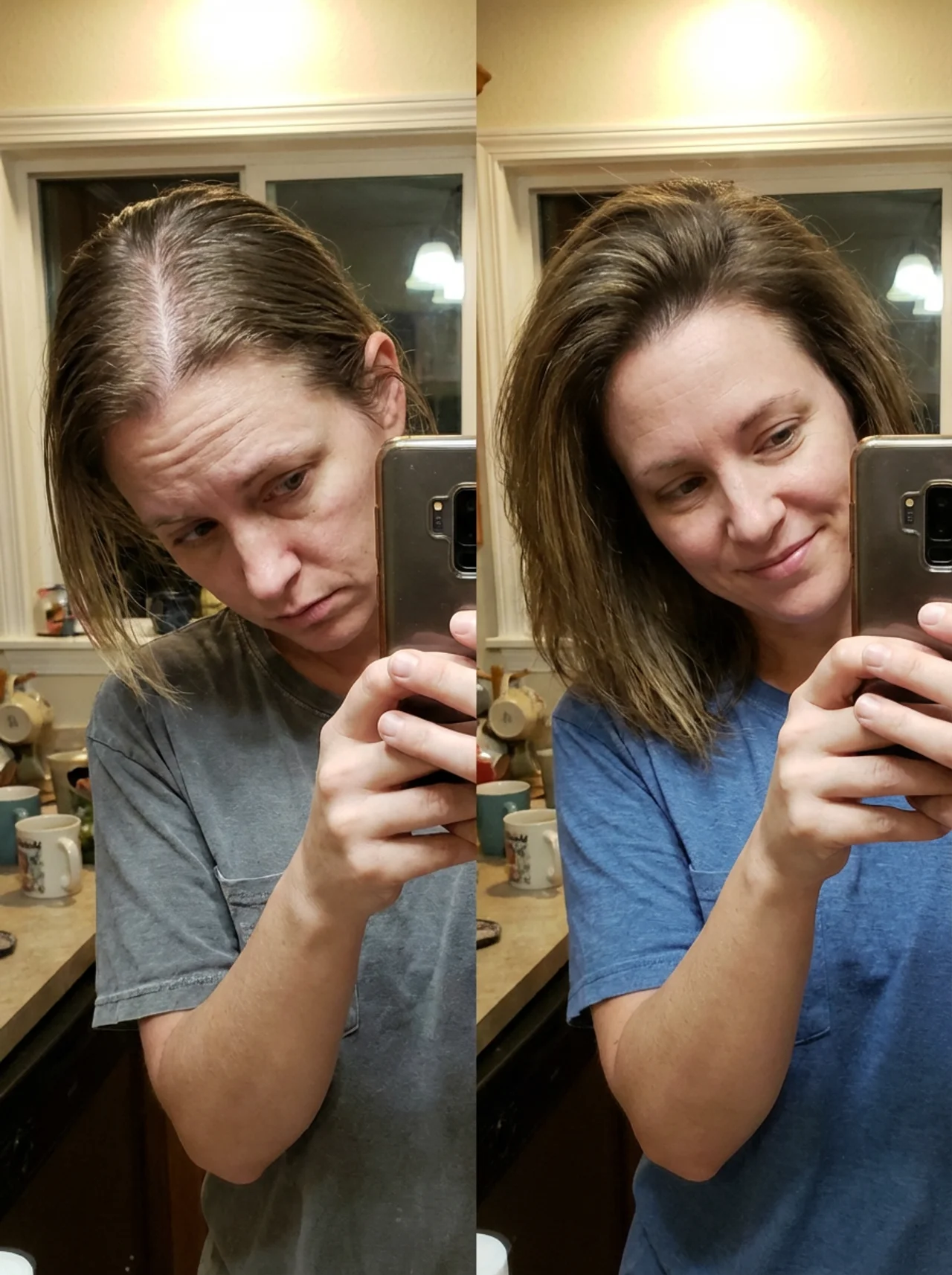
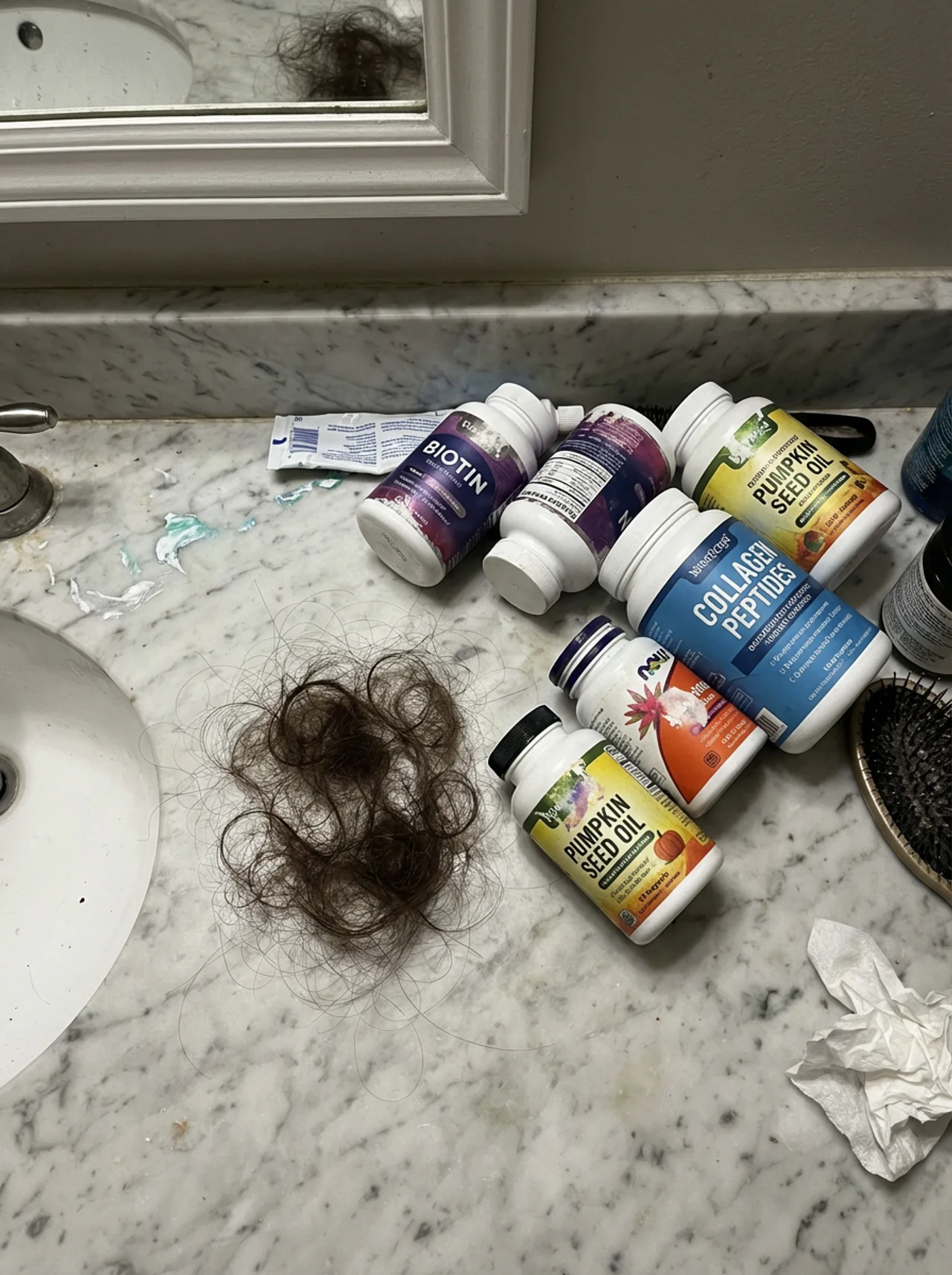
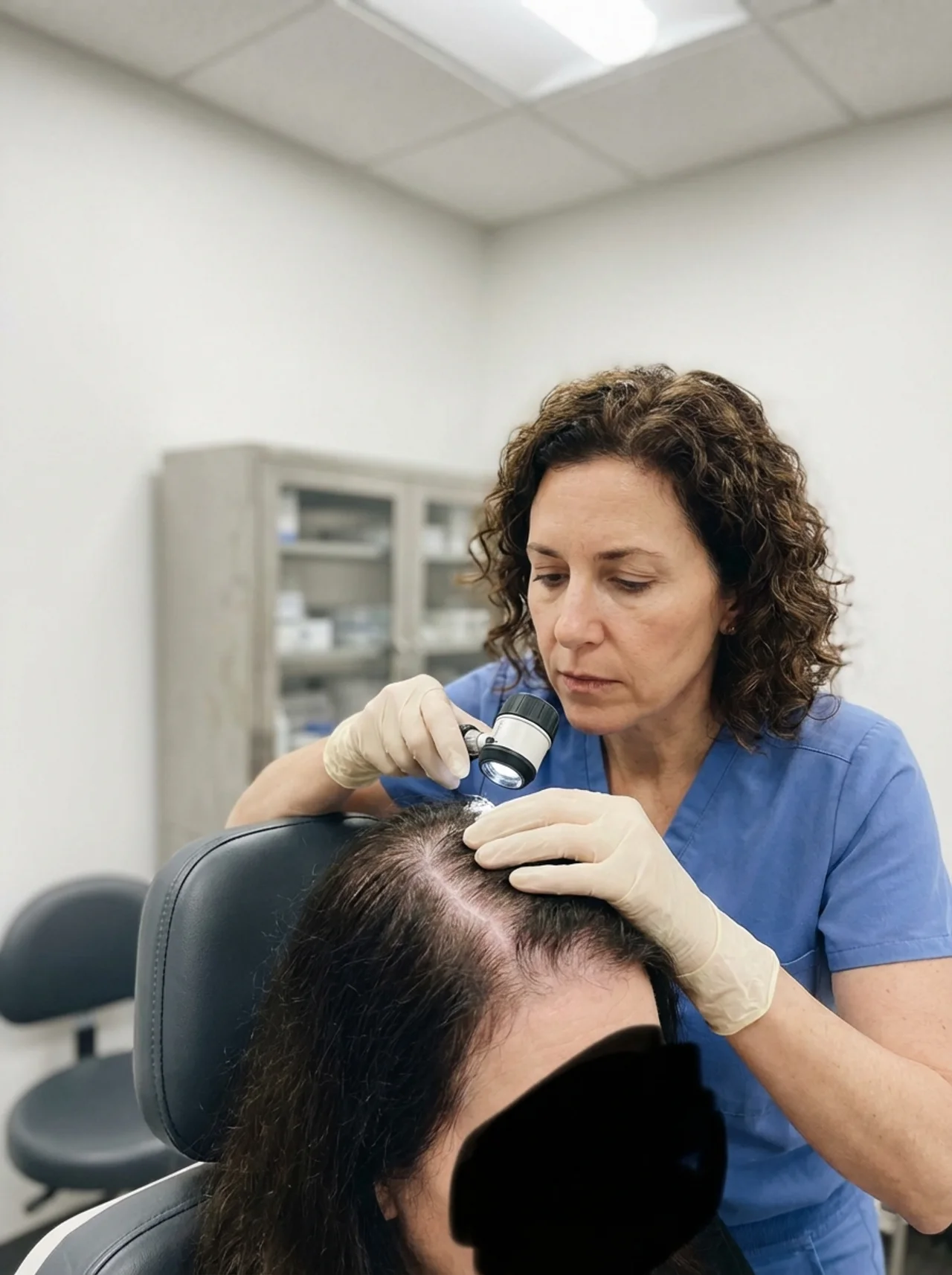
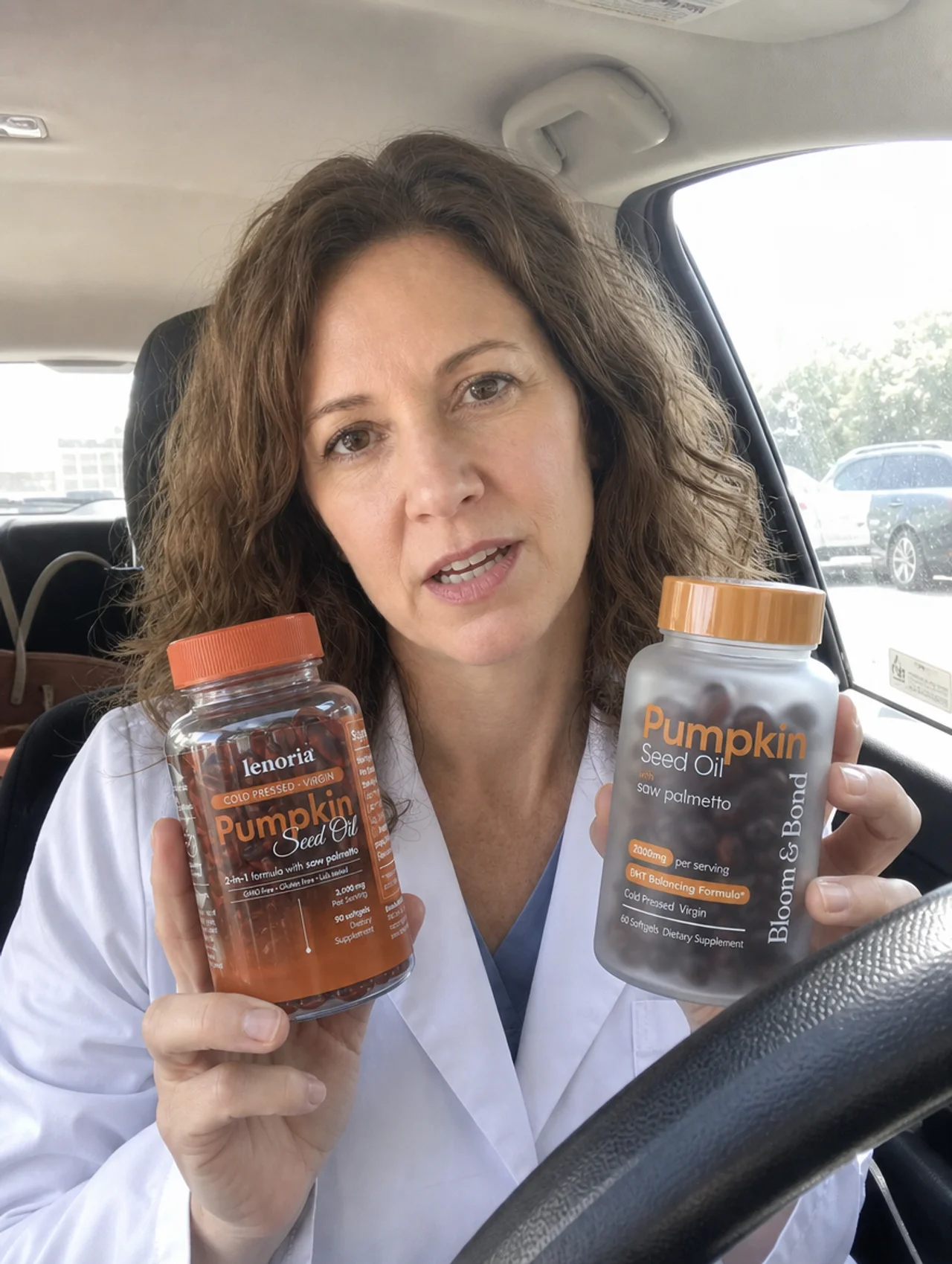
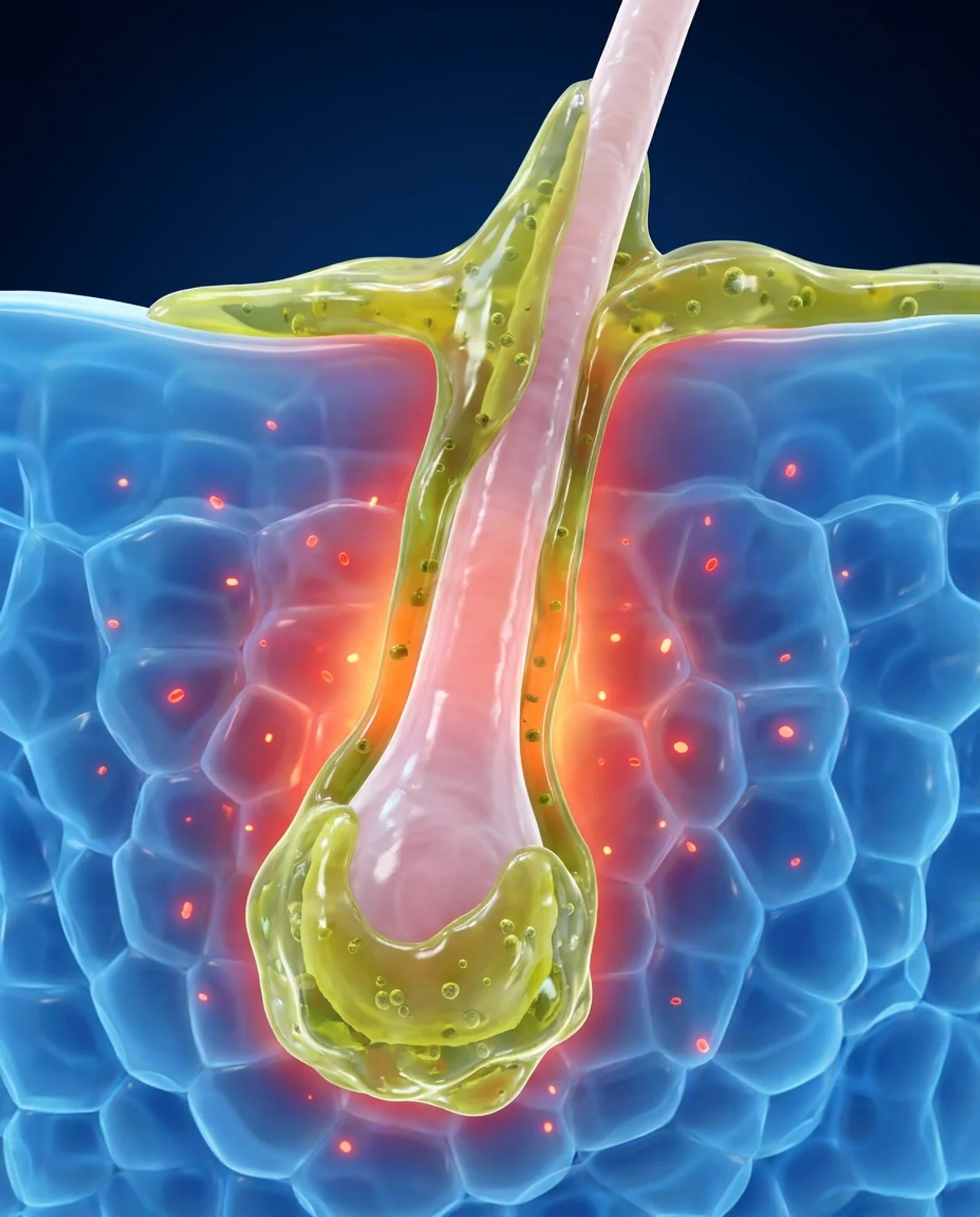
Menopause turned me into a woman who scratches the inside of her own ears in the car, a patient told me. My daughter says I do it like a dog, she said. She was not joking about how much it bothered her. She was laughing when she said it. She had also not slept a full night since spring. She had been to two doctors about it. Neither one of them mentioned her hormones. My name is Dr. Patricia Sullivan. I have been a dermatologist for 17 years, and most of what I see now is hormonal skin change in women over 40. I stopped staying quiet about this after the fourth woman in one month sat down in my chair and apologized to me for wasting my time. None of them were wasting my time. All of them were describing the same thing. So let me describe it back to you, and you can tell me how close I get. It is the inside of your ears. Not the lobes. The canal, about a centimeter past where you can actually reach. It is your scalp. It is your shins, at night, in bed. It got worse when the heating came on this year, and it eases up in humid weather. It wakes you. Some mornings there are marks on your legs you do not remember making. And the moisturizer works. For about an hour. Here is the part I want you to hear, because I do not think anyone has said it to you yet. The pattern you have been quietly tracking is real. It is not stress. It is not in your head. It is not you being dramatic about dry skin. It follows a mechanism, it has a start date you can probably name, and it is measurable. You have just been the only person in the room who noticed it. Now, about your doctor. She was not lazy and she was not brushing you off, even though it felt exactly like that. She was taught to sort symptoms into separate boxes. Ears go in one box. Skin goes in another. Menopause goes in a third, and that box mostly contains hot flashes. So when you brought her a strange itch, she reached for the only answer in the nearest box. Dry skin. Try a good moisturizer. That advice was not wrong. It was incomplete. And incomplete advice is how a woman loses a year to something that had a name the whole time. Back to my patient. I will call her Ruth. She is 49. By the time she came to me she had already spent eleven months on it. New detergent. Fragrance free everything. A filter on the shower. New bedding. Two allergy tablets a day, then three on the bad nights. She had her tests run. They came back clear, which she told me was somehow the worst part, because clear meant nobody had anything left to offer her. And at 3am one night she sat up and searched whether she had bedbugs. Then lice. Then the worse things, the ones you type when nobody can tell you what is happening to your own body. What Ruth did not know, and what almost none of the women in my chair know, is that she did not have eleven separate problems. The ears The shins. The tight face. The skin that suddenly needs cream after fifty years of never needing it. The eyes that have gone dry. The inside of the nose. That is not a list of things going wrong. That is one thing going wrong, showing up in every place at once. Here is the mechanism, and it is simpler than you would think. Estrogen was doing maintenance work on your skin your entire adult life, and it never sent you an invoice. It kept the barrier stocked. That barrier is what holds moisture in and keeps the nerve endings underneath buffered and settled. And critically, that barrier is not built on the surface. It is built from underneath, out of specific fatty acids your body kept in steady supply because estrogen kept telling it to. When estrogen steps back, that supply line goes down. The barrier thins. Moisture escapes faster than it used to. The nerve endings sit closer to the surface than they were ever meant to. That is when the skin starts talking to you. And it talks loudest in the places that have nothing to hide behind, which is why so many women feel it in the ear canal first. If you want proof this is hormonal rather than seasonal, the women on hormone therapy provide it without meaning to. I hear a version of this constantly. The skin settles on the patch. Then in the last day of the cycle, in the hours before a new patch goes on, it comes back. Every cycle. Like a switch. One variable moves. The skin moves with it. Nothing else in your last two years does that. Not the weather. Not your detergent. Not your age. So let me say the next part clearly, because it is the part that changes what you do about it. ❌ It does not go back to normal because you switched detergents. ❌ It does not go back to normal because your tests came back clear. ❌ It does not go back to normal because you moisturized twice a day for a year. The barrier rebuilds when the material it is built from goes back in. Now, two honest things before I tell you what I recommend. The first. What I am about to describe is not hormone therapy. It does not act like it, it is not a substitute for it, and if hormone therapy is right for you then that is a conversation for you and your doctor. This works on the barrier itself, not on your hormones. The second. If your skin is not dry anywhere, if there is not a flaky patch on you, and the sensation is more like crawling or stinging or something moving under the surface, then what I am describing is not your answer. That is a different mechanism and it deserves a proper look from a doctor. I would rather lose you here than have you buy the wrong thing. Still with me? Then here is why everything in your bathroom cabinet failed. The cream sits on top of a shortage that started underneath. That is the whole story of the hour of relief and then nothing. The antihistamine works on a completely different pathway, which is why it takes the edge off and never touches the dryness. The humidifier changes the air in the room. The shower filter changes the water. Neither one changes what your barrier is made of. And the hot shower that feels incredible for twenty minutes strips out what little you had left. You were not doing it wrong. You were doing it from the outside. Some of you are already ahead of me and taking fish oil for this. I understand why, and it is not a bad instinct. But omega-3 does a different job in the skin than the fatty acid the barrier is actually built from. You can take a great deal of one and still be short on the other. The two ingredients with real research behind them for this specific shift are cold-pressed pumpkin seed oil and lipidosterolic saw palmetto extract. The formula I recommend, and the only one I have found that gets both of those right at the doses the research actually used, is Bloom & Bond. Here is how the two of them split the work, and they do split it, because your skin is doing two contradictory things at once. Pumpkin seed oil is roughly half linoleic acid. That is the precise fatty acid your barrier is built from, the material estrogen used to keep stocked. Taken orally, it goes back in from the inside, which is the only direction that was ever going to work. That is the dry side. Your cheeks, your shins, the ears. Saw palmetto handles the other face of it, and this is the part that confuses women most. As estrogen retreats, DHT is left with a freer hand at your oil glands. Which is how a woman ends up with cheeks like paper and a shiny T-zone and breakouts along her jaw at 52. Saw palmetto blocks DHT at the receptor so it cannot drive those glands as hard. One hormonal change. Two opposite-looking problems. Two ingredients that each handle one of them. Two softgels a day. 2,000mg of cold-pressed pumpkin seed oil and 200mg of saw palmetto. No biotin filler, no collagen fluff. What I tell my patients to expect, honestly. The first two weeks, most likely nothing. This is where women quit, and I want you to know it is coming so you do not. ✅ Weeks 1 to 3, the cheeks. You wake up one morning and your face does not feel tight before you are properly awake. You will only notice it because it had been tight every single morning and you had stopped registering it. ✅ Month 1 to 2, the oily side settles. The T-zone calms down, the jawline bumps get smaller and fewer. ✅ Month 3, it looks even. Comfortable. Like your skin again, rather than something you are managing. Skin rebuilds slowly. Anyone promising you a week is selling you something. Ruth came back to me in the spring. She did not tell me the itch was gone and I did not ask her to. She told me she had cleaned out her car and found the pen cap in the door pocket and could not remember the last time she had reached for it. That is what I look for. Not a declaration. The thing she stopped doing without noticing she stopped. So picture a morning three months from now. You wake up because you are done sleeping, not because something woke you. You put your face under the tap and it does not feel like it is pulling tight afterward. And the back scratcher is still in your bag, because you never actually got around to taking it out, and you have not touched it in weeks. That is the whole goal. Not drama. Just skin that stops asking for your attention all day. If you are somewhere in the change and your skin has started doing this, I would not wait the way Ruth did. Not because anything terrible happens next month. It will not. But the barrier rebuilds at its own pace, and it cannot start until the material goes back in. Every month you spend treating the outside of this is a month it has not started. You are not imagining it. You are not falling apart. And you were never going to fix this from the surface. Bloom & Bond. Cold-pressed pumpkin seed oil and saw palmetto. Two softgels, 90 day guarantee, and if your skin does not feel better you send it back. 👉 https://trybloomandbond.com/products/pumpkin-seed-oil-softgels-skin
Like this ad? Make it yours.
Crush rebuilds this exact creative around your product — your brand, your colors, your offer — in about a minute.