
Inactive· since Jul 16, 2026
- 45
- days it ran
- 0
- relaunches
Ad copy
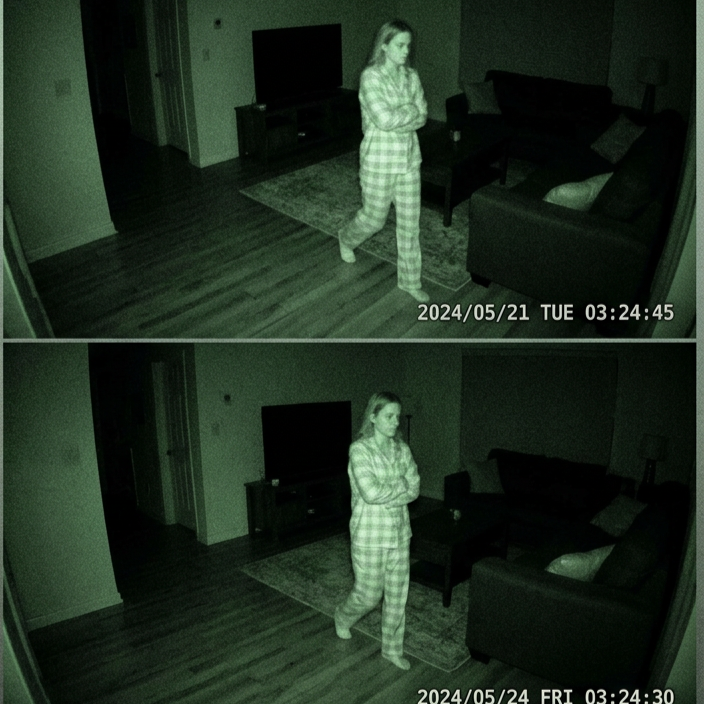
I saw a statistic that completely shocked me. Women over 50 are 4 times more likely to be diagnosed with an anxiety disorder than they were just 20 years ago. Four times. I didn't believe it when I read it. I'd had racing thoughts and sleepless nights for almost 8 years and not one doctor had ever mentioned my nervous system. But here's the truth. Your primary care doctor runs basic bloodwork. Your therapist talks about coping skills. The problem sits between them and nobody is paid to look there. That's why most of us never heard this. That's why my mother never heard it either. My mother was part of that statistic. Fifteen years on Xanax and Ambien. A stroke took her at 71. I'm 56. Last month my doctor told me to increase my antidepressant dose and add a sleep medication. I refused. And what I found instead, in a research article buried on a medical database, took me from lying awake at 3 AM with my heart pounding and barely able to get through a workday to sleeping through the night and waking up calm for the first time in years. No Xanax. No Ambien. No antidepressant increase. But to understand why I was desperate enough to spend six hours reading medical journals at 2 AM, you have to know what I watched those medications do to my mother. And what I didn't know they were quietly doing to me too. For 15 YEARS my mother was trapped on anxiety medication. Started with Xanax. Her doctor called it "the gold standard." Said she'd be on it for life, but that was fine because her anxiety would stay under control. Her anxiety did stay under control. Everything else fell apart. Within the first year she gained 22 pounds without changing a thing she ate. Doctor said it was her metabolism slowing with age. By year three she was 35 pounds heavier and couldn't remember where she put her keys five minutes earlier. Her sharpness was gone. This was a woman who ran her own accounting practice for 28 years, managing books for dozens of clients. By year five she was forgetting appointments and losing track of conversations. Her face got puffy. Her hands shook in the mornings. Her wedding ring, we had to resize it twice. Forty-one years she'd worn it. And every time we brought it up, her doctor said the same thing. "Your anxiety is under control, Margaret. The weight is from menopause. The memory issues are from getting older. You need to stay on your medication." She was doing everything right. Taking her pills. Following all the rules. The medication wasn't the problem. My dad said it was like watching her disappear one year at a time. They had her on that medication for FIFTEEN YEARS. Fifteen years of her mind getting foggier. Fifteen years of feeling like a stranger in her own body. Fifteen years of appointments where they'd adjust her dose or add another pill. And never once, not ONE TIME, did anyone say, "Maybe something is wrong that this medication isn't fixing." And then the stroke took her anyway. 71 years old. Seventy-one. Collapsed in her living room on a Wednesday afternoon watching her grandchildren play. At the funeral my dad grabbed my hand and said something I'll never forget. "For 15 years they told her her anxiety was managed, Diane. They were wrong the whole time." So fast forward to three months ago. I'm 56. Diagnosed with generalized anxiety at 48. I've been a good patient. Take my pill at the same time every morning with food. No caffeine after noon. Practice deep breathing exercises. I've tried therapy. Meditation apps. CBD oil for six months. Chamomile tea every night for two years. I'm still waking up at 3 AM with my heart racing. I go to my annual physical. Nurse does the vitals. Blood pressure 138/88. Pulse 86. Doctor pulls up my chart. Looks at me. "Diane, your bloodwork is normal. But your blood pressure is elevated. Your resting heart rate is high. Your anxiety seems to be getting worse. We should increase your antidepressant. And I'd like to add a sleep aid." My chest tightened. Antidepressant. Fifteen years of watching my mother shuffle around confused because she couldn't remember what she'd just been doing. Fifteen years of her ring sitting in a dish because her fingers were too swollen to wear it. And then the stroke took her anyway. "No," I said. She blinked. "Excuse me?" "I'm not doing it. My mother was on anxiety meds for 15 years. I watched what they did to her. And I watched the stroke kill her anyway." She gave me that look. "Diane, we need to manage your anxiety. The medication…" "What's the point of adding more pills if they didn't save her?" She didn't have an answer. I told her to give me three months. She wasn't happy. Wrote something in my chart. I didn't care. For three months I did everything right. Downloaded another meditation app. Went to bed at the same time every night. Cut out sugar. Added exercise. Three months later I went back. Blood pressure the same. Anxiety worse. Resting heart rate still elevated. Doctor pulled out her prescription pad again. "Diane, it's time." "Give me three more months." "Diane…" "Three more months." She sighed. I didn't care what she wrote. That night I couldn't sleep. I kept thinking about my mother. Same anxiety. Same medications. Same reassurances that everything was fine right until the day she collapsed. At 2 AM I gave up. Went downstairs. Opened my laptop. I started searching. What actually causes chronic anxiety in women over 50. Why the medications never fix it. Why some women get worse and worse even when their doctors say they're fine. Every site said the same thing. Take your medication. Practice mindfulness. Exercise. Reduce stress. I'd done all of it. So I kept digging. Looking for people who'd actually solved this. People who found real answers. That's when I found the thread. A medical journal article with over 200 citations. The title was "Why are women over 50 suddenly developing anxiety disorders?" I almost scrolled past. But something made me click. A study from Stanford University. Magnesium deficiency rates 68% higher in anxious women than calm ones the same age. Sixty-eight percent higher. Researcher after researcher in the citations. Studies. Data. Brain scans of women over 50 with depleted magnesium showing overactive stress responses. Someone had linked a follow-up study. A clinical trial. I looked at the clock. 2:47 AM. By 4 AM I was still reading. By morning I understood something no doctor had ever told me. I didn't have an appointment with a specialist. Just kept reading until I found the research that connected everything. Found article after article I came across, there was a woman who was interviewed. Had to be early 70s. Described as alert, calm, sleeping soundly every night. No anxiety medication. No sleep aids. Just an unusual supplement routine she'd followed for decades. I kept reading. "Your brain," the article explained. "It's not making enough calming signals." I didn't understand at first. "There's a neurotransmitter that acts as your brain's natural 'off switch.' It tells your nervous system to calm down. To stop racing. To let you sleep." The researcher folded his hands in the interview. "But this calming signal needs a key mineral to work. Without it, the signal never gets sent. Your brain keeps firing. Your thoughts keep racing. Your body stays stuck in fight-or-flight mode." He tapped the side of his head. "That mineral, the one that activates your calming signals, is magnesium." I stared at the screen. "But decades of chronic stress depletes magnesium faster than you can replace it. The body prioritizes survival over calm. The magnesium gets used up managing cortisol, managing adrenaline. And when the magnesium is gone, the calming signals stop." The article continued. "68 percent of women with chronic anxiety. 68 percent. Their magnesium is depleted. Nobody tests for it. Their doctors don't test for it. Their doctors aren't taught to test for it." I kept reading. "And here's the part that will make you angry. Most magnesium supplements can't restore what's missing. The pills at the drugstore use cheap forms your body can barely absorb. The form of magnesium matters more than the amount. If it's the wrong form, no pill you take will ever calm your nervous system." I leaned back. "That's why your doctor says you're fine. Your bloodwork looks normal. Your doctor sees it and tells you you're managing well. But your brain is starving for calm. And your nervous system is working overtime trying to compensate." My eyes started to burn. "That's why you're always on edge. That's why your thoughts won't stop racing no matter what you do. That's why your heart pounds at 3 AM for no reason. And no meditation fixes it. No deep breathing fixes it. No therapy session fixes it. Because none of those things replenish magnesium." The article continued with research I hadn't seen before. "That is what's happening to millions of women. A mineral deficiency that went undetected and a brain that's been running on empty for years while their doctors told them they were fine." I wondered how the researchers had figured this out. The answer came later in the article. "We've known about this connection for decades. What we didn't know was why most magnesium supplements fail. And the answer is absorption." Magnesium. I'd tried it years ago. The pills from the drugstore. The article must have anticipated this. "That's not what most people take," it explained. "What's in drugstores is mostly magnesium oxide." The researchers explained it simply. "Magnesium oxide is cheap because it's poorly absorbed. Your body can only use about 4% of it." They went on. "The factories use oxide because it's cheap and fast. Poor absorption means it mostly passes through you. Then they put large doses on the label to make it look impressive. Put it in hard pills. Put it on a shelf. The women who buy it get almost nothing. Their brains stay depleted. Their nervous systems stay overactive. Their racing thoughts continue." The article continued. "And the second part. The form matters. Magnesium bound to glycine, called bisglycinate, absorbs completely and crosses directly into the brain. It actually reaches where it needs to go." I kept reading. "Replenish the magnesium. Use the right form that actually absorbs. That's it. That's all of it." I searched to see if anyone made this the way the research described. The answer came in a review article. "There's one company doing it right. Took them time to formulate correctly. Magnesium bisglycinate. Highly absorbable. Correct dose for the brain. Gummy format for easy daily use." They mentioned the name in a review site I found while researching. SPNutrition. I ordered it that night from my kitchen table. The bag arrived three days later. I took the first gummy that evening. Sat on my back porch. Waited. About 45 minutes in I noticed something. The tightness in my chest loosened. My shoulders dropped. I hadn't realized I'd been holding them at my ears. I went to bed. 10 PM. Same as always. Too early to expect much. Week one. I woke up at 5:30 AM instead of 3 AM. I lay there waiting for the racing thoughts. They didn't come. Cut my coffee in half because I didn't need it to wake up. Week two. Slept until 6. My husband asked if I was okay at breakfast and I realized I hadn't snapped at him over anything in days. I stopped halfway through folding laundry and realized I wasn't rehearsing anxious conversations in my head. Week three. Slept through the entire night. Went to dinner with friends. Actually enjoyed it. My heart didn't pound. My palms weren't sweaty. Week four. Seven hours of sleep. Six nights in a row. I tracked it because I didn't believe it. 7 hours. 7.5 hours. 7 hours. Sleeping through the night for the first time in years. Without adding any other changes. My follow-up was at the end of month two. The nurse took my vitals. Wrapped the cuff. Did it. Paused. Did it again. "122 over 78. Pulse 68." Doctor walked in. Pulled up my chart. Stopped. Scrolled. Looked at me. "Diane. What did you change?" I told her. The research. The magnesium bisglycinate. The gummies. The correct form. She typed. Nodded slowly. "Let's check back in four weeks. If your anxiety continues to improve, no medication increase. No sleep aid." Four weeks later I was sleeping 7-8 hours every night. No antidepressant increase. No sleep medication. That was four months ago. My anxiety level this morning is calm. That constant edge is gone. Without another pill. Without another therapy session. Without another meditation app. My blood pressure stays in the 118 to 122 range. My resting heart rate is 66. My mind is quiet. I sleep through the night. Last Saturday I took my granddaughter to the zoo. Walked the whole thing. Didn't feel overwhelmed once. She said, "Grandma, you seem so happy now." I didn't tell her I was crying behind my sunglasses. I called my dad that night. Told him how I was feeling. Long silence. "Your mother would be proud, honey. You found another way." If you're reading this, you probably see yourself in my story. Your bloodwork is "normal" and you still feel like you're falling apart. Your anxiety is getting worse and your doctor has mentioned increasing your medication or adding a sleep aid or trying therapy again. You've tried meditation. You've tried CBD. You've tried deep breathing. You've tried cutting caffeine. Maybe two of them. Maybe all of them. They didn't work. But now you know why. You were taking cheap magnesium that your body can't absorb. Your brain never got the signal. Your nervous system never calmed down. And your mind has been racing on empty this whole time, just like my mother's was, waiting for relief that never came. SPNutrition is different. Magnesium bisglycinate that fully absorbs. Correct dose to actually reach your brain. Gummy format that's easy to take every night. Third-party tested. Two gummies a day. Try SPNutrition for 30 days. Track how you sleep each night. Notice how you feel in the mornings. Pay attention to your racing thoughts before bed. If you're sleeping better, if your anxiety has shifted, if you feel calmer, you'll know. You're at a crossroads. One path. Keep doing what you're doing. Watch the anxiety get worse. Add the sleep medication when you can't take the insomnia anymore. Increase the antidepressant when the racing thoughts overwhelm you. Add another pill when the exhaustion breaks you. Spend the next 15 years taking a pile of medications while the real problem never gets touched. End up where my mother did. Another path. Try what I tried. Replenish your magnesium. Let your brain's calming signals work for the first time in years. Quiet your nervous system before it burns out completely. Track how you feel. See what changes in 30 days. I chose the second path. It gave me my calm back. And it may have saved my life. The medical system isn't coming to save you. Your primary care doctor isn't looking at your minerals. Your therapist isn't looking at your brain chemistry. Nobody is looking at your magnesium. Every month you wait is another month your brain runs on empty. Another month your nervous system stays overactive. Another month closer to becoming the statistic I refuse to be. My mother didn't have this information. You do. Diane Walsh If you want to understand exactly how chronic stress depletes magnesium and why most supplements don't work, this is what helped me. P.S. I noticed the tightness in my chest release within 45 minutes of my first gummy. Sleeping through the night by week three. Avoided the medication increase at month two. Blood pressure down. Resting heart rate normal. Your timeline might be different. But you won't know until you try. P.P.S. My younger sister Karen started SPNutrition six weeks after I did. She's 52. Sleeping through the night. Anxiety dropping. Last Sunday she called me crying. "I'm not going to end up like Mom." Neither am I. Neither should you.
Like this ad? Make it yours.
Crush rebuilds this exact creative around your product — your brand, your colors, your offer — in about a minute.