
Inactive· since Jan 22, 2026
- 17
- days it ran
- 3
- relaunches
Ad copy
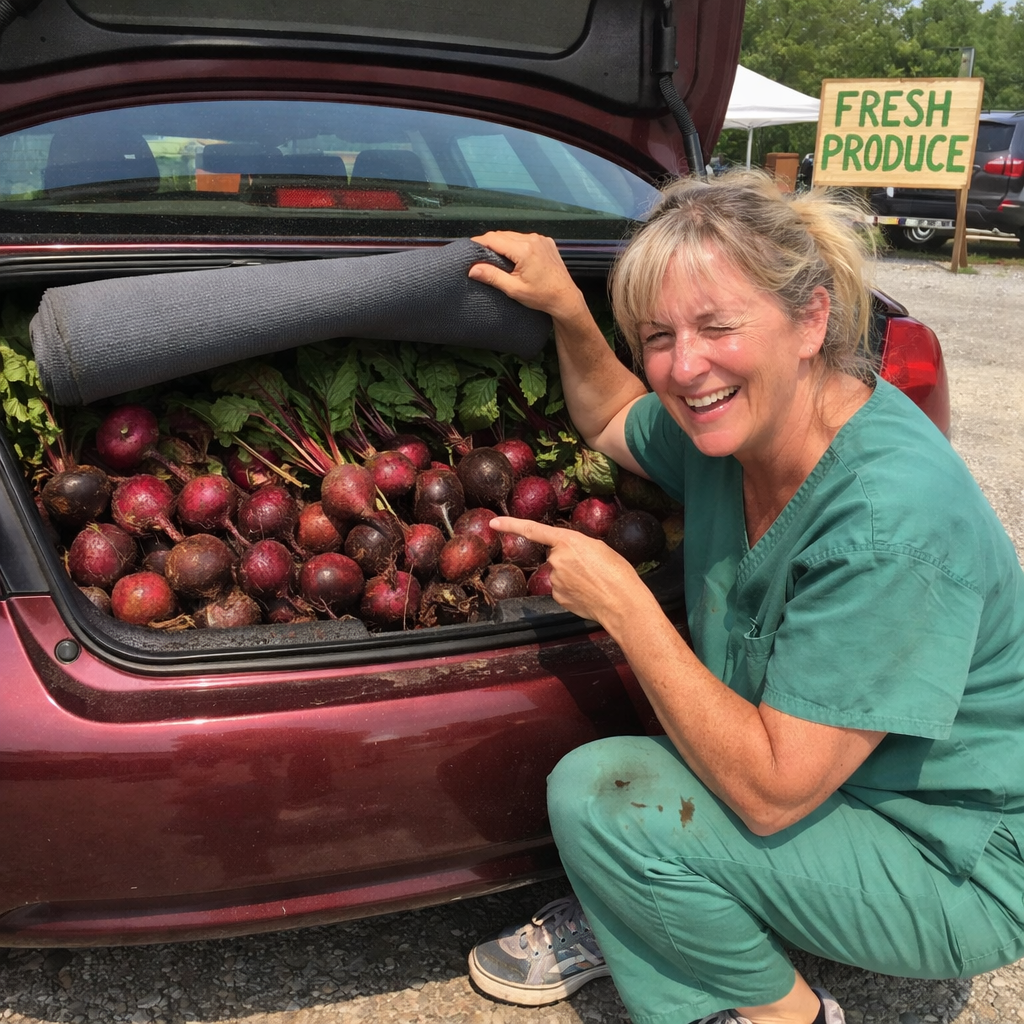
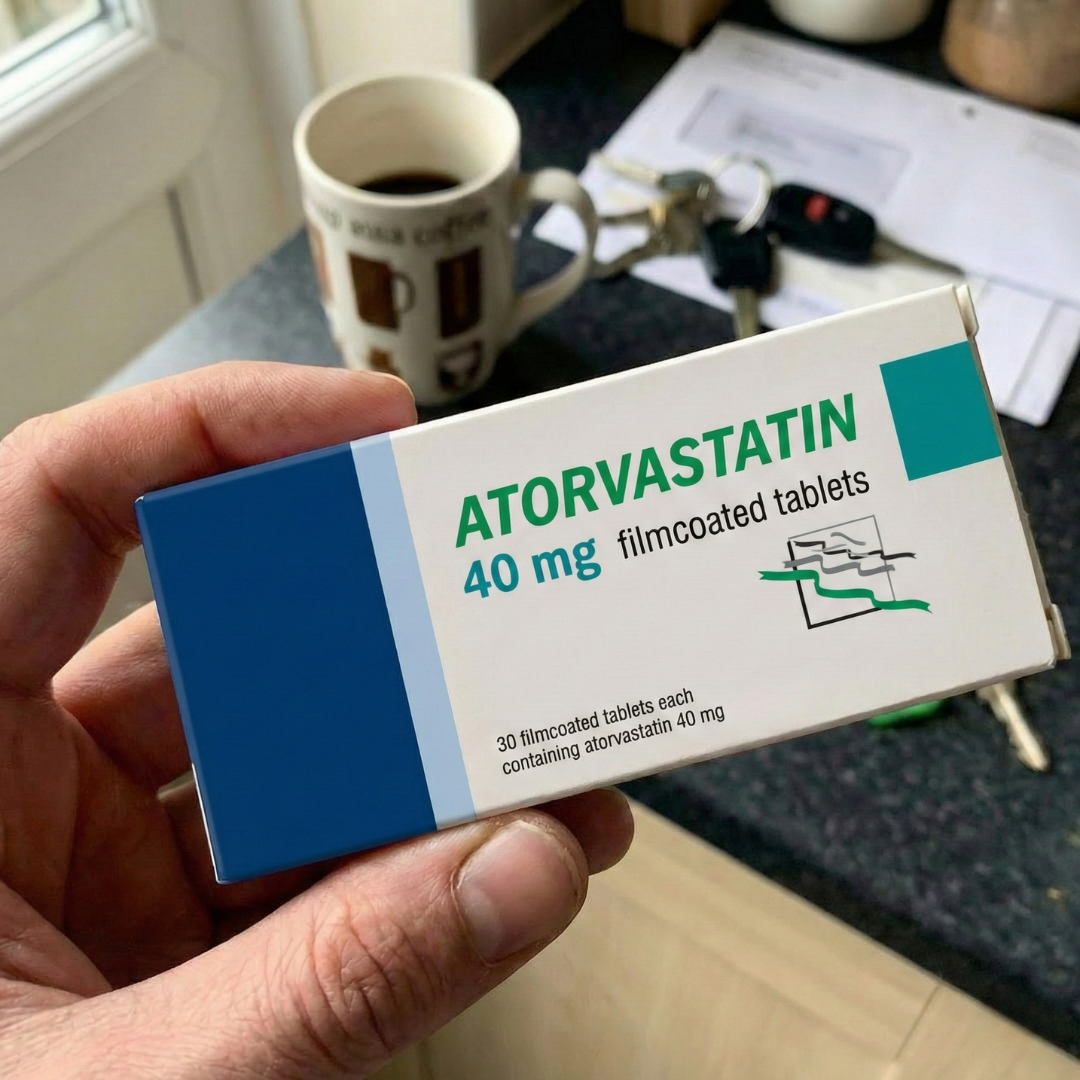
At 3:47 AM I sat at my kitchen table Googling "atorvastatin side effects muscle pain" while my unfilled prescription mocked me from the counter. My father died at 68. I'm 59. Three weeks ago, my doctor closed the exam room door. The click echoed. She sat down. Pulled up my chart without looking at me. "James. We can't wait anymore. Your LDL is 247. I'm prescribing atorvastatin. 40 milligrams daily. You'll start today." My throat constricted. The walls tilted. Atorvastatin. The same medication they gave my father. Fourteen years of it. His legs first—couldn't climb stairs by year two. They installed a stair lift. A man who used to play golf three times a week, reduced to gripping the handrail and pulling himself up one step at a time before he finally gave up. Then his hands. Lost his grip strength by year four. Couldn't open jars. Dropped things constantly. I watched him try to hold his coffee mug one morning—both hands shaking, knuckles white—and the defeat in his eyes when he had to set it down and ask my mother for help. Getting out of chairs became an ordeal. He'd rock forward three, four times, gathering momentum, then push himself up with a grunt. By year six, he needed armrests. By year eight, he needed someone's hand. The muscle wasting was visible. His calves, once strong from decades of walking the course, shrank to sticks. His shoulders rounded. His chest caved. He described the pain as constant—a deep ache that never let up. "Like my muscles are eating themselves," he told me once. But the worst part wasn't his body. It was his mind. Year nine, he started forgetting names. Not unusual for a man in his late sixties, we told ourselves. Then he forgot faces. Then conversations we'd had that morning. I called him on a Tuesday to wish him happy birthday. He thanked me. We talked for twenty minutes. He called me back an hour later to tell me I'd forgotten his birthday. The confusion got worse. He'd get lost driving to the grocery store he'd been going to for thirty years. He'd ask my mother the same question five times in an hour. He'd start a sentence and trail off, unable to find the word that used to come easily. Then the personality changes. My father was a gentle man. Patient. Slow to anger. By year eleven on atorvastatin, he was irritable. Snapping at my mother. Getting frustrated over nothing. Paranoid about things that made no sense. One Thanksgiving, he didn't recognize my daughter. She was fourteen. She'd been coming to his house every holiday since she was born. He looked at her and said, "Who's this young lady?" Not joking. Not teasing. Genuinely confused. My daughter cried in the car the whole way home. The father I knew disappeared before he actually died. Year fourteen. Heart attack. In his sleep. The atorvastatin controlled his cholesterol numbers for fourteen years. His LDL stayed in the "healthy" range. His doctor was satisfied. And my father still had a heart attack. Still died. Only now he'd spent his final years in pain, confused, a shell of the man he used to be. The medication didn't save him. It just made him suffer longer. I sat in my car in the parking lot after my appointment. Couldn't turn the key. Just gripped the steering wheel until my knuckles went white. The prescription crinkled in my jacket pocket. I pulled it out. Stared at it. Atorvastatin 40mg. Take one tablet daily. My hands shook. My wife was unloading groceries when I walked through the door. "Hey. How was your checkup?" The words stuck. I handed her the prescription without speaking. LDL: 247. The grocery bag hit the floor. Eggs shattered. Milk carton split. She didn't notice. Both hands covered her mouth. Tears streaming down her face before I could explain. "No." Her voice broke. "James, I watched what that medication did to your father. I can't. I can't watch you go through that. I can't watch you disappear the way he did. I can't—" She couldn't finish. Turned away. Shoulders shaking. She'd sat next to me at every holiday dinner, watching my father fade. She'd held my hand at his funeral when I couldn't stop crying. She knew exactly what that prescription meant. That night I lay awake. The ceiling fan rotated. Over. And over. And over. Red numbers glowed on the clock: 11:52 PM. Rolled over. 12:41 AM. Again. 1:38 AM. At 2:23 AM I gave up. Went downstairs. Sat at the kitchen table. Opened my laptop. The screen's blue glow hurt my eyes. I typed: atorvastatin side effects muscle pain The search results loaded. My chest tightened. Common side effects: Muscle pain. Weakness. Fatigue. Serious side effects: Myopathy. Rhabdomyolysis. Cognitive impairment. I clicked the first result. Medical journal. Clinical study. "Statin-associated muscle symptoms affect up to 29% of patients. Symptoms range from mild myalgia to severe rhabdomyolysis requiring hospitalization." I searched again: atorvastatin cognitive decline Article after article. One headline: "FDA adds memory loss and confusion to statin safety labels." Another: "Statin-associated cognitive impairment: case reports suggest mechanism may involve cholesterol depletion in brain cell membranes." My father's face flashed in my mind. The blank stare. The confusion. The man who didn't recognize his own granddaughter. I searched: atorvastatin still had heart attack Forum posts loaded. Story after story. "My husband was on atorvastatin for twelve years. Perfect cholesterol. Died of a heart attack at 61." "Dad took his atorvastatin religiously. Numbers were great. Massive heart attack last spring." "Why did I suffer all those side effects if it didn't even protect me?" "Mom was on atorvastatin for nine years. Doctor said her numbers were perfect. Stroke last October. She's in a care facility now." I closed the laptop. Rubbed my face with both hands. What do I do? The prescription sat on the counter. Five feet away. Mocking me. I didn't fill it. Three days passed. The doctor's office called. "Mr. Mitchell, you haven't picked up your prescription. Dr. Chen needs confirmation you're taking the medication." "I need more time." "Sir, your LDL is 247. This is urgent. Dr. Chen was very clear—" "I said I need more time." I hung up. Five days. Seven. My wife found me in the garage one evening. "James. What are you doing out here?" "Thinking." "About?" "Options." "The doctor said you need medication." "The doctor said my father needed medication too. And he still died. Just took fourteen years longer and suffered the whole time." Her chin trembled. "But what if she's right? What if you have a stroke? What if I lose you?" "What if the medication destroys my muscles and my mind like it did his? What if I end up not recognizing our grandchildren? What if I die anyway but only after years of suffering?" She had no answer. That weekend I searched everything. Natural alternatives. Clinical studies. Research papers. Natural cholesterol solutions appeared everywhere. Red yeast rice. Plant sterols. Omega-3s. Studies from major universities showing modest improvements. Real science. Not fringe pseudoscience. Monday morning I ordered red yeast rice. "Nature's statin," the websites called it. Highest rated on Amazon. 4.5 stars. Over 12,000 reviews. Six weeks later: LDL still 243. And my muscles ached constantly. I researched deeper. Found out why. Red yeast rice contains monacolin K—a compound that's chemically identical to lovastatin. It's literally a statin in plant form. Same mechanism. Same side effect potential. I stopped taking it. Next I tried plant sterols. The cardiologist-recommended option. Three months. Never missed a dose. Follow-up bloodwork: LDL still 241. Six points. Meaningless. Then fish oil. The one thing everyone recommends. Pharmaceutical-grade. Four months. Triglycerides dropped slightly. LDL unchanged at 239. My follow-up appointment was in three weeks. Then two. Then one. Every time I climbed stairs and felt my heart pound harder than it should. Every time I got winded doing something that used to be easy. I saw my father. The stair lift. The confusion. The blank stare at Thanksgiving. Ten days before my appointment, I stood in Whole Foods. Supplement aisle. Thirty different products. All useless. Two men talking one aisle over. "—the problem isn't your cholesterol level. It's whether your cholesterol is oxidized." I walked over. "What did you say about oxidized cholesterol?" The older man turned. Name badge: "Clinical Nutritionist." "Are you dealing with high cholesterol?" "247 LDL. Doctor wants me on atorvastatin. I've tried red yeast rice, plant sterols, fish oil. Nothing's worked." "They wouldn't." He leaned against the shelf. "None of them address the actual problem." "What do you mean?" "What do you think causes heart attacks?" "High cholesterol. Plaque buildup." "That's what everyone thinks. But here's what your doctor never told you." He crossed his arms. "Cholesterol itself isn't dangerous. Your body makes it on purpose. You need it for hormones, cell membranes, brain function. LDL particles are just delivery trucks—they carry cholesterol from your liver to your cells." "But my doctor says LDL is the bad cholesterol." "Your doctor is focused on numbers. The problem isn't how much LDL you have. It's what happens to that LDL." He paused. "Oxidation. Think of it like rust." "Rust?" "When LDL particles are exposed to free radicals—unstable molecules in your bloodstream—they get damaged. Oxidized. And oxidized LDL behaves completely differently than healthy LDL." "How so?" "Normal LDL flows through your bloodstream, delivers cholesterol where it's needed, gets recycled by your liver. No problem. But oxidized LDL becomes sticky. Your immune system sees it as a threat. Your immune cells rush in and engulf the oxidized particles. They become foam cells—the building blocks of arterial plaque." I felt the pieces clicking together. "So the plaque isn't caused by cholesterol itself—" "It's caused by oxidized cholesterol. Damaged cholesterol." He leaned forward. "You can have low LDL numbers and still be building plaque if most of your LDL is oxidized. And you can have higher numbers and be fine if that LDL is protected from oxidation." "But statins lower LDL. That's the whole point." "Exactly. Statins block an enzyme in your liver that produces cholesterol. Your LDL number drops. Doctor's happy." He shook his head. "But statins don't stop oxidation. The LDL you still have? Still getting damaged. Still becoming sticky. Still building plaque." "So the number goes down, but the damage continues?" "Now you understand why people on statins with perfect numbers still have heart attacks. The number isn't the disease. Oxidation is." I sat back. Fourteen years of my father's suffering. Fourteen years of "good numbers." Heart attack anyway. Because the medication was treating the wrong problem. "So what stops oxidation?" "Antioxidants. Very potent ones that neutralize free radicals before they damage LDL." He walked to a shelf, came back with a bottle. "Have you heard of betalains?" "No." "The red pigments in beetroot. The compounds that give beets their deep color. Some of the most powerful natural antioxidants ever studied." "Beetroot?" "When you consume betalains, they enter your bloodstream and neutralize free radicals immediately. Free radicals are unstable—they're missing electrons. Betalains donate electrons. Stabilize them. Neutralize them before they can attack your LDL." "So they protect the cholesterol from oxidizing." "Exactly. Betalains are bodyguards for your LDL. They don't kick cholesterol out—that's what statins do. They protect it from damage. If your LDL never oxidizes, it never becomes the sticky, plaque-forming substance that clogs arteries." "And this actually works?" He pulled out his phone. Showed me a study. "Clinical trial published in Foods journal. Adults with coronary artery disease. Betalain-rich beetroot extract for two weeks. Results: LDL dropped 18%. Triglycerides dropped 15%. Blood pressure improved. In fourteen days. Zero side effects." I stared at the screen. 18% LDL reduction. Two weeks. No side effects. "Why doesn't my doctor know about this?" "Maybe she does. Maybe she doesn't. No pharmaceutical company spending billions to market betalains. No sales reps. No recurring prescription revenue." He handed me the bottle. "Most beetroot supplements are garbage, though. Heat-processed. Low in betalains. Active compounds destroyed." "How do I know which one works?" "This is the only brand I recommend." He pointed to the label. "Rosabella. 1,300 milligrams per serving. Shade-dried instead of heat-processed—preserves the betalain content. Third-party tested. USA-grown. They publish their Certificate of Analysis." "How do I know it works? I'm out of time." "Get bloodwork in two weeks. That's what the clinical study used. If your numbers don't move, you've lost nothing. If they do—you'll have your answer." I bought two bottles standing right there. Ordered three more online that night to make sure I didn't run out. Two days later, it arrived. That evening, I took my first dose. Sat on the deck. Waited. I didn't expect to feel anything immediately. This wasn't a drug. But I scheduled bloodwork for day fourteen. If this was going to work, I wanted proof. Those two weeks felt like two months. I took Rosabella every morning. Never missed a dose. Kept my diet the same. Exercised the same amount. Changed nothing except adding the betalains. Day fourteen. 7:30 AM. Blood draw. Two days later, the results posted to my patient portal. I sat at the kitchen table. Hands shaking. Clicked to open the results. LDL: 218. I stared at the number. Checked it again. 218. Down from 247. Twenty-nine points in two weeks. My wife walked in, saw my face. "What is it? What's wrong?" "Nothing's wrong." I turned the laptop toward her. "It's working." She looked at the screen. Looked at me. Started crying again—but different tears this time. One week later. Week three. I couldn't wait for the official follow-up. Bought a home cholesterol test. LDL: 203. Still dropping. Week four: 194. Under 200 for the first time in years. I called my brother that evening. His cholesterol had been creeping up too. Doctor was talking atorvastatin. "194," I told him. "Down from 247. No medication." Silence on the other end. "Jimmy... how?" I explained everything. The oxidation. The betalains. The shade-drying. The clinical study. The difference between supplements that address the real problem and everything else. "I'm sending you a bottle," I said. "Your LDL was 220 last month. Try it." His voice cracked. "If this works—if you don't have to go through what Dad went through—" "It's working. I promise." My wife noticed changes beyond the numbers. I wasn't falling asleep in my chair after dinner anymore. I had energy in the evenings. The mental fog that had crept in over the past few years was lifting. Week six. The morning of my follow-up appointment. I'd done a final home test two days before: 178. At the doctor's office, the nurse wrapped the cuff. Took my blood pressure. Good numbers. Then pulled up my chart. "You were supposed to start atorvastatin eight weeks ago." "I didn't fill it." She frowned. Typed something. "Dr. Chen will want to discuss that." Ten minutes later, Dr. Chen walked in. Pulled up my lab results on her tablet. Scrolled. Stopped. Scrolled again. Went back to the top. Read it a third time. "James." She looked up. "Your LDL is 176." Silence. "That's a 71-point drop since your last visit." "I know." "You said you didn't take the atorvastatin." "I didn't." She set the tablet down. "What did you do?" I told her. Betalains from beetroot. Shade-dried to preserve potency. Third-party tested. The clinical study showing 18% LDL reduction in two weeks. She typed notes. Nodding. "Well." She closed the tablet. "Whatever you're doing, continue. These numbers are excellent. No atorvastatin necessary at this time." No atorvastatin necessary. I walked to my car. Got in. Sat there. Then called my wife. "176. No atorvastatin necessary." I heard her breath catch. Then a sob. "Thank God. Thank God, James." That was twelve weeks ago. My LDL this morning? 168. Healthy range. No medication. No muscle pain. No cognitive fog. No personality changes. No forgetting faces. No stair lifts. No suffering. I'm not following my father's path. Last weekend I played basketball with my grandson for an hour. Driveway. Running. Shooting. Rebounding. Laughing. Not even winded afterward. He grabbed me in a hug when we finished. "Grandpa! That was awesome! Can we do this every weekend?" My throat tightened. My eyes burned. Because the answer was yes. ──────────────────────────────────────────────────────── If you're reading this, you see yourself in my story. Your cholesterol numbers are climbing. Your doctor is pushing atorvastatin. Maybe the prescription is already sitting on your counter, unfilled. You've watched someone you love suffer on these medications. The muscle pain. The weakness. The mental decline. You're terrified of the same fate. You've probably tried other solutions. Red yeast rice that gave you the same side effects. Plant sterols that didn't move the needle. Fish oil that everyone recommends but never seems to work. You feel trapped. Like there's no good option. Just two different ways to suffer. Here's what I want you to know: If I hadn't overheard that conversation in Whole Foods, I'd be on atorvastatin right now. For life. Living with the same side effects that tortured my father for fourteen years. Watching my muscles waste. Feeling my mind slip. Suffering through years that wouldn't even protect me from the heart attack that was coming anyway. But I found a third door I didn't know existed. I found out that cholesterol isn't the enemy—oxidized cholesterol is. That statins lower the number without stopping the damage. That the real solution isn't forcing down production, it's protecting what you have from rusting. I found betalains. The antioxidant compounds in beetroot that neutralize free radicals before they can oxidize your LDL. That protect your cholesterol instead of chemically suppressing it. That address the actual mechanism behind arterial plaque. And I found Rosabella—the only beetroot supplement formulated correctly. If you're where I was twelve weeks ago—terrified of medication, desperate for an alternative that actually works—try Rosabella. Track your numbers. Give it an honest trial. Your future self will thank you. ──────────────────────────────────────────────────────── WHY ROSABELLA WORKED WHEN EVERYTHING ELSE FAILED I tried red yeast rice, plant sterols, and fish oil before Rosabella. None worked. Here's why Rosabella did: IT TARGETS OXIDATION (THE ACTUAL PROBLEM) Red yeast rice works like a statin—same mechanism, same side effect potential. Plant sterols block cholesterol absorption but don't protect LDL from damage. Fish oil lowers triglycerides but doesn't neutralize free radicals. Rosabella contains concentrated betalains—compounds that donate electrons to free radicals, neutralizing them before they damage your LDL. This prevents oxidation at the source. Protected LDL doesn't become sticky. Doesn't trigger foam cells. Doesn't build plaque. You're not forcing numbers down. You're addressing why numbers go up in the first place. SHADE-DRIED TO PRESERVE BETALAIN CONTENT Most beetroot supplements use heat processing. Cheap and fast. But heat destroys betalains—the compounds that actually work. Rosabella uses shade-drying. Slower. More expensive. Preserves the betalain content. 1,300MG PER SERVING (A MEANINGFUL DOSE) Many supplements contain tiny amounts of beetroot powder—enough to put on the label, not enough to work. Rosabella delivers 1,300mg per serving. 100% pure, organic beetroot. THIRD-PARTY TESTED WITH PUBLISHED RESULTS Most companies hide their test results. Or don't test at all. Rosabella publishes everything. Certificate of Analysis. Purity testing. Potency verification. Heavy metal screening. Made in the USA. ──────────────────────────────────────────────────────── Try Rosabella for up to 90 days. Track your cholesterol. Get your bloodwork done. If you're not satisfied for ANY reason—if your numbers don't improve, if you don't feel the difference, if you're not convinced this is the solution you've been searching for—contact customer service for a full refund. No questions asked. You risk absolutely nothing. ──────────────────────────────────────────────────────── You're at a crossroads right now. One path: Fill the prescription. Start the atorvastatin. Hope you're one of the lucky ones who doesn't get muscle pain. Or cognitive fog. Or weakness. Or personality changes. Accept the side effects. Watch your quality of life decline. And hope the medication actually protects you from the heart attack it's supposed to prevent. Even though it didn't protect my father. Another path: Do what I did. Try a supplement that targets the root cause—oxidized cholesterol, not cholesterol numbers. Track your results. Get bloodwork in two weeks. Give it an honest trial with zero financial risk. I chose the second path. It saved me from medication. From side effects. From following my father's path. It gave me my life back. ──────────────────────────────────────────────────────── Twelve weeks ago, I was paralyzed. My LDL was 247. My doctor prescribed atorvastatin. I was the same age my father was when that medication started destroying his body and erasing his mind. I sat at my kitchen table at 3:47 AM reading about muscle wasting, cognitive decline, rhabdomyolysis. Reading forum posts from people whose fathers and husbands died of heart attacks despite years of perfect numbers on atorvastatin. I felt trapped. Like there was no good choice. Just two different ways to suffer. But I was wrong. There was a third option I didn't know existed. If you're where I was—terrified of medication, desperate for something that actually works—try Rosabella. Track your cholesterol. Give it an honest 90-day trial. Your future self will thank you. — James Mitchell P.S. — I saw measurable improvement in my first two weeks. My LDL dropped from 247 to 218 by day 14. By week six, I was at 178—healthy range. By my follow-up appointment, my doctor said no atorvastatin necessary. Your timeline might be different. But you won't know unless you try. P.P.S. — Every day you wait is another day of elevated cholesterol. Another day of oxidation. Another day of damage you can't see but your arteries feel. Don't wait until it's too late. Don't wait until your only option is the medication you've been dreading. Order now. https://get.tryrosabella.com/beetroot/subtxt/sp
Support stamina and heart health every day
"I've only started useing this product less than a week, honestly it has given me more energy and I feel more alert. Before taking this product I noticed I was feeling tired and not motivated at all, so I have to give it a great rating 5 stars. I reccomend it."
LEARN MORELike this ad? Make it yours.
Crush rebuilds this exact creative around your product — your brand, your colors, your offer — in about a minute.