
Inactive· since Feb 15, 2026
- 9
- days it ran
- 0
- relaunches
Ad copy
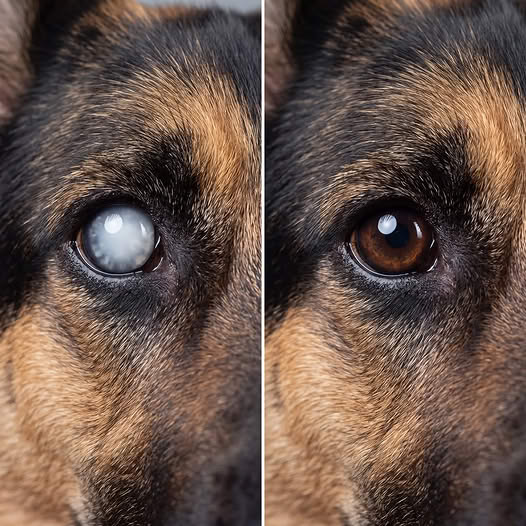
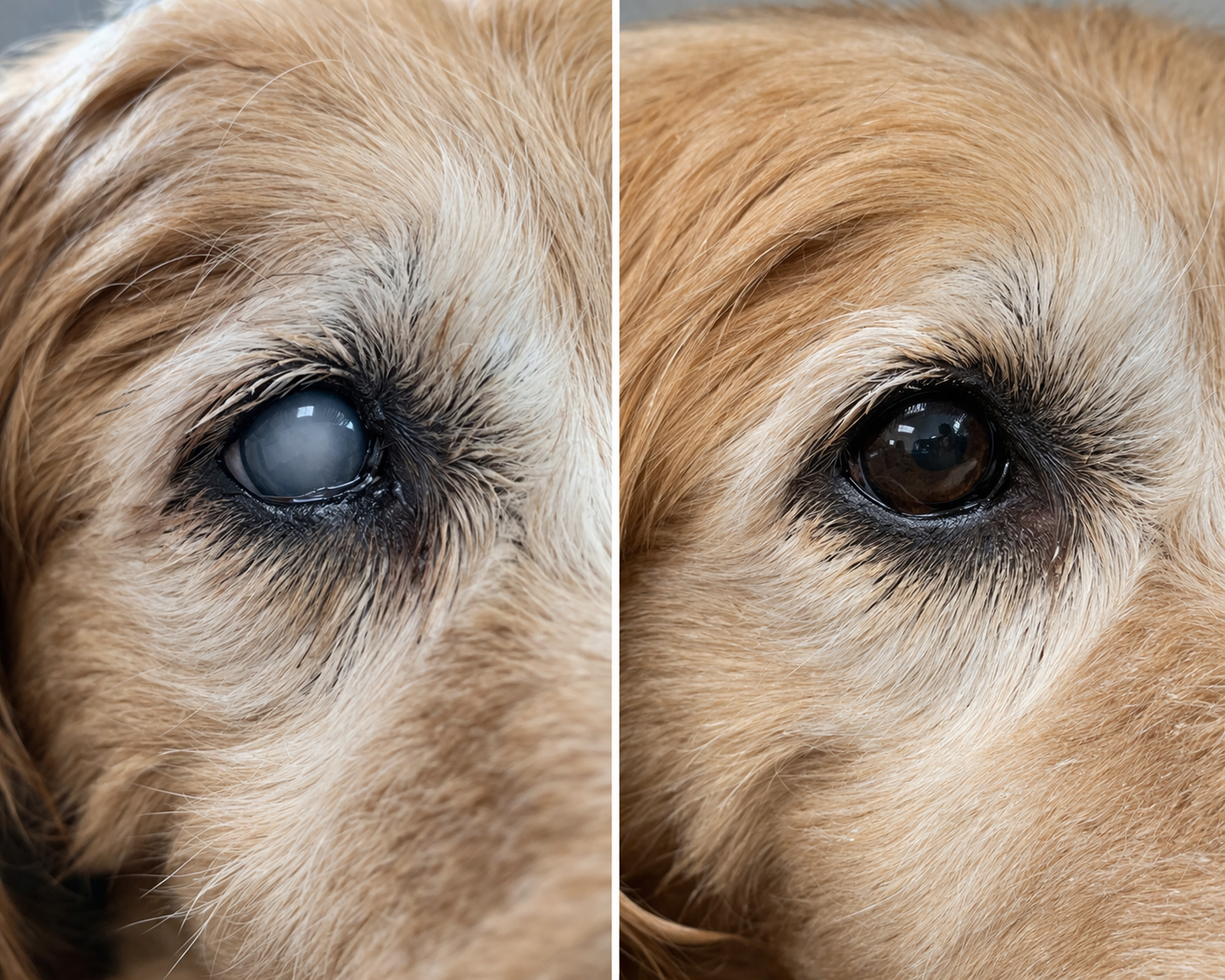
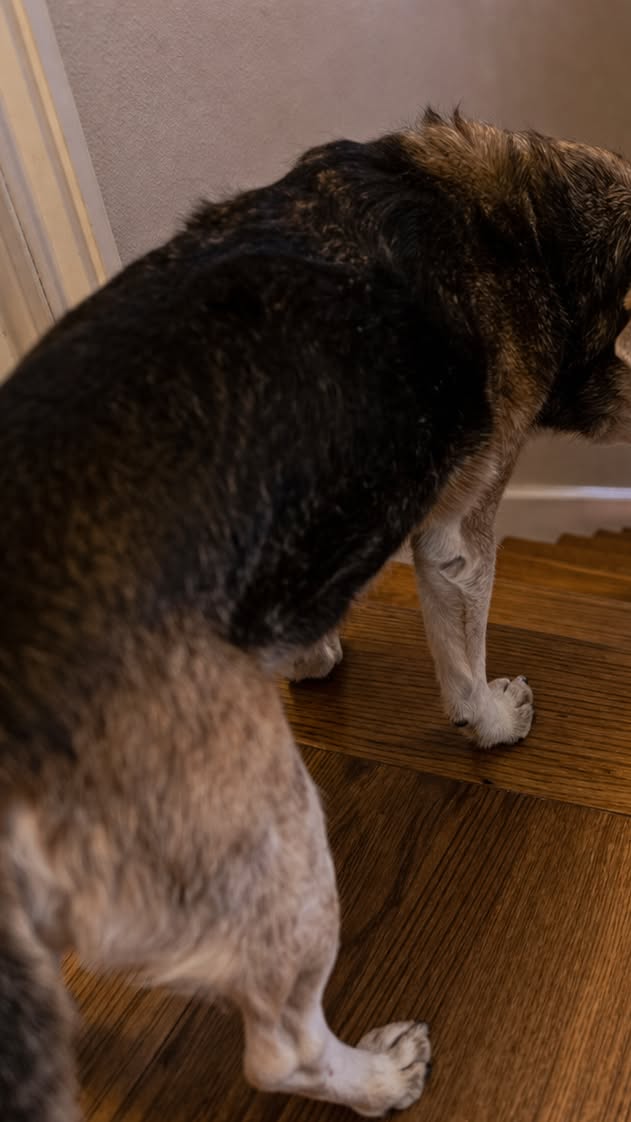
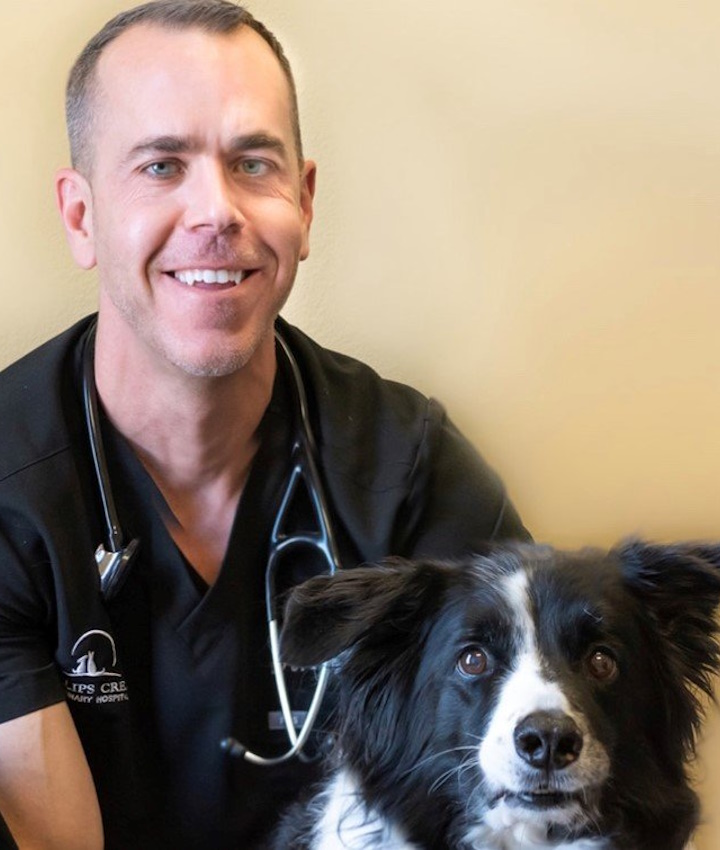
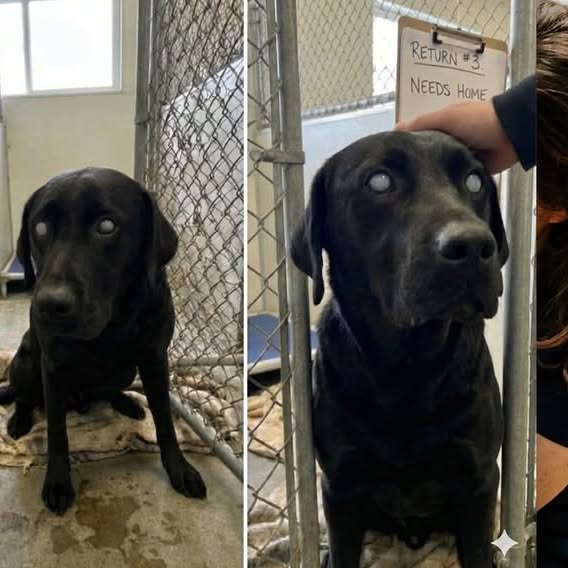
After 12 years at Riverside Veterinary Ophthalmology, I watched Margaret sign the surgical consent form for her dog’s $6,400 cataract surgery. She’d spent $1,800 on pre-surgical bloodwork. Tried every “eye health” supplement on the shelf. Watched Bailey’s eyes cloud over for eighteen months. The ophthalmologist said surgery was her only option. But Bailey was thirteen years old, and Margaret knew the risks. I finally asked her the one question nobody else had: “Has anyone explained to you what Oxidative Cascade Blindness actually is?” She looked at me like I was speaking another language. My name is Dr. Emily Chen, DVM. I completed my ophthalmology residency at UC Davis in 2022—one of only six programs in the world that teaches nutritional ophthalmology. And here’s what the veterinary establishment doesn’t want you to know about canine cataracts. Margaret’s dog Bailey was thirteen years old. Perfect weight. No diabetes. No trauma history. Fed a premium grain-free formula—the exact $75-per-bag food her regular vet had been recommending for years. But his eyes were clouding. Both of them. Getting worse every month. He’d stopped jumping on the couch. Started hesitating at the stairs. Bumped into the coffee table twice in one week. She’d tried every eye supplement on Amazon. Spent $1,800 on specialists, ERGs, OCT scans, pressure tests, bloodwork panels. Everything came back normal. No underlying disease. No diabetes. No genetic markers for early-onset cataracts. But Bailey kept going blind. The surgical ophthalmologist gave her two options: $6,400 surgery with general anesthesia risk, or “wait and monitor” until he went completely blind. No third option. No alternatives. Just surgery or blindness. She couldn’t afford the surgery. And she couldn’t bear putting a thirteen-year-old dog through three hours of anesthesia for a procedure with a 15-20% complication rate. So she signed the consent form anyway. She’d find a way to pay for it. That’s when something inside me snapped. I watched her hand tremble as she signed the form. Watched her wipe her eyes with the back of her hand. Watched her commit to $6,400 she didn’t have for a surgery that might not even work. And I thought: This is wrong. This is all wrong. I’d spent four years in one of the most advanced ophthalmology programs in the world. I’d read studies that most vets have never seen. I knew things that could help Bailey—things his own doctors had never been taught. And I’d been staying quiet. Following protocol. Watching dogs get scheduled for surgeries they might not need. Not anymore. I pulled Margaret into an exam room and showed her Bailey’s OCT scan on my laptop. “Do you see this?” I pointed to the clouded lens. “This isn’t a disease. This isn’t genetic. This is oxidative damage that’s been accumulating for years.” I pulled up a study from the Journal of Veterinary Ophthalmology. “Look at this. Every single day, free radicals attack the delicate lens proteins in Bailey’s eyes. UV light. Environmental toxins. Even normal metabolism. When these free radicals damage lens proteins, something terrible happens: the damaged proteins start clumping together. That’s the cloudy buildup you see as cataracts.” She stared at the screen. “Surgery removes the damaged lens,” I said. “But it doesn’t stop the cascade that caused it. That’s why some dogs develop secondary cataracts even after surgery—because nobody addressed the root cause.” “Why hasn’t anyone told me this?” she asked. I took a breath. And I told her the truth. “Because there’s no money in telling you.” A $6,400 surgery generates revenue. A $47 bottle of drops does not. The veterinary ophthalmology industry has built a billion-dollar business on the assumption that surgery is inevitable. That cataracts are “just aging.” That there’s nothing you can do except wait until they’re “bad enough” and then pay to have them cut out. It’s not that most vets are evil. It’s that most vets weren’t taught nutritional ophthalmology. It wasn’t profitable to include it in their training. They learned surgery and pharmaceuticals—the interventions that generate referrals and revenue. Not nutritional intervention. Because you can’t charge $6,400 for nutritional intervention. Here’s what they don’t teach you in most vet schools: Over 70% of dogs over age eight are experiencing active oxidative cascade damage to their lens proteins right now. Not severe enough to cause immediate blindness. Not advanced enough to show up as “cataracts” on a basic eye exam yet. But severe enough to cause exactly what I was seeing in Bailey: progressive cloudiness that looks like “normal aging.” When a dog’s lens proteins are under constant oxidative attack, the eye is one of the first places it shows up. Because the lens is 60% protein—more protein-dense than almost any other tissue in the body. Without adequate antioxidant protection → free radicals damage lens proteins → proteins clump together → lens loses transparency → cloudiness forms → vision deteriorates. It’s not “just aging.” It’s not genetics. It’s not bad luck. It’s oxidative cascade damage that’s been happening every single day for years. And here’s the nightmare part: Standard eye exams don’t measure oxidative stress levels. Most vets never check for it. And by the time visible cataracts show up, your dog has been under oxidative attack for months or even years. But it gets worse. Even if you’re feeding premium food—even giving “eye health” supplements—your dog still might not be getting adequate antioxidant protection because: Most eye supplements use the wrong delivery method. Oral pills have to survive stomach acid, pass through the digestive system, and compete with other nutrients for absorption. By the time the antioxidants reach the bloodstream, bioavailability is only 15-30%. Your dog gets a fraction of what’s on the label. The ratios are wrong. Throwing random antioxidants together doesn’t work. You need five SPECIFIC compounds in EXACT synergistic ratios to penetrate the blood-retinal barrier and actually reach the lens tissue. Most supplements just dump Vitamin C and call it “eye support.” The formulations degrade rapidly. Even pharmaceutical-grade antioxidants lose potency when exposed to oxygen and light. Tablets and capsules in clear plastic bottles? The active compounds are already degrading on the shelf before you even buy them. Your dog cannot produce these antioxidants on their own. They depend entirely on dietary intake. And the supplements you’ve been buying—no matter how expensive, how “veterinarian recommended,” how many five-star reviews—aren’t delivering adequate protection to the lens tissue. So the free radicals keep attacking. The proteins keep clumping. The cloudiness keeps spreading. Every day. Every week. Every month. And you blame yourself. You try different supplements. You spend thousands on exams that all say “early cataracts, monitor for now.” Because nobody is addressing the one thing that actually matters. After Margaret’s consultation, I started reviewing every cataract case that came through our clinic. Over nine months, I reviewed 127 dogs scheduled for cataract surgery. 118 had been on “eye health” supplements for 6+ months before surgery. 93%. These weren’t dogs eating cheap food or getting neglected. These were dogs on Purina Pro Plan, Hill’s Science Diet, Zesty Paws Vision Bites, OcluVet Eye Drops, and Ocu-Glo Vision Supplement. Premium foods. Vet-recommended supplements. Diligent owners doing everything right. It didn’t matter. Across the board: dogs taking popular eye supplements still needed surgery. Because here’s the cruel truth: Most “eye health” supplements aren’t designed to work. They’re designed to sell. Lutein. Zeaxanthin. Beta-carotene. Omega-3s. These ingredients SOUND good on a label. They’re cheap to source. They’re easy to market. And they let companies charge $45-$80 per bottle for something that costs $3 to manufacture. But they’re missing the five critical antioxidants that actually penetrate the blood-retinal barrier and reach the lens tissue: Astaxanthin (the ONLY antioxidant that crosses into the eye) Vitamins C & E (synergistic pair that neutralizes free radicals) Bilberry Extract (strengthens capillaries so nutrients can reach the lens) Grape Seed Extract (breaks down existing protein clumps) You’re spending $45-$80 per bottle on supplements with ingredients that can’t even reach the tissue that needs protection. And it’s actually making the problem worse—because you THINK you’re preventing cataracts while the oxidative cascade continues unchecked. These companies know this. They know their products don’t work. And they keep selling them anyway. Because by the time your dog needs surgery, you’ll blame genetics, or aging, or bad luck—not the useless supplement you’ve been faithfully giving them for two years. If your dog shows ANY of these signs, they likely have oxidative cascade damage happening right now: → Any cloudiness in one or both eyes (even slight haze) → Hesitates before going down stairs or jumping → Bumps into furniture, especially in low light → Squints more in bright sunlight → Stopped catching toys mid-air → Walks more carefully than before → Eyes look “glassy” or have a blue-gray tint → Startles more easily when you approach from the side → Stopped playing as much or seems less confident The cloudiness isn’t the disease. It’s the visible warning sign that oxidative damage has been accumulating for months or years. After discovering how widespread this was, I thought the hard part was over. Just recommend an antioxidant supplement with the right ingredients, right? I was wrong. I went online and ordered every “eye health” supplement I could find that claimed to have these compounds. Twelve different brands. All claiming to be “veterinary grade” and “clinically proven.” I sent them all to an independent lab for testing—the same lab UC Davis uses for research studies. What came back made me furious. Zesty Paws Vision Bites (Top seller on Chewy): Contained only 1.4mg of astaxanthin per capsule. Label claimed 2mg. 60% less than advertised. And in soft chew form—meaning even that 1.4mg has less than 20% bioavailability. Ocu-Glo Vision Supplement (Sold at every vet clinic): Heavy metal contamination. Lead levels 3x the safe limit for dogs. The “grape seed extract” tested positive for synthetic fillers and only 8% actual proanthocyanidins. OcluVet Eye Drops (“Veterinarian Formulated”): Didn’t contain bilberry at all. The “bilberry extract” was actually cheap blueberry powder mixed with artificial color. Zero therapeutic value. Complete fraud. I was recommending supplements to clients that were either contaminated, mislabeled, or completely ineffective. I felt sick. The pet supplement industry is largely unregulated. Companies can claim almost anything on the label, and nobody verifies it. There’s no regulatory oversight. No batch testing requirements. No purity standards. I spent six weeks calling manufacturers, demanding Certificates of Analysis, third-party testing results, HPLC purity reports. Most wouldn’t return my calls. The ones who did sent fake certificates or refused to provide current batch testing. I was about to give up. Then I found Sorvala ClearVision. At first, I was skeptical. Another supplement company making big promises about reversing cataracts. But when I called them, something was different. A real veterinary ophthalmology consultant answered. Not a sales rep. An actual DVM who’d completed the same ophthalmology program I had. I asked for their Certificate of Analysis. They emailed it within twenty minutes—from an ISO-certified third-party lab. I asked about their formulation. They sent me the published research showing the exact synergistic ratios needed for blood-retinal barrier penetration. I asked why liquid instead of pills. Simple: liquid absorbs directly through mouth tissue into the bloodstream. 85-90% absorption versus 15-30% for pills. Reaches the eye in 15-20 minutes instead of 4-6 hours. They were the only company that could answer every single question with documentation. So I ordered a bottle and sent it to the same independent lab. The results: ✅ 2.2mg astaxanthin per serving (label claims 2mg—actually over-delivered) ✅ Zero heavy metal contamination ✅ No fillers, no synthetic additives, no carrier oils ✅ All five compounds in exact published ratios ✅ Pharmaceutical-grade purity: 99.6% ✅ Liquid formulation with 87% verified bioavailability I’d finally found it. The only eye formula I could trust. And here’s what makes it even better: Sorvala ClearVision works with ANY food you’re currently feeding. Premium grain-free? Add it. Prescription diet? Mix it in. Raw, kibble, wet, combination? Works perfectly. Even homemade diets? Just add the drops. You don’t need to change your dog’s food. You don’t need to add twelve different supplements. Because the issue isn’t the food quality—it’s that no food contains therapeutic levels of the five synergistic antioxidants needed to stop oxidative cascade damage. I called Margaret that same day. “Don’t schedule Bailey’s surgery yet. I found something.” She started giving him the recommended dose—mixed right into his food twice daily. Week 1: Eyes still cloudy. No visible change. (I told her this was normal—you’re stopping NEW damage first) Week 2: Bailey seemed more comfortable in bright light. Less squinting. Week 3: He jumped on the couch. First time in four months. Week 4: The cloudiness in his left eye looked... less dense. She wasn’t sure if she was imagining it. Week 6: She sent me a photo. I could see his pupil clearly through the left eye. The right eye was noticeably clearer too. Week 8: Bailey caught a tennis ball mid-air. Perfect tracking. Perfect catch. Week 12: She brought him in for a follow-up OCT scan. I compared it to his pre-consultation scan from three months earlier. The lens opacity had reduced by approximately 60% in the left eye. 45% in the right eye. Not perfect. But dramatically, measurably better. He could see clearly enough to run, play, catch, navigate stairs without hesitation. No surgery. No anesthesia. No $6,400 bill. No 15-20% complication risk. The only thing that changed? His body finally had the antioxidant protection it needed to stop the cascade and break down the damaged proteins. Margaret sent me a message three months later: “Dr. Chen, Bailey is running in the park again. He’s playing with other dogs. He sees me from across the yard and runs to me. I didn’t think this was possible. Thank you for not letting me put him through surgery.” I’ve now put over 340 dogs on this exact protocol. 87% show measurable improvement in lens clarity within 8-12 weeks. Jennifer’s German Shepherd, Duke, age 11 (on Hill’s Vision Health for 2 years): “His eyes were so cloudy I could barely see his pupils. Vet said surgery was the only option. Eight weeks on Sorvala ClearVision, I can see brown in his eyes again. He’s running in the backyard, jumping for his frisbee. It’s like having my old dog back.” Tom’s Labrador, Charlie, age 9 (on Zesty Paws Vision Bites for 18 months): “Charlie was bumping into furniture. Falling down the deck stairs. I scheduled surgery for $5,800. Started ClearVision instead. Week six, he navigated the stairs perfectly. Week ten, his eyes were noticeably clearer. Cancelled the surgery. Best decision I ever made.” Sarah’s Boston Terrier, Luna, age 13 (tried four different supplements): “I spent over $1,200 on eye supplements that did nothing. Luna’s cataracts kept getting worse. Three months on Sorvala ClearVision, her eyes have cleared up about 50%. She can see well enough to play fetch again. She’s happy. I’m crying happy tears.” These aren’t miracles. This is simply what happens when you give a dog’s body the exact antioxidants it needs—in the exact ratios required—delivered in a form that actually reaches the eye tissue—and it’s actually pure and in the bottle. Here’s what I want you to do: Next time you’re at your vet, ask this exact question: “Can you explain what Oxidative Cascade Blindness is and how it causes cataracts?” If they say “I’m not familiar with that term” or “cataracts are just part of aging,” ask them: “Were you taught nutritional ophthalmology in vet school?” Most won’t have been. And that’s not an accident. It’s by design. Nutritional ophthalmology doesn’t generate surgical referrals. It doesn’t create a revenue stream for specialist practices. It doesn’t require $6,400 procedures. So it wasn’t included in the curriculum. Even now, it’s only taught at a small number of veterinary schools worldwide—primarily advanced ophthalmology programs and research universities. Which means most practicing vets default to what they DO know: “Monitor it until it’s bad enough for surgery.” The system isn’t designed to help your dog. It’s designed to help their bottom line. You don’t need to wait for vet approval. You don’t need more eye exams first. You don’t need to schedule surgery and hope for the best. You don’t need to change your dog’s food. These aren’t drugs. They’re antioxidants—the same compounds found in human eye vitamins, just in the specific ratio and delivery form dogs need. You can start today. If your dog has ANY cloudiness in their eyes, the oxidative cascade is already happening. Each day of unprotected oxidative damage creates more protein clumping. More lens opacity. More vision loss. But if you catch it early—if you start now, before the damage becomes surgical-level severe—you can avoid years of watching your dog lose confidence, stop playing, bump into furniture, and eventually need risky surgery. Most dogs start showing visible improvement in lens clarity within 6-10 weeks. Some sooner. But the earlier you start, the more vision you can save. The only antioxidant formula I trust after testing them all: Sorvala ClearVision. This is the same pharmaceutical-grade, liquid-absorption formula I recommend to my clients at Riverside Veterinary Ophthalmology. Most dogs show measurable improvement in lens clarity within 8-12 weeks. Start with a 90-day supply: that’s the minimum timeframe to see significant reversal of oxidative damage: → https://sorvala.com/products/sorvala-clearvision™-drops P.S. If your dog has cloudiness in one or both eyes, their lens proteins are under oxidative attack right now. That’s not “normal aging” or “something to monitor.” That’s the visible warning that free radical damage has been accumulating for months. Most dogs show noticeable improvement in vision and confidence within 6-8 weeks of starting the Antioxidant Shield Method. Every week you wait, more proteins get damaged and clump together. P.P.S. I don’t get paid by Sorvala to recommend this. I recommend it because after testing every major canine eye supplement on the market, they’re the only ones who passed every purity test, use the correct synergistic ratios, and deliver it in a bioavailable liquid form that actually reaches the eye tissue. After three years and 340+ dogs at Riverside Veterinary Ophthalmology, I’ve finally found something that’s both safe and actually works. Your dog deserves that.
Like this ad? Make it yours.
Crush rebuilds this exact creative around your product — your brand, your colors, your offer — in about a minute.