Artery Plaque Reset
 Facebook ad: “The #1 Cayenne for Artery Health”
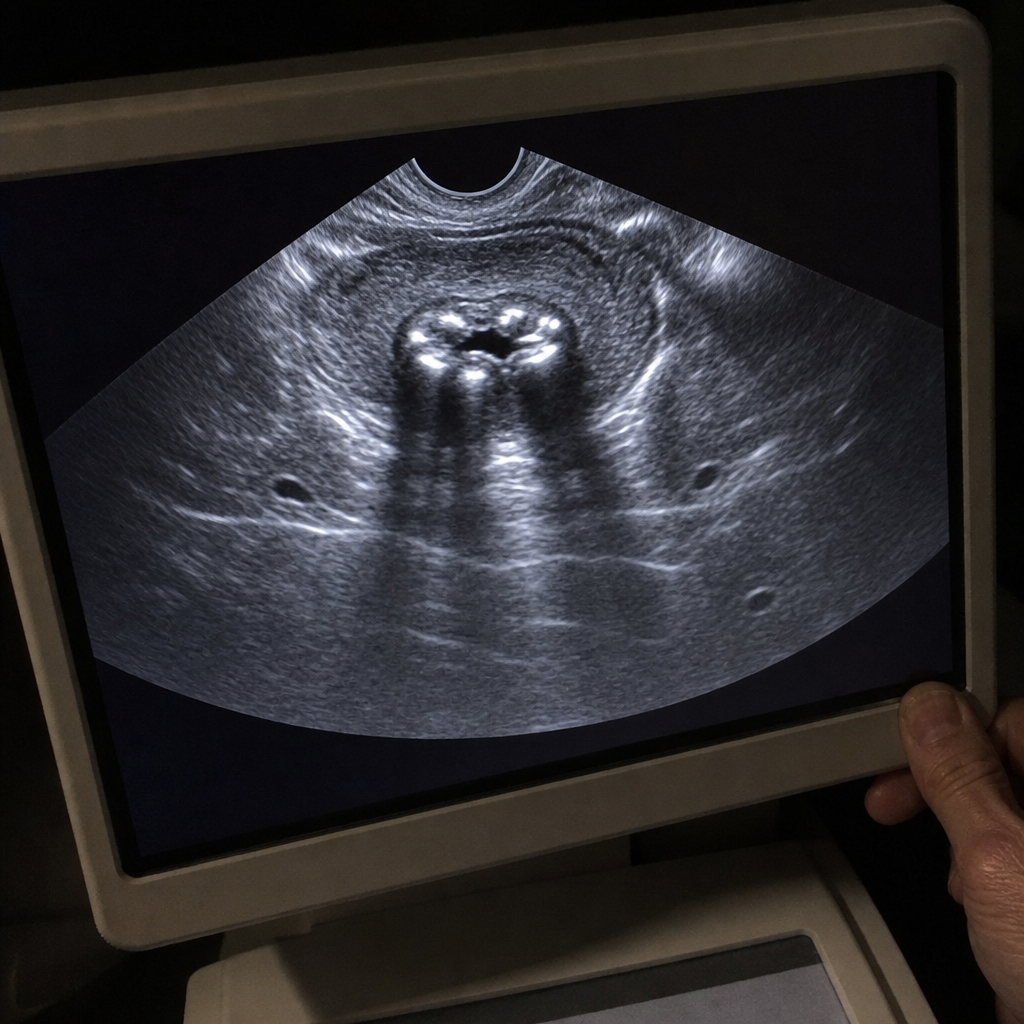
Ran for 1 day, from October 6 to October 7, 2026, the last day Crush saw it.
Run by Artery Plaque Reset on Facebook. Crush is not the advertiser and does not verify its claims. See this ad in Meta's Ad Library(opens in a new tab)
Make your own version of this ad
Crush makes it, launches it in your own Meta ad account, scales the winners and pauses the losers.
About this ad
- Meta Ad Library ID
- 1623735026065140
- Platforms
- Facebook, Instagram, Audience Network, WhatsApp and Threads
- Relaunches
- 0
Ad text
I retired as a cardiovascular pathologist six weeks ago. 29 years. Over 4,000 arterial tissue samples. And I'm about to say something publicly that would have gotten me fired any time in the last three decades. I almost didn't say it. My wife told me to leave it alone. My former colleagues will call me a disgrace. The hospital system I spent my career inside could still challenge my pension. But I'm 63 years old. I've been carrying this for 29 years. And I watched too many men walk into operating rooms that fixed one spot and left the rest while I kept my mouth shut. So here it is. Almost every arterial tissue sample I examined in 29 years showed the same thing. And I was never once allowed to put it in my final pathology report. Not the blockage. Every cardiologist expects that. That's what they're stenting for. The artery itself. What it looked like under the scope. The wall hardened like rock that had been setting for years. The small vessels branching off the main road narrowed to threads, some of them nearly closed. Tissue downstream that should have been pink and fed, grey and stiff and starving. Not one spot. A whole network. And every single one of those men had a chart that said "CAD, managed." Every one had been through the supplement aisle. Every one had been on a prescription. Every one had been told this was just what happens to men. Every pathology report I signed said the same thing. Coronary artery disease, consistent with age-related changes. Never what I actually found. Never the truth. I want to tell you about the one time I tried to tell the truth. And what happened when I did. It was 2008. Thirteen years into the job. I was experienced enough to know exactly what I was looking at under the microscope and still naive enough to think documentation mattered. His name was Earl. Earl was 54. Retired group manager. Fire service. Married 27 years. Two grown sons and a granddaughter who called him Pop. Built like a man who'd spent thirty years carrying people out of burning buildings. Hands like leather. The kind of man who walked into a room and everyone stood a little straighter. His cardiologist had sent the tissue to my lab after a bypass. Standard procedure. "Routine." The surgical notes said Earl had been symptomatic for four years. Stopping at the top of every staircase, five, six times a day. Chest so tight he'd stand on the landing for ninety seconds waiting. Breathlessness so bad he'd stopped coaching his grandson's football team because he couldn't climb the stand for three matches. He'd taken fish oil and garlic for eighteen months. Nothing. His GP put him on a prescription to open the vessels. Dizziness so severe he fell getting out of bed and split his eyebrow on the bedside table. They added a statin to go after the cholesterol. Aching legs. Exhaustion that never lifted. His wife called the office crying because Earl wouldn't talk about it and wouldn't move off the couch and she didn't know what was happening to her marriage. After two and a half years of this, the cardiologist said the word. Bypass. The tissue came to my lab in a specimen container on a Tuesday afternoon. I prepared the slides. Put the first one under the scope. Adjusted the magnification. And I saw what I always saw. The artery wall wasn't just narrowed at the spot they'd bypassed. It was cemented. Calcified. Under high magnification, the deposits looked like concrete poured into a living pipe. Not soft. Not recent. Set like stone. The network of small vessels branching past the blockage was the part that stopped me. The side roads that should have been carrying blood around the main artery were narrowed to capillary width. Some of them had walls so cemented they'd nearly closed. The tissue they fed was hypoxic. Oxygen-starved. Turning grey. This wasn't an artery that had simply narrowed in one place. This was a network cementing itself shut from the inside. The main vessel had been opened because something upstream had failed. The side network was collapsing because something upstream had stopped working. And the cement kept spreading because starved, inflamed tissue is tissue that hardens. I had seen this pattern in over 800 samples by then. Not occasionally. Not sometimes. In virtually every single one. I decided, for the first and only time in my career, to document it fully. I wrote a supplementary pathology note. Not long. Two pages. I described the hardened wall patterns. The side-network narrowing. The downstream hypoxia. I cited four published studies linking reduced nitric oxide signaling in the vessel wall to loss of on-demand dilation. I noted that the tissue findings were consistent with widespread arterial cementing across the network, not merely a single blockage the procedure had opened. I suggested that the department consider screening for network-wide blood flow deficiency before scheduling more procedures. I attached the note to Earl's pathology report and submitted it on a Wednesday. By Friday, the chief of pathology called me in. He didn't raise his voice. That would have been easier. He was calm. Professional. Almost gentle about it. "This supplementary note is going to create problems." "It's what I found." "I don't doubt what you found. I doubt the wisdom of documenting it this way." He laid it out for me. Earl had been a patient in the system for four years. He'd seen his GP, a cardiologist, and a surgical team. Every one of them had documented coronary artery disease and recommended a standard treatment cascade. Supplements, prescriptions, stents, then bypass. If my note stood, it implied the surgical team had opened one spot of a network-wide problem with a mechanical solution. Earl's wife could sue. The cardiology department would face a review. Every stent and bypass performed in the last three years would come under scrutiny. The department performed eleven to fourteen of these a month. Each one generated between £18,000 and £40,000 in facility revenue. He didn't say those numbers casually. He let them sit in the room. "You're telling me to remove the note." "I'm telling you to reconsider its placement. The standard pathology finding is coronary artery disease. Your microscopic observations are... contributing context. Not all contributing context needs to appear in the clinical file." "The cardiologist should know what's driving the tissue changes. The next patient should benefit from this." He looked at me for a long time. "The cardiologist knows the artery was blocked. Which it was. Your role is to confirm the diagnosis, not to perform retroactive network assessments that create liability for the surgical team." I sat there. "And if I see this pattern again?" "You document coronary artery disease. Like every pathologist in this hospital. Like every pathologist in every hospital in this country." He stood up. Meeting over. "You're a good pathologist. Don't make this a pattern." That was the sentence. The one I heard under the professional language. Do this again and you're done. I went back to my lab. Removed the supplementary note from Earl's file. Changed the report to read coronary artery disease, consistent with age-related changes. Deleted every reference to the hardened wall. Every mention of the network cementing. Every photograph of the starving tissue. Earl's cardiologist got the same report every cardiologist gets. CAD. Blocked. Expected findings. I saw Earl once after that. In the parking lot of a hardware store. He was moving slow in the July heat. He walked to his truck with the careful, measured pace of a man who knew exactly how many steps he had before the tightness came. He didn't see me. I went home and sat in my car in the driveway for twenty minutes. And then I kept signing pathology reports for 16 more years. That's the thing people don't understand about a system like this. They imagine some dramatic cover-up. Men in suits. Shredded documents. It's not like that. It's one conversation in an office. One sentence. "Don't make this a pattern." And you understand. You adjust. You write coronary artery disease. You go home. Nobody orders you to lie. They just make it clear what happens if you tell the truth. And so you stop telling it. After Earl, I never documented the network findings again. Not once in 16 years. But I never stopped finding them. Every week. Sample after sample. The same hardened wall. The same strangled side network. The same starving tissue. In men whose charts were full of managed numbers. Supplemented. Prescribed. Reassured. Men in their 50s. 60s. Some in their late 40s. Every one of them with years of dismissed symptoms in the record. Every one of them told this was "just ageing." Every one of them told the supplements would help, then the prescriptions would help, then the stent would fix it. Every one of them with tissue that told a completely different story than the one the surgical team was telling the family in the waiting room. I'd prepare the slides, see it, take my own notes, photograph everything for myself, not the file, and write coronary artery disease, age-related. Then I'd go home. I kept a private log. Off the record. Just dates, ages, and what I actually found under the microscope. The hardened walls. The side-network narrowing. The tissue hypoxia. The pattern that repeated and repeated and repeated. By the time I retired six weeks ago, that log had over 2,100 entries. 2,100 men whose families were told "routine procedure, the artery was blocked, everything went well" when I knew exactly what had driven the blockage, and why the supplements had failed, and why the prescriptions hadn't held, and why roughly 10 to 15% of them would be back in the cath lab within five years because nobody had addressed the thing I was seeing under the scope. That's what I carried for 29 years. Here's the part where it stopped being something I carried and became something I could not ignore. My own body. I'm 63. Six foot one. 14 stone 2lbs. I've walked the towpath four mornings a week since my 30s. Never smoked. I have one bourbon on Christmas Eve and one on my anniversary and that's it. I'd never had a serious health problem in my life. About two years ago, I started stopping on the stairs. One flight at first. I barely registered it. Then two. By 61, I was stopping halfway up. By the time I turned 62, I stopped on the porch steps. Sometimes before them. I stood on the landing and waited. Thirty seconds. Forty-five. A tight, pressing band across my chest that eased and gripped and eased again. The feeling afterward that it wasn't done, that it would come back the moment I moved. Then the tightness under any load. Carrying the shopping up from the car and suddenly the band pulling so hard my jaw clenched. Setting the bags down on a step. Leaning on the rail. Standing there waiting for it to loosen before I could climb the rest. Then the mapping. Every bench and rail within range. The grocery store, the library, the hill on the A42, the long ramp at my daughter's house. I carried a mental blueprint everywhere I went. I stopped fishing. The River Severn, every Saturday from April to October since 2002. I stopped because carrying the gear down the bank and back was more load than my chest would take. I stopped going to the football with my son. The long climb up the stadium ramps. I couldn't do it. I stopped parking anywhere but the closest spot. I stopped lifting anything heavy. I'd carried my own feed and firewood since I was a boy. I gave it up because the weight brought the band on hard. My wife, Joan, noticed before I admitted any of it. She heard me stop on the stairs. She saw me set the bags down. She watched me pick the table nearest the door so I wouldn't have to walk far. "You should see the cardiologist," she said. I didn't need to see the cardiologist. I'd been processing that cardiologist's tissue samples for 29 years. I knew exactly what the cardiologist would say. I could have written the chart notes myself. Severe blockage. Three vessels. The arteries stiff as pipe. One stent, to open the worst of it. Start with that. If it doesn't hold, add more pills. If both fail, we talk about the bypass. I knew the procedure from the inside. I'd held the tissue in my hands. I knew Earl's face in the parking lot. I knew the slow pace in July. I knew the 2,100 entries in my private log. I knew what happened next. I was not going to end up on my own slides. I tried what every man tries first. Fish oil. I bought a bottle at Boots and stood in the aisle looking at six different brands with the word HEART in big red letters and a picture of a smiling 55-year-old man on the label. The same brands I'd seen listed in the pre-surgical charts of men whose tissue ended up in my lab anyway. Four months. Nothing. Not a suggestion of change. Citrus bergamot. Two months. Nothing. A "heart complex" with nattokinase, CoQ10, garlic, L-arginine. £46 a bottle. Three months. Nothing. I stood in the kitchen at 3 AM after the eleventh month of supplements and looked at myself in the dark window and I thought about my log. 2,100 men. Every one of them had the same hardened wall. The same side-network starvation. The same tissue suffocation. And every one of them had a medicine cabinet full of supplements that targeted one thing. The number. Specifically cholesterol. Fish oil. Bergamot. Nattokinase. Every single one aimed at the same target. The theory was that the number drives the disease, so lowering it should help. The studies on these had been clear for years. Men who drove the number down for thirteen months straight. And the disease kept moving anyway, exactly the way my log said it would. Even on the strongest dose. I had watched that play out under my microscope for 29 years. The tissue told the same story every time. And not once did the number theory explain what I was actually seeing. Because what I was seeing wasn't about the number. It was the cement. That's when I called Hal. Hal Merrick. Retired vascular research pathologist. 36 years at a university medical centre in Manchester. Old school. The kind of man who said exactly what he thought and let the room deal with it. Hal was the only pathologist I'd ever known who talked openly about what we both saw in arterial tissue. Not publicly. But between us, over coffee at conferences. "Another batch today," he'd say. "Seven samples. Every one of them starving. Walls set like concrete that never softened. Wrote CAD, age-related." He'd shake his head. Take a sip. Move on. I called him and told him everything. The symptoms. The supplements. The eleven months of nothing. He was quiet for a long time. Then: "You've been looking at this wrong for 29 years." "What do you mean?" "You keep watching the blockage. Everybody does." "The cardiologist opens it, the patient worries about it, and now you're standing in a pharmacy buying four different things to lower a number." "One supplement, one herb, one formula. Every one of them chasing the same target. The number. And the number was never what's driving what you and I have both been seeing under the scope for three decades." "Then what is?" "The same thing you documented in that note you wrote for Earl's file. The note they made you delete. The cement across the network. The wall that won't relax. The tissue starvation." I didn't say anything. "Listen to me. Your arteries are lined with living muscle. The blood runs right through the centre of them. When that lining relaxes on demand, the vessel opens wide. Flow is easy. No tightness. No ceiling. No standing on the stairs counting seconds." "The vessel opens on demand because of one molecule. Nitric oxide." "Your blood vessel walls produce it. Every blood vessel. It's a signal molecule. It tells the muscle to unclench. It tells blood to flow. It keeps every tissue in your body supplied with oxygen and nutrients and circulation." "After 40, production drops. Not a little. By 50, most men have lost roughly half their capacity. By 60, even more." "When nitric oxide drops, three things happen at the same time." "The muscle in the vessel wall stops opening on demand. That's the ceiling. That's the tightness on the stairs. That's bogging down the second you pick up a load." "The blood flow through the side network declines. The tissue starts starving. That's the hypoxia you and I have both seen a thousand times under the scope. Starved tissue inflames. Inflamed tissue hardens. The artery cements not just because of cholesterol but because it's suffocating." "And the same cement that's strangling the heart is happening in every other vessel bed. The legs. The hands in the cold. Everything." "Research has documented that in men with coronary artery disease, the nitric oxide signaling in the vessel wall is reduced compared to healthy tissue. The lining that is supposed to make it on demand is diminished." "That's the pattern, Dan. That's what you've been photographing in your private log for 29 years. That's what they told you to stop documenting. Not one blockage. A network. The wall is clenching because the molecule that kept it opening has been disappearing for twenty years. And the tissue is hardening because the blood flow that kept it healthy has been collapsing for just as long." I sat there holding the phone. "And not one thing on that supplement shelf touches it?" "Not one. Fish oil chases the number. Bergamot chases the number. Nattokinase chases the clot. CoQ10, garlic, L-arginine, all aimed at the same axis. They're all trying to lower a number while the wall around the vessel keeps clenching because the nitric oxide is still gone. You can lower every number on the chart while the artery stays wrapped in cement and wonder why the stairs still stop you." "So what actually works?" "You need to support the production of the molecule the body stopped making enough of. You need to reopen the road. Get blood flowing back through the whole network. Let the vessel wall remember how to open on demand." "There's a compound in cayenne pepper. Capsaicin. It's the heat. Research has documented that capsaicin flips a specific switch on your blood vessel walls that triggers nitric oxide. The switch is called TRPV1. Capsaicin flips it directly." "Not through the number. Not through the same mechanism the prescriptions interfere with. Through a direct flip of the switch your vessel wall already has. The one that's been going quiet since your early 40s." "Cayenne." "I know. I said the same thing. Cayenne. Like hot sauce." "But it's not hot sauce. Not the way anyone understands that word. The capsaicin in a properly delivered cayenne softgel triggers nitric oxide right at the vessel wall. Multiple studies have documented support for healthy blood flow, healthy vessel flexibility, healthy circulation. In every tissue bed where nitric oxide matters." "Including the heart." "Especially the heart. The coronary network is one of the most nitric oxide-dependent vascular territories in the male body. When NO drops there, everything tightens. When it's supported, the wall can open. The tissue can breathe. The blood can flow." "Hal. How long have you been doing this?" "Four years. I'm 68. I was gassed on one flight of stairs. Now I carry the groceries straight up. My wind is what it was at 45. I haven't dreaded a staircase in three years." "And you never told me." "A retired tissue pathologist telling men to take cayenne softgels every morning for their heart. Who's going to listen to the man who spent his career staining slides?" He was right. If he'd told me five years ago I'd have laughed. But I wasn't laughing now. I was 62 years old, stopping on every staircase, standing on the landing counting, with a private log of 2,100 men whose tissue told the exact story Hal was describing. And everything else I'd tried had failed. I went to Boots that night and bought a bottle of "cayenne capsules." The kind on the bottom shelf. Dry powder. Said 100% cayenne right on the front. I took three of them every morning for three weeks. Nothing. Not a flicker of change. Not even a suggestion. I called Hal. He laughed before I finished the sentence. "Yeah. Everyone starts with the dry capsules. I went through three different brands before I figured it out." "What's wrong with it?" "Everything. The cayenne in a dry capsule is just ground powder. Pressed. Packed into gelatin that sits in your stomach. The capsaicin, the whole reason cayenne matters for this, never makes it to a single artery wall. Most of it. Gone." "So the dry powder..." "Sits in your stomach because that's all a dry pill can do. Properly delivered cayenne comes as a liquid softgel, straight into the bloodstream. When the capsaicin is locked in dry powder, it burns your gut and never reaches the wall. You're digesting a spice. Not delivering a compound." "And the high-strength capsules?" "Same problem. Forty thousand, eighty thousand, a hundred thousand heat units on the label. Those numbers measure how hot it is. They tell you nothing, absolutely nothing, about whether it reaches the bloodstream. A man could take a hundred-thousand-unit capsule every day for a year and never get a meaningful amount of capsaicin to the wall." "And here's the part that should make every man on the supplement shelf furious. Almost no dry cayenne product tells you it never leaves your stomach. Because then they'd have nothing left to sell you." I threw the dry capsules in the trash. "So what do you use?" "There's one company I found that makes it the way it has to be made. Liquid softgel. Never dry powder. Never pressed into gelatin that sits in your gut. Made from fresh cayenne, thirty thousand peppers to a batch. Not the dried factory dust most capsules are packed with. Cold-processed beetroot blended in to hold the vessel open once it opens. No sugar. No dairy. No fillers." "You take three softgels in the morning. That's it. They go down clean, no burn, and a little while later you feel a quiet warmth spread out from the centre. But it's not hot sauce. It's the whole compound, intact and in your blood." He gave me the name. GetJacked. https://get-jacked.co/products/cayenne-pepper-softgels I ordered it that night. When it arrived, I understood the difference the moment I opened the bag. A red zip-seal bag, nothing like a pharmacy bottle. Inside, rows of amber softgels filled with a deep red oil that looked like it had come straight from the pepper. Not the dull dust of the capsules I'd thrown out. Rich. Almost alive. I took three the first morning. The dry capsules had burned going down. Dusty. Like swallowing gravel. This one felt like something with a pulse. I told myself it didn't matter how it felt going down. What mattered was what happened on the stairs. Day three. The stop on the first flight didn't happen. I carried a load of firewood up to the porch, and the feeling was different. Not the band. Not the clench across my chest that made me set everything down and lean on the rail. A normal effort. A calm breath. The kind of climb I remembered from years ago. I told myself it was coincidence. Week one. The climb changed. Not dramatically. But the ceiling lifted. The pause at the top of the stairs went from sixty seconds to twenty. Then fifteen. It didn't grip and stop. It eased. And it held. Joan noticed. She didn't say anything for four days. Then, sitting at breakfast, without looking up from the paper: "You're not stopping on the stairs." "Both flights this morning." "That's more than you've done in a year." She turned the page. Kept reading. But I saw her jaw relax. Week two. I walked the towpath. All four miles without stopping once. I stood at the end of the trail catching an easy breath and I couldn't remember the last time that had happened. The next day, one stop. Day after that, none again. The pattern was breaking. The pattern that had been tightening for two years, the one I'd been mapping benches and rails around, the one I'd surrendered my mornings and evenings and Saturday fishing and the college games to. It was breaking. Week three. The tightness transformed. I could feel myself working under a load and it was quiet. Not the five-alarm band that made my jaw clench and my hands grip the rail. A warmth. A normal, manageable effort. I walked up to my daughter's house in Woking. Three flights of outside steps. No stops. No rail. No calculation. I played on the floor with my granddaughter for an hour. Then I picked her up. Both arms. The thing I'd given up nine months ago because the weight brought the band on hard. My daughter watched me lift her girl over my head and her face did something. Not surprise exactly. Something softer. "Dad. You picked her up." "Yeah." "You stopped picking her up." "I started again." She looked at me the way Joan looks at me when something changes and she's afraid to name it in case naming it makes it stop. Week four. The low pressure across my chest, the constant low-grade feeling that something was clenched even at rest, the background hum that had become so constant I'd stopped noticing it, went quiet. I noticed its absence the way you notice silence after a motor you forgot was running finally shuts off. I climbed the stairs that morning and the top came in three seconds. Full. Steady. Easy. No gripping. No waiting. No bracing. I stood there and I thought about Earl. I thought about his tissue under my microscope. The hardened wall. The strangled side vessels. The starving tissue. I thought about the supplementary note I'd written and then deleted because one conversation in one office taught me what happens when you document what you actually find. I thought about 2,100 entries in a log nobody was supposed to see. And I stood at the top of my own stairs at 6 AM with a breath that hadn't come this easy in over two years and I understood that what I was feeling, what I was experiencing, was the vessel wall doing what it does when the molecule it needs to open is finally present again. I was not lowering a number. I was not thinning a clot. I was not forcing the whole system open the way a vasodilator does, with the headaches and the dizziness and the drop. I was supporting the production of the one molecule that opens the vessel on its own, on demand. The molecule I'd been watching disappear in tissue samples for 29 years. Week six. I went fishing. The River Severn. First time in fourteen months. I took my three softgels before I left, the way I do every morning now. Carried the gear down the bank myself. Climbed back up around hour four for another load of wood for the fire. And it was easy. Normal. The way moving is supposed to work for a man who is alive and healthy and standing on a riverbank with a line in the water and nowhere else to be. I sat on that bank and I cried. Because I have prepared over 4,000 arterial tissue samples. I have seen the hardened walls under high magnification more times than I can count. I have photographed the strangled side network and the suffocating tissue and the evidence of a slow catastrophe that nobody was screening for, nobody was addressing, nobody was even naming. And I was six weeks away from walking into theatre and becoming one of them. Joan started taking it the following week. Not for her heart, obviously. For her own reasons. She'd been feeling the afternoon fatigue, the heaviness after meals, the cold hands she blamed on retirement. Within two weeks she said the fatigue had lifted. She said she felt awake for the first time in a year. She said, "What is this stuff?" "Cayenne. The real kind." "It feels like something from another century." "It is." Now let me tell you about the men I know. My brother Gary. 64. Gassed on half a flight of stairs in Derby. His cardiologist had him on two prescriptions. The dizziness from one of them was so bad he'd stopped driving at night. His wife told Joan he'd fallen in the hallway last month. I sent him a bag of GetJacked with a note that said: "Three softgels every morning. Don't argue with me. Call me in five weeks." He called me in three. Up a full flight without stopping. Sometimes two. Wind stronger than it had been in years. The dizziness, the one his prescription was causing by forcing every vessel in his body open at once instead of supporting nitric oxide where it was needed, had started to ease as his specialist began reducing the dose. He said, "Danny, I carried the water softener bag down to the utility room last Thursday. The whole way. Diane came looking and I was already down there stacking it. She thought something was wrong." He laughed. Then he stopped laughing. "Why didn't my cardiologist tell me about this?" I didn't answer. Because I'd been part of the system that never told any of them. For 29 years. My neighbour Phil. 57. Just got the blockage diagnosis. His GP told him to "start with fish oil" and wrote it on a pad like it was a real intervention. I thought about the thirteen months. The men who did everything right. The scans that came back worse anyway. I gave Phil a bag. He started three weeks ago. Called me yesterday. Already climbing the stairs at work without stopping on the landing. Said the constant low-grade pressure in his chest, the one he'd been carrying for a year, had gone quiet. "It's like my body stopped yelling at me," he said. My fishing buddy Russ. 60. Had the stent put in two years ago. The tightness came back after fourteen months. His cardiologist said arteries can cement back up. Talked about a repeat procedure. Russ started GetJacked six weeks ago. He's climbing the bank with his gear most Saturdays now. He told me last Saturday on the riverbank that for the first time since the stent, he feels like his body is working with him instead of against him. He said, "I wish somebody had told me about this before the stent." I wish somebody had too. I am not writing this because I am against standard treatments. Prescriptions manage the numbers. The stent opens one spot. If your specialist has recommended something, that conversation belongs to you and your specialist. But the standard protocol does not address the upstream cause. The supplement aisle chases a number that was never driving the cement. The prescriptions force the whole system open at once, with the dizziness and the falls and the exhaustion. The stent opens one spot without asking why the rest of the network was cementing in the first place. None of them support the production of the one molecule the body needs to keep the vessel opening on its own, on demand. I saw the evidence of that depletion under my microscope for 29 years. I documented it 2,100 times in a private log. I was told to stop documenting it after the first and only time I put it in an official report. The upstream cause is nitric oxide depletion. The upstream cause is that the molecule your body uses to open the vessel on demand, to keep blood flowing through the whole network, to keep the artery wall from clenching down under load, has been quietly disappearing since you were in your early 40s. And three properly delivered, liquid-softgel, fresh-cayenne capsules every morning deliver the capsaicin that flips the switch that produces the molecule that was missing. Not blocking. Not forcing. Not cutting. Supporting. That's the difference between what I watched happen to 4,000 men and what I take every morning now. GetJacked Cayenne Pepper Softgels. Fresh cayenne, thirty thousand peppers a batch. Liquid softgel. Straight to the bloodstream. Cold-processed beetroot to hold it open. No sugar. No dairy. No fillers. 120-day money-back guarantee. If nothing changes, you get every penny back. https://get-jacked.co/products/cayenne-pepper-softgels In 29 years, nobody ever offered Earl a refund for the scar down the centre of his chest or the months of rehab or the marriage that changed in ways the consent form didn't mention. Nobody offered a refund to the 340 men in my log whose arteries cemented back up and ended up back in the cath lab. The system doesn't do refunds. But GetJacked is a small company. They source fresh cayenne and cold-process it into liquid softgels, which costs more than pressing dry powder into capsules the way everyone else does. They sell out. If it's available when you check, I'd order more than one bag. Every morning you wait is another morning the nitric oxide drops a little further. Another morning the artery wall cements a little more. Another morning you stand at the bottom of the stairs counting breaths and mapping rest stops and wondering how long before someone says the word. Bypass. I spent 29 years looking at what happens after that word. I prepared the tissue. I examined the slides. I documented the pattern 2,100 times in a notebook nobody was ever supposed to see. I'm not carrying it anymore. I'm 63. I'm retired. I went fishing last Saturday. I carried my granddaughter up both flights at my daughter's house. I walked the trail without stopping. And for the first time in 29 years, I'm telling the truth. The supplement aisle won't fix this. The prescription manages the numbers. The stent opens one spot. But none of them restore the one molecule that was keeping everything open and flowing before age took it away. Three softgels. Every morning. That's what 29 years and 4,000 tissue samples and 2,100 private log entries taught me was the one thing nobody was willing to try. It was the only thing that worked. Stop chasing the number. Start restoring the flow. https://get-jacked.co/products/cayenne-pepper-softgels
Where the ad sends people
get-jacked.co
The #1 Cayenne for Artery Health
Controversial "artery breakthrough" is making dry cayenne capsules look obsolete and may soon sell out. Men over 55 with a stent say they're finally climbing the stairs again without stopping to catch their breath
Learn more: get-jacked.co(opens in a new tab)