Modern Men's Health
Modern Men's Health Facebook ad: “The molecule behind prostate aging”
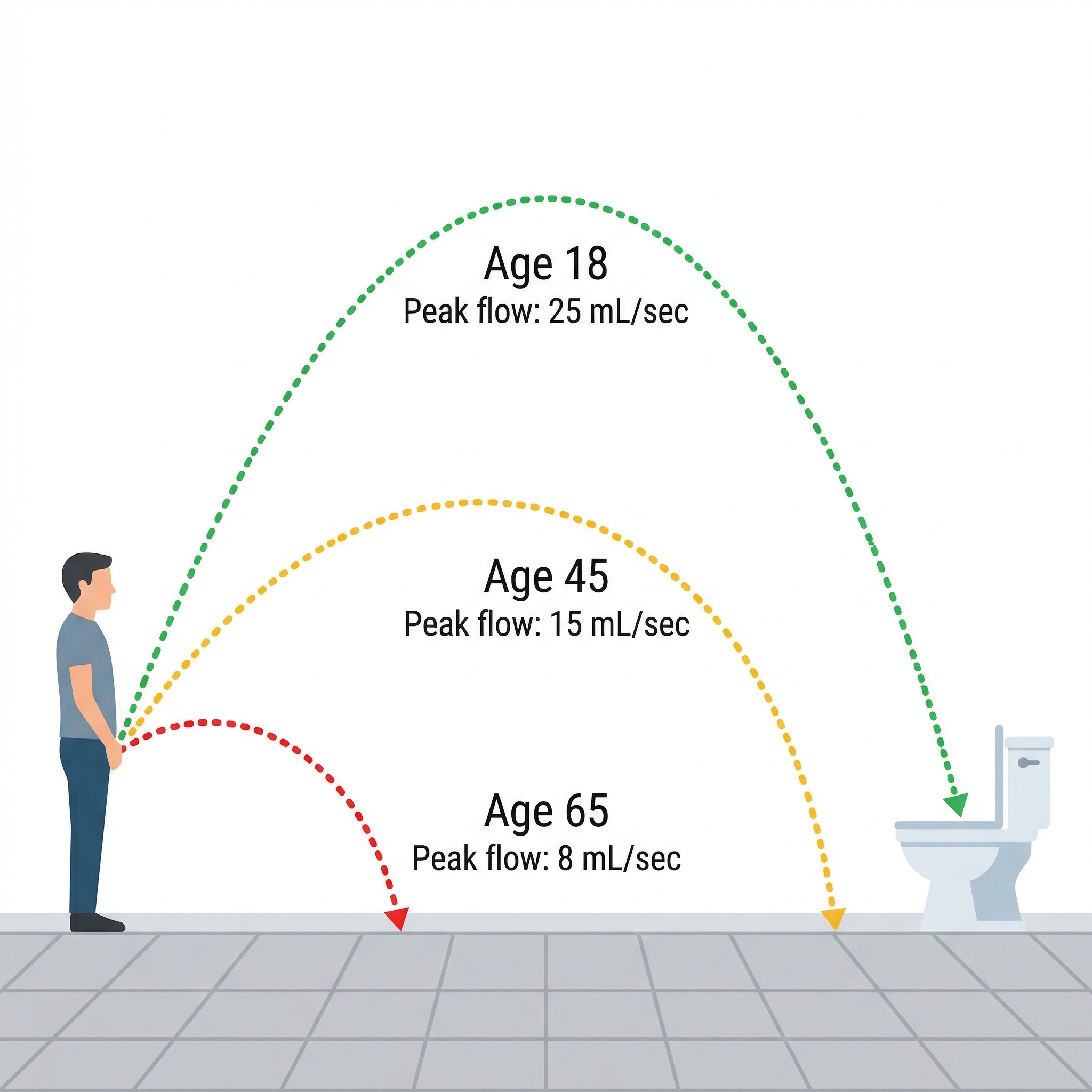
Ran for 2 days, from June 14 to June 16, 2026, the last day Crush saw it.
Run by Modern Men's Health on Facebook. Crush is not the advertiser and does not verify its claims. See this ad in Meta's Ad Library(opens in a new tab)
Want an ad like this for your product?
Crush makes new ad images for your product from this ad: your logo, your product photo, your offer.
Trials from $19.95 USD, then $79.95 USD a month. Cancel anytime.
About this ad
- Meta Ad Library ID
- 1627382872337076
- Platforms
- Facebook, Instagram, Audience Network, Messenger and Threads
- Relaunches
- 0
Ad text
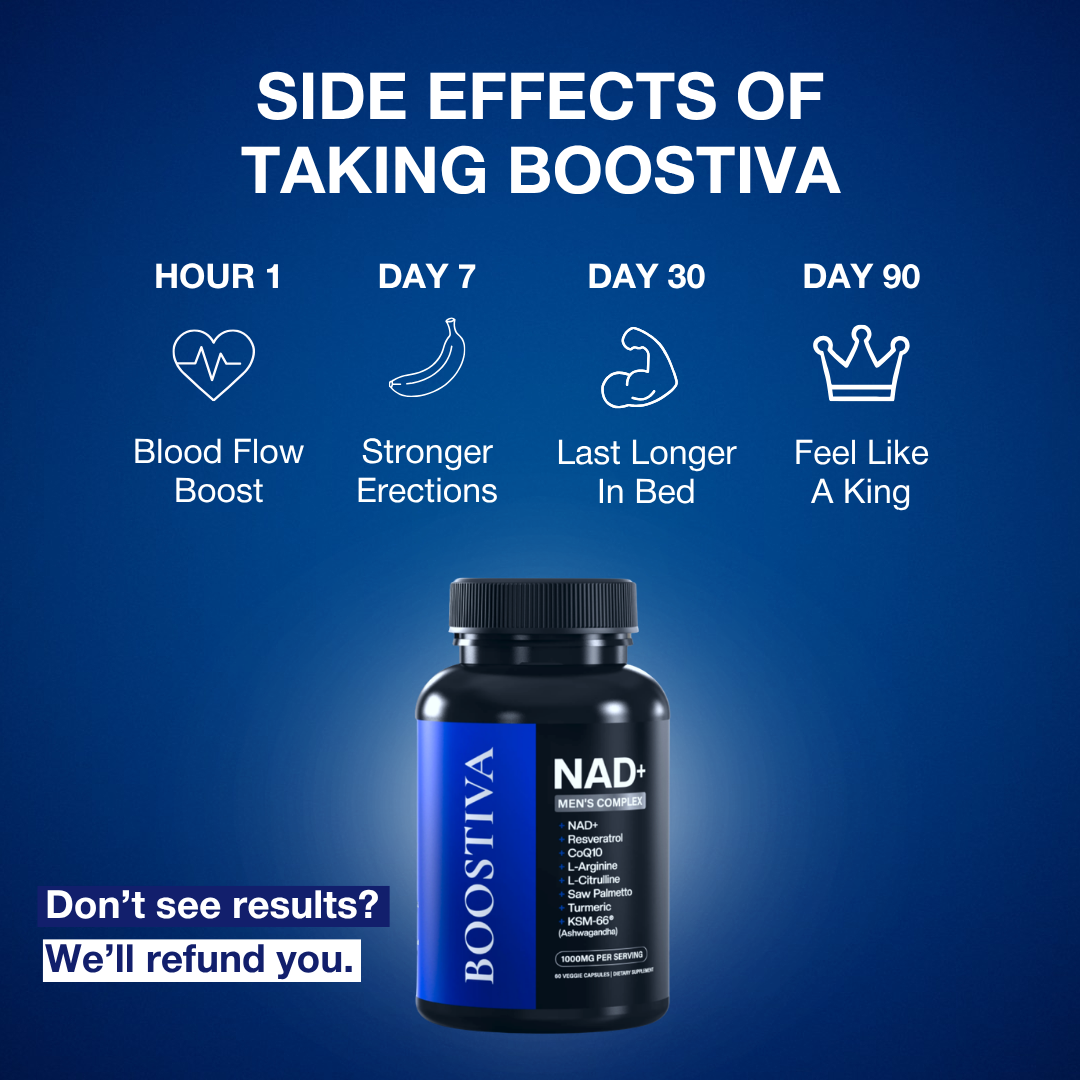
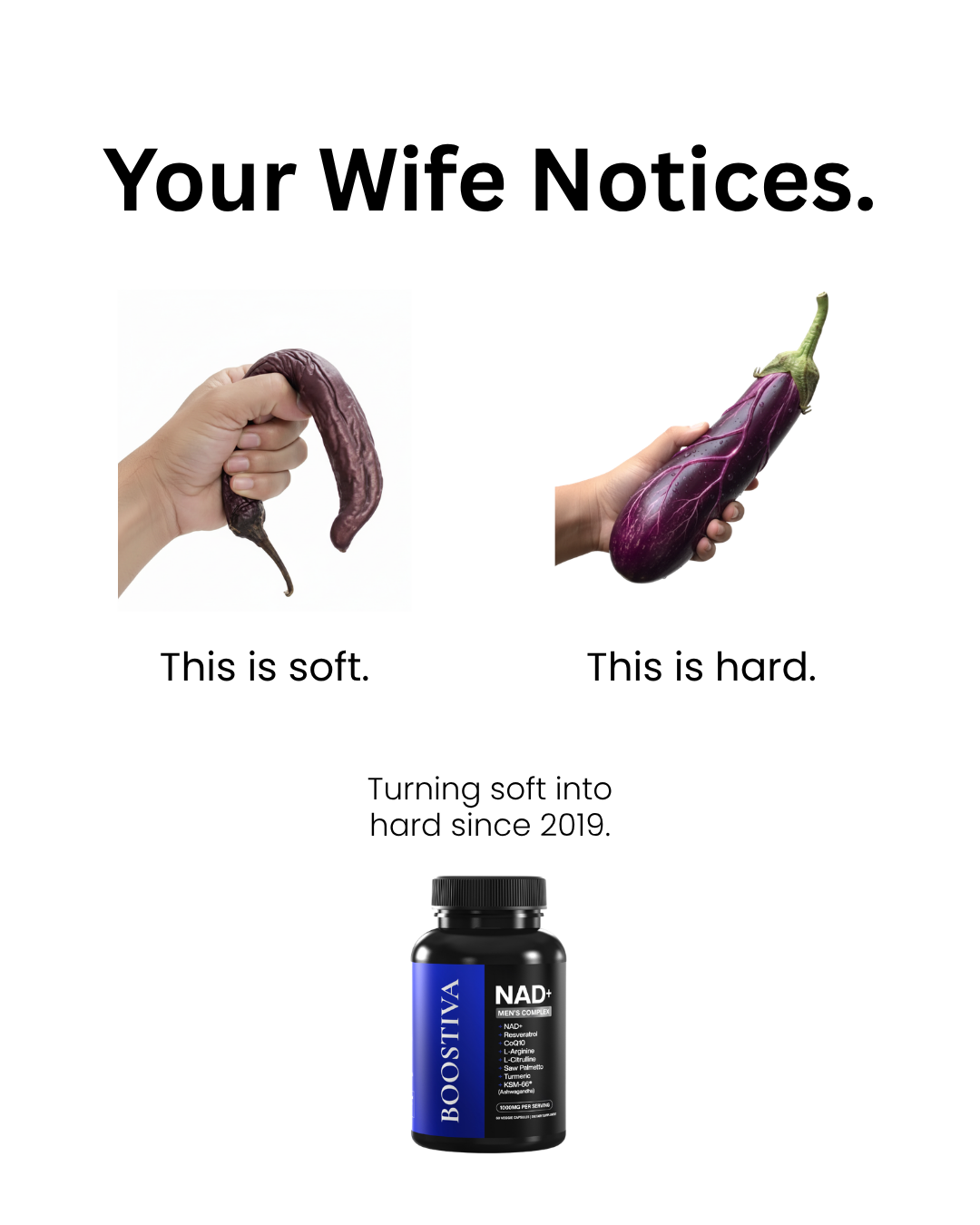
Everyone tells you that an enlarged prostate is why you have difficulty peeing. It's why you wake up 2, 3, sometimes 4 times a night to use the bathroom. It's why you stand at the urinal and nothing happens for the first 10 seconds. Why the stream is weak. Why you dribble. Why you finish and walk away and feel like you still have to go. They tell you it's your prostate. And they're right. But no one tells you WHY it happens. No one explains why your prostate — which was the size of a walnut your entire adult life — suddenly starts growing in your 40s and doesn't stop. Your doctor will say "it's just part of aging." Your urologist will give you a pill to relax the muscles so you can pee easier, maybe another one to block your hormones and slow the growth. And tell you to come back in six months. But not one of them will sit you down and explain the actual biological reason your prostate is enlarging. I'm going to. My name is Dr. Mark Hudson. I've been a practicing urologist for 17 years. I've examined thousands of prostates. I've prescribed every medication on the market. I've performed hundreds of procedures. And for most of my career, I gave my patients the same answer everyone else gives: "Your prostate is enlarged. It's common after 50. Here's a prescription." That's what we're trained to say. That's the standard of care. But about three years ago, something changed in how I think about this. And once it changed, I couldn't go back to the old way. Let me tell you what's actually happening inside your body right now. Your prostate sits right below your bladder, wrapped around your urethra — the tube you pee through. When it's healthy, it's about the size of a walnut. Maybe 20 grams. It does its job and you never think about it. But by the time you're 50, it's probably doubled in size. By 60, it could be three times the size it was at 30. And it grows about 2 to 3 percent every single year. That growth squeezes your urethra. That's why the stream gets weaker. That's why you can't empty your bladder fully. That's why you're up at 2am, then 4am, then 5:30am. And here's what most men don't realize. It's not just your peeing. An enlarged prostate affects everything down there. Studies involving over a thousand men across 12 countries found that nearly half of men with significant urinary symptoms also reported problems with ejaculation. Finishing too fast. Difficulty staying hard. Reduced desire. Pain during climax. It's all connected. The prostate sits at the crossroads of your urinary and sexual function. When it swells, everything in that region gets compressed, pressured, disrupted. So when you're noticing that things aren't working the way they used to in the bedroom — and you're also getting up three times a night to pee — that's not two separate problems. That's one organ doing all of it. Now here's what bothers me. Every urologist in the country can tell you WHAT is happening. Prostate is enlarged. It's pressing on the urethra. Here's your prescription. But almost none of them can tell you WHY. Why does the prostate start growing? Why does a gland that stayed the same size for 30 years suddenly begin expanding and not stop? The standard answer is "hormonal changes associated with aging." DHT increases. Estrogen ratios shift. Fine. But that's describing the process. That's not explaining the cause. What's driving those changes? What's actually different about your cells at 55 compared to 25? I spent 20 years not asking that question. I just treated the symptoms. One pill to relax the muscles. Another to block the hormones and slow the growth. And when those stopped working, we'd talk about surgery. But I never asked what was happening upstream. What was actually causing the cells to behave differently. Until I found it. There's a molecule in your body called NAD+. You've probably never heard of it. But researchers at Harvard and dozens of other institutions have been studying it for over 20 years. And what they've found changes everything about how we understand aging. Here's the simple version. NAD+ is in every cell of your body. Its job is to keep your cells young. It repairs damage, clears out waste, controls inflammation, and keeps everything running the way it's supposed to. When you were 25, you had plenty of it. Your cells repaired themselves. Inflammation stayed low. Your prostate stayed the size of a walnut. But NAD+ levels start dropping in your 30s. By 50, you've lost about half. And it keeps falling. When NAD+ drops, your cells stop maintaining themselves. Damaged cells that should be cleaned out just... sit there. They pile up in your tissues. Scientists call them senescent cells — basically zombie cells. These zombie cells don't just sit quietly. They pump out inflammatory signals. Constantly. And that chronic, low-grade inflammation is now recognized as one of the primary drivers of prostate tissue overgrowth. Your prostate isn't growing because you turned 50. It's growing because the molecule that was keeping it in check has been quietly disappearing since you were 35. That's the part no one tells you. Not your doctor. Not your urologist. Not the pharmaceutical company that sold you the muscle relaxer. They treat what the prostate is doing. They don't address why it's doing it. Now, some people already know about this. The wealthy already know. Jennifer Aniston gets NAD+ infusions every week and has called it "the future." Joe Rogan does NAD+ IVs weekly and credits them for his energy and recovery. Hailey Bieber said publicly — on camera — "I'm going to do NAD+ for the rest of my life and I'm never going to age." These are IV drips. $750 to $1,500 per session. Annual protocols run $8,000 to $18,000. Not covered by insurance. That's what it costs to get NAD+ directly into your bloodstream through a needle in your arm at a private wellness clinic. And here's the thing — it works. The science is real. Over 25 of the world's leading aging researchers just published a comprehensive review in Nature Aging confirming that NAD+ restoration can improve cellular function, reduce damage, and counteract multiple features of aging. This isn't some fringe theory. This is Harvard. The Buck Institute for Aging. The University of Copenhagen. Published in the most respected journals in the world. The problem was always access. This was a rich person's molecule. If you weren't paying thousands at a concierge clinic, you couldn't get it. Until recently. The issue with NAD+ has always been delivery. You can't just swallow it in a pill. Your stomach acid destroys it before it ever reaches your bloodstream. That's why the IV route was the only option that worked — it bypasses digestion entirely. But there's a technology called liposomal delivery. It wraps the NAD+ molecule in a fat-based protective layer — essentially a tiny bubble that shields it through your digestive system and delivers it directly into your cells intact. There's one product I've found that uses this technology properly. It's called Boostiva. And it doesn't just deliver NAD+. It combines it with saw palmetto and stinging nettle root — two ingredients that directly target the prostate. Now, most men have heard of saw palmetto. But what they don't know is that in Europe, saw palmetto and stinging nettle root are the most commonly prescribed treatment for enlarged prostate symptoms. In some countries, they represent up to 80% of all medications prescribed for this condition. Clinical studies comparing saw palmetto and stinging nettle root against the two most commonly prescribed prostate drugs in America found equivalent results. Same improvement in urinary flow. Same reduction in symptom scores. Without the sexual side effects that come with the pharmaceuticals. One clinical trial showed the combination improved peak urinary flow by 23% and reduced prostate symptoms by 40% over 24 weeks. So you've got NAD+ addressing the root molecular cause — the cellular aging that's driving the prostate to grow in the first place. And you've got saw palmetto and stinging nettle root working directly on the prostate tissue — reducing DHT in the area right around the urethra, calming inflammation, helping the gland start returning toward its normal size. Boostiva also includes L-Citrulline and L-Arginine — amino acids that support nitric oxide production and blood vessel dilation. Which means blood flow improves. Everywhere. I started recommending Boostiva to patients about a year ago. Not all of them. The ones who were open to it. The ones who were tired of the prescription cycle. What I saw surprised me. The first thing most of them noticed — within the first two to three weeks — was the nights. They were getting up once instead of three times. Some of them slept through entirely for the first time in years. By week four, the stream was stronger. Not like they were 25 again. But noticeably different. The hesitation at the start was shorter. The flow was more consistent. They weren't standing at the urinal waiting anymore. By week six to eight, I started hearing something I wasn't expecting. "Doc, something else is happening." They didn't want to say it at first. Men don't talk about this stuff easily. But eventually they'd tell me. Morning firmness was back. Their drive was higher. They were lasting longer. Things they'd written off as "just getting older" were reversing. One patient — 61 years old, been on the muscle relaxer for four years — told me his wife asked him what changed. He said he didn't know how to explain it. He just told her, "I feel like I got five years back." Another patient, 54, said the thing that shocked him most wasn't the peeing. It was that he stopped dreading going to bed. For years, bedtime meant lying there knowing he'd be up in two hours. Now he just... sleeps. Look. I'm a urologist. I spent 22 years prescribing medications. I'm the last person who would recommend a supplement. And I need you to understand — I'm not saying throw away your prescriptions. If you're on medication for your prostate, talk to your doctor. What I am saying is that for the first time, I've seen something that doesn't just manage the symptoms. It addresses why the problem is happening in the first place. The muscle relaxer helps you pee easier. Fine. But your prostate is still growing. The hormone blocker slows the growth. Fine. But it can also kill your drive and your ability to perform. And it doesn't touch the underlying reason your cells are acting old in the first place. NAD+ restoration works upstream. At the molecular level. At the level of why your cells are behaving like old cells. That's a fundamentally different approach. And the results I'm seeing reflect that. Here's what I want you to know. Your prostate is growing right now. Two to three percent per year. Every year you wait, the compression increases, the symptoms get worse, the damage accumulates. And the pharmaceutical options — while they help with symptoms — come with trade-offs that most men don't fully understand until they're already dealing with the side effects. Boostiva offers a 60-day money-back guarantee. Use it for two months. See what changes. If your nights don't improve, if the stream doesn't strengthen, if you don't notice a difference — you get your money back. Every cent. But based on what I've seen with my own patients, you're not asking for a refund. You're going to sleep through the night. You're going to stop dreading the urinal. And you're going to notice changes in the bedroom that you'd given up on. Then you're going to wish someone had told you about this five years ago. I'm telling you now. Link is below. https://tryboostiva.shop/products/liposomal-nad-for-men-1
Where the ad sends people
boostiva.com
“The molecule behind prostate aging”
🔥 Boostiva Liposomal NAD+ for Men — Revive Your Energy, Focus & Vitality Unlock your peak performance with Boostiva Liposomal NAD+ for Men — the advanced men’s wellness formula engineered to support real energy, strong circulation, hormonal balance, stamina, and overall vitality as you ...
Learn more: tryboostiva.shop(opens in a new tab)