Modern Men's Health
Modern Men's Health Facebook ad: “What I tell patients before injections”
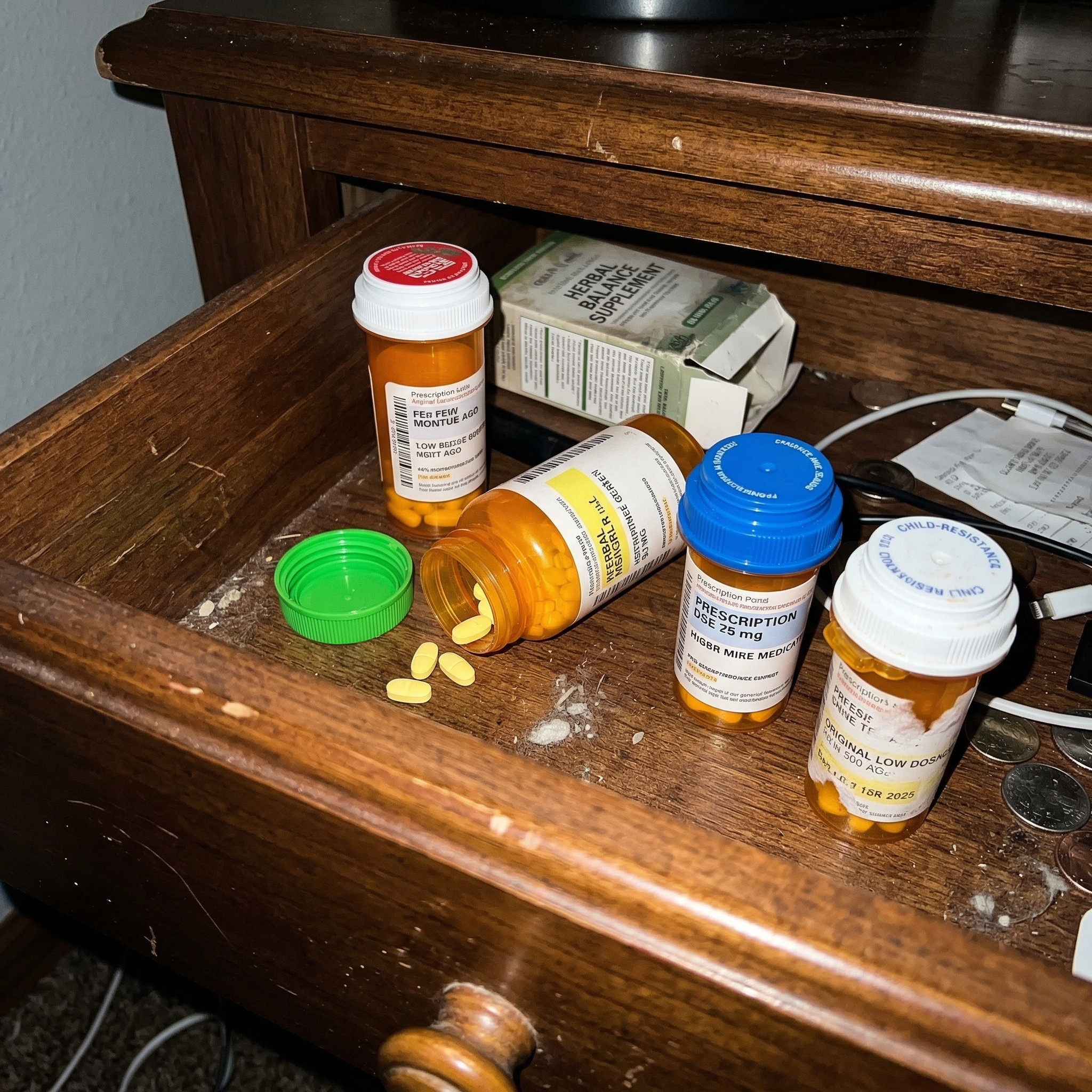
Ran for 1 day, from June 14 to June 15, 2026, the last day Crush saw it.
Run by Modern Men's Health on Facebook. Crush is not the advertiser and does not verify its claims. See this ad in Meta's Ad Library(opens in a new tab)
Want an ad like this for your product?
Crush makes new ad images for your product from this ad: your logo, your product photo, your offer.
Trials from $19.95 USD, then $79.95 USD a month. Cancel anytime.
About this ad
- Meta Ad Library ID
- 848698167915213
- Platforms
- Facebook, Instagram, Audience Network, Messenger and Threads
- Relaunches
- 1
- EU reach
- 29
Ad text
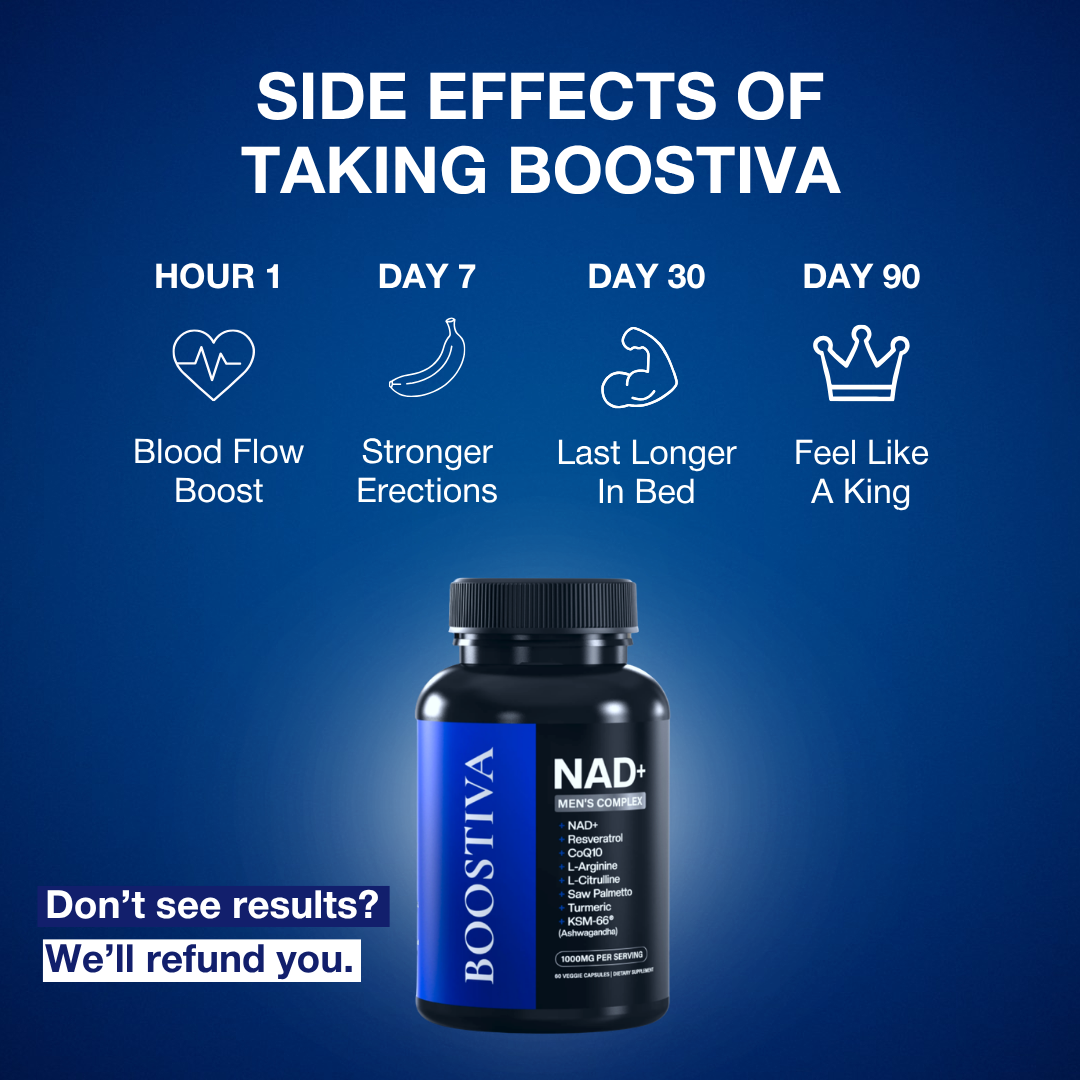
I've been a urologist for 22 years. In that time, I've prescribed the little blue pill to over 4,000 men. And I need to tell you something that's going to make you angry. Because it made me angry. And I'm the one who's been doing it. Here's the pattern. A man walks into my office. Usually 45-60. Usually married. Usually embarrassed. He sits down and tells me — without making eye contact — that things aren't working the way they used to. Sometimes it's "I can't get hard." Sometimes it's "I get hard but I lose it halfway through." Sometimes it's "I can get there but it takes forever and I barely feel anything." Sometimes he doesn't say any of it directly. He says "I'm having some trouble" and I fill in the rest because I've heard it four thousand times. I run bloodwork. Check testosterone. Check for diabetes, thyroid issues, cardiovascular markers. Usually everything comes back within normal range. So I write him a prescription. Little blue pill. Low dose. Start there. He's relieved. He thought something was seriously wrong. Turns out there's a pill for it. Easy. He comes back in six months. "Working great, Doc." Good. Refill the prescription. I don't see him for a while. Then he's back. Maybe a year later. Maybe two. "It's not working as well." I nod. Expected. I increase the dose. Or I switch him to the weekend pill. He's a little less relieved this time. But okay. Still manageable. He comes back again. "The higher dose gives me headaches. My face goes red. I can't breathe through my nose. And it's still hit or miss." I adjust. Try a different combination. Maybe add something for the side effects. He comes back again. "Doc, nothing's working consistently. Some nights great. Some nights nothing. I never know which one it'll be." And this is the appointment where I'm supposed to say: "I think it's time we consider injections." Trimix. A compound he injects directly before sex. More reliable. Stronger mechanism. Gets around the inconsistency. Some men accept it. Some men go quiet and stare at the floor. Some men nod and say "okay" and I never hear from them again. They don't schedule the follow-up. They don't pick up the prescription. They just... disappear. Those are the ones I think about. Because I know what happened. They went home. They didn't tell their wife about the injection option. They quietly accepted that this is their life now. And the marriage started dying in a way that nobody talks about. I have watched this pattern play out thousands of times. And for 20 years, I followed the protocol. Because the protocol is what we're trained to do. Pills. Stronger pills. Injections. Pump. Implant. That's the ladder. Every rung is more invasive. Every rung has more side effects. Every rung takes the man further from the version of himself who never had to think about any of this. And there is no rung on that ladder that says "fixed." There is no rung that says "your body works on its own again." The ladder only goes one direction. I followed it because I was taught to follow it. I followed it because insurance covers it. I followed it because it's the standard of care and questioning the standard of care isn't how you keep a practice running. But about three years ago, I started asking myself a question that I should've asked on day one: Why do the pills stop working? I know how that sounds. A urologist. 22 years in practice. And I'm only now asking why the first-line treatment fails. But that's the thing — in our training, "why" isn't really the question. The question is "what's next?" Pill doesn't work? What's the next step? Injection doesn't work? What's the next step? We're trained to manage. Escalate. Move up the ladder. We're not trained to look at the bottom rung and ask: why did this stop holding his weight? So I started looking. Here's what I found. And here's what should've been obvious the entire time. The pills work by boosting nitric oxide. Nitric oxide is the molecule that tells your blood vessels to relax and expand. When they relax, blood flows in. That's how it works. That's the whole mechanism. But the pills don't produce nitric oxide. They amplify whatever the body is already making. And here's the part that changes everything: After 40, calcium starts depositing inside the walls of your blood vessels. It's called arterial calcification. It happens to virtually every man. The deposits build up slowly. Year after year. The vessel walls that are supposed to be smooth and flexible get stiff. Rough. Narrower from the inside. Now — picture what happens when the pill kicks in. It signals the blood vessels to relax and expand. But the vessels can't fully open. The calcium is in the way. The passageway is physically smaller. Some nights, enough blood pushes through. It works. Some nights, the blockage is too much. It doesn't. That's the inconsistency. It was never random. It was never psychological. It was never "sometimes the pill works and sometimes it doesn't for no reason." The reason was always there. Calcium. Lining the vessels. Getting worse every year. And the pills cannot clear calcium. No pill can. Not at any dose. That's why the dose keeps going up. That's why the pills eventually fail. That's why I end up sitting across from a man who's tried everything and offering him a needle — which also doesn't clear the calcium. It just forces the result harder. The entire ladder is built on the same flaw: managing the symptom while the root cause gets worse underneath. When I realized this, I felt sick. Not dramatically. Not some movie moment. Just the quiet nausea of understanding that I'd spent two decades on a ladder that was leaning against the wrong wall. Four thousand men. Most of them are still on that ladder right now. Climbing. Getting more frustrated. Getting more invasive treatments. Watching their confidence erode with every step. And the thing that was actually causing the problem — the calcium — was never addressed. Not once. By any of the prescriptions I wrote. So I changed my approach. I started looking at what actually supports the body in breaking down arterial calcification. Not forcing blood through the blockage. Clearing the blockage. The research pointed to a few specific things: NAD+. Your body naturally produces it. It's central to cellular repair — including the repair and maintenance of blood vessel walls. It supports the breakdown of calcium deposits that have built up over time. The problem is, NAD+ levels decline sharply after 40. By your mid-50s, you've got roughly half of what you had in your 30s. Your body doesn't have enough of this molecule to maintain the vessels anymore. The calcification builds up because the repair crew ran out of fuel. L-Citrulline. Converts to L-Arginine in the body, which directly supports nitric oxide production. Same pathway the pills target — but instead of forcing a temporary spike, this supports the body's own production. Consistently. Daily. The way it's supposed to work. CoQ10. Powers the mitochondria — the energy factories inside every cell. Including the cells that line your blood vessels. When those cells have energy, they function. When they don't, they deteriorate. Ashwagandha. Clinically shown to reduce cortisol — the stress hormone. This matters because anxiety is a vasoconstrictor. It physically tightens blood vessels. So the man who's anxious about performing is literally making the problem worse with his own stress response. Ashwagandha helps break that cycle. Now — I want to be clear about something. I didn't learn this in medical school. I didn't learn it in my residency. I didn't learn it at any urology conference. I learned it because I finally asked the right question. I started pointing my patients toward this approach about two and a half years ago. Not as a replacement for medical care. As a foundation. "Before we go to injections," I'd say, "I want you to try something for 90 days." Most of them were skeptical. A few were annoyed. "I came here for a solution, Doc. Not supplements." I understood. They'd already tried the Amazon garbage. The "male enhancement" pills with the jacked guy on the label. They'd spent $40 here, $60 there, on things that did absolutely nothing. I explained the difference. Those products aren't targeting the right mechanism. They're throwing random herbs at the symptom. Most of them aren't in the right form for your body to absorb anyway. This is specific. NAD+ for the calcification. L-Citrulline for nitric oxide. CoQ10 for cellular energy. Ashwagandha for the stress loop. And the delivery matters. Liposomal — meaning the nutrients are wrapped in a fat layer that bypasses stomach acid and gets absorbed directly into the bloodstream. Without that, you're swallowing powder that mostly passes right through you. The patients who actually followed through? They stopped coming back. Not because they gave up. Because they didn't need the next rung. I'll tell you about three of them. No names. Patient one. 57. Married 28 years. Was on the maximum dose of the weekend pill. It was working maybe one out of every three times. His wife had stopped initiating entirely. He described their marriage as "roommates who love each other." He started the protocol. Skeptical. Almost didn't follow through. Six weeks later he called my office. Not for an appointment. Just to tell me. "Doc, I don't know what happened, but it's working. Not just working — really working. My wife reached for me last night. She hasn't done that in over a year." I told him to keep going. Three months minimum. At his follow-up, he told me they were intimate regularly. No pills. No timing. His wife told him she felt like they were "dating again." He's 57 years old and his wife said they feel like they're dating. Patient two. 52. Divorced two years prior. Was terrified of dating because he couldn't trust his body. Had tried injections once — the erection lasted four hours and he ended up in the ER. Swore off injections. Came to me asking about implant surgery. I said: "Before we talk about surgery, give me 90 days." He didn't want to. He wanted the implant. Wanted to just "fix it and be done." I convinced him to try. Two months later, he was in my office. Different man. Not physically different — but the way he carried himself. The shame was gone. He said: "I went on a date last Friday. First one in two years. And I didn't think about it once. I wasn't planning, wasn't worrying. When the moment came, I was just... there." He paused. "I forgot what it felt like to not think about it." That's the line that stays with me. Not the results. Not the mechanism. "I forgot what it felt like to not think about it." That's what these men are actually after. Not a harder erection. The absence of the calculation. The absence of the anxiety. The return to a body they don't have to manage. Patient three. 61. Married 35 years. Hadn't been intimate with his wife in almost two years. Multiple medications for blood pressure on top of everything else. Had tried every pill at every dose. Nothing worked anymore. His wife came to the appointment with him. That's how I knew it was serious. When the wife shows up, it means they've been talking about this at home. It means it's affecting the marriage in a way that can't be ignored anymore. She sat in the chair next to him and held his hand the entire time. I explained the calcification. The mechanism. The protocol. She was the one who said: "We'll do it." Not him. Her. She was the one who ordered it. Made sure he took it every morning. Three months later, they came back together. For a different reason. He needed a routine check. But she stayed after he went to the exam room. She said: "I need to tell you something. Whatever you gave him — I got my husband back. Not just in the bedroom. All of him. His energy. His mood. The way he looks at me." She started crying. "I thought we'd lost that. I'd accepted it. And then it just... came back." That's the third patient. And that's the one that made me decide to stop being quiet about this. I know I'm not supposed to be writing things like this. Doctors don't recommend specific supplements. That's not how the medical system works. We prescribe pharmaceuticals. We follow the protocol. We climb the ladder. But I've been climbing that ladder with men for 22 years. And I'm telling you — the ladder doesn't lead where you think it does. It doesn't lead to "fixed." It leads to more invasive, more clinical, more side effects, more distance from the man you used to be. If you're on that ladder right now — if the pills have stopped working and your doctor is talking about injections or pumps or surgery — I want you to hear this from someone who built the ladder: The pills didn't fail because your condition got worse. They failed because they were never designed to fix the problem. They were designed to manage the symptom. And the actual problem — calcium deposits narrowing your blood vessels — got worse underneath while the pills covered it up. You're not broken. You're clogged. And there is an approach that targets the clog. Not the symptom. The supplement I've been pointing my patients toward is called Boostiva. NAD+ to support the breakdown of arterial calcification. L-Citrulline to support natural nitric oxide production. CoQ10 for cellular energy. Ashwagandha to break the anxiety-constriction cycle. Liposomal delivery — so your body actually absorbs it instead of destroying it in your stomach. This isn't the stuff on Amazon. This isn't "male enhancement." This is targeted nutritional support for the actual mechanism that's causing the problem. They offer a 60-day money-back guarantee. Try it for 60 days. Give your body a chance to clear what's been building up for the last 10 or 20 years. If nothing changes, you've lost nothing. Get your money back. But based on what I've seen in my practice — with men just like you, who had tried everything, who thought they were out of options — I don't think you'll be asking for a refund. I think you'll be calling your doctor to cancel the injection appointment. I think you'll be reaching for your wife the way you used to. And I think one morning you'll wake up and realize something you haven't felt in years: You didn't think about it. It just worked. Like it used to. That's not a pill managing a symptom. That's your body doing its job again. https://tryboostiva.shop/pages/urologist-ranks-3-viral-ed-solutions-in-2026?_ab=0&key=1773897318346 P.S. I don't work for Boostiva. I don't get paid to recommend them. I recommend them because after 22 years of walking men up a ladder that doesn't actually fix anything, I finally found an approach that addresses the root cause. And the men who follow through stop needing the ladder. That's all I ever wanted for my patients.
Where the ad sends people
boostiva.com
What I tell patients before injections 👉
BOOSTIVA
Learn more: tryboostiva.shop(opens in a new tab)