
Inactive· since May 9, 2026
- 10
- days it ran
- 1
- relaunches
Ad copy
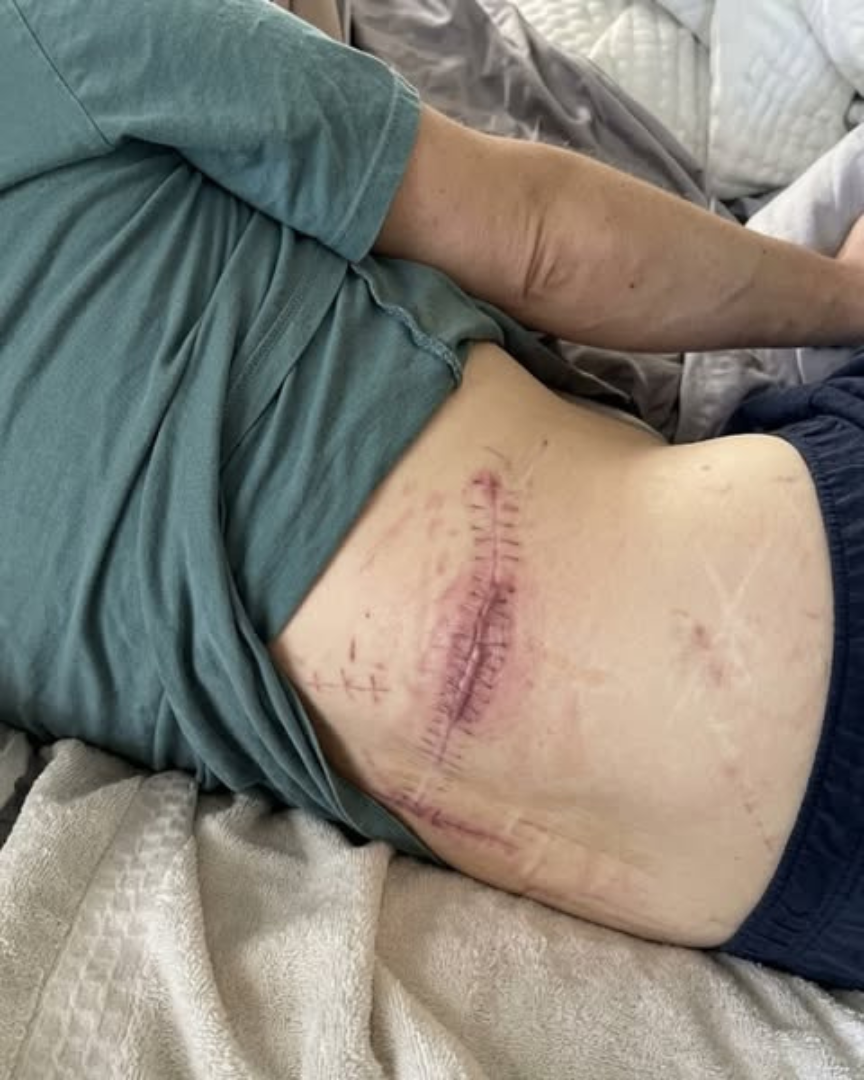
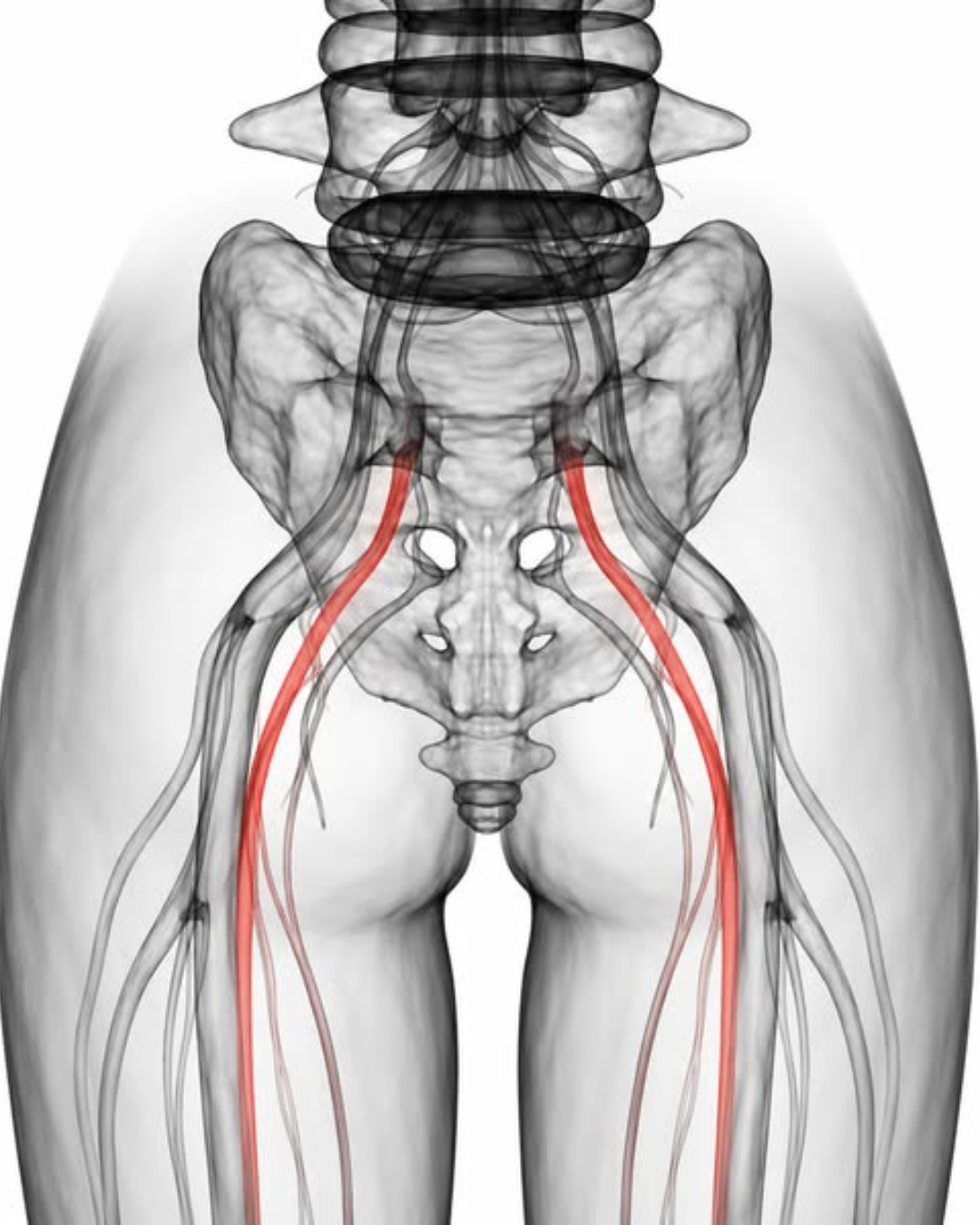
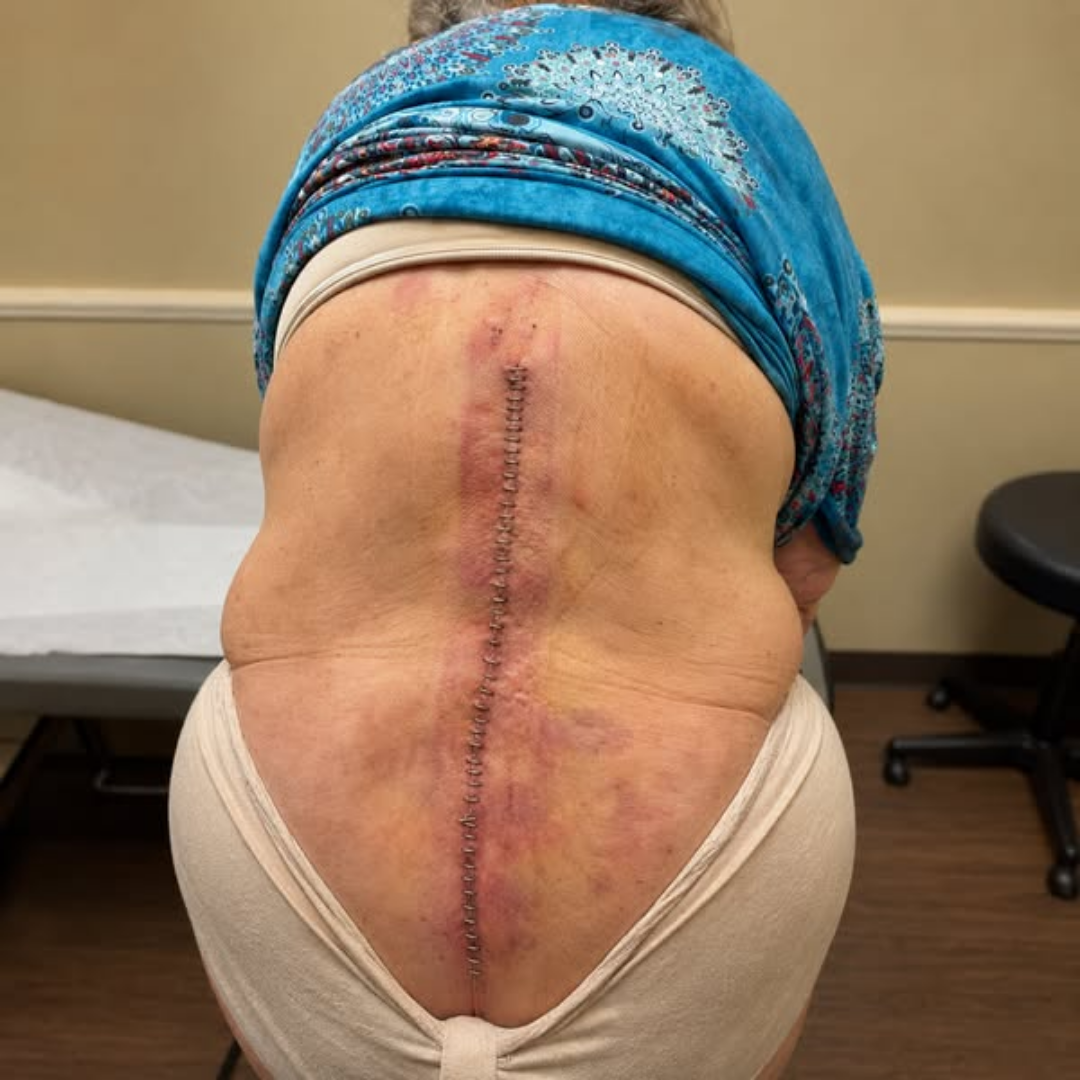
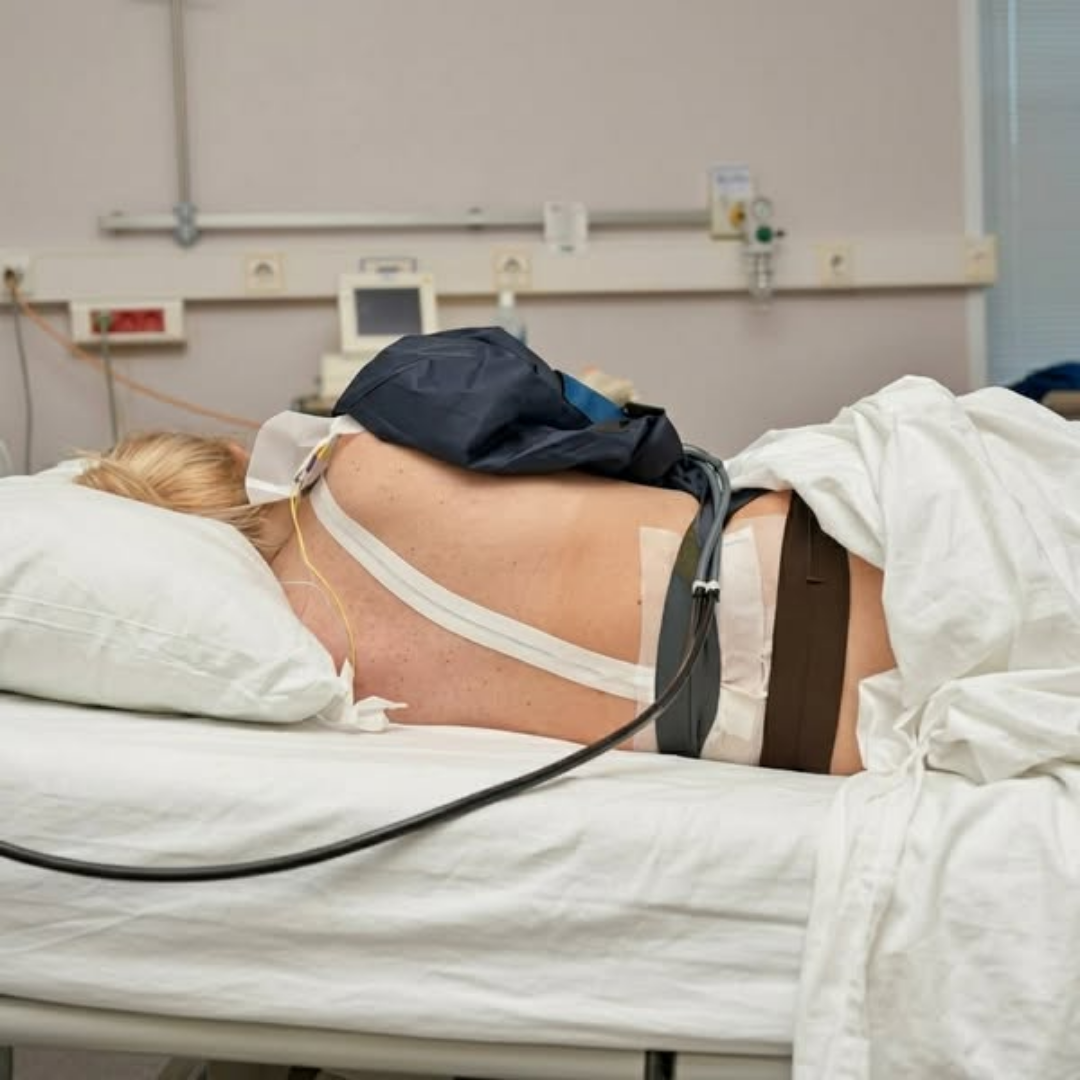
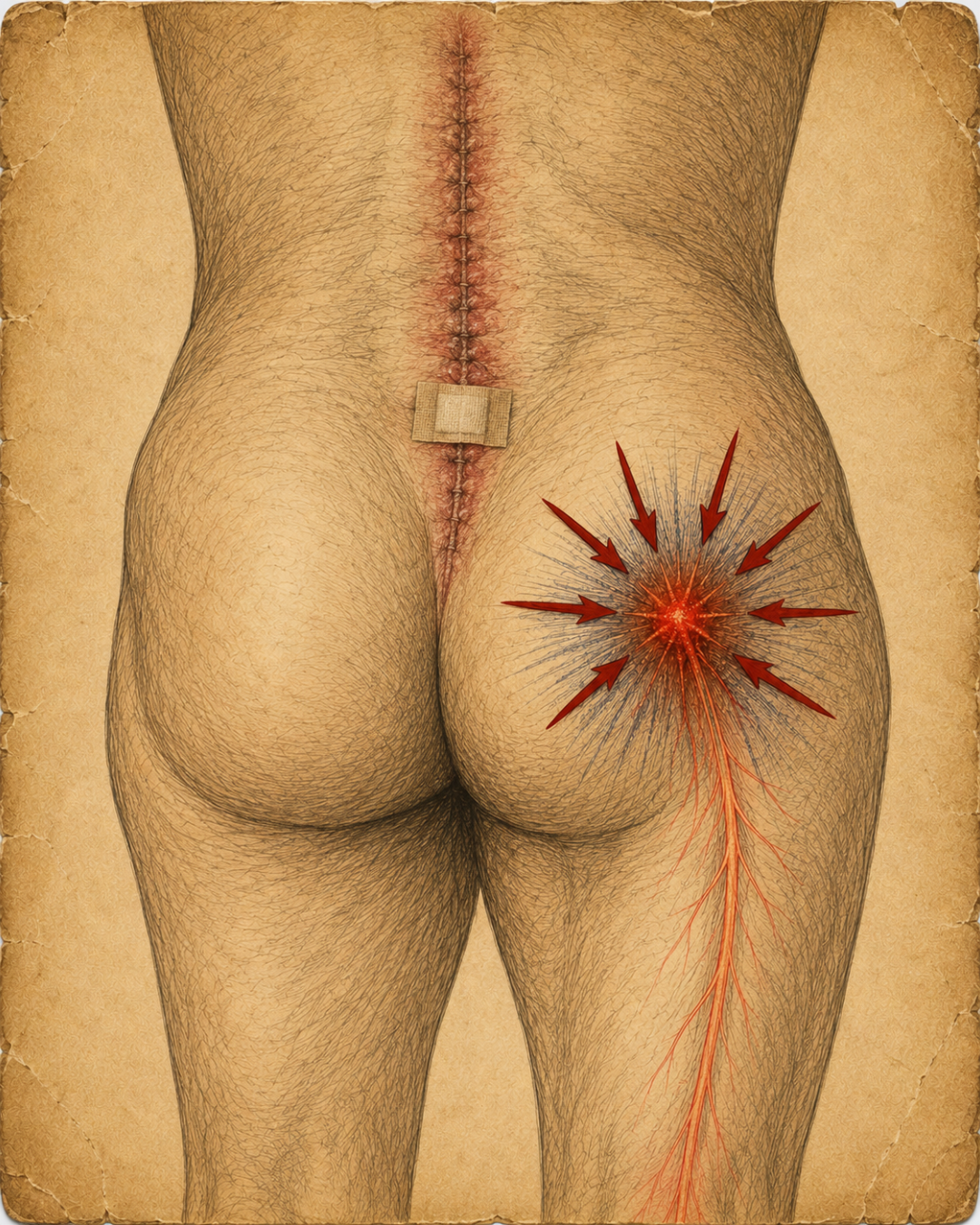
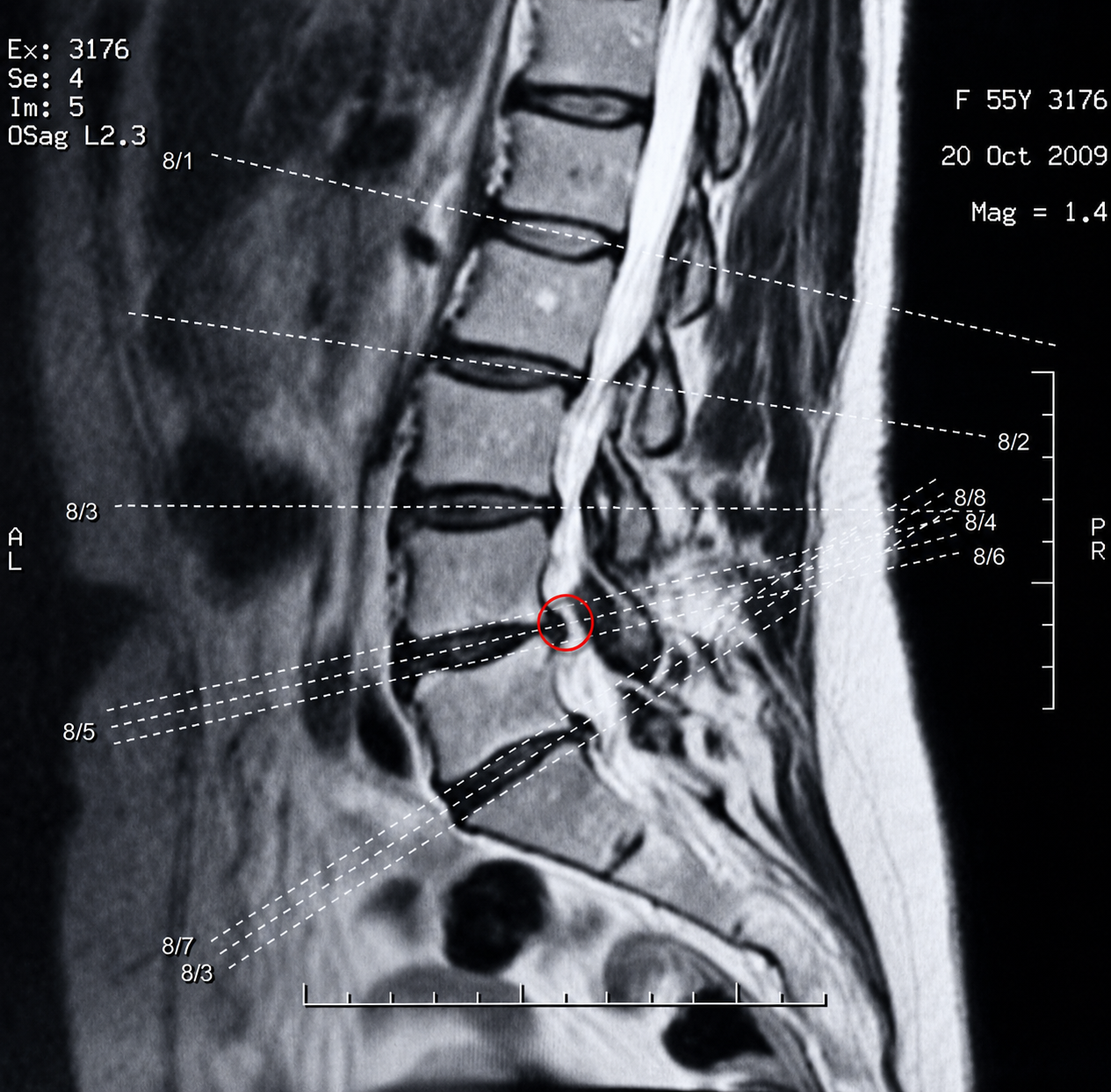
The letter from the NHS pain clinic arrived on a Tuesday. The first appointment they could offer was in eight months' time. I sat at the kitchen table and I knew exactly what came next. I'd watched my mother walk that road twenty years ago... My name is Loretta. I'm fifty-four. I live in Liverpool. I work three days a week as a practice manager at a small dental surgery in Crosby. My husband Dave is a retired firefighter. We have two grown daughters and a grandson who's just started reception this September. The back pain started in the autumn of 2022. I'd been moving the patient files cabinet at work, helping the new partner reorganise reception, and I felt something pull in my lower back. By the end of that week the burning had started running down my left leg. The first GP told me it was probably sciatica. He prescribed naproxen and put me on the NHS physio waiting list. The wait was sixteen weeks. The exercises the physio gave me at the appointment didn't shift it. Year two, I went private. There's an osteopath clinic in Crosby village I'd walked past for years. Six sessions at £55 each. The relief lasted about ten days each visit. I tried magnesium tablets from Holland and Barrett. £42 a month for over a year. I had an MRI on the NHS, eight months on the waiting list. Mild disc bulge at L4-L5. The consultant offered cortisone injections. I had two of them at £300 each. The first lasted six weeks. The second lasted three. By the eighteen-month mark I was on naproxen daily, co-codamol most evenings, and omeprazole alongside both because the daily Brufen had given me reflux that was waking me up in addition to the pain. The GP referred me to the NHS pain clinic at month nineteen. The letter came through on a Tuesday in late January. A standard NHS form letter, the kind you read a hundred times in a job like mine. The first available appointment was on the seventh of October. Eight months from when I read the letter. I sat at the kitchen table after Dave had gone to bed, and I thought through what was actually coming. I work in a dental practice. I've spent twenty-two years processing referrals and reading the consultant letters that come back. I know what the pain clinic offers women in their fifties with chronic sciatica. Gabapentin first. They start at three hundred milligrams and titrate up. I'd seen what gabapentin does to half the patients on our books. Foggy. Off-balance. Some of them couldn't drive any more. I wasn't ready for that. I was still working three days a week. Then if gabapentin didn't help, pregabalin. Same family. Same problems. Then if that didn't help, tramadol. Or amitriptyline at higher doses. Or duloxetine off-label. Then eventually the conversation about microdiscectomy, or the longer one about spinal fusion, or a slow accept that this was the new normal and you'd manage as best you could. My mother had walked that road. She started on amitriptyline for her back at fifty-eight. By sixty-five she was on four daily medications, half of which were treating the side effects of the other half. She's seventy-eight now. She still takes them. She'll be on them for the rest of her life. I sat at the kitchen table at half past two in the morning and I made a decision. I had eight months until the appointment. I wasn't going to spend those eight months sitting in pain waiting for the prescription that would put me on my mother's road. I started reading that night. Not "what should I try next". I'd tried everything any GP, osteopath, or consultant had ever offered me. I started reading what nobody had explained. Why none of it had worked. I found a peer-reviewed paper that asked exactly that question. It looked at how much of an oral anti-inflammatory dose, or an oral magnesium dose, or any oral compound aimed at calming an inflamed nerve, actually arrives at the locked muscle around that nerve. Less than one per cent. I read it three times. I'd been on naproxen daily for nineteen months. The bloods were fine. My liver function was fine. The actual tissue around my sciatic nerve, the muscle that had been clenched for nearly two years, the nerve cells that needed minerals to settle, all of that had been receiving less than one per cent of every pill I'd taken. I kept reading. I found a paper comparing topical preparations applied directly to the skin against the same active ingredients taken orally. For chronic back pain, the topical group had equivalent pain relief. But almost none of the systemic side effects. Because the active didn't go through the stomach or the liver. It went straight to the muscle and nerve underneath. I found research on magnesium chloride absorbed transdermally. It penetrates the fascia and reaches the locked muscle directly. It blocks the pain signal at the NMDA receptor, the same receptor ketamine works on, without going through the bloodstream. I found a paper on menthol activating the kappa opioid receptors in skin tissue. The same receptors morphine targets, but only at the local site. I found work on MSM as a penetration carrier. The compound that drives the other actives through the skin barrier into the deeper tissue underneath. By half past four in the morning I'd worked out something that nobody, in nineteen months and four GP appointments and two consultants and one pending pain clinic referral, had ever said to me. The route into the body matters as much as the ingredient. Gabapentin going through my entire bloodstream to reach one inflamed nerve in my back was going to do exactly what naproxen had been doing. Hit every cell in my body to deliver almost nothing where it was needed. The side effects would be cumulative. The relief would be partial. And once I was on it, getting off it would be its own problem. I went looking that morning for a UK formula that combined the four compounds the research kept coming back to. Magnesium chloride, arnica, menthol, MSM. Applied transdermally. At clinical strength. There was one. I ordered it that morning before work. It arrived on the Friday. I started using it that evening. Twice a day from the Saturday. Morning before work. Evening before bed. Day three I sat through a long staff meeting at the dental practice. Two hours on a folding chair behind a small table. Halfway through I realised I hadn't shifted my weight, hadn't stood up, hadn't been counting the minutes till I could go home. By the end of the first week I was walking the dog round the park with Dave again. The full loop. Twenty minutes. No stopping at the bench halfway round. That hadn't happened in nearly two years. Day twelve I got down on the lounge floor with my grandson and we built a Lego tractor for half an hour. Twenty minutes later I stood up. Without bracing on the sofa. Without the lightning bolt down my leg. I stood up like a normal person. Dave watched me from the kitchen doorway. He didn't say anything. He just put his arms round me when our grandson had gone home. By week three I was off the naproxen. By week four I was off the co-codamol. By week six I was off the omeprazole because my stomach had started to settle for the first time in over a year. The pain clinic letter is still on the kitchen counter. The appointment is in October. I've already rung my GP and asked her to take me off the referral. She didn't argue. She said in her experience, when patients find proper support during the wait, sometimes the appointment becomes unnecessary entirely. If you've just had a letter from the NHS pain clinic saying the wait is eight months, or twelve, or eighteen, please don't spend those months sitting in pain waiting for the prescription that puts you on the road my mother walked. You can read the full article at the link below. — Loretta, 54, Liverpool
Like this ad? Make it yours.
Crush rebuilds this exact creative around your product — your brand, your colors, your offer — in about a minute.