
Inactive· since May 9, 2026
- 17
- days it ran
- 4
- relaunches
Ad copy
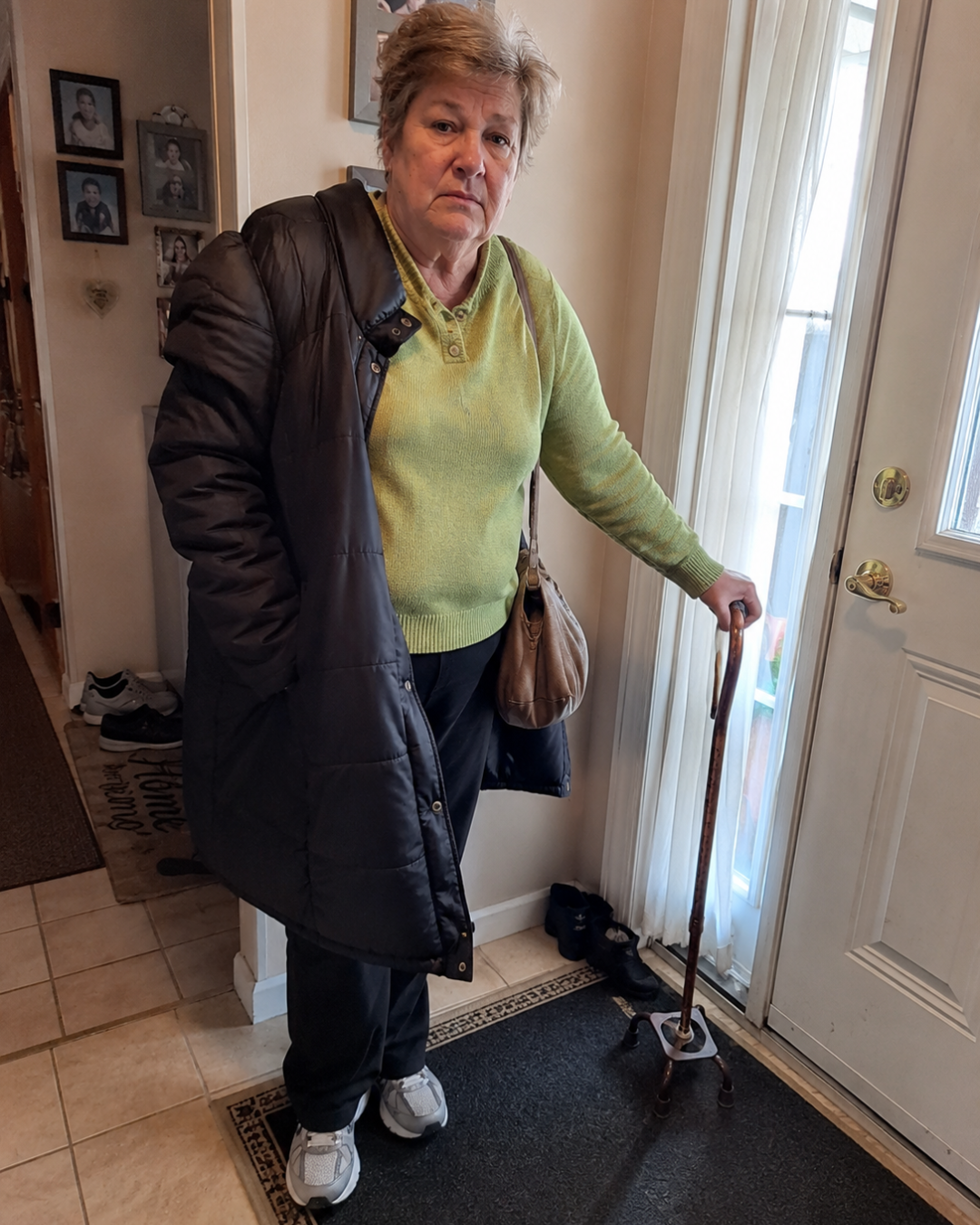
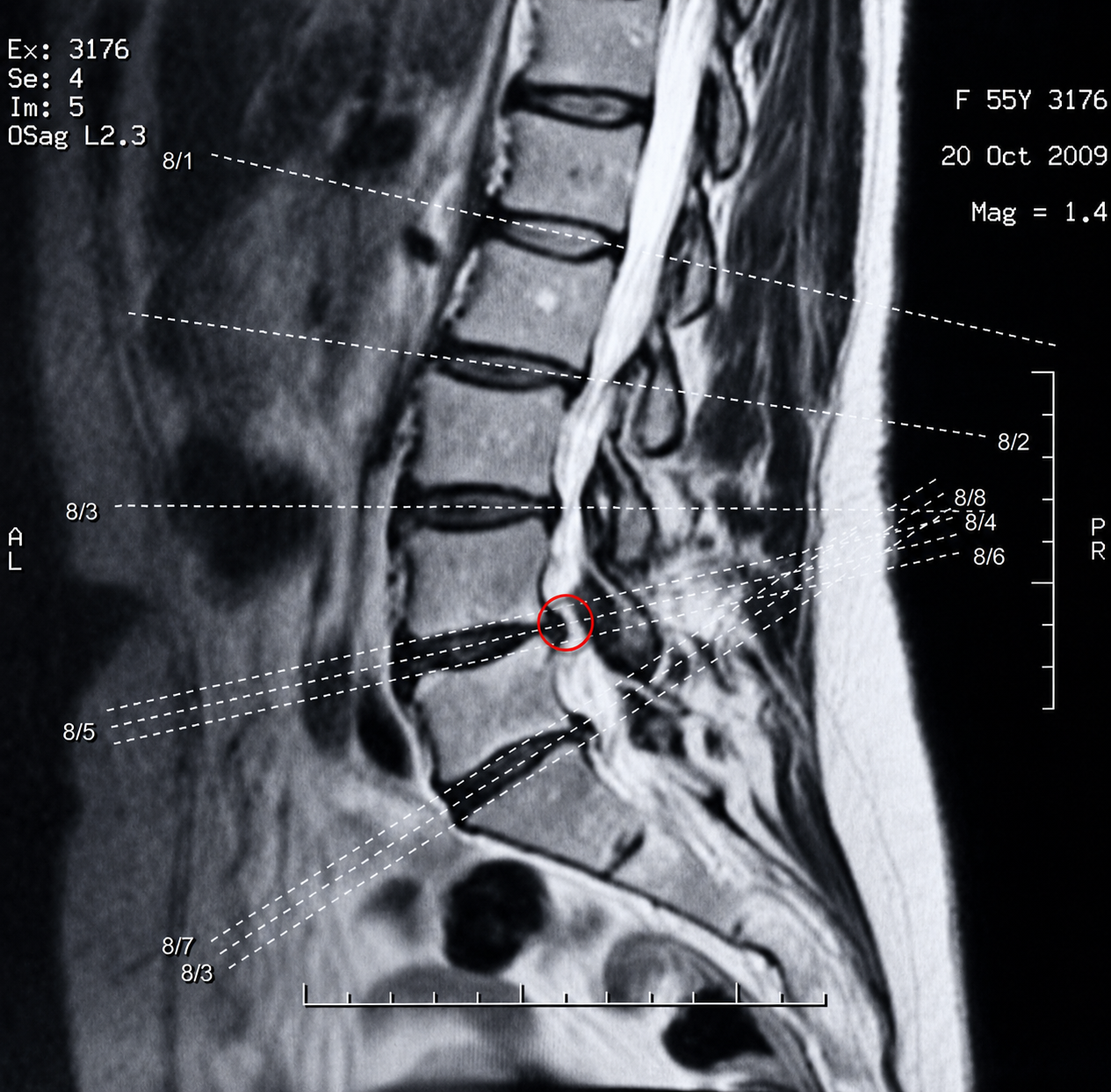
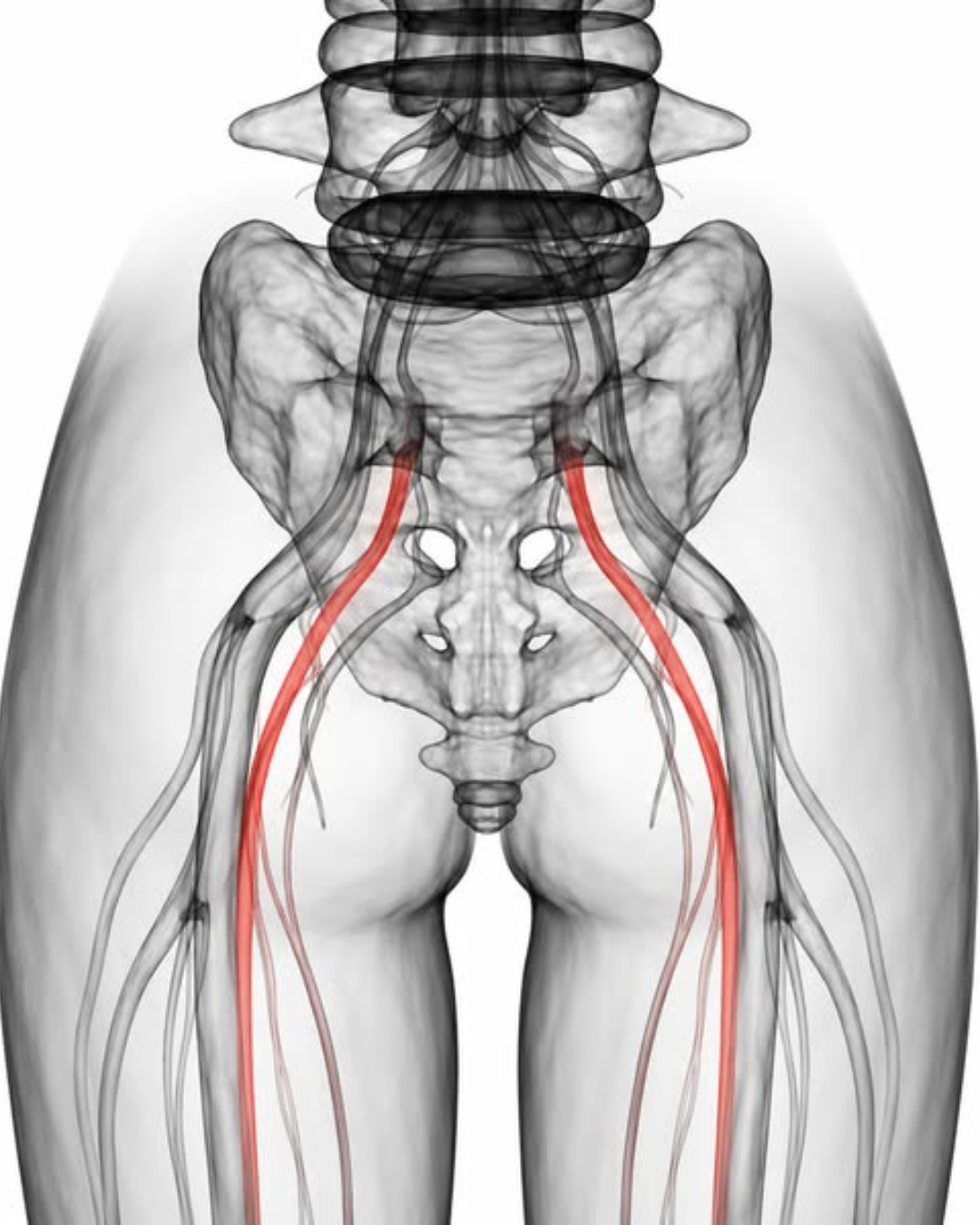
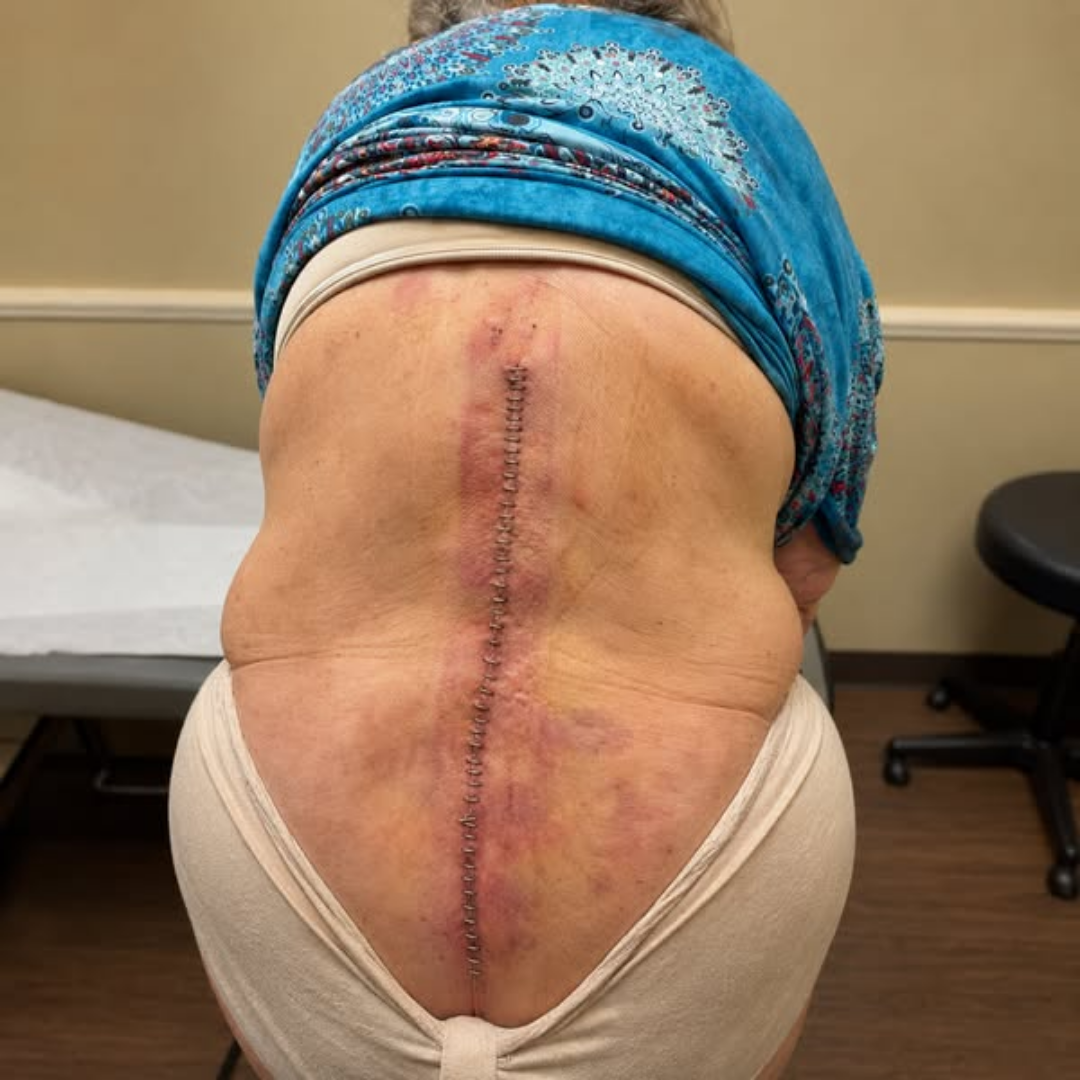
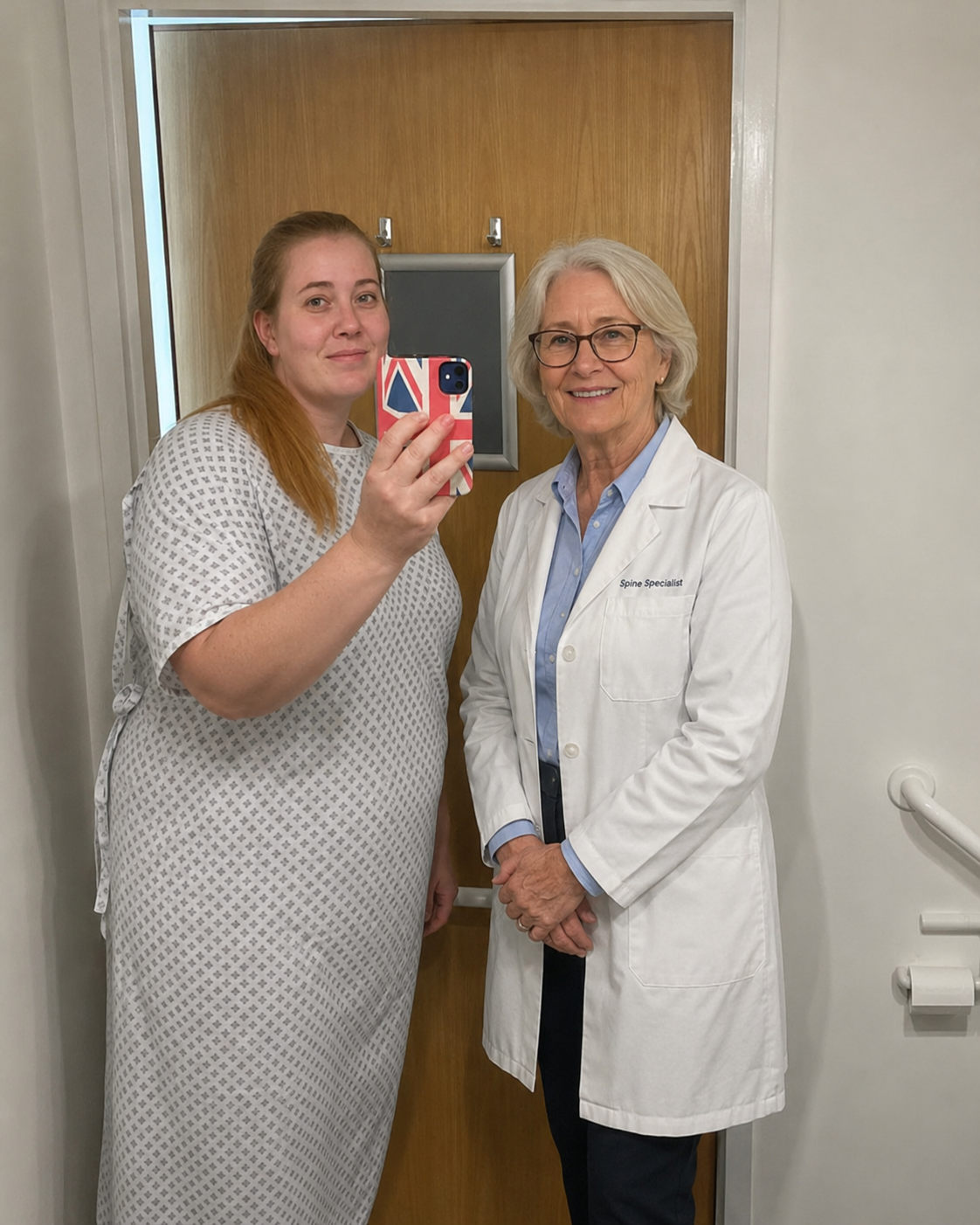
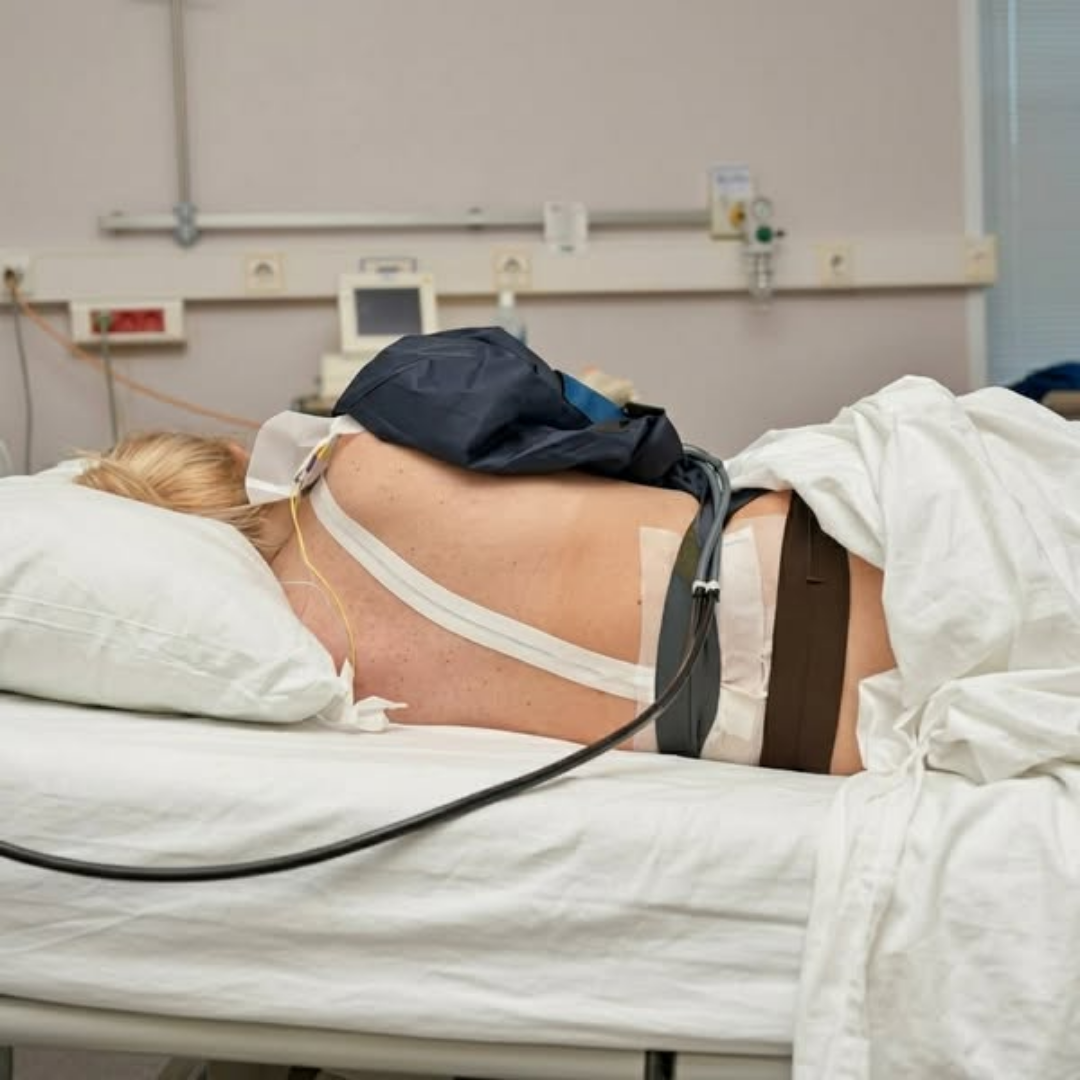
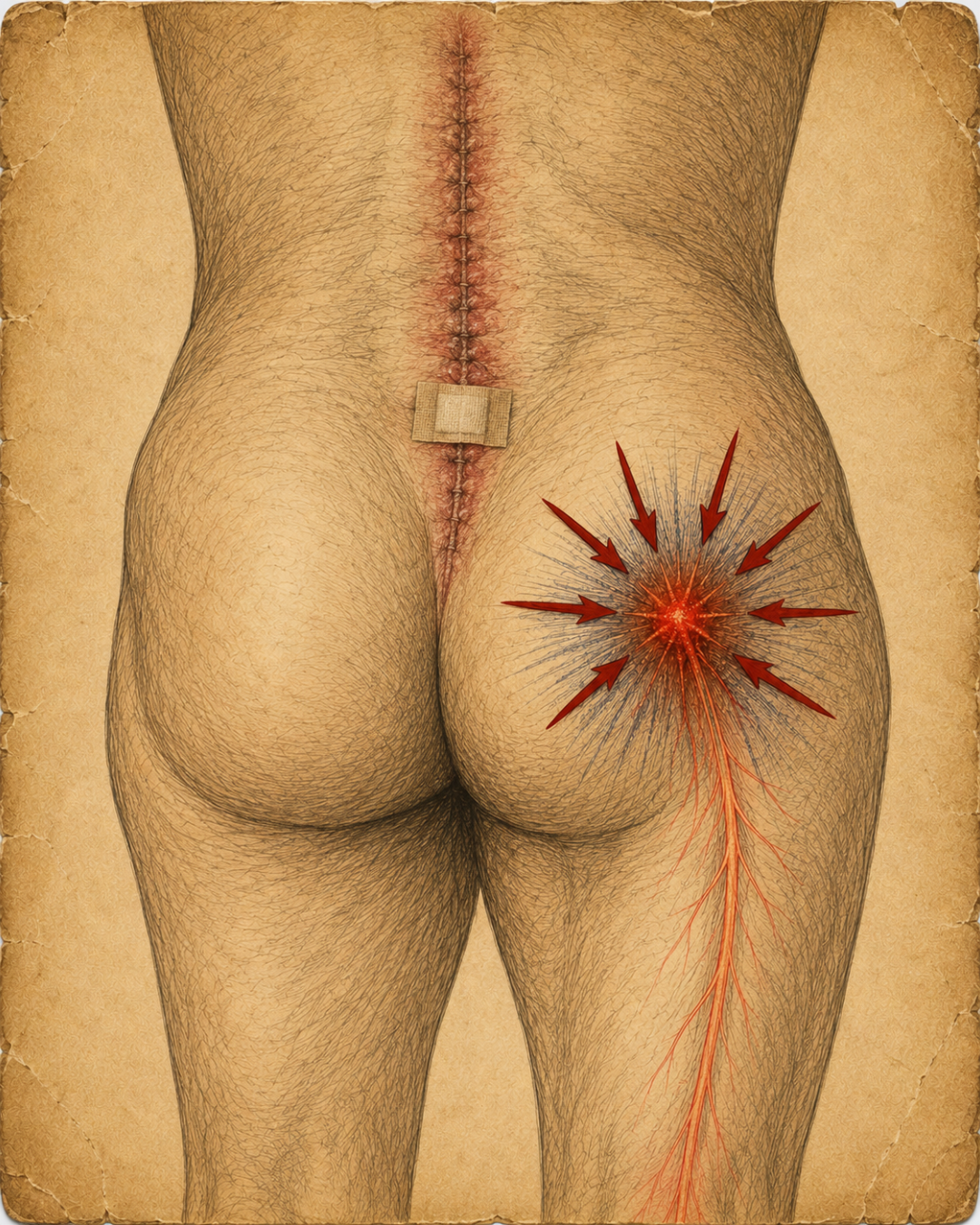
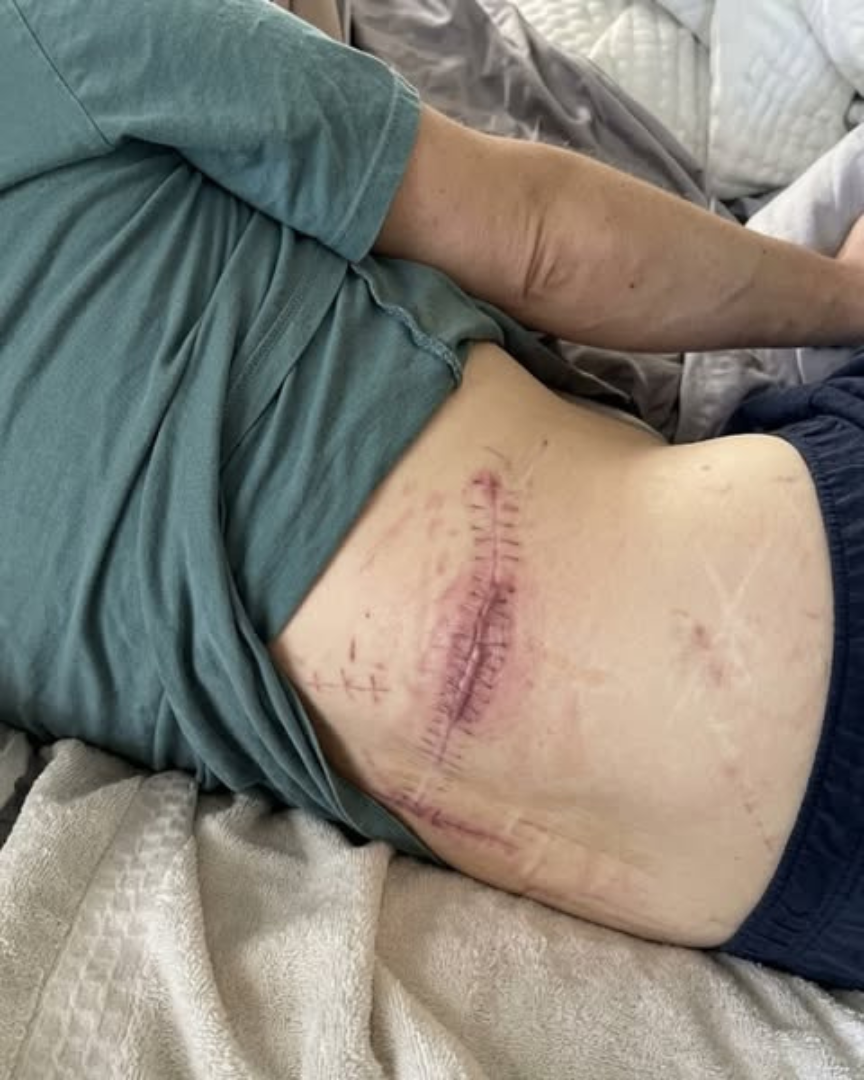
Eight months of oral magnesium, forty-two pounds a month from Holland and Barrett. My blood levels came back perfect. My sciatica was the worst it had ever been. That's when I started asking the question my GP couldn't answer. My name is Loretta. I'm fifty-three. I live in Sheffield. I work three days a week as a deputy headteacher at a primary school in the city centre. My husband Mark is an electrician. We have two grown daughters and a granddaughter due in May. Six years ago I bent down in the garden to pick up a watering can and felt something go in my lower back. I didn't think much of it at first. A few days of paracetamol. A bit careful getting out of bed. The pain didn't settle. Two weeks in, it started running down the back of my left leg into my foot. The GP told me it was probably sciatica. Very common after fifty. She prescribed naproxen and put me on the NHS physio waiting list. The wait was sixteen weeks. The physio gave me five line drawings on a sheet of A4. Knee-to-chest stretches. Pelvic tilts. The cobra. I did them every morning for three months. The burning didn't shift. Year two, I went private. There's a small osteopath clinic on Ecclesall Road I'd walked past a hundred times. Six sessions at £55 each. The relief lasted about ten days each visit, then it all came back. Then a friend at school told me she'd cured her sciatica with magnesium tablets. She'd read about it in a magazine. She swore by them. She showed me the bottle from Holland and Barrett. I bought the same bottle that weekend. I took two tablets a day, exactly as the bottle said. Forty-two pounds the first month. The bigger pack the second month. By month three I was taking the high-strength version. By month six I was buying the magnesium glycinate, the most absorbable kind, because the original kind hadn't done anything. By month eight I went back to the GP and told her my sciatica was getting worse, despite eight months of religious magnesium supplementation. Could she check my magnesium levels? She ran the bloods that week. The results came back with a polite little note. "All within normal range. Magnesium 0.85, well within the reference range of 0.7 to 1.0." My GP told me this was good news. My magnesium was fine. I didn't need the tablets. I sat in the car park outside the surgery and I genuinely thought I was losing my mind. I'd been taking magnesium for eight months. The bloods were perfect. The pain was the worst it had ever been. None of it made sense. That night I sat at the kitchen table at half past two in the morning, the way I'd been sitting most nights for over a year, and I started reading. Properly this time. Not the Daily Mail health pages. Actual research. What I found made me feel sick. There's a piece of research from a few years back, in a peer-reviewed journal, that looked at exactly this question. How much of an oral magnesium dose actually reaches a tight, inflamed muscle around an irritated nerve. Less than one per cent. Less than one per cent. Oral magnesium goes through your stomach. It distributes evenly across the entire bloodstream. Every cell in your body gets a tiny share. By the time it reaches the locked muscle around your sciatic nerve, the dose has been so diluted it's essentially nothing. That's why the bloods came back fine. The blood was fine. The actual tissue around the nerve, the muscle that had been clenched for a year, the nerve cells starved of the right minerals to settle, none of that had ever received what it needed. I'd been swallowing magnesium for the wrong location. It got worse the more I read. I found a paper comparing topical arnica preparations to oral ibuprofen for chronic back pain. The two worked equivalently for pain. But the topical group didn't get the stomach damage, the liver load, or the systemic side effects. Because the active ingredient was applied directly where the pain was. I found research on magnesium chloride applied to the skin. It penetrates the fascia. It reaches the deep muscle. It blocks pain signals at the NMDA receptor, the same receptor ketamine works on. Without going anywhere near the bloodstream first. I found a study on menthol activating the kappa opioid receptors in skin tissue. The same receptors morphine targets. But only at the local site. Not in the brain. Not throughout the body. I found research on MSM as a carrier compound. The thing that drives the other actives through the skin barrier into the muscle and nerve tissue underneath. By half past four in the morning, I understood something I'd never been told by a GP, a physio, an osteopath, or a friend. The route you take into the body matters more than the ingredient. Magnesium taken orally for sciatica is like trying to water a houseplant by sprinkling water on the entire room. Almost none of it reaches where it needs to go. The houseplant stays dry, but the carpet gets damp. Magnesium absorbed through the skin, into the muscle around the nerve, is the watering can pointed at the soil. I texted my friend at school the next morning. The one with the bottle from Holland and Barrett. I asked if she'd ever tried the topical version. She said she'd never even heard of one. I went looking that afternoon. I went on Mumsnet. I went on Versus Arthritis. I read every thread I could find on transdermal magnesium and back pain. I found a UK formula. Magnesium chloride at clinical strength. Arnica for the surrounding inflammation. Menthol as the active pain-signal blocker. MSM as the penetration carrier. The exact four compounds the research had described. I ordered it that evening. I started using it twice a day. Morning before school. Evening before bed. Day three, I sat through a full staff meeting after school. Forty-five minutes in a chair. Without shifting. Without standing up at the back. Without that familiar burning building down my left leg. I sat for forty-five minutes and didn't think about my back once. By the end of the first week, I'd driven up to Leeds and back to see my eldest daughter at university. Forty minutes each way on the M1. No pulling into Woolley Edge services to walk it off. That hadn't happened in six years. Day twelve, I got down on the lounge floor with our friends' little boy when they were round for tea. He's two. We did one of his puzzles. He climbed on my back. I laughed and pretended to be a horse. Twenty minutes later, I stood up. Without bracing on the sofa. Without the lightning bolt. Without needing Mark to give me a hand. I stood up like a normal person. Mark watched me from the kitchen doorway. He'd been watching me struggle to get off the floor for years. He didn't say anything. He just put his arms round me when our friends had gone home. By week three I was waking up in the morning and not bracing. The morning stiffness went from twenty minutes down to ten. Then it was just gone. I've been off naproxen for nine weeks now. The bottle of Holland and Barrett magnesium tablets is still in the kitchen cupboard. I keep meaning to throw it out. I haven't, yet. I think part of me wants to leave it there as a reminder. Eight months. Five hundred and four pounds. Bloods perfect. Sciatica worst. If you've been doing what I was doing, swallowing magnesium tablets and waiting for them to reach a sciatic nerve they will never reach, please at least read about why it doesn't work the way you've been told. You can read the full article at the link below.
Like this ad? Make it yours.
Crush rebuilds this exact creative around your product — your brand, your colors, your offer — in about a minute.