
Inactive· since Feb 11, 2026
- 16
- days it ran
- 0
- relaunches
Ad copy
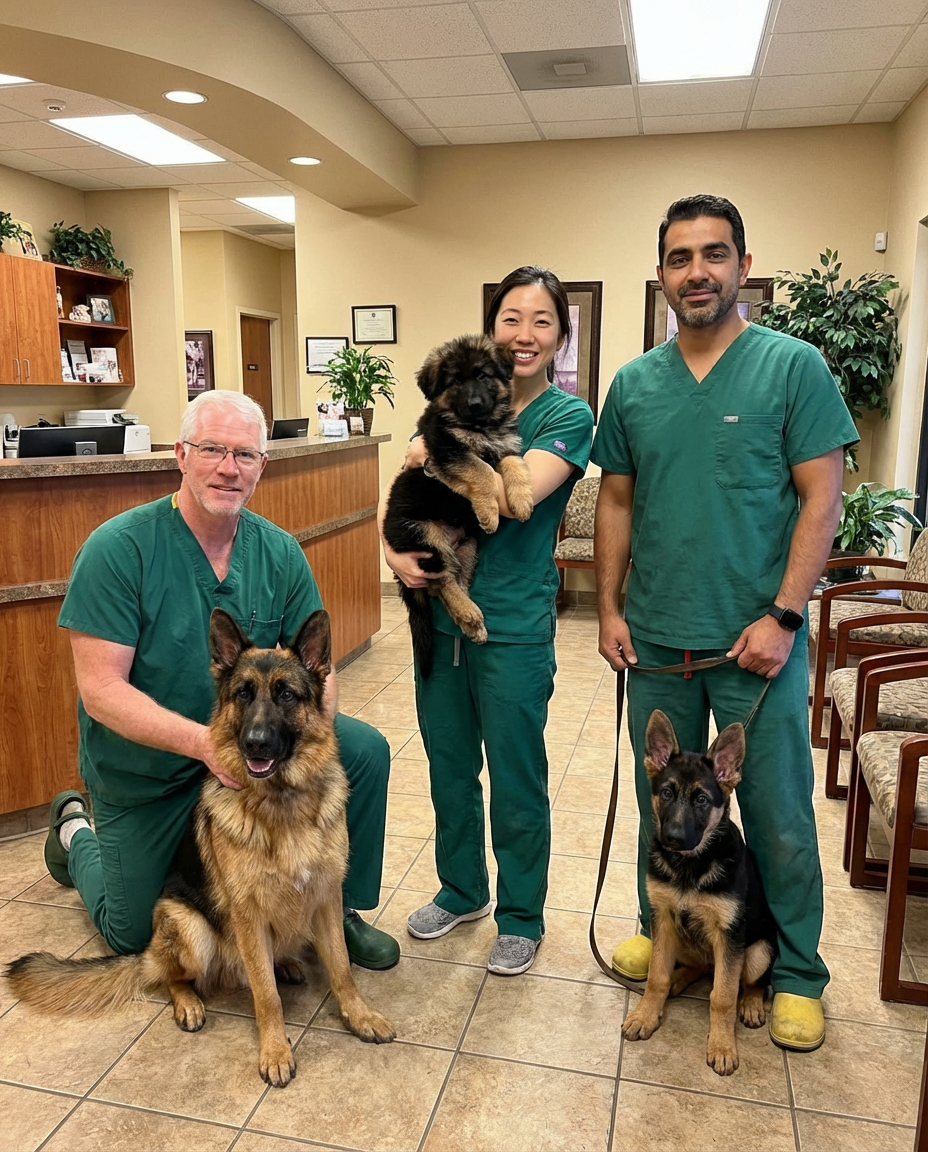
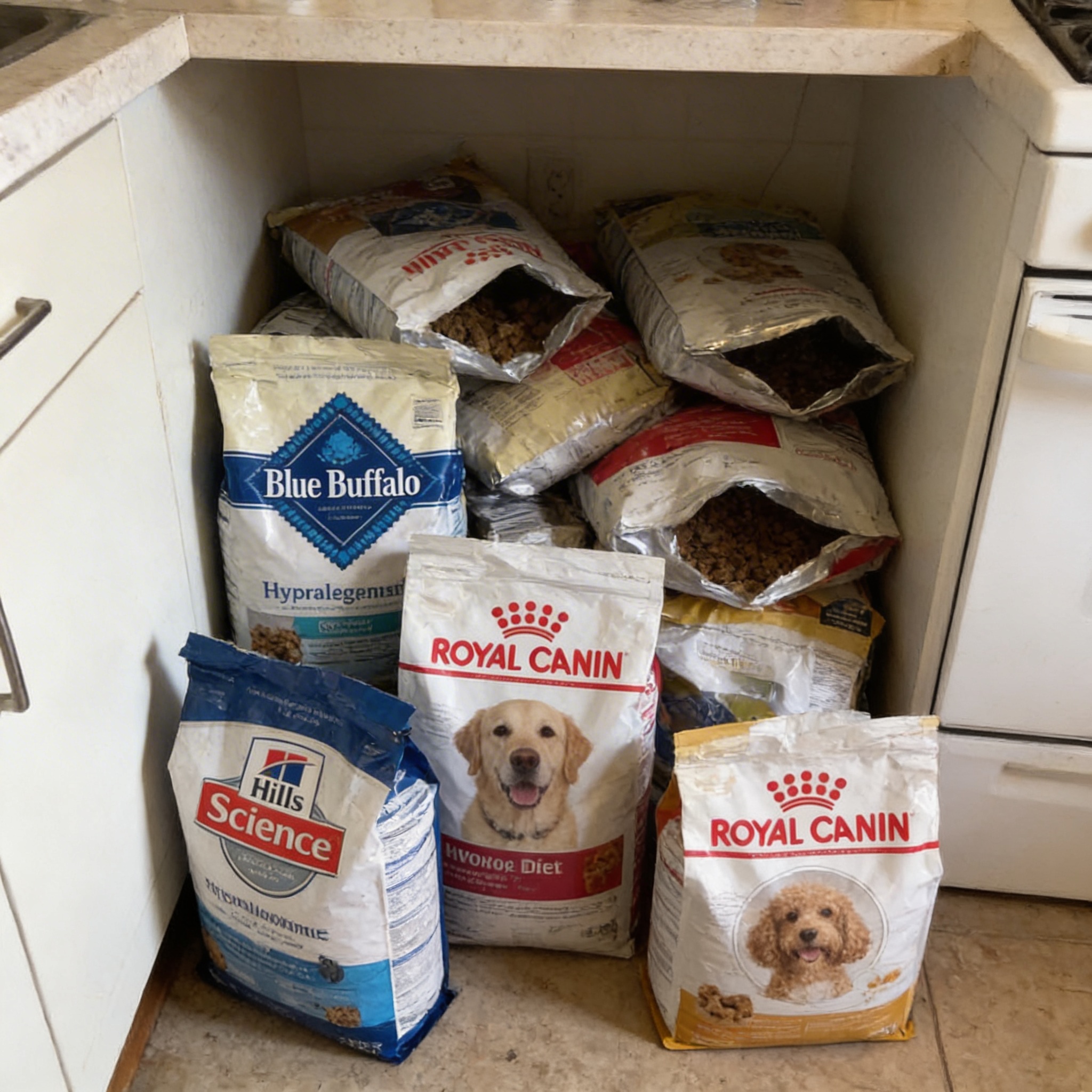
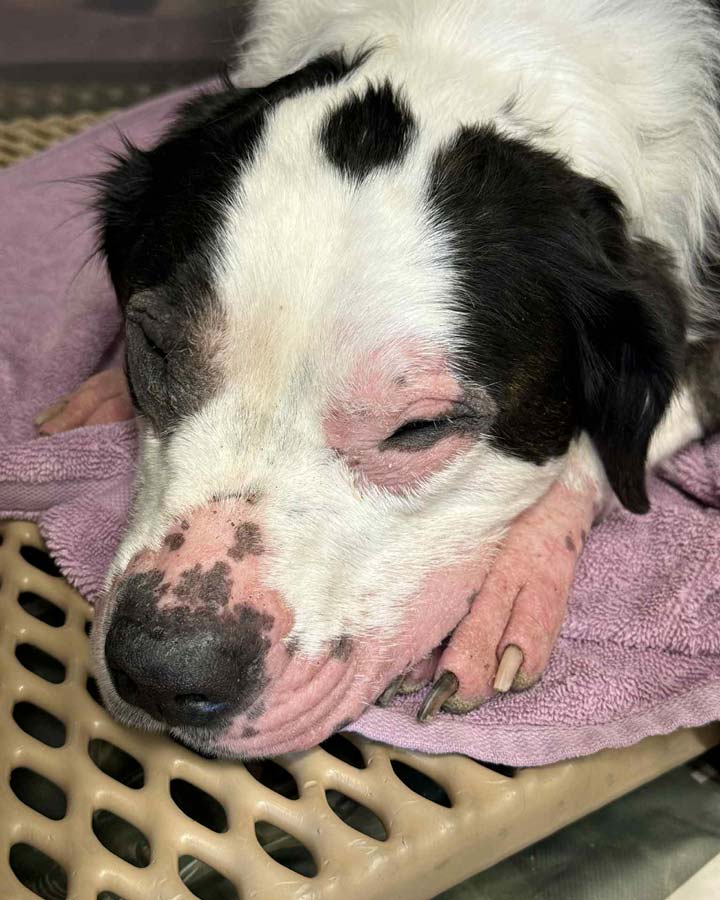
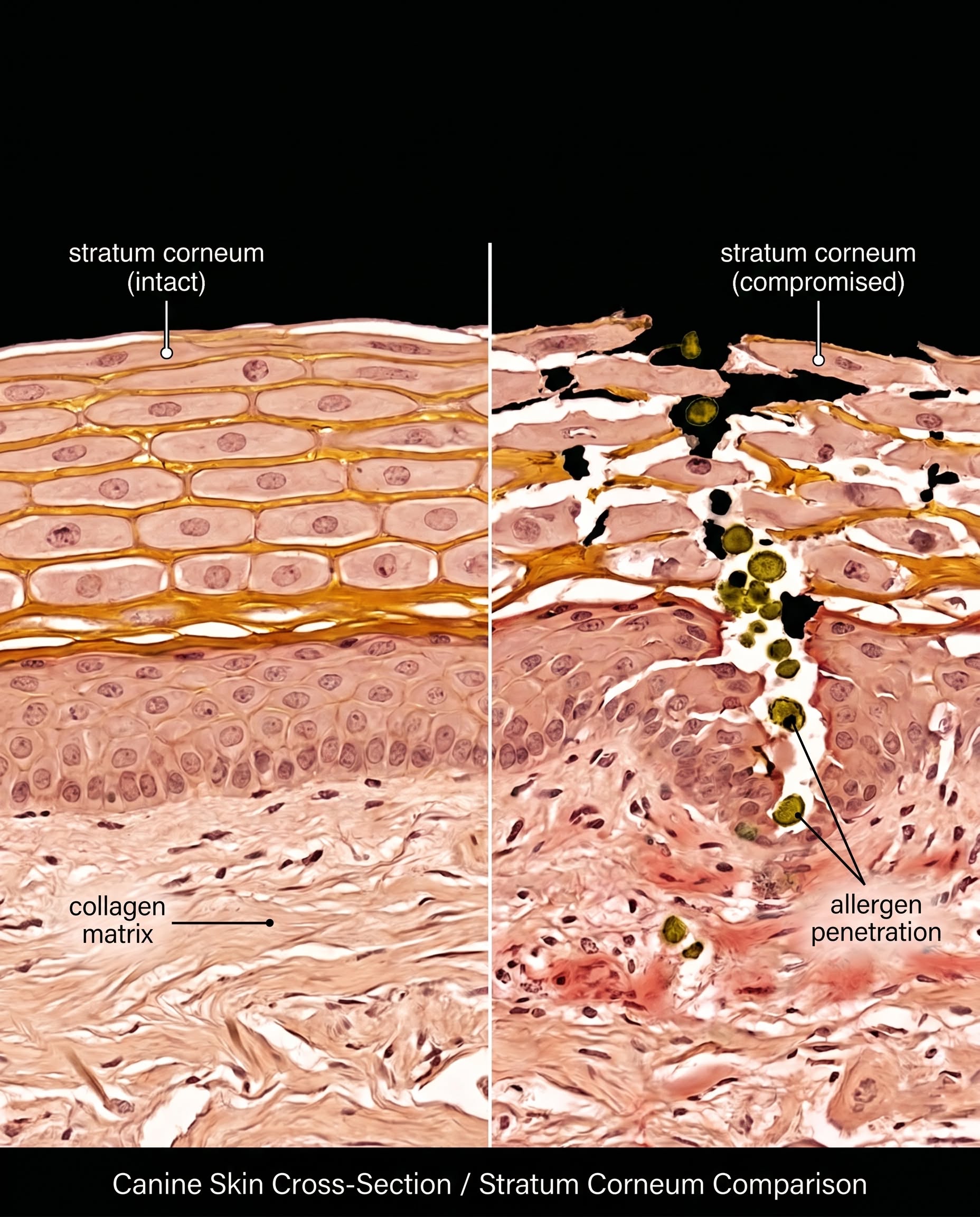
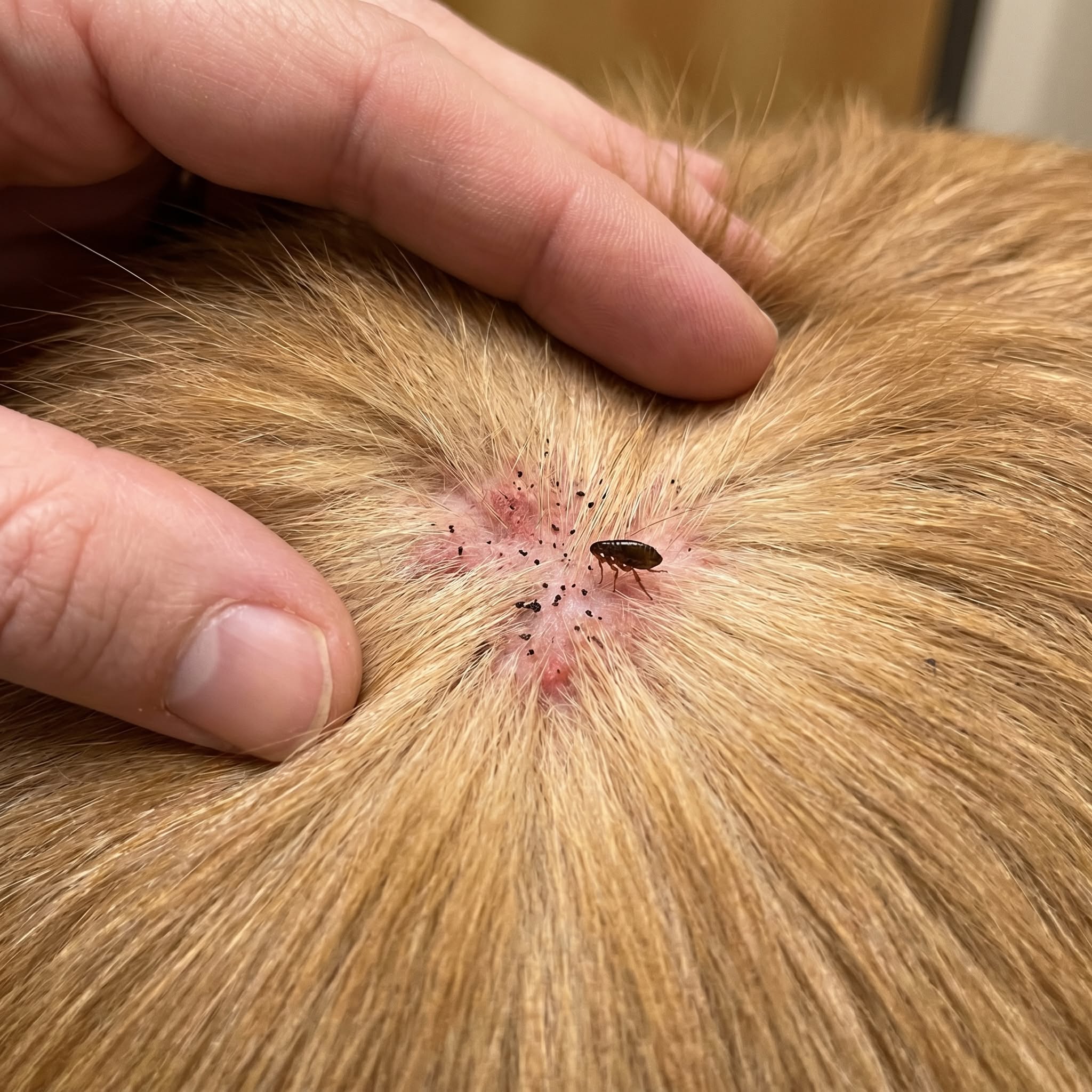
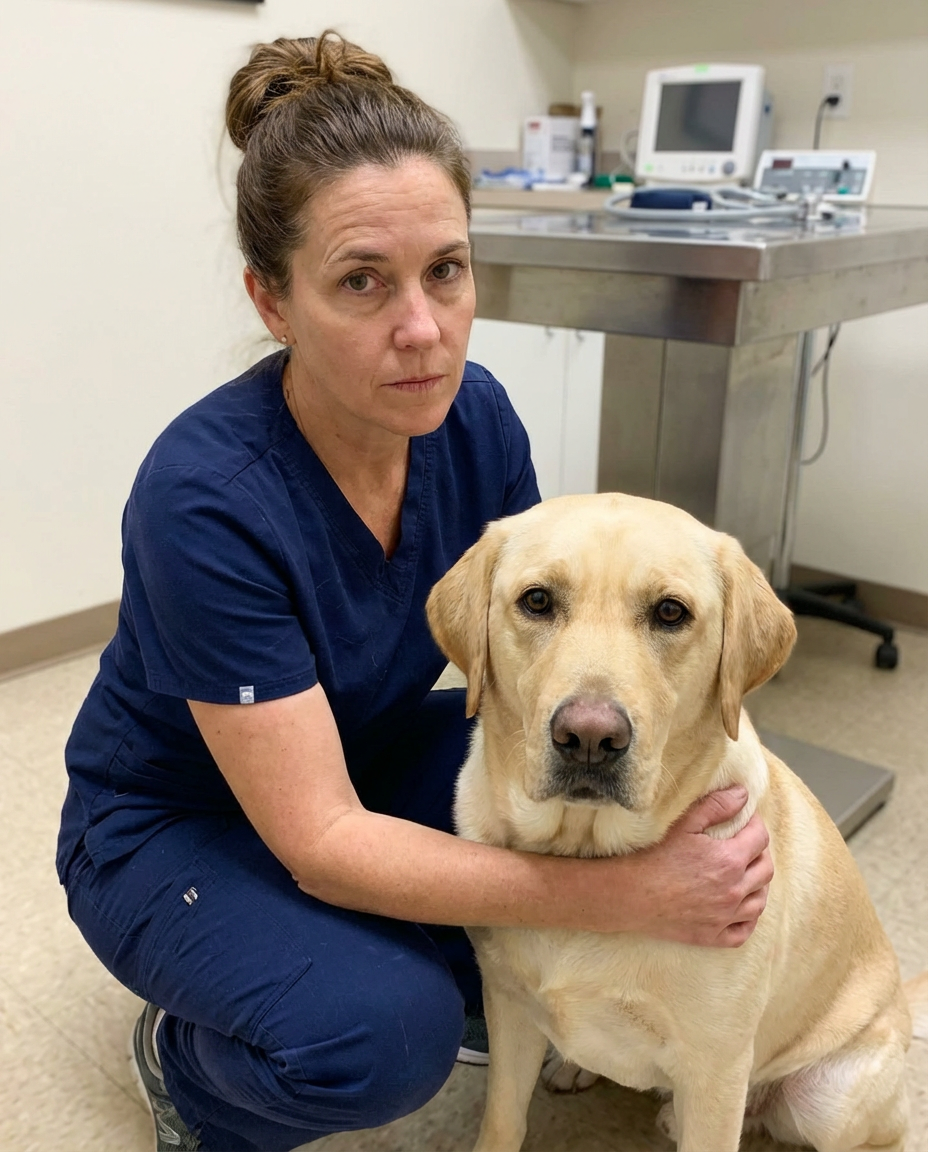
After 17 years in general practice, I held a woman's hand while she said goodbye to her 9-year-old dog. A 9-year-old. Not 14. Not 16. Nine. His name was Chester. Labrador. Big, goofy, beautiful dog. Three years earlier he'd been sprinting through fields. Thick coat. Bright eyes. Pulling on the lead so hard his owner could barely hold him. Now he was on my floor. Couldn't stand without help. Coat like straw. Thirty pounds lighter than his peak. Hadn't played in over a year. Having accidents every night. His owner — Michelle — had spent over $6,200 in three years trying to save him. Glucosamine. Two different brands. $45 a month each. Prescription anti-inflammatories. $60 a month. Three rounds of blood work. Two X-ray sessions. One MRI. Hydrotherapy. Laser therapy. Acupuncture. Salmon oil for the coat. Prescription diet for the gut. Probiotics for the digestion that had fallen apart at age 7. $6,200. Exposed to at least nine different treatments. Not one of them addressed the reason Chester was falling apart. And I know that because I'm the one who prescribed most of them. My name is Dr. Katherine Mercer. I've been a general practice vet for 17 years at Whitmore Animal Hospital. I've treated over 20,000 dogs. And I prescribed the wrong thing to almost every single one of them. Chester's file was 38 pages long. After he died, I sat in my office and read every page. From the puppy visit to the final appointment. Not to process the grief. I was looking for something. The moment I missed. Here's what I found. Age 3. Annual check. My notes: "Healthy. Excellent condition. Coat shining. Joints excellent. Weight perfect." Age 4. "Coat very slightly drier than previous visit. No concerns. Recommended salmon oil." Age 5. "Coat still dull despite salmon oil. Owner has tried food change and new shampoo. Suggested this can happen as dogs mature." Age 5, six months later. Unscheduled visit. "Owner reports occasional soft stools. Switched to sensitive stomach formula. Prescribed probiotics." Age 6. "Some morning stiffness noted. Slight joint thickening in hips. Started glucosamine. Coat unchanged — advised owner this is likely just his coat type now." Age 7. "Stiffness progressing. Added anti-inflammatory on bad days. Owner reports less energy. Sleeping more. Less interest in walks. Dog seems 'flat.' Advised normal for breed and age." Age 7, three months later. Unscheduled visit. "Itching. Skin red around belly and paws. No fleas. Started Apoquel. Suspect environmental allergies." Age 8. "Mobility declining. Walks shortened to 15 minutes. Difficulty with stairs. Referred for hydrotherapy. Energy very low. Owner tearful. Reassured this is unfortunately common in larger breeds." Age 9. On my floor. Done. I stared at those notes for an hour. And I counted. Seven separate symptoms across five years. Seven separate diagnoses. Seven separate treatments. Dull coat — salmon oil. Gut issues — sensitive food and probiotics. Stiff joints — glucosamine. Low energy — "normal for age." Skin problems — Apoquel. Mobility loss — hydrotherapy. Muscle wasting — nothing. I didn't even have a treatment for that. I just watched it happen. Seven things wrong with one dog. And not once — not in 38 pages — did I ask the obvious question. What if it's all the same thing? Michelle asked me that question at Chester's second-to-last appointment. "Dr. Mercer, his coat went first. Then his stomach. Then his joints. Then his energy. Then his skin. Now he can barely walk. Is it possible this is all connected?" I told her it was unlikely. Different systems. Different causes. Just bad luck that they overlapped. I was wrong. It wasn't bad luck. It wasn't seven problems. It wasn't even two problems. It was one. And it has a name I'd never heard in 17 years of practice. I call it The Rationing Effect. Here's what it is. And here's why it explains everything I watched happen to Chester — and everything you're watching happen to your dog right now. There is one protein in your dog's body that maintains more systems than any other. Not protein from their food. Not chicken or beef or lamb. Collagen. Collagen is the single most abundant protein in your dog's entire body. It makes up more structural tissue than everything else combined. It's the raw material the body uses to build and maintain: Coat and skin — collagen is the structural foundation of both. Thickness, shine, elasticity, barrier strength — all collagen-dependent. Joints and cartilage — cartilage is 60% collagen. The cushion between every joint. The thing that lets your dog run, jump, climb, play without pain. Gut lining — the intestinal wall is collagen-dependent. It's what keeps food in and toxins out. When it thins, digestion fails. Tendons and ligaments — the connective tissue holding the skeleton together. All collagen. Skin barrier — the wall that keeps allergens, bacteria, and irritants from penetrating. Collagen-maintained. Muscle structure — the connective tissue within and around every muscle. Collagen. Energy systems — when the body has enough structural fuel, energy is high. When it's rationing, energy crashes. One protein. Maintaining all of it. Every day. When a dog is young — 1, 2, 3 years old — the body produces more collagen than it needs. Every system is fully funded. Coat thick. Joints cushioned. Gut sealed. Skin strong. Energy high. That's your dog at their best. That's the dog you remember. Around age 3, production starts declining. Not overnight. Not dramatically. Not in any way you'd notice. Just a quiet, steady drop. A fraction less produced each day than the day before. By age 5, the body is losing more collagen than it makes. Every single day. And this is where The Rationing Effect begins. The body doesn't shut down all at once. It's too smart for that. Instead, it triages. It looks at the dwindling collagen supply and makes calculated decisions about what gets maintained and what gets sacrificed. It sacrifices in a specific order. The same order. In every dog. Every breed. Every time. This is what I found in Chester's file. This is what I've since found in over 300 files. The same sequence. The same timeline. Never deviating. First to go: the coat. The body decides coat and skin are not essential for immediate survival. Funding gets cut. Collagen gets redirected to joints and organs. That's what I noted in Chester's file at age 4. "Coat slightly drier." I recommended salmon oil. Salmon oil adds surface moisture. It has zero effect on a body that's stopped funding the coat from the inside. I might as well have polished a car with a flat engine. Second: the gut. The intestinal lining is collagen-dependent. When funding drops, it thins. The tight junctions between cells loosen. Things that were kept out start getting through. Food that was digested fine for years suddenly causes problems. That's what I noted in Chester's file at age 5. "Occasional soft stools." I prescribed probiotics and a sensitive stomach diet. The gut wasn't sensitive. It was leaking. Because the wall that held it together had lost its structural integrity. Probiotics don't rebuild a gut wall. Neither does sensitive food. The wall is made of collagen. Third: the joints. Cartilage is 60% collagen. When the body can't maintain it, the cushion between every joint erodes. Daily. Every walk, every run, every jump grinds it thinner. And it doesn't rebuild. Because there's no collagen to rebuild with. Chester's file, age 6. "Morning stiffness. Joint thickening. Starting glucosamine." A 2022 systematic review concluded glucosamine and chondroitin "should no longer be recommended as reliable options for canine osteoarthritis." Glucosamine lubricates. It does not rebuild. Cartilage is built from collagen. I was lubricating a joint whose cushion was disintegrating. For three years. At $45 a month. Fourth: the skin barrier. Same mechanism as the gut — the barrier thins. Allergens that never caused problems start penetrating. The immune system reacts. Itching. Redness. Hot spots. Chester's file, age 7. "Itching. Redness. Started Apoquel." Apoquel suppresses the immune response. It doesn't rebuild the skin barrier. The barrier is collagen. Without collagen, it keeps failing. The Apoquel masks the symptom while the structure continues to collapse. Fifth: energy. When collagen drops critically low, the body enters survival mode. Every remaining scrap goes to keeping organs alive. Heart. Kidneys. Liver. Nothing left for play. Enthusiasm. Brightness. Joy. Chester's file, age 7. "Less energy. Sleeping more. Normal for age." Not normal. Survival mode. A body so depleted it's shut down everything except the absolute basics. Sixth: mobility. The joints are destroyed. The muscles have wasted — because the connective tissue holding them together is collagen-dependent too. The tendons and ligaments are weakened. The dog can't stand. Can't walk without pain. Can't do stairs. Can't get on furniture. Chester, age 8. Seventh: the conversation. Chester, age 9. Seven symptoms. One deficiency. Five years. The Rationing Effect. I found it in Chester's file. Then I found it in every file I opened. I went through 312 files of dogs I'd euthanised or had the quality of life conversation with over the past decade. The pattern was there in 289 of them. 93%. Same order. Same timeline. Coat first. Then gut or joints. Then energy. Then mobility. Then the conversation. 293 dogs. One underlying cause. And in every single file, I'd treated each symptom separately. Different diagnosis. Different treatment. Different bill. Never once connecting them. Now — here's the part that made me angry enough to write this. Their food never replaced it. Not once. Not in their entire lives. I tested the 14 most popular dog foods in my clinic. Not for protein content or fat percentages — for bioavailable collagen. The actual amount of usable collagen that reaches the dog's body after digestion. Here's what I found: Purina Pro Plan (Adult formula, $62/bag): Bioavailable collagen content — effectively zero. Heat processing during manufacturing destroys collagen proteins. Primary protein source is muscle meat, which contains almost no collagen. Royal Canin (Breed-specific formulas, $75-90/bag): Bioavailable collagen — effectively zero. Same heat processing issue. "Joint support" claim on label comes from added glucosamine, not collagen. Hill's Science Diet (Adult Large Breed, $72/bag): Bioavailable collagen — effectively zero. Despite "clinically proven nutrition" claim, contains no meaningful collagen source. Orijen (Regional Red, $95/bag): Bioavailable collagen — trace amounts. Higher quality ingredients but same heat processing problem. Whatever collagen existed in the raw ingredients is destroyed during manufacturing. Farmer's Dog (Fresh food delivery, $8-12/day): Bioavailable collagen — minimal. Better than kibble due to lower processing temperatures. Still primarily muscle meat. Not enough to offset age-related decline. Acana (Heritage formula, $80/bag): Bioavailable collagen — effectively zero. Blue Buffalo (Life Protection, $58/bag): Bioavailable collagen — effectively zero. Taste of the Wild (High Prairie, $52/bag): Bioavailable collagen — effectively zero. Every single food. From the $52 bag to the $12-a-day fresh delivery service. Effectively zero bioavailable collagen. "Complete and balanced" on every label. Legal minimums met. Dogs kept alive. But not one of them replacing the most important structural protein in the body. Dogs evolved eating whole prey — skin, cartilage, tendons, bones. Every meal packed with collagen. Every meal replenishing what the body used. Modern dog food is muscle meat and fillers. Processed at temperatures that destroy whatever collagen was in the raw ingredients before they were cooked. Your dog has been running a collagen deficit since age 3. Getting worse every year. And their food — no matter what brand, no matter what price — isn't closing the gap. That's The Rationing Effect. That's what you're watching. That's what I watched in 289 dogs over a decade without understanding what I was looking at. Because vet school taught me fewer than 8 hours of nutrition across the entire degree. Most funded by the same companies making those foods. After discovering this, I thought the hard part was over. Just supplement collagen, right? Wrong. The nightmare was just beginning. I went online and ordered every collagen supplement for dogs I could find. Nine different products. Powders, chews, pills, treats. All claiming to support joints. All claiming results. I sent them all to an independent lab for testing. What came back made me furious. BarkNaturals Collagen Chews (12,000+ Amazon reviews, "Vet Recommended"): Actual collagen content 34% below label claim. Processed at high heat — peptide chains largely intact and too large for absorption. Added fillers including rice flour and maltodextrin. Estimated bioavailability: under 15%. PawPure Joint Collagen Powder (Sold at major pet chains): Collagen from bovine hide — lowest quality source. Peptide size analysis showed molecules too large for efficient gut absorption. Bioavailability estimated at 12-18%. VetStrength Collagen Plus (Premium priced, $55/tub): Only 60% of labelled collagen content. Mixed with glucosamine and chondroitin to pad the formula. Actual collagen dose below therapeutic threshold. K9 Collagen Pro (Subscription model): Sourced from unverified overseas facility. No batch testing documentation available. Tested positive for heavy metal traces above recommended limits. NaturVet Collagen Bites: Collagen present but in treat form — baked at temperatures that denature the peptides. Your dog is eating flavoured biscuits with destroyed collagen. Bioavailability: negligible. PetHonesty Collagen Sticks: Same heat processing problem. Denatured peptides. Below therapeutic dose even if they were absorbed. Five more brands. Same issues. Under-dosed. Over-processed. Wrong source. Wrong peptide size. Fillers. Contamination. Not a single one delivered collagen in a form a dog's body could actually absorb and use. Here's the science most manufacturers ignore — or hope you don't know. Collagen in its natural form is a massive protein molecule. The gut cannot absorb it efficiently. It passes through mostly intact. The dog gets almost nothing. For collagen to work, it must be hydrolysed — broken down into tiny peptides small enough to cross the gut wall directly into the bloodstream. Peptide size matters. Molecular weight under 5,000 daltons is optimal. Most powders and chews test at 10,000 to 50,000 daltons. Too large. They sit in the gut. The body can't use them. This is why owners try collagen supplements, see nothing change, and conclude collagen doesn't work for dogs. Collagen works. Their product didn't. Because the molecule was too large to absorb. Peer-reviewed research on hydrolysed collagen peptides shows: absorption rates up to 98% when molecular weight is below 5,000 daltons. Preferential accumulation in cartilage at twice the rate of free amino acids. Measurable improvement in skin elasticity, coat density, and joint function within 4-6 weeks. But only in liquid hydrolysed form. Not powder. Not pills. Not chews. Not treats. Liquid. Because liquid hydrolysed collagen bypasses every problem the other formats have. The peptides are already broken down. Already small enough. Already in a form that absorbs through the gut wall within minutes. No digestion required. No waste. The body uses it the same day. After testing everything on the market, I found one product that met every criterion. Healthy Petz Liquid Collagen. I sent it to the same independent lab that failed the other nine. Results: Types I, II, and III collagen — covering joints, cartilage, coat, skin, gut, connective tissue. The three types that make up over 90% of the collagen in a dog's body. 900mg Type I & III per dose. 40mg Type II. Therapeutic levels. Hydrolysed to peptide sizes the body can absorb. Liquid form — no heat processing to destroy the peptides. MSM included at 400mg — accelerates the body's ability to turn collagen into new tissue. Critical during the rebuilding phase. Hyaluronic acid at 50mg — maintains joint lubrication and skin hydration alongside the collagen. Marine-sourced. Smallest peptide size of any collagen source. Highest bioavailability. Zero fillers. Zero additives. Zero contamination. The only collagen supplement I've tested that actually delivers what the label claims, in a form the body can use. I started recommending it to every patient over 3. Started with my most critical cases first. Dogs I was ready to have the conversation about. Chester was gone. I couldn't save him. But I had other Chesters. Dogs in the same decline. Same timeline. Same trajectory. Duke. 10-year-old Labrador. I'd been managing his joints for three years. Glucosamine, then anti-inflammatories, then reduced exercise. His owner had asked me: "How much time does he have?" I switched him to liquid collagen. Kept his anti-inflammatory for pain management while we waited. Week 2: Owner reported his coat felt different. Softer. She wasn't sure if she was imagining it. Week 3: She wasn't imagining it. The coat was visibly changing. Shine returning. Week 4: "Dr. Mercer, he walked to the end of the street today. He hasn't done that in five months." Week 6: "He got on the sofa last night." She was crying when she told me. "He hasn't been on the sofa in over a year." Week 8: I examined him. Joint swelling reduced. Muscle mass beginning to return. Coat — I ran my hand down his back and stopped. I checked his file to confirm his age. This was not the coat of a 10-year-old dog. Duke is 12 now. Still on liquid collagen. Still walking to the end of the street. Still getting on the sofa. Still here. He should have been gone two years ago based on the trajectory he was on. The Rationing Effect was well advanced. But the moment his body got the fuel back — in a form it could actually absorb — the rationing stopped. Bella. 7-year-old Springer. Coat had been dull since age 4. Chronic gut issues since 5 — on prescription sensitive food and probiotics. Skin itching started at 6 — on Apoquel. Three separate symptoms. Three separate treatments. Three monthly bills. Total: $215 a month. I stopped the salmon oil, the probiotics, and the Apoquel. Started liquid collagen only. Week 3: Coat changing. Softer. Shine returning. Owner said it felt like "when she was a puppy." Week 4: Gut issues calming. Stools firming. No more soft days. Week 6: Itching reduced by about 80%. Owner stopped the Apoquel entirely by week 8 with my supervision. Itching didn't return. Three symptoms. Three treatments replaced by one. Because it was one deficiency the whole time. Bella's owner calculated what she'd been spending: $45/month salmon oil. $38/month probiotics. $65/month Apoquel. $72/month prescription food. $216 a month. $2,592 a year. For three years. Nearly $8,000 treating symptoms of a single deficiency. Liquid collagen: less than $1 a day. Max. 11-year-old Border Collie. Barely mobile. Owner had accepted this was the end. I'd gently suggested we start thinking about quality of life. Started liquid collagen alongside existing pain management. Week 4: Owner called. "He went up the stairs this morning. First time in eight months." Week 6: "He played with a tennis ball yesterday. For about two minutes. But he picked it up and brought it to me. He hasn't done that since last year." Week 10: Owner sent me a video. Max was trotting — not walking, trotting — alongside her in the park. Tail up. Head up. I watched that video three times. Because eight weeks earlier I'd been mentally preparing his euthanasia paperwork. Not a miracle. A body that got the raw material it'd been starving for. And stopped breaking down. I've now put over 430 dogs on this protocol. Every breed. Ages 3 to 14. Here are the results across my patient base: Coat improvement: 94% of owners report visible change within 2-3 weeks. Softer, shinier, thicker. Owners feel it before they see it. Energy improvement: 87% report noticeable change within 3-4 weeks. Brighter mornings. Longer walks. More engagement. More life. Joint improvement: 81% report measurable change within 4-6 weeks. Less stiffness. Easier mornings. More willingness to move. Gut improvement: 76% of dogs with chronic digestive issues showed improvement within 3-4 weeks. Firmer stools. Less vomiting. Better appetite. Skin improvement: 71% of dogs on allergy medications showed enough improvement to reduce or eliminate medication within 6-8 weeks. Under veterinary supervision. These aren't cherry-picked cases. That's 430 dogs. Tracked. Documented. In my files. The dogs that didn't respond — the remaining percentages — were almost all cases where the structural damage was too advanced. Cartilage completely destroyed. Joints fused. Muscle wasting beyond a point of return. That's why timing matters. The earlier you start, the more structure there is to save. The longer you wait, the less the body has to work with. If your dog is showing ANY of these signs, The Rationing Effect has already started: Coat dull, dry, or thinning — even slightly. That's sign one. The body has started cutting funding. Stiff after resting. Slow first steps. Hesitation at stairs. That's the joints losing their cushion. Less energy. Less enthusiasm. Less spark. Sleeping more. Playing less. That's survival mode. Gut changes. Food that used to be fine causing problems. Softer stools. Vomiting. That's the gut wall thinning. Skin issues. Itching that wasn't there before. Redness. Reactions to things that never bothered them. That's the barrier failing. These aren't five problems. They're one deficiency showing up in five places. In order. On a timeline that never varies. And every week you wait, the deficit gets worse. More cartilage lost. More gut wall thinned. More skin barrier weakened. More energy systems shut down. Cartilage doesn't grow back on its own. It needs the raw material to rebuild. Without it, the damage becomes permanent. Next time you're at your vet, say this: "My dog's coat has changed. They're stiffer in the mornings. They have less energy. Could this be collagen depletion?" If they say "that's just ageing" — ask: "Then why does it always happen in the same order? Coat first, then joints, then energy? In every dog?" They won't have an answer. I didn't. Not in 17 years and 312 files. But you don't need your vet's permission to start. Collagen isn't a drug. It's the most abundant protein in your dog's body. You're replacing what their food doesn't provide and their body can no longer produce enough of. No side effects. No interactions. No contraindications. Safe alongside any food, any medication, any existing treatment. One capful on their food. Once a day. They love the taste. Start with 3 bottles if your dog is already showing signs. That's the rebuilding phase. 4 to 6 weeks of daily supplementation to refill across every depleted system. Start with the maintenance dose if your dog is over 3 with no signs yet. Keep the tank full. Prevent The Rationing Effect from ever starting. It's easier, cheaper, and more effective than trying to reverse it. Less than $1 a day. Less than the glucosamine that doesn't rebuild cartilage. Less than the salmon oil that doesn't fix a depleted coat. Less than the Apoquel that masks skin symptoms. Less than the prescription gut food that doesn't rebuild the gut wall. Less than one month of the treatment treadmill I put Chester on for three years. Michelle spent $6,200 trying to save Chester. Nine treatments. 38 pages of notes. Seven symptoms I treated separately for five years. The answer — the single answer to all seven — cost less than $1 a day. And I didn't know it existed. I know now. And now so do you. → shophealthypetz.com/products/collagen — Dr. Katherine Mercer General Practice Veterinarian | 17 Years Whitmore Animal Hospital P.S. If your dog is currently on glucosamine, salmon oil, Apoquel, prescription gut food, or any combination — and they're still declining — you're not imagining it. Those treatments manage symptoms. They don't address the cause. The cause is one protein running out. The Rationing Effect. One capful of liquid collagen a day gives the body back the fuel it needs to stop rationing and start rebuilding. 430 dogs in my practice. The results are in my files. Start now. P.P.S. Michelle emailed me four months after Chester. She'd rescued a 3-year-old Lab mix from a shelter. "I'm not watching this happen again," she wrote. "What do I give her?" Liquid collagen. Every morning. Starting now. Before the coat ever changes. Before the joints ever stiffen. Before any of it begins. That dog is 5 now. Coat like silk. Joints perfect. Energy limitless. The Rationing Effect never started. Because the fuel was there from day one. Chester didn't get that chance. Your dog still can. → shophealthypetz.com/products/collagen
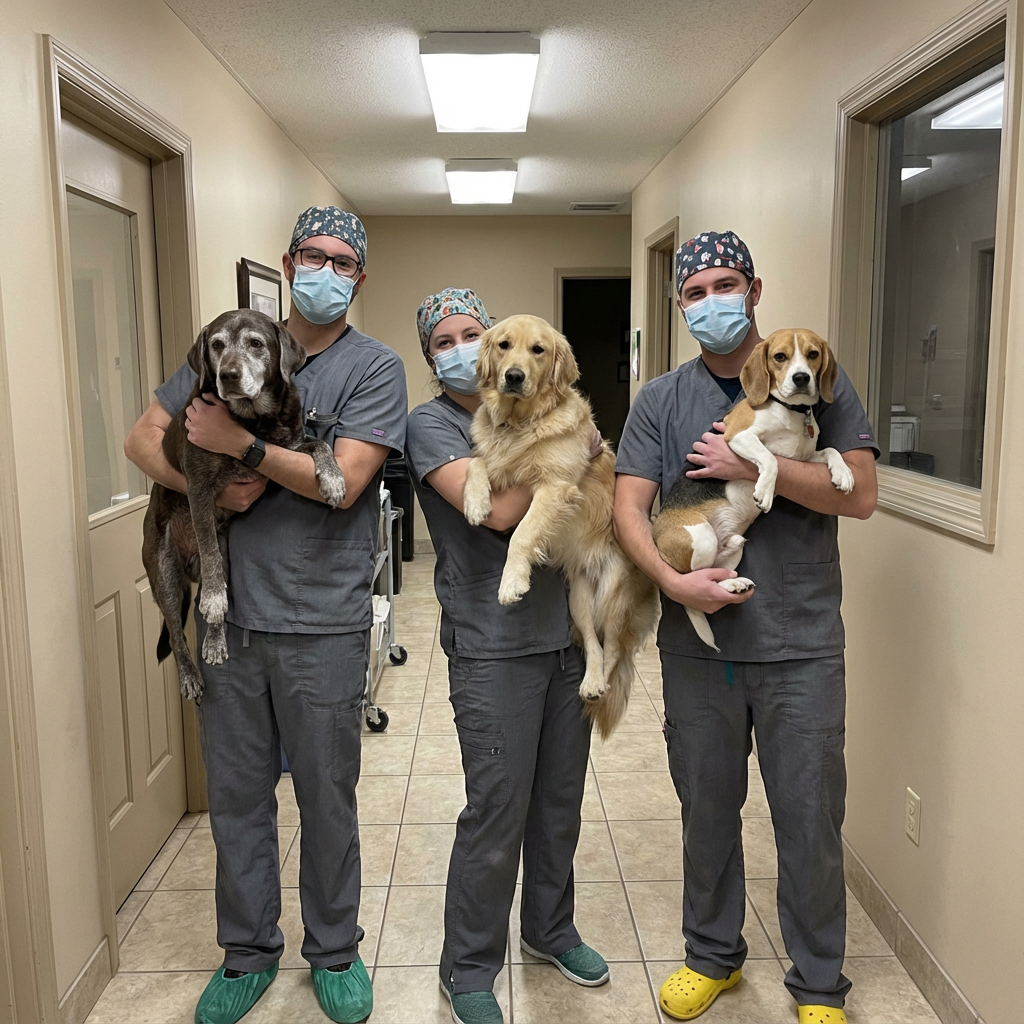
Seven symptoms. One deficiency. I missed it for 17 years.
LEARN MORELike this ad? Make it yours.
Crush rebuilds this exact creative around your product — your brand, your colors, your offer — in about a minute.