Teen Athlete Health
Teen Athlete Health Facebook ad: “The Advice That Keeps Toenail Fungus Coming Back”
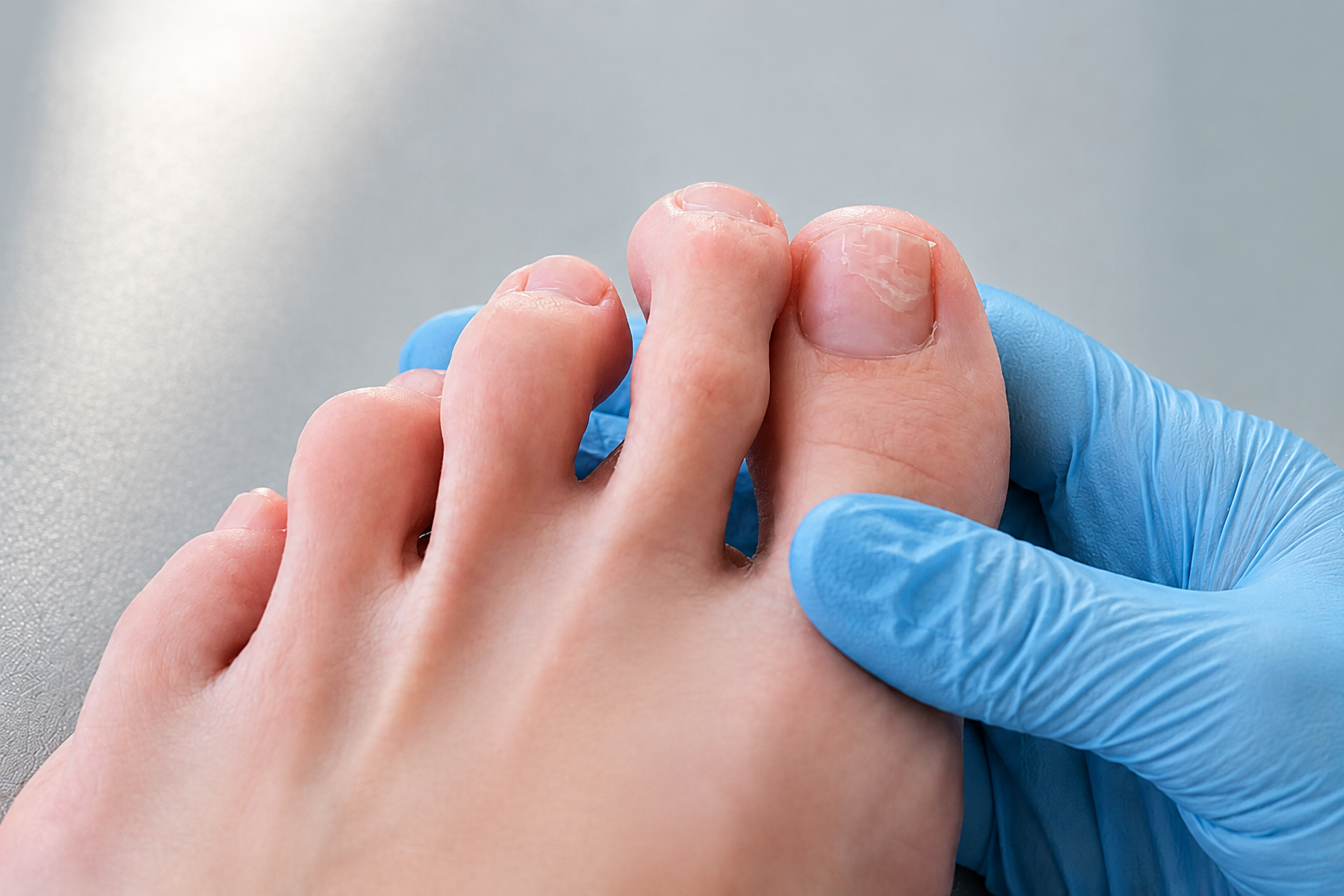
Ran for 22 days, from June 23 to July 15, 2026, the last day Crush saw it.
Run by Teen Athlete Health on Facebook. Crush is not the advertiser and does not verify its claims. See this ad in Meta's Ad Library(opens in a new tab)
Want an ad like this for your product?
Crush makes new ad images for your product from this ad: your logo, your product photo, your offer.
Trials from $19.95 USD, then $79.95 USD a month. Cancel anytime.
About this ad
- Meta Ad Library ID
- 1633362445171306
- Platforms
- Facebook, Instagram, Audience Network, Messenger and Threads
- Relaunches
- 0
- EU reach
- 21
- Niche
- Sports & Training
Ad text
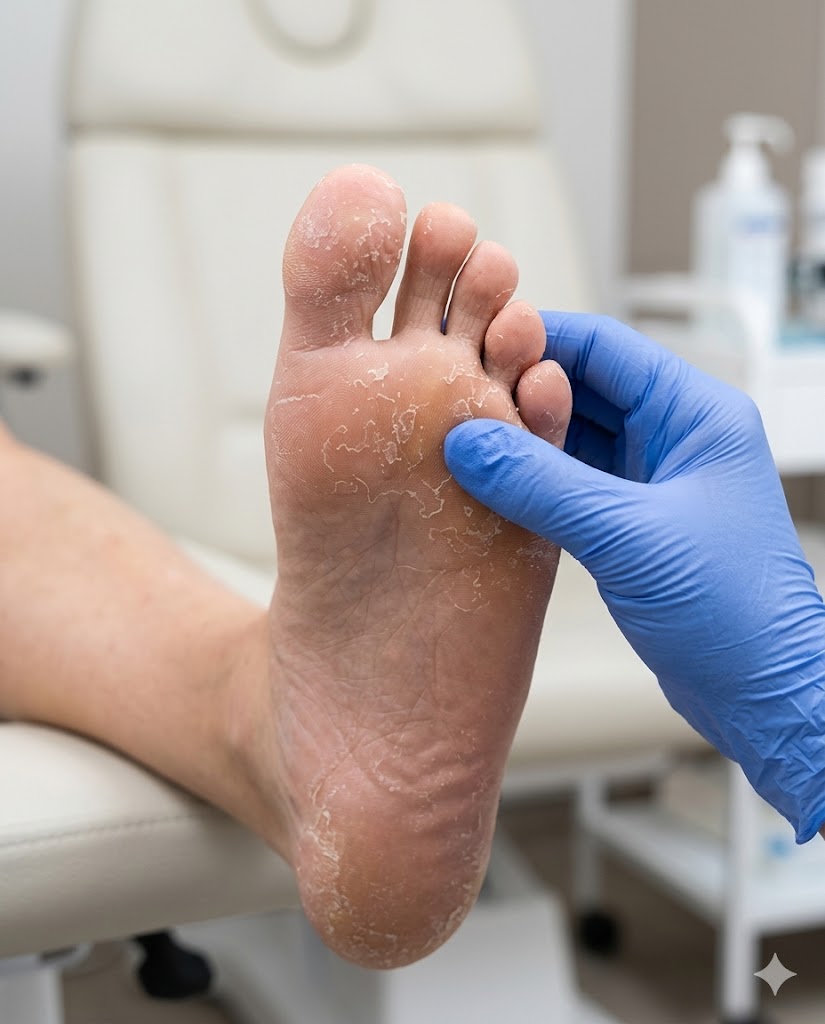
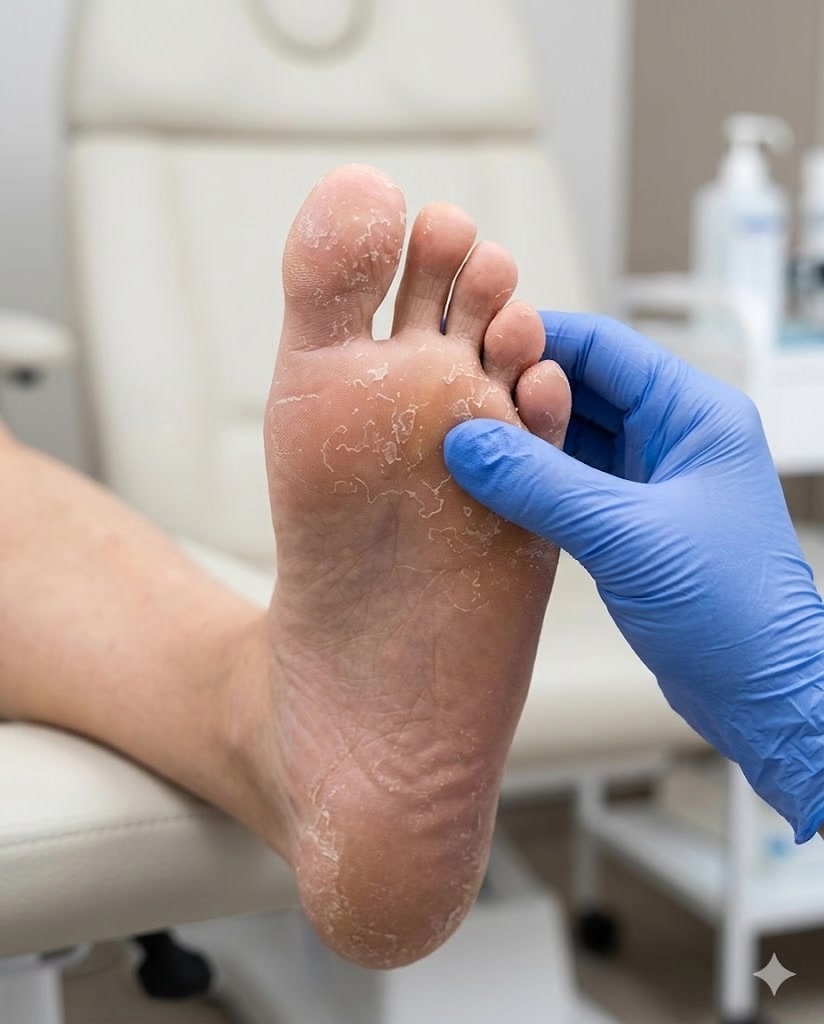
"It'll grow out." It's the most common thing a parent hears when a teenager turns up with a toenail that's gone yellow, thick, or crumbly at the edge. And it's a big part of the reason the problem often doesn't go away. A nail doesn't "grow out" a fungal infection the way a bruise fades. The fungus isn't sitting on top of the nail waiting to be pushed off. It's living underneath it, in the nail bed, feeding on the keratin the nail is made of. And the new nail simply grows into the same infected nail bed. The fungi responsible are called dermatophytes — they cause around 90% of toenail fungal infections, according to the Cleveland Clinic. And they need three things to thrive: warmth, darkness, and moisture. The American Academy of Family Physicians notes that toenails get infected far more often than fingernails partly because they spend their lives "confined in dark, moist environments." And for many teenagers, there’s no darker, moister environment than the inside of their sports cleat which they wear three to four times a week. And this is where the standard advice quietly fails. Even when a fungal nail is treated correctly, the shoe is still a reservoir. Dermatophytes shed spores into footwear every time it's worn, and those spores can survive inside a shoe for months. Yes, you can treat the nail. But sending your child's foot back into the same contaminated cleat often sees the infection get reseeded. The documented reinfection and recurrence rate for these infections runs anywhere from 10% to 53%. A common saying among podiatrists often goes like this - treating the nail without treating your shoe is like washing your hands and drying them on a dirty towel. Teen athletes sit in the highest-risk group for a reason. The risk factors read like a description of a normal sports week: occlusive footwear for hours at a time, heavy sweating, communal locker rooms and showers, and repetitive toe trauma — the toe banging the front of a cleat, which damages the nail and, in the words of one medical reference, "favors nail invasion by fungi." A kid in cleats checks every box. There's also a real window. A small patch of fungus at the tip of one nail is the most treatable version of this. However, once it spreads across the nail, into several nails, or down into the nail matrix, treatment gets much longer and harder — often oral antifungal medication for months, with the nail taking up to a year to look normal again. It isn't permanent and it isn't "surgery or nothing." But the "wait and see" approach almost never works. Common symptoms to look for are relatively easy to spot. A discolored, thickening, or crumbling nail should be seen by a doctor or podiatrist — that's the part that treats the infection. However, the second half (the part the prescription doesn't cover), is the footwear reservoir. That's the specific problem Aroma Armour is built around. Dermatophytes need the warm, damp, dark conditions inside a cleat to survive between wears. Activated bamboo charcoal draws the moisture out of that environment and holds it, and the fragrant plant oils — sandalwood among them, which has documented antifungal activity in published research — add a suppressive layer. It makes the inside of the shoe a far less hospitable reservoir for what causes reinfection. To be clear about what it is and isn't: it is not a treatment for an active nail infection. If your teen's nail is already affected, that's a doctor's job. What this addresses is the shoe — the part that quietly undoes the treatment every time your child laces up their cleats. If your kid plays in cleats and you've spotted a nail starting to yellow or thicken, don't wait for it to "grow out." See a doctor about the nail, and deal with the cleat itself so you're not treating the same infection twice. Learn more → https://www.aromaarmour.com/pages/my-sons-toenail-fungus-kept-coming-back-and-the-podiatrist-finally-told-us-why Bamboo charcoal, volcanic clay, fragrant plant oils. Up to nine months per pair. 30-day money-back guarantee.
Where the ad sends people
aromaarmour.com
The Advice That Keeps Toenail Fungus Coming Back
What the doctor should be telling you about that nail — but isn't.
Learn more: aromaarmour.com(opens in a new tab)