Teen Athlete Health
Teen Athlete Health Facebook ad: “Why You Need To Understand How Dangerous Athletes Foot Is”
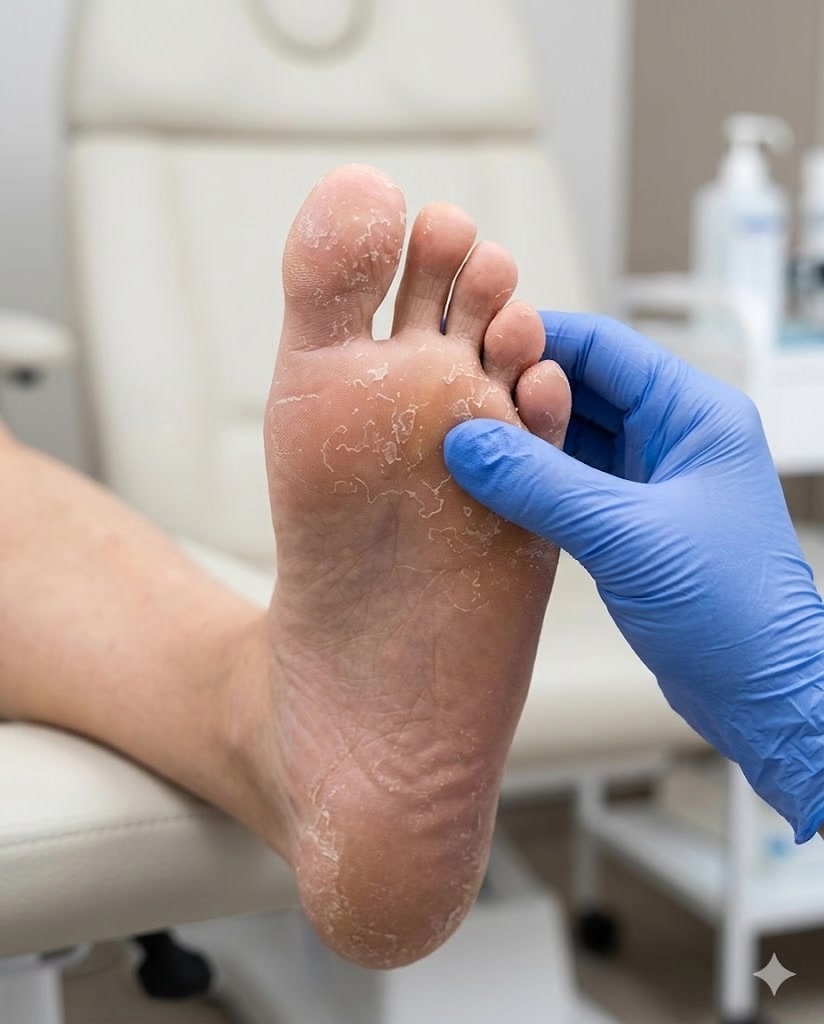
Ran for 16 days, from June 30 to July 16, 2026, the last day Crush saw it.
Run by Teen Athlete Health on Facebook. Crush is not the advertiser and does not verify its claims. See this ad in Meta's Ad Library(opens in a new tab)
Want an ad like this for your product?
Crush makes new ad images for your product from this ad: your logo, your product photo, your offer.
Trials from $19.95 USD, then $79.95 USD a month. Cancel anytime.
About this ad
- Meta Ad Library ID
- 1713107863055350
- Platforms
- Facebook, Instagram, Audience Network, Messenger and Threads
- Relaunches
- 1
- EU reach
- 11
- Niche
- Sports & Training
Ad text
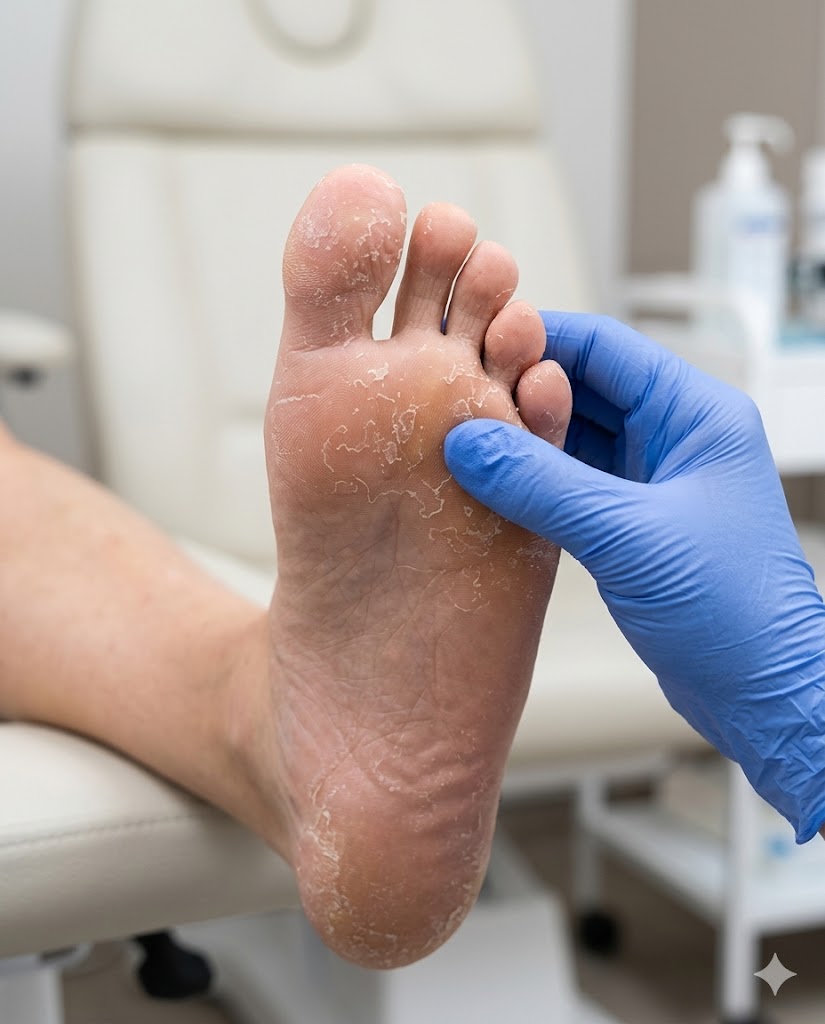
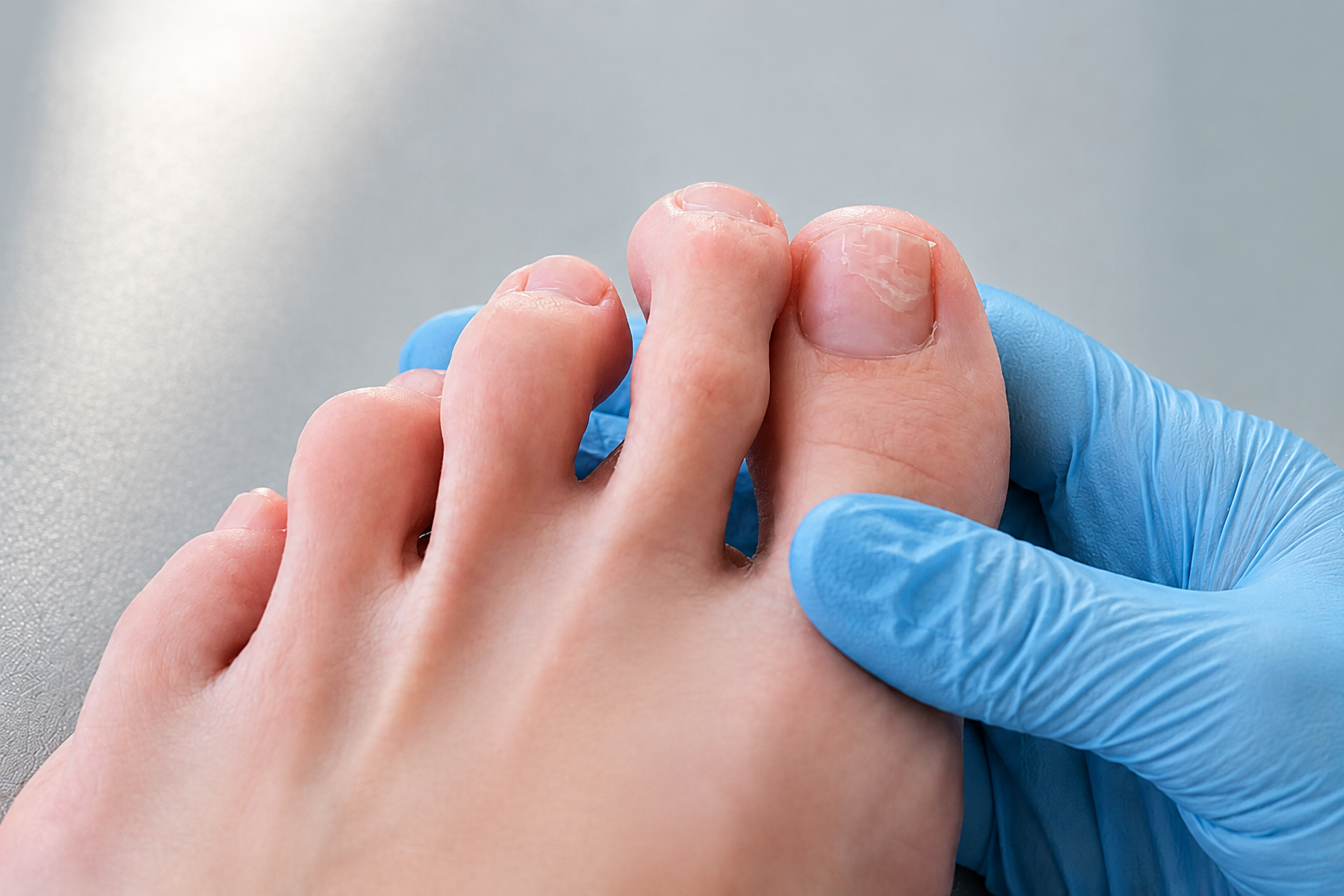
I've got two boys. Both played soccer. Both started at the same club at the same age in the same kit. Both loved wearing their Nike Mercurial Vapor soccer boots. One of them stopped playing soccer at 16 because of something that was sitting in his cleat. The other one is 14 and still on the soccer pitch. The only difference between them is information I didn't have the first time around. Let me tell you both stories, because if you've got a kid playing sport right now - wrestling, football, soccer, baseball, basketball, anything where they sweat into closed-toe footwear - you need to hear this before the same thing happens in your house. When my oldest, Tom, was 13, he showed me his foot. The skin between his toes was cracked and white. Like the top layer had been peeled away. He said it itched so badly he wasn't sleeping. I took him to the GP. Athlete's foot. Common in teenagers. Common in athletes. She gave us a tube of antifungal cream and said apply it twice a day for two weeks. Two weeks later, it looked better. So we stopped. Three weeks after that, it was back. Worse. We did the cream again. It cleared up. It came back. Cleared up. Came back. By the time Tom was 14, this had happened five times. The GP swapped the cream. Same cycle. We tried a stronger one. Same cycle. We tried tea tree spray. We tried baking soda in the boots. We tried hospital-grade powder. Same cycle every time. At 15, the fungus moved into his big toenail. The nail thickened, yellowed, and started crumbling at the edge. The GP said the word "onychomycosis" and explained that toenail fungus is significantly harder to clear than skin fungus. Six months minimum on oral antifungals. Liver function tests every month. Real side effects. We started that road. Three months in, his liver enzymes were elevated and the doctor pulled him off the medication. At 16, Tom quit soccer. He told me his foot hurt too much to run around the soccer pitch. The truth, which he told me a year later, was that he was embarrassed for any of his teammates to see his feet in the change room. Three years. The sport he'd loved since he was 8. Gone. I thought he was unlucky. I thought he was the kid who drew the short straw. I was wrong. When my youngest, Liam, was 12, my wife noticed the same thing on his foot. Cracked skin between the toes. White patches. Tender to touch. She came to me with him that night and her voice didn't sound right. Not angry. Frightened. "It's happening to him too. I can't let this happen again!" I told her it would be different this time. But honestly? I had no idea why it would be different. The doctors had failed Tom. The cream had failed Tom. I didn't have a better plan. I just had the dread of watching my second son go down the same road. So instead of going back to the GP, I sat down at the kitchen table that night and started reading. What I found in 24 hours made me sick. There's a study published in Clinical Infectious Diseases - one of the most respected infectious disease journals in the world. The researchers looked at hospitalised patients with cellulitis of the lower leg. Cellulitis is a deep skin infection that can become life-threatening. Athlete's foot was present in 83% of cases. Eighty-three percent. The cracks in the skin between the toes were the entry point for the bacteria that caused the cellulitis. The athlete's foot wasn't a side issue. It was the cause. Then I pulled up a medical reference called StatPearls, published by the NIH's National Center for Biotechnology Information, and read the list of complications of untreated tinea pedis. Cellulitis. Osteomyelitis - bone infection. Lymphangitis. The Mayo Clinic page on cellulitis lists what happens if cellulitis isn't caught: bacteremia, endocarditis, sepsis. Sepsis. From a foot fungus. But the part that broke me was a 2021 paper that measured what happens inside athletic shoes when they are used regularly. The researchers put sensors inside the toe box, the heel, the instep. The relative humidity inside the shoe ran between 96 and 100%. Saunas run at 10 to 20%. Tropical rainforests run at 75 to 90%. The inside of my son's soccer cleats was wetter than a rainforest. Every time he laced up. For three years. The same paper found that bacterial growth on the foot's plantar skin had a positive linear correlation with the internal humidity of the shoe. The wetter the boot, the more bacteria. The more bacteria, the more fungal-friendly the environment. The cream we'd been putting on Tom's skin was treating the symptom while the source - the inside of his boot - was reseeding the infection every single time he put them on. That's why it never stayed away. Not because the cream was wrong. Because we were treating the wrong place. I went out to the garage where Liam's soccer cleats were. Pulled them apart. The insoles came out wet. They had a faintly sweet, sour smell. The fabric inside the boot was darker than the fabric outside. There was something living in there. I didn't know what. I didn't want to look closer. I sat on the garage floor with both of his boots in my hands and I had a bit of an epiphany. The fungus that ended Tom's soccer career didn't grow on his feet. It grew in his boots. We treated his feet six times in three years. We never once treated his boots. The next morning I started looking for something - anything - that would actually treat the inside of the shoe. Most of what I found dealt with one piece of the problem. Antifungal sprays kill what's already there but don't pull the wet out of the cleats. Cleat dryers pull the wet out but don't touch the fungus. UV sanitisers kill what they reach but only for the few hours after use, and most of them are a hundred bucks plus. Then I found a brand of natural shoe fresheners that combined three things I hadn't seen together before. The first was activated bamboo charcoal. One gram of it has roughly 32,000 square feet of internal surface area. That's a number I had to read twice. It pulls moisture out of the air around it the way a sponge pulls up water - passively, continuously, as long as the charcoal is in the shoe. Drop it in a wet boot and the moisture starts disappearing. The second was montmorillonite - a volcanic clay with a negatively charged molecular surface. Bacterial cells carry a positive charge. The clay traps the bacteria onto its structure and holds them out of circulation. The third was a blend of fragrant plant oils. Sandalwood. Lemon. Lavender. There's a 2018 paper in the journal Molecules that screened sixty fragrant plant oils against three of the most common human fungal pathogens. Sandalwood ranked in the top ten most active. Lemon and eucalyptus oils have similar published track records. Three things working together. Pull the moisture out. Trap the bacteria. Hit the fungus with plant compounds. Inside the shoe, where the cream never reached. I ordered a pair for Liam's cleats and another for his trainers. I told him a friend had recommended them and that they smelled good - I asked if was interested in finding out what was in the fresheners. He shrugged. He didn't care. I never put a single drop of cream on his foot. Week 2 - the white patches between his toes had faded. I has to check twice because I didn't believe what I was seeing. Week 4 - the patches were gone. Skin pink and intact. He stopped scratching at his foot under the table at dinner. Week 8 - he played a tournament. No itch. No flare. He came home, showered, and threw the cleats in his bag. The next morning the bag didn't smell like a dead animal. It smelled like nothing. It's been a year. The athlete's foot has not come back. Not once. Liam still doesn't know any of this. He thinks his dad just has a weird thing about cleat smell. I guess that's enough for a 14-year-old. But I know. And his mother knows. And on the nights when Tom is home from uni and we hear Liam laughing in the back yard kicking the ball around with his friends, we don't say anything to each other. There isn't anything to say. I should be telling you I'm a doctor or a podiatrist or a researcher. I'm not. I'm a dad who got it wrong with the first one and is doing whatever he can to make sure no other parent gets it wrong with theirs. If you've got a son or daughter playing sport right now, go to where they keep their cleats tonight. Put your hand inside one. Notice the temperature. Notice the moisture. Notice the smell. That is what is sitting against your kid's skin every time they train. The cream you put on their foot is not going to fix what's growing in there. It simply won’t fix the underlying cause. Here's what we use → https://www.aromaarmour.com/products/shoe-freshener Bamboo charcoal, volcanic clay, fragrant plant oils. Lasts up to 9 months. One hour of sunlight per month and they keep working. There's a money-back guarantee but I've never used it. I can't give Tom back the three years he spent hiding his feet from his teammates. I can't force him to play soccer if he doesn’t want to. But your kid still has time. Their cleats can be saved. And once you know what's in there, you’ll never look at your kids cleats in the same way. P.S. - If this helped you, send it to a parent you know who’s kids play sport. Their kid is most likely in the same cleats or sports shoes everyday, their feet in the same humidity, exposed to the same fungus that can cause serious harm to them physically and mentally. And they’d simply have no idea. Like I had no idea. →https://www.aromaarmour.com/products/shoe-freshener P.P.S. - I'm not asking you to buy what we bought. Buy something else if you want. Use a UV sanitiser. Dry the boots in the sun every day. Do something. Because the inside of a closed sports boot at 96% humidity is not "a skin issue you wait out." It's a Petri dish. Tom's career proved that. Liam's saved soccer season is proving the alternative.
Where the ad sends people
aromaarmour.com
Why You Need To Understand How Dangerous Athletes Foot Is
Break The Cycle At Its Source
Learn more: aromaarmour.com(opens in a new tab)