
Active· since May 20, 2026
- 113
- days running
- 1
- relaunches
Ad copy
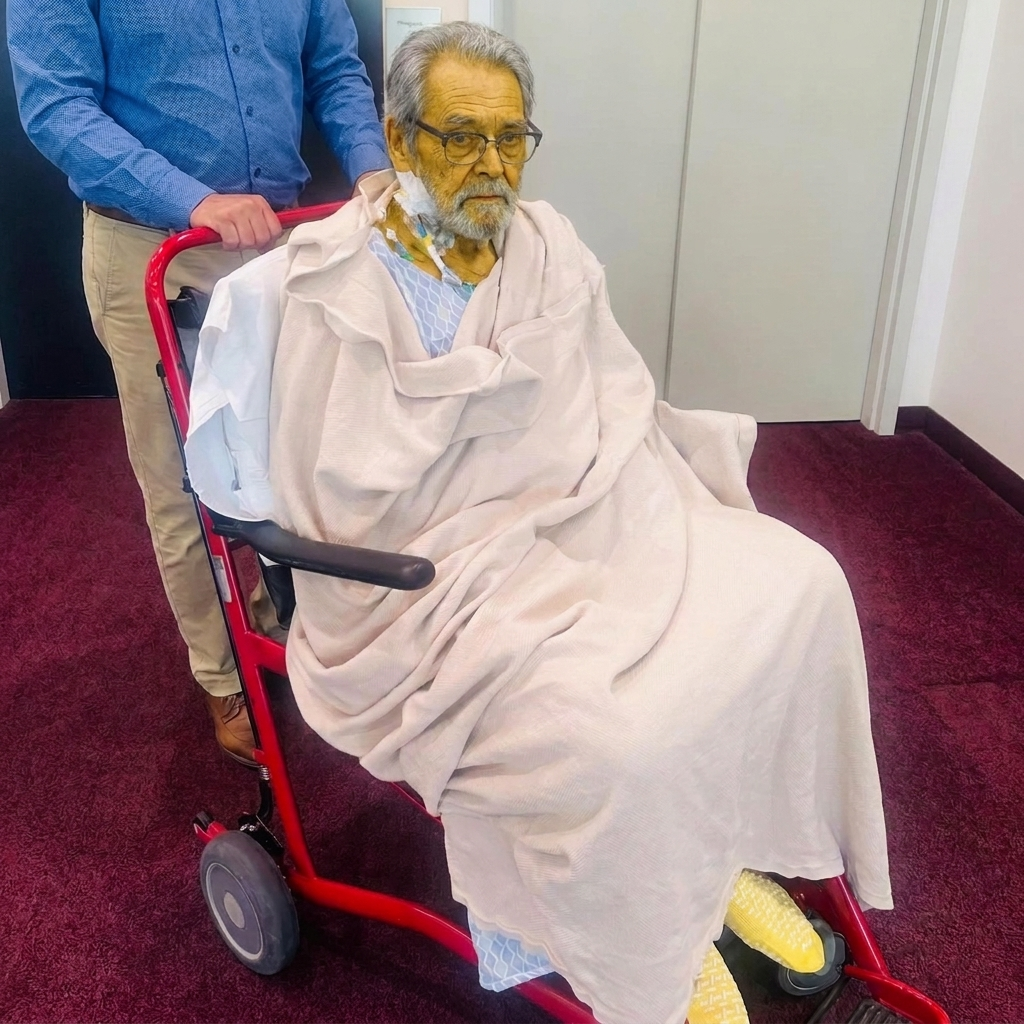
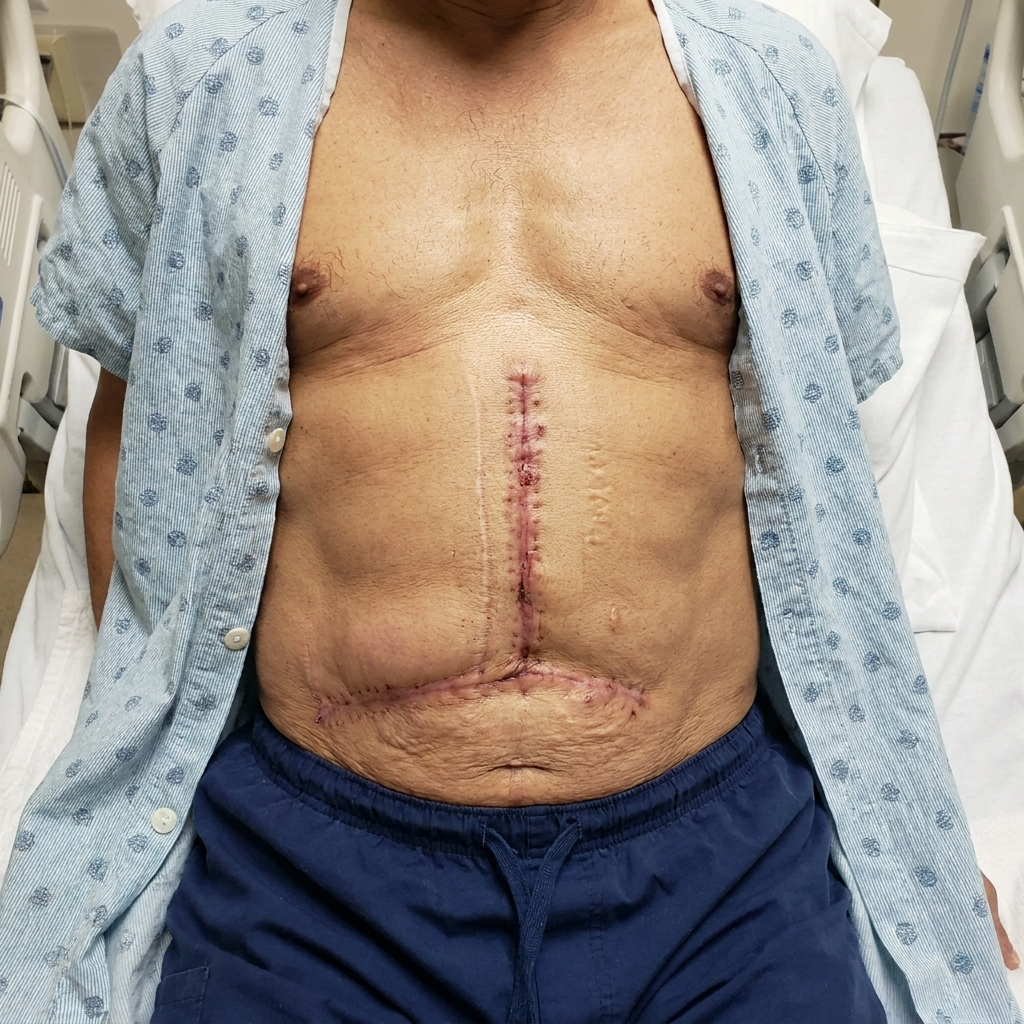
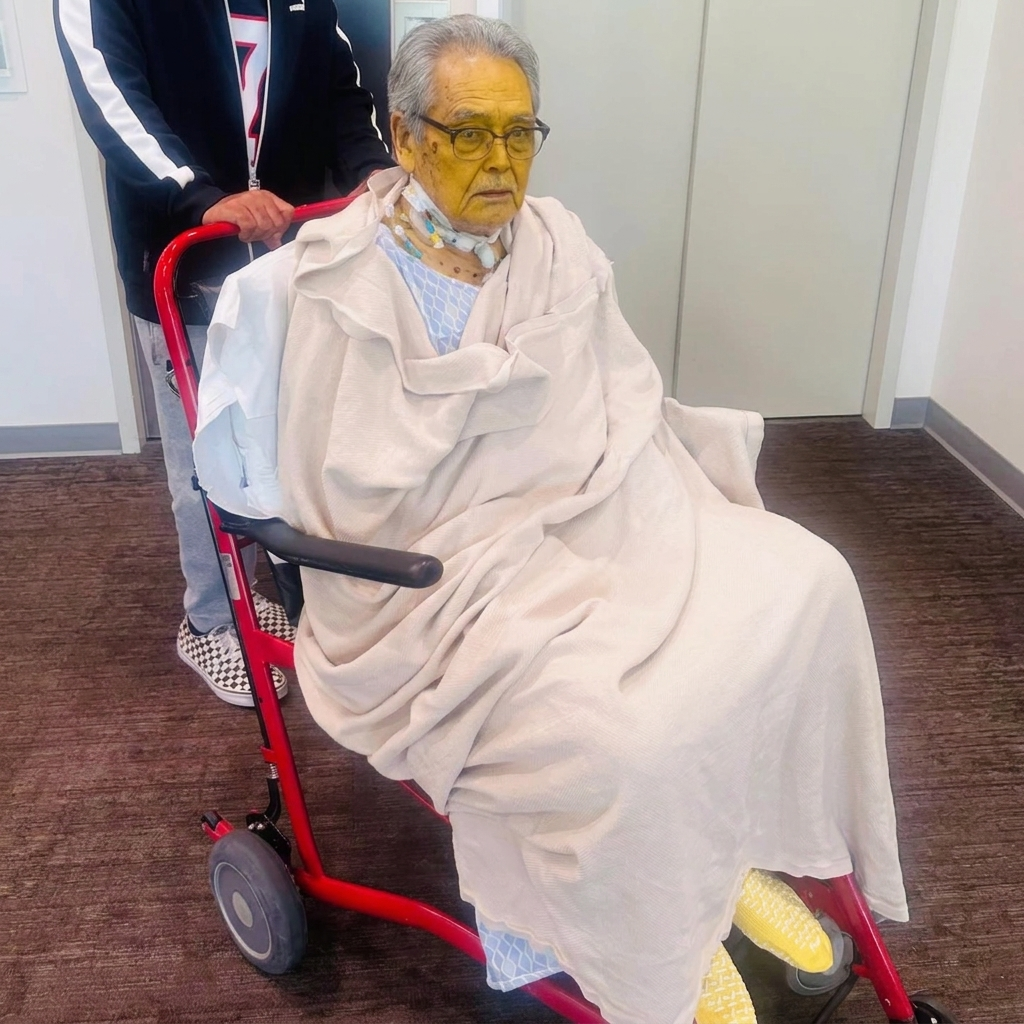
My dad spent years being hammered most of the day, then waking up to a head-splitting hangover. He got sober after his liver gave out, went through a transplant, and came out the other side more disciplined than I'd ever seen him. Then the neuropathy started and stole the clarity he thought he was going to have from being sober. Prescription, then supplements, then side effects. He thought that was what managing neuropathy was supposed to feel like, until we found out that the supplements he was taking weren’t doing what we thought. His name's Ray, he's sixty-three. He was a functioning alcoholic for most of my adult life, which is the kind of sentence I used to practice saying for months before I could get through it without my voice shaking. His liver failed two years ago, and he needed a transplant which took place that October. After the surgery, he became someone I'd never actually seen before. He was calm, compliant, disciplined. Fourteen medications every morning without complaint. Every blood draw, every follow-up, every PT session. He changed his diet completely. He stopped drinking and never mentioned it like it was hard, even though I know it was. I used to joke that I'd never seen my dad do anything on time in his life. I stopped pretty quickly. The neuropathy started during recovery and was worse than any hangover I’d seen him get through. The doctors said it was common and that alcohol damages peripheral nerves, so we needed to give it time. Time didn't help at all, actually. By six months post-transplant, my dad was waking up in the middle of the night because his feet felt like they were being burned from the inside. Not tingling, not uncomfortable. Actual burning. The kind that doesn't care what position you're in, doesn't quiet down when you lie still, doesn't care that it's two in the morning and you have a blood draw at eight. He'd just be awake, because sleep wasn't something his body was doing anymore. During the day, the numbness was bad enough that he didn't trust his own feet. He started walking slowly and carefully in his own house, like he had to think about each step before he took it. He said his shoes felt like there were bunched up socks in them every time he walked around. Like his feet weren’t fully making contact with the fabric of the shoe around it. He stopped driving at night. Said his feet weren't reliable enough on the pedals. Then the same logic started applying to daytime on bad days, which were most days. He quit golf eight months after the surgery. He’d go with the same three guys every Saturday for eleven years. He just stopped showing up because he couldn't stand for 4+ hours. He couldn't feel the cart pedals properly. Couldn't trust his footing on the fairway when the ground wasn't flat. One of the guys called me because he was worried, and I told him Dad was okay. He was okay. He'd just lost another thing that made him happy. And here's the part I keep coming back to. He didn't complain about any of it. He'd already given up drinking. Given up his old social life. Gone through a major surgery. And now the nerve pain was taking whatever was left, and he filed all of it under things that were fair consequences for how he'd lived and the choices he made. Like he'd accepted the terms and wasn't going to argue. It should’ve felt endearing seeing his determination to get better, but it just broke my heart seeing his life get smaller and smaller. His neurologist prescribed duloxetine for the nerve pain. He took it. Of course he did. It helped with the burning a little, and it took something else with it. My dad has always been a talker. He could go forty-five minutes on a bad golf shot or a movie he saw ten years ago. After the duloxetine, he got quieter, shorter, like someone had turned his volume down without mentioning it. I'd visit and he'd be there in the room, but faint. The best way I can describe it is that he looked like a person who had forgotten, temporarily, that he was supposed to be somewhere. He spent years checked out because of drinking. He got sober so he could actually be present for himself and for me. To honor the liver somebody else's family gave him. And then they gave him something for the nerve pain that put him halfway back into that fog. Not the same thing, but close enough that I recognized it. Close enough that it scared me. He didn't notice, or if he did, he didn't say anything, because complaining wasn't something he was doing anymore. He thought this was what responsible pain management felt like. A trade. Less pain, less of himself. The burning in his feet cost him sleep. The medication cost him the rest. And he'd accepted both as the terms of a life he felt he'd earned. That's my dad since the transplant. He follows the instructions and then he makes peace with whatever's left. His primary care doctor had added an oral magnesium supplement and a B12 capsule to his morning regimen. Both on the approved list. He added them to his lineup and took them every day with the rest of his medication. They didn't make a difference he could feel. Neither of us thought much about it. The liver was the main thing. Everything else was secondary. I found the answer on a Sunday afternoon while I was helping him sort his pill case. I do this with him every few weeks because the list changes enough that it needs two sets of eyes. I started looking up each medication. Not because I thought something was wrong. Just because I wanted to understand what I was handing him. The anti-rejection drugs he'll take for the rest of his life, a class called calcineurin inhibitors, have a documented side effect nobody had mentioned to either of us. They cause magnesium wasting. His body was excreting it faster than it could be replaced. I kept reading. Chronic alcohol use strips both magnesium and B12 from the body. Years of it. And liver disease means the body can't store or process either compound properly, even after drinking stops. So that's three separate things pulling magnesium out of him. The years of drinking. The liver disease. The medications keeping him alive. And then this part: with a recovering liver and a compromised digestive system, oral supplements absorb poorly. He was taking magnesium and B12 every morning and his gut was getting a fraction of what the label said. like trying to fill a cup with water that has a hole in the bottom. The nerve wasn't being repaired. It was still burning because it still didn't have what it needed. And no one had told him that. He'd been told to take the pills, take the supplement, take the medication for the nerve pain, and he did all of it, every day, and he thought the burning and the fog and the lost Saturdays were just the cost of his life now. Because that's what he'd been given to believe. Magnesium chloride regulates something called the NMDA receptor, which is basically the dial that controls how loud pain signals get amplified in the nervous system. Without enough magnesium, that dial gets stuck at full volume. The nerve keeps screaming even when the underlying damage is stable. Methylcobalamin B12, the active form, not the synthetic version in most supplements, is what the body uses to repair the myelin sheath. The protective coating around the nerve fiber. When it breaks down, the nerve misfires constantly, like wiring with the insulation worn through. B12 is what rebuilds it. He'd been missing both for two years. Taking the oral versions his gut couldn't properly absorb. A transdermal patch goes through the skin, not the digestive system. Both compounds. Together. Eight to ten hours of timed release overnight while he sleeps. I sat at his kitchen table for a while after I figured it out. I didn't know how to tell him that he'd been doing everything right and just never been given the full picture. I found Avalaine that same afternoon. Spent about an hour reading. The reviews didn't sound like supplement reviews. They sounded like people writing about my dad. "He stopped going anywhere alone. Now he drives himself." "My husband gave up golf. He's back on the course." I ordered it that night. It came in a small orange pack. Inside, a clear sheet with nine patches, each about the size of a large bandage. You peel one or two depending on your need from the sheet and press it to the arch of his foot before bed. No rubbing, no smell, no residue. Eight to ten hours while he sleeps. He held it and looked at it. "That's it?" That's it. He wasn't skeptical, he was confused. Because his whole life had gotten very complicated since the surgery, and he couldn't figure out where something this small fit into it. He'd made peace with the burning. With the fog. With Saturday mornings being something that used to be the thing he looked forward to. I didn't sleep great that first night. I kept waiting for my phone to go off. He texted me the next morning. Said he'd slept past five. He hadn't done that since before the surgery. I didn't make a big deal of it. Neither did he. It's been nine weeks. He's not cured. I want to say that clearly, because I remember hating the ads that promised everything when my dad was just trying to get through a single night. He still has neuropathy. He still takes fourteen medications every morning. The liver is the priority and always will be. But two Saturdays ago I was driving past the golf course and his car was in the parking lot. I called him that evening. He told me about a shot on the 11th hole he was still annoyed about, and then asked if I wanted to come for dinner. His voice sounded like his voice. The same three guys had kept his spot open. I know not everyone reading this has a dad who drank. Some of you are dealing with neuropathy from diabetes, from medication you've been on for years, from something a doctor never fully explained. But what I found out, what nobody mentioned to my dad in two years of appointments, is that the nerve needs two specific things to stop misfiring and start healing. Magnesium and B12. And if your body's been stripped of either one, for whatever reason, suppressing the pain isn't the same as fixing it. You can't medicate your way out of a deficiency. The nerve needs what it's missing, delivered in a way the body can actually use. That's what the patch does. That's what we were never told. Avalaine backs it with a 60-day guarantee. You don't have to be certain. You just have to be willing. Click below.
Try the only thing that worked for him
"I've been feeling like my old self again since starting with these patches. Years of pain erased."
SHOP NOWLike this ad? Make it yours.
Crush rebuilds this exact creative around your product — your brand, your colors, your offer — in about a minute.