
Inactive· since Apr 1, 2026
- 20
- days it ran
- 12
- relaunches
Ad copy
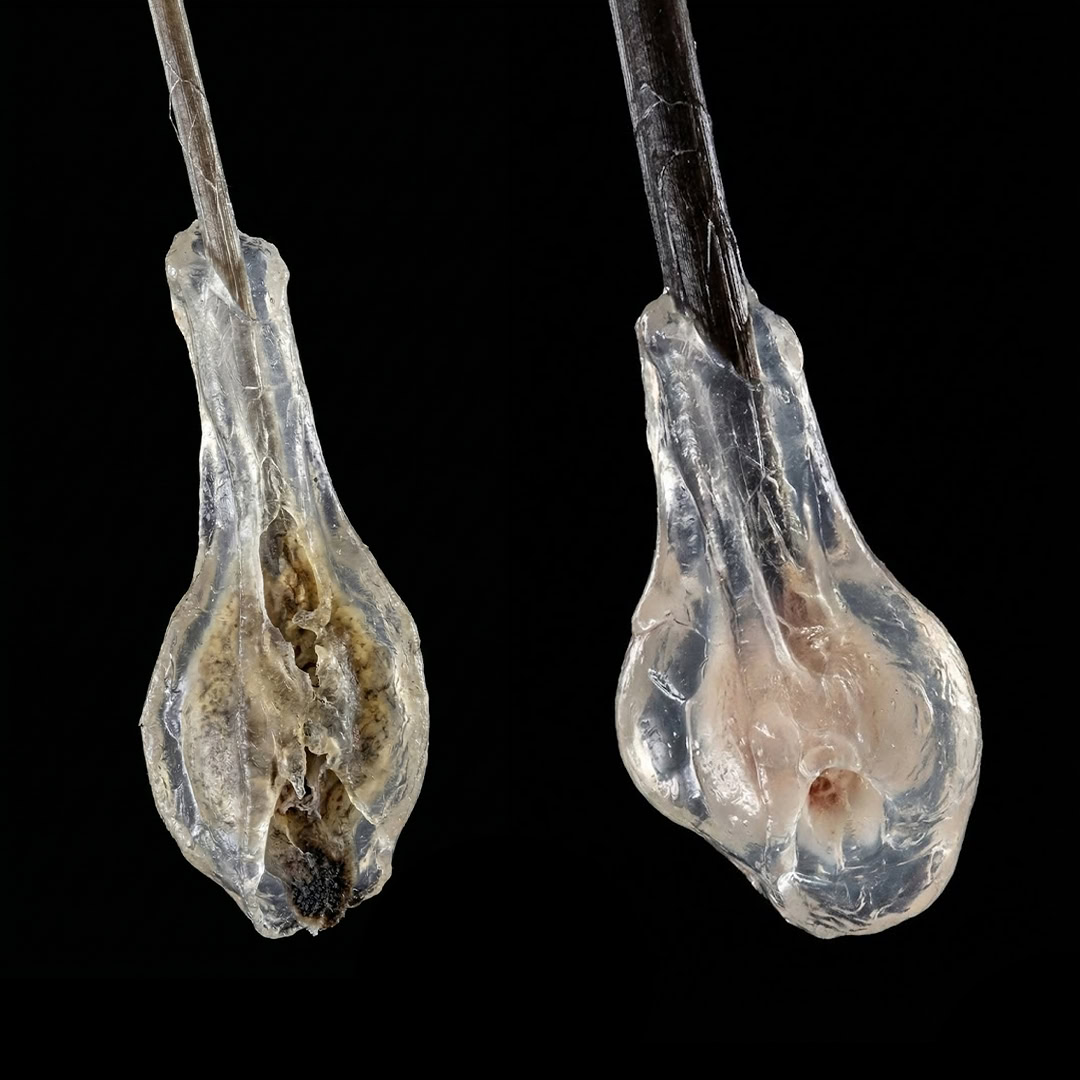
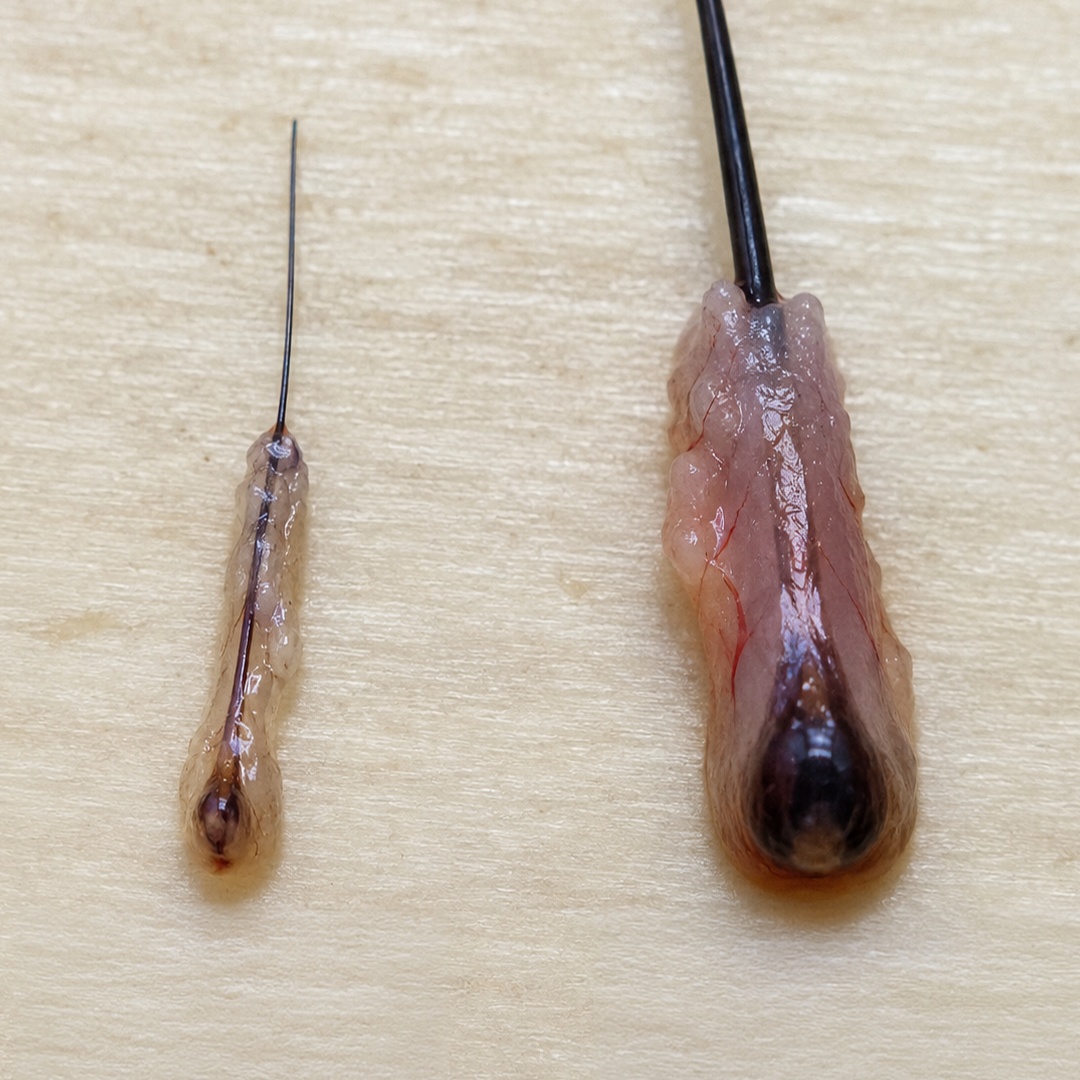
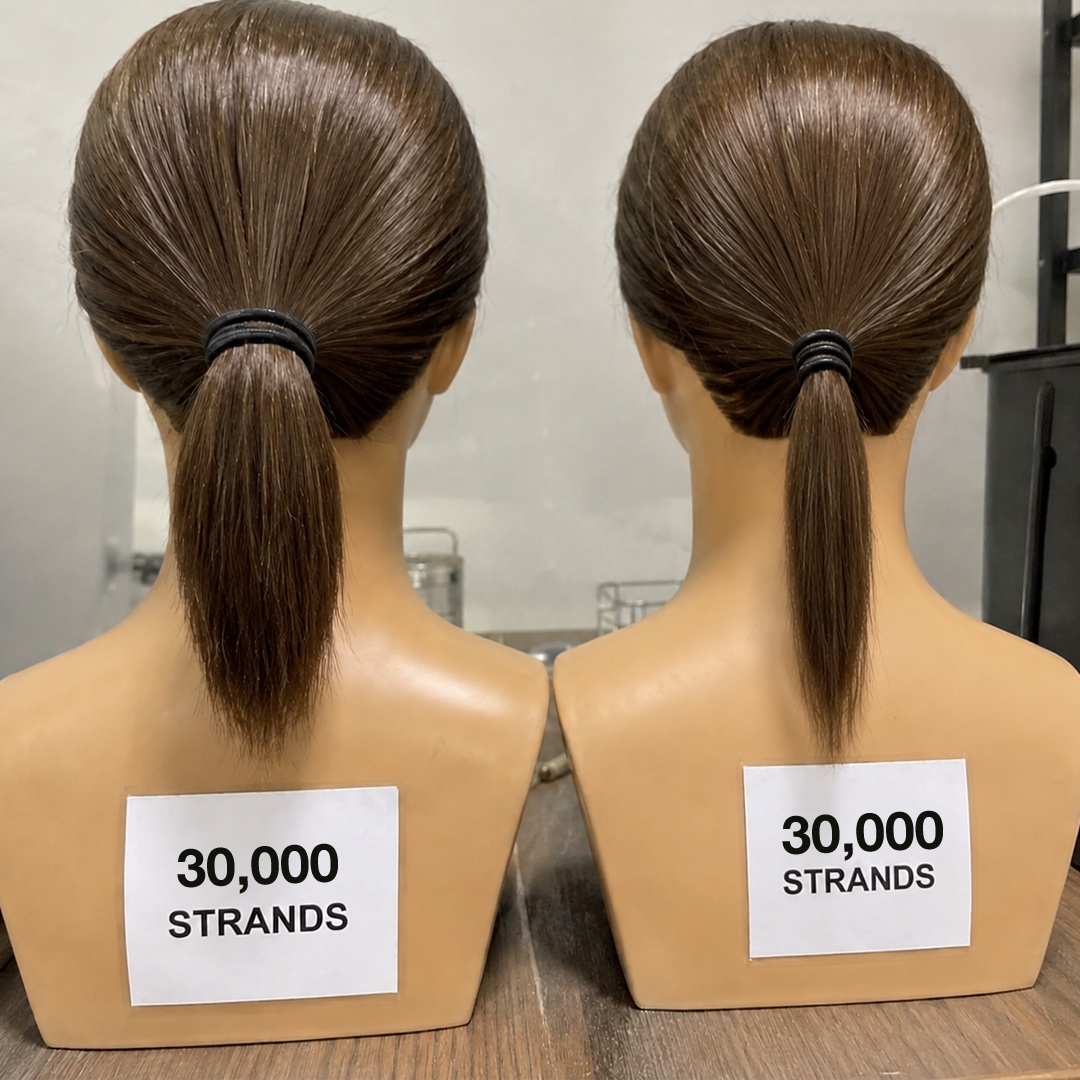
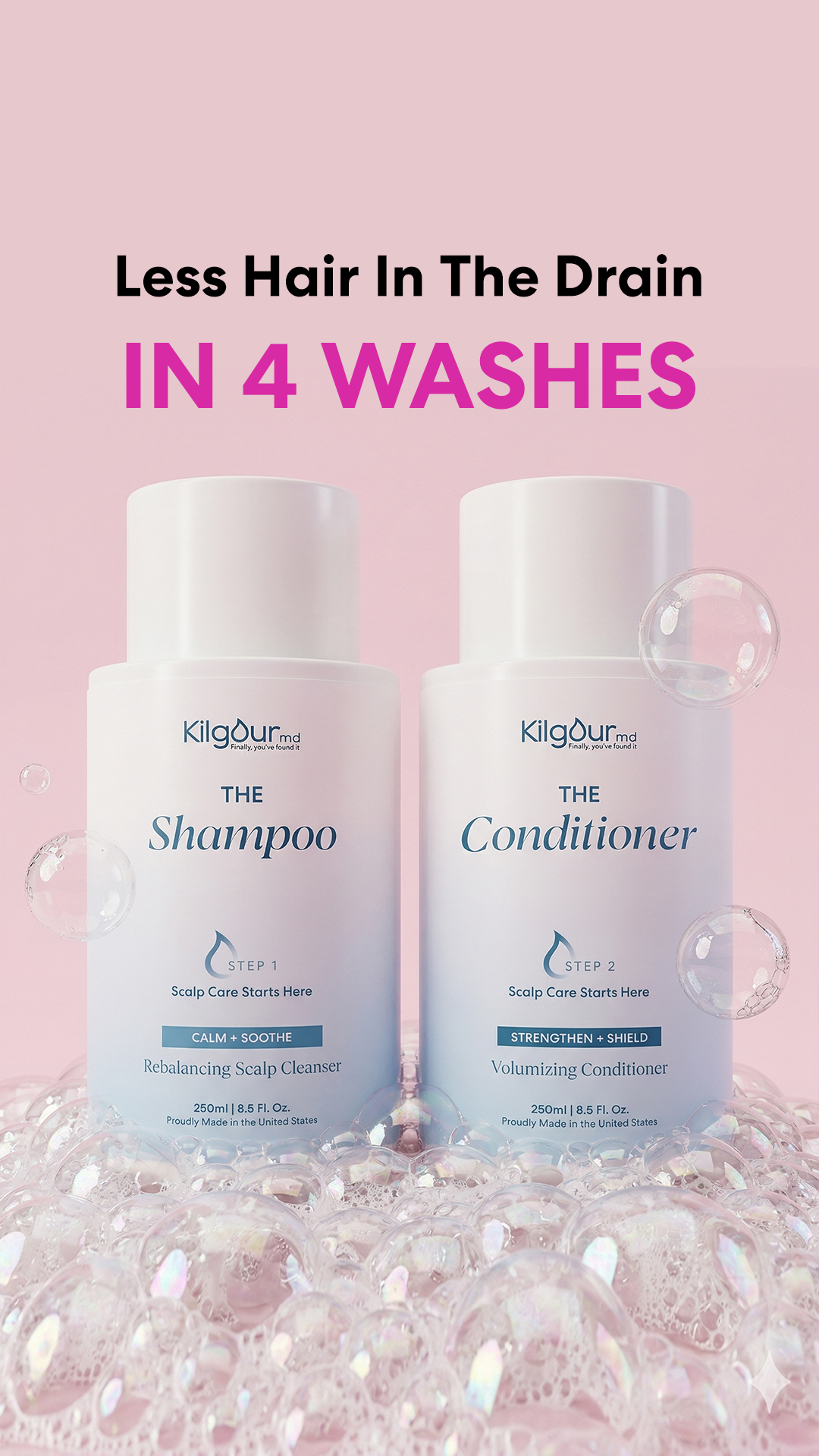
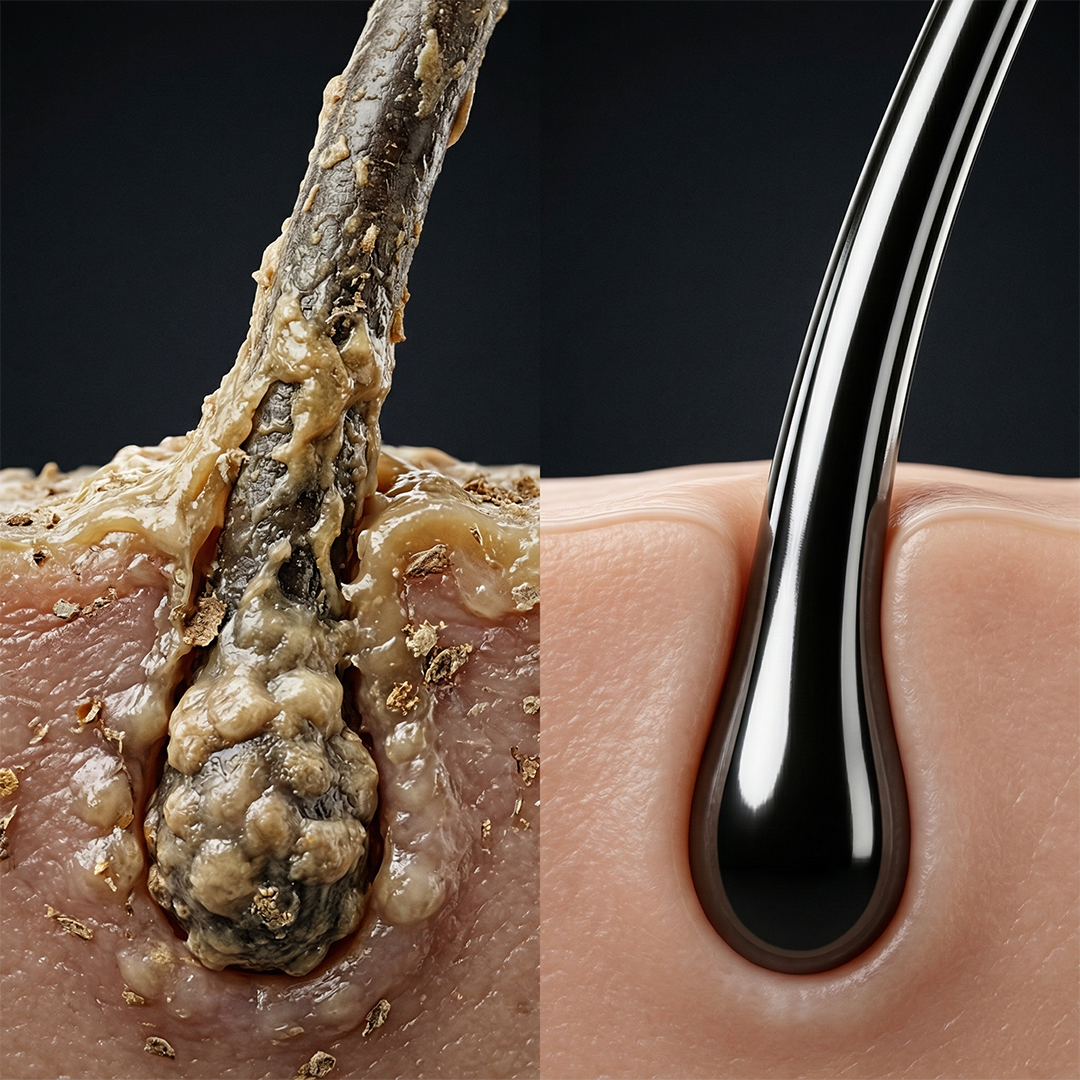
Please stop stretching your wash days. I know that sounds backwards. Every hair loss forum says the same thing — wash less. Fewer washes means less shedding. Push it to every four days. Every five. "Train" your hair. It sounds logical. Hair falls out in the shower, so shower less. Basic math. Except it's wrong. And the reason it's wrong changes everything about how hair loss actually works — especially if you're on a weight loss medication. Women aren't shedding because they wash too often. They're shedding because of what's in the wash. And if you're on a weight loss medication, it's happening from two directions at once. Reducing frequency doesn't fix that. It just spaces out the damage. The shedding events get further apart but each one gets worse. Here's what's actually going on. Because almost nobody explains this properly. Since estrogen dropped — which starts in a woman's early 40s, not at menopause — the scalp has been running chronic inflammation. Up to 6x higher than before the decline. You can't see it. You can't feel it most days. But it's been silently loosening the anchoring system around every follicle for years. If you're on a weight loss medication, there's a second source. The caloric deficit triggers metabolic inflammation on top of what your hormones already started. Two sources feeding the same follicles. Two sources loosening the same hair. The scalp also lost its lipid barrier. Estrogen maintained that barrier. It held moisture in, kept irritants out, protected follicles from the inflammation underneath. Without estrogen, that barrier degrades. Your weight loss medication makes it harder for your body to repair it — the nutrient deprivation means the raw materials aren't there. By the time most women notice shedding, it's been compromised for years. Now here's what happens in the shower. Sulfates — the cleaning agent in the vast majority of shampoos, including most "gentle" ones, including the ones that cost $40 at Sephora — dissolve lipids. That's their job. On a young scalp with an intact barrier, this is fine. The barrier rebuilds between washes. On a scalp without estrogen to rebuild it — and a medication depleting the nutrients to repair it — sulfates dissolve whatever partial barrier remains. Within the first 60 seconds of lathering, the barrier is breached. Inflammation from both directions floods the follicular environment. The already-loosened follicles release. That's the shedding event. That's what women see in the drain. And that's why it got worse after starting the medication. It's not hair that was "ready to fall out." It's hair being pushed out by the wash itself. Monday. Wednesday. Friday. Three shedding events per week. Triggered by the shampoo. Amplified by the medication. Between washes, the barrier tries to recover. But without estrogen it can't fully rebuild. And your medication is depleting what little repair material your body has. Each wash starts from a weaker baseline than the last. The shedding compounds. Getting slightly worse with every cycle. That escalating feeling — the sense that it's gradually getting worse, the clump getting bigger, the drain filling faster — isn't anxiety. It's real. It's measurable. And it's being driven by the wash and compounded by the medication. Women who stretch to every 4-5 days are spacing out the trigger. But the scalp is still inflamed between washes — from both sources. The barrier is still degraded. When they finally wash, the shedding event is more severe because more loosened hair has accumulated. Fewer washes. Same total loss. Same trajectory. Just concentrated into fewer, more devastating drain moments. Now here's where it gets worse. There's an enzyme in every scalp called 5-alpha-reductase. It converts testosterone — which the body still produces after menopause — into DHT. DHT miniaturises follicles. Shrinks them strand by strand until the hair is so fine it's invisible. Estrogen used to suppress this enzyme. When it declined, the brakes came off. And here's the feedback loop. Inflammation — the same inflammation triggered by every wash and amplified by your medication — accelerates DHT conversion. More inflammation means more DHT. More DHT means thinner hair. Thinner hair plus continued wash-triggered shedding means visible loss. Strip the barrier. Flood the follicle. Accelerate the enzyme. Shrink the hair. Repeat. Three times a week. For years. With a medication pouring fuel on all of it. This is why nothing has worked. Biotin builds keratin. But the follicle producing that keratin is being shrunk by DHT. More building material into a factory that's shutting down. Collagen gets digested and sent to joints, bones, skin. The body decides where it goes. Your medication made the queue longer — less absorbed, less to go around. Follicles are last in line. Rosemary oil on a scalp with a breached barrier and active inflammation from two directions is treating a symptom in a hostile environment. Minoxidil targets blood flow. One pathway. Doesn't touch inflammation, barrier integrity, or DHT conversion. And causes months of accelerated shedding before potential improvement. The wash step has been the weak link the entire time. And nobody addresses it — especially not for women whose medication is compounding the damage. Until recently. A research lab in Berlin developed a plant complex specifically for what happens to the scalp after hormonal changes. It does two things no other shampoo ingredient does. It reduces scalp inflammation by 74.5% in 4 weeks. The chronic invisible inflammation that's been loosening follicles and accelerating DHT — whether it's coming from hormonal decline, metabolic stress from your medication, or both. Measured. Head-to-head against the industry standard. And it blocks 5-alpha-reductase. The same enzyme the most prescribed hair loss drug in the world targets. Topically. During a normal wash. From plants. No prescription. No side effects. The feedback loop that's been compounding for years — and that your medication has been accelerating — broken. By the wash step. The same step that was driving it. No other shampoo on the market has this ingredient. It was developed for clinical use and licensed to one brand. And that's 1 of 9 ingredients in this shampoo and conditioner system. Just one. → One reversed 72% of heat damage in clinical testing. It's not keratin. It's not silicone. It's grown by bacteria from plant sugar. I'll tell you what that means in a moment. → One locks 189x more moisture into each strand. Every other version of this ingredient sits on the surface and washes off next shower. This is the first one ever proven to get inside. The way they proved it changes everything. → One delivers 5 essential minerals directly to the follicle — bypassing the biological priority system your medication made even longer. Your body was already sending minerals to your heart and lungs first. Your medication means less in, less absorbed, less to go around. This skips the queue entirely. → One has been in shampoo for 80 years. Nobody tested it properly until 2022. What they found should have been front page news. → And there are 4 more I haven't even gotten to yet. 9 total. And the studies behind each one are just as surprising as what you just read. The wash assessment walks you through the research on all 9 — which ones matter for shedding, which ones matter for volume, which ones matter for texture and breakage — and shows you exactly which are doing the heavy lifting for your specific situation based on what's happening to your hair right now. Takes 30 seconds, you can check it out below: https://kilgourmd.com/pages/sc-g-quiz
wash day shedding...
Dermatologist-developed, the best hair growth products for thinning hair. Reduce hair fall by 30% in two months, and stimulate hair follicle growth by 200%. No known side effects.
LEARN MORELike this ad? Make it yours.
Crush rebuilds this exact creative around your product — your brand, your colors, your offer — in about a minute.