
Inactive· since Aug 21, 2026
- 4
- days it ran
- 9
- relaunches
Ad copy
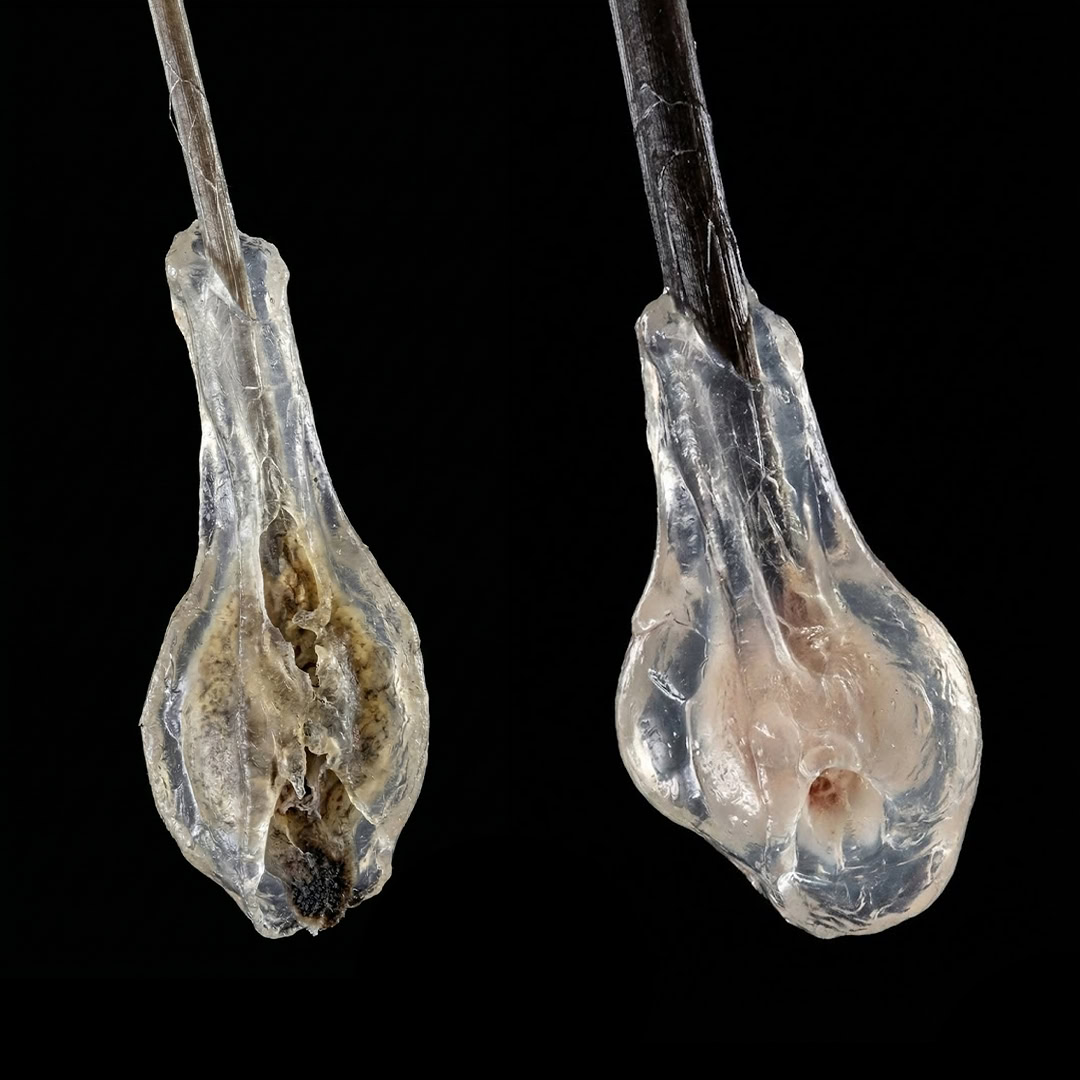
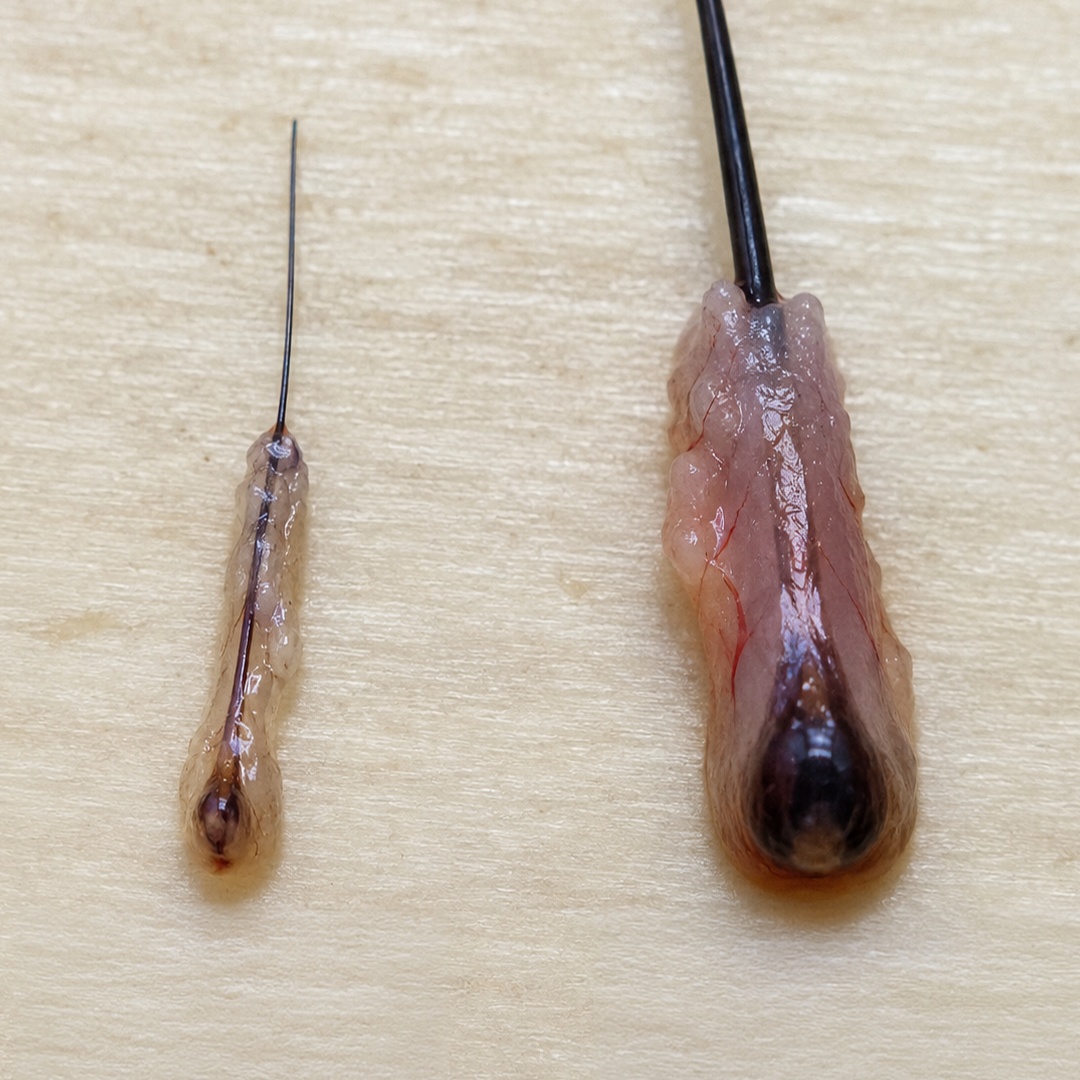
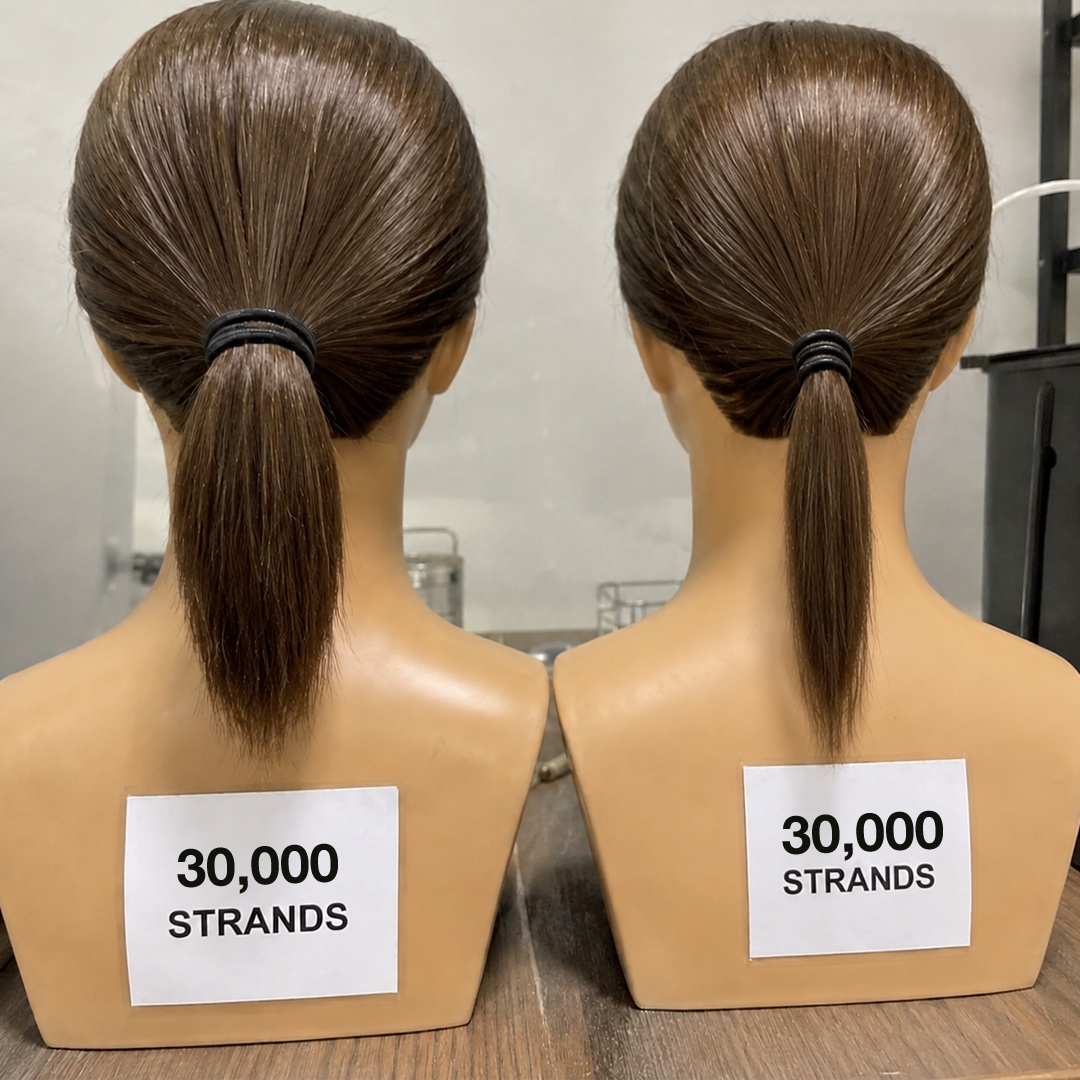
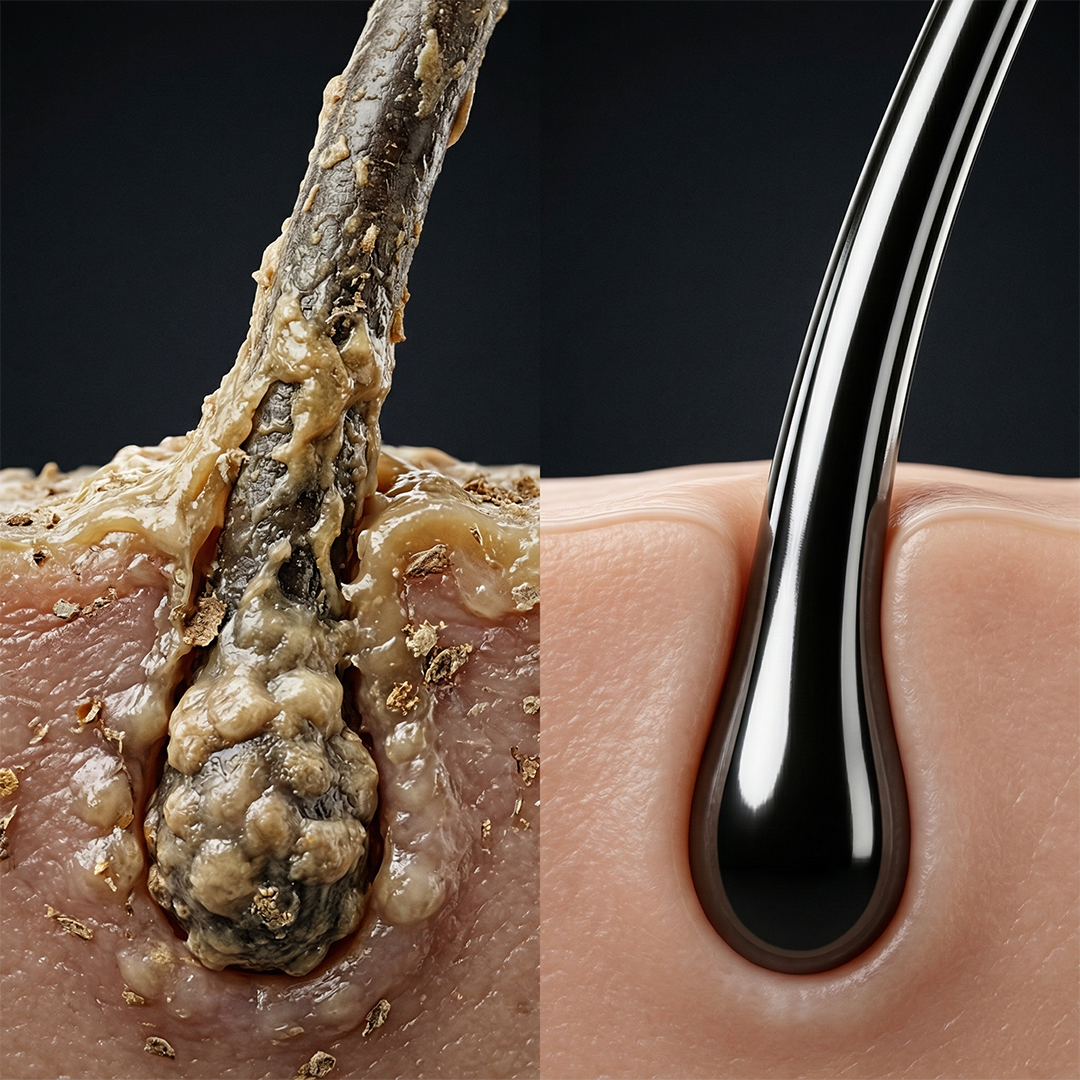
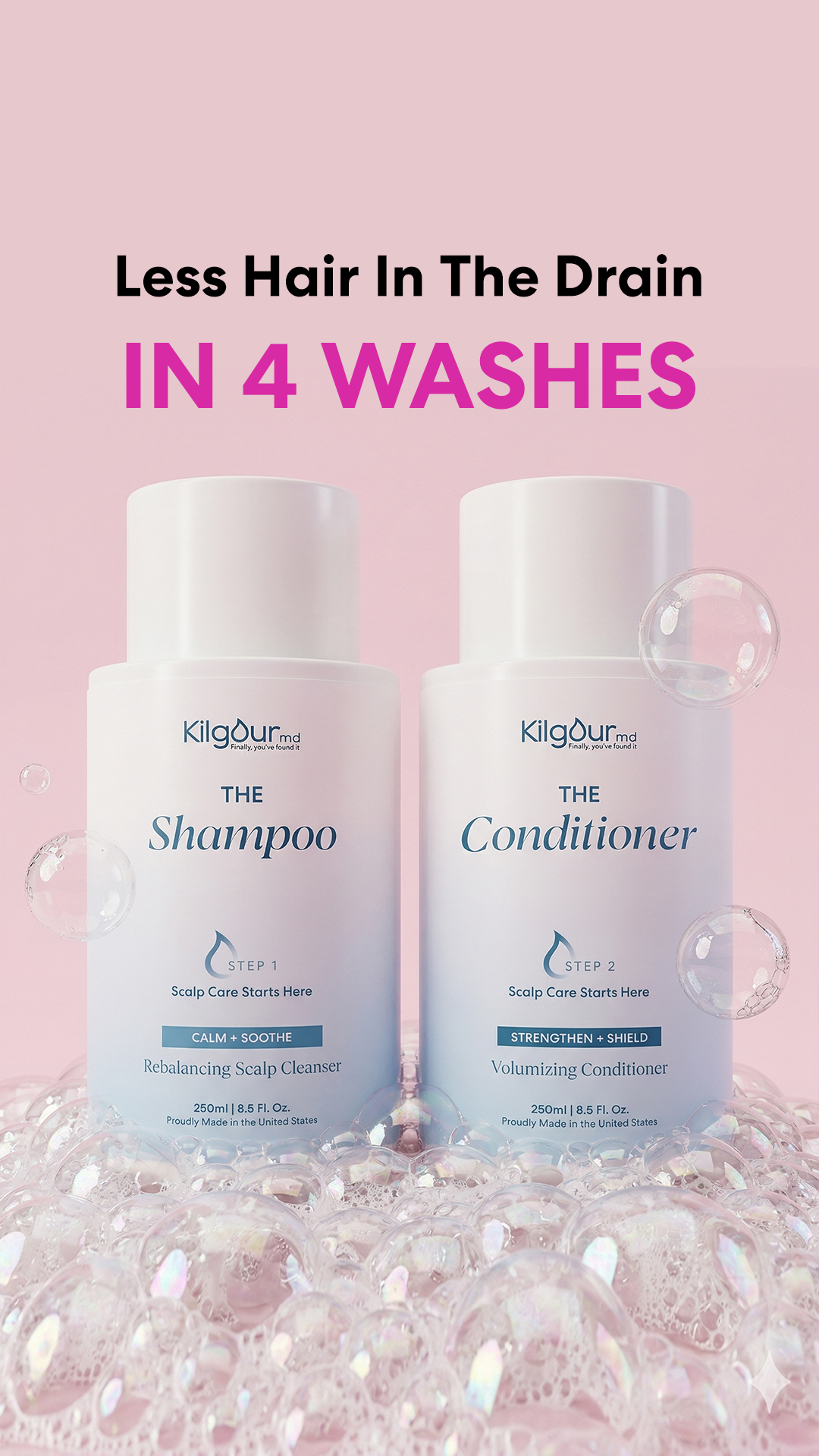
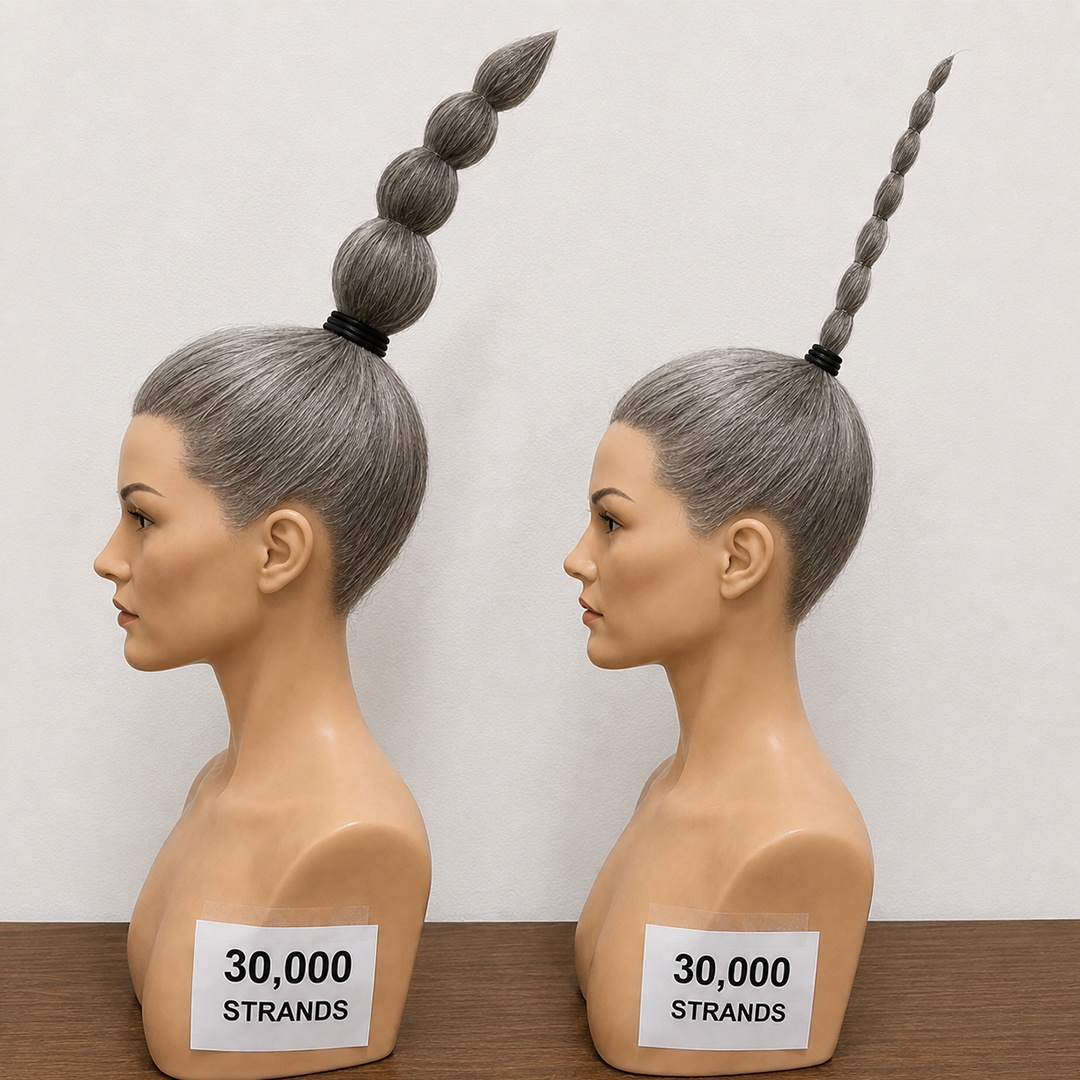
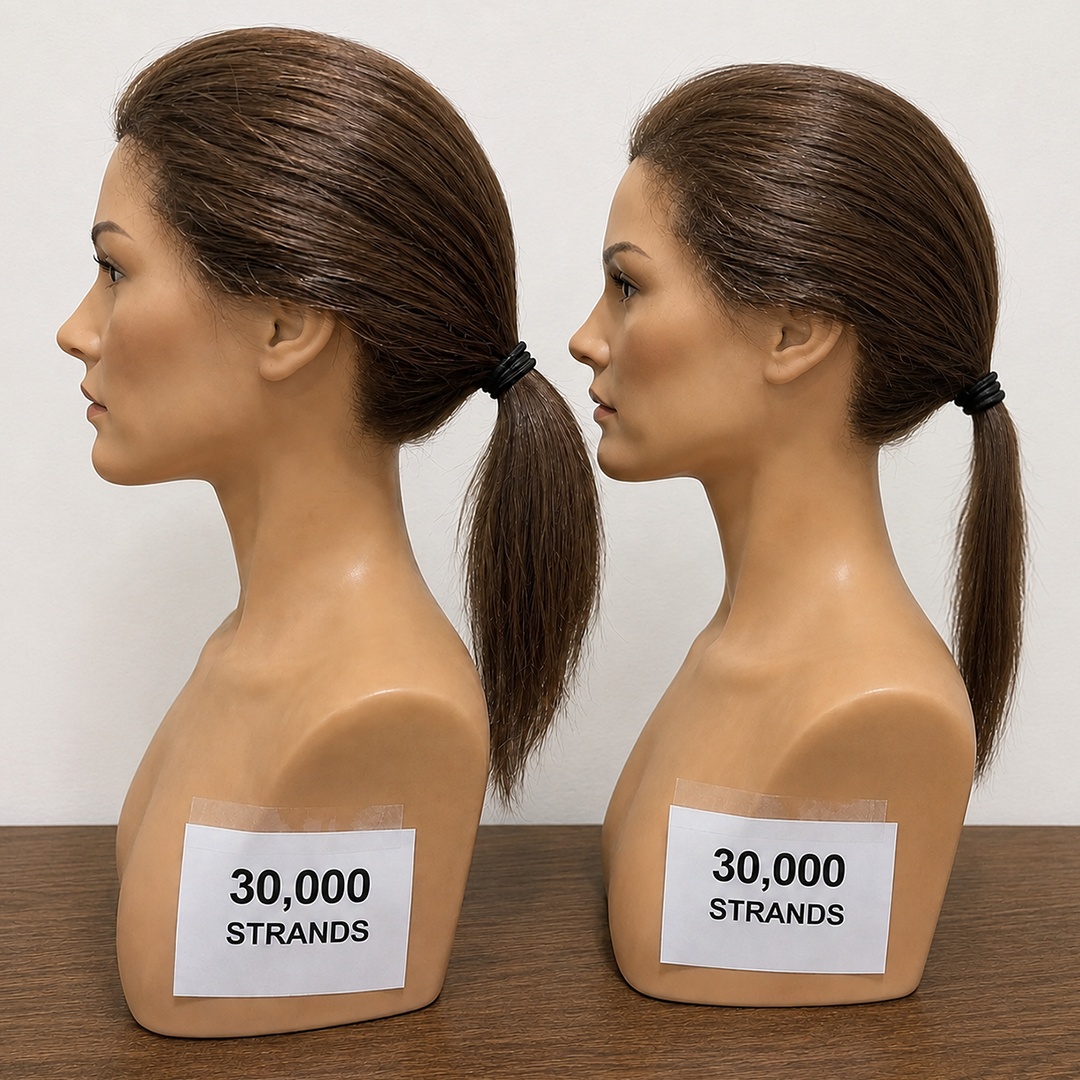
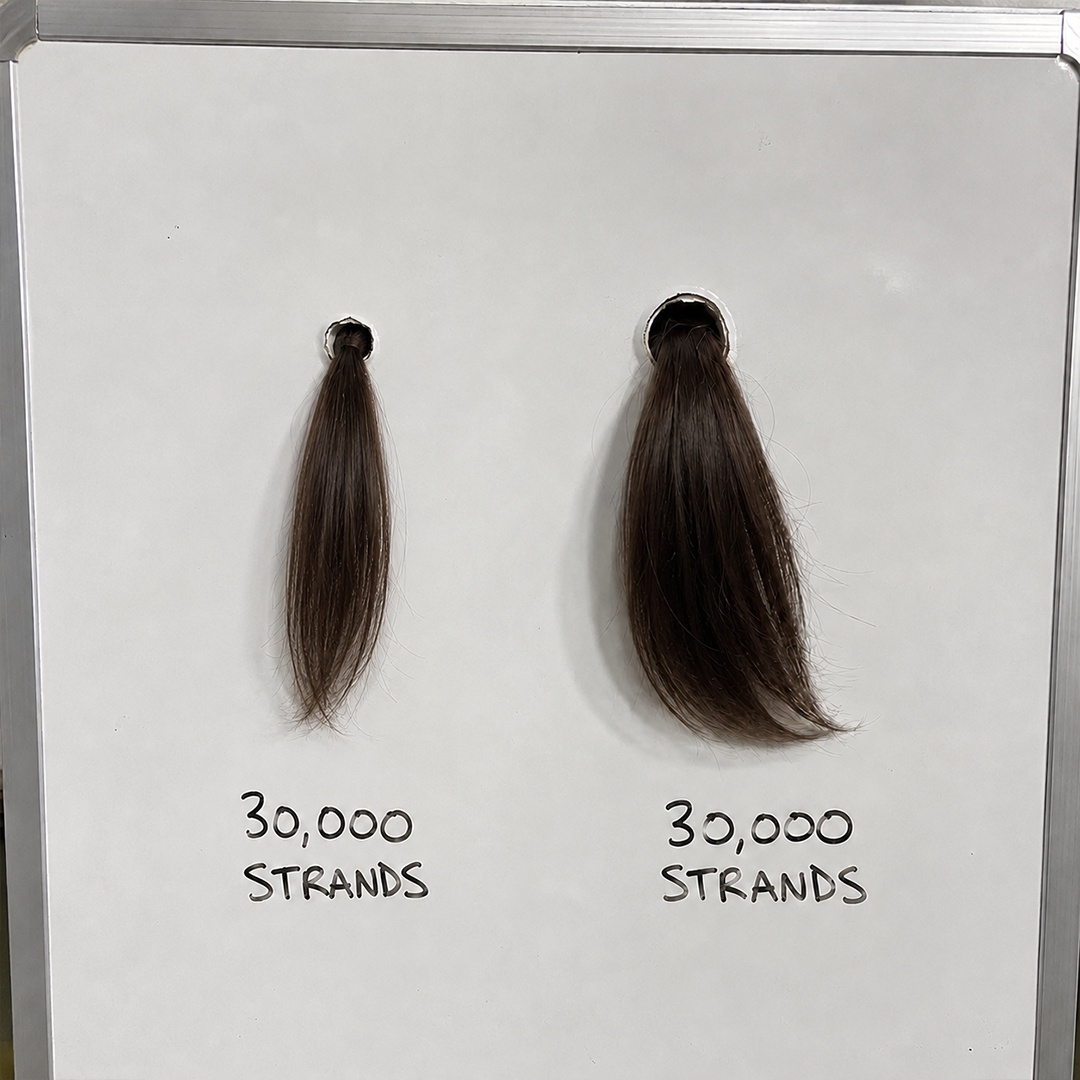
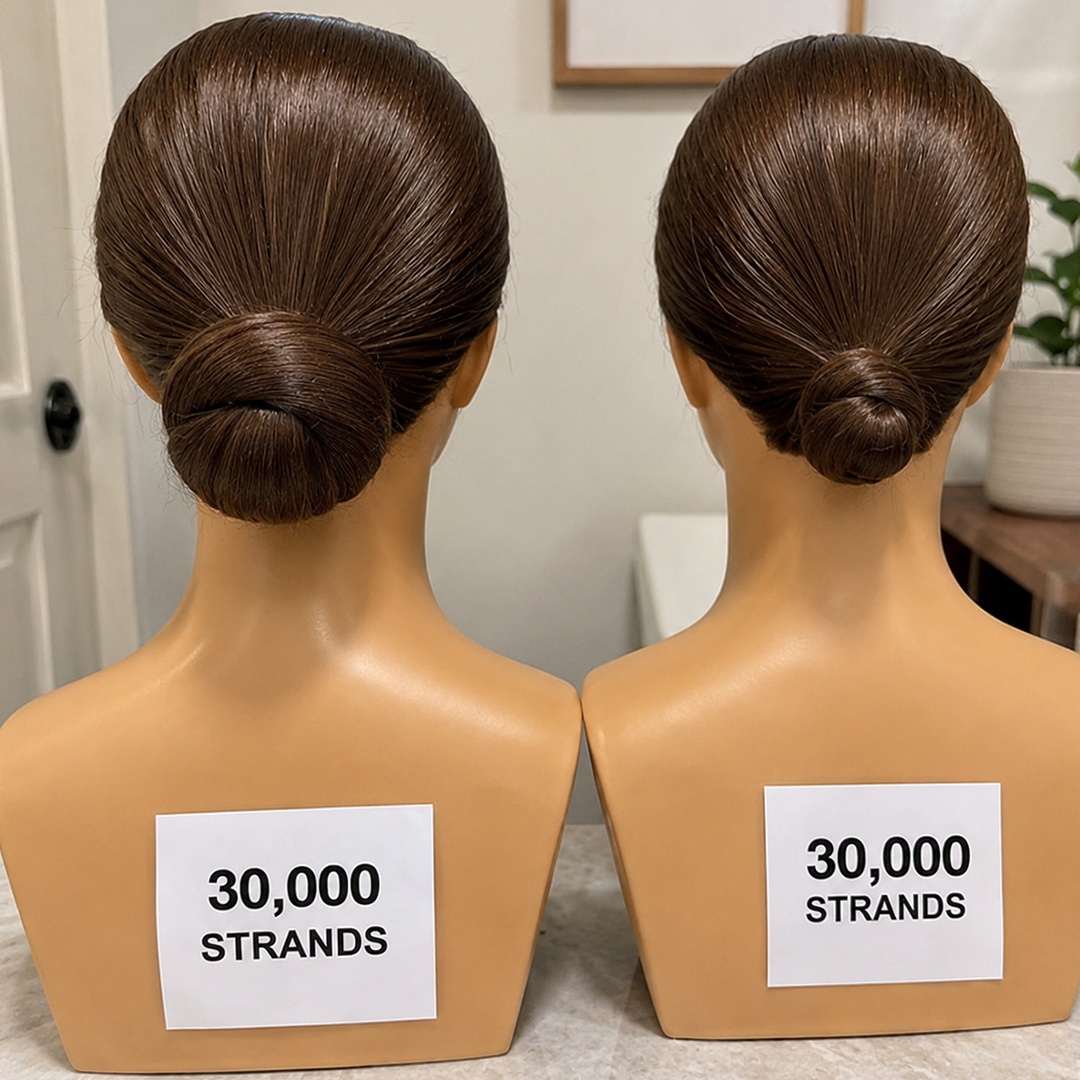
Please stop stretching your wash days. I know that sounds backwards. Every menopause hair loss forum says the same thing - wash less. Fewer washes means less shedding. Push it to every four days. Every five. "Train" your hair. It sounds logical. Hair falls out in the shower, so shower less. Basic math. Except it’s wrong. And that mistake almost cost my mother, Gaynor, the hair she had left. When Gaynor started shedding after menopause, she became afraid to wash her hair. Every shower revealed another clump in the drain. So she started pushing her wash days farther apart. Four days. Then five. And I understood why. I’m a dermatologist. I had spent years studying hair loss. But when it happened to my own mother, I made the same mistake almost everyone makes. I focused on what she could add. Biotin. Collagen. Rosemary oil. Minoxidil. I never questioned the product she was already using every few days. Her shampoo. That was the mistake. The hair Gaynor saw in the drain was not all released during those two minutes in the shower. Much of it had already been released between washes. It stayed trapped between the other hairs until water, shampoo and movement finally freed it. Stretching her wash days did not stop the loss. It only delayed the moment she saw it. And every wash she avoided threw away the single best opportunity we had to treat what was happening underneath. She did not need to start washing every day or completely change her routine. She needed the washes she already took to do two things instead of one. Her shampoo only completed the first. Here’s what I had missed. Because almost nobody explains this properly - including me, for a long time. The largest analysis ever done on menopausal hair looked at 187,016 women. And what separated the ones who thinned badly from the ones who didn’t wasn’t their bloodwork. It wasn’t their age. It wasn’t even how much hair they started with. It was the state of their scalp. Specifically, what was happening around and underneath each root. Every day between washes, normal scalp oil collects around the follicle. Dead skin mixes with it. Then dry shampoo, sweat and styling products build on top. That happens at any age. But after estrogen declines, something more serious is happening underneath that buildup. There’s an enzyme in every scalp that converts testosterone - which the body still produces after menopause - into DHT. Female follicles produce that DHT locally. Right at the root. DHT shortens the hair’s growth phase. The follicle releases the hair sooner. Then the next strand returns thinner. Estrogen used to keep this mechanism under control. When it declined, the brakes came off. So Gaynor was not only losing more hairs. The hairs returning in their place were becoming finer. Her ponytail was being attacked from both directions. Fewer hairs staying at the root. Less fullness from every strand she kept. And this is why simply lowering DHT in the blood is not enough. In a UCSF-led trial of 137 menopausal women, one year of oral finasteride produced no improvement over placebo. The DHT had to be targeted where female follicles were producing it. Locally, at the root. But oil, dead skin and product buildup were sitting directly over that root, blocking the treatment route. This is where Gaynor’s shampoo should have helped. Most shampoos use sulfates to strip through the oil and buildup. On menopausal hair that is already drier and easier to break, that can leave the lengths rougher after every wash. But stripping was not even the biggest problem. The biggest problem was what happened after the surface had been cleared. The shampoo rinsed away without treating the DHT underneath. It opened the route. Then wasted it. So Gaynor’s scalp felt clean while her follicles continued releasing hair early and producing finer strands in their place. That was the wash mistake I had missed. I had been treating the shower like a cleaning step. But after menopause, it is also a treatment window. And once I understood that, I finally understood why everything I had recommended kept leaving part of her problem untouched. Biotin, collagen and hair vitamins can provide building materials when a deficiency exists. But they do not clear the oil at the root or stop the follicle from producing DHT locally. Rosemary oil adds another topical layer without removing the buildup first. And no human trial has shown it controlling locally produced DHT in postmenopausal women. Minoxidil targets new growth. It does not clear the treatment route or target the DHT being made underneath it. And even when new hair grows, it can take years to reach the bottom of your ponytail. Each one addresses a different piece. None turns the wash itself into a two-step treatment. I had recommended these options to patients. I had recommended them to Gaynor. But I had overlooked the step she was already performing every few days. The wash step was the weak link the entire time. So I built one that does both. A specialist research lab developed a three-plant complex made from manuka, magnolia and black pepper. It is called CutiBiome. Most shampoos remove oil by stripping the scalp as aggressively as possible. CutiBiome works differently. It rebalances the oil around the follicle, clears the route to the root and turns down the enzyme making DHT underneath. Then Resveratrol uses that cleared route to travel into the follicle during the same two-minute wash. There, it helps keep hair in its growth phase instead of switching toward shedding. In human testing, Resveratrol reduced daily shedding by 61%. The wash was no longer simply revealing the hair that had already been released. It was finally being used to help stop more hair from releasing early. Those are the 2 ingredients in the shampoo. Clear the route. Target local DHT. Keep the hair. But stopping Gaynor’s shedding was only half of what we needed to solve. Because even if she kept every hair still on her head, her ponytail could remain smaller. After menopause, follicles begin producing finer strands. The hair already on the head also becomes drier, less flexible and easier to snap during washing, brushing and styling. Stopping shedding protects the number of hairs. It does not restore the thickness already lost from each strand. And it does not protect the oldest hairs at the bottom of the ponytail from breaking away. That is why I built the conditioner around the other 3 ingredients: 🌱 Kerashaft V uses plant proteins small enough to enter damaged areas inside the strand and rebuild the structure that gives hair its fullness. It created 37% more strand volume after the first wash. 💦 ResistHyal uses two sizes of hyaluronic acid. The smaller form travels inside the strand while the larger form protects the outside. It locks in 189x more moisture without leaving fine hair flat beneath a heavy coating. 🕸️ Silkgel Neo is a vegan silk grown through fermentation from plant sugar. It wraps damaged hair in a thin, flexible shield and increases breaking strength by 70%, protecting the oldest hairs at the bottom of the ponytail. The shampoo helps Gaynor keep more hairs. The conditioner makes every hair she keeps fuller. And it protects that fullness through the lengths. She did not have to wait years for an entirely new head of hair before she could start getting her fullness back. She could begin with the tens of thousands of hairs already on her head. And she did not need to wash more often or completely change her routine. She needed the washes she already took to stop ending after the first step. That is why I built the two-minute Strand Quiz. It separates the three problems that look identical in the mirror, then matches your wash plan to your menopause stage, current schedule and hair goals. It’ll tell you: 1️⃣ Why you’re seeing so much hair around wash day - and what continues underneath between washes. 2️⃣ Whether your smaller ponytail is coming from shedding, thinner strands, breakage or all three. 3️⃣ How to use the wash schedule you already follow to protect the number and rebuild the fullness. Two minutes. No email. Take the Strand Quiz here: https://kilgourmd.com/pages/strand-quiz Dr. James Kilgour, MD, FAAD Stanford-trained dermatologist
wash day shedding...
Dermatologist-developed, the best hair growth products for thinning hair. Reduce hair fall by 30% in two months, and stimulate hair follicle growth by 200%. No known side effects.
LEARN MORELike this ad? Make it yours.
Crush rebuilds this exact creative around your product — your brand, your colors, your offer — in about a minute.